Volume: 21 Issue: 11 November 2023
FULL TEXT
Objectives: Allogeneic hematopoietic stem cell transplant is the only curative treatment for patients with transfusion-dependent thalassemia major. In recent years, a number of novel approaches have improved patient outcomes and quality of life by minimizing the toxicity of conditioning regimens. The objective of this study was to compare the role of treosulfan- and busulfan-based conditioning in transfusion-dependent thalassemia.
Materials and Methods: Data were collected retros-pectively on 121 children with beta thalassemia major who underwent hematopoietic stem cell transplant using treosulfan-based (n = 37) or busulfan-based (n = 84) conditioning regimens between 2012 and 2022.
Results: Two-year overall survival was 87.5% in the busulfan-based conditioning group and 91.1% in the treosulfan-based conditioning group. The group given the busulfan regimen compared with treosulfan regimen had significantly increased number of side effects (58.3% vs 21.6%, respectively; P < .001). When the busulfan-based regimen by level was evaluated, we observed no significant differences between the frequency of side effects according to drug serum levels. In addition, no significant differences were shown between the 2 regimen groups for cumulative incidence of acute and chronic graft-versus-host disease.
Conclusions: The safety and effectiveness of a treosulfan-based myeloablative conditioning regimen has been confirmed by our retrospective investigation of pediatric patients with beta thalassemia.
Key words : Cooley anemia, Hematopoietic stem cell transplant, Toxicity, Transfusion-dependent thalassemia major
Introduction
Thalassemia major (TM), also known as Cooley anemia, is a prevalent monogenic inherited hemoglo-bin disorder. Patients with thalassemia consequently require lifelong blood transfusions and suffer significant organ dysfunction as a result of primary and secondary iron overload.1
For patients with TM, allogeneic hematopoietic stem cell transplantation (HSCT) is the only current curative option for patients to save patients from the long-term consequences of the disease and/or treatment and from the lifelong, difficult treatment itself.2,3
For patients with TM undergoing HSCT, iron overload is a significant risk factor for poor prognosis, even with the best available management.4,5 The use of Pesaro risk stratification, increased donor selection, supportive care, and modified conditioning regimens have reduced transplant-related mortality and improved HSCT results in TM patients.6 However, because of the significant risk of treatment-related problems or graft failure, the clinical prognosis following HSCT in children with TM who are categorized as Pesaro class 3 remains unsatisfactory.7 Treatment-related mortality, as determined by the standard Pesaro criteria, was 3% among patients in Pesaro classes 1 and 2 compared with 8% in class 3.8 According to the literature, 2.7% to 8.8% of pediatric patients with TM who underwent HSCT experienced graft rejection.9,10 In addition, many serious treatment-related complications such as sepsis, seizure and veno-occlusive disease can be seen.11
Over time, outcomes have improved with improvements in our knowledge and management of transplant-related problems. However, transplant-related acute and long-term complications are still frequently seen and depend on the severity of the conditioning regimen. The most widely used conditioning regimens in HSCT for thalassemia include busulfan, treosulfan, fludarabine, and antithymocyte globulin. Since the 1950s, busulfan has been in use as an alkylating anticancer drug. Busulfan usage is frequently correlated with certain adverse effects. Intestinal mucosal damage, hepatotoxicity, sinusoidal obstruction syndrome, and pancytopenia are all frequent side effects connected to busulfan. Treosulfan, also known as L-threitol-1,4-bismethanesulphonate, is a water-soluble alkylating agent and a prodrug of L-epoxybutane.12 Even without drug-level monitoring, treosulfan-based conditioning has reduced regimen-related toxicity and follows linear pharmacokinetic properties.13 In comparison with a busulfan-based regimen, treosulfan has been used as an HSCT preparation and has shown decreased risk of hepatic, pulmonary, and nervous system damage.14,15 High doses of busulfan reduce the risk of relapse; however, busulfan can increase long-term late complication rates, morbidity rates, and mortality rates.16
Treosulfan-based conditioning has been used more frequently in children since the first report of it in pediatric allo-HSCT in 2002, largely because it is thought to have a broad therapeutic index and a lower tendency to cause veno-occlusive disease than busulfan.17 Several studies have shown better results in terms of toxicity, complete donor chimerism, graft-versus-host disease (GVHD), treatment-related mortality, and relapse rates.17-19
All of these features make using a treosulfan-based preparative regimen desirable for thalassanemia patients, lowering the risk of potentially fatal complications and boosting the proportion of patients who are successfully treated. We conducted a retrospective analysis to assess results in patients with TM who received either a busulfan-fludarabine-based or treosulfan-fludarabine-based conditioning regimen for HSCT.
Materials and Methods
Study design and characteristics of the study cohort
In a retrospective, single-center cohort study, we retrospectively evaluated consecutive HLA-matched HSCTs with treosulfan-based or busulfan-based conditioning regimens (n = 121) at the Department of Pediatric Bone Marrow Transplantation, Acibadem Adana Hospital (Adana, Turkey). Up to 28 days after HSCT, early regimen-related toxicity was assessed. We collected patient data from hospital medical records by using electronic case report forms. Data safety was ensured by a confidential disclosure agreement signed by the hospital for each clinician in Turkey, as required by law and regulations. We collected data on patient demographics, diagnosis, donor matching, HLA compatibility, stem cell source, conditioning regimen, transplant-related complications, early regimen-related toxicities, GVHD, donor chimerism, outcome, and time of follow-up. Informed consent from parent or guardian was obtained before patients were enrolled. The Research Ethics Committee of the Acibadem University, Faculty of Medicine, approved the use of the data for the study.
Children under the age of 18 who underwent their first allogeneic HSCT for transfusion-dependent TM (TDT) between January 2012 and November 2022 were included in this study. Data for 121 patients who underwent HSCT using a myeloablative busulfan-fludarabine-based conditioning regimen (busulfan group) were analyzed retrospectively and compared with patients who received a treosulfan-fludarabine-based regimen (treosulfan group). Both groups had undergone their first HSCT with bone marrow or peripheral blood stem cells from a matched sibling donor, other related donor, or unrelated donor. According to high-resolution HLA allele typing at loci A, B, C, DRB1, and DQ, unrelated donors were categorized as being matched (10/10 loci) or mismatched at 9/10 or 8/10 loci.
Study endpoints
We analyzed demographics and baseline variables for the entire study population and for each conditioning regimen group. The main objectives of the study were to quantify the frequency of early regimen-related toxicities, graft failure, and treatment-related mortality following HSCT. Cumulative incidence of acute GVHD (aGVHD) and chronic GVHD (cGVHD) were secondary objectives.
The first of 3 days with an absolute neutrophil count of <0.5 × 10⁹/L was defined as neutrophil recovery. Platelet engraftment was defined as platelet count >20 × 109/L, without platelet support for 3 consecutive days. Chimerism was evaluated in peripheral blood granulocytes and mononuclear cells by fluorescein in situ hybridization in sex-mismatched transplants and by polymerase chain reaction in others. Time to aGVHD was defined as first occurrence (date of diagnosis) of aGVHD after HSCT. Time to cGVHD was defined as the first episode of cGVHD (date of diagnosis) after HSCT. Severity of aGVHD and cGVHD was graded according to the Seattle criteria.20
Sinusoidal obstruction syndrome, also known as veno-occlusive disease, was diagnosed according to clinical criteria as the presence within 3 weeks after HCT of (1) hyperbilirubinemia (bilirubin >2.0 mg/dL), (2) painful hepatomegaly, and (3) weight gain.
All patients in the treosulfan group received the same conditioning regimen, comprising intravenous (IV) thiotepa 8 mg/kg on day -6, treosulfan 14 g/m2/-day on day -5 to day -3, and fludarabine 40 mg/m2/-day on day -5 to day -2. Patients in the busulfan group received oral busulfan 3.5 mg/kg/day on day -9 to day -6, cyclophosphamide 50 mg/kg/day on day -5 to day -2, and antithymocyte globulin 30 mg/kg/day on day -4 to day -2. Prophylaxis for GVHD included cyclosporine (2.5 mg/kg IV twice daily) and methotrexate (10 mg/m2 IV on day -1 and 7 mg/m2 on days +3, +6, and +11). All patients received cyclosporine for 9 to 12 months post-HSCT, with plasma cyclosporine levels maintained at 200 to 350 ng/mL. Adjusted doses for both busulfan and treosulfan according to plasma drug levels were obtained from the patient records.
The Common Terminology Criteria for Adverse Events version 4.01 were used to analyze toxicity events. All patients were given standard oral care. Patients with neurological complaints were diagnosed with radiological imaging methods, including magnetic resonance imaging.
Statistical analyses
Data were analyzed with IBM SPSS version 23. Conformity to normal distribution was evaluated with Shapiro-Wilk and Kolmogorov-Smirnov tests. We used the chi-square test and the Fisher exact test to compare categorical variables between the treosulfan group and the busulfan group. Cumulative incidence estimates were used to determine the incidences of primary rejection, treatment-related mortality, and aGVHD and cGVHD (comprising disease-free survival). We used the Mann-Whitney U test to compare the quantitative data that were not normally distributed according to the paired groups. The probability of overall survival (OS) was calculated using the Kaplan-Meier method. A log-rank (Mantel-Cox) test was used to compare the survival outcome and OS according to the groups. Results are shown as mean ± SD for quantitative data and as median (minimum to maximum) and frequency (percentage) for categorical data. Results are shown with 95% confidence interval (95% CI). We used the Gray test (cmprsk package) to evaluate the overall differences among cumulative incidence functions. P < .05 was considered statistically significant.
Results
We examined 121 consecutive TM patients (76 males, 45 females) who had allogeneic HSCT using a treosulfan-based or busulfan-based conditioning regimen. The median patient age was 13.6 ± 6.0 years (range, 2-18 years). Table 1, Table 2, and Table 3 list the patient and the donor characteristics, conditi-oning regimen, source of the stem cells, GVHD prophylaxis, and other laboratory results. The busulfan-based conditioning group included 84 patients, and the treosulfan-based conditioning group included 37 patients. Median age at HSCT was 14.0 ± 5.8 years (range, 3.0-18.0 years) in the busulfan group and 12.8 ± 6.5 years (range, 2.0-17.6 years) in the treosulfan group (P < .001). Based on the size of the liver, the degree of chelation, and the presence of hepatic fibrosis, patients were categorized using the Pesaro categorization system, with 43 patients in Pesaro class 1, 50 patients in Pesaro class 2, and 27 patients in Pesaro class 3 (P < .001). For Pesaro class 2, 50.6% of patients were in the busulfan group and 21.6% of patients were in the treosulfan group. For Pesaro class 3, 12% were in the busulfan group and 45.9% were in the treosulfan group.
Most patients in the busulfan group received a combination of busulfan plus cyclophosphamide without thiotepa (46/84 patients, 54.8%). Most patients in the treosulfan group received treosulfan plus fludarabine plus thiotepa for conditioning (34/37 patients, 91.6%). Both the busulfan group and the treosulfan group relied on calcineurin inhibitors for GVHD prophylaxis (n = 43 [51.2%] and n = 20 [54%], respectively).
A significant difference in the distribution of donor type was shown between the groups (P < .001). Thirteen patients (15.5%) in the busulfan group and 21 patients (56.8%) in the treosulfan group received an HSCT from a matched unrelated donor. The stem cell source was bone marrow in 63 patients, filgrastim (granulocyte colony-stimulating factor)-mobilized peripheral blood in 46 patients, and bone marrow plus cord blood in 9 patients (P = .289).
Engraftment, chimerism and survival
In the treosulfan group, the median times to neutrophil and platelet engraftment were 15.0 days (range, 11.0-23.0 days) and 15.0 days (range, 12.0-26.0 days), respectively. In the busulfan group, the median times to neutrophil and platelet engraftment were 15 days (range, 11.0-31.0 days) and 15.0 days (range, 9.0-27.0 days), respectively. There was no noticeable difference between platelet and neutrophil engraftment in the 2 groups (Table 4).
Median follow-up time among both groups was 4.3 years (95% CI, 3.2-7.5). Mean survival time was 94.7 months (95% CI, 87.4-102.1) in the busulfan group and 125.3 months (95% CI, 112.3-138.3) in the treosulfan group, with survival for both groups of 120.9 months (95% CI, 112.8-129.0). Two-year OS was 87.5% in the busulfan group and 91.1% in the treosulfan group; groups were not significantly different with regard to OS (P = 0.72) (Table 5, Figure 1). Among 121 patients, 16 died as a result of complications of TDT or HSCT (Table 6).
A total of 107 patients were evaluable at 1 year following HSCT, 111 patients were at day +100 chimerism, and 121 patients were evaluable at day +30 chimerism. In 73 patients (86.9%) in the busulfan group and 36 patients (97.3%) in the treosulfan group, donor chimerism was between 90% and 100% at year 1, respectively. No relationship was seen with treosulfan or busulfan exposure at year 1 (P = .060).
Cumulative incidence of treatment-related morta-lity at day +100 was 2.4% (n = 2) (95% CI, 5%-20%) in the busulfan group and 5.4% (n = 2) in the treosulfan group, with no relationship found between treatment-related mortality and conditioning regimen (P = .585) (Table 7).
Early regimen-related toxicity
Incidences of mucosal, liver, cutaneous, and renal damage were the most frequently observed toxicities. Table 2 lists toxicities according to the conditioning regimen group. Eight patients (6.6%) experienced mucositis (developing grade 3 or 4). Hepatobiliary toxicity was not observed in the treosulfan group. Six patients (4.9%) experienced hepatobiliary toxicity in the busulfan group, with 2 having severe veno-occlusive disease/sinusoidal obstruction syndrome, as determined by modified Seattle criteria. Although significant, significance could not be mentioned because there were not enough cases. Skin toxicity, including erythematous rash and skin exfoliation, was observed in 7 patients in the busulfan group and 1 patient in the treosulfan group. No significant association was shown between busulfan exposure and skin toxicity according to drug plasma levels. Convulsions and posterior reversible encephalopathy syndrome were among the neurological symptoms that were observed in 2 patients in each group (total of 4 patients, 3.3%). Neurological problems and busulfan exposure were not significantly related. Although there was no one-by-one difference between system involvements, we observed a significant increase in the busulfan group (n = 49, 58.3%) compared with the treosulfan group (n = 8, 21.6%) in terms of total side effects (P < .001).
When we analyzed toxicities in the treosulfan group by treosulfan level, the number of side effects was low and an evaluation could not be made (Table 8). However, with regard to busulfan-based regimens, no significant difference was shown between the frequency of side effects and drug serum levels (P = .879) (Table 9).
Graft-versus-host disease
Grade III or IV aGVHD cumulative incidence was 14%, with 12 patients in the busulfan group and 5 patients in the treosulfan group. When we compared these 2 group with the Fisher exact test, we found no significant different. Of 121 patients, 39 experienced grade I-IV aGVHD, with 5-year cumulative incidence of 25.4% in busulfan group and 60.7% in the treosulfan group. Among 121 patients at risk, 8 developed extensive severe cGVHD, with 5-year cumulative incidence of 17.4 % in busulfan group and 24.6% in the treosulfan group. We also analyzed the estimated aGVHD cumulative incidence with the Gray test method. Among 84 patients in the busulfan group and 37 patients in the treosulfan group, estimated 5-year cumulative incidence was 25.4% in the busulfan group (95% CI, 16.4%-39.4%) and 60.7% in the treosulfan group (95% CI, 41.6%-88.4%) (Table 10). The estimated 8-year cumulative incidence was 71.4% (95% CI, 49.8%-100%) and 60.7% (95% CI, 41.6%-88.4%), respectively. The Gray test showed a significant difference between the busulfan and treosulfan groups for the 5-year estimated cumulative incidence for aGVHD (P < .001). Chronic GVHD occurred in 17 patients in the busulfan group and in 4 patients in the treosulfan group, with estimated 5-year cumulative incidence of 17.4% (95% CI, 10%-30.5%) and 24.6% (95% CI, 10.1%-60.1%) and estimated 8-year cumulative incidence of 59.7% (95% CI, 32.4%-100%) and 24.6% (95% CI, 10.1%-60.1%) in the busulfan and treosulfan groups, respectively. We found no significant difference in the 5-year and 8-year estimated cumulative incidence of cGVHD between the groups (P = .988) (Table 10, Figure 2, Figure 3).
The estimated 5-year cumulative incidence of treatment-related mortality was 2.4% (95% CI, 0.06%-9.4%) and 5.9% (95% CI, 1.5%-%22.6) for the busulfan and treosulfan groups, respectively. The estimated 8-year cumulative incidence rate was 2.4% (95% CI, 0.06%-9.4%) and 5.9% (95% CI, 1.5%-22.6%) for the busulfan and treosulfan groups, respectively (Table 10, Figure 4).
Estimated 5-year cumulative incidence of primary rejection was 3.2% (95% CI, 0.8%-12.5%) and 0%, respectively, for the busulfan and treosulfan groups. Estimated 8-year cumulative incidence rate of primary rejection was 27.4% (95% CI, 6.1%-100%) and 0%, respectively, for the busulfan and treosulfan groups (Table 10, Figure 5).
Discussion
Allogeneic HSCT remains the solely recognized and broadly available curative standard of therapy for patients with TDT. Treosulfan-based conditioning has been shown to be efficient and well-tolerated in patients with both malignant and nonmalignant diseases, and it is being utilized more frequently in pediatric HSCT. Our study showed that, overall, conditioning based on treosulfan was well-tolerated, and limited toxicity was observed compared with the busulfan-based regimen. Treosulfan appears to be safe and effective even for infantile ages, according to preliminary reports.17 The fact that there were no deaths due to toxicity in the patients who received treosulfan also supports this argument. However, we must accept that treosulfan has minimized but not eliminated treatment-related toxicity. Although the overall toxicity rate decreased in the group receiving a treosulfan-based conditioning regimen, treosulfan exposure is linked to mucositis, skin toxicity, and a risk of experiencing multiple toxicities within the first 28 days following HSCT at all plasma drug levels, suggesting that treosulfan dose regulation may lessen transplant-related morbidity when administered as an individualized treatment dose in each patient. Liver toxicity, pulmonary hypertension, skin toxicity, mucositis, and seizures have also been reported regarding the toxicity of treosulfan, similar to our study.17,18,21,22 In addition, it should be kept in mind that early regimen-related toxicity rates were higher in the group receiving busulfan, although dose adjustment was also made in the group receiving the busulfan-based regimen according to the plasma drug level.
Although the mean age of the treosulfan group was significantly higher than the busulfan group (taking into account the Pesaro risk classification), the lack of significant difference in OS, treatment-related mortality, and mortality rates can be interpreted as low treatment-related toxicity. As previously shown, risk class is expected to increase in thalassemia patients with a high mean age and the success and benefits of HSCT would decrease inversely.23-25
We reported an association between treosulfan exposure and early toxicities (particularly severe mucositis and skin toxicity), but we have not identified a link with neutrophil or platelet engraftment, chimerism at 1 year, and development of severe acute GVHD. The heterogeneity of the main diseases in our group may, however, be to blame for this. Similarly, no significant difference was found between neutrophil and platelet engraftment times in a study conducted by Chaudry and colleagues26 among 40 patients diagnosed with TM, in which treosulfan- and busulfan-based conditioning regimens were compared (P = .68). However, in another study conducted with 189 patients with TM in which the same 2 conditioning regimens were also compared, no significant difference was found between neutrophil engraftment, but platelet engraftment time was found to be significantly shorter in the treosulfan group (P = .242 and .000, respectively).27 The authors explained this situation by change in graft source (peripheral blood stem cells) in some patients.
Overall, only a small percentage of patients experienced severe aGVHD, with no statistical difference between conditioning groups (grade III-IV aGVHD occurred in 14% of patients in the busulfan group vs 8% in the treosulfan group), consistent with previous data.8 In the busulfan group, 7.1% of patients (n = 7) had 2-year severe cGVHD compared with 5.4% (n = 2) in the treosulfan group (P > .05). The fact that treatment-related mortality rates are similar in patients who receive busulfan-based (n = 2, 2.4%) and treosulfan-based (n = 2, 5.4%) regimens also supports this result. However, the drug has a conditional ability to reduce the likelihood of GVHD compared with other conditioning regimens.11,22,28 The estimated cumulative incidence of aGVHD is significantly lower (Gray test, P < .001). Nevertheless, this result may be associated with the small number of patients. Randomized prospective clinical studies are needed to identify differences between the 2 conditioning regimens.
In patients with TDT, HSCT protects against disease-related organ damage and enhances quality of life in terms of health.2 Because HSCT is usually performed under elective conditions in TDT patients, it is important to choose suitable agents with minimal toxic effects and to consider additional HSCT-related issues, including graft rejection and GVHD, when selecting the conditioning regimen. On the basis of these factors, treosulfan-based conditioning has been shown to be efficient and well-tolerated in patients with malignant and nonmalignant diseases, and it is being used more frequently in pediatric HSCT.22,27-29 We mentioned that the lower toxicity profile of treosulfan compared with busulfan-cyclophosphamide may have prompted treating physicians to select treosulfan-based preparative regimens.
The busulfan-fludarabine-cyclophosphamide regimen was given to 54.8% of the busulfan group, whereas the treosulfan-fludarabine-thiotepa prepa-ration regimen was applied to 91.9% of the treosulfan group. Treosulfan was administered at a dose of 14 g/m2, which was widely considered myeloab-lative, had low toxicity, and produced notable chimerism (97.2%) in addition to reducing regimen-related toxicity and graft failure. This was also demonstrated by a higher 2-year OS in the treosulfan group and no patients needing a second HSCT, similar to the excellent OS rates achieved in a similar study.18 The high rate of OS and low incidence of secondary HSCT of the conditioning regimen are thought to be due to the combination of treosulfan with fludarabine and an alkylating agent, thiotepa. Similar studies have supported this claim.18,21 Because of its potent immunosuppressive properties, fludarabine is the major component of the most current reduced intensity conditioning regimens for both adults and children.30,31
Our research also revealed that patients in the treosulfan group had more matched unrelated donors than those in the busulfan group (P = .001). With the consideration that the OS rates in both the treosulfan and busulfan groups are excellent, it may be an advantage to give patients who do not have a matched sibling donor the chance to have HSCT from a matched unrelated donor. Matched unrelated donors are important in terms of creating a new and extensive resource for HSCT to be performed on patients with TDT.25
An advantage of our study is it is more comprehensive because it includes a toxicity profile for busulfan and treosulfan plasma drug levels. A limitation is that the long-term side effects of treosulfan-based and busulfan-based regimens should be handled with an individual approach for each patient in terms of endocrine system problems and the risk of secondary cancers. Such data will only be available with longer follow-up in larger cohorts.
Conclusions
The safety and effectiveness of a treosulfan-based myeloablative conditioning regimen has been confir-med by our retrospective investigation of patients with TDT. Treosulfan-based conditioning regimens are well tolerated and increasingly becoming accepted as the gold standard of care globally, and they appear to be suitable for reducing the risk of short-term life-threatening HSCT complications in patients with TDT.
References:
- Galanello R, Origa R. Beta-thalassemia. Orphanet J Rare Dis. 2010;21(5):11 doi:10.1186/1750-1172-5-11
CrossRef - PubMed - Strocchio L, Locatelli F. Hematopoietic stem cell transplantation in thalassemia. Hematol Oncol Clin North Am. 2018;32(2):317-328. doi:10.1016/j.hoc.2017.11.011
CrossRef - PubMed - Angelucci E, Matthes-Martin S, Baronciani D, et al. Hematopoietic stem cell transplantation in thalassemia major and sickle cell disease: indications and management recommendations from an international expert panel. Haematologica. 2014;99(5):811-820. doi:10.3324/haematol.2013.099747
CrossRef - PubMed - El-Beshlawy A, El-Ghamrawy M. Recent trends in treatment of thalassemia. Blood Cells Mol Dis. 2019;76:53-58. doi:10.1016/j.bcmd.2019.01.006
CrossRef - PubMed - Pilo F, Angelucci E. Iron toxicity and hemopoietic cell transplantation: time to change the paradigm. Mediterr J Hematol Infect Dis. 2019;11(1):e2019030. doi:10.4084/MJHID.2019.030
CrossRef - PubMed - Angelucci E, Pilo F, Coates TD. Transplantation in thalassemia: revisiting the Pesaro risk factors 25 years later. Am J Hematol. 2017;92(5):411-413. doi:10.1002/ajh.24674
CrossRef - PubMed - Choudhary D, Doval D, Sharma SK, Khandelwal V, Setia R, Handoo A. Allogenic hematopoietic cell transplantation in thalassemia major: a single-center retrospective analysis from India. J Pediatr Hematol Oncol. 2019;41(5):e296-e301. doi:10.1097/MPH.0000000000001475
CrossRef - PubMed - Luftinger R, Zubarovskaya N, Galimard JE, et al. Busulfan-fludarabine- or treosulfan-fludarabine-based myeloablative conditioning for children with thalassemia major. Ann Hematol. 2022;101(3):655-665. doi:10.1007/s00277-021-04732-4
CrossRef - PubMed - Mustafa M, Qatawneh M, Al Jazazi M, et al. Hematopoietic stem cell transplantation in thalassemia patients: a Jordanian single centre experience. Mater Sociomed. 2020;32(4):277-282. doi:10.5455/msm.2020.32.277-282
CrossRef - PubMed - Yesilipek MA, Uygun V, Kupesiz A, et al. Thalassemia-free and graft-versus-host-free survival: outcomes of hematopoietic stem cell transplantation for thalassemia major, Turkish experience. Bone Marrow Transplant. 2022;57(5):760-767. doi:10.1038/s41409-022-01613-w
CrossRef - PubMed - Anurathapan U, Pakakasama S, Mekjaruskul P, et al. Outcomes of thalassemia patients undergoing hematopoietic stem cell transplantation by using a standard myeloablative versus a novel reduced-toxicity conditioning regimen according to a new risk stratification. Biol Blood Marrow Transplant. 2014;20(12):2066-2071. doi:10.1016/j.bbmt.2014.07.016
CrossRef - PubMed - van der Stoep M, Bertaina A, Ten Brink MH, et al. High interpatient variability of treosulfan exposure is associated with early toxicity in paediatric HSCT: a prospective multicentre study. Br J Haematol. 2017;179(5):772-780. doi:10.1111/bjh.14960
CrossRef - PubMed - Vellaichamy Swaminathan V, Uppuluri R, Patel S, et al. Treosulfan-based reduced toxicity hematopoietic stem cell transplantation in X-linked agammaglobulinemia: a cost-effective alternative to long-term immunoglobulin replacement in developing countries. Pediatr Transplant. 2020;24(1):e13625. doi:10.1111/petr.13625
CrossRef - PubMed - Romanski M, Wachowiak J, Glowka FK. Treosulfan pharmacokinetics and its variability in pediatric and adult patients undergoing conditioning prior to hematopoietic stem cell transplantation: current state of the art, in-depth analysis, and perspectives. Clin Pharmacokinet. 2018;57(10):1255-1265. doi:10.1007/s40262-018-0647-4
CrossRef - PubMed - ten Brink MH, Zwaveling J, Swen JJ, Bredius RG, Lankester AC, Guchelaar HJ. Personalized busulfan and treosulfan conditioning for pediatric stem cell transplantation: the role of pharmacogenetics and pharmacokinetics. Drug Discov Today. 2014;19(10):1572-1586. doi:10.1016/j.drudis.2014.04.005
CrossRef - PubMed - Mehdizadeh M, Parkhideh S, Salari S, Hajifathali A, Rezvani H, Mabani M. Adverse effects of busulfan plus cyclophosphamide versus busulfan plus fludarabine as conditioning regimens for allogeneic bone marrow transplantation. Asian Pac J Cancer Prev. 2021;22(5):1639-1644. doi:10.31557/APJCP.2021.22.5.1639
CrossRef - PubMed - Slatter MA, Rao K, Abd Hamid IJ, et al. Treosulfan and fludarabine conditioning for hematopoietic stem cell transplantation in children with primary immunodeficiency: UK experience. Biol Blood Marrow Transplant. 2018;24(3):529-536. doi:10.1016/j.bbmt.2017.11.009
CrossRef - PubMed - Beier R, Schulz A, Honig M, et al. Long-term follow-up of children conditioned with treosulfan: German and Austrian experience. Bone Marrow Transplant. 2013;48(4):491-501. doi:10.1038/bmt.2012.188
CrossRef - PubMed - Klaudel-Dreszler MA, Kalwak K, Kurenko-Deptuch M, et al. Treosulfan-based conditioning regimen in a second matched unrelated peripheral blood stem cell transplantation for a pediatric patient with CGD and invasive aspergillosis, who experienced initial graft failure after RIC. Int J Hematol. 2009;90(5):571-575. doi:10.1007/s12185-009-0433-z
CrossRef - PubMed - Glucksberg H, Storb R, Fefer A, et al. Clinical manifestations of graft-versus-host disease in human recipients of marrow from HL-A-matched sibling donors. Transplantation. 1974;18(4):295-304. doi:10.1097/00007890-197410000-00001
CrossRef - PubMed - Dinur-Schejter Y, Krauss AC, Erlich O, et al. Bone marrow transplantation for non-malignant diseases using treosulfan-based conditioning. Pediatr Blood Cancer. 2015;62(2):299-304. doi:10.1002/pbc.25267
CrossRef - PubMed - Bernardo ME, Piras E, Vacca A, et al. Allogeneic hematopoietic stem cell transplantation in thalassemia major: results of a reduced-toxicity conditioning regimen based on the use of treosulfan. Blood. 2012;120(2):473-476. doi:10.1182/blood-2012-04-423822
CrossRef - PubMed - Peters C. Allogeneic hematopoietic stem cell transplantation to cure transfusion-dependent thalassemia: timing matters! Biol Blood Marrow Transplant. 2018;24(6):1107-1108. doi:10.1016/j.bbmt.2018.04.023
CrossRef - PubMed - Giardini C, Lucarelli G. Bone marrow transplantation for beta-thalassemia. Hematol Oncol Clin North Am. 1999;13(5):1059-1064. doi:10.1016/s0889-8588(05)70109-x
CrossRef - PubMed - Angelucci E, Matthes-Martin S, Baronciani D, et al. Hematopoietic stem cell transplantation in thalassemia major and sickle cell disease: indications and management recommendations from an international expert panel. Haematologica. 2014;99(5):811-820. doi:10.3324/haematol.2013.099747
CrossRef - PubMed - Choudhary D, Sharma SK, Gupta N, et al. Treosulfan-thiotepa-fludarabine-based conditioning regimen for allogeneic transplantation in patients with thalassemia major: a single-center experience from north India. Biol Blood Marrow Transplant. 2013;19(3):492-495. doi:10.1016/j.bbmt.2012.11.007
CrossRef - PubMed - Mathews V, George B, Viswabandya A, et al. Improved clinical outcomes of high risk beta thalassemia major patients undergoing a HLA matched related allogeneic stem cell transplant with a treosulfan based conditioning regimen and peripheral blood stem cell grafts. PLoS One. 2013;8(4):e61637. doi:10.1371/journal.pone.0061637
CrossRef - PubMed - Bernardo ME, Zecca M, Piras E, et al. Treosulfan-based conditioning regimen for allogeneic haematopoietic stem cell transplantation in patients with thalassaemia major. Br J Haematol. 2008;143(4):548-551. doi:10.1111/j.1365-2141.2008.07385.x
CrossRef - PubMed - Burroughs LM, Nemecek ER, Torgerson TR, et al. Treosulfan-based conditioning and hematopoietic cell transplantation for nonmalignant diseases: a prospective multicenter trial. Biol Blood Marrow Transplant. 2014;20(12):1996-2003. doi:10.1016/j.bbmt.2014.08.020
CrossRef - PubMed - Strullu M, Rialland F, Cahu X, et al. Allogeneic hematopoietic stem cell transplantation following reduced-intensity conditioning regimen in children: a single-center experience. Eur J Haematol. 2012;88(6):504-509. doi:10.1111/j.1600-0609.2012.01776.x
CrossRef - PubMed - Gyurkocza B, Sandmaier BM. Conditioning regimens for hematopoietic cell transplantation: one size does not fit all. Blood. 2014;124(3):344-353. doi:10.1182/blood-2014-02-514778
CrossRef - PubMed

Volume : 21
Issue : 11
Pages : 883 - 892
DOI : 10.6002/ect.2023.0143
From the 1Department of Pediatric Hematology, Oncology and Bone Marrow Transplantation, Acibadem Adana Hospital, Adana; and the 2Department of Pediatric Hematology, Oncology, Adana City Training and Research Hospital, Adana, Turkey
Acknowledgements: The authors have not received any funding or grants in support of the presented research or for the preparation of this work and have no declarations of potential conflicts of interest.
Corresponding author: Utku Aygüne?, Department of Pediatric Hematology, Oncology and Bone Marrow Transplantation Unit, Acibadem Adana Hospital, 01130 Adana, Turkey
Phone: +90 5062225522
E-mail: utkuayg@gmail.com
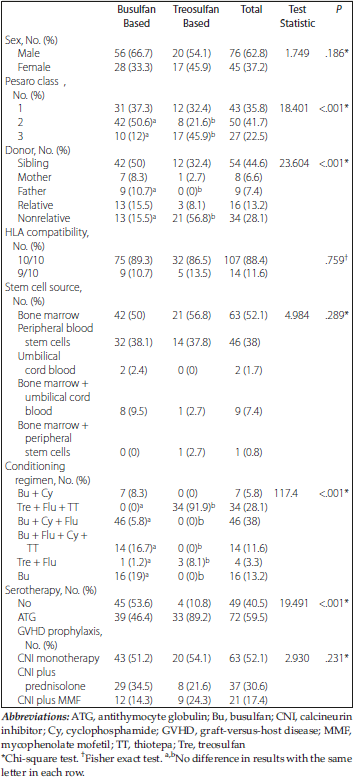
Table 1. Comparison of Demographic and Laboratory Data by Regimen Group
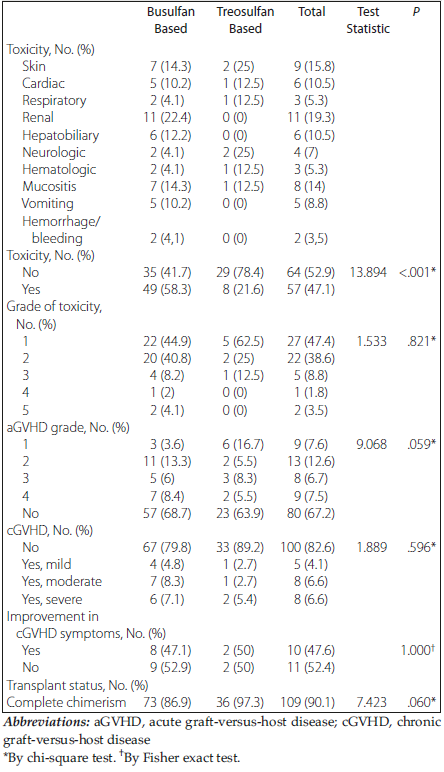
Table 2. Comparison of Toxicity, Graft-Versus-Host Disease, and Transplant Status by Regimen
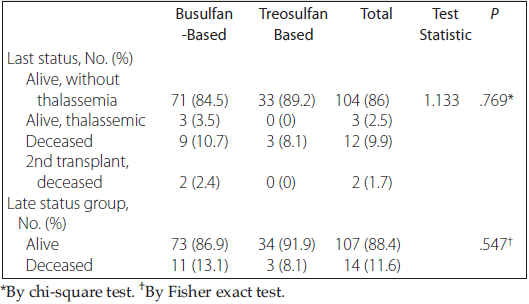
Table 3. Comparison of Last Status by Regimen
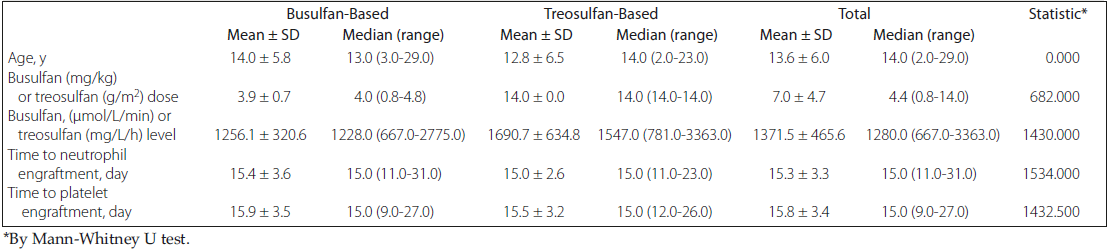
Table 4. Comparison of Quantitative Data by Regimen
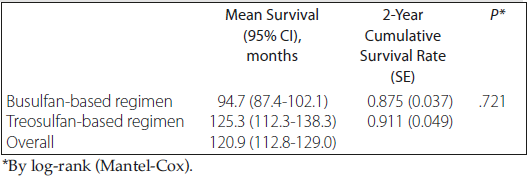
Table 5. Comparison of Survival Time by Regimen
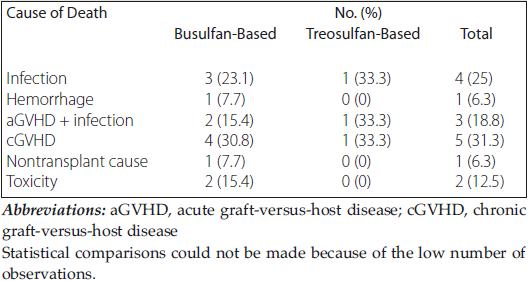
Table 6. Distribution of Causes of Death by Regimen
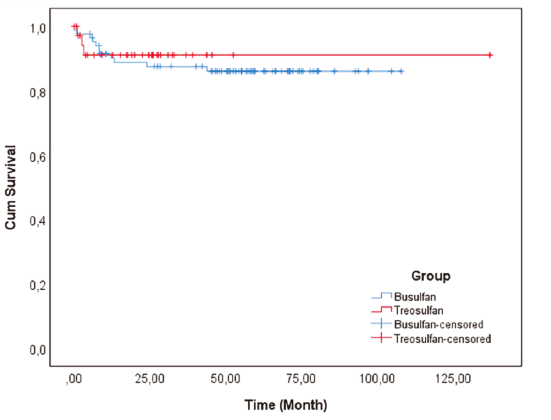
Figure 1. Overall Survival
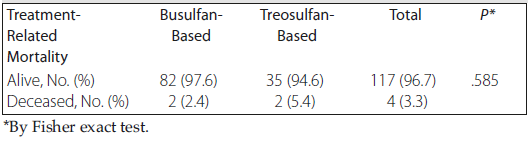
Table 7. Comparison of Treatment-Related Mortality by Regimen
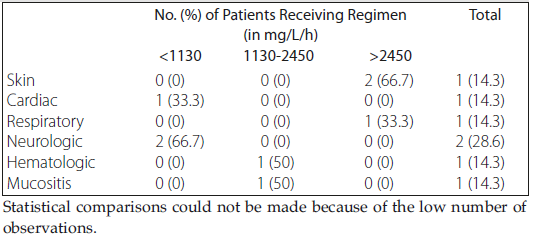
Table 8. Toxicities in Patients Who Received the Treosulfan-Based Regimen by Level
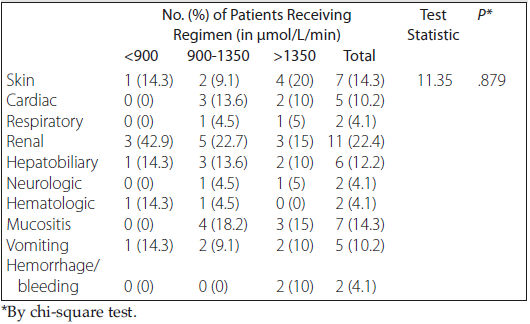
Table 9. Toxicities in Patients Who Received the Busulfan-Based Regimen by Level
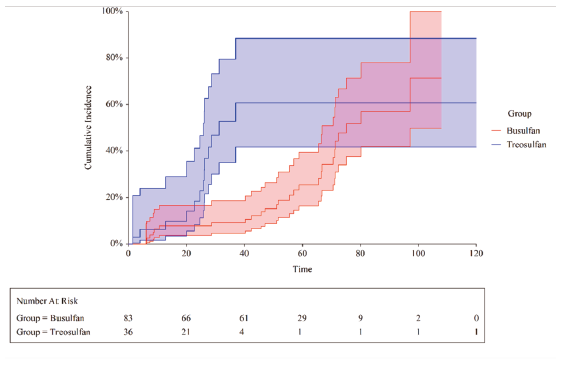
Figure 2. Estimated 8-Year Cumulative Incidence of Acute Graft-Versus-Host Disease Over Time, in Months
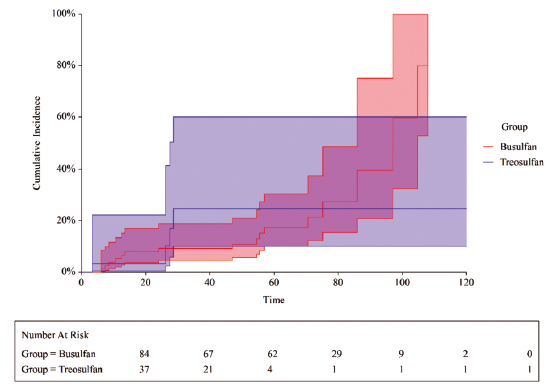
Figure 3. Estimated 8-Year Cumulative Incidence of Chronic Graft-Versus-Host Disease Over Time, in Months
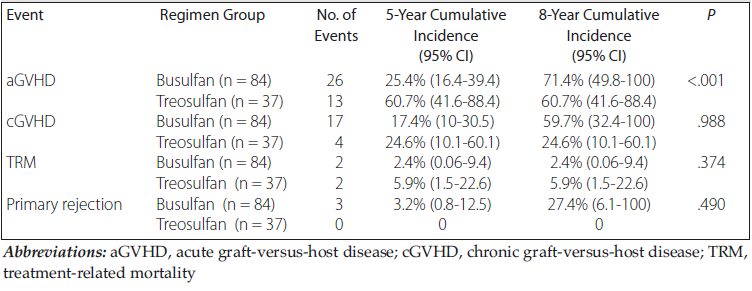
Table 10. Results of Gray Test for Events Comprising Disease-Free Survival
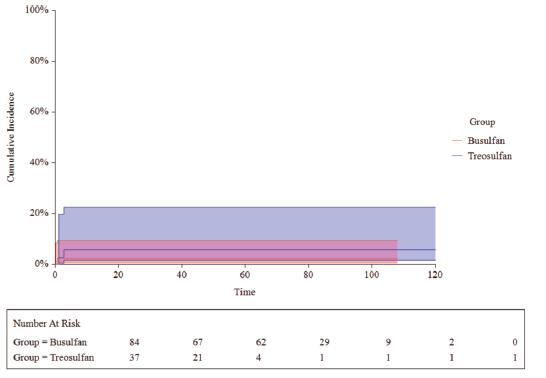
Figure 4. Estimated 8-Year Cumulative Incidence of Treatment-Related Mortality Over Time, in Months
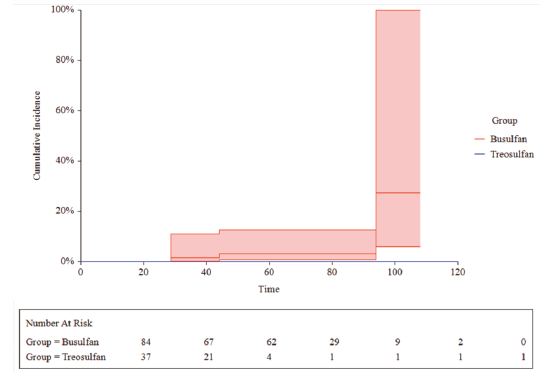
Figure 5. Estimated 8-Year Cumulative Incidence of Primary Rejection Over Time, in Months