Volume: 21 Issue: 11 November 2023
FULL TEXT
Exploring the Role of an Implantable Doppler Probe as a Blood Flow-Monitoring Device in Kidney Transplant: A Feasibility Randomized Controlled Trial
Abstract
Objectives: Vascular thrombosis is a disastrous postoperative complication resulting in the loss of 3.5% to 5.7% of all kidney transplants. The use of blood flow-sensing technology in the early postoperative period may help in the early identification of vascular complications crucial to reducing graft loss. This study aimed to assess the feasibility of an implantable Doppler probe as a blood flow-monitoring device in kidney transplant recipients and to evaluate its usefulness in the prevention of early graft loss.
Materials and Methods: This 2-arm feasibility rando-mized controlled trial compared the demographic characteristics and surgical outcomes of kidney transplant recipients who received implantable Doppler probe monitoring (intervention group; n = 30) with those who had standard clinical care (control group; n = 30). Surgical outcomes compared between the groups included the number of early vascular complications identified, the number of departmental ultrasonography scans requested in the first 72 hours postoperatively, and month 3 graft loss.
Results: Both groups were similar in demographic characteristics. In the intervention group versus the control group, fewer ultrasonography scans were requested in the first 24 hours postoperatively (56% vs 91%) and lower graft loss (0% vs 6.6%) was recorded. The results addressed uncertainties around the feasibility study’s research methods and required resources for a future pragmatic trial.
Conclusions: An implantable Doppler probe may be a beneficial adjunct for graft monitoring after kidney transplants. This feasibility study provided the necessary preliminary information and filled initial gaps in the evidence that can inform future research. The prespecified progression criteria of the study were fulfilled. The study template used can be transferable to other transplant centers across the United Kingdom. A pragmatic large-scale randomized controlled trial is warranted to evaluate the effectiveness of implantable Doppler probes in clinical practice.
Key words : Blood flow-sensing technology, Graft loss, Renal transplant
Introduction
Chronic kidney disease (CKD) is responsible for the deaths of 5 to 10 million people annually.1 Moreover, the prevalence of CKD is increasing globally, with approximately 800 million individuals worldwide with CKD, accounting for 10% of the world’s population.2 The leading cause of CKD-associated mortality is adverse cardiac events, with rates ranging from 20% to 50% over 2 years.2 The mortality rates of CKD patients on hemodialysis are 17 times higher than age-matched controls from the general population.3 Patients with CKD on hemodialysis have a worse prognosis than patients with most cancers, except lung and pancreas.4
A successful kidney transplant is considered the best treatment for patients with end-stage renal failure.3,5 The advantages include enhanced gene-ralized well-being, raised quality of life, improved long-term survival, and reduced cost for healthcare systems.3,5 Although the demand for kidney transplants has increased markedly over the years, the number of suitable grafts available for donation has only slightly increased.6 Consequently, patients with CKD on hemodialysis needing a kidney transplant typically wait for 3 to 5 years, depending on the geographic area.7 Different counterstrategies, like encouraging living kidney donors, accepting ABO-incompatible kidney transplants, and accepting extended criteria donors, have been implemented to increase the donor pool.7 Similarly, endeavors must be made to improve the utilization of available grafts.8
Vascular complications result in the loss of 3.5% to 5.7% of all kidney transplants.9,10 Graft losses due to arterial and venous complications are 0.2% to 7.5% and 0.1% to 8.2%, respectively.10 Graft loss has serious implications for kidney transplant recipients, with 30-day and 90-day mortality rates of 5.2% and 11.1%, respectively.11 The timely identification of vascular complications is a critical step in reducing early graft loss, as only a prompt surgical interven-tion can rescue a compromised graft.12
Novel blood flow-sensing technologies like the implantable Doppler (ID) probe, which assists in the early detection of vascular complications, have been used successfully for the surveillance of microvas-cular anastomosis in liver transplant, breast, plastic, and reconstructive surgery.13 The ID probe (Cook-Swartz Doppler Probe, Cook Medical) consists of 3 parts attached together: a 1-mm2 piezoelectric crystal, a 20-MHz transducer, and a silicon cuff14 (Figure 1). Intraoperatively, the probe is placed around the artery supplying the grafted tissues.14 The transducer in the probe converts the kinetic energy of the blood flowing toward the graft into electric energy.15 The probe is linked to an external monitor through a thin connecting wire14 (Figure 2). The external monitor translates the electrical impulses into audible Doppler signals.15 Continuous audible signals indicate normal blood flowing toward the graft.16 A pause in the audible signals represents a disrupted blood supply to the graft. Cessation of signals is the early warning sign that allows the opportunity for prompt intervention, as a delay would likely result in graft loss due to irreversible ischemic injury.16 If the patient is still in the operating room, an immediate reexploration is warranted. Otherwise, if the patient has returned to the hospital ward, urgent radiological investigations (ie, duplex ultrasonography, computed tomography angiography) are organized.17 Similar to other specialties, the ID probe may be used as a blood flow-monitoring device in kidney transplants.16
Feasibility studies are increasingly being con-ducted to investigate potential areas of uncertainty and support the development of future pragmatic studies.18 This study aimed to assess the feasibility of an ID probe as a blood flow-monitoring device in kidney transplant recipients and to evaluate its usefulness in the prevention of early graft loss. The preliminary information and outcome parameters acquired in the study will inform the development of the future pragmatic large-scale randomized clinical trials.
Materials and Methods
The CONDOR (Continuous Implantable Doppler Probe Monitoring in Renal Transplant) study (ClinicalTrials.gov identifier NCT05634863), a mixed method, 2-arm feasibility, randomized, controlled trial with an embedded qualitative study, was conducted at the Southwest Transplant Centre (SWTC), University Hospitals of Plymouth NHS Trust, United Kingdom, from April 2022 through July 2023 (Figure 3). The ID probe is used routinely for postoperative vascular surveillance of kidney transplant recipients at the SWTC. This allowed local recruitment of patients who had kidney transplant surgery with or without an ID probe monitoring device during the study duration at the SWTC.
Eligibility criteria
Inclusion criteria comprised patients who had deceased or living kidney donor transplants, patients aged 18 years or above, and patients able and willing to comply with the trial requirements. Exclusion criteria consisted of patients who had kidney transplants with 2 or more arteries (evident at the time of surgery), patients aged below 18 years, and patients lacking capacity or unwilling to give consent. Patients who fulfilled the eligibility criteria and consented to study participation were enrolled in the trial.
The on-call transplant surgeons obtained informed consent from eligible participants. Participants were given a detailed explanation of the research process and the functioning of the ID probe monitoring device. An information leaflet was offered.
Sample size
A formal power calculation is not mandatory to determine the sample size of a feasibility study.19,20 We selected a realistic recruitment figure of 60 participants to meet the objectives of the study, in line with other similar feasibility studies in the literature.21,22
Randomization
We randomly assigned 60 participants into the 2 trial arms (ie, intervention and control groups) in 1:1 ratio random permuted blocks by using an online computer sequence generator (https://www. randomizer.org/#randomize).
Trial arms
The 2 trial arms (intervention and control) consisted of 30 participants each. Participants in the intervention group had kidney transplants with ID probe monitoring for the first 72 hours postoperatively, in addition to the standard clinical care as part of their postoperative management.
Intraoperatively, intervention group participants had the ID probe attached to the renal artery of their transplanted kidneys. A continuous audible signal, generated by blood flow in the renal artery, was used as an indicator of graft perfusion. Audible signals were monitored by the transplant surgeons until wound closure in the operation theatre. Postoperatively, monitoring was continued by the duty nurse during recovery and by the on-call clinician after the patient was transferred to the renal ward.
Cessation of audible signals was considered a warning sign, warranting immediate exploration or radiological investigation, depending on whether the participant was in the operating theatre or renal ward, respectively. All ID probes were removed 72 hours after the surgery.
Participants in the control group received standard clinical care as their postoperative management, in line with the SWTC protocols.
Blinding
The nature of the intervention did not allow blinding of the participants or healthcare professionals to the outcomes of randomization. However, there were no differences in the recruitment, randomization, or postoperative care of participants in the intervention or control groups. The SWTC declared no conflict of interest with the ID probe monitoring device and acted in the best interest of all kidney transplant patients.
Data collection
The feasibility study identified 3 objectives referring to relevant domains required to address potential uncertainty around a pragmatic full-scale trial.18 (Table 1) lists the feasibility objectives along with their relevant outcome measures. Objective 1 assessed the capability of an ID probe as a blood flow-monitoring device in kidney transplant patients. The outcome measures of objective 1, in both the intervention and control groups, were recorded and compared for differences.
Objectives 2 and 3 evaluated the suitability of the feasibility study’s research methods and available resources for a future pragmatic trial. The outcome measures of objectives 2 and 3 highlighted barriers and challenges encountered during the conduct of this study.
Attainment of the 3 feasibility objectives comprised the prespecified progression criteria that would guide the trial advancement decision to the next stage.19,20
Prospective data collection was conducted independently for both groups. Data included participants’ demographic characteristics (Table 2) and relevant outcome measures for the feasibility objectives (Table 1). Measures, time points, and location of the data collection were elaborated (Table 3).
Intention to treat analysis
To preserve the benefits of randomization and prevent confounding factors, the data of all participants were summarized separately in their respective groups.18 We performed data analysis based on descriptive statistics by using IBM SPSS version 28.0. The use of inferential statistics to formally test the effectiveness of an intervention is not appropriate in a feasibility study.19 We presented continuous variables (ie, the participant’s demog-raphic characteristics) as means and standard deviations. We presented categorical variables (ie, outcome measures for the respective feasibility objectives) as frequency distribution and percentage. We compared demographic characteristics and the outcome measures for feasibility objectives to demonstrate any substantial differences between the groups. The relative risk (risk ratio) and risk difference for the outcome measures were calculated using the following formula: risk ratio = percent in the intervention group/percent in the control group; risk difference = percent in the intervention group minus percent in the control group.
We recorded the suitability of the research processes and the availability of research resources and highlighted any difficulties or shortcomings encountered during the feasibility study.
Ethical review
The CONDOR study has been approved prospectively by the regional and national ethical committees, including Health Research Authority UK (approval reference 302833), North of Scotland Research Ethics Committee (approval reference 22/NS/0009), University of Plymouth Faculty Research Ethics and Integrity Committee (approval reference 3358), University Hospitals Plymouth NHS Trust (R&D department sponsorship 21/SUR/ 626.4863).
Results
Of 60 total participants, 39 (65%) were men and 21 (35%) were women. The mean age and body mass index (in kilograms divided by height in meters squared) of participants were 54 ± 16.22 years and 28.1 ± 5.22, respectively. The average wait time from the participant’s activation on the waitlist to the kidney transplant at the SWTC was 601 days.
Comparison of demographic characteristics between groups
The demographic characteristics of participants in both groups were similar, allowing further com-parison of their surgical outcomes (Table 4).
Comparison of the outcome measures between the groups
We found 2 vascular complications (ie, external iliac artery dissections) in the control group. Unfor-tunately, both complications resulted in graft loss. No complications or graft loss occurred in the intervention group. Therefore, graft loss was 0% (0/30) in the intervention group versus 6.6% (2/30) in the control group. Similarly, fewer ultraso-nography scans were requested in the first 24 hours postoperatively in the intervention group versus the control group (56% vs 91%) (Table 5). No limitations regarding the suitability of the research processes or availability of research resources were encountered. We reported results following the CONSORT updated guidelines for reporting feasibility and pilot trials.20
Discussion
Blood flow-sensing technology with the ability to monitor the patency of microvascular anastomoses may have a beneficial role in the postoperative care of kidney transplant recipients.17 Following the UK Medical Research Council framework, evaluating the theoretical basis of an intervention is a key step in the assessment of interventions.18,19 This study assessed the feasibility of an ID probe as a blood flow-monitoring device and its potential role in the prevention of early graft loss. A qualitative study was embedded with the trial that aimed to test the acceptability of ID probes in clinical practice (Figure 3). Our mixed methods research design is similar to earlier studies evaluating the feasibility of interventions along with stakeholders' perceived values and potential barriers to adoption.21,22
Our results revealed lower graft loss and fewer early (first 24 hours) ultrasonography scans in the intervention group (with ID probe) compared with the control group (standard clinical care). In a previous retrospective cohort single-center study of 324 kidney transplant recipients, similar results were shown, with lower graft loss (1.5% vs 3.1%) and fewer first 24-hour ultrasonography scans requested (71.1% vs 83.7%) in kidney transplant recipients with ID probe monitoring compared with patients who had standard clinical care.8
The ID probe could have played a valuable monitoring role in the reduction of graft loss. Similarly, continuous ID probe signals may have reassured the on-call clinicians of graft perfusion, who then requested fewer ultrasonography scans. A public-patient involvement consultation involving 12 healthcare professionals with experience in the use of ID probes advocated the ID probe as a reliable postoperative blood flow-monitoring device with the potential to conserve ultrasonography resources.23 It is worth mentioning that a compensatory rise was noted in the first 48 hours and 72 hours of ultrasonographic scans requested in the participants with ID probes; however, the difference was not as significant as in the first 24 hours (Table 5).
Some shortcomings in the diagnostic accuracy of ID probe monitoring have been reported.17 The probe offers an indirect flow assessment of the renal vein as it can reliably detect vascular occlusion only in the vessel to which it is attached (ie, renal artery).13 Despite the limitations, a postoperative blood flow-monitoring device may be beneficial in high-risk kidney transplant cases.15 Crane and Hakim studied ID probe monitoring in 15 consecutive living kidney transplant recipients and described it as a useful monitoring device.12 Hakim and colleagues also reported a case of an ischemic graft that was rescued in time by the ID probe.16
Our study participants resemble the target population of a future pragmatic trial (ie, kidney transplant recipients in the UK). No discouraging factors during the recruitment process were identified. Kidney transplant patients expressed interest and willingly consented to participate in the study, as they regarded the ID probe as an additional safety net against possible vascular complications during the procedure. These findings reflect earlier observational studies that reported no recruitment issues while investigating ID probes in kidney and liver transplantation.8,23
The template used in this feasibility study is transferable to other transplant centers across the United Kingdom. A multicenter future pragmatic trial would support applicability by investigating the effectiveness of an ID probe across a range of settings.24 Likewise, broad eligibility criteria used in the study allowed enrollment of both deceased and living kidney transplant recipients.24 Less restrictive eligibility criteria reduce selection bias and ensure the sample is representative of the target population.25 However, to maintain standardization of data collection, participants with grafts having 2 or more arteries were excluded. This group comprised 17% of all enrolled kidney transplant recipients. In a study of computed tomography angiogram images of 100 kidney transplant donors, multiple arteries were shown in 18%.26 This figure should be accounted for during sample size calculations of future pragmatic trials.
All intervention group participants underwent ID probe monitoring for the first 72 hours postoperatively with no loss to follow-up reported. The participants recounted that ID probe signals alleviated their anxiety, and they felt reassured of the transplanted kidney. The monitoring device also did not cause any discomfort or hindrance to patient mobility. There are 2 studies that have reported avulsion of the vascular pedicle during detachment of the ID probe.27,28 Nevertheless, the ID probes in all 30 participants were removed safely after 72 hours. No technical glitches, malfunctions, or patient complications were encountered during ID probe monitoring. Similarly, the professionals delivering the intervention displayed adherence to the protocol. The likely reason is that the ID probe is simple to attach, needs no additional operating time, and is easy to monitor by the healthcare staff.12 The use of a probe does not require additional support or disruption to usual care.17
During the conduct of this study, no additional resources, provider expertise, or organizational structure were utilized, other than those available in usual practice. This was facilitated because ID probes are already in use by our hospital’s plastic and reconstructive surgery department. To encourage the willingness of new sites to participate in future research, the SWTC will train professionals to deliver the intervention. However, the participating units will have to employ specialized resources.
We advocate the outcome measures of objective 1 as the primary outcomes for the future pragmatic trial as they were accurately and conveniently measured during the feasibility study (Table 1). When recorded separately and compared between the intervention and control groups, outcome measures would likely achieve a plausible difference, crucial to future decision-making of effectiveness.8,24 The previous patient-public involvement consulta-tion showed similar opinions on the choice of primary outcomes, as these can be easily and practically collected as part of usual care.23 The feasibility study has also generated estimates (ie, effect size) that will be useful to inform the sample size for future research.24
This feasibility study was conducted in pre-paration for a trial with the pragmatic intention of assessing the effectiveness of an ID probe in clinical practice. The study findings of our feasibility study have addressed the uncertainties around the suitability of research processes and the availability of research resources. With attainment of feasibility objectives, we have met the progression criteria for trial advancement. Our feasibility study findings were concordant with the criteria proposed by the Readiness Assessment for Pragmatic Trials (RAPT) model.30 The ID probe fulfills the RAPT model criteria as it has previously demonstrated to be efficacious,12 has well-documented protocols,8 has minimal risk of complications,13 relies on outcomes that are already routinely measured,16 is economical,17 is acceptable to stakeholders,23 aligns with the clinical requirement,12 can be implemented within the existing healthcare system,15 and is likely to inform clinical practice.24
Conclusions
An ID probe may be used as a beneficial adjunct for graft monitoring in kidney transplantation. This feasibility study has provided necessary preliminary information and filled initial gaps in the evidence. This knowledge will support the development of future research.
The prespecified progression criteria are fulfilled, and the study template can be transferable to other transplant centers across the United Kingdom. A pragmatic large-scale randomized controlled trial is warranted to evaluate the effectiveness of ID probes in clinical practice.
References:
- Luyckx VA, Tonelli M, Stanifer JW. The global burden of kidney disease and the sustainable development goals. Bull World Health Organ. 2018 ;96(6):414-422D. doi:10.2471/BLT.17.206441
CrossRef - PubMed - Kovesdy CP. Epidemiology of chronic kidney disease: an update 2022. Kidney Int Suppl. 2022 ;12(1):7-11. doi:10.1016/j.kisu.2021.11.003
CrossRef - PubMed - Kramer A, Pippias M, Noordzij M, et al. The European Renal Association - European Dialysis and Transplant Association (ERA-EDTA) Registry Annual Report 2015: a summary. Clin Kidney J. 2018;11(1):108-122. doi:10.1093/ckj/sfx149
CrossRef - PubMed - Naylor KL, Kim SJ, McArthur E, Garg AX, McCallum MK, Knoll GA. Mortality in incident maintenance dialysis patients versus incident solid organ cancer patients: a population-based cohort. Am J Kidney Dis. 2019;73(6):765-776. doi:10.1053/j.ajkd.2018.12.011
CrossRef - PubMed - Schold JD, Buccini LD, Goldfarb DA, Flechner SM, Poggio ED, Sehgal AR. Association between kidney transplant center performance and the survival benefit of transplantation versus dialysis. Clin J Am Soc Nephrol. 2014 ;9(10):1773-1780 doi:10.2215/CJN.02380314
CrossRef - PubMed - NHS Blood and Transplant. Organ and Tissue Donation and Transplantation Activity report 2020/2021. Assessed May 18, 2023. https://www.organdonation.nhs.uk/helping-you-to-decide/about-organ-donation/statistics-about-organ-donation/transplant-activity-report/
CrossRef - PubMed - Ietto G, Iori V, Inversini D, et al. Indocyanine green angiography for quality assessment of renal graft before transplantation: a pilot study. Exp Clin Transplant. 2023;21(2):110-115. doi:10.6002/ect.2022.0339
CrossRef - PubMed - Malik MS, Akoh J, Aroori S, Latour JM. Implantable Doppler probe as a vascular monitoring device in kidney transplant patients: investigation of use at a single center. Exp Clin Transplant. 2022;20(4):355-361. doi:10.6002/ect.2021.0500
CrossRef - PubMed - Keller AK, Jorgensen TM, Jespersen B. Identification of risk factors for vascular thrombosis may reduce early renal graft loss: a review of recent literature. J Transplant. 2012;2012:793461.doi:10.1155/2012/793461
CrossRef - PubMed - Haberal M, Boyvat F, Akdur A, Kırnap M, Özçelik Ü, Yarbuğ Karakayalı F. Surgical complications after kidney transplantation. Exp Clin Transplant. 2016;14(6):587-595.
CrossRef - PubMed - Pinto-Ramirez J, Garcia-Lopez A, Salcedo-Herrera S, et al. Risk factors for graft loss and death among kidney transplant recipients: a competing risk analysis. PLoS One. 2022;17(7): e0269990. doi:10.1371/journal.pone.0269990
CrossRef - PubMed - Crane J, Hakim N. The use of an implantable Doppler flow probe in kidney transplantation: first report in the literature. Exp Clin Transplant. 2011;9(2):118-120.
CrossRef - PubMed - Malik MS, Saif I, Akoh J. Are signals from implantable doppler probes always accurate for prediction of blood flow in kidney transplant? Exp Clin Transplant. 2023;21(1): 52-54. doi:10.6002/ect.2022.0318
CrossRef - PubMed - COOK Medical 2021. Cook-Swartz Doppler probe. Assessed May 25, 2023. https://www.cookmedical.com/products/vas_dpsdp_webds/
CrossRef - PubMed - Malik MS, Akoh JA, Houlberg K, Barwell J, Powell R. Iliofemoral polytetrafluoroethylene graft interposition: a rescue procedure in external iliac artery dissection to restore lower limb revascularization and salvage kidney transplant. Exp Clin Transplant. 2023;21(5):467-470. doi:10.6002/ect.2023.0062
CrossRef - PubMed - Hakim DN, Nader MA, Sood A, Kandilis A, Hakim NS. Rescue of transplanted kidney thanks to an implantable Doppler probe: is this the future? Exp Clin Transplant. 2016;14(4):454-455. doi:10.6002/ect.2014.0135
CrossRef - PubMed - Malik MS, Akoh JA, Houlberg K, The use of the implantable Doppler probe as a blood flow monitoring device in clinical settings: a narrative review of the evidence. Exp Clin Transplant. 2023; 21(2):83-92. doi:10.6002/ect.2022.0349
CrossRef - PubMed - Chan CL, Taljaard M, Lancaster GA, Brehaut JC, Eldridge SM. Pilot and feasibility studies for pragmatic trials have unique considerations and areas of uncertainty. J Clin Epidemiol. 2021;138:102-114. doi:10.1016/j.jclinepi.2021.06.029
CrossRef - PubMed - National Institute for Health and Care Research. Additional guidance for applicants including a clinical trial, pilot study, or feasibility as part of a personal award application. 2022. Assessed May 26, 2023. https://www.nihr.ac.uk/documents/additional-guidance-for-applicants-including-a-clinical-trial-pilot-study-or-feasibility-as-part-of-a-personal-award-application/11702
CrossRef - PubMed - Eldridge SM, Chan CL, Campbell MJ, et al. CONSORT 2010 statement: extension to randomized pilot and feasibility trials. BMJ. 2016;355:i5239. doi:10.1136/bmj.i5239
CrossRef - PubMed - Cooper H, Lancaster GA, Gichuru P, Peak M. A mixed methods study to evaluate the feasibility of using the Adolescent Diabetes Needs Assessment Tool App in paediatric diabetes care in preparation for a longitudinal cohort study. Pilot Feasibility Stud. 2017;6: 4:13. doi:10.1186/s40814-017-0164-5
CrossRef - PubMed - Fiallo-Scharer R, Palta M, Chewning BA, Wysocki T, Wetterneck TB, Cox ED. Design and baseline data from a PCORI-funded randomized controlled trial of family-centered tailoring of diabetes self-management resources. Contemp Clin Trials. 2017; 58:58-65. doi:10.1016/j.cct.2017.04.007
CrossRef - PubMed - Malik MS, Abideen ZU, Akoh JA, Houlberg K. Exploring views and expectations of clinicians, nurses, and kidney transplant recipients regarding protocol development of a study to investigate feasibility of the implantable doppler probe in kidney transplantation: patient-public involvement consultations. Exp Clin Transplant. 2023;21(4):307-316. doi:10.6002/ect.2023.0025
- Malik MS, Akoh JA, Houlberg K. A study protocol exploring the role of an implantable doppler probe in kidney transplantation: a feasibility randomized controlled trial with an embedded qualitative study. Exp Clin Transplant. 2023;21(6):493-503. doi:10.6002/ect.2023.0031
CrossRef - PubMed - Binet I, Bock AH, Vogelbach P, Gasser T, Kiss A, Brunner F, Thiel G. Outcome in emotionally related living kidney donor transplantation. Nephrol Dial Transplant. 1997;12(9):1940-1948. doi:10.1093/ndt/12.9.1940
CrossRef - PubMed - Pradhay G, Gopidas GS, Karumathil Pullara S, et al. Prevalence and relevance of multiple renal arteries: a radioanatomical perspective. Cureus. 2021;13(10):e18957. doi:10.7759/cureus.18957
CrossRef - PubMed - Anctil V, Brisebois S, Fortier PH. Free flap anastomosis leak after implantable Doppler removal. OTO Open. 2017;1(1):2473974X17697057. doi:10.1177/2473974X17697057
CrossRef - PubMed - Hayler R, Low TH, Fung K, et al. Implantable Doppler ultrasound monitoring in head and neck free flaps: balancing the pros and cons. Laryngoscope. 2021;131(6): E1854-E1859. doi:10.1002/lary.29247
CrossRef - PubMed - Malik MS, Akoh JA, Houlberg K. Exploring the risk factors and preventable measures for early graft loss in kidney transplantation: a single-center analysis in the Southwest of the United Kingdom. Exp Clin Transplant. 2023; 21(8):639-644.
doi:10.6002/ect.2023.0099
CrossRef - PubMed - Baier RR, Jutkowitz E, Mitchell SL, McCreedy E, Mor V. Readiness assessment for pragmatic trials (RAPT): a model to assess the readiness of an intervention for testing in a pragmatic trial. BMC Med Res Methodol. 2019; 19(1):156. doi:10.1186/s12874-019-0794-9
CrossRef - PubMed

Volume : 21
Issue : 11
Pages : 860 - 867
DOI : 0.6002/ect.2023.0272
From the 1Southwest Transplant Centre, University Hospitals Plymouth, National Health Service Trust, Plymouth, and the 2University of Plymouth, Plymouth, United Kingdom
Acknowledgements: The authors have not received any funding or grants in support of the presented research or for the preparation of this work and have no declarations of potential conflicts of interest.
Corresponding author: Muhammad Shahzar Malik, Southwest Transplant Centre, Derriford Hospital, University Hospitals Plymouth NHS Trust, PL6 8DH, United Kingdom
E-mail: shahzar.malik@nhs.net
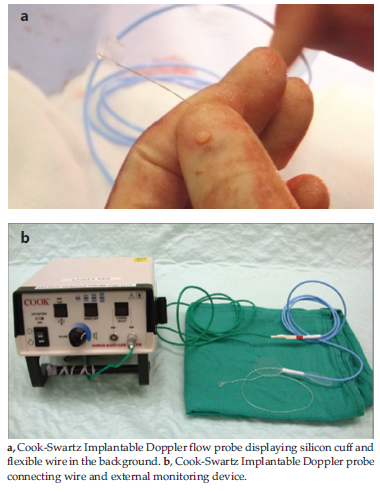
Figure 1.Cook-Swartz Doppler Probe

Figure 2.Cook-Swartz Implantable Doppler Flow Probe In Situ Around the Renal Artery
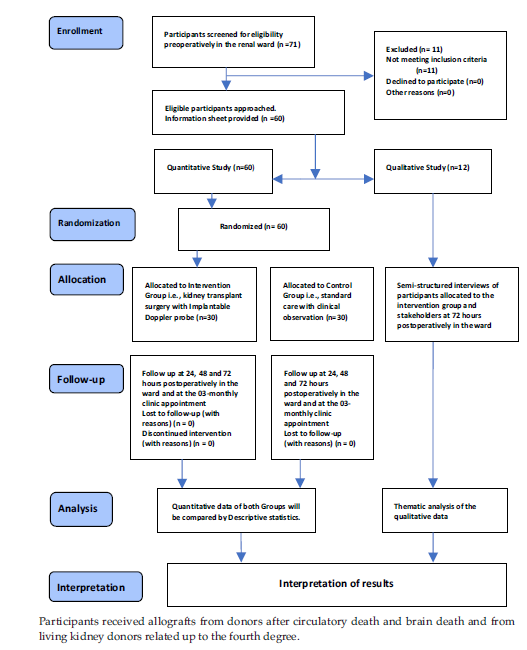
Figure 3.condor Study Flow Diagram
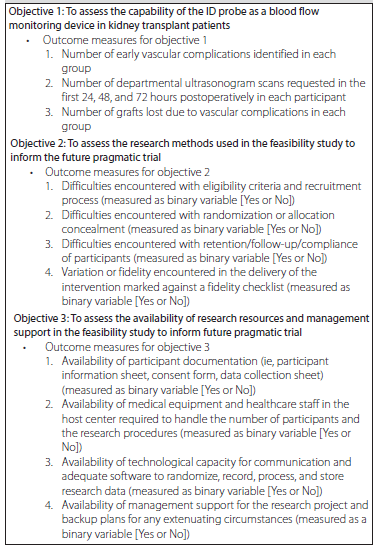
Table 1.Pretransplant Demographic, Clinical, and Laboratory Data of All Study Patients
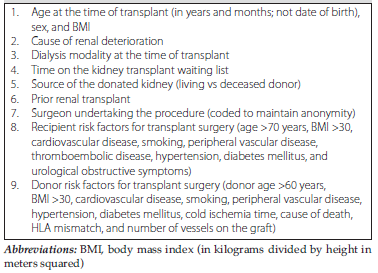
Table 2.Collected Demographic Characteristics of Participants
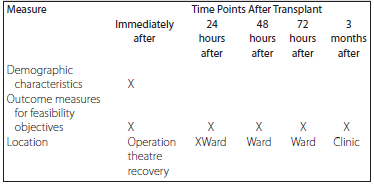
Table 3.Data Collection Measures, Time Points, and Location
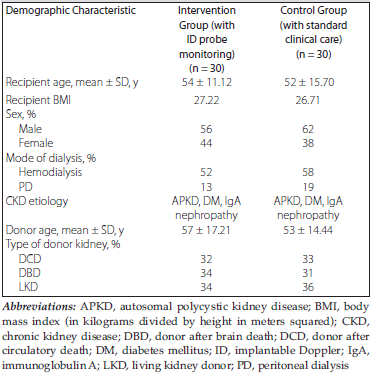
Table 4.Comparison of Demographic Characteristics of Intervention and Control Groups
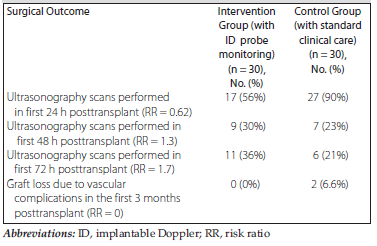
Table 5.Comparison of the Surgical Outcomes of Intervention and Control Groups