Volume: 18 Issue: 1 February 2020
FULL TEXT
Objectives: Acute kidney injury is a relatively frequent complication of allogenic hematopoietic stem cell transplant, resulting in increased risk of morbidity and mortality. Early diagnosis and management of acute kidney injury is of great importance for prevention of poor outcomes in these transplant recipients.
Materials and Methods: Fifty consecutive patients, hospitalized for allogenic hematopoietic stem cell transplant at the Bone Marrow Transplantation Unit of Gazi University Faculty of Medicine, were included in this prospective study. Serial measurements of serum creatinine and creatinine clearance were obtained before administration of conditioning regimen and at 0, 7, 14, 21, and 28 days after start of conditioning. Blood and urine samples were also obtained for the measurement of serum cystatin C and urine neutrophil gelatinase-associated lipocalin levels before conditioning and 24 hours before each serum creatinine measurement.
Results: During the median 25 days of follow-up, acute kidney injury developed in 19 patients: 10 patients had stage 1, 7 had stage 2, and 2 had stage 3 acute kidney injury according to the Acute Kidney Injury Network classification. There were significant positive correlations between serum cystatin C levels and serum creatinine levels and negative correlations with creatinine clearance levels at each time point (P < .001), whereas no statistically significant associations were observed with urinary neutrophil gelatinase-associated lipocalin levels. Both univariate and multivariate Cox regression models showed a statistically significant association between serum cystatin C levels and development of acute kidney injury, whereas urine neutrophil gelatinase-associated lipocalin levels did not show any significant associations.
Conclusions: Serum cystatin C levels might be a useful marker for early detection of acute kidney injury in adult allogenic hematopoietic stem cell transplant recipients. Close monitoring of kidney function by sensitive biomarkers might provide early recognition and timely management of acute kidney injury in high-risk patient populations.
Key words : Hematopoietic stem cell transplantation, Serum cystatin C, Urine neutrophil gelatinase-associated lipocalin
Introduction
Hematopoietic stem cell transplantation (HSCT) has gained worldwide acceptance as a curative treatment modality for both malignant and benign hematologic and immunologic diseases.1 However, complications limit the success of HSCT, particularly in allogeneic HSCT (AHSCT), which is related to greater incidences of transplant-related morbidity and mortality.2 Acute kidney injury (AKI) is one of the most common complications associated with AHSCT, with an incidence of 21% to 73%,3-6 particularly within the first 100 days after transplant.3 Recent reports have demonstrated that AKI after AHSCT is an important risk factor for the development of chronic kidney disease, with a strong impact on progression-free survival.7-9 Thus, close monitoring and early recognition of kidney damage is crucial for the prevention of poor outcomes in this patient population.
In current clinical practice, AKI is typically diagnosed by measuring serum creatinine levels. However, serum creatinine responses to kidney damage are usually only shown within 48 hour after injury.10 Serum creatinine is an untrustworthy marker during AKI, especially during the early stage after transplant, which has been termed as the “creatinine blinded period.” The lack of a consensus on how to quantitatively diagnose AKI has restrained the ability to compare research reports in this field. Hence, the Acute Dialysis Quality Initiative group has created RIFLE criteria (Risk, Injury, Failure, Loss, End-Stage Renal Disease), and subsequently the Acute Kidney Injury Network (AKIN) has proposed 3 systems modified from RIFLE for standardization of AKI diagnosis.11,12 Although these staging systems provide homogenization of studies in the AKI field, new biomarkers are still needed for early prediction of AKI, as all of these staging systems are based on serum creatinine levels.
Several new biomarkers have been introduced for evaluating renal dysfunction. Cystatin C, a recent marker, is a low-molecular-weight protein, completely filtrated from the glomerular filtration barrier and almost completely reabsorbed from the proximal tubule.13 This protein is not only a biomarker for glomerular filtration, but it also offers a good prediction for early renal injury in different settings. Although serum cystatin C levels have been previously determined as a useful tool for AHSCT patients who have increased risk of AKI,14 limited data exist on its use in adult AHSCT recipients. Recent research studies have also shown that neutrophil gelatinase-associated lipocalin (NGAL), a 25-kDa molecular-weight protein, highly accumulates in blood, the renal cortical tubule, and urine, after ischemic and toxic injury of the kidney. Thus, it seems to be a sensitive, noninvasive biomarker for early detection of AKI.15,16
In the present study, we evaluated the incidence of AKI in our AHSCT patient group and investigated whether serum cystatin C and urine NGAL levels might be useful biomarkers for early detection of AKI after AHSCT in adult recipients.
Materials and Methods
Study population
Fifty consecutive patients undergoing AHSCT at the Bone Marrow Transplantation
Unit of Gazi University Faculty of Medicine were prospectively enrolled in this
study between December 2009 and June 2011. Patients younger than 18 years old,
patients with preexisting chronic renal insufficiency, and patients with
diabetes mellitus were excluded from the study. Information gathered from
medical records included age, sex, underlying disorder, date of diagnosis,
conditioning regimen, and disease status at transplant. This study was approved
by the Institutional Review Board of Gazi University Faculty of Medicine, and
written informed consent was obtained from each patient before enrollment.
Conditioning regimen
Myeloablative conditioning regimens consisted
of cyclophosphamide + busulfan or total body irradiation + cyclophosphamide or
total body irradiation + cyclophosphamide + thiotepa + melphalan.
Nonmyeloablative regimens consisted of antithymocyte globulin + cyclophosphamide
+ fludarabine or fludarabine + melphalan or fludarabine + antithymocyte globulin
+ busulfan. All patients received cyclosporine and methotrexate for
graft-versus-host disease (GVHD) prophylaxis. Infection prophylaxis consisted of
fluconazole, levofloxacin, trimethoprim/sulfamethoxazole, and acyclovir.
Laboratory assessments
Hemoglobin levels, white blood cell count, platelet count, serum urea nitrogen,
serum creatinine levels, and serum electrolyte levels, along with glomerular
filtration rate, were monitored on day -7, on the day of infusion (day 0), and
on days +7, +14, +21, and +28. Serum creatinine levels and glomerular filtration
rate measurements were also obtained on days +6, +13, +20, and +27 post-AHSCT.
Glomerular filtration rate was calculated by the Modified Diet in Renal Disease
equation.17
Evaluation of acute kidney injury
Study patients were followed for 30 days for acute kidney injury. Renal
dysfunction was evaluated according to the AKIN staging criteria12 (Table 1).
Acute kidney injury was evaluated using only glomerular filtration rate
criteria, as urine output could not be determined for all patients.
Determination of blood cystatin C and urine neutrophil gelatinase-associated
lipocalin levels
Urine and blood samples were collected at day -7, infusion day (day 0), and on
days +6, +13, +20, and +27. Samples were centrifuged at 3000g for 5 minutes, and
the supernatants were stored at -80°C. Serum cystatin C (Biovendor Laboratorni
Medicina, Brno, Czech Republic) and urine NGAL (Biovendor Laboratorni Medicina)
levels were analyzed by commercially available enzyme-linked immunosorbent
assay kits with sandwich monoclonal enzyme-linked immunosorbent assay
procedures. All tests were performed according to the manufacturer’s
instructions. Sensitivities specified by the manufacturer are 0.02 ng/mL for
NGAL levels and 0.25 ng/mL for serum cystatin C levels.
Statistical analyses
All values are expressed as means ± standard deviation or median with
interquartile range (IQR) depending on their distribution. Nonparametric
Friedman test was performed to compare the levels of serum creatinine,
creatinine clearance, serum cystatin C, and urine NGAL levels for each
measurement. The correlation coefficients between creatinine, creatinine
clearance, cystatin C, and urine NGAL were evaluated using Spearman correlation
analysis. The predictors of AKI were assessed in a time-dependent manner by
regression analysis. For multivariable analyses, general risk factors such as
age, sex, and transplant type along with each renal function marker were
adjusted to avoid overfitting in the regression model. Log-rank analyses were
performed for comparisons between groups. Statistical significance was assessed
at the 95% confidence interval. Analyses were performed using SPSS version 21
for Windows (SPSS, Chicago, IL, USA).
Results
Patient characteristics
Baseline characteristics of the 50 patients are shown in Table 2. Median age was
29 years (IQR: 18, 62 y), with overall male predominance. Four patients
underwent unrelated donor transplant. Thirty patients received myeloablative
conditioning, and 20 patients received nonmyeloablative conditioning regimens.
Five patients developed sinusoidal obstruction syndrome, 1 at day 7 and 4 at day
14 after transplant. Four patients developed hepatic GVHD, 6 patients developed
gastrointestinal GVHD, and 7 patients developed skin GVHD during follow-up.
Baseline laboratory characteristics of study patients are presented in Table 3.
Changes in kidney function
Median follow-up was 25 days (IQR: 7, 30). We observed a significant increase in
creatinine levels between each time point after transplant compared with the
previous level. In addition, there was a significant and steady decrease in
creatinine clearance levels at each time point (Figure 1). Nineteen patients
(38%) developed AKI. Among these, 10 patients were classified as stage 1, 7
patients as stage 2, and 2 patients as stage 3 AKI according to the AKIN
classification. The incidence of AKI was 55% in those who received myeloablative
and
26.7% in those who received nonmyeloablative conditioning regimens. Baseline
creatinine, creatinine clearance, proteinuria, age, sex, and cholesterol levels
were similar in patients with and without AKI. Both AKI and non-AKI subgroups
showed significantly increased creatinine levels during follow-up (P < .001 for
each subgroup) (Figure 2).
Serum cystatin C and urine neutrophil gelatinase-associated lipocalin
measurements
Serum cystatin C and urine NGAL levels were measured on day -7, on infusion day
(day 0), and on days +6, +13, +20, and +27. Both the AKI and non-AKI subgroups
showed significantly increased serum cystatin C levels, although with a more
prominent rise in the AKI subgroup (P < .001 for the AKI and P = .001 for the
non-AKI subgroup). Among the measured urine NGAL levels at each time point, the
highest urine NGAL level was found on day
+13 in both patients with and those without AKI
(Table 4). Serum cystatin C levels were significantly increased earlier than the
significant elevation in serum creatinine levels shown among all study patients
and also in subgroup analyses (Figure 3). Although the incremental change in
urine NGAL levels was earlier than the significant rise in serum creatinine
levels, this decrease was significant and sustained at the same levels in all
study patients and in subgroup analyses (Figure 3).
Serum cystatin C levels showed statistically significant positive correlations with serum creatinine levels and significant negative correlations with creatinine clearance levels at each time point. Although the correlation directions were similar with urine NGAL levels, these associations did not reach statistical significance. The Spearman correlation results among the variables are summarized in Figure 4.
Predictors of acute kidney injury after allogeneic hematopoietic stem cell
transplant
Both univariate and multivariable Cox regression analyses indicated that
sinusoidal obstruction syndrome was the only significant clinical predictor for
the development of AKI among several clinical factors (univariate analysis: odds
ratio of 4.325;
95% confidence interval, 1.395, 13.404; P = .001; multivariable analysis
adjusted by age, sex, and transplant type: odds ratio of 4.973; 95% confidence
interval, 1.485, 16.648; P = .009) (Table 5).
There were no statistically significant associations between the development of AKI and baseline serum creatinine levels and also as shown with baseline creatinine clearance regression analyses adjusted by age, sex, and transplant type (Table 6). Among all time point measurements, serum cystatin C levels over 0.9 mg/L at days 13, 20, and 27 post-AHSCT were significant predictors of AKI in univariate regression analyses. These associations remained statistically significant even after adjustment by age, sex, and transplant type (Table 6). However, none of the NGAL measurements showed significant associations in regression models.
Discussion
Our study shows that AKI defined by AKIN criteria is a frequent complication of AHSCT, and serum cystatin C measurements allow the prediction of AKI in adult AHSCT patients earlier than measurements of changes in serum creatinine levels. However, urine NGAL levels did not show any significant association with the development of AKI. These data indicate that close monitoring of kidney function by serum cystatin C measurements might be a useful tool for early recognition and timely management of AKI after AHSCT.
With the recognition of need for a uniform definition for AKI, RIFLE11 criteria and subsequently AKIN12 criteria have been proposed for the classification of AKI. The AKIN criteria were used for staging kidney injury in our present study, which showed that 38% of the patients developed AKI after AHSCT within the first 30 days. To the best of our knowledge, there are few studies in the literature that have evaluated the development of AKI by using AKIN criteria in adult AHSCT patients. A 5-year follow-up retrospective study reported that 53.6% of HSCT patients developed AKI by using AKIN criteria.18 The same group also showed that AKIN criteria is the better diagnostic system for determining acute renal injury in this patient population.19 The determined incidence of AKI in our study is slightly lower than shown in the previous studies, which might be explained by the different follow-up periods. Our study analyzed the first 30 days after AHSCT, whereas the previous studies used follow-ups of 100 days.18,20 However, it should be noted that the presence of AKI is more common within the first 2 to 3 weeks after AHSCT due to toxicities with the high-dose regimens, which can trigger the development of AKI in the early posttransplant period.
There are conflicting results in the literature regarding the laboratory predictors for the development of renal dysfunction after HSCT. Two previous studies have claimed that low baseline creatinine levels were found to be associated with development of AKI.3,4 Although this association was not completely explained, it has been concluded that loss of lean body mass due to the malignant process might be the cause of low pretransplant creatinine levels. In another study, baseline low creatinine clearance levels were found as a risk factor for AKI.21 Here, we demonstrated that baseline higher serum creatinine levels were associated with 3.9-fold increased risk of AKI. An important point of our finding was the observed trend toward an increase in creatinine levels in the non-AKI subgroup with cystatin C levels showing a significant rise.
One should conclude that there is a subclinical kidney injury in all AHSCT patients with a potential of progressing to advanced kidney failure with the addition of contributing factors in the long-term AHSCT settings. In addition, the use of serial serum creatinine readings alone would cause an underestimate or misrepresent the timing of AKI, thus stressing the need of other biomarkers such as cystatin C to identify even mild kidney damage. Also, regardless of the biomarker type used during follow-up, clinicians should be careful with fluid administration and drug management after transplant, even in patients who have no apparent clinical or laboratory signs of kidney injury.
Almost all complications after AHSCT could lead to development of AKI in the early posttransplant period. Previous risk management studies have shown that GVHD, sinusoidal obstruction syndrome, and cyclosporine toxicity are the major important risk factors for renal injury in these patients. Our study did not show any relation between serum cyclosporine levels and AKI. However, administration of cyclosporine to all patients and keeping blood levels at a similar range are potential explanations for this finding. Consistent with previous studies,4,22 patients with acute GVHD in our study showed 1.2-fold increased risk for developing AKI, although this was not statistically significant. We also found that sinusoidal obstruction syndrome caused a 4.9-fold increased risk for development of AKI, similar with the previous literature.23 It should also be noted that, besides the casual relation between sinusoidal obstruction syndrome and AKI, the degree of renal injury is the most important prognostic factor for survival in patients who developed sinusoidal obstruction syndrome. Thus, it is important to identify patients who are at risk of AKI, for both prevention of its development and also for early initiation of effective treatment to improve outcomes.
We performed serial measurements of blood cystatin C weekly for the first 30 days to evaluate the performance of this test as an early kidney injury marker in the AHSCT setting. Cystatin C has been suggested to be a precise marker, even as a marker in mild renal dysfunction.13 It has been demonstrated that cystatin C is more sensitive than serum creatinine for detection of renal dysfunction in renal and liver transplant patients.24 Although cystatin C has been studied in those with liver and kidney transplants and in oncologic patients, few studies exist on its use in AHSCT patients. Hazar and associates showed that serum cystatin C is as sensitive as diethylenetriaminepentaacetic acid-based glomerular filtration rate measurement in pediatric HSCT patients.25 In our study, we found strong correlations between serum cystatin C levels and routine clinical practice markers (serum creatinine and creatinine clearance measurements), which were measured 24 hours after cystatin C measurements. Similarly, Muto and associates14 demonstrated a strong negative correlation between serum cystatin C and creatinine clearance levels (r = 0.682; P < .001). Furthermore, an earlier increase in serum cystatin C levels versus serum creatinine concentrations during the creatinine blinded period suggests that cystatin C has a higher sensitivity in identifying early kidney dysfunction, which may be missed by relying on serum creatinine concentrations alone. Although the baseline cystatin C levels could not predict development of AKI in our analysis, the significant risk prediction of serum cystatin C levels over 0.9 mg/L with other time points led us to conclude that sequential serum cystatin C measurements after AHSCT may be necessary for determining AKI during the creatinine blinded period.
To the best of our knowledge, this is the first prospective study that evaluated kidney injury by cystatin C and urine NGAL measurements concurrently. We found that serial measurements of NGAL levels showed an increased trend within the first 2 weeks after AHSCT in patients with and without AKI. Although there were positive correlations between urine NGAL levels and serum creatinine and negative correlations with creatinine clearances, none of these reached statistically significance. We were also unable to find significant associations in our regression model, in contrast to that conducted by Taghizadeh-Ghehi et al.26 The relatively small sample size may have masked the possible value of urine NGAL levels in predicting AKI in our study. In addition, more frequent measurements of urine NGAL levels could be more effective for documenting renal function decline, since urine NGAL levels might change more rapidly due to the possible effects of various factors, such as direct drug toxicity, portal hypertension due to sinusoidal obstruction syndrome, renal hypoperfusion, and renal hemodynamic changes due to infections and sepsis after AHSCT.
Our study has several limitations, primarily the relatively small sample size and being a single center study. These limitations preclude us from drawing solid conclusions. A secondary limitation is the absent use of histopathology, which was due to the potential hemorrhagic risk with renal biopsy. Third, we limited our prospective design to the first 30 days, which may have led to an underestimate of the incidence of AKI. However, it should be mentioned that AKI usually occurs within the first 2 to 4 weeks after transplant.27 Finally, we measured the biomarkers in a weekly manner, as more frequent follow-up of these markers would be worth the extra cost. On the other hand, the prospective nature and use of the AKIN classification system, a proven sensitive method for AKI diagnoses, are the strong parts of our present study. In addition, to our knowledge, this is the first study that used urine NGAL together with serum cystatin C measurements with traditional clinical markers in an adult AHSCT population.
In conclusion, our results indicate that serum cystatin C measurements could be a useful tool for the early detection of AKI. Further studies with larger sample sizes are required to determine the value of urine NGAL levels in predicting AKI in the AHSCT setting.
References:
- Roncarolo MG, Gregori S, Lucarelli B, Ciceri F, Bacchetta R. Clinical tolerance in allogeneic hematopoietic stem cell transplantation. Immunol Rev. 2011;241(1):145-163.
CrossRef - PubMed - Zager RA. Acute renal failure in the setting of bone marrow transplantation. Kidney Int. 1994;46(5):1443-1458.
CrossRef - PubMed - Hingorani SR, Guthrie K, Batchelder A, et al. Acute renal failure after myeloablative hematopoietic cell transplant: incidence and risk factors. Kidney Int. 2005;67(1):272-277.
CrossRef - PubMed - Kersting S, Dorp SV, Theobald M, Verdonck LF. Acute renal failure after nonmyeloablative stem cell transplantation in adults. Biol Blood Marrow Transplant. 2008;14(1):125-131.
CrossRef - PubMed - Parikh CR, Schrier RW, Storer B, et al. Comparison of ARF after myeloablative and nonmyeloablative hematopoietic cell transplantation. Am J Kidney Dis. 2005;45(3):502-509.
CrossRef - PubMed - Lopes JA, Jorge S, Silva S, et al. Acute renal failure following myeloablative autologous and allogeneic hematopoietic cell transplantation. Bone Marrow Transplant. 2006;38(10):707.
CrossRef - PubMed - Parikh CR, Yarlagadda SG, Storer B, Sorror M, Storb R, Sandmaier B. Impact of acute kidney injury on long-term mortality after nonmyeloablative hematopoietic cell transplantation. Biol Blood Marrow Transplant. 2008;14(3):309-315.
CrossRef - PubMed - Kersting S, Koomans HA, Hene RJ, Verdonck LF. Acute renal failure after allogeneic myeloablative stem cell transplantation: retrospective analysis of incidence, risk factors and survival. Bone Marrow Transplant. 2007;39(6):359-365.
CrossRef - PubMed - Ellis MJ, Parikh CR, Inrig JK, Kanbay M, Patel UD. Chronic kidney disease after hematopoietic cell transplantation: a systematic review. Am J Transplant. 2008;8(11):2378-2390.
CrossRef - PubMed - Bagshaw SM, Gibney RT. Conventional markers of kidney function. Crit Care Med. 2008;36(4 Suppl):S152-158.
CrossRef - PubMed - Bellomo R, Ronco C, Kellum JA, Mehta RL, Palevsky P, Acute Dialysis Quality Initiative w. Acute renal failure - definition, outcome measures, animal models, fluid therapy and information technology needs: the Second International Consensus Conference of the Acute Dialysis Quality Initiative (ADQI) Group. Crit Care. 2004;8(4):R204-212.
CrossRef - PubMed - Mehta RL, Kellum JA, Shah SV, et al. Acute Kidney Injury Network: report of an initiative to improve outcomes in acute kidney injury. Crit Care. 2007;11(2):R31.
CrossRef - PubMed - Coll E, Botey A, Alvarez L, et al. Serum cystatin C as a new marker for noninvasive estimation of glomerular filtration rate and as a marker for early renal impairment. Am J Kidney Dis. 2000;36(1):29-34.
CrossRef - PubMed - Muto H, Ohashi K, Ando M, Akiyama H, Sakamaki H. Cystatin C level as a marker of renal function in allogeneic hematopoietic stem cell transplantation. Int J Hematol. 2010;91(3):471-477.
CrossRef - PubMed - Parikh CR, Jani A, Mishra J, et al. Urine NGAL and IL-18 are predictive biomarkers for delayed graft function following kidney transplantation. Am J Transplant. 2006;6(7):1639-1645.
CrossRef - PubMed - Hemdahl AL, Gabrielsen A, Zhu C, et al. Expression of neutrophil gelatinase-associated lipocalin in atherosclerosis and myocardial infarction. Arterioscler Thromb Vasc Biol. 2006;26(1):136-142.
CrossRef - PubMed - Levey AS, Coresh J, Greene T, et al. Using standardized serum creatinine values in the modification of diet in renal disease study equation for estimating glomerular filtration rate. Ann Intern Med. 2006;145(4):247-254.
CrossRef - PubMed - Lopes JA, Goncalves S, Jorge S, et al. Contemporary analysis of the influence of acute kidney injury after reduced intensity conditioning haematopoietic cell transplantation on long-term survival. Bone Marrow Transplant. 2008;42(9):619-626.
CrossRef - PubMed - Lopes JA, Jorge S, Silva S, et al. Prognostic utility of the acute kidney injury network (AKIN) criteria for acute kidney injury in myeloablative haematopoietic cell transplantation. Bone Marrow Transplant. 2007;40(10):1005-1006.
CrossRef - PubMed - Liu H, Li YF, Liu BC, et al. A multicenter, retrospective study of acute kidney injury in adult patients with nonmyeloablative hematopoietic SCT. Bone Marrow Transplant. 2010;45(1):153-158.
CrossRef - PubMed - Fadia A, Casserly LF, Sanchorawala V, et al. Incidence and outcome of acute renal failure complicating autologous stem cell transplantation for AL amyloidosis. Kidney Int. 2003;63(5):1868-1873.
CrossRef - PubMed - Hahn T, Rondeau C, Shaukat A, et al. Acute renal failure requiring dialysis after allogeneic blood and marrow transplantation identifies very poor prognosis patients. Bone Marrow Transplant. 2003;32(4):405-410.
CrossRef - PubMed - McDonald GB, Hinds MS, Fisher LD, et al. Veno-occlusive disease of the liver and multiorgan failure after bone marrow transplantation: a cohort study of 355 patients. Ann Intern Med. 1993;118(4):255-267.
CrossRef - PubMed - Poge U, Gerhardt T, Woitas RP. Equations to estimate GFR using serum cystatin C in kidney transplant recipients. Am J Kidney Dis. 2008;52(2):383-384.
CrossRef - PubMed - Hazar V, Gungor O, Guven AG, et al. Renal function after hematopoietic stem cell transplantation in children. Pediatr Blood Cancer. 2009;53(2):197-202.
CrossRef - PubMed - Taghizadeh-Ghehi M, Sarayani A, Ashouri A, Ataei S, Moslehi A, Hadjibabaie M. Urine neutrophil gelatinase associated lipocalin as an early marker of acute kidney injury in hematopoietic stem cell transplantation patients. Ren Fail. 2015;37(6):994-998.
CrossRef - PubMed - Kogon A, Hingorani S. Acute kidney injury in hematopoietic cell transplantation. Semin Nephrol. 2010;30(6):615-626.
CrossRef - PubMed

Volume : 18
Issue : 1
Pages : 98 - 105
DOI : 10.6002/ect.2016.0161
From the 1Department Internal Medicine, Division of Nephrology; the
2Department
Internal Medicine, Division of Hematology; and the 3Department of Biochemistry,
Gazi University Faculty of Medicine, Ankara, Turkey
Acknowledgements: This study was funded by Gazi University scientific research
project unit (project code; 01/2010-72). The authors have no conflicts of
interest to declare. This work contains essential data from the medical
dissertation of Serpil Muge Deger. All authors contributed to the design of the
study, data collection, data interpretation, and writing of the manuscript. Data
from this manuscript were presented at the 30th National Congress of Nephrology,
Hypertension, Dialysis and Transplantation, Antalya, Turkey. Current address of
Serpil Muge Deger: Vanderbilt University Medical Center, Department of
Nephrology and Hypertension, Nashville, TN, USA.
Corresponding author: Serpil Muge Deger, Gazi University Faculty of Medicine,
Department of Nephrology, Besevler, Turkey
Phone: +1 615 4972822
E-mail: serpil.deger@vanderbilt.edu;
serpilmugedeger@yahoo.com
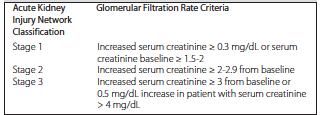
Table 1. Criteria for Acute Kidney Injury
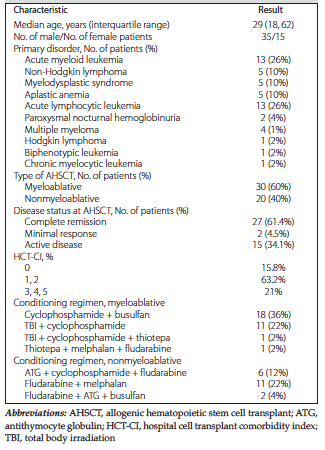
Table 2. Demographic Characteristics of Study Population (N = 50 Patients)
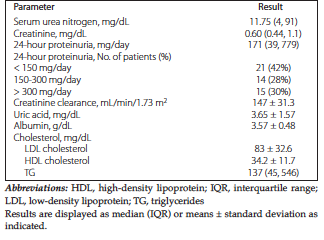
Table 3. Baseline Laboratory Parameters of Study Population (N = 50 Patients)
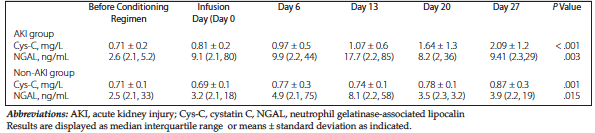
Table 4. Serum Cystatin C and Urine Neutrophil Gelatinase-Associated Lipocalin Levels at Each Time Point
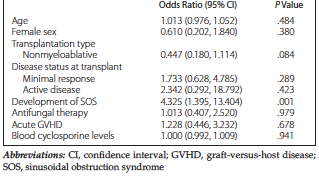
Table 5. Association Between Patient Characteristics and Acute Kidney Injury (Univariate Cox Model)
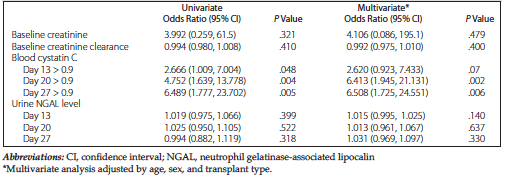
Table 6. Predictors of Acute Kidney Injury
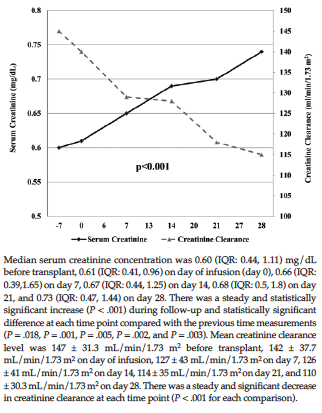
Figure 1. Time-Dependent Changes in Renal Function
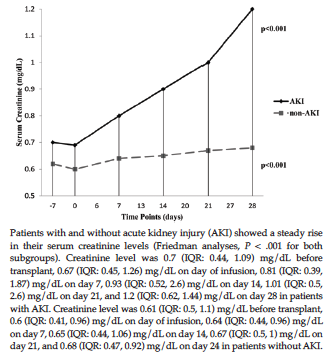
Figure 2. Creatinine Levels in Patients With and Without Acute Kidney Injury
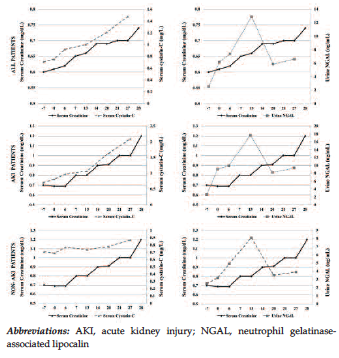
Figure 3. Serum Creatinine, Serum Cystatin C, and Urine Neutrophil Gelatinase Associated Lipocalin Changes During Follow-Up Among Study Groups
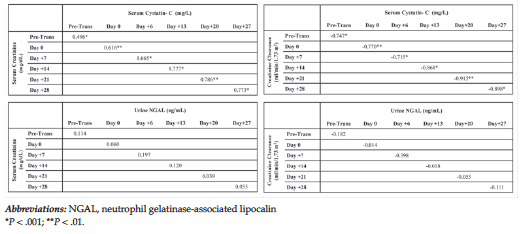
Figure 4. Spearman Correlation Analyses Between Serum Creatinine and Serum Cystatin C and Urine Neutrophil Gelatinase Associated Lipocalin Levels