Volume: 18 Issue: 1 February 2020
FULL TEXT
Objectives: Solid-organ transplant recipients are at great risk for osteoporotic vertebral compression fractures because of both underlying pretransplant bone diseases and posttransplant immunosuppressive treatments. Balloon kyphoplasty is a minimally invasive procedure that is used to treat painful osteoporotic vertebral compression fractures. It involves injection of polymethylmethacrylate into the vertebral body to stabilize the fracture and to alleviate the pain immediately. In this study, we report the results of balloon kyphoplasty for treatment of vertebral compression fractures in solid-organ transplant recipients.
Materials and Methods: We retrospectively reviewed 512 liver transplant and 2248 kidney transplant procedures that were performed in our center between 1985 and 2015. Seven transplant recipients with a total of 10 acute, symptomatic vertebral compression fractures who were unresponsive to conservative treatment for 3 weeks underwent balloon kyphoplasty. Clinical outcome was graded using the visual analog scale. Radiographic evaluation included measurement of the segmental kyphosis by the Cobb method.
Results: There were 4 female and 3 male patients in our study group. Ages of patients ranged from 56 to 63 years with an average age of 58.8 years. The affected vertebral levels varied from T12 to L4. Mean follow-up after balloon kyphoplasty was 3.4 years, and mean time interval from transplant to balloon kyphoplasty was 8.6 years. Statistically significant difference is evident 3 years after transplant surgery (P < .05). Sagittal alignment improved (> 5 degrees) in 2 of 7 patients (28%).
Conclusions: Transplant recipients are at great risk in terms of vertebral compression fracture development, especially within 1 year after transplant. Although conservative treatment has been the first treatment choice for vertebral compression fracture, long treatment time and high costs may be needed to achieve cure. Experience with our small patient population showed that balloon kyphoplasty was effective and safe for obtaining rapid pain relief and earlier mobilization with fewer complications.
Key words : Organ transplant, Osteoporosis, Spinal fractures, Kyphoplasty
Introduction
Osteoporotic vertebral compression fractures (VCFs) affect many individuals worldwide.1 In addition to its high incidence, functional limitations and disability that arise secondary to VCFs are associated with significant morbidity and mortality.1 Advanced age, female sex, white ethnicity, dementia, history of fractures in adulthood, early menopause, alcohol consumption, tobacco use, estrogen deficiency, impaired eyesight, insufficient physical activity, low body weight, dietary calcium deficiency, and vitamin D deficiency constitute the major risk factors for osteoporotic VCFs.1 Furthermore, solid-organ transplant recipients are also at great risk for osteoporotic VCFs because of both underlying pretransplant bone diseases and posttransplant immunosuppressive treatments.2-4
Balloon kyphoplasty and vertebroplasty are both minimally invasive, percutaneous vertebral augmentation (PVA) procedures that are used for treatment of painful osteoporotic vertebral fractures, giant vertebral hemangiomas, multiple myeloma, and vertebral metastases.5,6 They involve injection of viscous polymethylmethacrylate into the vertebral body. Injected polymethylmethacrylate stabilizes the fracture and alleviates the pain immediately.5,6
In this study, we report the results of the balloon kyphoplasty procedure for the treatment of VCFs in solid-organ transplant recipients.
Materials and Methods
Patient population
We retrospectively reviewed 512 liver transplant and 2248 kidney transplant
procedures performed at our center between 1985 and 2015. Seven transplant
recipients (4 liver and 3 kidney) with a total of 10 acute, symptomatic VCFs who
were unresponsive to conservative treatment (bed rest, analgesic treatment, and
orthosis) for 3 weeks underwent balloon kyphoplasty at our university. The
diagnosis of acute VCF was established with magnetic resonance imaging (short
tau inversion recovery) sequences (Figure 1). Plain radiographic and computed
tomography scans were also used (Figure 1). All fractures were treated with
balloon kyphoplasty within 3 months of fracture onset. Patients with chronic
VCFs and burst fractures did not undergo balloon kyphoplasty. All patients with
a mean follow-up of 3.4 years (minimum of 1 y, maximum of 7 y) after balloon
kyphoplasty were included in the study.
Kyphoplasty technique
Balloon kyphoplasty was performed under local anesthesia or conscious
sedation with patients in the prone position. Preoperative prophylactic
cefazolin was administered to each patient. After determination of the index
level under fluoroscopy, a skin incision was made on the pedicle level. A
Jamshidi needle was advanced to the posterior margin of the vertebral body via a
pedicular or extrapedicular route. The pin of the Jamshidi needle was then
removed, and a K-wire was placed. The Jamshidi needle was replaced with a
working cannula over the K-wire. The K-wire was then removed. Different from
vertebroplasty, bone tamps (balloons) are used in kyphoplasty. One or two
balloons were inserted into the vertebral body. Balloons were inflated inside
the vertebral body, thus creating a cavity and increasing the height of the
vertebral body. After removal of balloons, polymethylmethacrylate was injected
(Figure 2).
Clinical assessment
We obtained patient demographics, medical comorbidities, surgery details,
complications, implant information, and clinical assessment data from the
medical records. Routine postoperative visits were scheduled at 1, 6, and 12
months and then on a yearly basis. Clinical outcomes were graded using the
visual analog scale, with scores ranging from 0 to 10, in which 0 reflects no
pain. The visual analog scale scores were assessed preoperatively and at 1
month, 1 year, and 3 years after surgery. Radiographic evaluation included
measurement of the segmental kyphosis by Cobb method for each treated level on
lateral radiographic images. An improvement of more than 5 degrees was
considered significant. New-onset fractures located either adjacent to or
distant from the treated level were also recorded during follow-up.
Immunosuppressive treatment
All patients received tacrolimus-based immunosuppression. For liver
transplant recipients, tacrolimus blood levels were maintained between 10 and 15
ng/mL during the first month and subsequently between 5 and 10 ng/mL.
Methylprednisolone (10 mg/kg) was administered intraoperatively and was
continued postoperatively from 10 mg/kg, tapered to 0.1 mg/kg at the end of the
first month, and stopped at the end of the third month. For kidney transplant
recipients, tacrolimus blood levels were maintained between 10 and 15 ng/mL
during the first month and subsequently between 5 and 10 ng/mL.
Methylprednisolone (10 mg/kg) was administered intraoperatively and was
continued postoperatively from 10 mg/kg and 5 mg during lifetime. In both
groups, mycophenolate mofetil was also administered at 30 mg/kg/d.
Statistical analyses
A multiple imputation method was used to impute missing values that occurred
at random. For longitudinal data sets, multiple imputation is the most popular
method for handling missing values. In multiple imputation, each missing item is
replaced with 2 or more acceptable values, representing a distribution of
possibilities. For this data set, it is assumed that the data sets are quadratic
through the preoperative, month 1, year 1, and year 3 time points. Library
“mice” in R software were used for multiple imputation. After imputation, the
Friedman test was used to evaluate variations in measures within the
preoperative, month 1, year 1, and year 3 time points. Type I error rate was
taken as α = .05 for statistically significance. R software (R software version
3.2.3, Vienna, Austria) was used for statistical analyses.
Results
Our study group included 4 female and 3 male patients. Age ranged from 56 to 63 years, with an average age of 58.8 years. The affected vertebral levels varied from T12 to L4 (Table 1). Mean follow-up after balloon kyphoplasty was 3.4 years, with a range of 1 to 7 years. Because 2 patients were lost during follow-up at 2 years after balloon kyphoplasty, missing year 3 visual analog scale values were replaced using statistical methods. Mean time interval from transplant to balloon kyphoplasty was 8.6 years, with a range of 4 months to 27 years. We found that 2 of 7 patients (28%) developed VCFs in the first year after transplant. In liver transplant patients, the mean time interval from transplant to balloon kyphoplasty was 1.65 years, whereas renal transplant recipients underwent balloon kyphoplasty a mean of 18 years after transplant (Table 1). The median visual analog scale score before surgery was 9 and decreased to 0 early after surgery (Table 2). This decrease was statistically significant in the first month after surgery and lasted for 3 years (P < .05) (Table 3). Sagittal alignment improved (> 5 degree) in 2 of 7 patients (28%). Asymptomatic cement leakage was noted in 1 of 10 treated vertebral levels (10%), whereas any compressive cement leakage was not observed. No patient experienced infection or hematoma after surgery. During follow-up, new VCFs were not diagnosed when either adjacent to or distant from a previously treated vertebral level. Furthermore, refracture of a previously augmented vertebra was also not observed.
Discussion
Organ transplant is the criteria standard for treatment of several end-stage diseases. Because of advances in surgical techniques and immunosuppressive therapy, survival of transplant recipients and also long-term complications have increased.3,4
Posttransplant bone diseases are major complications present in most patients regardless of organ type.3,4 They can be classified as quantitative disorders, such as osteoporosis, or qualitative disorders, such as hyperparathyroidism, adynamic bone disease, osteomalacia, mixed bone disease, and osteonecrosis.2 Bone diseases increase fracture risk, reduce quality of life, and decrease patient survival. Although successful solid-organ transplant has beneficial effects on most metabolic abnormalities, bone disease may persist or even get worse after transplant.2 In a population-based cohort study based on Taiwan’s National Health Insurance Research database, solid-organ transplant recipients (9428) had a significantly higher incidence of osteoporosis and related fractures than a matched nontransplant group (38 140).2 Jeon and associates reported that osteoporosis was found in 15% to 56% of patients after kidney transplant.2 The fracture risk was 3.6-fold to 3.8-fold higher than in healthy individuals and was approximately 30% higher than in dialysis patients during the first 3 years after transplant. Furthermore, vertebral fracture risk is greater than risk of lower extremity fracture.2 Canoz and associates also showed that 70 of 100 patients (70%) had osteoporosis or osteopenia after successful kidney transplant.7 Furthermore, despite intense osteoporosis treatment after transplant, 6 of 7 patients (85%) in our study were found to be osteoporotic when diagnosed with vertebral fracture (Table 1 of pretransplant bone disease.2 Low bone quality and spinal fractures may antedate transplant and may be related to the effects of end-stage chronic disease. Ninkovic and associates reported that 12% to 55% of patients may have osteoporosis before liver transplant as a result of underlying chronic hepatic disease.8 Jastrzebski and associates also demonstrated high osteoporosis rate in patients referred for lung transplant.9
Bone loss commonly occurs in the first year after transplant due to high-dose immunosuppressive treatment and long-term immobilization.2,4 Several other factors, such as female sex, menopause, older age, parathyroid hormone levels, vitamin D disorders, previous vertebral fracture, early dialysis onset, young age at transplant, and pretransplant bone mineral density level are also closely associated with posttransplant bone loss.2-4,7,10 Spira and associates reported an osteoporotic vertebral fracture rate of 18% in 28 lung transplant patients 1 year after surgery.11 In another study, rates of vertebral fractures were 14% to 36% during the first posttransplant year in cardiac transplant patients.12 Liver transplant recipients experienced fractures mainly in the ribs and vertebrae, 6 to 12 months after transplant, with rates ranging from 24% to 65%.13 Similarly, in our study, 2 of 4 patients (50%) with a history of liver transplant experienced VCF also in the first year after transplant.
Immunosuppressive agents play a major role in the pathogenesis of posttransplant bone disease.2-4 Glucocorticoids are used in most immunosuppressive regimens after transplant. The pathophysiology is multifactorial. Glucocorticoids have direct and indirect effects on the viability and activity of osteoblasts and osteoclasts.3,4 Calcineurin inhibitors including cyclosporine and tacrolimus have been suspected to be related to osteoporosis.3,4 However, their effects on the skeleton are not yet well defined. Sirolimus is considered a bone-sparing immunosuppressive agent because of its inhibitory effects on osteoclasts.3,4 Negative effects on the bone have not been reported for other immunosuppressive drugs such as mycophenolate mofetil and azathioprine.3,4 Our immunosuppressive treatment protocol was explained above in detail.
Treatment options for VCFs include conservative treatment (bed rest, analgesics, bracing, and physiotherapy) and surgical treatment (PVA techniques and open surgery).1,6 Most fractures heal with conservative measures. However, pain sometimes resolves slowly or can persist because of nonunion of the fracture.1,5,6 In addition to pain, VCFs have several clinical consequences, including pulmonary dysfunction, loss of mobility, chronic spinal deformity, deep vein thrombosis, urinary tract infection, and depression.1,5,6 Epidemiologic studies also showed that VCFs might contribute to long-term mortality. One group found that 10-year mortality was directly proportional to the number of symptomatic VCFs.5 Furthermore, cost of medical treatment of osteoporotic VCFs is another important issue. Estimated cost was reported to be $13.8 billion in 2001.5 In their cost analyses, Svedbom and associates concluded that balloon kyphoplasty may be a cost-effective strategy for treatment of patients hospitalized with acute VCF compared with conservative treatment methods and vertebroplasty.14 These high medical costs and the potential long-term morbidity have changed treatment protocols toward more rapid pain relief with PVA. Although we initially offered conservative treatment to all of the patients, we did not insist on the conservative treatment for a long time. If patients were unresponsive to conservative treatment, they underwent balloon kyphoplasty 3 weeks later to obtain more rapid pain relief and early mobilization to minimize the secondary sequelae of VCFs in high-risk patients such as transplant recipients.
Balloon kyphoplasty, which was first described by Garfin and associates in 2001, is a minimally invasive procedure designed to reduce pain, disability, and deformity.15 Different from vertebroplasty, inflatable balloons are used to create a void that is subsequently filled with polymethylmethacrylate to realign and stabilize the fractured vertebra.5,6,15 Both vertebroplasty and balloon kyphoplasty have been widely performed with encouraging results. From the early 1990s to 2004, the number of PVA procedures has increased 12.9%.16 Furthermore, a consensus statement was also developed to recommend PVA as a safe and effective option for treatment of VCFs by US neurosurgical and radiologic societies in 2009.16 Nevertheless, 2 blinded, placebo-controlled trials investigating the efficacy of vertebroplasty were published in the New England Journal of Medicine in 2009.17,18 Both studies provoked an academic debate on the efficacy of PVA. However, several other randomized controlled trials have been published reporting opposite conclusions when comparing PVA with conservative treatment in painful osteoporotic compression fractures.16 In their randomized controlled trial, Wardlaw and associates reported that balloon kyphoplasty was effective and safe in patients with acute vertebral fractures, especially at 1 year.19 In the Vertos II study, Klazen and associates demonstrated that percutaneous vertebroplasty relieved pain immediately and provided a pain-free period for at least 1 year, with relief of pain significantly greater than achieved by conservative treatment at an acceptable cost.20 A recent meta-analyses of 8 randomized controlled trials showed significant improvement in terms of pain, functional outcomes, and quality of life, especially in patients with fracture age of less than 3 months.16
In the English literature, there are only 2 reports investigating the effects of balloon kyphoplasty in solid-organ transplant recipients, both by Deen and associates.21,22 In their first clinical study, Deen and associates reported their preliminary results of balloon kyphoplasty for 13 VCFs in 6 transplant recipients.22 They showed that balloon kyphoplasty can be performed safely in organ transplant recipients with pain-relieving effects and acceptable complication rates. In their second study, they compared the transplant group with a primary osteoporotic group.21 They again demonstrated excellent pain relief in both groups during 1 year follow-up. However, transplant patients were shown to develop more severe bony disease and VCF earlier. They also reported a higher incidence of multiple fractures at the time of diagnosis and had a greater risk of new fracture development after balloon kyphoplasty. In our study, we also demonstrated immediate pain relief and significant improvement after balloon kyphoplasty. Patients were pain free at 6 hours after the procedure and were discharged the next day. The median visual analog scale score before surgery was 9, decreasing to 0 early after surgery. This decrease was statistically significant, especially during the first 24 hours after surgery, and lasted for 3 years (P < .05). Different from the study by Deen and associates, we showed the pain-relieving effect of balloon kyphoplasty during the 3-year follow-up. A literature search demonstrated that balloon kyphoplasty can reduce the height of the fractured vertebra and improve the sagittal balance of patients.5,6,23 Hsieh and associates showed that balloon kyphoplasty had restored anterior vertebral body height in 6.5% to 33% of patients.6 Furthermore, kyphotic angle restoration was also obtained in 6% to 7.9% of patients after balloon kyphoplasty. Deen and associates reported that 30% of the patients achieved improvements greater than 5 degrees in sagittal alignment after balloon kyphoplasty.21,22 Similar to the study by Deen and associates, we also achieved sagittal alignment improvement in 2 of 7 patients (28%) after balloon kyphoplasty. Our rate is higher than the other rates in the literature. This difference is likely because of the low patient number in our study. Two balloon use and early intervention (< 3 mo) could be the other factors for improvement of sagittal alignment.
Despite its advantages, balloon kyphoplasty is not complication free. Hematoma, infection, adjacent vertebral fracture, and asymptomatic (paravertebral region) and symptomatic cement leakage (spinal cord compression, radiculopathy, pulmonary embolism etc) have been observed after balloon kyphoplasty.5,6,23,24 In a recent evidence-based review, Hsieh and associates reported total cement leakage rates during balloon kyphoplasty of 0% to 15%.6 Furthermore, neurologic complications due to cement leakage have occurred in 0% to 2.9% of patients during balloon kyphoplasty. Pulmonary embolism caused by cement leakage was found to occur in 0% to 1.2% of patients after balloon kyphoplasty. In their first publication (published in 2005), Deen and associates reported clinically insignificant extraosseous cement leakage in only 1 of 7 patients (14%).22 In their second study published in 2006, asymptomatic cement leakage rate was found to be 10% in the transplant group.21 In our study, asymptomatic cement leakage was also noted in 1 of 10 treated levels (10%), whereas other symptomatic leakage was not observed during balloon kyphoplasty.
Infection is a rare complication of balloon kyphoplasty.6,23 Nevertheless, if it does occur, it can result in devastating consequences in immunocompromised patients such as transplant recipients. Deen and associates did not report any infection in their series. We also observed no infections in our study patients.
New fracture formation is a common problem after vertebral augmentation procedures.5,6,23 Hsieh and associates reported the prevalence of new compression fractures to be 9% to 37%.6 Furthermore, the SWISSSpine registry study showed that, within the first postoperative year, 20% of all patients sustained new fractures, with 72% of these adjacent to the treated level.25 Cause was not clear. Intradiscal cement leakage, impaired sagittal balance, and underlying bone disease constitute some of the major suspected factors. Deen and associates reported that 40% of patients sustained a total of 7 new fractures that were adjacent to the treated level.21 All new fractures had also been successfully treated with additional balloon kyphoplasty. In our study, new VCFs were not diagnosed during follow-up.
Our study is unique because it is the first to investigate the long-term (3 years) results of balloon kyphoplasty for treatment of VCFs in solid-organ recipients.
Conclusions
Transplant recipients are at great risk in terms of VCF development, especially within 1 year after transplant. It is not possible to consider VCF innocent in transplant recipients because of its secondary consequences. Although conservative treatment has been the first choice for VCF treatment, long treatment times and costs may be needed to achieve cure. However, experience with our small patient population showed that balloon kyphoplasty was effective and safe for obtaining rapid pain relief and earlier mobilization with fewer complications. Multicenter, prospective, randomized controlled trials are needed to achieve more precise conclusions.
References:
- Alexandru D, So W. Evaluation and management of vertebral compression
fractures. Perm J. 2012;16(4):46-51.
CrossRef - PubMed - Jeon HJ, Kim H, Yang J. Bone disease in post-transplant patients. Curr
Opin Endocrinol Diabetes Obes. 2015;22(6):452-458.
CrossRef - PubMed http://www.ncbi.nlm.nih.gov/pubmed/26512770 - Kulak CA, Borba VZ, Kulak J Jr, Custodio MR. Osteoporosis after
transplantation. Curr Osteoporos Rep. 2012;10(1):48-55.
CrossRef - PubMed - Kulak CA, Borba VZ, Kulak Junior J, Custodio MR. Bone disease after
transplantation: osteoporosis and fractures risk. Arq Bras Endocrinol
Metabol. 2014;58(5):484-492.
CrossRef - PubMed - McGirt MJ, Parker SL, Wolinsky JP, Witham TF, Bydon A, Gokaslan ZL.
Vertebroplasty and kyphoplasty for the treatment of vertebral compression
fractures: an evidenced-based review of the literature. Spine J.
2009;9(6):501-508.
CrossRef - PubMed - Hsieh MK, Chen LH, Chen WJ. Current concepts of percutaneous balloon
kyphoplasty for the treatment of osteoporotic vertebral compression
fractures: evidence-based review. Biomed J. 2013;36(4):154-161.
CrossRef - PubMed - Canoz MB, Yavuz D, Altunoglu A, Yavuz R, Colak T, Haberal M. Successful
renal transplantation, bone mineral densitometry, and affecting factors.
Transplant Proc. 2015;47(6):1813-1819.
CrossRef - PubMed - Ninkovic M, Love SA, Tom B, Alexander GJ, Compston JE. High prevalence
of osteoporosis in patients with chronic liver disease prior to liver
transplantation. Calcif Tissue Int. 2001;69(6):321-326.
CrossRef - PubMed - Jastrzebski D, Lutogniewska W, Ochman M, et al. Osteoporosis in patients
referred for lung transplantation. Eur J Med Res. 2010;15(Suppl 2):68-71.
PubMed - Sezer S, Ozdemir FN, Ibis A, Sayin B, Haberal M. Risk factors for
osteoporosis in young renal transplant recipients. Transplant Proc.
2005;37(7):3116-3118.
CrossRef - PubMed - Spira A, Gutierrez C, Chaparro C, Hutcheon MA, Chan CK. Osteoporosis and
lung transplantation: a prospective study. Chest. 2000;117(2):476-481.
CrossRef - PubMed - Shane E, Rivas M, Staron RB, et al. Fracture after cardiac
transplantation: a prospective longitudinal study. J Clin Endocrinol Metab.
1996;81(5):1740-1746.
CrossRef - PubMed - Baccaro LF, Boin IF, Pedro AO, et al. Decrease in bone mass in women
after liver transplantation: associated factors. Transplant Proc.
2011;43(4):1351-1356.
CrossRef - PubMed - Svedbom A, Alvares L, Cooper C, Marsh D, Strom O. Balloon kyphoplasty
compared to vertebroplasty and nonsurgical management in patients
hospitalised with acute osteoporotic vertebral compression fracture: a UK
cost-effectiveness analysis. Osteoporos Int. 2013;24(1):355-367.
CrossRef - PubMed - Garfin SR, Yuan HA, Reiley MA. New technologies in spine: kyphoplasty
and vertebroplasty for the treatment of painful osteoporotic compression
fractures. Spine (Phila Pa 1976). 2001;26(14):1511-1515.
CrossRef - PubMed - Li L, Ren J, Liu J, et al. Results of vertebral augmentation treatment
for patients of painful osteoporotic vertebral compression fractures: a
meta-analysis of eight randomized controlled trials. PLoS One.
2015;10(9):e0138126.
CrossRef - PubMed - Buchbinder R, Osborne RH, Ebeling PR, et al. A randomized trial of
vertebroplasty for painful osteoporotic vertebral fractures. N Engl J Med.
2009;361(6):557-568.
CrossRef - PubMed - Kallmes DF, Comstock BA, Heagerty PJ, et al. A randomized trial of
vertebroplasty for osteoporotic spinal fractures. N Engl J Med.
2009;361(6):569-579.
CrossRef - PubMed - Wardlaw D, Cummings SR, Van Meirhaeghe J, et al. Efficacy and safety of
balloon kyphoplasty compared with non-surgical care for vertebral
compression fracture (FREE): a randomised controlled trial. Lancet.
2009;373(9668):1016-1024.
CrossRef - PubMed - Klazen CA, Lohle PN, de Vries J, et al. Vertebroplasty versus
conservative treatment in acute osteoporotic vertebral compression fractures
(Vertos II): an open-label randomised trial. Lancet.
2010;376(9746):1085-1092.
CrossRef - PubMed - Deen HG, Aranda-Michel J, Reimer R, Miller DA, Putzke JD. Balloon
kyphoplasty for vertebral compression fractures in solid organ transplant
recipients: results of treatment and comparison with primary osteoporotic
vertebral compression fractures. Spine J. 2006;6(5):494-499.
CrossRef - PubMed - Deen HG, Aranda-Michel J, Reimer R, Putzke JD. Preliminary results of
balloon kyphoplasty for vertebral compression fractures in organ transplant
recipients. Neurosurg Focus 2005;18(3):e6.
CrossRef - PubMed - Gu CN, Brinjikji W, Evans AJ, Murad MH, Kallmes DF. Outcomes of
vertebroplasty compared with kyphoplasty: a systematic review and
meta-analysis. J Neurointerv Surg. In press.
CrossRef - Sonmez E, Yilmaz C, Caner H. Development of lumbar disc herniation
following percutaneous vertebroplasty. Spine (Phila Pa 1976).
2010;35(3):E93-95.
CrossRef - PubMed - Spross C, Aghayev E, Kocher R, Röder C, Forster T, Kuelling FA.
Incidence and risk factors for early adjacent vertebral fractures after
balloon kyphoplasty for osteoporotic fractures: analysis of the SWISSspine
registry. Eur Spine J. 2014;23(6):1332-1338.
CrossRef - PubMed

Volume : 18
Issue : 1
Pages : 53 - 59
DOI : 10.6002/ect.2016.0035
From the 1Department of Neurosurgery and the 2Department
of General Surgery, Baskent University School of Medicine, Ankara, Turkey
Acknowledgements: The authors declare that they have no sources of
funding for this study, and they have no conflicts of interest to declare.
Corresponding author: Erkin Sonmez, Baskent University School of
Medicine, Department of Neurosurgery, Fevzi Cakmak Caddesi 10, Sokak No:45,
Bahcelievler 06490 Ankara, Turkey
Phone: +90 312 203 6868 1212
E-mail: erkinso@gmail.com
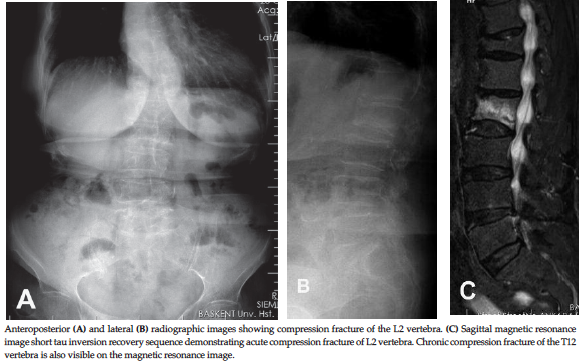
Figure 1. Preoperative Radiologic Images
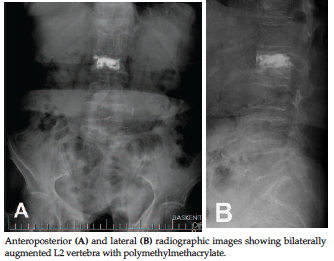
Figure 2. Postoperative Radiologic Images
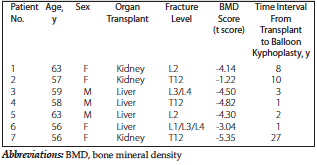
Table 1. Patient Characteristics

Table 2. Descriptive Statistics of Data Set
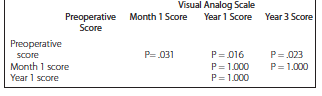
Table 3. Pairwise Comparisons of Time Points