Volume: 17 Issue: 4 August 2019
FULL TEXT
Objectives: Chronic antibody-mediated rejection is the main cause of late kidney graft loss. The presence of donor-specific antibodies in the serum is the main criterion for this diagnosis. Single antigen Luminex assays can identify donor-specific antibodies, and semiquantitative estimates of antibodies can be assessed using mean fluorescence intensity. Recent data have shown that patients whose donor-specific antibodies fix C3d have worse clinical outcomes, implying that C3d-specific Luminex assays may provide useful prognostic data.
Materials and Methods: We compared C3d donor-specific antibodies with standard immunoglobulin G donor-specific antibody mean fluorescence intensities in a cohort of patients with de novo class II donor-specific antibodies and analyzed subsequent graft survival. The included kidney graft recipients received transplants between 2005 and 2015 and had developed de novo class II donor-specific antibodies. Serum was tested using the standard single antigen Luminex technique and the C3d-fixing antibody-detection system (Immucor, Herentals, Belgium).
Results: In our patient cohort, 41/924 patients (4.4%) developed class II donor-specific antibodies, and 65 serum samples were analyzed (at baseline and follow-up). Among these samples, 43 (66%) were negative for C3d donor-specific antibodies. A mean fluorescence intensity threshold of 9000 in the single antigen Luminex assay discerned all negative (from positive) C3d donor-specific antibodies, even when all single-bead results were taken into account. Sixteen patients (39%) had poor outcomes (ie, either creatinine levels had doubled or they had lost their graft) over the median follow-up of 5 years. C3d results were significantly associated with graft survival (P = .04). We found a strong correlation between C3d-fixing antibody positivity and mean fluorescence intensity strength in the setting of de novo class II donor-specific antibodies.
Conclusions: These results further reinforce the paradigm that the higher the mean fluorescence intensity, the more complement activation occurs. Routine C3d testing is thus unnecessary in this setting.
Key words : Antibody-mediated rejection, C3d, HLA antibodies, Kidney transplantation
Introduction
Chronic antibody-mediated rejection (AMR) is the leading cause of kidney graft loss.1-3 Available treatments are so far not effective at countering or slowing this immunologic process. Corticosteroids, plasma exchange, rituximab, bortezomib, and eculizumab have been tried alone or in combination without significant results.4
A diagnosis of chronic AMR is based on precise histologic features from a graft biopsy (defined by the 2013 Banff classification5) and the demonstration of specific anti-HLA antibodies directed against the donor (donor-specific antibodies [DSAs]).6-8 The Banff classification distinguishes 2 types of humoral rejection according to the type of histologic lesion: acute antibody-mediated rejection (glomerulitis, peri-tubular capillaritis, transmural, or intimal arteritis) and chronic active antibody-mediated rejection (double contours of the glomerular basement membrane, interstitial fibrosis, fibrous endarteritis). Any underlying complement activation may also be found by biopsy staining of C4d and is an associated diagnostic criterion.9 Chronic antibody-mediated rejection is mostly associated with the presence of class II DSAs (anti-DQ, -DR, and -DP), which have prognostic factors for graft survival.10,11
The single antigen Luminex (SA Luminex, Austin, TX, USA) technique is now considered the reference method to detect and identify alloreactive antibodies. This technology uses microbeads that attach to defined HLA antigens and detect specific antibodies in the patient’s serum using flow cytometry. Mean fluorescence intensity (MFI) is thus measured and can be correlated with the presence or absence of an antibody. Although strong fluorescence intensity has been associated with decreased graft survival,12-14 SA Luminex cannot be used as a quantitative test for the presence of antibodies. Many confounding factors have been identified, including the demonstration of a “prozone effect” and poor intra- and inter-laboratory reproducibility. The prozone effect, described in several studies, corresponds to a transitory rise in MFI rates concomitant with serum dilution.15-17 This phenomenon has been related to the presence of complement in the sera and may be responsible for false negative results.
Although SA Luminex is highly sensitive, it also cannot distinguish the more harmful complement-fixing antibodies.18 The complement cascade plays an important role in humoral rejection.19 Donor-specific antibodies may activate the complement cascade, leading to inflammation and progressive tissue destruction. Complement activation in humoral rejection was initially demonstrated by finding a complement fraction (C4d) on graft biopsies, but the detection of C4d on AMR biopsies is not systematic and does not necessarily predict graft survival.20
Recent studies support the clinical importance of detecting HLA DSAs that fix C1q or C3d21-28 because of their association with decreased graft survival. C1q is a product of activation of the classical complement pathway, whereas C3d is the C3b cleavage product from factor I. C3b is activated by 2 pathways (alternate and classical) and allows the formation of the membrane attack complex. In one report, the ability of DSAs to fix C3d seems more able to predict the risk of graft loss compared with C1q; this is probably because C3d appears later in the complement cascade than C1q.29 In these studies, an association between a high Luminex MFI and C1q and C3d positivity has also been found. More recently, Comoli and associates30 made the same observation in pediatric kidney allograft recipients: C3d fixing of de novo DSAs increased the ability to stratify the risk of graft loss when the different de novo DSA categories were evaluated in combined models. The probability of 10-year graft survival was lower in patients with C3d binding of de novo DSAs than in those without de novo DSAs or with C1q-positive/C3d-negative or noncomplement binding (40% vs 94% and 100% and 100%, respectively).30
Eskandary and associates31 recently found that, of 741 kidney transplant recipients with stable allograft function at 6 months posttransplant, 86 had de novo DSAs. Of these, 44 (51%) had AMR and 24% showed C4d-positive AMR. In these authors’ statistical model, immunoglobulin G MFI added predictive accuracy but without the independent diagnostic advantage of detecting complement fixation.31
Our center has initiated a prospective HLA antibody screening program since 2005 to identify which patients develop de novo DSAs. In the present study, we focused on patients who had developed de novo class II DSAs because, among patients with de novo DSAs, they are associated with the worst outcomes. We also analyzed the correlation between Luminex immunoglobulin G MFI and the presence of C3d-fixing antibodies and studied the prognostic value of C3d positivity with respect to kidney function and graft survival.
Materials and Methods
Population
We selected all consecutive renal transplant patients who received a graft
between January 2005 and
June 2015 at Grenoble-Alpes University Hospital. HLA-sensitized patients before
transplant, those who were < 18 years old, and liver, heart, and lung transplant
patients were excluded.
All patients, as per routine practice, had undergone prospective systematic Luminex HLA antibody screening at 3 months, 6 months, 1 year, and then yearly after transplant. If the test yielded a positive result, an SA Luminex assay was performed to detect antibody specificities.
We then selected patients who developed de novo class II DSAs (with an MFI of > 1000 assessed by the SA Immucor Luminex laboratory, Herentals, Belgium). The day when de novo DSAs were detected was considered as day 0. A biopsy was performed if kidney function was altered or proteinuria appeared.
Clinical data
We collected data when a de novo DSA was discovered (day 0) and 1 year later
(day 365), including estimated glomerular filtration rate (eGFR) using the
Modification of Diet in Renal Disease formula, proteinuria, immunosuppressive
regimen, HLA antibody specificities, and MFI results.
Histologic data
When de novo DSA were diagnosed, the patient was submitted (after informed
consent) to undergo a kidney biopsy. The results from graft biopsies
were collected. Antibody-mediated rejection was defined histologically according
to the Banff 2013 classification.
Immunologic technique
The first positive serum for a de novo class II DSA (day 0) was reanalyzed
together with a serum sample taken 1 year later (day 365) when available. Sera
were tested in parallel with the SA Luminex standard detection technique
(Immucor) and with the
C3d-fixing HLA antibody detection kit (Immucor). The retained MFI values
corresponded to the manufacturer’s background-corrected MFI value. Results were
processed using Match It and Fusion software. Positivity for the SA Luminex
analysis was defined as an MFI > 1000 in day 0 serum. The C3d positivity
threshold was defined by an MFI of > 750 (the threshold was defined in
accordance with the manufacturer’s recommendations and previous publications).
Detection of alloreactive antibodies using single antigen Luminex technology
Sera were decanted, vortexed, and centrifuged. Sera were placed in wells of a
filter plate, with 40 μL of beads and 10 μL of vortexed serum. The preparation
was incubated for 30 minutes. A 100-μL wash and then three 250-μL washes with
buffer were performed. In each well, 50 μL of conjugate, diluted to 1/5th, were
added. The preparation was incubated again for 30 minutes with shaking and was
then washed with 150 μL of buffer per well. The plate was then read using
Luminex.
Detection of C3d-fixing HLA antibodies
The preparation of sera included decanting, centrifuging, and vortexing. Single
antigen Luminex beads were mixed with the positive controls beads C3d (mix). In
a 96-well filter microplate, prepared sera were added to the mix and incubated
for 30 minutes. We added an additional source of C3d complement serum, and the
mix was incubated for a further 30 minutes. Four washes were then necessary
before the diluted specific conjugate was added. The preparation was then
reincubated for 30 minutes, washed twice, and then added to the buffer.
Ethics
All patients verbally consented to participate in the study (ie, to have yearly
detection of DSAs and to have kidney biopsy if needed). As per law in France,
with such studies (noninterventional), no ethical committee approval was
required.
Statistical analyses
The correlations between MFI obtained using the standard technique and the C3d
kit was assessed for DSAs and then with all anti-HLA antibodies detected (DSA
and no DSAs) using the Spearman correlation formula. The chi-square test was
used to study the prognostics. P < .05 was considered statistically significant.
Results
Of the 924 renal transplant patients who received a graft at Grenoble University Hospital between January 2005 and June 2015, 41 patients (4.4%) who had developed de novo class II DSAs met the inclusion criteria. The sera from these 41 patients were studied on day 0, and the sera for 24 of these patients were studied 1 year later. In total, 65 serum samples were tested using the standard SA Luminex and the C3d detection tests.
Patient characteristics are summarized in Table 1. The patients were predominantly male (85%) and had a mean age of 49.3 ± 14.3 years. Mean glomerular filtration rate (eGFR), estimated by using the Modification of Diet in Renal Disease formula, was 40.9 ± 20.3 mL/min when DSAs were first detected (day 0) and 34.7 ± 23 mL/min 1 year later. Fourteen patients (34%) had an eGFR of < 30 mL/min on day 0.
Most patients (75.5%) received an induction therapy of antilymphocyte globulins at the time of transplant. When de novo DSAs were first detected, 71% of patients had an immunosuppression protocol that included tacrolimus and mycophenolate mofetil.
Types of de novo donor-specific antibodies
De novo class II DSAs were detected, on average, at 39.8 ± 22.9 months after
renal transplant. Ten patients had more than one DSA. Most had a class II DSA
that was DQ (65.5%) (Table 2). In 22 cases (34%), DSAs were C3d positive.
Return to dialysis
Of the 12 patients (29.2%) who returned to dialysis, 6 (14.6%) needed dialysis
within the first year after DSA onset. Dialysis started at an average of 47.7 ±
58.3 months after a DSA was detected (Table 3).
Correlation study
There was a strong correlation (r = 0.9) between the MFI SA Luminex technique
and MFI C3d (P < .001). Of the 65 examined sera, 22 (34%) were C3d positive and
all had SA Luminex MFI scores of > 9000. If we consi-dered the
manufacturer-defined threshold for C3d-fixing positivity (MFI = 750), all HLA
antibodies (DSAs and non-DSAs) positive for C3d fixing had an SA Luminex MFI
that was greater than 9000. Conversely, the 43 C3d-negative serum samples had an
SA Luminex MFI of < 11 000. Only 3 serum samples had a negative C3d test and a
MFI of > 9000 (Figures 1 and 2).
Humoral rejection
Of the 41 patients with de novo class II DSAs, 27 (66%) had graft biopsies.
According to the 2013 Banff criteria, acute humoral rejection was found in 9
patients (33%). C3d-fixing DSAs were positive in only 5 (55%) of these. Seven
others (26%) had active chronic AMR, and all of their DSAs fixed C3d (100%). Of
the 11 patients without a humoral rejection, 3 (27%) had a positive C3d test.
We found a significant correlation between the positivity of the C3d test and the presence of active chronic humoral rejection (P = .004). This correlation did not significantly diagnose an acute humoral rejection (P = .2) (Table 4).
Prognostic assessment
The median follow-up was 5 years (range, 2-11 y). At the last follow-up, 2
patients had died, although the allograft had already failed.
The prognostic study (ie, graft survival analysis) included all patients and was assessed at last follow-up. We chose a composite endpoint that comprised a return to dialysis and/or loss of at least 50% of eGFR after DSA onset. Sixteen patients (39%) had a poor outcome according to our composite endpoint. Of those who were C3d test positive, 37.5% had poor outcomes. Of those with a C3d-negative test, only 2 patients (10%) had poor outcomes but had lost their grafts through infectious causes (BK virus, invasive cytomegalovirus) and not because of immunologic issues.
The C3d test results were significantly associated with graft survival according to our composite endpoint (P = .04, chi-squared test). The C3d test had a good negative predictive value of 90% but a low positive predictive value of 37.5%. The sensitivity of this test was 75% and specificity was 64%. The rate of false positives was high at 62.5% and was 15% for false negatives (Table 5, Figure 3).
Discussion
This study reports the results from a prospective donor-specific HLA antibody screening strategy in a kidney transplant cohort. We concentrated on class II DSAs because of their well-established correlations with chronic AMR and accelerated graft loss. In our cohort, de novo class I DSAs were rare (data not shown). The most interesting findings from our study were the strong correlations between C3d-antibody positivity and the MFI and the histologically proven chronic AMR in the setting of de novo class II DSAs.
Our data corroborate the results from a recently published study by Sicard and associates,29 which also compared the prognostic value of the C3d-fixing antibody test with the C1q-fixing test. A correlation between MFI strength and C3d positivity was also found but was less pronounced in their study, with 5 of 40 beads (12.5%) with a positive C3d test having an MFI of < 5000. This difference may be because we only tested the sera from patients who developed de novo class II DSAs. In the study by Sicard and associates, class I and II DSAs were investigated whether they were de novo or not. The positivity threshold of the C3d detection test was set at > 500 MFI, whereas we fixed it at 750. Modifying the positivity threshold from 750 to 500 MFI in our study did not change our results (data not shown).
Several studies have shown a similar correlation between the positivity of the C1q test and the importance of SA Luminex MFI, with a positivity threshold of 10 000 MFI.24,32 This led us to wonder whether the amount of antibodies may be responsible for complement activation rather than their intrinsic specificity.
In accordance to previous studies, our cohort confirmed that this complement-fixing DSA detec-tion technique was a useful prognostic tool. Despite our small number of patients, the results from the DSA detection test for fixing C3d were significant (P = .04) and were associated with graft survival (defined by the number of patients who needed to return to dialysis and/or loss of 50% of clearance per the Modification of Diet in Renal Disease formula at last follow-up after DSA onset). Among the patients who had a positive C3d test, 37.5% had a poor outcome in our overall endpoint. This proportion seemed to be significant at just 1 year after the onset of a DSA. More interestingly, only 2 of 20 patients (10%) who were C3d test negative had a poor outcome, and these patients lost their grafts from infectious (BK virus and invasive cytomegalovirus) rather than immunologic causes.
In our study, the positivity of the C3d test was also significantly associated with the presence of active chronic humoral rejection (P = .04) according to the Banff classification. Curiously, this correlation was not found with occurrence of acute humoral rejection, possibly because of a lack of patients (ie, only 27 of the 41 patients underwent a graft biopsy). This could be partially explained by the timing of the biopsy, which did not necessarily correspond with detection of antibodies.
The retrospective and monocentric nature of our study and the small number of included patients are certainly limitations, but we believe that this study merits attention because of its particularities. First, we included a homogeneous population, which excluded all patients sensitized before transplant and only included de novo class II patients. Furthermore, patients received a homogeneous immunosup-pressive induction regimen, which included, for the most part, tacrolimus and mycophenolate as maintenance therapies, plus steroids, which were withdrawn within the first year posttransplant. Finally, this study shows the results of a comprehensive HLA antibody screening strategy; the low incidence of positive de novo DSAs was encouraging but underlines the economic burden of performing these tests systematically in large populations.
Our Luminex studies were performed solely with the Immucor kits, and we performed dilution tests and EDTA pretreatments to counter the eventual prozone effect in a limited number of positive sera both with low and high MFIs. These tests did not show any significant differences in MFI readings, thus excluding this bias (data not shown). To our knowledge, the prozone effect has been only associated with manufacturers other than Immucor.30
The de novo detection of DSAs is, at present, one of the most frustrating findings for transplant clinicians, with the presence of these antibodies certainly being a negative prognostic factor. However, there is no tool, as yet, that can distinguish the most deleterious antibodies from those that are more benign. Novel diagnostic markers, such as complement-fixing antibody detection kits (C1q and C3d), have been developed to respond to this need. Unfortunately, we found that C3d fixing for antibody positivity provided little additional information compared with the standard SA Luminex technique, as detection of complement-fixing antibodies may depend on the quantity of DSAs present in the serum.
Conclusions
It is now clear that there is a deleterious effect on the survival of graft-reactive antibodies that fix the complements C1q and C3d. Nevertheless, the com-plement-fixing DSA detection tests are expensive and seem to be almost perfectly correlated with high SA Luminex MFI scores. Thus, under these conditions, we question the medical and economic benefits of these techniques compared with a well-performed SA Luminex technique, where we know that a high MFI means a greater risk of graft loss.
References:
- Nankivell BJ, Alexander SI. Rejection of the kidney allograft. N Engl J Med. 2010;363(15):1451-1462.
CrossRef - PubMed - Sellares J, de Freitas DG, Mengel M, et al. Understanding the causes of kidney transplant failure: the dominant role of antibody-mediated rejection and nonadherence. Am J Transplant. 2012;12(2):388-399.
CrossRef - PubMed - Pouliquen E, Koenig A, Chen CC, et al. Recent advances in renal transplantation: antibody-mediated rejection takes center stage. F1000Prime Rep. 2015;7:51.
CrossRef - PubMed - Fehr T, Gaspert A. Antibody-mediated kidney allograft rejection: therapeutic options and their experimental rationale. Transpl Int. 2012;25(6):623-632.
CrossRef - PubMed - Sapir-Pichhadze R, Curran SP, John R, et al. A systematic review of the role of C4d in the diagnosis of acute antibody-mediated rejection. Kidney Int. 2015;87(1):182-194.
CrossRef - PubMed - Loupy A, Hill GS, Jordan SC. The impact of donor-specific anti-HLA antibodies on late kidney allograft failure. Nat Rev Nephrol. 2012;8(6):348-357.
CrossRef - PubMed - Djamali A, Kaufman DB, Ellis TM, et al. Diagnosis and management of antibody-mediated rejection: current status and novel approaches. Am J Transplant. 2014;14(2):255-271.
CrossRef - PubMed - Konvalinka A, Tinckam K. Utility of HLA antibody testing in kidney transplantation. J Am Soc Nephrol. 2015;26(7):1489-1502.
CrossRef - PubMed - Haas M, Sis B, Racusen LC, et al. Banff 2013 meeting report: inclusion of c4d-negative antibody-mediated rejection and antibody-associated arterial lesions. Am J Transplant. 2014;14(2):272-283.
CrossRef - PubMed - Kobayashi T, Maruya E, Niwa M, et al. Significant association between chronic antibody-mediated rejection and donor-specific antibodies against HLA-DRB rather than DQB in renal transplantation. Hum Immunol. 2011;72(1):11-17.
CrossRef - PubMed - Croze LE, Tetaz R, Roustit M, et al. Conversion to mammalian target of rapamycin inhibitors increases risk of de novo donor-specific antibodies. Transpl Int. 2014;27(8):775-783.
CrossRef - PubMed - Heilman RL, Nijim A, Desmarteau YM, et al. De novo donor-specific human leukocyte antigen antibodies early after kidney transplantation. Transplantation. 2014;98(12):1310-1315.
CrossRefPMid:24879384
PubMed - Lefaucheur C, Loupy A, Hill GS, et al. Preexisting donor-specific HLA antibodies predict outcome in kidney transplantation. J Am Soc Nephrol. 2010;21(8):1398-1406.
CrossRef - PubMed - Kannabhiran D, Lee J, Schwartz JE, et al. Characteristics of circulating donor human leukocyte antigen-specific immunoglobulin G antibodies predictive of acute antibody-mediated rejection and kidney allograft failure. Transplantation. 2015;99(6):1156-1164.
CrossRef - PubMed - Guidicelli G, Anies G, Bachelet T, et al. The complement interference phenomenon as a cause for sharp fluctuations of serum anti-HLA antibody strength in kidney transplant patients. Transpl Immunol. 2013;29(1-4):17-21.
CrossRef - PubMed - Schwaiger E, Wahrmann M, Bond G, Eskandary F, Bohmig GA. Complement component C3 activation: the leading cause of the prozone phenomenon affecting HLA antibody detection on single-antigen beads. Transplantation. 2014;97(12):1279-1285.
CrossRef - PubMed - Schnaidt M, Weinstock C, Jurisic M, et al. HLA antibody specification using single-antigen beads--a technical solution for the prozone effect. Transplantation. 2011;92(5):510-515.
CrossRef - PubMed - Stegall MD, Chedid MF, Cornell LD. The role of complement in antibody-mediated rejection in kidney transplantation. Nat Rev Nephrol. 2012;8(11):670-678.
CrossRef - PubMed - Lefaucheur C, Nochy D, Hill GS, et al. Determinants of poor graft outcome in patients with antibody-mediated acute rejection. Am J Transplant. 2007;7(4):832-841.
CrossRef - PubMed - Loupy A, Hill GS, Suberbielle C, et al. Significance of C4d Banff scores in early protocol biopsies of kidney transplant recipients with preformed donor-specific antibodies (DSA). Am J Transplant. 2011;11(1):56-65.
CrossRef - PubMed - Loupy A, Lefaucheur C, Vernerey D, et al. Complement-binding anti-HLA antibodies and kidney-allograft survival. N Engl J Med. 2013;369(13):1215-1226.
CrossRef - PubMed - Llorente S, Boix F, Eguia J, et al. C1q-fixing human leukocyte antigen assay in immunized renal patients: correlation between Luminex SAB-C1q and SAB-IgG. Transplant Proc. 2012;44(9):2535-2537.
CrossRef - PubMed - Chen G, Sequeira F, Tyan DB. Novel C1q assay reveals a clinically relevant subset of human leukocyte antigen antibodies independent of immunoglobulin G strength on single antigen beads. Hum Immunol. 2011;72(10):849-858.
CrossRef - PubMed - Messina M, Ariaudo C, Pratico Barbato L, et al. Relationship among C1q-fixing de novo donor specific antibodies, C4d deposition and renal outcome in transplant glomerulopathy. Transpl Immunol. 2015;33(1):7-12.
CrossRef - PubMed - Yell M, Muth BL, Kaufman DB, Djamali A, Ellis TM. C1q binding activity of de novo donor-specific HLA antibodies in renal transplant recipients with and without antibody-mediated rejection. Transplantation. 2015;99(6):1151-1155.
CrossRef - PubMed - Ata P, Canbakan M, Kara M, et al. Serum flow cytometric C1q binding antibody analysis of renal recipients with low levels of sensitization. Transplant Proc. 2012;44(6):1652-1655.
CrossRef - PubMed - Calp-Inal S, Ajaimy M, Melamed ML, et al. The prevalence and clinical significance of C1q-binding donor-specific anti-HLA antibodies early and late after kidney transplantation. Kidney Int. 2016;89(1):209-216.
CrossRef - PubMed - Guidicelli G, Guerville F, Lepreux S, et al. Non-complement-binding de novo donor-specific anti-HLA antibodies and kidney allograft survival. J Am Soc Nephrol. 2016;27(2):615-625.
CrossRef - PubMed - Sicard A, Ducreux S, Rabeyrin M, et al. Detection of C3d-binding donor-specific anti-HLA antibodies at diagnosis of humoral rejection predicts renal graft loss. J Am Soc Nephrol. 2015;26(2):457-467.
CrossRef - PubMed - Comoli P, Cioni M, Tagliamacco A, et al. Acquisition of C3d-binding activity by de novo donor-specific HLA antibodies correlates with graft loss in nonsensitized pediatric kidney recipients. Am J Transplant. 2016;16(7):2106-2116.
CrossRef - PubMed - Eskandary F, Bond G, Kozakowski N, et al. Diagnostic contribution of donor-specific antibody characteristics to uncover late silent antibody-mediated rejection-results of a cross-sectional screening study. Transplantation. 2017;101(3):631-641.
CrossRef - PubMed - Tambur AR, Herrera ND, Haarberg KM, et al. Assessing antibody strength: comparison of MFI, C1q, and titer information. Am J Transplant. 2015;15(9):2421-2430.
CrossRef - PubMed

Volume : 17
Issue : 4
Pages : 483 - 489
DOI : 10.6002/ect.2018.0063
From the the 1Service de Néphrologie, Hémodialyse, Aphérèses et Transplantation,
Centre Hospitalier Universitaire (CHU) Grenoble-Alpes, Grenoble, France; the
2Laboratoire d’Histocompatibilité, EFS Rhône Alpes, Grenoble, France; the
3Laboratoire d’Anatomie Pathologique, Centre Hospitalier Universitaire (CHU)
Grenoble-Alpes, Grenoble, France; the 4Clinique d’Urologie et Transplantation
Rénale, Centre Hospitalier Universitaire (CHU) Grenoble-Alpes, Grenoble, France;
and the 5Université Joseph Fourier, Grenoble-Alpes, France
Acknowledgements: The authors have no conflicts of interest to declare. Immucor
(Herentals, Belgium) funded the C3d kits. Access to data may be obtained through
Lionel Rostaing.
Corresponding author: Lionel Rostaing, Service de Néphrologie, Hémodialyse,
Aphérèses et Transplantation, Centre Hospitalier Universitaire (CHU)
Grenoble-Alpes, CS10217, 38043 Grenoble, France
Phone: + 33 476728945
E-mail: lrostaing@chu-grenoble.fr
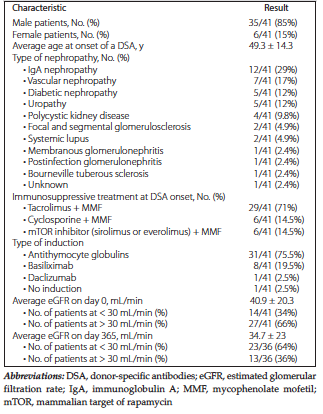
Table 1. Population Characteristics
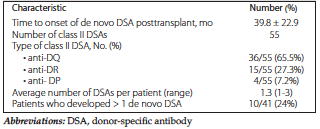
Table 2. De Novo Characteristics of Donor-Specific Antibodies
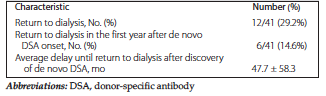
Table 3. Primary Endpoint and Kidney Allograft Failure
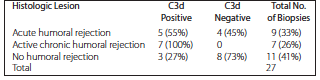
Table 4. C3d Test Depending on Histologic Lesions Found on Graft Biopsy
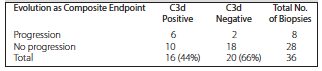
Table 5. Evolution of Graft at 1 Year After De Novo Donor-Specific Antibody Onset Related to C3d Positivity Rate
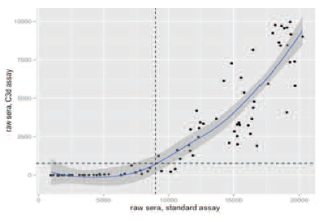
Figure 1. Comparison of Standard and C3d Assays, With Only Donor-Specific Antibody Beads Considered
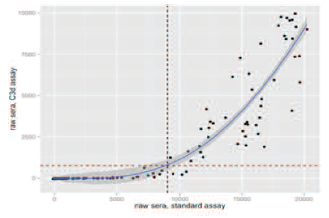
Figure 2. Comparison of Standard and C3d Assays (All Beads)
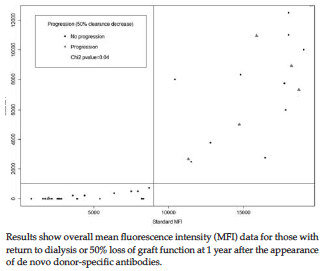
Figure 3. Evolution of Graft Function at 1 Year After Onset of De Novo Donor- Specific Antibodies Based on the C3d and the Single Antigen Luminex Test Mean Fluorescence Intensity