Volume: 15 Issue: 4 August 2017
FULL TEXT
Objectives: The use of induction therapy in liver transplant is debatable. We aimed to compare clinical outcomes of different induction protocols in liver transplant recipients.
Materials and Methods: This was a retrospective cohort analyses using the University of Washington Transplant Database from January 2005 to May 2012 for adult (≥ 18 y old) primary liver transplant patients. All patients received induction therapy. Maintenance immunosuppressive agents were tacrolimus or tacrolimus-mycophenolate mofetil. Primary endpoints were acute cellular rejection, patient survival, and graft survival. In patients with chronic hepatitis C, the degree of histologic inflammation or fibrosis at 1 year was assessed. Cox proportional hazards models were constructed to evaluate variables associated with both patient and graft survival.
Results: We identified 595 patients: 322 patients received rabbit antithymocyte globulin and 273 received interleukin 2 receptor blocker. Acute cellular rejection was higher in patients who received interleukin 2 receptor blocker than in patients who received rabbit antithymocyte globulin (27% vs 18%; P < .03). Both patient survival at 1 year (95% vs 90%), 3 years (92% vs 87%), and 5 years (86% vs 80%) and graft survival at 1 year (93% vs 88%), 3 years (90% vs 86%), and 5 years (83% vs 78%) were superior with rabbit antithymocyte globulin than with the interleukin 2 receptor blocker (P < .002). In patients with hepatitis C virus, type of induction therapy did not have any effect on the timing of hepatitis C virus recurrence. At 1 year after transplant, 33.3% in the rabbit antithymocyte globulin group had grade 3/4 inflammation and 10.2% had stage 3/4 fibrosis, compared with 16.8% and 4.8% in the interleukin 2 receptor blocker group (P ≤ .002 and not significant). Female recipient, Model for End-Stage Liver Disease score, hepatocellular carcinoma, and high preoperative serum creatinine levels were associated with less favorable patient and graft survival.
Conclusions: Rabbit antithymocyte globulin is associated with lower rejection rate and improved patient and graft survival in liver transplant. Type of therapy affects the degree of histologic hepatitis C virus recurrence.
Key words : Liver transplantation, Induction therapy, Outcomes
Introduction
The ideal immunosuppressive protocol would have a very low incidence of rejection and minimal infectious, toxic, or cancer-related complications, with consequent improvement in graft acceptance and quality of life. Over the past several years, the use of antibody induction therapy has increased and currently 20% to 25% of liver transplant recipients receive this therapy.1,2 Antibody therapy has been used in liver transplant to decrease the incidence of acute cellular rejection (ACR) and to treat steroid-resistant acute rejection, to minimize the use of maintenance immunosuppression, and to delay the introduction of calcineurin inhibitors in patients with renal dysfunction.3 Although the benefits of induction immunosuppression with antibody induction in terms of ACR and graft survival have been demonstrated in kidney transplant, there is scarce and controversial data in the liver transplant population. Studies have suggested that the use of induction agents is associated with a decreased incidence of ACR, no detrimental effect in posttransplant recurrence of hepatitis C virus (HCV), improvement in postoperative renal function, and improved patient and graft survival compared with noninduction therapy protocols.3-5 However, it has also been shown that the use of rabbit antithymocyte globulin (rATG) as induction therapy or therapy of steroid-resistant ACR is associated with increased risk of aggressive HCV recurrence.6-8
Since 2000, our standard antibody induction protocol has included an interleukin 2 receptor (IL-2R) antibody. In the face of the increasing Model for End-Stage Liver Disease (MELD) scores of our recipient population and the use of more expanded criteria deceased donors, in 2005, rATG was introduced as an alternative agent as a way to spare the kidney, with a later introduction of calcineurin drugs and minimized immunosuppressive load in the short and long term. No study has yet assessed the clinical effects of rATG versus IL-2R antibodies as induction therapies in liver transplant, although 1 study reported good overall patient survival (96% at 17 mo) using rATG.9 We hypothesized that the alternative use of rATG versus IL-2R antibody would be associated with a decreased rate of ACR and improved patient and graft survival rates. We designed this study to compare clinical outcomes of these 2 induction protocols in liver transplant recipients.
Materials and Methods
Protocol, study design, and patient population
We performed a retrospective case series study of all liver transplant
recipients who received transplants between January 1, 2005, and May 31, 2012,
at the University of Washington Medical Center, using clinical data drawn from
the electronic medical record transplant database of the University of
Washington (MAX database). The MAX database contains all pretransplant
demographic and clinical characteristics, transplant surgery information, and
posttransplant care, covering all patients who undergo transplant at our center.
For the present study, inclusion was restricted to adult patients (≥ 18 y of age) who received a primary liver transplant; those who required retransplant during the same admission had the second transplant censored. Due to the low number of patients who required this intervention, their impact on the final outcomes was expected to be negligible. Patients with multiorgan transplants were also excluded from the analyses.
Immunosuppression protocol and treatment of rejection
Two immunosuppression antibody induction regimens were available and in use at
our institution during the study period. Interleukin 2 receptor blocker
(Simulect, Novartis, Basel, Switzerland) was given at a dose of 20 mg at the day
of transplant and on postoperative day 4; rATG (Thymoglobulin, Genzyme,
Cambridge, MA), introduced in 2005 as an alternative induction agent, was given
at 1.5 mg/kg/day, with a total of 3 doses in the initial 2 to 5 days after
surgery. Rabbit antithymocyte globulin induction was the protocol of choice
unless the peritransplant conditions of the recipient prompted the surgeon to
opt for IL-2R induction; such conditions included persistent postoperative
hemodynamic instability (requiring ≥ 2 vasopressor support > 6 h after
transplant), persistent cardiac arrhythmias, or history of pulmonary
hypertension.
Steroids were used during the initial 3 days after surgery as premedication for rATG and then discontinued. Tacrolimus monotherapy was used for maintenance therapy in most of our patients with trough levels ranging from 10 to 12 ng/mL during the first 3 months, tapering down to final goal of 3 to 5 ng/mL at 1 year posttransplant. In those patients receiving rATG, tacrolimus was started on postoperative day 4; for patients receiving IL-2R blocker, it was started on postoperative day 1. In patients with renal dysfunction, mycophenolic acid (1,000 mg orally twice per day) was started on postoperative day 1.
All patients received standard prophylaxis for infections after transplant: ganciclovir or valganciclovir for patients at risk for Cytomegalovirus disease, trimethoprim/sulfamethoxazole or pentamidine for Pneumocystis jiroveci prophylaxis, and clotrimazole or fluconazole for Candida prophylaxis. Mild and moderate episodes of biopsy-proven ACR were treated with bolus methylprednisolone: 1000 mg at 1 dose, 500 mg at 1 dose, and 250 mg at 1 dose followed by prednisone taper. Severe episodes of ACR and steroid-resistant rejection were treated with 5 boluses of rATG 1 mg/kg/day. Percutaneous liver biopsy was performed when persistent testing results demonstrated a 1.5-fold increase of serum aspartate aminotransferase or alanine aminotransferase above the upper limit of normal; ACR was defined by the 1997 Banff criteria.10
All patients were followed until graft loss, loss to follow-up (documented by clinic coordinators), or death. We defined graft loss as a record of a subsequent liver transplant in the MAX database or death. Our clinical coordinators conducted patient follow-up at least annually and maintained records for both loss to follow-up (lack of contact greater than 1 y) and mortality.
Groups, endpoints, and covariate definitions
Eligible liver transplant recipients were categorized into 2 groups based on
their induction therapy: rATG versus IL-2R blocker. The primary outcomes of this
study were patient and graft survival. Secondary outcomes included ACR,
posttransplant lymphoproliferative disorder, posttransplant serum creatinine
levels, need for future kidney transplant, and hepatitis C recurrence. Rejection
was defined according to Banff definitions10 as reported in the pathology
section of the MAX database. Recurrence of hepatitis C infection was defined
histologically based on the identification of apoptotic bodies and portal
inflammation in 2 consecutives biopsies and further graded and staged using the
Batts-Ludwig classification system.11 Our center utilizes serial protocol
biopsies in HCV-positive patients at 3, 6, and 12 months and annually
thereafter.
Statistical analyses
Patient characteristics and outcomes were summarized using frequency
distributions for categorical variables and means and standard deviations for
continuous variables. Statistical significance was assessed using P values from
t tests for continuous variables or the chi-squared test for categorical
variables. Patient and graft survival rates by induction group were estimated
using the Kaplan-Meier estimator. The log-rank test was used to determine
whether there was a significant difference in the curves. Cox proportional
hazards models were constructed to adjust for confounding factors and to
evaluate variables associated with patient and graft survival.
All analyses were performed with SAS 9.3 (SAS Institute Inc., Cary, NC, USA). The Human Subjects Division at the University of Washington approved this study (#47930).
Results
Pretransplant clinical characteristics of the study cohort
During the study period, 630 patients underwent liver transplant at the
University of Washington Medical Center. Of those, 595 met the eligibility
criteria for the study, which included 322 in the rATG group and 273 in the
IL-2R blocker group. The overall median follow-up was 4.7 years: 4.2 years for
the rATG group and 5.6 years for the IL-2R blocker group. The demographics of
the cohort are shown in Table 1. Groups were comparable with age at transplant,
gender, MELD score, preoperative serum creatinine level, international
normalized ratio and bilirubin, cause of end-stage liver disease, recipient of
deceased donation, previous abdominal surgery, ascites, transjugular
intrahepatic portosystemic shunt, spontaneous bacterial peritonitis, and cold
ischemia time. Patients who received rATG were more likely to have
hepatocellular carcinoma (45% vs 37.5%; P = .04) and less likely to be on
hemodialysis (7% vs 13%; P = .004) at the time of transplant.
Posttransplant outcomes of interest
Patients in the rATG group had better patient survival (95%, 92%, and 90% vs
87%, 86%, and 80% at 1, 3, and 5 years) and graft survival (93%, 90%, and 88% vs
86%, 83%, and 78%) than those in the IL-2R blocker group. P values from
unadjusted log-rank test were 0.02 for both patient and graft survival (Figures
1 and 2). After adjustments were made for recipient’s age, sex, preoperative
serum creatinine level, international normalized ratio, bilirubin,
hepatocellular carcinoma, HCV, MELD score, previous abdominal surgery, ascites,
portal vein thrombosis, spontaneous bacterial peritonitis, transjugular
intrahepatic portosystemic shunt, and cold ischemia time, the use of rATG was
associated with significantly better patient survival (hazard ratio 0.61; 95%
confidence interval, 0.38-0.97) and better graft survival with borderline
significance (hazard ratio 0.64; 95% confidence interval, 0.41-1.01). Female
recipients, increased MELD score, hepatocellular carcinoma, and high
preoperative serum creatinine levels were associated with worse patient and
graft survival.
The overall incidence of ACR was significantly higher in the IL-2R blocker group than in the rATG group (27% vs 18%; P ≤ .03); 32 patients (10%) in the rATG group had steroid-resistant ACR compared with 38 patients (14%) in the IL-2R blocker group (P = not significant). In the rATG group, only 3 patients (1%) developed posttransplant lymphoproliferative disorder, compared with 11 patients (4%) in the other group (P ≤ .03). Both induction groups experienced a decrease in posttransplant serum creatinine levels in the first 2 years after liver transplant, with the rATG group having a lower level at all time points (Figure 3). Kidney transplant was required in 7 patients (2%) who received rATG compared with 12 patients (4%) in the IL-2R blocker group (P = not significant). In patients who received hemodialysis before transplant, a kidney transplant was required in 5 patients (23%) who received rATG, compared with 8 patients (27%) in the IL-2R blocker group (P = not significant). For patients who received a liver transplant due to HCV, the type of induction therapy did not have any significant effect on the timing of recurrence of HCV infection (P = not significant; Figure 4). At 1 year after transplant, 33.3% in the rATG group had grade 3/4 inflammation and 10.2% had stage 3/4 fibrosis, compared with 16.8% and 4.8% in the IL-2R blocker group (P ≤ .002 and not significant; Table 3).
Discussion
Prior studies have shown that the use of antibody induction is associated with a decreased incidence of acute rejection, no detrimental effect in posttransplant recurrence of HCV, improvement in postoperative renal function, and excellent patient and graft survival compared with that shown with noninduction therapy protocols. However, its use in liver transplant remains controversial.3-5
When our program transitioned to rATG from the IL-2R blocker, we hypothesized that this change in induction protocol would be associated with a decreased rate of ACR and perhaps improved patient and graft survival. This study demonstrates that the use of rATG as induction therapy in liver transplant is associated with a significant drop in the rate of acute rejection and improved patient and graft survival compared with IL-2R blockers.
Acute cellular rejection in relation to rATG has been previously studied under different regimens of induction of immunosuppression. Retrospective data from a single center cohort study found that induction therapy with rATG reduced 1-year ACR rate from 31.8% with standard therapy to 14.5%.12 Two randomized, single center studies evaluating use of rATG induction therapy showed similar frequency of episodes of ACR compared with the control groups.13,14
Contrary to the literature, which states that the use of antibody induction therapy in patients with HCV is associated with early recurrence and rapid progression of HCV after liver transplant,6-8 our study demonstrated that neither the recurrence rate nor the histologic stage is associated with the use of or type of antibody induction therapy, and it compares well with the recurrence rate seen in patients who do not receive any induction therapy. Horton and associates had previously demonstrated that the use of rATG had no significant effect on either overall graft survival or patient survival in HCV-positive recipients.5 Eason and associates in a randomized clinical trial evaluating steroid-free induction reported that 9 of 18 patients (50%) randomized to rATG and 12 of 17 (71%) assigned to the standard therapy have both biochemical and histologic evidence of HCV, showing a trend for lower frequency of HCV recurrence in the patients who received rATG.15 More recently, McCashland and associates randomized HCV-positive patients to receive rATG versus no induction therapy during liver transplant. They were able to demonstrate that the rate of HCV recurrence was lower in the rATG group than in the control group.16 In accordance with our findings, they also demonstrated that the HCV-free survival was not significantly different between both groups. Unlike this study, we found that the rate of advanced inflammation at 1 year was worse with the use of rATG. This suggests that, although the type of induction therapy does not affect the recurrence rate of HCV, when it happens, it is more severe after the use of rATG. With the introduction of new drug therapies for treatment of HCV, this effect of rATG on HCV recurrence will probably be irrelevant in our future practice.
Another major concern surrounding the use of induction therapy is the increased incidence of lymphoproliferative disorders, which might restrict its indications to specific at-risk groups (African American, retransplant, presensitization).17 In this study, we showed that the rate of lymphoproliferative disease was lower with the use of rATG than with the IL-2R blocker. Furthermore, of those patients who developed posttransplant lymphoproliferative disease, all but 1 patient in each group were positive for Epstein-Barr virus at the time of transplant. Among the risks factors associated with posttransplant lymphoproliferative disease after liver transplant, Narkewicz and associates18 found that ACR is associated with increased risk of posttransplant lymphoproliferative disease, likely due to the increased amount of immunosuppression that has to be administered. With the use of rATG, we demonstrated a significantly decreased rate of ACR, which could explain the lower incidence of posttransplant lymphoproliferative disease in this group. Our rate of posttransplant lymphoproliferative disease is comparable to what is published in orthotopic liver transplant patients (1% to 3%).19
One of the major goals with the use of induction therapy is to decrease the renal dysfunction associated with calcineurin inhibitors by delaying or minimizing its doses posttransplant. Glomerular filtration rate at 1 year is predictive of late renal dysfunction,20 and an increased creatinine level 1 month after transplant is associated with an increased risk of developing chronic renal failure.21 In this study, both induction groups experienced a decrease in posttransplant serum creatinine in the first 2 years after liver transplant, with the rATG group having a lower level at all time points. Several retrospective reviews have demonstrated the successful use of rATG induction with delayed introduction of calcineurin inhibitors. These reviews have shown improved renal function and similar or less frequent ACR compared with standard calcineurin inhibitor regimens alone. Soliman and associates reported a single center review of 262 patients after orthotopic liver transplant who received rATG induction for 3 days with delayed, standard-dose of calcineurin inhibitors compared with 129 patients treated with immediate, standard-dose calcineurin inhibitors. Serum creatinine (P < .01) and glomerular filtration rate (P < 0.02) were significantly improved at 1 year in the rATG group.12
Similar to previous reports, we have shown that the need for further kidney transplant is fairly low, and this is not associated with the choice of induction agent in the short-term.22 In those patients who were on hemodialysis before transplant, we found a higher rate of use of IL-2R blocker instead of rATG. Although this seems to be a paradox with the main principle of using rATG, we are usually forced in our practice to use IL-2R blocker due to its lower adverse effect profile in this compromised patient population.
Regarding the Cox regression analyses of factors predicting patient and graft survival, we found that female recipients, MELD score, and the presence of hepatocellular carcinoma have negative effects on both patient and graft survival. As previously published by Busuttil and associates,23 malignant disease and higher MELD at the time of the transplant (sicker patients) are associated with worse long-term patient survival in a multivariate analysis of 3200 orthotopic liver transplants. Rabbit antithymocyte globulin was an independent predictor of patient survival. Mangus and associates retrospectively assessed their outcomes of using different regimens of rATG in 1000 orthotopic liver transplants and likewise found that the use of rATG-based induction immunosuppression can be safely used in adult orthotopic liver transplant recipients with excellent survival and low rejection rates.24
Our study has several limitations. First are the limitations inherent to retrospective and single center studies. Rabbit antithymocyte globulin was instituted in our program in 2005 in the face of a less expensive treatment (namely, IL-2R blockers), with the goal of introducing a flexible protocol that would address an expanding quality criteria standard for both donor and recipient and the goal of improving clinical outcomes. During this transition, the choice between 1 type of induction therapy over the other was based on clinical conditions at the time of transplant. Over time, rATG has been used on a more regular basis due to our observation of a lower rate of rejection and currently is the default induction agent at our center. However, during this time, there were no changes in the standard surgical technique or organ procurement/preservation, anesthesia technique, or perioperative management. We believe that the ability to apply these 2 immunosuppressive drugs in a stable program has led to important observations. Second, since the opening of our liver transplant program in 1990, we have always used some type of induction therapy; therefore, we do not have an induction therapy-free control group for comparison, except for what is published in the literature. Our rationale for using induction therapy in all liver transplant recipients is based on our practice of minimizing the maintenance immunosuppression therapy and therefore the well-known complications associated with its long-term use.
Despite these limitations, the observed effect of differential immunosuppression induction with reduced rejection rate and prolonged patient and graft survival stimulates novel and compelling hypotheses yet to be explored. Our center’s experience suggests that the use of rATG is associated with a lower incidence of acute rejection episodes compared with IL-2R blockers and has a positive effect on both patient and graft survival. This is the largest reported series of transplant patients comparing the use of IL-2R blocker with rATG. The use of rATG should be considered in patients before liver transplant. Larger multicenter studies with prolonged follow-up are necessary to confirm our findings and fully understand the long-term effects of rATG in patients undergoing liver transplant.
References:
- Kamar N, Ribes D, Sandres-Saune K, et al. Efficacy and safety of induction
therapy with rabbit antithymocyte globulins in liver transplantation for
hepatitis C. Transplant Proc. 2004;36(9):2757-2761.
CrossRef - PubMed - Uemura T, Schaefer E, Hollenbeack CS, et al. outcome of induction
immunosuppression for liver transplantation comparing anti-thymocyte globulin,
daclizumab, and corticosteroid. Transpl Int. 2011;24(7):640-650.
CrossRef - PubMed - Ettenger RB. Antibody therapy as an induction regimen in pediatric renal
transplantation. Transplant Proc. 1999;31(6):2677-2678.
CrossRef - PubMed - Cantarovich M, Metrakos P, Giannetti N, Cecere R, Barkun J, Tchervenkov J.
Anti-CD25 monoclonal antibody coverage allows for calcineurin inhibitor
“holiday” in solid organ transplant patients with acute renal dysfunction.
Transplantation. 2002;73(7):1169-1172.
CrossRef - PubMed - Horton PJ, Tchervenkov J, Barkun JS, et al. Antithymocyte globulin induction
therapy in hepatitis C-positive liver transplant recipients. J Gastrointest
Surg. 2005;9(7):896-902.
CrossRef - PubMed - Moonka DK, Kim D, Kapke A, Brown KA, Yoshida A. The influence of induction
therapy on graft and patient survival in patients with and without hepatitis C
after liver transplantation. Am J Transplant. 2010;10(3):590-601.
CrossRef - PubMed - Schmitt TM, Philips M, Sawyer RG, et al. Anti-thymocyte globulin for the
treatment of acute cellular rejection following liver transplantation. Dig Dis
Sci. 2010;55(11):3224-3234.
CrossRef - PubMed - Berenguer M, Crippin J, Gish R, et al. A model to predict severe HCV-related
disease following liver transplantation. Hepatology. 2003;38(1):34-41.
CrossRef - PubMed - Tector AJ, Fridell JA, Mangus RS, et al. Promising early results with
immunosuppression using rabbit anti-thymocyte globulin and steroids with delayed
introduction of tacrolimus in adult liver transplant recipients. Liver Transpl.
2004;10(3):404-407.
CrossRef - PubMed - Banff schema for grading liver allograft rejection: an international
consensus document. Hepatology. 1997;25:658-663.
CrossRef - PubMed - Batts KP, Ludwig J. Chronic hepatitis: an update on terminology and
reporting. Am J Surg Pathol. 1995;19(12):1409-1417.
CrossRef - PubMed - Soliman T, Hetz H, Burghuber C, et al. Short-term induction therapy with
anti-thymocyte globulin and delayed use of calcineurin inhibitors in orthotopic
liver transplantation. Liver Transpl. 2007;13(7):1039-1044.
CrossRef - PubMed - Bogett D, Sankary HN, Jarzembowski TM, et al. thymoglobulin induction
protects liver allografts from ischemia/reperfusion injury. Clin Transplant.
2005;19(4):507-511.
CrossRef - PubMed - Boillot O, Seket B, Dumortier J, et al. Thymoglobulin induction in liver
transplant recipients with a tacrolimus, mycophenolate mofetil, and steroid
immunosuppressive regimen: a five-year randomized prospective study. Liver
Transpl. 2009;15(11):1426-1434.
CrossRef - PubMed - Eason JD, Loss GE, Blazek J, Nair S, Mason AL. Steroid-free liver
transplantation using rabbit antithymocyte globulin induction: results of a
prospective randomized trial. Liver Transpl. 2001;7(8):693-697.
CrossRef - PubMed - Garcia-Saenz-de-Sicilia M, Olivera-martinez MA, Grant WJ, et al. Impact of
anti-thymocyte globulin during immunosuppression induction in patients with
hepatitis C after liver transplantation. Dig Dis Sci. 2014;59(11):2804-2812.
CrossRef - PubMed - Meier-Kriesche HU, Kaza H, Palekar SS, et al. The effect of daclizumab in a
high-risk renal transplant population. Clin Transplant. 2000;14(5):509-513.
CrossRef - PubMed - Narkewicz MR, Green M, Dunn S, et al. Decreasing incidence of symptomatic
Epstein-barr virus disease and posttransplant lymphoproliferative disorder in
pediatric liver transplant recipients: report of the studies of pediatric liver
transplantation experience. Liver Transplant. 2013;19(7):730-740.
CrossRef - PubMed - Jain A, Nalesnik M, Reyes J, et al. Posttransplant lymphoproliferative
disorders in liver transplantation: a 20-year experience. Ann Surg.
2002;236(4):429-436.
CrossRef - PubMed - Cohen AJ, Stegall MD, Rosen CB, et al. Chronic renal dysfunction late after
liver transplantation. Liver Transpl. 2002; 8(10):916-921.
CrossRef - PubMed - Gonwa TA, Mai ML, Melton LB, et al. End-stage renal disease after orthotopic
liver transplantation using calcineurin-based immunotherapy: risk of development
and treatment. Transplantation. 2001;72(12):1934-1939.
CrossRef - PubMed - Nelson DR, Soldevila-Pico C, Reed A, et al. Anti-interleukin 2 receptor
therapy in combination with mycophenolate mofetil is associated with more severe
hepatitis C recurrence after liver transplantation. Liver Transplant.
2001;7(12):1064-1070.
CrossRef - PubMed - Busuttil RW, Farmer DG, Yersiz H, et al. Analysis of long-term outcomes of
3200 liver transplantations over two decades. A single-center experience. Ann
Surg. 2005;241(6):905-918.
CrossRef - PubMed - Mangus RS, Fridell JA, Vianna RM, et al. Immunosuppression induction with
rabbit anti-thymocyte globulin with or without rituximab in 1000 liver
transplant patients with long-term follow-up. Liver Transpl. 2012;18(7):786-795.
CrossRef - PubMed
Volume : 15
Issue : 4
Pages : 425 - 431
DOI : 10.6002/ect.2015.0350
From the 1Division of Transplantation, Department of Surgery, the
2Department of Anatomic Pathology, and the 3Pharmaceutical
Outcomes Research and Policy Program, School of Pharmacy, University of
Washington, Seattle, Washington, USA
Acknowledgements: The authors declare that they have no sources of
funding for this study, and they have no conflicts of interest to declare.
Corresponding author: Martin I Montenovo, Division of Transplant Surgery,
Department of Surgery, University of Washington, UWMC Box 356174, 1959 NE
Pacific St, Seattle WA 98195, USA
E-mail: martinm@uw.edu

Table 1. Liver Transplant Patient Demographics
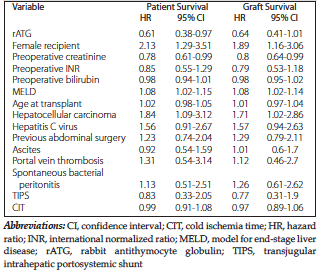
Table 2. Cox Regression Analyses of Factors Predicting Patient and Graft Survival
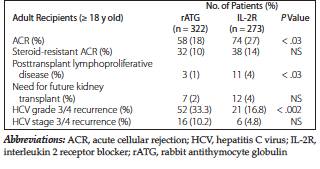
Table 3. Secondary Outcomes

Figure 1. Kaplan-Meier Analysis of Patient Survival
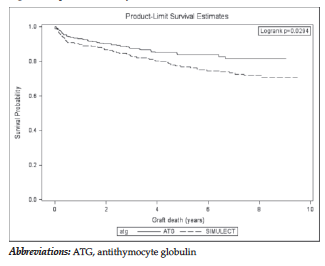
Figure 2. Kaplan-Meier Analysis of Graft Survival
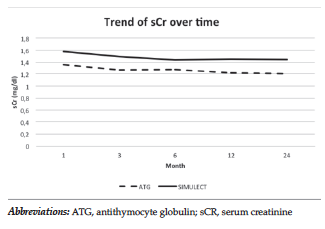
Figure 3. Serum Creatinine Levels at 1, 3, 6, 12, and 24 Months, Stratified by the Type of Induction Therapy
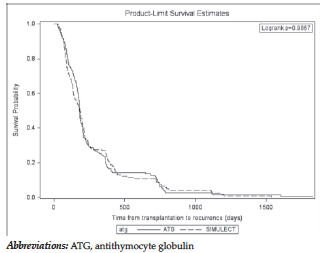
Figure 4. Hepatitis C Disease-Free Survival