Volume: 15 Issue: 3 June 2017
FULL TEXT
Objectives: The only curative treatment for many patients with primary immunodeficiency disease is hematopoietic stem cell transplant. In this study, we report the transplant outcomes of patients with primary immunodeficiency diseases.
Materials and Methods: Herein, we present the transplant outcomes of 20 patients with primary immunodeficiency disease seen at our center in Kayseri, Turkey, from 2010 to 2015.
Results: The disease distribution of th3e 20 patients were as follows: 6 patients with severe combined immunodeficiency, 4 patients with hemophagocytic lymphohistiocytosis, 2 patients with chronic granulomatous disease, 2 patients with type 2 Griscelli syndrome, 2 patients with B-cell deficiency plus bone marrow failure, 1 patient with severe congenital neutropenia, 1 patient with X-linked lymphoproliferative disease, 1 patient with T-cell deficiency plus relapsed non-Hodgkin lymphoma, and 1 patient with type 1 leukocyte adhesion deficiency. Of the 20 patients, 11 received related HLA-matched, 6 received haploidentical, 2 received unrelated HLA-matched, and 1 received HLA-mismatched transplant. The median age at transplant was 21 months, and median follow-up was 5 months. Overall survival rate was 65%. Mean engraftment times for neutrophils and platelets were 14.25 ± 3.08 and 24.7 ± 11.4 days. Graft-versus-host disease was observed in 30% of patients.
Conclusions: Patients with primary immunodeficiency disease treated at our center had acceptable transplant outcomes. This study supports the use of hematopoietic stem cell transplant in patients with primary immunodeficiency disease.
Key words : Transplant outcomes, Graft-versus-host disease, Children
Introduction
To date, more than 250 primary immunodeficiency diseases (PID) have been identified. Primary immunodeficiency diseases represent a group of heterogeneous inherited disorders that can affect every part of the immune system. They are characterized by increased autoimmunity, malignancy, and severe life–threatening infections that can lead to early mortality.1-3 Although hematopoietic stem cell transplant (HSCT) is usually used in patients who have severe PID (eg, severe combined immunodeficiency, SCID), because of the high risk of life–threatening infectious complications after transplant, patients with less severe PIDs usually receive conservative treatment (eg, antimicrobial prophylaxis and intravenous immunoglobulin replacement).4
Hematopoietic stem cell transplant has been used as a curative treatment option for several PIDs since 1968.5 It is a lifesaving treatment option for patients with these disorders, especially for those with severe forms.6 Although transplants were initially performed from human leukocyte antigen (HLA)-matched sibling donors, the use of HSCT has been expanded to the use of both unrelated and cord blood donor grafts after the 1980s in PID patients.7 Autosomal recessive PIDs are observed to be more prevalent in developing countries than in developed countries due to high rates of consanguineous marriages.8,9 In developing countries, delays in diagnosis and transfer of PID patients to immunology centers can lead to delayed HSCT. These delays may result in additional risks to patients, such as severe life–threatening infections, and may cause increased morbidity and mortality rates associated with HSCT.3 Few single-center studies have reported on outcomes of transplant patients with PIDs from developing countries. In this retrospective study, we report our single-center experience of HSCT in 20 PID patients, treated over a 5-year period (between 2010 and 2015) at the Pediatric HSCT Center of Erciyes University Medical Faculty in Kayseri, Turkey.
Materials and Methods
Study population
In 20 patients (10 female and 10 male patients) with PIDs who received HSCT and
were included in this study, specific diagnoses were as follows: 6 patients with
SCID, 4 patients with hemophagocytic lymphohistiocytosis, 2 patients with
chronic granulomatous disease, 2 patients with type 2 Griscelli syndrome, 2
patients with B-cell deficiency plus bone marrow failure, 1 patient with
X-linked lymphoproliferative disease, 1 patient with severe congenital
neutropenia, 1 patient with T-cell deficiency plus relapsed non-Hodgkin
lymphoma, and 1 patient with type 1 leukocyte adhesion deficiency. Of the 20
patients, 11 patients received related HLA-matched, 6 received haploidentical, 2
received unrelated HLA-matched, and 1 received HLA-mismatched transplants (see
Tables 1-2-3).
Donors
HLA typing was performed for HLA-A, HLA-B, and HLA-C (class I) and for
HLA-DR and HLA-DQ (class II) antigens in all patients. Graft source was both
bone marrow and peripheral blood. The distribution of donors was as follows: 9
patients received matched sibling donation, 5 received haploidentical donation
(from mother or father), 3 received matched unrelated donation, 2 received
matched family donation, and 1 received mismatched family donation (see Table
2). For HSCT procedures at our center, our first choice is HLA-matched sibling
donor, however, patients, who had no HLA-matched donor (sibling, related or
unrelated) received a haploidentical transplant from the mother or father.
During the transplant procedure, haploidentical grafts were given after T-cell
depletion.
Supportive care
All patients were hospitalized in an isolated room with HEPA filter in our
Pediatric HSCT Center until discharge. As antimicrobial prophylaxis during
transplant, cotrimoxazole (for Pneumocystis jiroveci), fluconazole (for
fungal infections), and acyclovir (for herpes-type infections) were used. In
addition, intravenous immunoglobulin replacement was used to maintain an
immunoglobulin G level > 500 mg/dL in all patients. All patients were screened
for Cytomegalovirus (CMV) infection periodically until 100 days
posttransplant. Cytomegalovirus antigenemia was accepted as > 300
copies/L. If tests were positive, patients were treated with ganciclovir.
Conditioning regimens and graft-versus-host disease prophylaxis
Conditioning regimens varied based on the patient’s underlying disease and
included reduced intensity conditioning and myeloablative conditioning. For
graft-versus-host disease (GVHD) prophylaxis, cyclosporine, mycophenolate
mofetil, or a cyclosporine plus methotrexate combination was used (Table 2).
Laboratory investigations
Complete blood counts and serum levels of chemotherapeutic drugs were
monitored weekly for the first month after transplant, then every 2 weeks,
monthly, and thereafter as needed. Engraftment studies were performed with the
use of a Coulter counter (Coulter Electronics, Hialeah, FL, USA) from peripheral
blood. Chimerism testing was performed using conventional cytogenetic methods.
The fluorescence in situ hybridization technique was used to detect Y chromosome
in sex-mismatched HSCT patients. Repeat microsatellite tandem analyses were used
with polymerase chain reaction analyses in sex-matched HSCT patients.
Definitions
Myeloablative conditioning was defined as the use of busulfan plus
cyclophosphamide-based protocols. Reduced intensity conditioning was defined
as use of antithymocyte globulin-based protocols with rituximab, fludarabine,
thiotepa, etoposide, and melphalan. We diagnosed and graded GVHD using
previously described criteria.10 Failure to thrive was defined
clinically as weight of child < third percentile for age. Mixed chimerism
was defined as having between 5% and 95% donor cells. A full donor chimerism was
accepted as > 95% donor cells.
Results
Patient characteristics
The clinical and immunologic characteristics of patients, conditioning regimens,
GVHD prophylaxis, type of HSCT, and outcomes of patients are shown in Tables
1-3. The median age of patients at diagnosis of PID was 10.5 months (range, 2 mo
to 15 y). The median age of patients at the time of HSCT was 21 months (range, 5
mo to 18 y). Male-to-female patient ratio was 1:1 (10 female and 10 male
patients). Parental consanguinity was observed in 13 of 20 patients (65%). Of
the 6 patients with SCID, only 1 was referred to our clinic before diagnosis of
SCID as asymptomatic due to positive family history for SCID. The other patients
with SCID presented with severe life–threatening or recurrent infections
associated with their respiratory or gastrointestinal systems, oral thrush,
failure to thrive, and autoimmunity. Of the 6 SCID patients, 2 had adenosine
enzyme deficiency, 2 had a recombination-activating gene 1 mutation, 1 had an
Artemis gene mutation, and 1 had magnesium transporter 1 deficiency.
The 14 patients without SCID had diagnoses as described above. All 4 patients with hemophagocytic lymphohistiocytosis and the 1 patient with X-linked lymphoproliferative disease fulfilled the diagnostic criteria of hemophagocytic lymphohistiocytosis.11 The diagnosis of familial hemophagocytic lymphohistiocytosis was confirmed with sequencing in 3 patients, with no mutations shown in 1 of these patients. Type 2 Griscelli syndrome, chronic granulomatous disease, X-linked lymphoproliferative disease, and severe congenital neutropenia were also confirmed by sequencing. The 2 patients diagnosed with type 2 Griscelli syndrome experienced hemophagocytic lymphohistiocytosis. The 2 patients with B-cell deficiency plus bone marrow failure had pancytopenia and B-cell deficiency that needed intravenous immunoglobulin replacement. The patient with T-cell deficiency plus relapsed non-Hodgkin lymphoma had idiopathic CD4-positive lymphopenia and fulfilled the diagnosis of idiopathic CD4-positive lymphopenia criteria.12 The patient with type 1 leukocyte adhesion deficiency had mutation in the CD18 gene that was confirmed by sequencing. Of the 14 non-SCID patients, 7 presented with hemophagocytic lymphohistiocytosis; the other 7 presented with recurrent life–threatening pneumonia (Table 1).
Hematopoietic stem cell transplant details
Of the 6 patients with SCID, 4 patients received reduced intensity
conditioning and 2 received myeloablative conditioning before transplant. Two in
this group received T-cell depleted haploidentical HSCT due to severe
life–threatening pneumonia. Of the 14 non-SCID patients, 4 received reduced
intensity conditioning and 10 received myeloablative conditioning before
transplant. Only the 1 patient with B-cell deficiency plus bone marrow failure
required a second transplant due to graft failure.
The type of transplant was designed according to donor type. Of the 6 patients with SCID, 2 patients received HLA-matched transplant, 2 received haploidentical transplant, 1 received HLA-matched transplant, and 1 received HLA-matched family transplant. Of the 20 patients in our study, bone marrow was used in 14 and peripheral blood was used in 6 as graft source. In the 6 patients with SCID, 3 patients received peripheral blood grafts and 3 patients received bone marrow as graft source (Table 2). In the other 14 non-SCID patients, 7 received an HLA-matched sibling transplant, 4 received haploidentical transplant, 1 received unrelated HLA-matched transplant, 1 received HLA-matched family transplant, and 1 received HLA-mismatched transplant.
In this study, the median infused nucleated cell dose was 9.42 × 10⁸/kg body weight of recipient (range, 1.41-24.74 × 10⁸/kg) for bone marrow blood stem cells. Median infused CD34-positive cell doses were 6.48 × 10⁶/kg (range, 1.71-35.73 × 10⁶/kg) for bone marrow and 27.08 × 10⁶/kg (range, 0.85-46.26 × 10⁶/kg) for peripheral blood stem cells (Table 2). In the 17 patients (85%) who received GVHD prophylaxis, 4 patients received mycophenolate mofetil, 5 patients received cyclosporine, and 8 patients received cyclosporine plus methotrexate. T-cell depletion was required as GVHD prophylaxis in the 6 patients who received haploidentical transplants. The target serum level for cyclosporine was approximately 200 ng/mL. Treatment was slowly ceased after > 100 days in the absence of GVHD. In this study, mean ± standard deviation time for neutrophil and platelet engraftment was 14.25 ± 3.08 days and 24.7 ± 11.4 days (Table 3).
Infections after transplant
After transplant, all patients experienced various bacterial, viral, and
fungal infections. Bacterial infections were observed in 10 patients (50%):
Pseudomonas aeruginosa in 3 as chest infections (15%), Acinetobacter
baumannii in 3 (15%), Klebsiella pneumoniae in 3 (15%),
Staphylococcus species in 2 as a catheter infection (10%), and
Streptococcus pneumoniae in 1 as pneumonia (5%). Viral infections occurred
in 16 patients (80%), with CMV reactivation in 14 patients (70%), human
adenovirus gastroenteritis in 6 (30%), and human coronavirus and human
bocavirus gastroenteritis in 5 (25%). Four patients (20%) experienced fungal
infections, which were identified as Candida albicans gastroenteritis and
Aspergillus species pneumonia. Six patients (30%) required stays in a
pediatric intensive care unit during septic periods. One patient with SCID had a
Mycobacterium species infection, identified as systemic bacillus
Calmette-Guérin infection (Table 3).
Graft-versus-host disease, noninfectious complications, chimerism, and
outcomes
The 6 patients (30%) with GVHDs had acute GVHD. Graft-versus-host disease
was seen in the skin in 3 patients (stage 2 to 3) and in the gut in 4 patients
(stage 2 to 4). Of the 6 patients with GVHD, 5 died.
Noninfectious complications were observed in 8 of 20 patients as follows: 3 with veno-occlusive disease, 2 with hypertension, 2 with intracranial hemorrhage, and 1 with renal dysfunction. Overall, 7 patients (35%) died: 4 from GVHD, sepsis, and intracranial hemorrhage in the SCID group; 2 patients with hemophagocytic lymphohistiocytosis from GVHD and sepsis; and 1 patient with type 2 Griscelli syndrome from GVHD and sepsis in the non-SCID group. Of the 6 SCID patients, 4 died (67%). None of SCID patients who received a transplant from a matched sibling donor died. Of the 14 non-SCID patients, 3 died (21%). Of the 20 patients, mixed chimerism was observed as 5% to 95% donor cells in 4 patients (20%). At the median follow-up of 5 months (range, 2 mo to 3.5 y), 13 patients (65%) were alive. At the last visit, all living patients had donor engraftment with clinical improvement of PIDs (Tables 2 and 3).
Discussion
Early diagnosis and transfer of patients to a transplant center is essential for improving survival rates in patients with PIDs. Considerable improvements have been observed in HSCT outcomes in recent years. These favorable outcomes have been achieved with the use of improved HLA selection, GVHD prophylaxis, individual conditioning regimens, and alternative stem cell sources in PID patients. In this study, we report the outcomes of 20 PID patients who received a transplant at the Pediatric HSCT Center of Erciyes University Medical Faculty, in Kayseri, Turkey between 2010 and 2015.
The overall survival rates of patients were similar with data reported from other centers.2-7,13-15 In this study, of the 6 SCID patients, 4 had an HLA-matched donor, only 1 patient had no infection before HSCT, and none of them underwent transplant before 5 months of age. It has been reported that SCID patients who receive transplants before the age of 3.5 months (95%) have a significantly higher survival rate than older children (76%).13 In the presented study, in the SCID patients, the median age of transplant was 6.25 months, with none younger than 5 months at the time of HSCT (Table 2). The survival rate of SCID patients was estimated as 33% (2 of 6 patients). This lower survival rate may have been affected by delay of transplant. Of the SCID patients, only 1 was referred to our clinic as asymptomatic. Also, of the 6 SCID patients, only 2 patients had matched sibling donations, with 100% survival. The other 4 patients had donations from matched unrelated, matched family, and haploidentical donors. Donor type could be another important factor contributing to the lower survival rate in our study. In addition, of the 6 SCID patients, 5 were B-cell negative SCID. In the medical literature, B-SCID patients have been shown to have lower survival rates.16 This condition could have also had a negative effect on our reported survival rate in SCID patients. For SCID patients who received reduced intensity conditioning, overall survival rate was 50%, with 100% survival in the SCID patients who received myeloablative conditioning. The rate of GVHD was equal at 33% in the 3 SCID patients who received prophylaxis and 3 patients who received no prophylaxis.
The overall survival rate of the non-SCID patients in our study was 79%, which is consistent with previously reported studies from developing countries.2,3 Of these 14 patients without SCID, 4 received haploidentical HSCT with reduced intensity conditioning and T-cell depletion and 10 received myeloablative conditioning. Of the 10 patients who received a myeloablative conditioning regimen, 8 received HLA-matched sibling donor HSCT, 1 received HLA-matched unrelated donor HSCT, and 1 received HLA-mismatched family donor HSCT. Of the 14 non-SCID patients, 4 received haploidentical donor HSCT with overall survival rate of 75% (3 of 4 patients). In patients who had matched sibling donation, the overall survival rate was 78% (7 of 9 patients). The 3 patients who had matched unrelated and matched family donations showed 100% survival. All 14 non-SCID patients received GVHD prophylaxis, with GVHD rate of 28.5% (4 of 14 patients). In addition, we observed no significant difference in survival rates between PID patients who received myeloablative conditioning (37.5%) and those who received reduced intensity conditioning (33%) (Table 3). However, these results may have been due to the small sample size in this study.
Peritransplant and posttransplant infections are the most common factors to affect survival rates in PID patients, with infections being a major complication in the posttransplant period.6,15,17-18 In this study, viral infections were observed in 16 of 20 patients (80%), with 14 patients (70%) developing CMV infection. Interestingly, all patients who had experienced CMV infection before transplant developed CMV reactivation after HSCT. Sato and associates19 reported that a positive CMV serology before HSCT was a risk factor for posttransplant CMV infection, as in the presented study. Of 7 patients who died in our study, 6 had CMV infection. Also, CMV infection can induce immunosuppression and help other infections to develop, including bacterial and fungal infections, after transplant.20 For this reason, CMV-positive patients should be monitored regularly for CMV reactivation after transplant and CMV infection should be treated promptly.
In the present study, 6 patients (30%) needed admission to a pediatric intensive care unit during septic periods. This percentage is lower than in previously reported studies.3,21 Cole and associates21 reported that 35% of children had at least 1 intensive care unit admission. Two of 6 patients who needed admission (33%) were discharged (Table 3).
Death was commonly associated with GVHD, intracranial hemorrhage, sepsis, and multiorgan failure in this study. The association between infections and posttransplant mortality has been reported in PID patients in the medical literature.18,21-22 In our study, death related to GVHD was associated with infectious complications in 3 patients. In addition, 2 patients died from intracranial hemorrhage in this study (Table 3).
Graft-versus-host disease was observed in 6 patients (30%), all acute, in skin in 3 patients (stage 2 to 3) and in gut in 4 patients (stage 2 to 4). Of 6 patients with GVHD, 5 died. The rate of GVHD was lower in our study than in previously reported studies.3-4,7 This lower rate of GVHD may be associated with GVHD prophylaxis such as cyclosporine, cyclosporine + methotrexate, and T-cell depletion in haploidentical transplant.
In conclusion, despite some undesirable circumstances such as delays in diagnoses and transfer of patients to our center, the overall survival rate of patients with PIDs is acceptable and similar to that shown in other developing countries and developed countries. Overall survival rates were lower (33%) in SCID patients and higher in non-SCID patients (79%) than shown in previously reported studies from developing countries.2,3 As a developing country, in Turkey, we should spend more time educating primary care providers in the recognition, diagnosis, and prompt transfer of PID patients to reference centers, especially those with SCID.
References:
- Cavazzana M, Touzot F, Moshous D, Neven B, Blanche S, Fischer A. Stem
cell transplantation for primary immunodeficiencies: the European
experience. Curr Opin Allergy Clin Immunol. 2014;14(6):516-520.
CrossRef - PubMed - Al-Ghonaium A. Stem cell transplantation for primary immunodeficiencies:
King Faisal Specialist Hospital experience from 1993 to 2006. Bone Marrow
Transplant. 2008;42 Suppl 1:S53-S55.
CrossRef - PubMed - Amayiri N, Al-Zaben A, Ghatasheh L, Frangoul H, Hussein AA.
Hematopoietic stem cell transplantation for children with primary
immunodeficiency diseases: single-center experience in Jordan. Pediatr
Transplant. 2013;17(4):394-402.
CrossRef - PubMed - Dinardo L, Brown V, Perez E, Bunin N, Sullivan KE. A single-center study
of hematopoietic stem cell transplantation for primary immune deficiencies
(PIDD). Pediatr Transplant. 2012;16(1):63-72.
CrossRef - PubMed - Gennery AR, Slatter MA, Grandin L, et al. Transplantation of
hematopoietic stem cells and long-term survival for primary
immunodeficiencies in Europe: entering a new century, do we do better? J
Allergy Clin Immunol. 2010;126(3):602-610.e1-11.
CrossRef - PubMed - Mitchell R, Nivison-Smith I, Anazodo A, et al. Outcomes of hematopoietic
stem cell transplantation in primary immunodeficiency: a report from the
Australian and New Zealand Children's Haematology Oncology Group and the
Australasian Bone Marrow Transplant Recipient Registry. Biol Blood Marrow
Transplant. 2013;19(3):338-343.
CrossRef - PubMed - Petrovic A, Dorsey M, Miotke J, Shepherd C, Day N. Hematopoietic stem
cell transplantation for pediatric patients with primary immunodeficiency
diseases at All Children's Hospital/University of South Florida. Immunol
Res. 2009;44(1-3):169-178.
CrossRef - PubMed - Sanal O, Tezcan I. Thirty years of primary immunodeficiencies in Turkey.
Ann N Y Acad Sci. 2011;1238:15-23.
CrossRef - PubMed - Azarsiz E, Gulez N, Edeer Karaca N, Aksu G, Kutukculer N. Consanguinity
rate and delay in diagnosis in Turkish patients with combined
immunodeficiencies: a single-center study. J Clin Immunol.
2011;31(1):106-111.
CrossRef - PubMed - Weisdorf DJ, Hurd D, Carter S, et al. Prospective grading of
graft-versus-host disease after unrelated donor marrow transplantation: a
grading algorithm versus blinded expert panel review. Biol Blood Marrow
Transplant. 2003;9(8):512-518.
CrossRef - Trottestam H, Horne A, Aricò M, et al. Chemoimmunotherapy for
hemophagocytic lymphohistiocytosis: long-term results of the HLH-94
treatment protocol. Blood. 2011;118(17):4577-4584.
CrossRef - PubMed - Patýroglu T, Akar HH, Unal E, Ozdemir MA, Karakukcu M, Patýroglu TE.
Malignancies in primary immunodeficiencies: a single-center experience.
Pediatr Allergy Immunol Pulmonol. 2015;28(1):47-54.
CrossRef - Buckley RH, Schiff SE, Schiff RI, et al. Hematopoietic stem-cell
transplantation for the treatment of severe combined immunodeficiency. N
Engl J Med. 1999(7);340:508-516.
CrossRef - PubMed - Wahadneh AM, Bin Dahman HA, Abu Shukear ME, et al. Mismatched related
hematopoietic stem cell transplantation in primary immunodeficiency. Saudi J
Kidney Dis Transpl. 2013;24(6):1137-1143.
CrossRef - PubMed - Cipe FE, Dogu F, Aytekin C, et al. HLA-haploidentical transplantations
for primary immunodeficiencies: a single-center experience. Pediatr
Transplant. 2012;16(5):451-457.
CrossRef - PubMed - Cavazzana M, Touzot F, Moshous D, Neven B, Blanche S, Fischer A. Stem
cell transplantation for primary immunodeficiencies: the European
experience. Curr Opin Allergy Clin Immunol. 2014;14(6):516-520.
CrossRef - PubMed - Morio T, Atsuta Y, Tomizawa D, et al. Outcome of unrelated umbilical
cord blood transplantation in 88 patients with primary immunodeficiency in
Japan. Br J Haematol. 2011;154(3):363-372.
CrossRef - PubMed - Grunebaum E, Mazzolari E, Porta F, et al. Bone marrow transplantation
for severe combined immune deficiency. JAMA. 2006;295(5):508-518.
CrossRef - PubMed - Sato T, Kobayashi R, Toita N, et al. Stem cell transplantation in
primary immunodeficiency disease patients. Pediatr Int. 2007;49(6):795-800.
CrossRef - PubMed - Haastrup E, Müller K, Baekgaard H, Heilmann C. Cytomegalovirus infection
after allogeneic stem cell transplant in children. Pediatr Transplant.
2005;9(6):734-740.
CrossRef - PubMed - Cole TS, Johnstone IC, Pearce MS, et al. Outcome of children requiring
intensive care following haematopoietic SCT for primary immunodeficiency and
other non-malignant disorders. Bone Marrow Transplant. 2012;47(1):40-45.
CrossRef - PubMed - Tsuji Y, Imai K, Kajiwara M, et al. Hematopoietic stem cell
transplantation for 30 patients with primary immunodeficiency diseases: 20
years’ experience of a single team. Bone Marrow Transplant.
2006;37(5):469-77.
CrossRef - PubMed

Volume : 15
Issue : 3
Pages : 337 - 343
DOI : 10.6002/ect.2015.0233
From the 1Department of Pediatric Immunology, and the 2Department
of Pediatric Hematology and Oncology, Erciyes University School of Medicine,
Kayseri, Turkey
Acknowledgements: The authors declare that they have no sources of
funding for this study, and they have no conflicts of interest to declare.
Corresponding author: H Haluk Akar, Erciyes University Medical Faculty,
Pediatric Immunology, Kayseri, Turkey
Phone: +90 352 207 6666/25300
E-mail: himmetakar@gmail.com
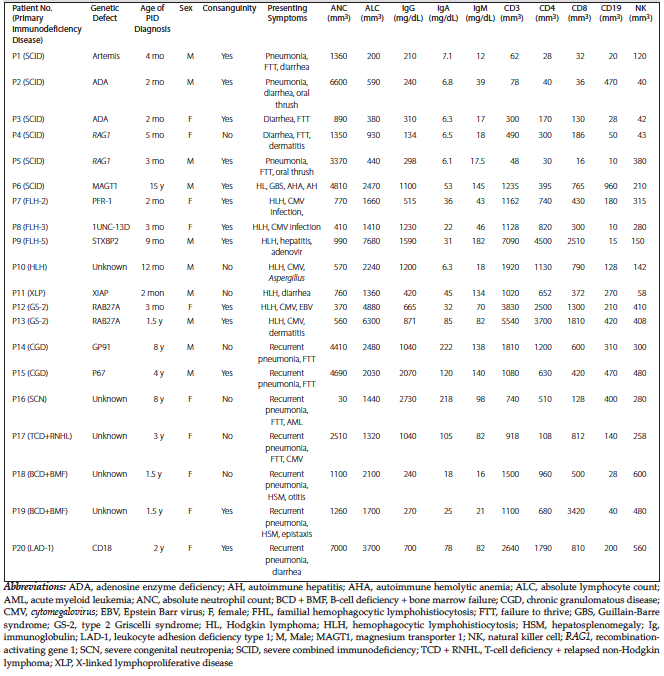
Table 1. Patient Characteristics Before Hematopoietic Stem Cell Transplant
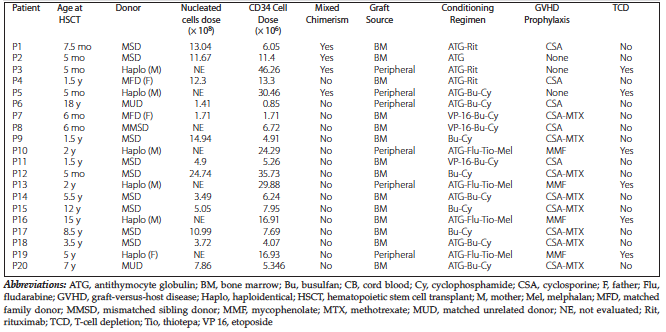
Table 2. Transplant Data of Patients
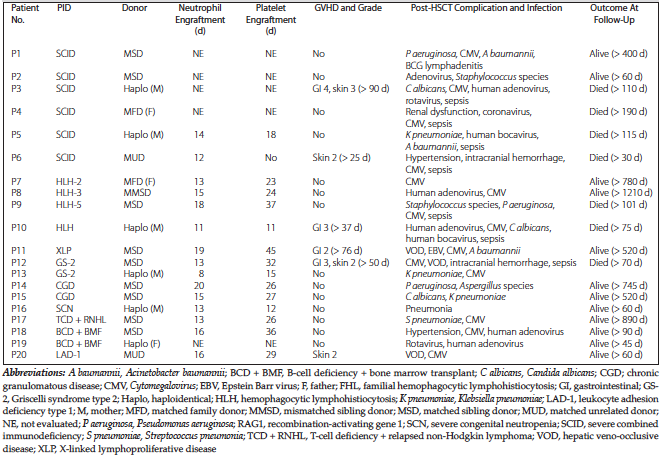
Table 3. Posttransplant Evaluation of Patients