Volume: 15 Issue: 3 June 2017
FULL TEXT
Objectives: Our objective was to explore factors influencing health-related quality of life in living-donor kidney transplant recipients.
Materials and Methods: A total of 140 kidney transplant recipients, enrolled between December 2014 and April 2015, were administered questionnaires on medical outcomes, 36-item Short Form Health Survey, medical coping modes, cognitive appraisal of health scale, and adverse effects of medications. Path analysis was employed to verify the hypothesized model.
Results: Increased serum creatinine level and high economic burden had direct positive effects on negative appraisal (β = 0.18, P < .05 and β = 0.46, P < .01). Adverse effects of medication had direct positive effects on confrontation; whereas negative appraisal had direct positive effect on acceptance-resignation (β = 0.21, P < .05) and direct negative effect on physical component summary (β = -0.43, P < .001) and mental component summary (β = -0.51, P < .001). In addition, confrontation directly affected mental component summary (β = -0.15, P < .05). The enrolled variables accounted for 25.0% of physical component summary variance and 35.4% of mental component summary variance.
Conclusions: In this study, economic burden, serum creatinine levels, and adverse effects of immunosuppressive therapy were the key external factors, whereas patients’ cognitive appraisal and coping strategies were the main internal factors affecting patients’ health-related quality of life. Medical care providers attending to transplant recipients should be able to identify patients developing negative coping strategies in response to stressors and plan individualized counseling programs for these patients.
Key words : Adverse events, Creatinine, Side effects
Introduction
With the advancements in kidney transplant surgery and immunosuppressive therapy, kidney transplant is currently the most effective treatment modality for end-stage renal disease.1,2 As of March 3, 2015, more than 80,000 patients had received kidney transplants in China, with more than 16,000 being living-donor kidney transplant recipients.3 In addition to the survival benefit, kidney transplant is known to improve4 health-related quality of life for chronic kidney failure patients compared with other renal replacement therapies.5 The availability of kidneys from deceased donors is not enough to meet the demand of chronic kidney failure patients. Moreover, living-donor kidney transplants are associated with higher survival rates of transplanted kidney compared with that of kidney transplants from deceased donors.6
Irrespective of the type of transplant, kidney transplant recipients face life-long challenges, which include strict compliance with the treatment protocols, coping with the adverse effects of immunosuppressive therapy, threat of potential rejection of renal transplant, and opportunistic infections, all of which may affect their health-related quality of life.7
Health-related quality of life, as a new health index, concerns itself not only with the duration of survival but also takes into consideration the patients’ quality of life. Indeed, the notion of health-related quality of life is increasingly being incorporated as a key input for clinical decision making and as a criteria for evaluation of treatment outcomes and quality of care.8 In the context of kidney transplant, health-related quality of life evaluates the effect of kidney transplant and immunosuppressive therapy on patients’ physiology, psychology, and social function.9 Compared with deceased-donor kidney transplant recipients, patients receiving kidneys from living donors are known to experience better health-related quality of life.10 The effect of economic burden on the psychology and social function of kidney transplant recipients is well documented.11 Furthermore, patients with higher serum creatinine levels are known to experience poorer physical and psychological outcomes.12,13 Moreover, the inverse relationship of the adverse effects of immunosuppressive therapy on health-related quality of life of transplant recipients, in both physical and psychological domains, is also well-documented.14 Likewise, severe adverse effects of immunosuppressive therapy are known to affect treatment compliance, which in turn adversely affects the patients’ physical and psychological well-being.15
Studies based on the theory of stress and response have shown that the adverse effects of immunosuppressive treatment and economic hardships are major stressors for kidney transplant recipients,16,17 and severely affected patients are likely to adopt negative coping mechanisms.18
In this cross-sectional study, we assessed the health-related quality of life of living-donor kidney transplant recipients and examined the response of patients to various stressors. Insights gained from this study may help inform targeted interventions aimed at medical care providers of kidney transplant recipients, with the objective of improving the health-related quality of life of transplant recipients.
Materials and Methods
The study protocol was approved by the Ethical Committee at the General Hospital of China Armed Police. Written informed consent was obtained from all patients before their enrollment in the study.
Theoretical framework
The theoretical framework of this study draws heavily on the stress and coping
theory. Cognitive assessments were performed to identify the key stressors for
living-donor kidney transplant patients such as economic burden, serum
creatinine levels and adverse effects of immunosuppressive therapy. Furthermore,
the effect of coping strategies adopted in response to the stressors on the
health-related quality of life was evaluated (Figure 1).
Patients
Living-donor kidney transplant patients were screened from December 2014 to
April 2015. The inclusion criteria were (1) age >18 years, (2) at least 3 months
elapsed since kidney transplant (functional transplanted kidney with no need for
dialysis), (3) normal sensorium, (4) reading and comprehension skills, (5)
absence of serious heart, brain, or lung disease and no history of mental
disorders, and (6) willing to participate in the survey. Patients with other
organ transplants or those on artificial organ support were excluded from the
study.
The minimum recommended sample size for studies of health-related quality of life of kidney transplant recipients is approximately 10-15 times the number of variables analyzed.19 Eleven variables were evaluated in the present study (economic burden, serum creatinine level, influence of adverse effects of drugs, harm, challenge, threat, benign/irrelevant, avoidance, confront, acceptance-resignation, physical component summary [PCS] and mental component summary [MCS]), which required a sample size of 110 to 165 kidney transplant recipients. A total of 140 kidney transplant patients were enrolled in the study. Questionnaires were administered during follow-up visits of transplant recipients at the outpatient department.
Data on the following variables were extracted: age, sex, education level, marital status, mode of payment for medical treatment, financial burden, and serum creatinine levels. The participants rated their economic status on a 3-point scale: slight burden, moderate burden, and heavy burden.
Research tools
Medical Outcomes Study 36-item Short Form Health Survey (SF-36) is a standard
instrument for assessment of postoperative health-related quality of life of
kidney transplant recipients.7,20,21 The 36-item Short Form Health
Survey captures 8 dimensions, ie, physical functioning, role
functioning-physical, bodily pain, general health, vitality, social functioning,
role functioning-emotional and mental health; and 2 subscales (PCS and MCS). The
Chinese version of this survey instrument was shown to be reliable, valid, and
responsive, with higher scores representing better health-related quality of
life.22,23
The medical coping modes questionnaire is an instrument to gauge the coping mechanism of patients; its Chinese version has been adopted for research on chronic hepatitis and cancer patients. The questionnaire consists of 20 items and captures 3 dimensions, which include acceptance-resignation, confrontation, and avoidance. Higher scores in a particular dimension indicate the likely response of the patient to health problems.
Cognitive appraisal of health scale evaluates the health-correlated stress events and consists of a primary and a secondary scale. The primary appraisal scale has 4 dimensions, which categorizes stress into threat, harm/lose, challenge, and benefit/irrelevance. Higher score in a subscale shows that individuals are more prone to appraisal in the face of stressors.24
Liu and associates developed the Symptom Experience of Immunosuppressive-related Side Effects Scale,15,25 which captures the 13 most common side effects of the commonly prescribed immunosuppressors (tacrolimus, cyclosporine, mycophenolate mofetil, corticosteroid hormone), and includes symptoms such as, excessive growth of hair, hair loss, headache, tremors, gingival hyperplasia, diarrhea/gastrointestinal discomfort, acne, joint pain, sleep disturbances, high blood sugar, high blood pressure, weight gain, and fatigue. The symptoms are graded on a scale of 0 to 5 (0 score indicates no symptoms, with 1 indicating patient having symptoms but are not affected by them, 2 indicating symptoms having a slight impact on patient, 3 indicating moderate impact, 4 indicating symptoms impacting patient to a great degree, and 5 indicating severe impact. The final score is computed by accumulating the score of each item; a higher score indicates greater adverse impact of immunosuppressive drugs.
Statistical analyses
Excel 2013, SPSS (SPSS: An IBM Company, version 21.0, IBM Corporation,
Armonk, NY, USA), and Analysis of Moment Structures 21.0 (AMOS: An IBM Company,
version 21.0, IBM Corporation, Armonk, NY, USA) software were used for
statistical analyses. Spearman correlation analysis was conducted to analyze the
association between serum creatinine level, economic burden, drug adverse
effects, health cognitive appraisal, coping strategies, and health-related
quality of life. Route analysis method in the structural equation model was
applied to test the hypothesized model. The hypothesized model was constructed
on the basis of stressors and coping theory, professional knowledge, findings of
previous literature, objectives of the present study, and by maximum likelihood
method to estimate associated indices. Goodness of fit index (GFI), comparative
fit index (CFI), root mean square error of approximation (RMSEA), and P value of
fit index were calculated to assess the degree of fit between hypothesized model
and sample data. The findings were used to revise the hypothesized model.
Results
Questionnaires were administered to 140 eligible study subjects, out of which 136 responded (response rate of 97.14%). The time required by participants to fill the questionnaires ranged from 20 to 40 minutes (median of 30 minutes). The basic characteristics of the patients are summarized in Table 1.
To confirm the stability and consistency of the response elicited by the questionnaires, 30 participants were made to fill the same questionnaires again 2 weeks after the first survey; Cronbach's alpha index was calculated as a measure of the inherent consistency of the questionnaires. The results (Table 2) confirmed the reliability of the questionnaires.
Table 3 presents the descriptive statistics of the variables studied. Principal component analysis was applied to analyze the 4 variables in the cognitive appraisal of health scale; the contribution rate of principal component was 58.37%. Correlation analysis between the principal component and threat, challenge, harm/loss, and benefit/irrelevant were 0.89, -0.49, 0.87 and -0.40, which indicated that the principal component was negative appraisal, and it showed a close correlation with threat and harm/loss. The most common adverse effects noted in the present study were fatigue (70.7%), tremors (68.8%), and hair loss (68.2%).
Data obtained from 136 patients were used to verify the hypothesis model, which showed that the model did not reflect the sample data properly. Subsequently, the model was revised according to the modification indices. The pathway from “side effect symptoms” to “confrontation” and the pathway from “negative appraisal” to “PCS and MCS” were added to the model. Structural equation modeling indicated that the revised hypothesis model matched the sample data (for physical health model, chi-squared value = 17.46, degree of freedom = 13, P = .18, GFI = 0.97, CFI = 0.95, RMSEA = 0.04; Figure 2; for mental health model, chi-squared value = 17.52, degree of freedom = 13, P = .18, GFI = 0.97, CFI = 0.96, RMSEA = 0.01; Figure 3).
The variables may directly or indirectly affect results, and the total effect is the combination of direct and indirect effects. The creatinine level and economic burden contributed to negative appraisal (β = 0.18, P < .05 and β = 0.46, P < .01). Adverse effects of drugs had direct positive effects on confrontation, and negative appraisal had direct positive effects on acceptance-resignation (β = 0.21, P < .05) and direct negative effect on PCS (β = -0.43, P < .001) and MCS (β = -0.51, P < .001). In addition, confrontation directly affected MCS (β = -0.15, P < .05).
The standard total effect of drug side effects on PCS was -0.042, economic burden on PCS was -0.32, creatinine on PCS was -0.074, negative appraisal on PCS was -0.57, acceptance-resignation on PCS was -0.012, avoidance on PCS was -0.095, and confrontation on PCS was 0.085. Furthermore, the standard total effects of drug side effects on MCS was -0.017, economic burden on MCS was -0.26, creatinine on MCS was -0.10, negative appraisal on MCS was -0.57, acceptance-resignation on MCS was -0.15, avoidance on MCS is -0.12, and confrontation on MCS was 0.085. The enrolled variables accounted for PCS variance of 25.0% and MCS variance of 35.4%.
Discussion
The present study applied stress and coping theory and constructed a revised hypothesis model to explore variables affecting health-related quality of life in 136 living-donor kidney transplant patients. Most patients were middle-aged men and had a history of dialysis. The average time elapsed since kidney transplant was 4.23 years. Economic burden, serum creatinine level, and side effects of immunosuppressive therapy were considered as stressors by patients, perceived as threatening or harmful/losing, and adversely affected the health-related quality of life to varying degrees. The revised model accounted for 25.0% PCS variance and 35.4% MCS variance, which indicated that the theory could be applied in living-donor kidney transplant patients and was able to explain health-related quality of life.
Serum creatinine level is a physical index; however, its effect on psychology is often neglected. Similar to previous studies,26,27 we observed a direct effect of serum creatinine levels on patients’ psychology. In other words, optimal control of serum creatinine levels could benefit patients both physiologically and psychologically. This finding is in contrast to that of a previous study, which did not find any significant relation between creatinine level and quality of life parameters.28 Immunosuppressive therapy is an essential part of management of kidney transplant recipients. In addition to the economic burden on patients, immunosuppressant therapy is often associated with severe adverse effects. Most patients in the study were middle-aged and were the primary source of financial support to their families. The economic burden of treatment is likely to negatively affect the patients’ psychology and may lead to anxiety and depression. The side effects of immunosuppressive agents may also adversely affect the patients’ life and influence the coping strategies. In clinical settings, the health care providers should take cognizance of these side effects and should counsel the patients so that the side effects can be handled appropriately.
The study also showed that patients’ health cognitive appraisal could affect coping strategies and health-related quality of life, which also has significant direct effects on acceptance-resignation. However, health cognitive appraisal had no significant direct effect on confrontation and avoidance. When patients face health issues and do primary appraisal, “harm/loss” or “threatening” health status may make patients feel helpless and scared, which may lead to development of negative coping strategies. The present study found that negative appraisal for health had significant direct negative effects on PCS and MCS. In addition, a previous study reported a close correlation between negative appraisal for health and lung transplant patients’ physical and psychological health and that patients who evaluated their health status as “harm” were more susceptible to psychological disorders such as depression and anxiety.29
Stressors are external factors that may affect patients’ health-related quality of life, while patient coping strategies are the key internal factors. Consistent with the findings of Lei and Saijun and associates,4,30 we observed a direct negative effect of an acceptance-resignation coping strategy on psychological health of living donor kidney transplant recipients, while no such effect was observed with respect to physical health. Giara and associates also reported that avoidance coping strategies may adversely affect both physical and psychological health of kidney transplant recipients.28
The present study underlines the importance of identifying transplant recipients with negative coping strategies, as these could significantly impair their capacity to handle their illness and treatment appropriately. Furthermore, our findings indicate the importance of individualized counseling programs conducted by care providers of transplant recipients, in order that these patients develop appropriate coping mechanisms.
We constructed a comprehensive multivariate model to analyze the effects of various factors on health-related quality of life. The variables were selected according to previous work on organ transplant and quality of life. Encouragingly, the final multivariate model accounted for 25.0% and 35.4% variance of PCS and MCS. The regression model used in another study reportedly accounted for only 11% of PCS variance and 9% of MCS variance.12 In previous studies, even by utilizing highly effective regression models, the variance of quality of life among patients with chronic renal disease ranged from 3% to 22%.31,32
Although our results are encouraging, some limitations of our study need to be acknowledged. Because this was a single center study, the findings may not be representative of all kidney transplant recipients. Furthermore, the fact that second factor analysis was applied to analyze the 4 factors in health cognitive appraisal indicates that it was hard to ascertain the specific effect of a particular factor. Third, patients’ cognitive appraisal of stressors would have been inevitably affected by related resources, which was not analyzed in the present study.
Conclusions
In this study, economic burden, serum creatinine levels, and side effects of immunosuppressive therapy were the key external factors impinging on health-related quality of life of kidney transplant recipients, while their cognitive appraisal and coping strategies were the main internal factors. Health care providers to transplant recipients need to be able to identify patients developing negative coping strategies in response to stressors and plan individualized counseling programs for these patients.
References:
- Laupacis A, Keown P, Pus N, et al. A study of the quality of life and
cost-utility of renal transplantation. Kidney Int. 1996;50(1):235-242.
CrossRef - PubMed - Segev DL, Muzaale AD, Caffo BS, et al. Perioperative mortality and
long-term survival following live kidney donation. JAMA.
2010;303(10):959-966.
CrossRef - PubMed - Simon-Pimmel J, Lorton F, Guiziou N, et al. Serum S100-beta neuroprotein
reduces use of cranial computed tomography in children after minor head
trauma. Shock. 2015;44(5):410-416.
CrossRef - PubMed - Lei J. Social Support, Quality of Life and Inflammatory Mediators for Kidney Transplant Patients [dissertation]. Zhongnan University; May 2010.
- Peng GJ, Wu YS, Chen YL, Zhang Z, Wang GC. Survey about quality of life in 116 uremia patients after renal transplantation. J Clin Rehab Tissue Eng Res. 2011;15(5):909-912.
- Davis CL, Delmonico FL. Living-donor kidney transplantation: a review of
the current practices for the live donor. J Am Soc Nephrol.
2005;16(7):2098-2110.
CrossRef - PubMed - Liem YS, Bosch JL, Arends LR, Heijenbrok-Kal MH, Hunink MG. Quality of
life assessed with the Medical Outcomes Study Short Form 36-Item Health
Survey of patients on renal replacement therapy: a systematic review and
meta-analysis. Value Health. 2007;10(5):390-397.
CrossRef - PubMed - Rebollo P, Ortega F, Ortega T, et al. Spanish validation of the "kidney
transplant questionnaire": a useful instrument for assessing health related
quality of life in kidney transplant patients. Health Qual Life Outcomes.
2003;1:56.
CrossRef - PubMed - Revicki DA, Osoba D, Fairclough D, et al. Recommendations on
health-related quality of life research to support labeling and promotional
claims in the United States. Qual Life Res. 2000;9(8):887-900.
CrossRef - PubMed - de Groot IB, Veen JI, van der Boog PJ, et al. Difference in quality of
life, fatigue and societal participation between living and deceased donor
kidney transplant recipients. Clin Transplant. 2013;27(4):E415-423.
CrossRef - PubMed - Dong JJ, Gu P, Chen LQ, Xu M. Analysis of the status quo of living quality and its influencing factors of patients accepting kidney transplantation. Chinese Nursing Res. 2009;23(288):1411-1414.
- Bohlke M, Marini SS, Rocha M, et al. Factors associated with
health-related quality of life after successful kidney transplantation: a
population-based study. Qual Life Res. 2009;18(9):1185-1193.
CrossRef - PubMed - Fujisawa M, Ichikawa Y, Yoshiya K, et al. Assessment of health-related
quality of life in renal transplant and hemodialysis patients using the
SF-36 health survey. Urology. 2000;56(2):201-206.
CrossRef - PubMed - Prihodova L, Nagyova I, Rosenberger J, et al. Health-related quality of
life 3 months after kidney transplantation as a predictor of survival over
10 years: a longitudinal study. Transplantation. 2014;97(11):1139-1145.
CrossRef - PubMed - Zarifian A. Symptom occurrence, symptom distress, and quality of life in
renal transplant recipients. Nephrol Nurs J. 2006;33(6):609-618; quiz 619.
PubMed - Fallon M, Gould D, Wainwright SP. Stress and quality of life in the
renal transplant patient: a preliminary investigation. J Adv Nurs.
1997;25(3):562-570.
CrossRef - PubMed - Lazarus R S, Folkman S. Stress, Appraisal, and Coping. New York: Springer Healthcare; 1984.
- Liu H, Feurer ID, Dwyer K, Shaffer D, Pinson CW. Effects of clinical
factors on psychosocial variables in renal transplant recipients. J Adv
Nurs. 2009;65(12):2585-2596.
CrossRef - PubMed - Hou JT, Wen ZL, Cheng ZJ. Structural Equation Model and Its Application. Beijing, China: Educational Science Press; 2003:10-139.
- Stavem K, Ganss R. Reliability and validity of the ESRD Symptom
Checklist--Transplantation Module in Norwegian kidney transplant recipients.
BMC Nephrol. 2006;7:17.
CrossRef - PubMed - Barotfi S, Molnar MZ, Almasi C, et al. Validation of the Kidney Disease
Quality of Life-Short Form questionnaire in kidney transplant patients. J
Psychosom Res. 2006;60(5):495-504.
CrossRef - PubMed - Li L, Wang HM, Shen Y. Development and psychometric tests of a Chinese version of the SF-36 Health Survey Scales. Chinese J Prev Med. 2002;36(2):109-113.
- Ren XS, Amick B, Zhou L, Gandek B. Translation and psychometric
evaluation of a Chinese version of the SF-36 Health Survey in the United
States. J Clin Epidemiol. 1998;51(11):1129-1138.
CrossRef - PubMed - Kessler TA. The Cognitive Appraisal of Health Scale: development of
psychometric evaluation. Res Nurs Health. 1998;21(1):73-82.
CrossRef - PubMed - Liu H, Feurer ID, Dwyer K, et al. The effects of gender and age on
health-related quality of life following kidney transplantation. J Clin
Nurs. 2008;17(1):82-89.
PubMed - Hayward MB, Kish JP, Jr., Frey GM, et al. An instrument to identify
stressors in renal transplant recipients. ANNA J. 1989;16(2):81-85.
PubMed - Sutton TD, Murphy SP. Stressors and patterns of coping in renal
transplant patients. Nurs Res. 1989;38(1):46-49.
CrossRef - PubMed - White C, Gallagher P. Effect of patient coping preferences on quality of
life following renal transplantation. J Adv Nurs. 2010;66(11):2550-2559.
CrossRef - PubMed - Kong IL, Molassiotis A. Quality of life, coping and concerns in Chinese
patients after renal transplantation. Int J Nurs Stud. 1999;36(4):313-322.
CrossRef - PubMed - Zhang SJ, Huang LH, Wen YL, et al. Impact of personality and coping
mechanisms on health related quality of life in liver transplantation
recipients. Hepatobiliary Pancreat Dis Int. 2005;4(3):356-359.
PubMed - Unruh ML, Weisbord SD, Kimmel PL. Health-related quality of life in
nephrology research and clinical practice. Semin Dial. 2005;18(2):82-90.
CrossRef - PubMed - Ortega F, Valdes C, Rebollo P, Ortega T. Quality of life after solid
organ transplantation. Transplant Rev. 2007;21:155-170.
CrossRef

Volume : 15
Issue : 3
Pages : 260 - 266
DOI : 10.6002/ect.2016.0055
From the 1Nursing Department, The China-Japan Friendship Hospital,
Beijing, China; the 2Institute of Organ Transplantation, The 309th
Hospital of Chinese PLA, Beijing, China; the 3Emergency Department,
Yixian People's Hospital, Baoding City, Hebei, China; and the 4Institute
of Organ Transplantation, The General Hospital of Chinese People’s Armed Police
Forces, Beijing, China
Acknowledgements: B Shi, H Shi, and J Wang contributed equally to this
work. The authors declare that they have no conflicts of interest to declare.
This study was partially supported by grants from the National Natural Science
Foundation of China (No. 81450066 and No.81370578) and the Funds of General
Hospital of Chinese People’s Armed Police Forces (WZ2011009, WZ20130203, and
WZ2014016).
Corresponding author: Yujian Niu, Institute of Organ Transplantation, The
General Hospital of Chinese People’s Armed Police Forces, Beijing 100039, China
Phone/Fax: +86 010 5797 6840
E-mail: niuyujian@aliyun.com
Jing Zhao, Nursing Department, The China-Japan Friendship Hospital, Beijing
100029, China
Phone/Fax: +139 11 723 403
E-mail: 13911723403@163.com

Figure 1. Theoretical Framework
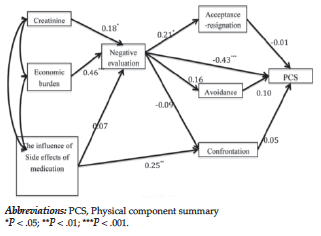
Figure 2. Pathway of Variables Affecting Physical Health of Kidney Transplant Recipients
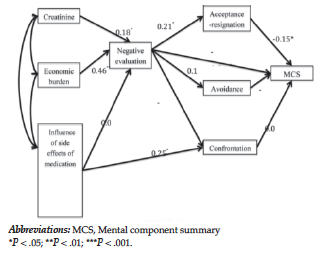
Figure 3. Pathway of Variables Affecting Psychological Health of Kidney Transplant Recipients
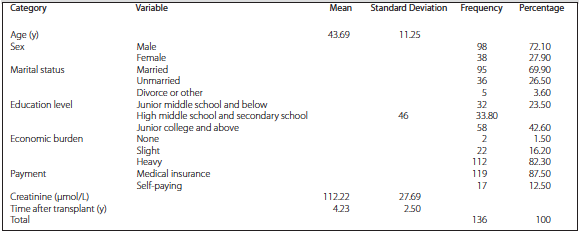
Table 1. Basic Characteristics of Study Subjects
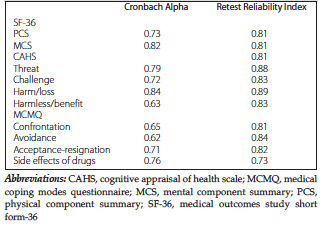
Table 2. Reliability Assessment of the Research Tools
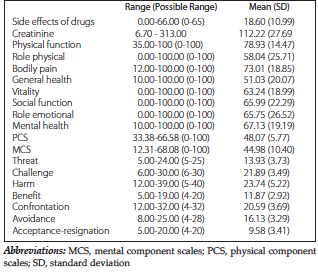
Table 3. Descriptive Statistics for Study Variables (N=136)