Volume: 15 Issue: 2 April 2017
FULL TEXT
Objectives: Kidney transplant is the best treatment for patients with end-stage renal disease. Long-term graft survival depends on the protection of renal allograft function. Renal allograft biopsy is the most important method for examining an allograft function. Biopsy provides critical information, enabling diagnosis and grading of pathologic changes, prediction of response to therapy, and long-term graft prognosis.
Material and Methods: We reviewed the medical records of patients who underwent renal transplant from living and deceased donors at Baskent University Adana Teaching and Research Hospital between 2010 and 2014 and who had an indication for biopsy. Clinical characteristics and laboratory results of patients were recorded. Patient biopsy samples were examined according to the Banff 2009 classification.
Results: Between 2010 and 2014, there were 175 renal transplants performed at our hospital, with 134 recipients (76.6%) having living-donor and 41 recipients (23.4%) having deceased-donor transplants. Fifty-one patients (29.1%) were children, and 124 patients (70.9%) were adults. We found that there were 123 biopsies made from 75 transplant patients over a 4-year period. When examined according to Banff 2009 criteria, the biopsy samples revealed acute T-cell-mediated rejection alone in 14.1% of the samples, acute antibody-mediated rejection in 4%, and a combination of the 2 rejections in 5.7%. Specific infections were detected in 12 patients. The graft nephrectomy rate was 5.1%.
Conclusions: This study investigated biopsy results, their relation with patient clinical status and 4-year survival rates, and our pathology experience and found that rejection and infection rates were similar to the literature. Our future studies with a longer follow-up and a larger sample size will likely provide more accurate information about graft survival and biopsy results.
Key words : Experience, Graft biopsy, Renal transplant
Introduction
Kidney transplant is the best treatment for patients with end-stage renal disease.1,2 Patients who have renal transplants are constantly under rigorous clinical follow-up, with biopsy sampling representing the most accurate method for evaluation of graft survival. Despite being an invasive intervention, kidney needle biopsy has been associated with negligible complication rates when performed by experienced personnel.3 Many pathologies occurring as a result of immunologic and nonimmunologic causes are observed in kidney allograft biopsies. These causes may lead to acute or chronic injury and dysfunction of the graft. Therefore, performing kidney biopsy with correct timing, examination of the pathology sample with great care, and consideration of treatment options based on biopsy results are vital for graft kidney survival.3-5 Banff is a histopathologic classification scheme designed to define all rejections, acute or chronic, and report them in a standardized manner.6 In this study, biopsy samples taken from recipients who had kidney transplants at our center were examined according to the 2009 Banff classification scheme.
Materials and Methods
This retrospective study reviewed medical records of patients who underwent renal transplant from living and deceased donors at the Baskent University Adana Teaching and Research Hospital between 2010 and 2014. Clinical characteristics and laboratory results of patients who had indication for biopsy were assessed. Histopathologic biopsy samples were evaluated according to the 2009 Banff classification scheme in our pathology department. All biopsy samples were collected by the interventional radiology department and sent to the pathology department as fresh tissues. Microscopic and immunofluorescence examinations were performed by a single pathologist within 24 hours. The samples were examined in 10% buffered formalin solution, with each core biopsy sample being embedded in a separate paraffin block. At least 12 sections were prepared from each sample. Each sample was subjected to Periodic acid-Schiff, trichrome, crystal violet, and silver impregnation staining and complement C4d and simian virus 40 immunohistochemical analyses. The biopsy samples were deemed inadequate if they did not include less than 4 glomeruli and vascular structure. The samples were said to be partially adequate, allowing limited diagnosis and interpretation, if the number of glomeruli was less than 7 and there were 1 or 2 vascular structures (suboptimal specimens). Age, sex, age group (child or adult), number of transplants from deceased or living donors, biopsy indication, creatinine level at the time of biopsy, time of biopsy sampling, and the histologic diagnosis according to Banff 2009 classification scheme were recorded.
Graft losses at 4 years after transplant were evaluated. Statistical analyses were performed with SPSS software (version 17.0, SPSS Inc., Chicago, IL, USA). All numerical data were expressed as mean values ± standard deviation or as proportions. Categorical variables were compared between groups with the chi-squared test or Fisher exact test. The level for statistical significance was P < .05.
Results
Between 2010 and 2014, 175 renal transplants were performed at Baskent University Adana Teaching and Research Hospital. Distribution of number of transplants by year was as follows: 40 transplants (22.9%) in 2010, 41 (23.4%) in 2011, 28 (16%) in 2012, 36 (20.6%) in 2013, and 30 (17.1%) in 2014. In our patient group, 134 transplants (76.6%) were from living donors and 41 transplants (23.4%) were from deceased donors (Table 1).
In our patient group, 51 patients (29.1%) were children and 124 patients (70.9%) were adults (Table 1). Sixty patients (34.3%) were female, and 115 patients (65.7%) were male (Table 1). The mean age was 12.6 ± 4.2 years in the pediatric group and 35.4 ± 12.2 years in the adult group (Table 1). No biopsy samples were taken from 100 patients (57.1%). Forty-eight patients (27.4%) underwent 1 biopsy sampling and 27 patients (15.4%) had more than 1 procedure, equaling a total of 123 biopsy samples. Of the living-donor transplant recipients (134 patients), 48.8% did not undergo biopsy sampling, 31.7% underwent 1 biopsy sampling, and 19.5% had more than 1 biopsy sampling. The corresponding rates for deceased-donor transplant recipients (41 patients) were 59.7%, 26.1%, and 14.2%. No significant differences existed between deceased-donor and living-donor transplant recipients with respect to the number of biopsies. The first biopsies were taken at a median of 22 days (minimum 5 days, maximum 1205 days) in the pediatric group and 20 days (minimum 5 days, maximum 1218 days) in the adult group. Regarding overall time of biopsy, 75.3% underwent sampling within first 90 days, 8.3% between 90 and 120 days, and 16.4% after 120 days after transplant.
Indication for biopsy sampling was creatinine level elevation in 111 patients (90.3%). Other indications included proteinuria in 3 patients (2.4%), fever in 2 patients (1.6%), vomiting in 1 patient (0.8%), dysuria and hematuria in 2 patients (1.6%), and abdominal pain in 4 patients (3.3%). The mean creatinine level at time of biopsy was 1.7 mg/dL (minimum was 0.7 mg/dL, maximum was 8.2 mg/dL). Group 1 (borderline changes, tubule epithelium injury, and acute T cell-mediated rejection [ATCMR] type 1A, 1B, 2A, 2B) included 39 patients with a mean creatinine level of 1.63 mg/dL, and group 2 (ATCMR type 3, acute antibody-mediated rejection [AAMR], and ATCMR + AAMR) included 22 patients with a mean creatinine level of 2.1 mg/dL. The 2 groups were not significantly different regarding creatinine level at the time of biopsy sampling (P = .78).
When we included all patients, 7 biopsies (4%) were inadequate to allow making a diagnosis or interpretation, whereas 9 biopsies (5.1%) yielded a limited diagnosis (Table 2). Five patients (2.8%) were diagnosed with tubular epithelial injury only. Borderline changes were present in 14 patients (8%). The distribution of the ATCMR types were as follows: 9 patients (5.1%) with type 1A, 4 (2.3%) with type 1B, 5 (2.8%) with type 2A, 2 (1.1%) with type 2B, and 5 (2.8%) with type 3 (Table 2). The number of patients with AAMR episode alone was 7 (4%). Of these, 3 were C4d positive and 4 were C4d negative, with their histopathologic findings being compatible with humoral rejection. There were 10 patients (5.7%) who had a combination of AAMR and ATCMR. Of those having rejection, 25 patients (59.5%) had ATCMR, 7 (16.7%) had AAMR, and 10 (23.8%) had ATCMR and AAMR. In the ATCMR + AAMR group, 4 patients were C4d positive and 6 were C4d negative (Table 2). In the pediatric patients, 83.3% were in group 1 and 16.7% were in group 2, whereas 70.6% of the adult patients were in group 1 and 29.4% were in group 2. There were no significant differences between the pediatric and adult patients regarding the distribution of the cellular and humoral rejection groups (P = .349).
Borderline changes according to the Banff 2009 classification were present in 14 patients, (12 adults and 2 children). In patients diagnosed with borderline changes, ATCMR was detected during follow-up in 2 patients.
There were 3 patients with morphologic findings of AAMR accompanied by C4d positivity, and 4 patients who were C4d negative, although they had morphologic indications suggesting humoral rejection. One patient had diffuse ischemic changes accompanied by signs of humoral rejection. A combination of ATCMR and AAMR was seen in 10 patients (5.7%). With these patients added, the total number of patients with AAMR was 17 (40.5% of rejections). Calcineurin toxicity was observed in 8 patients histomorphologically, with 5 also having cellular rejection morphology. The remaining 3 patients (1.7%) were further evaluated for creatinine elevation only. A specific infection was detected in 12 transplant recipients. A BK virus nephropathy was diagnosed in 4 patients (2.2%), cytomegalovirus (CMV) infection in 2 patients (1.1%), a fungal infection in 2 patients (1.1%), and urinary tract infection in 4 patients (2.2%) (Table 2).
BK virus nephropathy was observed in adult patients. BK virus infection was diagnosed by detection of its morphologic findings and by application of simian virus 40 staining with immunohistochemical method on biopsy samples in 3 patients. One patient was diagnosed by blood level test. Signs of BK virus were detected 22, 28, 114, and 271 days after transplant. Two pediatric patients had CMV virus infection, with 1 detected by morphologic and immunohistochemical methods in kidney biopsy and 1 detected by duodenum biopsy and blood levels. Cytomegalovirus infection was diagnosed 3 years after transplant in 1 patient and within 1 year after transplant in the other patient who died 3 months after the diagnosis. In the adult patients, morphologic findings suggesting urinary tract infection were confirmed by urinalysis and urine culture. In the 2 patients diagnosed with a fungal infection, 1 patient had systemic dissemination and graft loss. Morphologic findings in the other patient suggested humoral rejection, resulting in the patient receiving antithymocyte globulin. Unfortunately, that patient died 1 month after detection of cellulitis and fungal eye infection.
Nine of our patients had graft nephrectomies. Our graft nephrectomy rate at the end of 4 years was 5.1%. Of these, 4 (44.4%) occurred within 1 year after transplant, with the remaining 5 (55.6%) occurring more than 1 year after transplant. Seven of the nephrectomized patients had humoral rejection, with 3 of these patients having both humoral and cellular rejection and 1 having late cellular rejection. Two of these patients were children and 7 were adults. At 4 years after transplant, 7 patients had died. Of these, 1 patient died 6 days after transplant, and 4 patients developed a rejection episode and died of sepsis, fungal infection, fulminant toxic hepatitis, and CMV infection during therapy. Two patients died of cardiac causes.
Discussion
Renal transplant was first performed between identical twins by Murray and associates in 1954.7 In Turkey, the first living-donor renal transplant was performed between relatives in 1975, and the first deceased-donor renal transplant was done in 1978, both performed by Haberal and associates.8,9 At our hospital, renal transplant procedures have been conducted since 2010; according to 2014 data, our center ranks 28th among 91 transplant centers in our country.10
Despite being under strict and constant clinical surveillance with respect to clinical course and drug blood levels, patients with previous renal transplant procedures are still diagnosed with immunologic and nonimmunologic infections, disrupting graft function, through histopathologic examination of renal tissue.3,4 Biopsy occurs after clinical diagnosis in 36% of patients (27%-46%) and as part of therapy in 60%.11 Although creatinine elevation is useful during clinical follow-up, it mostly indicates late progression of disease and it fails to contribute to differential diagnosis. Rejection symptoms include fever, rash, arthralgia, myalgia, and pain around the allograft, although these are not so frequent because of the current immunosuppressive therapies.12 Thus, a diagnosis is made by confirmation of laboratory data by biopsy findings. Elevated creatinine was a biopsy indication in 111 cases (90.3%) of our series. The other indications included proteinuria in 3 patients (2.4%), fever in 2 (1.6%), vomiting in 1 (0.8%), dysuria and hematuria in 2 (1.6%), and abdominal pain in 4 (3.3%). A wide spectrum of disorders can cause elevated creatinine levels during the first 6 months after transplant. Reversible causes such as recipient volume loss, calcineurin inhibitor toxicity, and urinary obstruction should be rapidly evaluated. When these are not the cause, an allograft kidney biopsy is necessary.13,14 Of our biopsies, 75.3% were taken in the first 90 days, 8.3% between 90 and 120 days, and 16.4% after 120 days.
The first 3 months after transplant is the period when most rejections occur, with risk of rejection gradually decreasing thereafter. Most acute rejection episodes occur as cellular reactions that lack a humoral component; their frequency is gradually reduced after 6 months.15 In our study, 75.3% of all biopsies were taken during that period, with mean sampling date of first biopsy at 22 days in adults and at 20 days in children. These results support that rejection risk is greatest within the first 3 months. Although serum creatinine levels rise to a lesser extent in cases of cellular rejection compared with humoral rejection,15 we observed no significant differences between cases of cellular and humoral rejection with respect to serum creatinine level.
Living donors are an important source for grafts both in our country and at our institution. Graft-related changes also affect graft survival and rejection episodes. Similar to our country and our institution, the percentage of living donors is reported to be as high as 85.1% in Iran.16 In our patient group, living donors constituted 76.6%, with similar biopsy rates in transplants from both living and deceased donors. Young recipient age (below 30 years), old donor age (over 50 years), and rejection affect graft survival. Young recipients are prone to rejection because of a shorter dialysis history and a healthier immunologic system (stronger rejection responses).17 The adult recipients in our study had a mean age of 35.4 ± 12.2 years, with thus some belonging to a young age group and having a higher risk of rejection.
Seven biopsies (4%) were inadequate for examination. When we added the patients with limited diagnosis, this rate went up to 9.1%. Some studies have reported that 24% of biopsies are adequate, although a rate of 49% was reported by Schwarz and associates.18 No pathologic sign of rejection was observed in 44.8% of the biopsies. In another study, acute tubular injury was observed in 22.4% of biopsies.16
According to the Banff 2009 classification, cases with tubulitis only without a substantial interstitial infiltrate or an interstitial infiltrate accompanied by only mild tubulitis are termed borderline or suspicious for acute ATCMR.19 Fourteen of our biopsies (8%) were diagnosed with borderline changes. Gabar and associates diagnosed borderline changes in 23% of 351 kidney needle biopsies; this corresponded to a rate of 16% before Banff 1999 classification.20 A recent study that used gene expression analyses in borderline cases revealed that 1 in 3 presented with a molecular phenotype identical to a “true’’ ATCMR, whereas 2 of 3 were similar to cases showing no evidence of rejection.21 The transplant group at the University of Chicago observed an acute rejection rate of 28% in repeat biopsies taken before the 40th day after a biopsy with borderline changes for which the researchers did not give rejection therapy.22 Cellular rejection was diagnosed by repeat biopsies within 2 months in 2 of our patients. Presence of mild to moderate glomerulitis in patients diagnosed with borderline changes correlate with future acute rejection.20 Cellular rejections can be seen at follow-up in patients with reported borderline changes; however, calcineurin toxicity can also lead to this. Borderline changes are also caused by urinary obstruction, chronic allograft nephropathy, drug-induced hypersensitivity reactions, acute tubular necrosis, and renal artery stenosis. However, 72% of borderline changes do not progress to rejection.22 Hyperacute rejection occurs in the first 5 days, and 1 of our patients died from hyperacute rejection.
The rate of cellular rejection ranges between 25% and 71% worldwide.16,18 However, our cellular rejection rate was as low as 14.2%. Even when borderline changes and tubular epithelial injury were added, this rate went up to only 25.1%. The distribution of patients with cellular rejection was as follows: 9 patients (5.1%) with type 1A, 4 (2.2%) with type1B, 5 (2.8%) with type 2A, 2 (1.1%) with type 2B, and 5 (2.8%) with type 3.
The Oxford Transplantation Center found borderline changes in 34.1% of biopsies and cellular rejection in 47.4%.23 In the Iranian study, the rate of borderline changes was 5%, the rate of cellular rejection was 18.6%, and the rate of AAMR was 3.7%.1
The term late cellular rejection is used for rejection episodes that occur 3 to 6 months after transplant. It adversely affects graft survival in the short and long term.24 Two of our patients were diagnosed with late cellular rejection after 6 months (7th and 11th mo).
Acute antibody-mediated rejection is a serious early complication and can cause early renal allograft dysfunction after transplant. Acute antibody-mediated rejection constitutes 20% to 30% of rejections.15 In our study, the rate of AAMR and AAMR + ATCMR was 9.7%. Although the rate of graft loss was 4% in ATMCR, this rate goes up to about 30% in those with AAMR.25
It has been reported that kidney graft survival is shorter in those with C4d-positive AAMR compared with those who have C4d-negative AAMR.25,26 Patients with C4d-negative donor-specific antibody have a rate of graft loss of 4% to 7%, whereas this rate is as high as 30% to 50% in patients with C4d-positive donor-specific antibody.15 One study showed that 1-year survival rate in those who were C4d positive was 57% to 63%, whereas it was 90% in those who were C4d negative.25 In the present study25 7 patients (77.7%) with graft loss were diagnosed to have AAMR, with 4 of these patients being C4d positive. A combination of ATCMR and AAMR unfavorably affects prognosis. In the literature, the rate of AAMR was 7.8% in 1120 biopsies taken over 8 years; the rate of simultaneous presence with ATCMR was 2.9% in all biopsies and 37% in patients who were C4d positive.27 In another study, ATCMR accompanied 64% of graft loss, with 30% of cases with AAMR having C4d positivity.28
In the present study, donor-specific antibody was detected in 90% of C4d-positive acute rejection cases compared with 2% in C4d-negative acute rejection cases. We speculated that patients with negative donor-specific antibody have this because of adsorption in the graft or non-HLA specificities.26,29 In our study, the rate of C4d positivity was 7 (4%) in all patients having AAMR and the combination of AAMR and ATCMR. Ten patients (5.7%) were C4d negative in which morphologic findings of AAMR were observed. Attention has recently been given to so-called “C4d-negative AAMR.’’ Negativity for C4d in AAMR can be explained by various mechanisms: complement-independent antibody-mediated injury, lack of sensitivity and reproducibility of the staining methods, arbitrary criteria for defining positivity, time-dependent degradation of C4d-positive deposits in the microcirculation, and microcirculation injury lacking C4d positivity in peritubular capillaries of the endothelium.30 Arterial fibrinoid necrosis is usually related to AAMR; however, C4d positivity may be detected due to arterial breakdown.16 These data suggest that 50% to 60% of AAMR cases are missed by current Banff criteria due to C4d negativity. Eventually, this will be added to the Banff diagnostic armamentarium as a distinct category of AAMR. Complement C4d-negative patients are entered in 2013 Banff classification as a separate entity.31 AAMR is associated with a worse prognosis than ATCMR; however, the different types of rejection are not mutually exclusive and can coexist, with AAMR often being reported as seen in conjunction with ATCMR.25,31,32 Because mixed rejection is not confined to a discrete category in the Banff classification, it is often not well-defined in the literature. Some studies have reported combined presence of both types of rejection, raising the question as to which type of rejection will be taken into account when planning therapy. Acute T-cell-mediated rejection favorably responds to steroid therapy, whereas more aggressive therapy regimens are typically needed with AAMR. Steroid therapy alone is insufficient for patients with mixed rejection, and it may lead to transplant glomerulopathy and graft failure. For patients with mixed rejection, therapy is designed for humoral rejection, which causes a more severe clinical picture.33,34
Rejection rates have been decreasing as a result of current therapies. In contrast, the rates of solitary or multiple bacterial, fungal, and viral infections, particularly CMV and BK virus, have been increasing.35 Among these pathogens, both BK polyomavirus and CMV are highly important because of their negative effect on grafts. However, both are very common latent infections in the healthy population. Worldwide, the serum immunoglobulin G positivity rates for BK polyomavirus and CMV are shown to be 82% and 90%.36 An overdose of immunosuppressant and overlapping doses result in overimmunosuppression, which can reactivate both latent viruses.37 The rate of BK virus infection ranges between 1% and 10%.35,38 Harza and associates reported a rate of 11%, whereas our rate was 2.2%. BK virus-associated nephropathy has been shown in 1% to 10% of kidney transplant patients, with 50% to 60% of these patients having allograft loss or permanent dysfunction.39 The disease does not appear early; it usually takes at least a few months for clinical symptoms to develop. In our 3 patients, BK virus was diagnosed by morphologic changes in the tubular epithelium caused by the viropathic effect of the virus, as well as interstitial inflammation and immunohistochemical nuclear staining with simian virus 40.
Cytomegalovirus is an infectious organism whose prevalence may vary by ethnic, geographic, and economic factors.40 Cytomegalovirus infection may give rise to acute rejection, chronic graft dysfunction, and opportunistic infections on the one hand and posttransplant lymphoproliferative diseases on the other. Cytomegalovirus infection can develop in 20% to 60% of transplant recipients.41,42 Infection may develop within the first 3 months of transplant, secondary to intense immunosuppressive therapy. Nafar and associates, Bouedjoro and associates, and Watcharanan and associates reported rates of 16%, 26.5%, and 4.6%.40,43,44 Our whole study population with CMV infection comprised pediatric patients, with rate of CMV infection in this population of 3.9%. Cytomegalovirus infection affects the risk of death-censored graft survival and long-term overall mortality. Smedbraten and associates reported risks of death of 2.7% and 2.9%.45,46 One of our patients died 4 months after diagnosis.
Calcineurin inhibitors are pivotal drugs for preventing rejection in transplant patients despite being a cause of acute and chronic nephrotoxicity.47 Acute injury gives rise to isomeric cytoplasmic vacuolization in tubular epithelium. Chronic calcineurin-mediated toxicity leads to deposition of hyaline materials in arterioles, with a pearl necklace-like appearance. The interstitium may also display striped fibrosis and tubular atrophy. Although we detected cellular rejection accompanied by signs of toxicity, they caused creatinine elevation in only 3 patients.
The objective of the Banff classification is to assess the severity of biopsy findings and also to determine the prognosis and long-term effects of therapy. Bates and associates examined biopsies taken within 2 to 35 days after transplant and found a 3-month graft survival rate of 78% and a 5-year survival rate of 61% in patients who had vascular rejection.23 On the other hand, these rates were 95.5% and 78% for cases with cellular rejection without a vascular component, with borderline changes, or with a normal pathology result.23
Zargar and associates48 and Panahi and associates49 reported graft nephrectomy rates of 4.8% and 4%. Other studies reported rates ranging between 0.5% and 44%. Zargar and associates48 evaluated outcomes at 5 years after transplant and Panahi and associates49 at 3.5 year after transplant. Our nephrectomy rate was 5.1% at the end of 4 years.
Conclusions
Having a standard treatment plan and working with the same clinicians are important for a truly prospective study. Although our biopsy rates and results were in accordance with the literature, the number of our Cd4-negative cases in which the morphologic findings strongly suggested AAMR was considerably high. A separate definition of these patients in Banff 2013 classification will likely have important consequences on diagnosis, care, and graft survival.
Our single-center analysis in which we observed kidney transplant outcomes and histopathologic findings could not answer the question regarding the significance of biopsies, possibly because of a too short observation time. Long-term graft survival outcomes will better reflect our biopsy experiences.
References:
- Evans RW, Manninen DL, Garrison LP, Jr., et al. The quality of life of
patients with end-stage renal disease. N Engl J Med. 1985;312(9):553-559.
CrossRef PubMed - Wolfe RA, Ashby VB, Milford EL, et al. Comparison of mortality in all
patients on dialysis, patients on dialysis awaiting transplantation, and
recipients of a first cadaveric transplant. N Engl J Med.
1999;341(23):1725-1730.
CrossRef - PubMed - Colvin RB. The renal allograft biopsy. Kidney Int. 1996;50(3):1069-1082.
CrossRef - PubMed - Matas AJ, Tellis VA, Sablay L, Quinn T, Soberman R, Veith FJ. The value
of needle renal allograft biopsy. III. A prospective study. Surgery.
1985;98(5):922-926.
PubMed - Broecker V, Mengel M. The significance of histological diagnosis in
renal allograft biopsies in 2014. Transpl Int. 2015;28(2):136-143.
CrossRef - PubMed - Solez K, Axelsen RA, Benediktsson H, et al. International
standardization of criteria for the histologic diagnosis of renal allograft
rejection: the Banff working classification of kidney transplant pathology.
Kidney Int. 1993;44(2):411-422.
CrossRef - PubMed - Murray JE, Merrill JP, Harrison JH. Renal homotransplantation in
identical twins. 1955. J Am Soc Nephrol. 2001;12(1):201-204.
PubMed - Haberal M, Sert S, Aybasti N, et al. Living donor kidney
transplantation. Transplant Proc. 1988;20(1 Suppl 1):353-355.
PubMed - Haberal M, Oner Z, Karamehmetoglu M, Gulay H, Bilgin N. Cadaver kidney
transplantation with cold ischemia time from 48 to 95 hours. Transplant
Proc. 1984;16(5):1330-1332.
PubMed - General Directorate of the Republic of Turkey Ministry of Health Services. Organ, Tissue Transplantation and Dialysis Services Web site. https://organ.saglik.gov.tr/web/Default.aspx. Accessed April 4, 2016.
- Al-Awwa IA, Hariharan S, First MR. Importance of allograft biopsy in
renal transplant recipients: correlation between clinical and histological
diagnosis. Am J Kidney Dis. 1998;31(6 Suppl 1):S15-18.
CrossRef - PubMed - de Fijter JW. Rejection and function and chronic allograft dysfunction.
Kidney Int Suppl. 2010(119):S38-41.
CrossRef - PubMed - Khater N, Khauli R. Pseudorejection and true rejection after kidney
transplantation: classification and clinical significance. Urol Int.
2013;90(4):373-380..
CrossRef - PubMed - Koenst MH, Freier EF. An evaluation of two methods for the determination
of true creatinine. Am J Med Technol. 1971;37(12):473-479.
PubMed - Mauiyyedi S, Colvin RB. Humoral rejection in kidney transplantation: new
concepts in diagnosis and treatment. Curr Opin Nephrol Hypertens.
2002;11(6):609-618.
CrossRef - PubMed - Taheri D, Talebi A, Salem V, Fesharakizadeh M, Dolatkhah S, Mahzouni P.
An Iranian experience on renal allograft diseases. J Res Med Sci.
2011;16(12):1572-1577.
PubMed - Tasaki M, Saito K, Nakagawa Y, et al. 20-year analysis of kidney
transplantation: a single center in Japan. Transplant Proc.
2014;46(2):437-441.
CrossRef - PubMed - Schwarz A, Gwinner W, Hiss M, Radermacher J, Mengel M, Haller H. Safety
and adequacy of renal transplant protocol biopsies. Am J Transplant.
2005;5(8):1992-1996.
CrossRef - PubMed - Sis B, Mengel M, Haas M, et al. Banff '09 meeting report: antibody
mediated graft deterioration and implementation of Banff working groups. Am
J Transplant. 2010;10(3):464-471.
CrossRef - PubMed - Gaber LW. Borderline changes in the Banff schema: rejection or no
rejection? Transplant Proc. 2004;36(3):755-757.
CrossRef - PubMed - Brocker V, Mengel M. Histopathological diagnosis of acute and chronic
rejection in pediatric kidney transplantation. Pediatr Nephrol.
2014;29(10):1939-1949.
CrossRef - PubMed - Saad R, Gritsch HA, Shapiro R, et al. Clinical significance of renal
allograft biopsies with "borderline changes," as defined in the Banff
Schema. Transplantation. 1997;64(7):992-995.
CrossRef - PubMed - Bates WD, Davies DR, Welsh K, Gray DW, Fuggle SV, Morris PJ. An
evaluation of the Banff classification of early renal allograft biopsies and
correlation with outcome. Nephrol Dial Transplant. 1999;14(10):2364-2369.
CrossRef - PubMed - Rodrigues CA, Franco MF, Cristelli MP, Pestana JO, Tedesco-Silva H, Jr.
Clinicopathological characteristics and effect of late acute rejection on
renal transplant outcomes. Transplantation. 2014;98(8):885-892.
CrossRef - PubMed - Mauiyyedi S, Crespo M, Collins AB, et al. Acute humoral rejection in
kidney transplantation: II. Morphology, immunopathology, and pathologic
classification. J Am Soc Nephrol. 2002;13(3):779-787.
PubMed - Feucht HE, Schneeberger H, Hillebrand G, et al. Capillary deposition of
C4d complement fragment and early renal graft loss. Kidney Int.
1993;43(6):1333-1338.
CrossRef - PubMed - Gaston RS, Cecka JM, Kasiske BL, et al. Evidence for antibody-mediated
injury as a major determinant of late kidney allograft failure.
Transplantation. 2010;90(1):68-74.
CrossRef - PubMed - Matignon M, Muthukumar T, Seshan SV, Suthanthiran M, Hartono C.
Concurrent acute cellular rejection is an independent risk factor for renal
allograft failure in patients with C4d-positive antibody-mediated rejection.
Transplantation. 2012;94(6):603-611.
CrossRef - PubMed - Larpparisuth N, Premasathian N, Vareesangthip K, Cheunsuchon B,
Parichatikanon P, Vongwiwatana A. Clinicopathologic characteristics and
outcomes of late acute antibody-mediated rejection in Thai kidney transplant
recipients: a single-center experience. Transplant Proc. 2014;46(2):477-480.
CrossRef - PubMed - Crespo M, Pascual M, Tolkoff-Rubin N, et al. Acute humoral rejection in
renal allograft recipients: I. Incidence, serology and clinical
characteristics. Transplantation. 2001;71(5):652-658.
CrossRef - PubMed - Haas M, Sis B, Racusen LC, et al. Banff 2013 meeting report: inclusion
of c4d-negative antibody-mediated rejection and antibody-associated arterial
lesions. Am J Transplant. 2014;14(2):272-283.
CrossRef - PubMed - Al-Aly Z, Reddivari V, Moiz A, et al. Renal allograft biopsies in the
era of C4d staining: the need for change in the Banff classification system.
Transpl Int. 2008;21(3):268-275.
CrossRef - PubMed - Nickeleit V, Andreoni K. The classification and treatment of
antibody-mediated renal allograft injury: where do we stand? Kidney Int.
2007;71(1):7-11.
CrossRef - PubMed - Willicombe M, Roufosse C, Brookes P, et al. Acute cellular rejection:
impact of donor-specific antibodies and C4d. Transplantation.
2014;97(4):433-439.
CrossRef - PubMed - Hirsch HH, Vincenti F, Friman S, et al. Polyomavirus BK replication in
de novo kidney transplant patients receiving tacrolimus or cyclosporine: a
prospective, randomized, multicenter study. Am J Transplant.
2013;13(1):136-145.
CrossRef - PMid:23137180 PubMed - Egli A, Infanti L, Dumoulin A, et al. Prevalence of polyomavirus BK and
JC infection and replication in 400 healthy blood donors. J Infect Dis.
2009;199(6):837-846.
CrossRef - PMid:19434930 PubMed - Elfadawy N, Flechner SM, Liu X, et al. The impact of surveillance and
rapid reduction in immunosuppression to control BK virus-related graft
injury in kidney transplantation. Transpl Int. 2013;26(8):822-832.
CrossRef - PubMed - Kim YJ, Jeong JC, Koo TY, et al. Impact of combined acute rejection on
BK virus-associated nephropathy in kidney transplantation. J Korean Med Sci.
2013;28(12):1711-1715.
CrossRef - PubMed - Harza M, Tacu D, Mitroi G, et al. Polyomavirus BK-associated nephropathy
after kidney transplantation: a single-center retrospective analysis. Rom J
Morphol Embryol. 2014;55(1):123-128.
PubMed - Nafar M, Roshan A, Pour-Reza-Gholi F, et al. Prevalence and risk factors
of recurrent cytomegalovirus infection in kidney transplant recipients. Iran
J Kidney Dis. 2014;8(3):231-235.
PubMed - Hryniewiecka E, Soldacki D, Paczek L. Cytomegaloviral infection in solid
organ transplant recipients: preliminary report of one transplant center
experience. Transplant Proc. 2014;46(8):2572-2575.
CrossRef - PubMed - Lee YM, Kim YH, Han DJ, et al. Cytomegalovirus infection after acute
rejection therapy in seropositive kidney transplant recipients. Transpl
Infect Dis. 2014;16(3):397-402.
CrossRef - PubMed - Bouedjoro-Camus MC, Novella JL, Toupance O, et al. Cytomegalovirus
infection, a risk factor for acute graft rejection in renal transplant
recipients. A case-controlled study. Presse Med. 1999;28(12):619-624.
PubMed - Watcharananan SP, Louhapanswat S, Chantratita W, Jirasiritham S,
Sumethkul V. Cytomegalovirus viremia after kidney transplantation in
Thailand: predictors ofsymptomatic infection and outcome. Transplant Proc.
2012;44(3):701-705.
CrossRef - PubMed - Smedbraten YV, Sagedal S, Leivestad T, et al. The impact of early
cytomegalovirus infection after kidney transplantation on long-term graft
and patient survival. Clin Transplant. 2014;28(1):120-126.
CrossRef - PubMed - Baron C, Forconi C, Lebranchu Y. Revisiting the effects of CMV on
long-term transplant outcome. Curr Opin Organ Transplant.
2010;15(4):492-498.
CrossRef - PubMed - Mihatsch MJ, Thiel G, Ryffel B. Histopathology of cyclosporine
nephrotoxicity. Transplant Proc. 1988;20(3 Suppl 3):759-771.
PubMed - Zargar MA, Kamali K. Reasons for transplant nephrectomy: a retrospective
study of 60 cases. Transplant Proc. 2001;33(5):2655-2656.
CrossRef - PubMed - Panahi A, Bidaki R, Mirhosseini SM, Mehraban D. Renal allograft
nephrectomy: comparison between clinical and pathological diagnosis.
Nephrourol Mon. 2013;5(5):1001-1004.
CrossRef - PubMed

Volume : 15
Issue : 2
Pages : 171 - 178
DOI : 10.6002/ect.2015.0264
From the 1Department of Pathology, the 2Department of
Nephrology, and the 3Department of General Surgery, Baskent
University School of Medicine, Yuregir, Adana, Turkey
Acknowledgements: The authors declare that they have no sources of
funding for this study, and they have no conflicts of interest to declare.
Corresponding author: Tuba Canpolat, Baskent University School of
Medicine, Department of Pathology, Dadaloglu Mh. 39. Sk. No:6, 01250 Yuregir,
Adana, Turkey
Phone: +90 322 327 2727 ext: 1157
E-mail:
tuba.canpolat@yahoo.com.tr
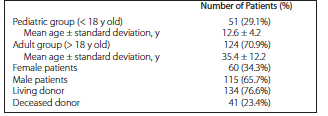
Table 1. Demographic Characteristics of the Patients
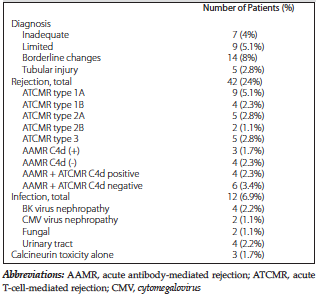
Table 2. Histopathologic Characteristics of Biopsy Results