Volume: 15 Issue: 2 April 2017
FULL TEXT
Transplant is often the best treatment available for patients with end-stage organ failure. Hepatitis B virus infection in transplant procedures other than liver is a major concern because it can be a significant cause of morbidity and mortality after transplant. Due to the increased risk of hepatic complications, such as fibrosing cholestatic hepatitis or histologic deterio-ration after transplant, systematic use of nucleoside or nucleotide analogues shortly before or at the time of transplant is recommended (tenofovir or entecavir are preferable to lamivudine) in all patients, whatever the baseline histologic evaluation. Sustained viral sup-pression may result in regression of fibrosis, which in turn may lead to decreased disease-related morbidity and improved survival. Finally, due to the high mortality after nonliver transplant procedures, decompensated cirrhosis from chronic hepatitis B should be considered as a contraindication to nonliver transplant but an indication to combined organ transplant (ie, liver-kidney transplant). Because of the high prevalence of hepatitis B virus exposure in allograft donors and recipients, hepatitis B virus status must be considered during organ allocation. Prevention of hepatitis B virus-related complications in transplant recipients starts with vaccination and donor-recipient matching.
Key words : Hepatitis B virus, Transplantation, Transplant donors
Introduction
Tremendous progress has been made in the field of organ transplant over the past 3 decades. This progress has been mainly related to improvements in surgical techniques, more potent and less toxic immunosuppressive regimens, and the diagnosis and treatment of opportunistic infections. Even with improvements, immunosuppressive therapies for the prevention of graft rejection after transplant still enhance the risk of infections and modify their natural history. In addition, with the increased safety and success of organ transplant, there is a widening gap between organ availability and demand.1 With over 350 million people worldwide carrying chronic hepatitis B (CHB) infection, organ transplant in patients with CHB and the use of hepatitis B virus (HBV)-exposed organs is a significant clinical issue in the field of transplant.2
Hepatitis B virus infections cause poor clinical outcomes in nonliver allograft recipients. Inferior patient survival in hepatitis B surface antigen (HBsAg)-positive transplant patients compared with HBsAg-negative patients is attributed to liver-related complications, such as chronic hepatitis, cirrhosis, fibrosing cholestatic hepatitis, and hepatocellular carcinoma (HCC).3-5 Prevention and management of HBV infection is a major issue in endemic regions such as Asia and for patients on dialysis due to risk of contamination. Fortunately, with mainstream use of antiviral agents resulting in effective viral suppression, HBV can be readily managed, pre-venting further complications, and risk of trans-mission can be significantly reduced with prophylaxis. This review will describe the evaluation and treatment of chronic HBV infection in solid-organ transplant and the use of HBV exposed allograft donors in transplant procedures other than liver.
Hepatitis B virus virology
Hepatitis B virus is a double-stranded enveloped DNA virus of the Hepadnaviridae
family. This family of viruses has a strong preference for infecting liver cells
and has a similar life cycle in their hosts. Although HBV primarily replicates
within the hepa-tocyte, extrahepatic replication has been described (ie,
peripheral blood lymphocytes, spleen, kidney, bone marrow).6-8
Chronic HBV infection is one of the leading causes of death across the world due
to its distribution, modes of transmission, and potential sequelae. People
infected with the virus are at risk of developing hepatic decompensation, liver
cirrhosis, and HCC, with 15% to 40% of individuals devel-oping at least 1 of
these serious sequelae in their lifetime.9
In recent years, significant progress has been made in our understanding of the virology and immunopathology of HBV, particularly regarding identification of the entry receptor for HBV, conferring its preference for infecting the liver, and in our understanding of the regulation of the covalently closed circular DNA form of HBV, the major barrier to cure.10 The risk of HBV transmission during transplant is highest with liver transplant but can also occur with other organs. Testing for HBV serologic markers are important in the diagnosis of current infection, past infection, and immunity to HBV. The presence of HBV DNA is tested by presence of hepatitis B surface antigen (HBsAg) and hepatitis B e antigen (HBeAg), markers of active infection, with hepatitis B core antibody (HBcAb) immunoglobulin M (IgM) being a marker of acute or reactivation infection. The presence of only hepatitis B surface antibody (anti-HBs) is a marker of immunity. The presence of anti-HBc in the absence of HBsAg most likely represents a past exposure to HBV with resolved or resolving infection or rarely occult chronic HBV infection with detectable HBV DNA (Figure 1).11,12
Prevention of HBV infection
An effective immunization program is the most important step to preventing HBV
infection. The HBV vaccine provides a significant level of protection against
HBV infection, particularly in those who achieve protective antibody response
(anti-HBs concentration of > 10 IU/mL) before HBV exposure. In immunocompetent
individuals, vaccination is thought to provide lifelong immunity even if
anti-HBs titers wane. However, in immuno-compromised individuals, maintenance of
a protective anti-HBs titer may be necessary for ongoing protection.13
In this group, subsequent annual testing and booster administration if anti-HBs
titer falls below 10 IU/L may be necessary.14 Whenever possible, the
vaccine series should be given before transplant in nonimmune individuals since
the vaccine is less effective after transplant.15-18 Systematic
vaccination of all organ failure patients is the best preventive treatment of
HBV infection.19 However, vaccine immunogenicity is low in dialyzed
patients (around 70%) and even lower in renal transplant recipients (30%)
compared with 90% in the general population.15-18 The higher dose (40
μg antigen per dose) vaccine is recommended in the pretransplant setting in
hemodialysis patients and other immuno-compromised hosts due to decreased
response rates with standard dosing. Cardiac and lung allograft recipients
should also receive active HBV vaccination pretransplant if possible. This is
especially true in cardiac allograft recipients as nosocomial HBV infection
associated with the use of cardiac myo-tomes for myocardial biopsies has been
described.20
Impact of transplantation on the natural history of
chronic hepatitis B infection
The clinical manifestations of CHB are generally similar to patients without
end-stage organ disease; however, due to the immunosuppressed state, they are
more susceptible to accelerated liver dysfunction and severe complications such
as fibrosing cho-lestatic hepatitis, a devastating disease characterized by a
rapidly progressive cirrhosis and liver failure.21 The primary goal
of treatment in patients is virologic suppression. Posttransplant patient and
graft survival rates have improved dramatically with effective antiviral
therapy.22 There are 5 approved nucleoside/nucleotide analogs
(lamivudine, adefovir, entecavir, telbivudine, and tenofovir) that have proven
short-term and long-term efficacy. Historically, lamivudine has been the primary
antiviral agent used for the treatment of chronic HBV both before and after
transplant. More recently, highly potent oral nucleoside/nucleotide analogs with
a high genetic barrier to resistance such as entecavir and tenofovir have
emerged. Entecavir and tenofovir are both safe and effective as once daily oral
therapy and are now considered superior to lamivudine because of very low
resistance rates (< 1%) in treatment-naïve patients.23-27 As a result
of effective antiviral therapy, use of hepatitis B immunoglobulin (HBIG) passive
immunization has decreased in transplant recipients with chronic HBV, and some
centers have stopped using HBIG altogether.28 Excellent outcomes have been
observed in large series of kidney and heart transplant recipients with chronic
HBV without cirrhosis who are managed with antiviral therapy alone.29,30
Pretransplant assessment of patients with chronic
hepatitis B infection
Patients with CHB who require nonliver organ transplant are of special concern
(Table 2). One major concern is will the underlying liver disease preclude a
successful long-term outcome? In liver transplant, this is not a concern as the
liver will be replaced; however, the condition of the liver must be considered
in other types of organ transplants.
The workup should include determining whether there has been any prior hepatic decompensation, and staging of hepatic fibrosis is recommended. Historically, liver biopsy has been often needed to most accurately determine the degree of hepatic fibrosis or evaluate for the presence of cirrhosis.
Now, we also have noninvasive methods of fibrosis assessment available, including transient elas-tography, magnetic resonance elastography, shear-wave elasto-graphy, and serologic fibrosis panels. Each have their strengths and weaknesses, but combining 2 non-invasive tests such as transient elastography and serum biomarkers may be comparable to liver biopsy in many patients.31 If advanced liver disease is found, dual organ transplant with a liver transplant (eg, liver plus kidney or liver plus heart) should be considered. However, histologic improvements, including re-gression of fibrosis, have been achieved with antiviral treatments.32
Posttransplant management
In general, immunosuppression has adverse effects on patients with CHB because
it allows unopposed viral replication. Corticosteroids are the most detrimental
and should be minimized as much as possible. As stated earlier, the objective of
antiviral treatment with nucleotide/nucleoside agents is to prevent HBV-related
complications in immunosup-pressed individuals, and the indication to start
treatment is based on the commencement of immunosuppressive therapy. If a
transplant date is predetermined, such as with living-donor kidney transplant,
consideration for pretransplant viral suppression with antiviral therapy is
warranted to ensure the best possible outcomes and to minimize risk. The optimal
duration of antiviral therapy is unknown, but experience suggests that most
patients will require lifelong anti-viral therapy.
All solid-organ recipients with CHB should be considered to have an elevated risk of HCC, given the contribution of immunosuppression. A recent study using registry data (223 660 recipients between 1987 and 2005) reported an HCC incidence arising after transplant of 6.5 per 100 000 person-years among kidney, heart, and lung recipients and 25 per 100 000 person-years among liver recipients (HCC risk associated with HBsAg; hazard ratio of 9.7; 95% confidence interval, 2-33).33 Due to increased risk after solid-organ transplant in patients with CHB, early screening with abdominal ultrasonography (every 3 mo in cirrhotic patients and every 6-12 mo in noncirrhotic patients) is advised.
Recommendations for hepatitis B virus therapy
The aim of hepatitis B treatment is to achieve sustained viral suppression of
HBV replication. With viral suppression, the ultimate goal would be prevention
of reactivation, cirrhosis, and HCC. Response to treat-ment is judged based on
decreased serum HBV DNA levels, loss of HBeAg with or without seroconversion to
anti-HBe, loss of HBsAg with or without sero-conversion to HBs antibody,
normalization of serum alanine aminotransferase levels, and a decrease in
hepatic inflammation on liver biopsy.34
Lamivudine was the first nucleoside analog reverse transcriptase inhibitor approved for use by the US Food and Drug Administration in 1998. Although it is not as commonly used today because of other available oral agents with higher genetic barriers to resistance, it has played a major role in transition CHB treatment. Because it is essentially eliminated by the kidney, its dosage must be adapted to renal function. The recommended dose is 100 mg/day in renal transplant recipients with creatinine clearance of > 50 mL/min. Severe forms of exacerbation have been described with use of this agent due to reactivation or virologic breakthrough.35
Entecavir and tenofovir are now the recom-mended agents for first-line treatment of CHB. They are more potent and have a higher genetic barrier than lamivudine. In a recent study focused on entecavir therapy in 10 male transplant patients (8 kidney transplant recipients) who had become resistant to adefovir or lamivudine,36 all patients showed decreased HBV DNA with no change in renal function or hematologic parameters. In the general population, data regarding entecavir show that, although the risk of resistance is low in treatment-naïve patients, it may be as high as 51% at 5 years in lamivudine-resistant patients. The Kidney Disease: Improving Global Outcomes guidelines recommend that all HBsAg-positive kidney trans-plant recipients receive prophylaxis with tenofovir, entecavir, or lamivudine; however, tenofovir and entecavir are preferable to lamivudine.37 Patients should receive preemptive treatment with nucleoside/nucleotide analogs during immunosup-pressive therapy, regardless of HBV DNA levels, and treatment should be continued as long as the immunosuppressive therapy lasts.38 In summary, all HBsAg-positive candidates for transplant and all transplant recipients should receive antiviral therapy with nucleoside/nucleotide analogs to maintain undetectable HBV DNA posttransplant. Viral sup-pression, by inhibiting necro-inflammation, should result in reduced fibrosis, thereby improving posttransplant survival.
Donors with anti-hepatitis B core antibody positivity
As the number of patients on transplant wait lists continues to increase, use of
organ from donors with anti-HBcAb and/or HBsAg positivity has been considered to
increase the donor pool.39
Kidney transplant
The reported risk of de novo HBV in HBV-naïve kidney recipients ranges from 0%
to 27%.40,41 As discussed earlier, risk of transmission is influenced
by recipient HBV immunity and possibly by prophylaxis.42 The
incidence of anti-HBc conversion in kidney recipients from the United Network
for Organ Sharing database showed anti-HBc asymp-tomatic seroconversion with
anti-HBc-positive donors to be higher than anti-HBc-negative donors at 0.011
(95% confidence interval, 0.0070-0.0182) and 0.005 (95% confidence interval,
0.0047-0.0060) cases per year (P < .002).43 As stated earlier,
HBV vaccination before transplant, with target anti-HBs titers > 10 IU/L, has
been demonstrated to be protective for renal recipients of anti-HBc-positive
donors.42,44,45 Limited data exist on the use of HBIG in kidney
recipients from anti-HBc-positive donors, and it is unknown whether there is any
benefit for recipients who have preexisting surface antibody, especially if the
donor is surface antigen and/or DNA negative.45-47 There is likely no
role for HBIG as antiviral prophylaxis in this setting.
Heart/lung transplant
Early studies from patients undergoing heart transplants from anti-HBc-positive
heart donors without prophylaxis did not reveal any HBV transmission in over 80
patients, with some likely vaccinated before transplant.48-51 A later
study included 33 donor/recipient pairs of which 5 received 6 months of
lamivudine prophylaxis posttransplant.52 One anti-HBs-negative
recipient did not receive prophylaxis and developed clinically significant de
novo hepatitis B at 10 months post-transplant. The 2 other patients
seroconverted to anti-HBs but without evidence of clinical hepatitis. An
analysis of United Network for Organ Sharing lung transplant data compared the
results of 13 233 recipients of organs from anti-HBc-negative donors with 333
recipients of anti-HBc-positive organs for lung and heart-lung transplant.53
Although 1-year mortality was higher in the anti-HBc-positive donor group in
unadjusted analysis, there was no significant difference in 5-year mortality and
anti-HBc-positive donor status was not an independent risk factor for 1-year or
5-year mortality in the multivariable analysis. Regarding the 1-year unadjusted
mortality, the authors postulated that decompensated patients with urgent need
for transplant may have been more likely to receive anti-HBc-positive donor
organs.
In summary, the risk of HBV transmission from HBsAg-negative anti-HBc positive donors to HBsAg-negative recipients is low, and the risk is even lower if the recipient is anti-HBs positive.43 Given the low risk of HBV transmission from anti-HBc-positive donors to the recipients, implementing anti-HBV prophylaxis in all recipients does not seem reasonable. However, patients who develop inactive carrier status (HBeAg-negative and anti-HBe-positive, whose alanine aminotransferase levels are persistently within the normal range and HBV DNA < 2000 IU/mL), and patients who become chronic carriers with active HBV replication (HBV DNA > 2000 IU/mL) should be treated as immuno-competent patients with nucleoside analogs with high potency and low resistance, such as entecavir or tenofovir. Close HBV DNA surveillance every 3 months is recommended posttransplant, with particular vigilance and consideration of early antiviral use in those who were not vaccinated against HBV pretransplant. Additionally, in rare instances where the recipient becomes viremic with HBV, the recipient is considered infectious, par-ticularly to sexual partners or household contacts. Nonimmune partners and household contacts of HBsAg-positive or HBcAb-positive organ recipients should be educated about hepatitis B risk and ideally vaccinated.54
Donors with hepatitis B surface antigen positivity
As discussed, donor-recipient matching regarding HBV serologic status
significantly affects the risk of de novo HBV infection posttransplant. One must
not transplant an HBsAg-positive allograft into a recipient who is negative for
both HBsAg and anti-HBs, as there is a high risk that de novo infection would
occur.55 However, the successful use of deceased- and living-donor
HBsAg-positive kidneys has been described in HBV immune (anti-HBs-positive)
recipients.56 Prevention strategies included a heterogeneous mix of
vaccine, HBIG, and antiviral regimens. Jiang and associates described 65
anti-HBs-positive kidney recipients who received HBsAg-positive kidneys. HBIG
was administered on the day of surgery and repeated at 1 month. For 7 recipients
of HBV DNA-positive grafts, HBIG was given weekly for 3 months and lamivudine
was given for 6 months. After a mean follow-up of 30 months, only 1 recipient
acquired HBsAg but without liver injury or detectable HBV DNA.47
Tuncer and associates described no de novo hepatitis in 35 HBV-immune (anti-HBs
> 10 IU/L) patients who underwent kidney transplant from HBsAg-positive, HBV
DNA-negative living donors without use of antiviral prophylaxis.57 In
a recent study, the patient and graft survival after a median of 58.2 months was
not different in HBsAg negative recipients with anti-HBs titers > 100 IU/L
regardless of whether their graft was acquired from a HBsAg-positive or
HBsAg-negative donor.58 Of note are reports of fatal fulminant HBV
after kidney transplant in a previously immunized (anti-HBs-positive) recipient
from an HBsAg-positive donor. Although HBIG and a supplemental dose of HBV
vaccine were admin-istered, antiviral prophylaxis was not given in this case.59
Limited data exist regarding use of HBsAg-positive donors in heart transplant. Most available data are from Taiwan and Korea.29,60,61 Of at least 42 reported recipients of HBsAg-positive donor hearts, HBsAg acquisition was observed in 2 recipients. Hepatitis B virus transmission occurred in 1 of 3 anti-HBs-negative recipients, although the HBIG protocol was not completed in this patient. These limited data suggest that effective pretransplant vaccination and possibly posttransplant HBIG prophylaxis and antiviral therapy can prevent HBV transmission from HBsAg-positive donor hearts. No data exist regar-ding use of HBsAg-positive donors in lung transplant.
Conclusions
The outcomes and treatment of HBsAg-positive transplant recipients, anti-HBc positive transplant donors, and HBsAg-positive transplant donors have changed dramatically over the past few decades. Before advent of immunization and effective antiviral therapy, HBV infection had such a severe negative effect on patient survival that some transplant centers regarded HBsAg positivity as a contraindication against transplant. In the era of effective nucleoside/nucleotide analog therapy, the 8- to 10-year survival rate of HBsAg-positive kidney transplant recipients is approaching that of HBsAg-negative patients.
In addition to the treatment of HBV infection with antiviral agents, the importance of regular sur-veillance for liver complications such as HCC and cirrhosis cannot be overstated. Systematic vac-cination of all HBsAg-negative patients is the best preventive treatment of HBV infection. Hepatitis B virus antiviral therapy should be given to all HBV-infected patients who are transplant candidates, usually entecavir or tenofovir, to reduce the severity of liver disease and the risk of posttransplant severe reactivation or fibrosing cholestatic hepatitis. Treatment should be introduced shortly before or at the time of transplant in those who are not already treated for liver disease. Finally, decompensated cirrhosis is considered a contraindication for nonliver transplant alone but an indication for combined transplant with liver; on the contrary, compensated cirrhosis may permit nonliver transplant alone.
Some measures can minimize the risk of HBV transmission to near zero in recipients of HBcAb-positive and/or HBsAg-positive allografts. First, it is recommended that HBcAb-positive renal allografts be transplanted into HBsAg-positive recipients, then into patients with HBsAb, and finally into naïve recipients. Second, the presence of HBV DNA, even in low concentrations, remarkably increases the risk of transmission. It is recommended that all HBcAb-positive renal donors, despite their negative HBsAg, undergo serum polymerase chain reaction for HBV DNA to rule out occult infection. Considering the remarkable impact of transplantation on patient survival and quality of life, the benefit of receiving a transplant absolutely outweighs the possible risk of HBV transmission. Most importantly, immunizing recipients is the most effective preventive method of donor-to-host HBV transmission, but the com-promised immune system of transplant recipients impairs immune responses, and waning in response to HBV vaccination must be monitored.
References:
- Israni AK, Zaun DA, Rosendale JD, Snyder JJ, Kasiske BL. OPTN/SRTR 2011 Annual Data Report: deceased organ donation. Am J Transplant. 2013;13 Suppl 1:179-198.
CrossRef - PubMed - Te HS, Jensen DM. Epidemiology of hepatitis B and C viruses: a global overview. Clin Liver Dis. 2010;14(1):1-21, vii.
CrossRef - PubMed - Parfrey PS, Forbes RD, Hutchinson TA, et al. The impact of renal transplantation on the course of hepatitis B liver disease. Transplantation. 1985;39(6):610-615.
CrossRef - PubMed - Fornairon S, Pol S, Legendre C, et al. The long-term virologic and pathologic impact of renal transplantation on chronic hepatitis B virus infection. Transplantation. 1996;62(2):297-299.
CrossRef - PubMed - Mathurin P, Mouquet C, Poynard T, et al. Impact of hepatitis B and C virus on kidney transplantation outcome. Hepatology. 1999;29(1):257-263.
CrossRef - PubMed - Lanford RE, Michaels MG, Chavez D, Brasky K, Fung J, Starzl TE. Persistence of extrahepatic hepatitis B virus DNA in the absence of detectable hepatic replication in patients with baboon liver transplants. J Med Virol. 1995;46(3):207-212.
CrossRef - PubMed - European Association For The Study Of The L. EASL clinical practice guidelines: Management of chronic hepatitis B virus infection. J Hepatol. 2012;57(1):167-185.
CrossRef - PubMed - Liaw YF, Chu CM. Hepatitis B virus infection. Lancet. 2009;373(9663):582-592.
CrossRef - PubMed - Beasley RP, Hwang LY, Lin CC, Chien CS. Hepatocellular carcinoma and hepatitis B virus. A prospective study of 22 707 men in Taiwan. Lancet. 1981;2(8256):1129-1133.
CrossRef - PubMed - Lampertico P, Maini M, Papatheodoridis G. Optimal management of hepatitis B virus infection - EASL Special Conference. J Hepatol. 2015;63(5):1238-1253.
CrossRef - PubMed - Halegoua-De Marzio D, Hann HW. Then and now: the progress in hepatitis B treatment over the past 20 years. World J Gastroenterol. 2014;20(2):401-413.
CrossRef - PubMed - Lok AS, McMahon BJ. Chronic hepatitis B: update 2009. Hepatology. 2009;50(3):661-662.
CrossRef - PubMed - Stevens CE, Alter HJ, Taylor PE, Zang EA, Harley EJ, Szmuness W. Hepatitis B vaccine in patients receiving hemodialysis. Immunogenicity and efficacy. N Engl J Med. 1984;311(8):496-501.
CrossRef - PubMed - Rangel MC, Coronado VG, Euler GL, Strikas RA. Vaccine recommendations for patients on chronic dialysis. The Advisory Committee on Immunization Practices and the American Academy of Pediatrics. Semin Dial. 2000;13(2):101-107.
CrossRef - PubMed - Danzinger-Isakov L, Kumar D, Practice ASTIDCo. Guidelines for vaccination of solid organ transplant candidates and recipients. Am J Transplant. 2009;9 Suppl 4:S258-262.
CrossRef - PubMed - Lefebure AF, Verpooten GA, Couttenye MM, De Broe ME. Immunogenicity of a recombinant DNA hepatitis B vaccine in renal transplant patients. Vaccine. 1993;11(4):397-399.
CrossRef - PubMed - Feuerhake A, Muller R, Lauchart W, Pichlmayr R, Schmidt FW. HBV-vaccination in recipients of kidney allografts. Vaccine. 1984;2(4):255-256.
CrossRef - PubMed - Carey W, Pimentel R, Westveer MK, Vogt D, Broughan T. Failure of hepatitis B immunization in liver transplant recipients: results of a prospective trial. Am J Gastroenterol. 1990;85(12):1590-1592.
PubMed - Crosnier J, Jungers P, Courouce AM, et al. Randomised placebo-controlled trial of hepatitis B surface antigen vaccine in French haemodialysis units: I, Medical staff. Lancet. 1981;1(8218):455-459.
CrossRef - PubMed - Lanini S, Puro V, Lauria FN, Fusco FM, Nisii C, Ippolito G. Patient to patient transmission of hepatitis B virus: a systematic review of reports on outbreaks between 1992 and 2007. BMC Med. 2009;7:15.
CrossRef - PubMed - Chan TM, Wu PC, Li FK, Lai CL, Cheng IK, Lai KN. Treatment of fibrosing cholestatic hepatitis with lamivudine. Gastroenterology. 1998;115(1):177-181.
CrossRef - PubMed - Papatheodoridis GV, Sevastianos V, Burroughs AK. Prevention of and treatment for hepatitis B virus infection after liver transplantation in the nucleoside analogues era. Am J Transplant. 2003;3(3):250-258.
CrossRef - PubMed - Sherman M, Yurdaydin C, Sollano J, et al. Entecavir for treatment of lamivudine-refractory, HBeAg-positive chronic hepatitis B. Gastroenterology. 2006;130(7):2039-2049.
CrossRef - PubMed - Sherman M, Yurdaydin C, Simsek H, et al. Entecavir therapy for lamivudine-refractory chronic hepatitis B: improved virologic, biochemical, and serology outcomes through 96 weeks. Hepatology. 2008;48(1):99-108.
CrossRef - PubMed - Gish RG, Lok AS, Chang TT, et al. Entecavir therapy for up to 96 weeks in patients with HBeAg-positive chronic hepatitis B. Gastroenterology. 2007;133(5):1437-1444.
CrossRef - PubMed - Chang TT, Lai CL, Kew Yoon S, et al. Entecavir treatment for up to 5 years in patients with hepatitis B e antigen-positive chronic hepatitis B. Hepatology. 2010;51(2):422-430.
CrossRef - PubMed - Marcellin P, Gane E, Buti M, et al. Regression of cirrhosis during treatment with tenofovir disoproxil fumarate for chronic hepatitis B: a 5-year open-label follow-up study. Lancet. 2013;381(9865):468-475.
CrossRef - PubMed - Lucey MR, Terrault N, Ojo L, et al. Long-term management of the successful adult liver transplant: 2012 practice guideline by the American Association for the Study of Liver Diseases and the American Society of Transplantation. Liver Transpl. 2013;19(1):3-26.
CrossRef - PubMed - Chen YC, Chuang MK, Chou NK, et al. Twenty-four year single-center experience of hepatitis B virus infection in heart transplantation. Transplant Proc. 2012;44(4):910-912.
CrossRef - PubMed - Harmanci O, Ilin S, Ocal S, et al. The Effect of Hepatitis B Virus on Graft and Overall Survival in Kidney Transplant Patients. Exp Clin Transplant. 2015;13 Suppl 3:36-40.
PubMed - Castera L. Non-invasive tests for liver fibrosis progression and regression. J Hepatol. 2016;64(1):232-233.
CrossRef - PubMed - Honda K, Seike M, Murakami K. Benefits of nucleos(t)ide analog treatments for hepatitis B virus-related cirrhosis. World J Hepatol. 2015;7(22):2404-2410.
CrossRef - PubMed - Hoffmann CJ, Subramanian AK, Cameron AM, Engels EA. Incidence and risk factors for hepatocellular carcinoma after solid organ transplantation. Transplantation. 2008;86(6):784-790.
CrossRef - PubMed - Ayoub WS, Keeffe EB. Review article: current antiviral therapy of chronic hepatitis B. Aliment Pharmacol Ther. 2011;34(10):1145-1158.
CrossRef - PubMed - Fontaine H, Thiers V, Chretien Y, et al. HBV genotypic resistance to lamivudine in kidney recipients and hemodialyzed patients. Transplantation. 2000;69(10):2090-2094.
CrossRef - PubMed - Kamar N, Milioto O, Alric L, et al. Entecavir therapy for adefovir-resistant hepatitis B virus infection in kidney and liver allograft recipients. Transplantation. 2008;86(4):611-614.
CrossRef - PubMed - Kidney Disease: Improving Global Outcomes (KDIGO) Transplant Work Group. KDIGO clinical practice guideline for the care of kidney transplant recipients. Am J Transplant. 2009;9 Suppl 3:S1-S155.
CrossRef - PubMed - Shibolet O, Ilan Y, Gillis S, Hubert A, Shouval D, Safadi R. Lamivudine therapy for prevention of immunosuppressive-induced hepatitis B virus reactivation in hepatitis B surface antigen carriers. Blood. 2002;100(2):391-396.
CrossRef - PubMed - Asuman Yavuz H, Tekin S, Yuksel Y, et al. Donors With Hepatitis B Surface Antigen Positivity. Transplant Proc. 2015;47(5):1312-1314.
CrossRef - PubMed - Ouseph R, Eng M, Ravindra K, Brock GN, Buell JF, Marvin MR. Review of the use of hepatitis B core antibody-positive kidney donors. Transplant Rev (Orlando). 2010;24(4):167-171.
CrossRef - PubMed - Huprikar S, Danziger-Isakov L, Ahn J, et al. Solid organ transplantation from hepatitis B virus-positive donors: consensus guidelines for recipient management. Am J Transplant. 2015;15(5):1162-1172.
CrossRef - PubMed - Pilmore HL, Gane EJ. Hepatitis B-positive donors in renal transplantation: increasing the deceased donor pool. Transplantation. 2012;94(3):205-210.
CrossRef - PubMed - Fong TL, Bunnapradist S, Jordan SC, Cho YW. Impact of hepatitis B core antibody status on outcomes of cadaveric renal transplantation: analysis of United network of organ sharing database between 1994 and 1999. Transplantation. 2002;73(1):85-89.
CrossRef - PubMed - Sumethkul V, Ingsathit A, Jirasiritham S. Ten-year follow-up of kidney transplantation from hepatitis B surface antigen-positive donors. Transplant Proc. 2009;41(1):213-215.
CrossRef - PubMed - Veroux M, Corona D, Ekser B, et al. Kidney transplantation from hepatitis B virus core antibody-positive donors: prophylaxis with hepatitis B immunoglobulin. Transplant Proc. 2011;43(4):967-970.
CrossRef - PubMed - Veroux M, Puliatti C, Gagliano M, et al. Use of hepatitis B core antibody-positive donor kidneys in hepatitis B surface antibody-positive and -negative recipients. Transplant Proc. 2005;37(6):2574-2575.
CrossRef - PubMed - Jiang H, Wu J, Zhang X, et al. Kidney transplantation from hepatitis B surface antigen positive donors into hepatitis B surface antibody positive recipients: a prospective nonrandomized controlled study from a single center. Am J Transplant. 2009;9(8):1853-1858.
CrossRef - PubMed - De Feo TM, Poli F, Mozzi F, et al. Risk of transmission of hepatitis B virus from anti-HBC positive cadaveric organ donors: a collaborative study. Transplant Proc. 2005;37(2):1238-1239.
CrossRef - PubMed - Wachs ME, Amend WJ, Ascher NL, et al. The risk of transmission of hepatitis B from HBsAg(-), HBcAb(+), HBIgM(-) organ donors. Transplantation. 1995;59(2):230-234.
CrossRef - PubMed - Blanes M, Gomez D, Cordoba J, et al. Is there any risk of transmission of hepatitis B from heart donors hepatitis B core antibody positive? Transplant Proc. 2002;34(1):61-62.
CrossRef - PubMed - Ko WJ, Chou NK, Hsu RB, et al. Hepatitis B virus infection in heart transplant recipients in a hepatitis B endemic area. J Heart Lung Transplant. 2001;20(8):865-875.
CrossRef - PubMed - Pinney SP, Cheema FH, Hammond K, Chen JM, Edwards NM, Mancini D. Acceptable recipient outcomes with the use of hearts from donors with hepatitis-B core antibodies. J Heart Lung Transplant. 2005;24(1):34-37.
CrossRef - PubMed - Dhillon GS, Levitt J, Mallidi H, et al. Impact of hepatitis B core antibody positive donors in lung and heart-lung transplantation: an analysis of the United Network For Organ Sharing Database. Transplantation. 2009;88(6):842-846.
CrossRef - PubMed - Fenkel JM, Singh P, Shah AP, Frank AM. Need to consider full societal impact of hepatitis B virus-positive donors. Am J Transplant. 2015;15(11):3013.
CrossRef - PubMed - Wolf JL, Perkins HA, Schreeder MT, Vincenti F. The transplanted kidney as a source of hepatitis B infection. Ann Intern Med. 1979;91(3):412-413.
CrossRef - PubMed - Singh G, Hsia-Lin A, Skiest D, Germain M, O'Shea M, Braden G. Successful kidney transplantation from a hepatitis B surface antigen-positive donor to an antigen-negative recipient using a novel vaccination regimen. Am J Kidney Dis. 2013;61(4):608-611.
CrossRef - PubMed - Tuncer M, Tekin S, Yucetin L, Sengul A, Demirbas A. Hepatitis B surface antigen positivity is not a contraindication for living kidney donation. Transplant Proc. 2012;44(6):1628-1629.
CrossRef - PubMed - Chancharoenthana W, Townamchai N, Pongpirul K, et al. The outcomes of kidney transplantation in hepatitis B surface antigen (HBsAg)-negative recipients receiving graft from HBsAg-positive donors: a retrospective, propensity score-matched study. Am J Transplant. 2014;14(12):2814-2820.
CrossRef - PubMed - Magiorkinis E, Paraskevis D, Pavlopoulou ID, et al. Renal transplantation from hepatitis B surface antigen (HBsAg)-positive donors to HBsAg-negative recipients: a case of post-transplant fulminant hepatitis associated with an extensively mutated hepatitis B virus strain and review of the current literature. Transpl Infect Dis. 2013;15(4):393-399.
CrossRef - PubMed - Wang SS, Chou NK, Ko WJ, et al. Heart transplantation using donors positive for hepatitis. Transplant Proc. 2004;36(8):2371-2373.
CrossRef - PubMed - Shin HS, Cho HJ, Jeon ES, et al. The impact of hepatitis B on heart transplantation: 19 years of national experience in Korea. Ann Transplant. 2014;19:182-187.
CrossRef - PubMed - Centers for Disease Control and Prevention. A Comprehensive Immunization Strategy to Eliminate Transmission of Hepatitis B Virus Infection in the United States Recommendations of the Advisory Committee on Immunization Practices, Part 1 Immunization of Infants, Children, and Adolescents. MMWR Morb Mortal Wkly Rep 2005; 54 (16): 1–39.
PubMed

Volume : 15
Issue : 2
Pages : 130 - 137
DOI : 10.6002/ect.2016.0195
From the 1Department of Medicine, Division of Gastroenterology and
Hepatology, Thomas Jefferson University, and the 2Department of
Surgery, Division of Transplantation, Thomas Jefferson University, Philadelphia,
Pennsylvania, USA
Acknowledgements: The authors have no conflicts of interest to declare.
Corresponding author: Dina Halegoua-De Marzio, Thomas Jefferson
University, 132 S. 10th Street, Main Building Suite 480, Philadelphia PA 19107,
USA
Phone: +1 215 955 8900
E-mail: Dlh004@jefferson.edu
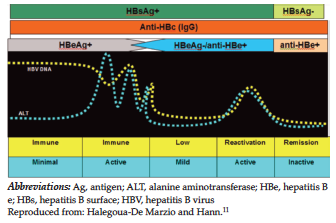
Figure 1. Five Phases of Chronic Hepatitis B
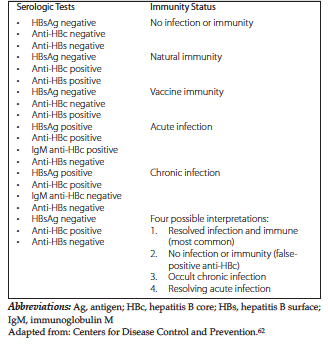
Table 1. Baseline Patient Characteristics
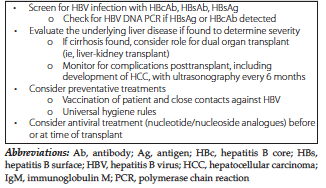
Table 2. Recommendations for Patients Who Are Candidates for Solid-Organ Transplant