Volume: 15 Issue: 1 February 2017
FULL TEXT
Objectives: Elevated panel reactive antibody levels have been traditionally associated with increased acute rejection rate and decreased long-term graft survival after kidney transplant. In this study, our objective was to determine patient and allograft outcomes in sensitized kidney transplant recipients with advanced HLA antibody detection and stringent protein sequence epitope analyses.
Materials and Methods: This was a subanalysis of a prospective, risk-stratified randomized controlled trial that compared interleukin 2 receptor antagonist to rabbit antithymocyte globulin induction in 200 kidney transplant recipients, examining outcomes based on panel reactive antibody levels of < 20% (low) versus ≥ 20% (high, sensitized). The study was conducted between February 2009 and July 2011. All patients underwent solid-phase single antigen bead assays to detect HLA antibodies and stringent HLA epitope analyses with protein sequence alignment for virtual crossmatching. Delayed graft function, acute rejection rates, and graft loss were the main outcomes measured.
Results: Both the low (134 patients) and high (66 patients) panel reactive antibody level cohorts had equivalent induction and maintenance immunosuppression. Patients in the high-level group were more likely to be female (P < .001), African American (P < .001), and received a kidney from a deceased donor (P = .004). Acute rejection rates were similar between the low (rate of 8%) and high (rate of 9%) panel reactive antibody groups (P = .783). Delayed graft function, borderline rejection, graft loss, and death were not different between groups. Multivariate analyses demonstrated delayed graft function to be the strongest predictor of acute rejection (odds ratio, 5.7; P = .005); panel reactive antibody level, as a continuous variable, had no significant correlation with acute rejection (C statistic, 0.48; P = .771).
Conclusions: Appropriate biologic matching with single antigen bead assays and stringent epitope analyses provided excellent outcomes in sensitized patients regardless of the induction therapy choice.
Key words : Acute rejection, Induction therapy, Kidney transplant, Panel reactive antibody sensitization
Introduction
Elevated panel reactive antibody (PRA) levels have been traditionally associated with increased time on transplant wait lists, delayed graft function (DGF), acute rejection rate, and decreased long-term graft survival.1-4 The Scientific Registry of Transplant Recipients data have shown that time on wait lists is 2 to 3 times longer for patients with elevated PRA levels.5 In addition, Opelz and associates reported that 1-year and 5-year graft survival for patients with high PRA levels were lower than for patients with low PRA levels.4 According to the most recent Scientific Registry of Transplant Recipients annual report, patients with high PRA levels (> 20%) comprise one-third of the patients on kidney wait lists.5
In 1969, Patel and Terasaki performed landmark experiments that demonstrated the mechanism through which high PRA mediates inferior outcomes.6 Using lymphocyte cytotoxicity testing, the authors demonstrated that donor-directed HLA antibodies led to the rapid rejection of the transplanted kidneys. Recently, there have been refinements in histocompatibility techniques regarding antigen identification.7 Solid-phase single antigen bead assay techniques have facilitated more complete characterization of donor and recipient HLA antigens and allelic variants.8,9 Therefore, virtual crossmatching has enabled accurate prediction of the actual crossmatch results with a high degree of sensitivity and specificity.7,8,10,11
Recent studies have demonstrated that rabbit antithymocyte globulin (rATG) induction immunosuppression may confer benefits regarding long-term outcomes in patients who have high immunologic risk.12,13 However, few data exist concerning factors important in determining outcomes after kidney transplant in patients with and without high sensitization under contemporary maintenance immunosuppression. Our research group recently completed a randomized controlled risk-stratified trial comparing interleukin 2 receptor antagonist to rATG, which provided a unique opportunity to study the effect of HLA antibodies, as characterized by the latest compatibility techniques, on outcomes after kidney transplant in a prospective manner. The objectives of this subanalysis were to determine patient and allograft outcomes in sensitized versus recipients with low PRA levels, which were measured using solid-phase single antigen bead assays to detect HLA antibodies and stringent HLA epitope analyses with protein sequence alignment for virtual crossmatching.
Materials and Methods
Study design
This was a subanalysis of a prospective, risk-stratified, randomized, single
center, open-label study to evaluate the safety and efficacy of rATG versus
interleukin 2 receptor antagonist in combination with tacrolimus,
corticosteroids, and mycophenolate mofetil in adult kidney transplant recipients
(ClinicalTrials.gov identifier NCT00859131). The trial had been conducted
according to the guidelines of the Declaration of Helsinki, and the study
protocol was approved prior to the beginning of the study by our Institutional
Review Board. All patients had provided written informed consent. Patients were
stratified between groups to ensure equal numbers of at risk patients with PRA
levels ≥ 20% and cold ischemic times of > 24 hours. For the data presented in
this study, our subanalysis examined differences in complications and efficacy
endpoints between patients with PRA levels < 20% and patients with PRA levels ≥
20%.
Inclusion and exclusion criteria
All patients between the ages of 18 and 75 years undergoing kidney
transplant were eligible for enrollment. Patients were excluded from the study
if they had previously received or were receiving an organ other than a kidney,
had a positive crossmatch, were recipients of HLA-identical living donors, were
recipients of an ABO-incompatible donor kidney, had received a multiorgan
transplant, or were themselves or received an organ from a donor known to be
seropositive for human immunodeficiency virus or hepatitis C or B virus, except
for hepatitis B surface antibody positivity.
Panel reactive antibody screening, antibody analyses, and crossmatching
Panel reactive antibody screening was conducted using FlowPRA (One Lambda, Inc,
Canoga Park, CA, USA). To measure HLA antibody specificity, we conducted single
antigen bead assays (Luminex, One Lambda) for all patients with positive
qualitative PRA results. Signal amplification was performed with the use of
biotinylated goat anti-human IgG secondary antibodies and streptavidin
phycoerythrin. In the analyses of single antigen bead data for all patients, HLA
antibody strength was used to determine the clinical significance of the
antibodies. In addition, special consideration was given to low level antibodies
that may be directed against shared or public epitopes (see Figure 1A for the
algorithm of this process). An example is shown in Figures 1B, 1C, and 1D. A
single antigen bead assay indicates the presence of low levels of antibodies to
the entire HLA-A locus antigens except self in a patient who is HLA-A30
homozygous. Shared sequence and potential epitope analyses for the HLA
antibodies detected by single antigen bead assay were performed using the
ClustalW2 multiple sequence alignment program for proteins (European
Bioinformatics Institute, Hinxton, UK).14 The presence of antibodies to shared
epitope was subsequently confirmed by flow cytometry crossmatch with surrogate
donors. The advantage of this approach versus the conventional cross-reactive
antigen group analysis is the ability to identify novel shared epitopes based on
biologic reactivity of patient serum to single antigen bead assay and their
protein sequence of shared epitopes between different HLA antigens.15 This
algorithm was classified as a stringent epitope crossmatching analysis and was
conducted in all patients enrolled within this study as part of usual care.
Efficacy and safety endpoints
The primary treatment efficacy was defined as the incidence of biopsy-proven
acute rejection at 1 year after transplant, defined as ≥ IA per Banff ’97
criteria. Secondary endpoints included the incidence of borderline rejection and
patient and graft survival at 1 year after transplant. Safety endpoints included
the incidence of posttransplant infections, including Cytomegalovirus infection
and disease, BK virus infection and nephropathy, and significant bacterial
infection, which was defined as the need for hospital admission for treatment.
The incidence of posttransplant malignancies, including posttransplant
lymphoproliferative disease and skin cancers, was also evaluated. Protocol
biopsies were performed 6 weeks after transplant or within 10 days of transplant
if the patient experienced DGF.
Induction and maintenance immunosuppression
Patients were stratified by risk based on PRA, race, and cold ischemia time and
randomized to either rATG or interleukin 2 receptor antagonist induction;
maintenance immunosuppression, anti-infective prophylaxis, and viral screening
were identical in all patients included in this study. Induction therapy
included rATG (Thymoglobulin; Genzyme Corp, Cambridge, MA, USA) or interleukin 2
receptor antagonist (basiliximab, Simulect; Novartis Corp, East Hanover, NJ,
USA, or daclizumab, Zenapax; Hoffmann-La Roche Corp, Nutley, NJ, USA). All
patients received methylprednisolone at the time of renal transplant. Agents for
maintenance immunosuppression consisted of mycophenolate mofetil (CellCept;
Genentech, Inc, South San Francisco, CA, USA), tacrolimus (Prograf; Astellas
Pharma US, Inc, Northbrook, IL, USA), and a rapid prednisone taper (5 mg/day by
posttransplant week 6). Daclizumab was administered at a dose of 1 mg/kg on
posttransplant day 0 and day 7. When daclizumab became unavailable in January
2010, the protocol was amended to include basiliximab at a dose of 20 mg on
posttransplant day 0 and day 4. Rabbit antithymocyte globulin was administered
on posttransplant days 0, 1, 2, 3, and 4 at a dose of 1.5 mg/kg to a total dose
of 7.5 mg/kg. Tacrolimus was initiated within 24 hours of transplant at a dose
of 0.05 mg/kg every 12 hours and was adjusted to maintain a target whole blood
concentration of 6 to 12 ng/mL (liquid chromatography-mass spectrometry) until
day 90, with goal concentrations of 5 to 10 ng/mL from days 91 to 365.
Mycophenolate mofetil was administered orally at a dose of 1000 mg twice daily.
Corticosteroid doses were administered based on standard institutional protocol.
Quantitative BK virus analysis by polymerase chain reaction was obtained at 1,
2, 3, 6, 9, and 12 months. Protocol biopsies were performed 6 weeks after
transplant or within 10 days of transplant if the patient had DGF.
Statistical analyses
Univariate analysis was conducted to compare patient characteristics, induction,
baseline immunosuppression, and patient outcomes. Group comparisons were
performed using Fisher exact 2-tailed test for categorical data and t test for
continuous data. Comparison of rejection-free graft survival was performed using
Kaplan-Meier survival analysis (Figure 2). Binary logistic regression analysis
was used for multivariate analysis of factors affecting rejection; receiver
operating characteristic curve analysis was conducted to determine the
continuous influence of PRA (test variable) on acute rejection (outcome
variable) (Figure 3). All analyses were 2-tailed, and a P < .05 was
considered statistically significant. Statistical analyses were performed using
SPSS software (SPSS: An IBM Company, version 20, IBM Corporation, Armonk, NY,
USA).
Results
Baseline characteristics
A total of 200 patients were enrolled from February 2009 through July 2011.
There were 134 patients (67%) with PRA < 20% and 66 patients (33%) with PRA ≥
20%. Table 1 shows the baseline characteristics of the 2 cohorts. There were no
significant differences between groups with respect to age, body mass index,
pretransplant type 2 diabetes mellitus, donor age, pretransplant hypertension,
hyperlipidemia, coronary artery disease, Epstein-Barr virus seropositivity, and
HLA mismatch. However, the sensitized cohort had significantly more female
patients (P < .001), patients who were African American (P <
.001), recipients of deceased-donor transplants (P = .004), Cytomegalovirus
seropositivity (P = .010), and longer cold ischemia times (P =
.002). The low PRA cohort had significantly more recipients of living-donor
transplants (P = .001). There was a trend toward significance for
increased extended-criteria donors in the low PRA cohort (P = .054).
Immunosuppressive therapy
There were no differences between cohorts with respect to HLA mismatch (P =
.603), induction therapy (P = .548), and maintenance immunosuppressive therapy
(P = 1.00). Figure 4 demonstrates the mean tacrolimus trough concentrations of
the 2 groups. There were no significant differences in the mean concentrations
between the cohorts at any time during follow-up. Therapeutic trough
concentrations (8-12 ng/mL) were achieved by day 5 posttransplant, and target
concentrations (6-10 ng/mL) were maintained throughout the entire study.
Mycophenolate mofetil doses were also comparable between the groups (mean dose
per day was 1867 ± 448 mg/day for low PRA group vs 1857 ± 476 mg/day for high
PRA group; P = .617); these doses were similar at all time points (Figure 5).
Mean corticosteroid doses across the 2 cohorts were also equivalent between
groups (Figure 6).
Complications and efficacy endpoints
Table 2 compares the complications and efficacy endpoints between the 2
groups. There were no significant differences regarding complications with
respect to DGF, Cytomegalovirus syndrome or disease, hospitalization for
bacterial infection, new-onset diabetes after transplant, or malignancy. The low
PRA cohort had a significantly higher incidence of BK viremia or nephropathy
(13% vs 3%; P = .023) and a higher mean serum creatinine level at 1 year
after transplant (1.6 ± 0.8 vs 1.4 ± 0.6 mg/dL; P = .031). There were no
differences in acute rejection rates between the groups (8% vs 9%; P =
.783). Figure 2 shows the Kaplan-Meier curve for rejection-free survival. Acute
rejection rates were also similar between PRA cohorts, both for patients who
received rATG (6% for low PRA vs 6% for high PRA; P = .917) and for
patients who received interleukin 2 receptor antagonist (9% for low PRA vs 13%
for high PRA; P = .497). There were no differences between low and high
PRA groups in borderline rejection rates or treated borderline rejection rates
(23% vs 17%; P = .357 and 7% vs 3%; P = .345). Finally, there were
no differences in graft loss or patient death between cohorts. Three patients in
the low PRA group developed malignancy (all with rATG induction), although this
was not statistically significant (P = .552).
Factors affecting acute rejection rates
After univariate analysis demonstrated a number of significant differences in
baseline characteristics between groups (see Table 1), multivariate analysis was
performed using binary logistic regression and included 7 covariates.
Multivariate analysis results are shown in Table 3. African American ethnicity,
extended criteria donor status, PRA, male sex, or type of induction therapy had
no appreciable influence on the development of acute rejection. Delayed graft
function was the strongest predictor of acute rejection (odds ratio = 5.7; P
= .005).
Analysis of highly sensitized patients (panel reactive antibody levels >
80%)
To determine the effect of high PRA on outcomes, an additional analysis was
conducted in which we compared those with PRA levels ≤ 80% (180 patients) with
those who had PRA levels > 80% (20 patients). Regarding infectious
complications, there were no significant differences in BK viremia or
nephropathy (11% vs 0%; P = .230) or the overall incidence of
Cytomegalovirus infection or syndrome (6% vs 10%; P = .622) between
groups. The rates of acute rejection were also similar between cohorts (P
= 1.00); borderline rejection (P = 1.00), graft loss (P = .634),
and patient death were not different between groups. Only 1 patient (5%) in the
PRA > 80% cohort developed rejection, and there were no episodes of borderline
rejection. Multivariate analysis of factors affecting rejection in patients with
PRA > 80% showed that DGF was again the strongest predictor of rejection (odds
ratio = 6.6; P = .002). Type of immunosuppressive induction therapy in
patients with PRA > 80% also had no effect on rejection episodes (P =
.20).
Receiver operating characteristic curve
To determine the predictive effect of PRA on the incidence of acute rejection
episodes, receiver operating characteristic curve analysis was conducted (Figure
3). The results demonstrated that there was no association between PRA and acute
rejection, with C statistic of 0.478, indicating that PRA was no better than
chance (C statistic = 0.50) at determining whether patients would develop acute
rejection. This remained insignificant even when we adjusted for other baseline
characteristics (sex, race), immunologic risks (cold ischemia time, donor type,
DGF), and induction therapy type (C statistic = 0.479, P = .784).
Discussion
Traditionally, elevated PRA levels have been associated with increased risk of posttransplant DGF, acute rejection rates, and decreased long-term graft survival.1,3,4 Solid-phase single antigen bead assay techniques have facilitated more complete characterization of donor and recipient HLA antigens and allelic variants.7,9 Therefore, virtual crossmatching has enabled prediction of actual crossmatch results with a high degree of sensitivity and specificity.10,11,16 The objectives of this study were to determine patient and allograft outcomes after kidney transplant in sensitized recipients when solid-phase single antigen bead assays were used to detect HLA antibodies and stringent HLA epitope analyses with protein sequence alignment were used for virtual crossmatching. The results indicated that, under contemporary maintenance immunosuppression regimens, the use of this advanced HLA antibody detection and HLA epitope analysis provides similar outcomes, regardless of PRA and induction immunosuppression. This is the first study to present this result within the context of a randomized controlled trial containing a large number of African American recipients.
In this study, cohorts were evenly matched for both induction and maintenance immunosuppression. The study was able to achieve remarkable consistency between the groups in terms of tacrolimus trough concentrations and mycophenolate mofetil and corticosteroid doses at each time interval throughout the study duration (see Figures 4-6). Importantly, there were no differences in outcomes between the 2 cohorts, including DGF, acute and borderline rejection, graft loss, and death. The overall incidence of these events was low compared with previously published studies that had patients with similar demographics and immunologic risk compositions. This may be attributed to a number of factors, including the use of contemporary potent immunosuppression induction and maintenance therapy coupled with an advanced HLA analysis technique with single antigen beads with epitope analysis. In contrast, previous studies have demonstrated that high PRA levels are associated with increased DGF rate.17-19 Delayed graft function rates in these studies ranged from 20% to 50%,20,21 which is higher than those shown in our study. The use of higher risk donors may be the predominant reason for this. Acute rejection rates in previous studies have ranged from 15% to 27% depending on induction and maintenance immunosuppression.12,13 Noel and associates compared daclizumab with antithymocyte globulin in sensitized patients and reported acute rejection rates of 15% and 27%.12 Brennan and associates demonstrated 25% acute rejection rates in the interleukin 2 receptor antagonist group versus 15% in the antithymocyte globulin group.13 However, both of these studies used cyclosporine as maintenance immunosuppression, which certainly influenced this outcome. In this study, rejection rates did not differ based on PRA level, even when analyzed in the cohort with PRA levels > 80%. Only 1 patient in this highly sensitized group experienced rejection, which followed a reduction of immunosuppression secondary to Cytomegalovirus infection. This exemplifies the observation that biologic matching can enable excellent results in this population under modern immunosuppression.
Opelz and associates reported decreased graft survival among kidney transplant recipients who were sensitized.4 However, this analysis was done with the lymphocyte cytotoxicity test before the era of single antigen beads and epitope analysis.
The Eurotransplant program, using the acceptable mismatch program, was able to demonstrate excellent graft survival in sensitized patients and their ability to find a matched donor improved with utilization of the HLA matchmaker for the epitope analysis.22-25 Duquesnoy and associates, using the HLA matchmaker, showed that HLA-mismatched kidney transplant recipients, which are compatible at triplet level, had graft survival rates similar to those with zero antigen mismatches.26 Bray and associates, using single antigen beads and virtual crossmatching, demonstrated that, with the biologic matching approach, highly sensitized patients can be successfully transplanted with equivalent graft survival to patients with low sensitization.16 The data presented in this study provide confirmatory results to the aforementioned studies within the context of a randomized controlled trial. The acute rejection rates within this study are also some of the lowest reported in the literature within sensitized patients, particularly when considering that nearly 50% of these patients received nonlytic induction therapy and most were African American.
The results demonstrate similar rates of complications between cohorts, including bacterial infections, cytomegalovirus disease or syndrome, new-onset diabetes after transplant, and malignancy. However, the total incidence of BK viremia and BK virus nephropathy was higher in the low PRA group. In this study, it is interesting to note that all patients who developed BK virus nephropathy were white and received rATG induction. The incidence of BK viremia and BK virus nephropathy in our study is similar to other reported studies that used a prospective BK polymerase chain reaction monitoring protocol.27,28 The observed higher incidence of BK in the low PRA group may be because these patients had a higher incidence of borderline rejection on protocol biopsies. Our protocol for borderline rejection on biopsy is generally not to treat with pulse-dose corticosteroids but to ensure that maintenance immunosuppression is maximized. This, in turn, may have led to a higher BK reactivation rate in this cohort of patients. Future analyses are required to discern whether PRA levels have any influence on the rate or severity of BK infection. Previous studies have failed to find this as a risk factor.29,30
It is interesting to note that these results demonstrated that the type of induction immunosuppression was not associated with rejection episodes, across both the low and high PRA groups. Traditionally, most transplant clinicians feel that PRA is an important immunologic risk factor and used cytolytic induction therapy in sensitized patients. Under modern HLA antibody typing and maintenance immunosuppression, the results of this study do not support this practice. Under these circumstances, it is now unclear what benefit cytolytic induction therapy provides to the sensitized patient. In multivariate analysis, the only factor that was significantly and independently associated with rejection was DGF (odds ratio = 5.7; P = .005). Multiple previous studies have demonstrated a strong relation between DGF and rejection episodes.19,31-33
The study has several limitations worthy of discussion. This subanalysis contained a relatively small number of patients in the highly sensitized group. This was particularly true in the cohort of patients with a PRA level > 80% (n = 20). Thus, there was limited power to discern differences in actual rejection rates within these small groups. To account for this, we conducted receiver operating characteristic curve analysis, using PRA as a continuous test variable and acute rejection as the outcome. We also included PRA as both a dichotomous and continuous variable within multivariate analyses. In all cases, PRA had no effect on outcomes, limiting the likelihood that a lower number of high PRA patients led to a type II error. It is important to note that our study had a 1-year follow-up. Although the vast majority of acute rejections occur during this time, the short follow-up limited the ability to detect any difference that PRA levels would have on patient and graft survival rates. Currently, a 3-year follow-up of this study is ongoing. These data will allow for a better assessment of how PRA affects long-term outcomes under modern HLA typing and immunosuppression. One final limitation of note is that this study included a large number of African American transplant recipients, who are known to be at higher risk of acute rejection. This may limit the external validity of this study for transplant programs with significantly different demographic composition. These data are also not applicable to sensitized patients with positive crossmatch results.
This subanalysis of a prospective randomized controlled clinical trial demonstrated that the use of contemporary maintenance immunosuppression with appropriate biologic matching (single antigen beads and stringent epitope analysis) provides very low acute rejection rates in sensitized patients regardless of induction therapy.
References:
- Barama A, Oza U, Panek R, et al. Effect of recipient sensitization (peak
PRA) on graft outcome in haploidentical living related kidney transplants.
Clin Transplant. 2000;14(3):212-217.
CrossRef - PubMed - Krieger NR, Becker BN, Heisey DM, et al. Chronic allograft nephropathy
uniformly affects recipients of cadaveric, nonidentical living-related, and
living-unrelated grafts. Transplantation. 2003;75(10):1677-1682.
CrossRef - PubMed - Basu A, Falcone J, Dvorchik I, et al. Outcomes of renal transplantation
in recipients with peak panel reactive antibody >30% under tacrolimus-based
immunosuppression. Ann Transplant. 2011;16(3):5-13.
CrossRef - PubMed - Opelz G, Collaborative Transplant S. Non-HLA transplantation immunity
revealed by lymphocytotoxic antibodies. Lancet. 2005;365(9470):1570-1576.
CrossRef - PubMed - Matas AJ, Smith JM, Skeans MA, et al. OPTN/SRTR 2011 Annual Data Report:
kidney. Am J Transplant. 2013;13 Suppl 1:11-46.
CrossRef - PubMed - Patel R, Terasaki PI. Significance of the positive crossmatch test in
kidney transplantation. N Engl J Med. 1969;280(14):735-739.
CrossRef - PubMed - Gebel HM, Bray RA. The evolution and clinical impact of human leukocyte
antigen technology. Curr Opin Nephrol Hypertens. 2010;19(6):598-602.
CrossRef - PubMed - Tait BD, Hudson F, Cantwell L, et al. Review article: Luminex technology
for HLA antibody detection in organ transplantation. Nephrology (Carlton).
2009;14(2):247-254.
CrossRef - PubMed - Tait BD. Solid phase assays for HLA antibody detection in clinical
transplantation. Curr Opin Immunol. 2009;21(5):573-577.
CrossRef - PubMed - Amico P, Honger G, Steiger J, Schaub S. Utility of the virtual
crossmatch in solid organ transplantation. Curr Opin Organ Transplant.
2009;14(6):656-661.
CrossRef - PubMed - Morris GP, Phelan DL, Jendrisak MD, Mohanakumar T. Virtual crossmatch by
identification of donor-specific anti-human leukocyte antigen antibodies by
solid-phase immunoassay: a 30-month analysis in living donor kidney
transplantation. Hum Immunol. 2010;71(3):268-273.
CrossRef - PubMed - Noel C, Abramowicz D, Durand D, et al. Daclizumab versus antithymocyte
globulin in high-immunological-risk renal transplant recipients. J Am Soc
Nephrol. 2009;20(6):1385-1392.
CrossRef - PubMed - Brennan DC, Daller JA, Lake KD, Cibrik D, Del Castillo D, Thymoglobulin
Induction Study G. Rabbit antithymocyte globulin versus basiliximab in renal
transplantation. N Engl J Med. 2006;355(19):1967-1977.
CrossRef - PubMed - Larkin MA, Blackshields G, Brown NP, et al. Clustal W and Clustal X
version 2.0. Bioinformatics. 2007;23(21):2947-2948.
CrossRef - PubMed - Moussa O, Waslaske SW, Thompon T, et al. Visuals of the Clinical Histocompatibility Workshop. Canoga Park, CA: One Lambda Inc.; March 2010.
- Bray RA, Nolen JD, Larsen C, et al. Transplanting the highly sensitized
patient: The emory algorithm. Am J Transplant. 2006;6(10):2307-2315.
CrossRef - PubMed - Arias M. Impact of the delayed graft function in hypersensitized kidney
transplant patients. Transplant Proc. 2003;35(5):1655-1657.
CrossRef - PubMed - Lopez-Hoyos M, Fernandez-Fresnedo G, Rodrigo E, Ruiz JC, Arias M. Effect
of delayed graft function in hypersensitized kidney transplant recipients.
Hum Immunol. 2005;66(4):371-377.
CrossRef - PubMed - Humar A, Ramcharan T, Kandaswamy R, Gillingham K, Payne WD, Matas AJ.
Risk factors for slow graft function after kidney transplants: a
multivariate analysis. Clin Transplant. 2002;16(6):425-429.
CrossRef - PubMed - Perico N, Cattaneo D, Sayegh MH, Remuzzi G. Delayed graft function in
kidney transplantation. Lancet. 2004;364(9447):1814-1827.
CrossRef - PubMed - Siedlecki A, Irish W, Brennan DC. Delayed graft function in the kidney
transplant. Am J Transplant. 2011;11(11):2279-2296.
CrossRef - PubMed - Claas FH, Doxiadis, II. Management of the highly sensitized patient.
Curr Opin Immunol. 2009;21(5):569-572.
CrossRef - PubMed - De Meester J, Doxiadis, II, Persijn GG, Claas FH. Renal transplantation
of highly sensitised patients via prioritised renal allocation programs.
Shorter waiting time and above-average graft survival. Nephron.
2002;92(1):111-119.
CrossRef - PubMed - Doxiadis, II, De Meester J, Smits JM, et al. The impact of special
programs for kidney transplantation of highly sensitized patients in
Eurotransplant. Clin Transpl. 1998:115-120.
PubMed - Duquesnoy RJ, Witvliet M, Doxiadis, II, de Fijter H, Claas FH.
HLAMatchmaker-based strategy to identify acceptable HLA class I mismatches
for highly sensitized kidney transplant candidates. Transpl Int.
2004;17(1):22-30.
CrossRef - PubMed - Duquesnoy RJ, Takemoto S, de Lange P, et al. HLAmatchmaker: a
molecularly based algorithm for histocompatibility determination. III.
Effect of matching at the HLA-A,B amino acid triplet level on kidney
transplant survival. Transplantation. 2003;75(6):884-889.
CrossRef - PubMed - Hariharan S. BK virus nephritis after renal transplantation. Kidney Int.
2006;69(4):655-662.
CrossRef - PubMed - Sood P, Senanayake S, Sujeet K, et al. Management and outcome of BK
viremia in renal transplant recipients: a prospective single-center study.
Transplantation. 2012;94(8):814-821.
CrossRef - PubMed - Schold JD, Rehman S, Kayle LK, Magliocca J, Srinivas TR, Meier-Kriesche
HU. Treatment for BK virus: incidence, risk factors and outcomes for kidney
transplant recipients in the United States. Transpl Int. 2009;22(6):626-634.
CrossRef - PubMed - Sood P, Senanayake S, Sujeet K, et al. Lower prevalence of BK virus
infection in African American renal transplant recipients: a prospective
study. Transplantation. 2012;93(3):291-296.
CrossRef - PubMed - Nicholson ML, Wheatley TJ, Horsburgh T, Edwards CM, Veitch PS, Bell PR.
The relative influence of delayed graft function and acute rejection on
renal transplant survival. Transpl Int. 1996;9(4):415-419.
CrossRef - PubMed - McLaren AJ, Jassem W, Gray DW, Fuggle SV, Welsh KI, Morris PJ. Delayed
graft function: risk factors and the relative effects of early function and
acute rejection on long-term survival in cadaveric renal transplantation.
Clin Transplant. 1999;13(3):266-272.
CrossRef - PubMed - Troppmann C, Gillingham KJ, Benedetti E, et al. Delayed graft function,
acute rejection, and outcome after cadaver renal transplantation. The
multivariate analysis. Transplantation. 1995;59(7):962-968.
CrossRef - PubMed

Volume : 15
Issue : 1
Pages : 47 - 55
DOI : 10.6002/ect.2015.0274
From the 1Division of Transplant Surgery, the 2Pathology
& Laboratory Medicine, and the 3Department of Pharmacy Services,
Medical University of South Carolina, Charleston, South Carolina, USA
Acknowledgements: Vinayak S Rohan and David J Taber are both primary
authors. This was an investigator-initiated single center study that was
supported through a research grant from Sanofi-Aventis Pharmaceuticals. The
study was fully executed by the investigators. The complete analysis of the data
and preparation of this manuscript were conducted by the study investigators,
without input from Sanofi. The authors do not have any additional conflicts of
interest to disclose as it pertains to this analysis. Authorship contributions
are as follows: DJT designed and performed the study, analyzed data, wrote
paper; VSR performed the study, analyzed data, wrote paper; OM analyzed data,
wrote paper; NAP designed and performed the study, analyzed data, wrote paper;
SD performed the study, wrote paper; HBM designed and performed the study,
analyzed data, wrote paper; JWM designed the study and wrote paper; KDC designed
and performed the study, analyzed data, wrote paper; PKB designed the study,
analyzed data, wrote paper; CFB designed the study, analyzed data, wrote paper.
The investigators thank Gail Johnson, Caitlin Schaffner, and Denise Davis for
facilitating the completion of this trial.
Corresponding author: Vinayak S. Rohan, Division of Transplant Surgery,
Medical University of South Carolina, 96 Jonathan Lucas St; CSB 409, Charleston,
SC 29425, USA
Phone: +1 843 792 2724
Fax: +1 843 792 8596
E-mail:
rohanvinayak28@gmail.com
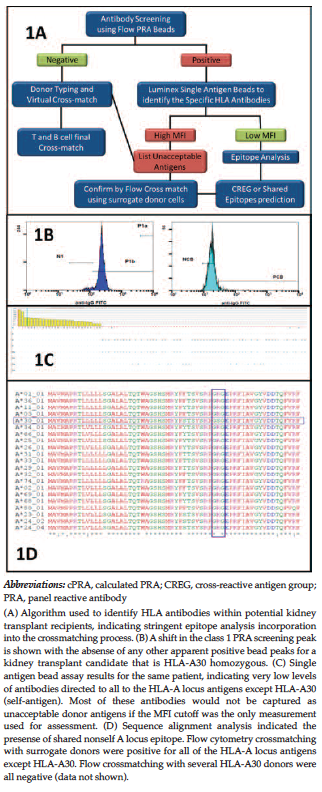
Figure 1. Algorithm Used to Identify HLA Antibodies Within Potential Kidney Transplant Recipients
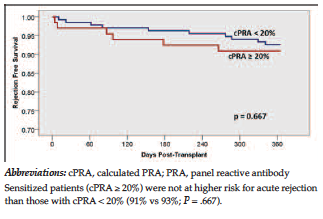
Figure 2. Kaplan-Meier Curve for Rejection-Free Survival Based on Baseline Panel Reactive Antibody Level
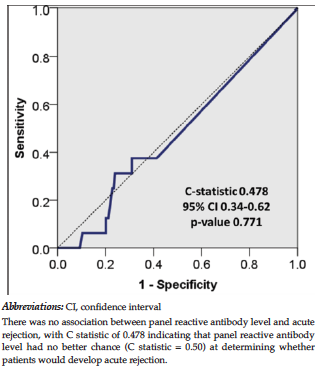
Figure 3. Receiver Operating Characteristic Curve, Assessing Correlation Between Panel Reactive Antibody Level and Acute Rejection
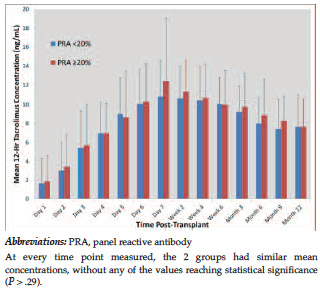
Figure 4. Mean 12-Hour Tacrolimus Trough Concentration for the 2 Cohorts During the First Year After Transplant
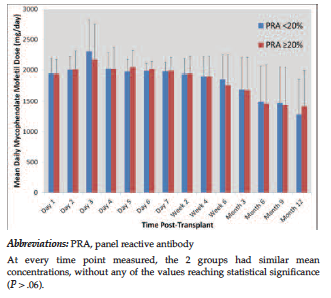
Figure 5. Mean Daily Mycophenolate Mofetil Dose for the 2 Cohorts During the First Year After Transplant
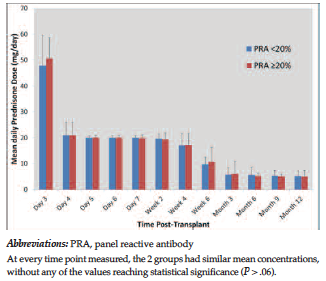
Figure 6. Mean Daily Corticosteroid Dose for the 2 Cohorts During the First Year After Transplant
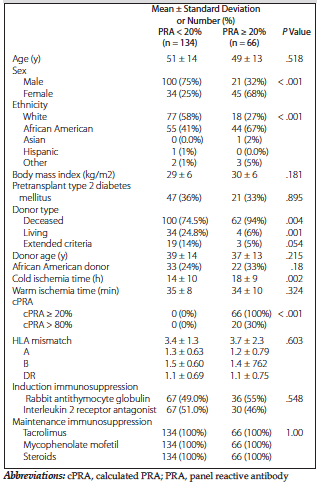
Table 1. Patient Characteristics
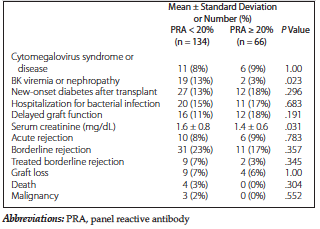
Table 2. Complications and Efficacy Endpoints
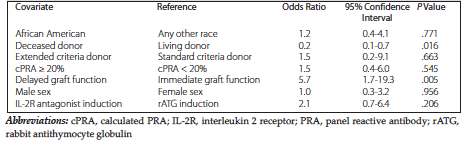
Table 3. Multivariate Analysis of Factors Influencing the Development of Acute Rejection