Volume: 14 Issue: 5 October 2016
FULL TEXT
Bone allografts are widely being used in clinical practice for bone reconstruction. They are considered to be the most preferred alternative to bone autografts, mainly due to their availability and the elimination of donor site morbidity. The risk of bacterial and viral disease transmission, albeit low, is one of the major concerns associated with bone allograft transplant. This review focuses on the epidemiologic and microbiologic aspects of bone allograft infections and the current prevention and treatment options. It also discusses the role of the regulatory authorities in ensuring the safety and efficacy of bone allografts.
Key words : Bone graft, Infection, Tissue bank
Introduction
Bone graft, the second most commonly used transplant material after blood,1 is used in reconstruction of bone defects in orthopedic,2 periodontal,3 craniofacial,4 and oral and maxillofacial5 surgical procedures.
Bone grafts can be autogenous (coming from a different site of the same individual), allogenic (coming from a different individual of the same species), xenogenic (coming from another species), or synthetic. Autogenous cancellous grafts are considered to be the criterion standard for bone grafting because they do not elicit immunogenic reactions in the patient and provide ideal osteoconductive and osteoinductive osteogenic properties.6 However, they carry several limitations, such as donor site complications (pain, hematoma, sensory loss, and so forth), limited supply, increased surgical time, and increased blood loss.6-8
Allografts are often the most preferred alternative to autografts for bone grafting surgeries. Statistics show that they are the most used bone substitute in Europe and in the United States.6,9 Allografts support bone formation as they possess osteoconductive properties and are easily incorporated into the bone structure. Furthermore, bone allografts have several advantages over autografts: they eliminate the need for a second surgical site, their supply is less limited, and they are available in customized types, shapes, and sizes. However, they also carry some limitations such as delayed vascular penetration, slow bone formation, higher rates of bone resorption, and the possibility of immunogenicity and disease transmission.6,9 Allografts are generally acquired through tissue banks and are available as fresh, fresh-frozen, freeze-dried, or demineralized freeze-dried forms. Bone banks procure, process, and store bone allografts for distribution. In this review, we present representative examples of articles focusing on the epidemiologic and microbiologic aspects of bone allograft infections and current prevention and treatment options for safe and effective bone allograft transplant procedures.
Procurement and subsequent processing of bone allografts
The steps used in bone allograft processing differ from one tissue bank to
another. There are no industry-wide standards except for some mandatory
screening and testing procedures, which are required by the regulatory
authorities such as the US Food and Drug Administration (FDA), American
Association of Tissue Banks (AATB), European Association of Tissue Banks (EATB),
and other regional authorization bodies.
Bone allografts can be obtained from living donors (usually hospital inpatients) or deceased donors. The procurement process involves rigorous donor evaluation procedures to determine the suitability of an individual as a bone graft donor.10 Once consent is obtained from either the donor or an immediate relative in the case of deceased donors, a multistep screening procedure is carried out to eliminate any individuals who may be harboring transmissible infections or any other complication that may render bones unsuitable for grafting11 (eg, osteoporosis or cancer) (Table 1). The initial steps include a thorough review of the donor’s medical and social history. This takes into the account age, cause of death, travel history, sexual habits, and behaviors such as intravenous drug abuse, tattooing, body piercing, or any high-risk activities that may have exposed the potential donor to human immunodeficiency virus (HIV) or hepatitis infections.12 Screening is followed by a physical examination and blood tests. Blood samples are tested mainly for the presence of viral markers of HIV, hepatitis B virus, hepatitis C virus (HCV), syphilis, and human T-cell lymphotropic virus (HTLV).10,11
Once suitable donors are identified, bone tissues are recovered aseptically, either in sterile environments (from living donors or multiorgan donors) or in clean rooms (from deceased donors). Tissues from deceased donors must be harvested within 12 to 24 hours, depending on the storage condition of the body.13 The harvested allograft samples are then cultured for microbiologic evaluation and are further processed based on their level of contamination.14 Processing further reduces risk of contamination and immunogenicity; enhances the osteogenic capacity of the bone; and modifies and molds the material into desired types, shapes, and sizes.6,15
Tissue processing begins with soaking the bone allografts in an antimicrobial solution that contains antibiotics or antiseptics or both.10,16 This mainly functions as a surface sterilization step, since these solutions lack tissue penetration. This is followed by tissue debridement and bone marrow elimination. Chemical solutions such as detergents, surfactants, organic solvents, acids, and alcohols are used together with mechanical lavage techniques such as fluid pressurization, vacuum, agitation, or ultrasonic cleansing.10,17
The tissues are then recultured to assess their microbiologic quality. The samples with no detectable contaminations are sent directly for preservation, whereas samples with low virulent and virulent samples are sterilized.14 It must be noted that, although the term “sterilization” is commonly used in the literature, a complete destruction of microorganisms from human tissue is not practically feasible. A sterility assurance level of 10-6 is recommended by the AATB.18,19 An ideal sterilization method is one that completely penetrates the tissue and effectively sterilizes without affecting the biomechanical properties, graft incorporation properties, or biocompatibility of the bone.16 Most commonly employed sterilization methods include gamma irradiation and chemical sterilization with ethylene oxide. Each of these processes reduces the bioburden of the allografts but also affects the biomechanical properties and the overall performance of the allograft to some degree. Ethylene oxide is bactericidal and virucidal, but its use has been recently limited owing to some adverse results in recipients such as toxicity and inflammation due to residual gas.16 It also results in a loss of bone strength and osteoconductive properties.14 Gamma irradiation, on the other hand, is effective against bacteria and HCV infection at levels of 1.5 to 2.5 milliradian (mrad) but not against HIV.20
In 1 study, higher doses of radiation (3.0-4.0 mrad) inactivated HIV, but the same authors later reported that doses above 2.5 mrad affected the strength and the osteoconductivity of the bone.20
Preservation and storage
Bone allografts can be preserved by deep-freezing, cryopreservation, and
freeze-drying. Deep-frozen grafts are stored at -70°C to -80°C and can be
preserved for 3 to 5 years.16 Most of their initial properties are
retained during freezing, and they can be easily molded and reshaped and thus
are most widely used.6 Cryopreservation involves slow, controlled freezing of
the bone to -135°C and packaging in a cryoprotectant solution. These allografts
can be stored at -196°C for about 10 years.16 However, cryopreserved
bone does not have any advantages over deep-frozen ones despite their high cost
of processing.19
Freeze-drying preserves bone grafts through moisture elimination. Freeze-dried bones can be conveniently stored at room temperatures for about 5 years, but these samples need to be rehydrated for at least 30 minutes before implantation.16 Some studies report that freeze-drying reduces viral contamination,21 although other reports disagree.22 Moreover, freeze-drying reduces the strength and other properties of bone allografts.6,14,16
Quality control
Quality assessment of tissue banks is done through proper documentation and
routine audits.10 Current Good Tissue Practices guidelines issued by
the FDA require manufacturers of human cells, tissues, and cellular and
tissue-based products to follow proper labeling and record-keeping procedures to
facilitate traceability.23 Present regulations have addressed the
risks of disease transmission and tissue contamination, but comparatively few
guidelines exist regarding donor eligibility and bone processing issues with a
potential effect on the mechanical integrity of structural allograft bone.24
Risks of disease transmission through bone allograft transplanting
Improved screening, testing, and processing techniques have significantly
reduced the risk of infection through bone allografts. However, because total
sterility is not a practically attainable concept with any human tissue, the
risk of transmission of a fatal disease cannot be ruled out.6,10,16
The presence of a “window period” during which no viral particles could be
identified in host serum further complicates the screening for viral pathogens.11
Contamination of bone grafts can occur due to unidentified disease in the donor, infection by intestinal flora, or contamination of tissues during harvesting or processing. Various viral and bacterial diseases have been associated with bone allografts.
Viral disease transmission
Human immunodeficiency virus and HCV are the most commonly reported viral
diseases disseminated through bone allografts. However, it has been estimated
that, with the proper donor screening protocols, the risk of harvesting a bone
graft from an HIV-infected donor is as low as 1 in 1.67 million.25 In
addition, the estimated risk for a freeze-dried, demineralized bone graft to
carry HIV is 1 in 2.8 billion.26 The risk is higher regarding HBV and
HCV because hepatitis is more prevalent than HIV in the general population.19,27
The earliest case of HIV-1 transmission through bone allografts was reported in 1984.28 After that, several other cases have been reported on the transmission of HIV.29-32 One of the cases32 had occurred due to the failure of donor screening. All 4 other incidences had occurred between 1984 and 1986, during which time no satisfactory donor screening or HIV testing procedures were available. The fact that no new cases of HIV contamination have been reported since 1996 attests to the effectiveness of improved HIV screening methods, which employ HIV nucleic acid testing.33
Several cases of HCV transmissions have occurred between 1986 and 2000.34-37 All of the cases were associated with frozen or cryopreserved bone grafts, which had not undergone thorough processing or sterilization. However, it must be noted that no new cases have been reported since nucleic acid testing for HCV was introduced.33
A single case of transmission of HTLV type 1 through a deep-frozen femoral head bone allograft was also reported in 1991.38
Bacterial infection transmission
The risk of bacterial infection has been estimated to be 11.7%39 and
0.7%40 for massive and nonmassive bone allografts.
Several bacterial pathogens, including Staphylococcus aureus, Staphylococcus epidermidis, Clostridium species, Enterobacter species, and Mycobacterium tuberculosis, have been associated with bone allografts.33,41,42 There are many more responsible agents (Table 2). Kainer and associates reported 14 cases of Clostridium infections, which originated from 9 donors. The tissues were procured under aseptic conditions before decontamination with antibiotic solution but were not subjected to sterilization. Conversely, tissues from the same 9 donors were processed in different tissue banks where they were sterilized and did not result in infections.42
No incidences related to fungal or prion infections have been recorded in association with bone allograft transplant. However, the possibility of future complications should not be ruled out because such cases have been reported for other tissue graft transplants.33
Lord and associates identified several factors and associated illnesses that put bone allograft recipients at risk of infection. Comorbid and predisposing factors such as skin sloughs, massive hematoma, urinary tract infections, multiple surgeries, and dental extractions were found to be associated with the infected patients.39 Other factors included extent and the duration of the surgery, blood loss, prior radiation or chemotherapy treatments, or other accompanying illnesses. Only 1 of 33 cases could be tied to previously infected allografts. Age, graft type, surgical site, and tumor stage were found to be nonsignificant.
Prevention of infections through bone allografts
The type and degree of bacterial contamination depend on the time lapse between
death and tissue harvesting, the traumatic condition of the donor, the number of
people present during tissue harvesting, and the duration of handling before
processing.10
Strict adherence to screening and testing procedures plays a major role in preventing viral disease transmission through bone allografts. In addition, sterilization methods such as gamma irradiation and preservation methods such as freeze-drying may contribute to the reduction of viral load in bone allografts. To prevent the risk of bacterial infections, it is important to carry out tissue recovery and processing under aseptic conditions.43 However, the US Centers for Disease Control had warned in their morbidity and mortality weekly report of March 15, 2002, that “aseptically processed tissue should not be considered sterile.”44 Therefore, it is important to subject bone allografts to appropriate sterilization and preservation techniques45 (Figure 1).
Treatment of bone graft infections
Bacterial infections in allografts may necessitate detrimental procedures such
as a removal or resection of the infected graft, limb amputation, or extensive
debridement of the wound for containing the infection.46 Thus, it is
important to follow appropriate treatments and prophylactic measures for
infections. These include restriction and drainage of blood flow; prolonged
administration of antibiotics, both orally and intravenously; and
reimplantation of a new allograft.39 Another treatment option is
local antibiotic therapy with antibiotic-releasing devices such as collagen
sponges47 or cement beads.48
A novel technique takes this concept a bit further by incorporating antibiotics into the bone itself. These antibiotic-impregnated bone grafts are rapidly becoming popular for treating bone infections. A recent review by Anagnostakos and Schröder summarized the literature on antibiotic-impregnated bone grafts, focusing on the type of bone used, the impregnation method, antibiotic choices and their doses. According to this review, any antibiotic might be used for impregnation, and the choice of the drug should depend on the sensitivity profile of the pathogen. Bones can be impregnated either manually, by placing the bone in an antibiotic solution for a certain period of time, or through iontophoresis. Antibiotic-impregnated bone grafts can be used as a treatment or prophylactic measure. However, further research is required for the validation of the method.49
Regulatory Authorities
European Union regulatory bodies
The European Union Tissue and Cells Directive sets the quality and safety
standards for the procurement, testing, processing, preservation, storage, and
distribution of human tissues and cells across Europe.50 Its aim is
to coordinate the tissue and cell regulations throughout Europe. The EATB is
another scientific, nonprofit organization that harmonizes the tissue banking
regulations within Europe.51 Although it is not mandatory, many
European tissue banks follow EATB guidelines. The Human Tissue Authority is
another executive, nondepartmental public body of the Department of Health in
the United Kingdom.50,52,53 The Human Tissue Authority regulates
institutes involved in harvesting, storing, and removing tissues for research,
medical, and educational purposes, thus guaranteeing the ethical and safe use of
human tissues.
Regulatory bodies in the United States
The US FDA regulates organ and tissue transplant in the United States. It is
mandatory for manufacturers of tissue-based products to register with the FDA
and list their products. The US FDA sets rules with regard to screening,
procurement, and processing of tissue products, inspects and audits tissue
banks, and publishes guidelines for good tissue practices. In addition, the FDA
holds the final authority to shut down a tissue bank, fine the owners, force a
recall, or destroy all unsafe tissues.54 The American Association of
Tissue Banks is another voluntary organization that promotes education and
research services for tissue banks.55,56 It also provides
accreditation to its member banks, thereby encouraging safety in harvesting,
processing, storage, and distribution of human tissue. The American Association
of Tissue Banks is a scientific, nonprofit entity and has no controlling power
over tissue banks that are not AATB members. Although membership is voluntary,
many tissue banks adhere to the AATB’s guidelines.54 The American
Academy of Orthopaedic Surgeons advocates musculoskeletal allografts to be
acquired from tissue banks that follow FDA Good Tissue Practices and are
accredited by the AATB.55
Regulatory bodies in other countries
Only a few commercial tissue banks exist within the Asia-Pacific region, mainly
due to ethical and religious constraints.50 The Asia Pacific
Association of Surgical Tissue Banks has established rules on aspects including
donor selection, tissue recovery, testing, processing, and distribution.57
Similar federal and nonfederal organizations in various other countries, such
as the Therapeutic Goods Administration (TGA) in Australia (https://www.
tga.gov.au/), the Korean Food and Drug Administration (KFDA) in South Korea
(https://eng. kfda.go.kr/index.html), and the State and Food and Drug
Administration (SFDA) in China (https://eng. cfda.gov.cn/), oversee safe practice
on allograft tissues.58
Discussion
Although the safety of bone allografts has noticeably increased during the past decades, their association with disease transmission is still a valid concern. These diseases can either originate from the donor or can be introduced during the succeeding steps from harvesting to implanting.59 Bacterial and viral agents, including HIV, HCV, Clostridium, and Mycobacterium have been introduced to the recipient by use of bone allografts.
During review of past records on the distribution of viral diseases through bone allografts, it is clear that all cases occurred during the period in which no adequate donor screening or testing procedures were available. Moreover, these cases were associated with allografts that were not adequately disinfected or sterilized. No new cases of HIV or HCV transmission have been reported after the introduction of nucleic acid testing methods for viruses. There is sufficient evidence to believe that modern testing, processing, and preservation techniques have effectively improved the safety of bone allografts.
Strict screening protocols recommended by the FDA, along with advanced serologic assays and nucleic acid testing, have virtually eliminated the risk of dissemination of viral diseases such as HIV, HCV, and HTLV through bone allografts. In addition, bacterial contamination can be limited by ensuring aseptic conditions during tissue harvesting and processing.
However, the possibility that a bone allograft could carry diseases should not be overlooked. There is always a risk of introduction of a yet unknown and untested pathogen. It must be kept in mind that the existing screening and testing practices focus on a handful of viruses, namely, HIV, HCV, and HTLV. There is also the probability of a bone graft carrying other forms of pathogenic entities such as prions and fungi. Although no fungal or prion diseases have yet been associated with bone allografts, they have been reported in other tissue graft transplants. It is also important to note that “sterility” of a human tissue is not practically achievable. Thus, there is a possibility of survival of pathogens after sterilization. The significance of human errors in screening and processing must also be factored.
Another aspect that warrants careful consideration is the effect these sterilization and preservation techniques have on bone performance. As shown by several studies, strength, osteoconductivity, and workability of allograft bone are adversely affected by these procedures. Moreover, treatments such as ethylene oxide have also been found to leave toxic residues. Therefore, it is critical for the surgical team to be aware of the physical and chemical treatments employed by the tissue bank when processing before transplant.
This emphasizes the importance of maintaining proper documentation procedures that would facilitate the investigation following any unfavorable consequences. The FDA demands proper labeling and recordkeeping systems from manufacturers of human cells, tissues, and cellular and tissue-based products to ensure traceability of the tissues.
Conclusions
The risk of disease dissemination through bone allograft transplant has been significantly decreased with the established donor screening criteria and improved testing and processing methods. Improved tissue “sterilization” and preservation techniques effectively reduce the bioburden of viruses and bacteria, but they are also known to impair the biologic and biomechanical properties of bone. Therefore, it is essential to develop novel technologies that are less destructive.
Both the surgeon and the tissue bank play equally important roles in minimizing the risk of transmission of infectious diseases through bone allograft transplant procedures. Government regulatory bodies and scientific associations have set strict guidelines and recommendations regarding allograft safety, and most tissue banks tend to abide by them. It is important to choose a tissue bank accredited by authoritative bodies such as the FDA, AATB, or EATB.
Bacterial contamination through allograft bones can result in unfavorable conditions, including limb amputation or graft removal. New treatment options such as antibiotic-impregnated bone allografts are being developed for treating bacterial diseases associated with bone transplant. However, more research is required to assess the efficacy of such techniques.
References:
- Shegarfi H, Reikeras O. Review article: bone transplantation and immune
response. J Orthop Surg (Hong Kong). 2009;17(2):206-211.
PubMed - Campana V, Milano G, Pagano E, et al. Bone substitutes in orthopaedic
surgery: from basic science to clinical practice. J Mater Sci Mater Med.
2014;25(10):2445-2461.
CrossRef - PubMed - Reynolds MA, Aichelmann-Reidy ME, Branch-Mays GL, Gunsolley JC. The
efficacy of bone replacement grafts in the treatment of periodontal osseous
defects. A systematic review. Ann Periodontol. 2003;8(1):227-265.
CrossRef - PubMed - Elsalanty ME, Genecov DG. Bone grafts in craniofacial surgery.
Craniomaxillofac Trauma Reconstr. 2009;2(3):125-134.
CrossRef - PubMed - Jackson IT, Helden G, Marx R. Skull bone grafts in maxillofacial and
craniofacial surgery. J Oral Maxillofac Surg. 1986;44(12):949-955.
CrossRef - PubMed - Delloye C, Cornu O, Druez V, Barbier O. Bone allografts: What they can
offer and what they cannot. J Bone Joint Surg Br. 2007;89(5):574-579.
CrossRef - PubMed - Ahlmann E, Patzakis M, Roidis N, Shepherd L, Holtom P. Comparison of
anterior and posterior iliac crest bone grafts in terms of harvest-site
morbidity and functional outcomes. J Bone Joint Surg Am.
2002;84-A(5):716-720.
PubMed - Younger EM, Chapman MW. Morbidity at bone graft donor sites. J Orthop
Trauma. 1989;3(3):192-195.
CrossRef - PubMed - Greenwald AS, Boden SD, Goldberg VM, et al. Bone-graft substitutes:
facts, fictions, and applications. J Bone Joint Surg Am. 2001;83-A(Suppl 2
Pt 2):98-103.
PubMed - Moucha CS, Renard RL, Gandhi A, Lin SS, Tuan RS. Bone allograft safety
and performance. In: Engineering of Functional Skeletal Tissues. London, UK:
Springer; 2007:46-54.
CrossRef - Lomas R, Chandrasekar A, Board TN. Bone allograft in the U.K.:
perceptions and realities. Hip Int. 2013;23(5):427-433.
CrossRef - PubMed - Fishman JA, Greenwald MA, Grossi PA. Transmission of infection with
human allografts: essential considerations in donor screening. Clin Infect
Dis. 2012;55(5):720-727.
CrossRef - PubMed - Nather A, Zheng S. Ensuring safety — donor evaluation and screening. In:
Nather A, Yusof N, Hilmy N, eds. Allograft Procurement, Processing and
Transplantation: A Comprehensive Guide for Tissue Banks. Singapore: World
Scientific; 2010:121-156.
CrossRef - Gitelis S, Cole BJ. The use of allografts in orthopaedic surgery. In:
Beaty JH, Beaty JH, eds. Instructional Course Lectures (vol. 51). Rosemont,
IL: American Academy of Orthopaedic Surgeons; 2002:507-520.
PubMed - Giannoudis PV, Dinopoulos H, Tsiridis E. Bone substitutes: an update.
Injury. 2005;36 Suppl 3:S20-27.
CrossRef - PubMed - Vangsness CT, Jr, Wagner PP, Moore TM, Roberts MR. Overview of safety
issues concerning the preparation and processing of soft-tissue allografts.
Arthroscopy. 2006;22(12):1351-1358.
CrossRef - PubMed - DePaula CA, Truncale KG, Gertzman AA, Sunwoo MH, Dunn MG. Effects of
hydrogen peroxide cleaning procedures on bone graft osteoinductivity and
mechanical properties. Cell Tissue Bank. 2005;6(4):287-298.
CrossRef - PubMed - The American Association of Tissue Banks Web site. Code of ethics, 2012. http://aatb.org/aatb/files/ccLibraryFiles/Filename/000000000627/AATBCodeofEthics19June2012.pdf. Accessed January 25, 2016.
- Iosifidis, M. I., Tsarouhas, A. Allografts in Anterior Cruciate Ligament
Reconstruction. In: Doral MN, ed. Sports Injuries: Prevention, Diagnosis,
Treatment and Rehabilitation. Berlin, Germany: Springer; 2012:421-430.
CrossRef - Fideler BM, Vangsness CT, Lu B, Orlando C, Moore T. Gamma irradiation:
effects on biomechanical properties of human bone-patellar tendon-bone
allografts. Am J Sports Med. 1995;23(5):643-646.
CrossRef - PubMed - Asselmeier MA, Caspari RB, Bottenfield S. A review of allograft
processing and sterilization techniques and their role in transmission of
the human immunodeficiency virus. Am J Sports Med. 1993;21(2):170-175.
CrossRef - PubMed - Crawford MJ, Swenson CL, Arnoczky SP, O'Shea J, Ross H. Lyophilization
does not inactivate infectious retrovirus in systemically infected bone and
tendon allografts. Am J Sports Med. 2004;32(3):580-586.
CrossRef - PubMed - Department of Health and Human Services. US Food and Drug Administration Web site. 21 CFR part 4 [docket no. fda-2009-n-0435]. Current Good Manufacturing Practice Requirements for Combination Products. https://www.regulations.gov/docket?d=fda-2009-n-0435.
- Kawaguchi S, Hart RA. The need for structural allograft biomechanical
guidelines. J Am Acad Orthop Surg. 2015;23(2):119-125.
CrossRef - PubMed - Buck BE, Malinin TI, Brown MD. Bone transplantation and human
immunodeficiency virus. An estimate of risk of acquired immunodeficiency
syndrome (AIDS). Clin Orthop Relat Res. 1989(240):129-136.
PubMed - Russo R, Scarborough N. Inactivation of viruses in demineralized bone matrix. In: FDA Workshop on Tissue for Transplantation and Reproductive Tissue. Washington, DC: FDA; 1995:20-21.
- Ang CY, Yew AK, Tay DK, et al. Reducing allograft contamination and
disease transmission: intraosseous temperatures of femoral head allografts
during autoclaving. Singapore Med J. 2014;55(10):526-528.
CrossRef - PubMed - Garner JS, Jarvis WR, Emori TG, Horan TC, Hughes JM. CDC definitions for
nosocomial infections. Am J Infect Control. 1988;16(3):128-140.
CrossRef - PubMed - Schratt HE, Regel G, Kiesewetter B, Tscherne H. [HIV infection caused by
cold preserved bone transplants]. Unfallchirurg. 1996;99(9):679-684.
CrossRef - PubMed - Simonds RJ, Holmberg SD, Hurwitz RL, et al. Transmission of human
immunodeficiency virus type 1 from a seronegative organ and tissue donor. N
Engl J Med. 1992;326(11):726-732.
CrossRef - PubMed - Karcher HL. HIV transmitted by bone graft. BMJ. 1997;314(7090):1300.
CrossRef - PubMed - Li CM, Ho YR, Liu YC. Transmission of human immunodeficiency virus
through bone transplantation: a case report. J Formos Med Assoc.
2001;100(5):350-351.
PubMed - Hinsenkamp M, Muylle L, Eastlund T, Fehily D, Noel L, Strong DM. Adverse
reactions and events related to musculoskeletal allografts: reviewed by the
World Health Organisation Project NOTIFY. Int Orthop. 2012;36(3):633-641.
CrossRef - PubMed - Conrad EU, Gretch DR, Obermeyer KR, et al. Transmission of the
hepatitis-C virus by tissue transplantation. J Bone Joint Surg Am.
1995;77(2):214-224.
PubMed - Diethelm AG, Roth D, Ferguson RM, et al. Transmission of HCV by organ
transplantation. N Engl J Med. 1992;326(6):410-411; author reply 412-413.
CrossRef - PubMed - Pereira BJ, Milford EL, Kirkman RL, et al. Low risk of liver disease
after tissue transplantation from donors with HCV. Lancet.
1993;341(8849):903-904.
CrossRef - PubMed - Tugwell BD, Patel PR, Williams IT, et al. Transmission of hepatitis C
virus to several organ and tissue recipients from an antibody-negative
donor. Ann Intern Med. 2005;143(9):648-654.
CrossRef - PubMed - Sanzen L, Carlsson A. Transmission of human T-cell lymphotrophic virus
type 1 by a deep-frozen bone allograft. Acta Orthop Scand. 1997;68(1):72-74.
CrossRef - PubMed - Lord CF, Gebhardt MC, Tomford WW, Mankin HJ. Infection in bone
allografts. Incidence, nature, and treatment. J Bone Joint Surg Am.
1988;70(3):369-376.
PubMed - Kwong FN, Ibrahim T, Power RA. Incidence of infection with the use of
non-irradiated morcellised allograft bone washed at the time of revision
arthroplasty of the hip. J Bone Joint Surg Br. 2005;87(11):1524-1526.
CrossRef - PubMed - Journeaux SF, Johnson N, Bryce SL, Friedman SJ, Sommerville SM, Morgan
DA. Bacterial contamination rates during bone allograft retrieval. J
Arthroplasty. 1999;14(6):677-681.
CrossRef - PubMed - Kainer MA, Linden JV, Whaley DN, et al. Clostridium infections
associated with musculoskeletal-tissue allografts. N Engl J Med.
2004;350(25):2564-2571.
CrossRef - PubMed - Atique FB, Khalil MM. The bacterial contamination of allogeneic bone and
emergence of multidrug-resistant bacteria in tissue bank. Biomed Res Int.
2014;2014:430581.
CrossRef - Centers for Disease Control Web site. Update: Allograft-Associated Bacterial Infections --- United States, 2002. http://www.cdc.gov/mmwr/preview/mmwrhtml/mm5110a2.htm.
- Terzaghi C, Longo A, Legnani C, Bernasconi DP, Fare M. Incidence of
bacterial contamination and predisposing factors during bone and tendon
allograft procurement. Cell Tissue Bank. 2015;16(1):151-157.
CrossRef - PubMed - Dick HM, Strauch RJ. Infection of massive bone allografts. Clin Orthop
Relat Res. 1994(306):46-53.
PubMed - Wachol-Drewek Z, Pfeiffer M, Scholl E. Comparative investigation of drug
delivery of collagen implants saturated in antibiotic solutions and a sponge
containing gentamicin. Biomaterials. 1996;17(17):1733-1738.
CrossRef - PubMed - Anagnostakos K, Kelm J. Enhancement of antibiotic elution from acrylic
bone cement. J Biomed Mater Res B Appl Biomater. 2009;90(1):467-475.
CrossRef - PubMed - Anagnostakos K, Schroder K. Antibiotic-impregnated bone grafts in
orthopaedic and trauma surgery: a systematic review of the literature. Int J
Biomater. 2012;2012:538061.
CrossRef - PubMed - Myint, P. Legal Framework for international operation of tissue banks.
In: Phillips GO, ed. Legal Basis of Global Tissue Banking: A Proactive
Clinical Perspective. Singapore: World Scientific; 2015:13-30.
CrossRef - Kalter ES, de By TM. Tissue banking programmes in Europe. Br Med Bull.
1997;53(4):798-816.
CrossRef - PubMed - Human Tissue Authority Web site. https://www.hta.gov.uk/. Accessed January 26, 2016.
- European Union Tissue and Cells Directives Web site. https://www.hta.gov.uk/policies/eu-tissue-and-cells-directives. Accessed January 28, 2016.
- Vangsness CT, Garcia IA, Mills CR, Kainer MA., Roberts MR., Moore TM.
Allograft transplantation in the knee: tissue regulation, procurement,
processing, and sterilization. Am J Sports Med. 2003;31(3):474-481.
PubMed - American Academy of Orthopaedic Surgeons Web site. 2011 Information Statement: Use of Musculoskeletal Tissue Allografts. http://www.aaos.org/CustomTemplates/Content.aspx?id=22276. Accessed January 30, 2016.
- American Board of Tissue Banking. American Association of Tissue Banks Web site. Certifications Examination. Summary of September 2012 Administration.PDF
- Nather A. Tissue banking in the Asia Pacific Region: Current status and future developments. J Orthop Surg. 1999;7:89-93.
- Korea Food and Drug Administration Web site. Introduction. http://eng.kfda.go.kr/nitr/message.php.
- Behrend C, Carmouche J, Millhouse PW, et al. Allogeneic and autogenous
bone grafts are affected by historical donor environmental exposure. Clin
Orthop Relat Res. 2016;474(6):1405-1409.
CrossRef - PubMed

Volume : 14
Issue : 5
Pages : 484 - 490
DOI : 10.6002/ect.2016.0076
From the 1Department of Orthopaedics, Faculty of Medicine,
Comenius University in Bratislava and Children's University Hospital,
Bratislava, Slovak Republic; the 2Institute of Anatomy, Faculty of
Medicine, Comenius University, Bratislava, Slovakia; and the 3First
Department of Orthopaedics and Traumatology, 4Department of Plastic
Surgery, and 5Second Orthopaedics and Traumatology, Faculty of
Medicine, Comenius University in Bratislava and University Hospital, Bratislava,
Slovak Republic
Acknowledgements: The authors declare that they have no sources of
funding for this study, and they have no conflicts of interest to declare.
Corresponding author: Radoslav Zamborsky, Department of Orthopaedics,
Faculty of Medicine, Comenius University in Bratislava and Children's University
Hospital, Limbova 1, 833 40 Bratislava, Slovakia
Phone: +42 190 536 3974
E-mail: radozamborsky@gmail.com
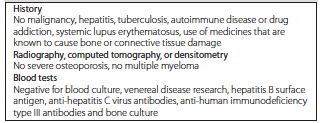
Table 1. Donor Selection Criteria for Allogenic Transplant
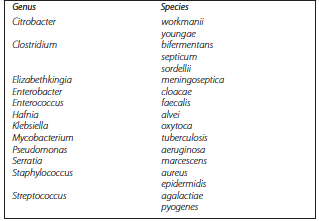
Table 2. Bone Allograft Transplant Bacterial Contamination Agents

Figure 1. Femoral Head, Illustrating Bone Allograft Banking (Central Tissue Bank, University Hospital Bratislava)