Volume: 14 Issue: 3 June 2016
FULL TEXT
Objectives: Polymorphisms of the endothelial nitric oxide synthase gene have been associated with altered endothelial nitric oxide synthase activity. The purpose of this study was to investigate the relation between endothelial nitric oxide synthase -786T/C and 894G/T polymorphism and their haplotypes on the occurrence of acute rejection episodes in liver transplant recipients.
Materials and Methods: We conducted a case control study in which 100 liver transplant recipients and 100 healthy controls were recruited from Shiraz Transplant Center. The patients used triple therapy including tacrolimus, mycophenolate mofetil, and prednisolone for immunosuppression maintenance. DNA was extracted from peripheral blood and endothelial nitric oxide synthase polymorphisms were determined by polymerase chain reaction and restriction fragment length polymorphism.
Results: Patients included 60 men and 40 women (mean age, 32.35 ± 10.2 y). There was a significant association of endothelial nitric oxide synthase 894G/T and acute rejection episode. The GT* gen-otype and acute rejection episodes had a significant association (odds ratio, 2.42; 95% confidence interval, 0.97-6.15; P = .03). The GG and GT* genotype and T* allele frequency were significantly different between patients and control subjects (P = .001). Haplotype TT* was higher in recipients than control subjects (odds ratio, 2.17; 95% confidence interval, 1.12-4.25; P = .01). Haplotype TG was higher in the control group (odds ratio, 0.62; 95% confidence interval, 0.40-0.96; P = .02).
Conclusions: Our results suggest a relation between different endothelial nitric oxide synthase geno-types and risk of acute rejection episodes. However, further study is necessary to determine genetic susceptibility for transplant patients.
Key words : Allograft, Complications, End-stage liver disease, Genetics
Introduction
Liver transplant is an accepted therapy for patients with end-stage liver disease that restores health by improving quality of life and extending recipient survival.1 The clinical effects of the liver transplant may be disrupted by genetic factors. Therefore, the diagnosis of gene candidates that may affect liver function after transplant is important. Nitric oxide (NO) is generated by endothelial nitric oxide synthase (eNOS), and has an important function in the regulation of vascular tone by inhibiting vascular smooth muscle contraction and affecting endothelial-leukocyte interaction by inhibiting platelet aggregation and leukocyte adhesion to the endothelium.2,3 Hepatic blood flow usually is under the control of eNOS, which is present in sinusoidal endothelial cells.4
Endothelial cell injury and dysfunction usually develop after transplant. Ischemia- reperfusion injury is an inflammatory process encountered during solid- organ transplant that induces delayed graft function. Induction of major histocompatibility complex markers may occur which may increase the risk of acute and chronic rejection.5,6 During ischemia-reperfusion injury, NO has a protective effects by scavenging free radicals, relaxing vascular smooth muscle, and affecting antiapoptosis.6,7 Inhalation of NO gas after liver transplant lowers hepatocyte apoptosis.8
During acute rejection, vascular endothelial cell damage occurs, and the eNOS pathway may be involved.9 Endotheliitis, a diagnostic pathologic sign, is characterized by the attachment of lymphocytes to the luminal surface of the endothelium and aggregation under the damaged endothelium. Another finding is the occurrence of chronic inflammatory cell infiltrates (mostly T cells) in sinusoids.10
Immunosuppressive drugs affect normal endothelial cell function. Cyclosporine and tacrolimus produce marked vasoconstriction. Reduced pro-duction of vasodilators such as NO, and increased release of vasoconstrictors such as endothelin and thromboxane, are suggested mechanisms.11
The gene encoding eNOS is located on chromo-some 7 (7q35-36).12,13 Several polymorphisms of the eNOS gene have been reported. The 894G/T (Glu298Asp) and -786T/C (a mutation located in the 5’-flanking region of the eNOS gene) genetic polymorphisms have been implicated in the development of coronary heart disease.14,15 A previous study showed that eNOS genetic polymorphisms had a significant association with long-term renal function and chronic allograft nephropathy.11 However, another study did not confirm any association with outcome after renal transplant.16
The purpose of this study was to investigate whether the eNOS polymorphisms 894G/T and -786T/C may be related to the occurrence of acute rejection in liver transplant recipients.
Methods and Patients
Patients
This study included 100 liver transplant recipients, including 50 patients with
a biopsy-proven acute rejection episode (ARE) and 50 recipients without an ARE
(No ARE), who had transplant between June 2012 and March 2013. We also included
100 healthy people as the control group. The Ethics Committee of Shiraz
University of Medical Sciences approved the protocol, and written informed
consent was obtained from all patients. All procedures were in accordance with
the ethical standards of the responsible committee on human experimentation
(institutional and national) and the Helsinki Declaration of 1975, as revised in
2008.5
Subjects were followed for ≥ 3 months, and AREs were recorded. An ARE was defined from clinical findings (fever and elevation of bilirubin and/or transaminase levels, in the absence of vascular problems or biliary obstruction) and biopsy findings according to Banff criteria.17 The clinical charac-teristics of patients were retrieved from our transplant database.
The routine immunosuppressive regimen com-prised tacrolimus (1-2 mg/d, oral), mycophenolate mofetil (1-2 g/d, oral), and prednisolone (120 mg every 12 h, oral). Patients who had an ARE received high doses (500 mg) of intravenous methylprednisolone for 3 consecutive days.
Single nucleotide polymorphism selection and genetic analyses
The single nucleotide polymorphisms, rs2070744 and rs1799983, in the eNOS
gene are located at the promoter and exon 7 of the eNOS gene.14,18
For genotype analysis, genomic DNA was extracted from the buffy coat with the
use of a DNA isolation kit (Cinagene, Tehran, Iran). The single nucleotide
polymorphisms -786T/C and 894G/T were genotyped using polymerase chain reaction
and restriction fragment length polymorphism (PCR-RFLP) as previously described
(Table 1 and Figures 1 and 2).14,18
Statistical analyses
Data analyses were performed with statistical software (SPSS, Version 18.0, SPSS
Inc., Chicago, IL, USA). Continuous variables were reported as mean ± standard
deviation (SD) and compared using the t test. Categorical data were reported as
number (%). Between-group differences in the clinical findings and the
frequencies of alleles and genotypes in the patients with or without ARE were
compared using Pearson chi-square test or Fisher exact test. Values of P
≤ .05 were considered statistically significant. Odds ratios (ORs) and 95%
confidence intervals (CIs) were calculated to estimate the risk of the incidence
of rejection.
Results
Patients included 60 men and 40 women (mean age, 32.35 ± 10.2 y). The detailed data of patient demographic characteristics and transplant status are shown in Table 2. Statistical analyses of donor and recipient demographic characteristics and primary underlying liver disease (cause of cirrhosis) showed no differences between the 2 groups (P > .05). All organs were donated from deceased donors.
Allele and genotype frequencies of the eNOS -786T/C and 894G/T single nucleotide polymorphisms are given in Table 3. There was a significant association between eNOS 894G/T and ARE. The GT* genotype and ARE had a significant association (OR, 2.42; 95% CI, 0.97-6.15; P = .03) (Table 3). The GG and GT* genotype and T* allele frequency were significantly different between patients and normal subjects (P = .001, .004 ) (Tables 3 and 4).
Haplotype TT* was higher in frequency in recipients than the control group (OR, 2.17, 95% CI, 1.12-4.25; P = .01) (Table 5). Frequency of haplotype TG was higher in the control group (OR, 0.62; 95% CI, 0.40-0.96; P = .02) (Table 5).
With respect to immunosuppressive drug dosage, there was no significant difference between the ARE and no ARE groups. However, the tacrolimus drug level was lower in the ARE group (9.20 ± 6.29 ng/mL) than recipients with no ARE (13.05 ± 5.36 ng/mL) (P = .01) (Table 6).
Discussion
The gas NO is an important modulator of the acute and chronic inflammatory cascades. This gas affects the expression of endothelial cell adhesion molecules (ECAM), leukocyte-endothelial interaction, and extravasation of activated leukocytes at sites of inflammation. The ECAM glycoprotein is expressed on the vascular endothelium, and NO can downregulate cytokine-induced ECAM expression.19 Studied have confirmed that eNOS-/- mice exhibit an increased expression of P-selectin with increased leukocyte rolling. The increased inflammatory cell migration during inflammation also has been documented in eNOS-/- animals.19 Both cellular and humoral components of the immune system are involved in acute rejection, and NO may be involved in the pathogenesis of rejection as a cytotoxic molecule. The source of NO production may be the graft-infiltrating macrophages and/or the cells of the hepatic vasculature and parenchyma.20-22 The NO is an unstable molecule that is degraded rapidly to nitrite and nitrate, which can be detected in serum and urine.23
Thorat and associates described a correlation between the sustained rise in serum NO level and acute rejection in liver transplant recipients, and they suggested that NO had a major role in acute rejection.9 Khanafer and associates confirmed a significant increase in serum nitrate in AREs in renal transplant patients.24 The genetic variations in eNOS may affect NO levels. The 786 T/C polymorphism is associated with significant variation in eNOS promoter activity.25 The 894G/T polymorphism also is associated with an altered protein sequence and may change the functional effect of eNOS protein.14
Significant association between eNOS 894G/T polymorphism of donors and long-term kidney graft survival was observed by Artifoni and associates.26 Yilmaz and associates studied the 894G/T mutation and correlated it with chronic allograft nephropathy.11 Viklický and associates evaluated the eNOS 894G/T gene polymorphism in kidney transplant patients, and there were no association between genotypes, renal function, and atherosclerosis risk factors.27 In our previous study, no significant association was observed between the allele/genotype frequencies of eNOS gene (894G/T and -786T/C) and acute rejection in renal transplant recipients.16 In the present study, the genotype frequencies between the control and patient groups was significantly different.
Although the inheritance of GT*+T*T* genotype or T* allele of eNOS 894G/T are more common in liver transplant patients, different diseases with variable mechanisms such as infectious (hepatitis B and C virus) or autoimmune diseases (primary sclerosing cholangitis, primary biliary cirrhosis, or autoimmune hepatitis) are considered the primary underlying causes of liver cirrhosis. The interaction of immune cells and endothelium may occur during any inflammatory process, and genetic alteration can affect NO expression.
We observed a significant association between GT* genotype of eNOS 894G/T and ARE in liver transplant recipients. Although NO is not directly involved in the rejection process, the NO level is increased in response to various cytokines that participate in this process. The elevated local NO concentration has an effect on surrounding cells such as inhibition of protein synthesis in hepatocytes.28 The association between eNOS 894G/T polymorphism and rejection suggests a function for this gene in acute allograft injury, but further studies are needed to confirm this hypothesis.
In the present study, the tacrolimus dosage was similar in all patients but the serum trough level was significantly lower in the ARE group. Factors such as age, sex, metabolic status, and smoking may lead to large differences in dosage requirements between individuals. There also are differences in drug action at the cellular level for optimal drug targeting, delivery, and clearance rates. Genetic polymorphisms about drug uptake, metabolism, and clearance can affect the individualized drug dosage selection.29
The results of similar studies have limitations such as genetic heterogeneity, different environmental background, and the primary cause of liver cirrhosis. The study of genetic variants in conditions that have complex mechanisms, such as liver allograft rejection, require a larger sample size to determine useful conclusions.
References:
- Carbone M, Neuberger JM. Autoimmune liver disease, autoimmunity and
liver transplantation. J Hepatol. 2014;60(1):210-223.
CrossRef - PubMed - Tsao PS, Lewis NP, Alpert S, Cooke JP. Exposure to shear stress alters
endothelial adhesiveness. Role of nitric oxide. Circulation.
1995;92(12):3513-3519.
CrossRef - PubMed - Kimura H, Esumi H. Reciprocal regulation between nitric oxide and
vascular endothelial growth factor in angiogenesis. Acta Biochim Pol.
2003;50(1):49-59.
PubMed - Hu LS, George J, Wang JH. Current concepts on the role of nitric oxide
in portal hypertension. World J Gastroenterol. 2013;19(11):1707-1717.
CrossRef - PubMed - Siriussawakul A, Zaky A, Lang JD. Role of nitric oxide in hepatic
ischemia-reperfusion injury. World J Gastroenterol. 2010;16(48):6079-6086.
CrossRef - PubMed - Gomez D, Homer-Vanniasinkam S, Graham AM, Prasad KR. Role of ischaemic
preconditioning in liver regeneration following major liver resection and
transplantation. World J Gastroenterol. 2007;13(5):657-670.
CrossRef - PubMed - Nieuwenhuijs VB, De Bruijn MT, Padbury RT, Barritt GJ. Hepatic ischemia-
reperfusion injury: roles of Ca2 and other intracellular mediators of
impaired bile flow and hepatocyte damage. Dig Dis Sci 2006;51(6):1087-102.
CrossRef - PubMed - Shah V, Haddad FG, Garcia-Cardena G, et al. Liver sinusoidal endothelial
cells are responsible for nitric oxide modulation of resistance in the
hepatic sinusoids. J Clin Invest. 1997;100(11):2923-2930.
CrossRef - PubMed - Thorat VN, Suryakar AN, Nailk P, Tiwale BM. Nitric oxide: A useful
indicator in acute allograft rejection after liver transplantation. Indian J
Clin Biochem. 2009;24(1):105-107.
CrossRef - PubMed - Höroldt BS, Burattin M, Gunson BK, et al. Does the Banff rejection
activity index predict outcome in patients with early acute cellular
rejection following liver transplantation? Liver Transpl.
2006;12(7):1144-1151.
CrossRef - PubMed - Yilmaz E, Mir S, Berdeli A. Endothelial nitric oxide synthase (eNOS)
gene polymorphism in early term chronic allograft nephropathy. Transplant
Proc. 2009;41(10):4361-4365.
CrossRef - PubMed - Colombo MG, Andreassi MG, Paradossi U, et al. Evidence for association
of a common variant of the endothelial nitric oxide synthase gene
(Glu298-->Asp polymorphism) to the presence, extent, and severity of
coronary artery disease. Heart. 2002;87(6):525-528.
CrossRef - PubMed - Wilcox JN, Subramanian RR, Sundell CL, et al. Expression of multiple
isoforms of nitric oxide synthase in normal and atherosclerotic vessels.
Arterioscler Thromb Vasc Biol. 1997;17(11):2479-2488.
CrossRef - PubMed - Kim IJ, Bae J, Lim SW, et al. Influence of endothelial nitric oxide
synthase gene polymorphisms (-786T>C, 4a4b, 894G>T) in Korean patients with
coronary artery disease. Thromb Res. 2007;119(5):579-585.
CrossRef - PubMed - Liu D, Jiang Z, Dai L, Zhang X, Yan C, Han Y. Association between the -
786T>C 1polymorphism in the promoter region of endothelial nitric oxide
synthase (eNOS) and risk of coronary artery disease: a systematic review and
meta-analysis. Gene. 2014 ;545(1):175-83.
CrossRef - PubMed - Azarpira N, Aghdai MH, Geramizadeh B, Bahador A, Ayatolahi M, Darai M.
Influence of endothelial nitric oxide synthase gene polymorphisms (-786T/C,
4a4b, 894G/T) on Iranian kidney transplant recipients. Exp Clin Transplant.
2013;11(1):21-26.
CrossRef - PubMed - Demetris A, Adams D, Bellamy C, et al. Update of the International Banff
Schema for Liver Allograft Rejection: working recommendations for the
histopathologic staging and reporting of chronic rejection. An International
Panel. Hepatology. 2000;31(3):792-799.
CrossRef - PubMed - Ahluwalia TS, Ahuja M, Rai TS, et al. Endothelial nitric oxide synthase
gene haplotypes and diabetic nephropathy among Asian Indians. Mol Cell
Biochem. 2008;314(1-2):9-17.
CrossRef - PubMed - Laroux FS, Pavlick KP, Hines IN, et al. Role of nitric oxide in
inflammation. Acta Physiol Scand. 2001;173(1):113-118.
CrossRef - PubMed - Hei ZQ, Huang HQ, Luo CF, Li SR, Luo GJ. Changes of nitric oxide and
endothelin, thromboxane A2 and prostaglandin in cirrhotic patients
undergoing liver transplantation. World J Gastroenterol.
2006;12(25):4049-4051.
PubMed - Shah V, Kamath PS. Nitric oxide in liver transplantation: pathobiology
and clinical implications. Liver Transpl. 2003;9(1):1-11.
CrossRef - PubMed - Battista S, Mengozzi G, Bar F, et al. Nitric oxide level profile in
human liver transplantation. Dig Dis Sci. 2002;47(3):528-534.
CrossRef - PubMed - Cortas NK, Wakid NW. Determination of inorganic nitrate in serum and
urine by a kinetic cadmium-reduction method. Clin Chem. 1990;36(8 Pt
1):1440-1443.
PubMed - Khanafer A, Ilham MA, Namagondlu GS, et al. Increased nitric oxide
production during acute rejection in kidney transplantation: a useful marker
to aid in the diagnosis of rejection. Transplantation. 2007;84(5):580-586.
CrossRef - PubMed - Nakayama M, Yasue H, Yoshimura M, et al. T(-786)--> C mutation in the
5'-flanking region of the endothelial nitric oxide synthase gene is
associated with coronary spasm. Circulation 1999;99(22):2864-2870.
CrossRef - PubMed - Artifoni L, Benetti E, Centi S, et al. The impact of eNOS, MTR and MTHFR
polymorphisms on renal graft survival in children and young adults. Nephrol
Dial Transplant. 2009;24(9):2931-2937.
CrossRef - PubMed - Viklický O, Hubácek JA, Vítko S, et al. G-protein beta-3-subunit and
eNOS gene polymorphism in transplant recipients with long-term renal graft
function. Kidney Blood Press Res. 2002;25(4):245-249.
CrossRef - PubMed - Curran RD, Ferrari FK, Kispert PH, et al. Nitric oxide and nitric
oxide-generating compounds inhibit hepatocyte protein synthesis. FASEB J.
1991;5(7):2085-2092.
PubMed - Rahsaz M, Azarpira N, Nikeghbalian S, et al. Association between
tacrolimus concentration and genetic polymorphisms of CYP3A5 and ABCB1
during the early stage after liver transplant in an Iranian population. Exp
Clin Transplant. 2012;10(1):24-29.
CrossRef - PubMed

Volume : 14
Issue : 3
Pages : 307 - 312
DOI : 10.6002/ect.2014.0037
From the 1Transplant Research Center; 2Department of
Pharmacotherapy, Faculty of Pharmacy; and 3Organ Transplant Center,
Shiraz University of Medical Sciences, Shiraz, Iran
Acknowledgements: The authors have conflicts of interest to declare. And
there was no funding for this study.
Corresponding author: Soha Namazi, Pharm D, PhD. Department of
Pharmacotherapy, Faculty of Pharmacy, Postal Code Number 71345, Shiraz
University of Medical Sciences, Shiraz, Iran
Phone: +98 711 6473954
Fax: +98 711 6473954
E-mail: snamazi@sums.ac.ir

Table 1. The Polymerase Chain Reaction Conditions Used in Genotyping -786T/C, and 894G/T Single Nucleotide Polymorphisms of the Endothelial Nitric Oxide Synthase Gene
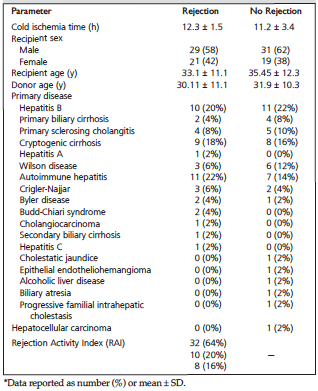
Table 2. Demographic and Clinical Characteristics of Study Patients
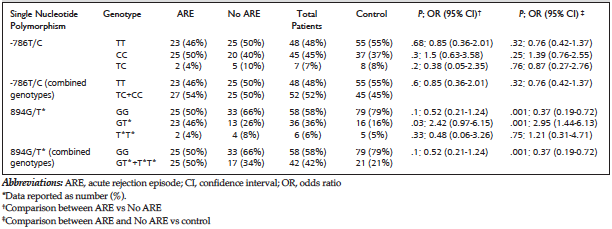
Table 3. Genotype Frequencies of Endothelial Nitric Oxide Synthase Genes and Incidence of Acute Rejection Episodes in Patients and Comparison With Control Group*
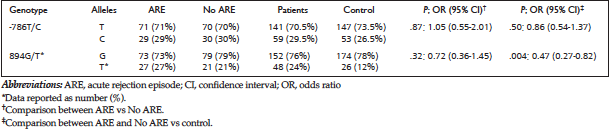
Table 4. Allele Frequency With Incidence of Acute Rejection in Study Patients and Comparison With Control Group*
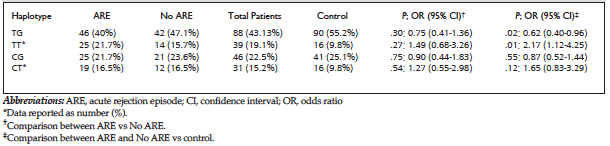
Table 5. Haplotype Frequencies of Endothelial Nitric Oxide Synthase Genes With Incidence of Acute Rejection in Patients and Control Groups*
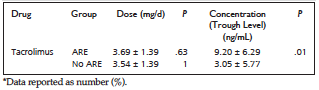
Table 6. Relation Between Tacrolimus Dose and Blood Concentration (Trough Level) With Incidence of Acute Rejection*
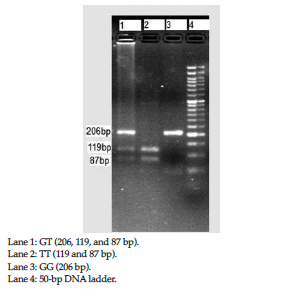
Figure 1. The rs1799983 Gene Polymorphism
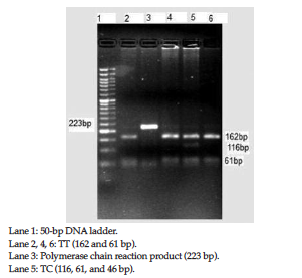
Figure 2. The rs2070744 Gene Polymorphism