Volume: 14 Issue: 3 June 2016
FULL TEXT
There is a misconception among transplant clinicians that contraception after a successful renal transplant is challenging. This is partly due to the complex nature of transplant patients, where immunosuppression and graft dysfunction create major concerns. In addition, good evidence regarding contraception and transplant is scarce, with most of the evidence extrapolated from observational and case-controlled studies, thus adding to the dilemma of treating these patients. In this review, we closely analyzed the different methods of contraception and critically evaluated the efficacy of the different options for contraception after kidney transplant.
We conclude that contraception after renal transplant is successful with acceptable risk. A multidisciplinary team approach involving obstetricians and transplant clinicians to decide the appropriate timing for conception is recommended. Early counseling on contraception is important to reduce the risk of unplanned pregnancies, improve pregnancy outcomes, and reduce maternal complications in patients after kidney transplant. To ascertain appropriate advice on the method of contraception, individualizing the method of contraception according to a patient’s individual risks and expectations is essential.
Key words : Intrauterine device, Pregnancy, Contraception, Transplantation
Introduction
The first successful pregnancy in a kidney transplant recipient was reported in 1967.1 Since then, pregnancy after kidney transplant has become increasingly common.2,3 In 2006, Josephson and McKay reported greater than 14 000 births after successful pregnancies in women with transplanted organs worldwide.4 The risk of rejection with the invention of modern immunosuppression has been reduced significantly, resulting in an increasing number of women of reproductive age with good functioning grafts.5,6 Ovulation may start as soon as 1 month after transplant; therefore, it is crucial to plan for a timely, safe conception and effective maternity care.6-8
In 2010, the National Transplantation Pregnancy Registry, founded in 1991 in the United States, reported a 52.4-month mean time from transplant to conception.9 However, a meta-analysis of 50 studies reported a shorter time of 38.4 months.10 Evidence suggests that a period of 1 year after transplant appears to be sufficient to minimize the risk of adverse events due to pregnancy,11,12 as possible risks of acute rejection and graft loss3,6,13 and prematurity will be less after this time.14,15 Adequate graft function before conception (no proteinuria and well-controlled blood pressure) is the key factor toward a safe pregnancy because these 2 conditions are associated with poor outcomes to fetus and pregnant mothers after kidney transplant.16,17 Major complications to the fetus in pregnant transplant recipients include prematurity, intrauterine growth retardation, and low birth weight.18-20 The preterm delivery rate is 40% to 60% (whereas it is 5%-15% in the general population).21,22 Registry data have described pregnancy outcomes and maternal complications after kidney transplant (Table 1).9,13 Preeclampsia develops in 30% of pregnant kidney transplant patients,23 with additional risks that include hypertension and poor graft function. In a 2015 retrospective cohort study, Chakhtoura and associates retrospectively followed 129 women on dialysis and after kidney transplant.24 They showed a higher rate of obstetric complications and abnormal smear tests after transplant than before dialysis. Consequently, this study suggested that, after kidney transplant, patients must be closely followed to identify and treat gynecologic issues before and after conception.24 A systematic review and meta-analysis of 1343 studies published between 2000 and 2010 (National Transplantation Pregnancy Registry) reporting data on pregnancy outcomes after kidney transplant were reviewed, with 50 studies selected based on inclusion criteria, representing 4706 pregnancies in 3570 kidney recipients. The overall live birth rate was higher in the kidney recipients than in the general population (73.5% vs 66.7%), with lower rate of miscarriage (14.0% vs 17.1%). However, preeclampsia (27.0% vs 3.8%), gestational diabetes (8.0% vs 3.9%), cesarean delivery (56.9% vs 31.9%), and preterm delivery (45.6% vs 12.5%) were significantly higher in the kidney recipients than in the general population.10 In 2011, Xu and associates surveyed 647 female kidney recipients and found 133 unplanned pregnancies in 98 recipients. They concluded that education of patients during work-up for kidney transplant with their partners about the risks regarding unplanned pregnancy is important, since both are involved in the decision of choosing the method of contraception that is appropriate for them and the timing of pregnancy. The treating physician and the transplant nurse are the most suitable to provide initial counseling and to reinforce this advice in the outpatient setting.25
Contraception After Kidney Transplantation: Facts and Concerns
Given the pregnancy-associated risks described and the fact that fertility can
be efficiently reverted within 1 to 6 months after kidney transplant; it is
essential that methods of contraception are discussed before and initiated soon
after transplant surgery to prevent premature, unplanned, and unadvised
pregnancies.26 These measures would reduce the possible complications and
adverse events that might occur during pregnancy after kidney transplant. Other
concerns include optimization of immunosuppressive agents (Table 2)27 and
antihypertensive medications, since not all medications are safe during
pregnancy.28-30 Methyldopa and labetalol are safe during pregnancy, but others
drugs, such as hydralazine and calcium channel blockers, can be used.
Angiotensin-converting enzyme inhibitors and angiotensin II receptor antagonists
are contraindicated for their teratogenicity.
Methods of Contraception After Kidney Transplantation
There are 2 principal methods of permanent contraception and several temporary
methods (Table 3). Permanent methods include female tubal ligation and male
vasectomy. Vasectomy has the advantage of having less associated risks of
ectopic pregnancy than tubal ligation, but it is a nonreversible and invasive
procedure. Temporary methods involve the use of combined hormonal oral
contraception, intrauterine devices, vaginal rings, subcutaneous implants,
barriers, and natural methods like coitus interruptus.
Combined hormonal contraceptives
The US Centers for Disease Control drafted guidelines for different methods of
contraception, including recommendations after solid-organ transplant.31
Combined hormonal contraceptives are classified as category 4 in complicated
transplant.31 Contraceptives containing estrogen and progestin are commonly used
in daily practice as they are highly effective and with minimal failure rate
(Pearl index, 0.1). In 1981, McLure32 described the failure rates of different
contraceptive methods (Table 4) using the Pearl index. The risks with combined
hormonal contraceptives are attributed to the estrogen component of these
formulations, including exacerbation of migraine headaches, the risk of
thromboembolism, and worsening hypertension control.33,34 In a study of 26 women
who used combined low-dose oral contraceptives after renal transplant for at
least 18 months, no pregnancy was reported. Combined hormonal contraceptives
were prescribed as the main contraceptive method in 58% of women in the study
population. In 42% of women, combined hormonal contraceptives were additionally
used for reducing the development of ovarian cysts and menorrhagia. These drugs
were found to regulate menstrual bleeding patterns and may protect from ovarian
cysts.35 Contraceptive therapy was stopped in only 2 patients (0.52%): for
profound venous thrombosis in 1 patient and deterioration of liver function in
the other patient. Combined hormonal contraceptives are primarily metabolized by
the cytochrome P4503A4 system; hence, careful attention regarding the drugs’
interactions with calcineurin inhibitors is important in female kidney
transplant recipients.36 Patients who have a history of myocardial infarction,
stroke, deep venous thrombosis, migraine, and uncontrolled hypertension and
patients who have active liver disease or hepatic adenoma are advised not to use
combined hormonal contraceptives, as they may aggravate these conditions.26
Depot medroxyprogesterone acetate
Depot medroxyprogesterone acetate (DMPA; Depo-Provera, Pfizer, New York, NY,
USA) is a synthetic progestin with slow release over 3 months. It is a highly
effective and safe contraceptive method. The failure rate is only 2% due to
delay in repeat injections. The reversible decrease in bone density is a concern
that normalizes on DMPA cessation.36 The major concern of DMPA is the
thromboembolic risk.37,38 Depot medroxyprogesterone acetate has the advantage of
no drug interactions with immunosuppressive medications of transplant patients
and is a good choice as long as patients are motivated to adhere to the
injection schedule. The metabolism of DMPA is through the liver; therefore, it
is not recommended for those with active liver disease.39-41
Etonogestrel implant
The etonogestrel implant is a single silastic rod (Figure 1) implanted
subcutaneously in the upper arm.41 The effectiveness is > 99%, and the
protection lasts for 3 years. On removal, the etonogestrel drops rapidly, with
most patients ovulating after 3 weeks. The adverse effect of this method is the
bleeding irregularity encountered in a minority of patients.41 Etonogestrel
implant has risk-benefit features similar to DMPA but has been shown to cause
fewer decreases in bone mineral density, a concern that is also commonly
encountered after transplant due to the effect of steroids on bones.44
Etonogestrel implant, a new method of contraception for female kidney
recipients, can be safely advised, is highly effective, and is rapidly
reversible.45
Transdermal contraceptive patch
This system delivers estrogen and progesterone through the transdermal route
using a patch placed on the abdomen. The circulating levels of estrogen are
substantially higher than with combined hormonal contraceptives. In 2007, Jick
and associates showed that the risk with this method is similar to that shown
with combined hormonal contraceptives. They evaluated an additional 17 months of
data concerning nonfatal venous thromboembolism events for the contraceptive
patch, documenting a risk similar to combined hormonal contraceptives.36,46
Some
studies have shown more than 2-fold increase in the risk of venous
thromboembolism associated with this method.47
Progestin-only pills
The advantage of progestin-only pills is the avoidance of estrogen-related
risks.48 The significant incidence of amenorrhea and the 5% failure rate during
the first year are the major concerns; this rate drops to < 0.5% if used
correctly and constantly. Progestin-only pills require ensured compliance to
reduce failure rates.49 Progestin-only pills are orally administered, and,
unlike DMPA and etonogestrel implant, they undergo the first-pass metabolism
through the liver. Interactions with medications that are metabolized by the
liver can occur with progestin-only pills, and they should be avoided in
patients with liver disease. Their interaction with calcineurin inhibitors
requires proper calcineurin inhibitor monitoring posttransplant. Progestin-only
pills increase the risk of weight gain, and both progestin-only pills and
calcineurin inhibitors alter the metabolism of lipids in female kidney
recipients. Female kidney recipients who smoke or are at risk for cardiovascular
problems such as high blood pressure may be able to use progestin-only pills
since combined hormonal contraceptives are usually contraindicated for them.
Intrauterine devices
Intrauterine devices (IUDs) are classified as category 2 compared with combined
pills, which are classified as category 4 in complicated transplants.31
Currently available data suggest that immunocompromised women are not at greater
risk of developing pelvic infections.41,50,51 Sinei and associates studied the
complications of IUDs among 649 women with human immunodeficiency virus
infection and confirmed no increased risk of infection versus patients without
human immunodeficiency virus infection.50 However, many studies indicated that
the risk of infection is significantly increased immediately after IUD insertion
in immunocompromised patients.51 Grimes and associates studied the use of
antibiotic prophylaxis for IUD insertion but found this conferred little
benefit.51 The advantages of the IUD include easy insertion, long lasting, and
low failure rate (Pearl index, 1-3).52 The major advantage of using IUDs is that
the effect is reversible after IUD removal, and immunosuppression drug
interaction is not a concern in women with kidney transplants. In addition, it
is not associated with increased risk of thromboembolism. A prospective study (n
= 649) showed no increase in overall complications in women regardless of immune
status.50 A more recent randomization study (2007) with 599 participants showed
no differences in infectious morbidity.51 The levonorgestrel-releasing
intrauterine system was shown to reduce menstrual blood loss.54,55 Many of the
studies did not control for potential confounders such as prior pelvic
inflammatory disease, sexual behavior, and the presence of sexually transmitted
diseases.56 Previous ectopic pregnancy and history of pelvic inflammation are
contraindications to the use of IUDs.57,58 Copper IUD (ParaGard, Teva Women’s
Health, North Wales, PA, USA) and the levonorgestrel-releasing intrauterine
system (Mirena, Bayer HealthCare Pharmaceuticals Inc., Whippany, NJ, USA)
(Figure 2) are both effective and safe to use after kidney transplant.59 Copper
IUD has an effective duration of 10 years, and the levonorgestrel-releasing
intrauterine system lasts for 5 years, rendering these cost-effective and
long-lasting methods of contraception for women with kidney transplants.60
Theoretically, posttransplant immunosuppressive medications may decrease the
efficacy of IUDs, possibly because they modify the leucocyte response. However,
there is no solid evidence suggesting that the safety and effectiveness of the
IUD would be compromised in the transplant patient.
The vaginal ring
The vaginal ring (NuvaRing; Organon, Oss, The Netherlands, a subsidiary of Merck
& Co., Inc., Whitehouse Station, NJ, USA) is a silastic ring (Figure 3) that is
impregnated with etonogestrel and ethinyl estradiol.60 It is effective (Pearl
index, 1-3),62 controls the menstrual cycles,63 and has the advantage of a lower
concentration of ethinyl estradiol compared with combined hormonal
contraceptives, thus minimizing the adverse events related to ethinyl
estradiol.62,64,65 In a randomized trial, the vaginal ring group showed that
exposure to ethinyl estradiol was significantly 3.4 times lower than in the
patch group and 2.1 times lower than in the combined hormonal contraception
group. Serum ethinyl estradiol levels of patients showed much lower variations
with the vaginal ring than with the patch or combined hormonal contraceptives.64
Barrier methods of contraception
Barriers (condoms, spermicides, diaphragm, cervical cap, sponges) are less
effective contraceptive methods for organ transplant recipients due to the
relatively high failure rate (Pearl index, 0.4-1.6) and the difficulty in
achieving compliance.26,32 Barrier success rate can reach 97% if used correctly
and consistently. They have the advantage of being a convenient and easy to use
method of contraception while also avoiding potential drug interactions,
especially with immunosuppressive medications. All of these barrier methods can
be used posttransplant but are best when combined with another method of birth
control to reduce their potential failure rate.26 Education of couples regarding
this method of contraception encourages awareness and compliance and may reduce
the failure rate of this method.66
Summary
Pregnancy after kidney transplant is normal and commonly encountered,67,68 although the risk of maternal and fetal complications is higher than in the general population.16,21,69 Early counseling, ideally before transplant, to discuss the methods of contraception and to allow women to make an informed choice regarding contraception and subsequent pregnancy is of paramount importance. It sounds logical that patients must be made aware of the benefits and risks of each method used after transplant by proper education. An effective and suitable contraception is important to reduce the risk of unplanned pregnancy.70-73 Women must be aware of the effects of pregnancy on graft function, fetal well-being, and maternal complications. These risks associated with pregnancy after kidney transplant may encourage some patients to select a permanent method of contraception if they do not want children.
Kidney transplant recipients are advised to delay pregnancy for a minimum of 1 year after transplant to reduce potential neonatal and maternal complications.74 Different methods of contraception can be used after kidney transplant. Combined hormonal contraceptives are commonly used for their effectiveness. The benefits of estrogen-based contraceptives in an uncomplicated stable transplant recipient who have no contraindication to use combined hormonal contraceptives likely outweigh the potential for harm. Intrauterine devices are an effective method of contraception and should be considered as a safe and an effective method after transplant with no evidence to suggest increased infection rate in kidney transplant recipients.75 Permanent methods of contraception are valid options for couples who decide not to have children. A multidisciplinary team approach involving obstetricians and nephrologists should be adopted to decide the appropriate timing for conception, ascertain appropriate follow-up, and advise on methods of contraception that suit the patient. There is no ideal contraceptive method; the best is to individualize the method of contraception according to a patient’s individual risk.
References:
- Josephson MA, McKay DB. Pregnancy in the renal transplant recipient.
Obstet Gynecol Clin North Am. 2010;37(2):211-222.
CrossRef - PubMed - Scott LJ, McKeage K, Keam SJ, Plosker GL. Tacrolimus: a further update
of its use in the management of organ transplantation. Drugs.
2003;63(12):1247-1297.
CrossRef - PubMed - McKay DB, Josephson MA, Armenti VT, et al. Reproduction and
transplantation: report on the AST Consensus Conference on Reproductive
Issues and Transplantation. Am J Transplant. 2005;5(7):1592-1599.
CrossRef - PubMed - McKay DB, Josephson MA. Pregnancy in recipients of solid organs--effects
on mother and child. N Engl J Med. 2006;354(12):1281-1293.
CrossRef - PubMed - Concepcion BP, Schaefer HM. Caring for the pregnant kidney transplant
recipient. Clin Transplant. 2011;25(6):821-829.
CrossRef - PubMed - Josephson MA, McKay DB. Pregnancy and kidney transplantation. Semin
Nephrol. 2011;31(1):100-110.
CrossRef - PubMed - McKay DB, Josephson MA. Pregnancy after kidney transplantation. Clin J
Am Soc Nephrol. 2008;3 Suppl 2:S117-125.
CrossRef - PubMed - McKay DB, Adams PL, Bumgardner GL, et al. Reproduction and pregnancy in
transplant recipients: current practices. Prog Transplant.
2006;16(2):127-132.
CrossRef - PubMed - Coscia LA, Constantinescu S, Moritz MJ, et al. Report from the National
Transplantation Pregnancy Registry (NTPR): outcomes of pregnancy after
transplantation. Clin Transpl. 2010:65-85.
PubMed - Deshpande NA, James NT, Kucirka LM, et al. Pregnancy outcomes in kidney
transplant recipients: a systematic review and meta-analysis. Am J
Transplant. 2011;11(11):2388-2404.
CrossRef - PubMed - Armenti VT, Moritz MJ, Davison JM. Drug safety issues in pregnancy
following transplantation and immunosuppression: effects and outcomes. Drug
Saf. 1998;19(3):219-232.
CrossRef - PubMed - Kim HW, Seok HJ, Kim TH, Han DJ, Yang WS, Park SK. The experience of
pregnancy after renal transplantation: pregnancies even within postoperative
1 year may be tolerable. Transplantation. 2008;85(10):1412-1419.
CrossRef - PubMed - Coscia LA, Constantinescu S, Moritz MJ, et al. Report from the National
Transplantation Pregnancy Registry (NTPR): outcomes of pregnancy after
transplantation. Clin Transpl. 2008:89-105.
PubMed - Christopher V, Al-Chalabi T, Richardson PD, et al. Pregnancy outcome
after liver transplantation: a single-center experience of 71 pregnancies in
45 recipients. Liver Transpl. 2006;12(7):1138-1143.
CrossRef - PubMed - Alkhunaizi A, Melamed N, Hladunewich MA. Pregnancy in advanced chronic
kidney disease and end-stage renal disease. Curr Opin Nephrol Hypertens.
2015;24(3):252-259.
CrossRef - PubMed - Lopez V, Martinez D, Vinolo C, et al. Pregnancy in kidney transplant
recipients: effects on mother and newborn. Transplant Proc.
2011;43(6):2177-2178.
CrossRef - PubMed - Imbasciati E, Gregorini G, Cabiddu G, et al. Pregnancy in CKD stages 3
to 5: fetal and maternal outcomes. Am J Kidney Dis. 2007;49(6):753-762.
CrossRef - PubMed - Naqvi R, Noor H, Ambareen S, et al. Outcome of pregnancy in renal
allograft recipients: SIUT experience. Transplant Proc.
2006;38(7):2001-2002.
CrossRef - PubMed - Lely AT, van Londen M, Navis G. Gestational hypertension and
preeclampsia in living kidney donors. N Engl J Med. 2015;372(15):1468-1469.
CrossRef - PubMed - Boubaker K, Mahfoudhi M, Abderrahim E, Ben Abdallah T, Kheder A. [Pregnancy
and kidney transplantation: report of 10 cases]. Pan Afr Med J. 2015;20:292.
CrossRef - PubMed - Stratta P, Canavese C, Giacchino F, Mesiano P, Quaglia M, Rossetti M.
Pregnancy in kidney transplantation: satisfactory outcomes and harsh
realities. J Nephrol. 2003;16(6):792-806.
PubMed - Norrman E, Bergh C, Wennerholm UB. Pregnancy outcome and long-term
follow-up after in vitro fertilization in women with renal transplantation.
Hum Reprod. 2015;30(1):205-213.
CrossRef - PubMed - EBPG Expert Group on Renal Transplantation. European best practice
guidelines for renal transplantation. Section IV: Long-term management of
the transplant recipient. IV.10. Pregnancy in renal transplant recipients.
Nephrol Dial Transplant. 2002;17 Suppl 4:50-55.
CrossRef - PubMed - Chakhtoura Z, Meunier M, Caby J, et al. Gynecologic follow up of 129
women on dialysis and after kidney transplantation: a retrospective cohort
study. Eur J Obstet Gynecol Reprod Biol. 2015;187:1-5.
CrossRef - PubMed - Xu, L, Yang, Y, Shi, J.G, Wang, et al. Unwanted pregnancy among Chinese
renal transplant recipients. Eur J Contracept Reprod Health Care.
2011;16:270–276.
CrossRef - PubMed - Karkar A. Pregnancy and contraceptive issues in renal transplant
recipients. Saudi J Kidney Dis Transpl. 2008;19(2):165-173.
PubMed - Tillett J. Medication use during pregnancy and lactation: the new FDA
drug labeling. J Perinat Neonatal Nurs. 2015;29(2):97-99.
CrossRef - PubMed - Kim H, Jeong JC, Yang J, et al. The optimal therapy of calcineurin
inhibitors for pregnancy in kidney transplantation. Clin Transplant.
2015;29(2):142-148.
CrossRef - PubMed - Akturk S, Celebi ZK, Erdogmus S, et al. Pregnancy after kidney
transplantation: outcomes, tacrolimus doses, and trough levels. Transplant
Proc. 2015;47(5):1442-1444.
CrossRef - PubMed - Easterling T, Bracken H, Mundle S, Magee L, vonDadelszen P, Winikoff B.
[238-POS]: Oral antihypertensive regimens for management of severe
hypertension in pregnancy: Results from a pilot study in India. Pregnancy
Hypertens. 2015;5(1):120.
CrossRef - - Centers for Disease C, Prevention. US Medical Eligibility Criteria for Contraceptive Use, 2010. MMWR Recomm Rep. 2010;59(RR-4):1-86.
- McLure Z. Failure rates of contraceptive methods. Fam Plann Inf Serv.
1981;1(6):59-61.
PubMed - Pitts SA, Emans SJ. Controversies in contraception. Curr Opin Pediatr.
2008;20(4):383-389.
CrossRef - PubMed - Merki-Feld GS, Imthurn B, Langner R, Seifert B, Gantenbein AR. Positive
effects of the progestin desogestrel 75 mug on migraine frequency and use of
acute medication are sustained over a treatment period of 180 days. J
Headache Pain. 2015;16:522.
CrossRef - PubMed - Pietrzak B, Kaminski P, Wielgos M, Bobrowska K, Durlik M. Combined oral
contraception in women after renal transplantation. Neuro Endocrinol Lett.
2006;27(5):679-682.
PubMed - Jick S, Kaye JA, Li L, Jick H. Further results on the risk of nonfatal
venous thromboembolism in users of the contraceptive transdermal patch
compared to users of oral contraceptives containing norgestimate and 35
microg of ethinyl estradiol. Contraception. 2007;76(1):4-7.
CrossRef - PubMed - Altinoz MA, Ozdilli K, Carin MN, Gedikoglu G. Medroxyprogesterone -
valproic acid - aspirin. MVA regime to reduce transfusion associated
mortality in late-term hemoglobinopathies. Hypothesis and rationale. Med
Hypotheses. 2007;68(6):1342-1347.
CrossRef - PubMed - van Hylckama Vlieg A, Helmerhorst FM, Rosendaal FR. The risk of deep
venous thrombosis associated with injectable depot-medroxyprogesterone
acetate contraceptives or a levonorgestrel intrauterine device. Arterioscler
Thromb Vasc Biol. 2010;30(11):2297-2300.
CrossRef - PubMed - Bakry S, Merhi ZO, Scalise TJ, Mahmoud MS, Fadiel A, Naftolin F. Depot-medroxyprogesterone
acetate: an update. Arch Gynecol Obstet. 2008;278(1):1-12.
CrossRef - PubMed - Zhou J, Lei ZW, Lu JQ, Sun J, Xu XW. [Conservative surgery combined with
depot medroxyprogesterone acetate in treatment of moderate or severe
endometriosis]. Zhonghua Fu Chan Ke Za Zhi. 2005;40(1):5-8.
PubMed - Nanda K, Amaral E, Hays M, Viscola MA, Mehta N, Bahamondes L.
Pharmacokinetic interactions between depot medroxyprogesterone acetate and
combination antiretroviral therapy. Fertil Steril. 2008;90(4):965-971.
CrossRef - PubMed - Guida M, Visconti F, Cibarelli F, et al. Counseling and management of
patients requesting subcutaneous contraceptive implants: proposal for a
decisional algorithm. Gynecol Endocrinol. 2014;30(7):525-531.
CrossRef - PubMed - Simon P, Sternon J. [Etonorgestrel (Implanon) subcutaneous implant]. Rev
Med Brux. 2000;21(2):105-109.
PubMed - Bahamondes L, Monteiro-Dantas C, Espejo-Arce X, et al. A prospective
study of the forearm bone density of users of etonorgestrel- and
levonorgestrel-releasing contraceptive implants. Hum Reprod.
2006;21(2):466-470.
CrossRef - PubMed - Funk S, Miller MM, Mishell DR, Jr., et al. Safety and efficacy of
Implanon, a single-rod implantable contraceptive containing etonogestrel.
Contraception. 2005;71(5):319-326.
CrossRef - PubMed - Jick SS, Kaye JA, Russmann S, Jick H. Risk of nonfatal venous
thromboembolism in women using a contraceptive transdermal patch and oral
contraceptives containing norgestimate and 35 microg of ethinyl estradiol.
Contraception. 2006;73(3):223-228.
CrossRef - PubMed - Cole JA, Norman H, Doherty M, Walker AM. Venous thromboembolism,
myocardial infarction, and stroke among transdermal contraceptive system
users. Obstet Gynecol. 2007;109(2 Pt 1):339-346.
CrossRef - PubMed - Archer DF, Ahrendt HJ, Drouin D. Drospirenone-only oral contraceptive:
results from a multicenter noncomparative trial of efficacy, safety and
tolerability. Contraception. 2015;92(5):439-444.
CrossRef - PubMed - Cecil M, Nelson AL, Trussell J, Hatcher R. If the condom doesn't fit,
you must resize it. Contraception. 2010;82(6):489-490.
CrossRef - PubMed - Sinei SK, Morrison CS, Sekadde-Kigondu C, Allen M, Kokonya D.
Complications of use of intrauterine devices among HIV-1-infected women.
Lancet. 1998;351(9111):1238-1241.
CrossRef - PubMed - Grimes DA. Intrauterine device and upper-genital-tract infection. Lancet.
2000;356(9234):1013-1019.
CrossRef - PubMed - Bahamondes MV, Hidalgo MM, Bahamondes L, Monteiro I. Ease of insertion
and clinical performance of the levonorgestrel-releasing intrauterine system
in nulligravidas. Contraception. 2011;84(5):e11-16.
CrossRef - PubMed - Stringer EM, Kaseba C, Levy J, et al. A randomized trial of the
intrauterine contraceptive device vs hormonal contraception in women who are
infected with the human immunodeficiency virus. Am J Obstet Gynecol.
2007;197(2):144.e1-8.
CrossRef - PubMed - Heikinheimo O, Lehtovirta P, Suni J, Paavonen J. The levonorgestrel-releasing
intrauterine system (LNG-IUS) in HIV-infected women--effects on bleeding
patterns, ovarian function and genital shedding of HIV. Hum Reprod.
2006;21(11):2857-2861.
CrossRef - PubMed - Sivin I, Stern J. Health during prolonged use of levonorgestrel 20
micrograms/d and the copper TCu 380Ag intrauterine contraceptive devices: a
multicenter study. International Committee for Contraception Research (ICCR).
Fertil Steril. 1994;61(1):70-77.
PubMed - Grimes DA. Intrauterine devices and pelvic inflammatory disease: recent
developments. Contraception. 1987;36(1):97-109.
CrossRef - PubMed - Urwin J. Contraception. Choice advice. Nurs Times. 1994;90(26):56-58.
- Urwin J. Current issues in contraception. Nurs Stand. 1997;11(19):39-43; quiz 44-35.
- Culwell KR, Curtis KM. Use of contraceptive methods by women with
current venous thrombosis on anticoagulant therapy: a systematic review.
Contraception. 2009;80(4):337-345.
CrossRef - PubMed - Burkman RT. Intrauterine devices. Curr Opin Obstet Gynecol.
1991;3(4):482-485.
CrossRef - PubMed - Paresi RJ, Jr., Myers RS, Matarasso A. Contraceptive Vaginal Rings: Do
They Pose an Increased Risk of Venous Thromboembolism in Aesthetic Surgery?
Aesthet Surg J. 2015;35(6):721-727.
CrossRef - PubMed - Pandit SN, Chauhan AR, Anagani M, Reddy S, Birla A, Ray SK. Multicenter
Study of Contraceptive Vaginal Ring (NuvaRing((R))) in Normal Daily Practice
in Indian Women. J Obstet Gynaecol India. 2014;64(6):409-416.
CrossRef - PubMed - Vree M. Lower hormone dosage with improved cycle control. Eur J
Contracept Reprod Health Care. 2002;7 Suppl 2:25-30.
PubMed - Roumen FJ, Dieben TO. Comparison of uterine concentrations of ethinyl
estradiol and etonogestrel after use of a contraceptive vaginal ring and an
oral contraceptive. Fertil Steril. 2006;85(1):57-62.
CrossRef - PubMed - Timmer CJ, Mulders TM. Pharmacokinetics of etonogestrel and
ethinylestradiol released from a combined contraceptive vaginal ring. Clin
Pharmacokinet. 2000;39(3):233-242.
CrossRef - PubMed - van den Heuvel MW, van BragtAJM, Alnabawy AKM, Kaptein MCJ. Comparison
of ethinylestradiol pharmacokinetics in three hormonal contraceptive
formulations:the vaginal ring, the transdermal patch and an oral
contraceptive. Contraception. 2005; 72, 168–174.
CrossRef - PubMed - Sibanda N, Briggs JD, Davison JM, Johnson RJ, Rudge CJ. Pregnancy after
organ transplantation: a report from the UK Transplant pregnancy registry.
Transplantation. 2007;83(10):1301-1307.
CrossRef - PubMed - Ibrahim HN, Akkina SK, Leister E, et al. Pregnancy outcomes after kidney
donation. Am J Transplant. 2009;9(4):825-834.
CrossRef - PubMed - Debska-Slizien A, Galgowska J, Chamienia A, et al. Pregnancy after
kidney transplantation: a single-center experience and review of the
literature. Transplant Proc. 2014;46(8):2668-2672.
CrossRef - PubMed - Szymusik I, Szpotanska-Sikorska M, Mazanowska N, Ciszek M, Wielgos M,
Pietrzak B. Contraception in women after organ transplantation. Transplant
Proc. 2014;46(10):3268-3272.
CrossRef - PubMed - Davison JM, Lind T, Uldall PR. Planned pregnancy in a renal transplant
recipient. Br J Obstet Gynaecol. 1976;83(7):518-527.
CrossRef - PubMed - Rafie S, Lai S, Garcia JE, Mody SK. Contraceptive use in female
recipients of a solid-organ transplant. Prog Transplant. 2014;24(4):344-348.
CrossRef - PubMed - Trubian A, Zaza G, Rugiu C, Tomei P, Lupo A. [Post-renal transplant
pregnancy: a project to plan carefully]. G Ital Nefrol. 2012;29(3):308-320.
PubMed - Rocha A, Cardoso A, Malheiro J, et al. Pregnancy after kidney
transplantation: graft, mother, and newborn complications. Transplant Proc.
2013;45(3):1088-1091.
CrossRef - PubMed - Watnick S, Rueda J. Reproduction and contraception after kidney
transplantation. Curr Opin Obstet Gynecol. 2008;20(3):308-312.
CrossRef - PubMed

Volume : 14
Issue : 3
Pages : 252 - 258
DOI : 10.6002/ect.2015.0278
From the 1Nephrology Unit, Ibn Sina Hospital, Khartoum, Sudan; the
2Faculty of
Health and Science, Institute of Learning and Teaching, University of Liverpool,
Liverpool; and the 3Sheffield Teaching Hospitals, Sheffield, UK
Acknowledgements: The authors declare that they have no sources of funding for
this study, and they have no conflicts of interest to declare.
In the memory of Dr. Mohamed Elamin Awad Yousif who passed away on 13/03/16. May
Allah bless his soul
Corresponding author: Ahmed Halawa, Renal Transplant Unit, Sheffield Teaching
Hospital, University of Sheffield - University of Liverpool, United Kingdom
Phone: +44 77 8754 2128
Fax: +44 11 4271 4604
E-mail: ahmed.halawa@sth.nhs.uk
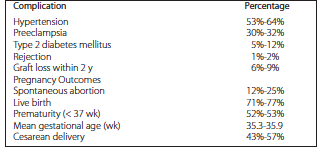
Table 1. Complications and Pregnancy Outcomes in Female Patients After Kidney Transplantation
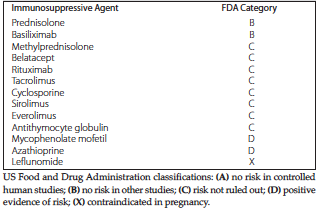
Table 2. Immunosuppressive Medication Categories by the US Food and Drug Administration
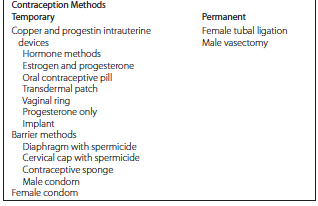
Table 3. Summary of Contraception Methods
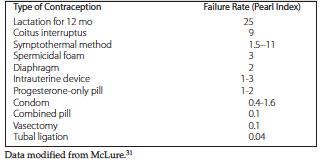
Table 4. Failure Rates of Different Contraceptive Methods (Pearl Index)
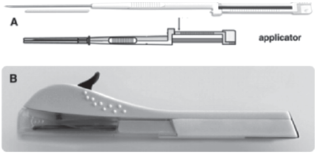
Figure 1. Etonogestrel Implant
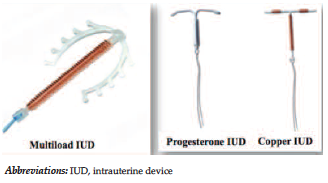
Figure 2. Copper Intrauterine Device and Levonorgestrel-Releasing Intrauterine System
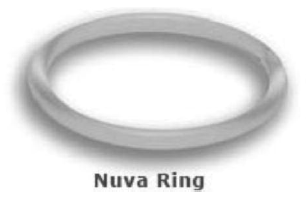
Figure 3. Vaginal Ring