Volume: 14 Issue: 3 June 2016
FULL TEXT
Chronic hepatitis C virus infection is a substantial health care burden worldwide and is the leading cause of liver transplant in adults. In patients with detectable hepatitis C virus RNA at the time of transplant, interferon-based therapies for hepatitis C virus were poorly tolerated with low virologic response rates. Although reinfection after transplant is inevitable, the recent advent of direct-acting antiviral agents has revolutionized treatment of hepatitis C virus in the pre- and posttransplant settings. These antiviral agents have been shown to have high-sustained virologic response rates, shorter courses of treatment, and decreased frequencies of adverse effects. Here, we review the current literature on the use of direct-acting agents for treatment of patients with hepatitis C virus before and after liver transplant.
Key words : HCV, Liver transplantation
Introduction
Hepatitis C virus (HCV) is the most common indication for liver transplant in the United States and Europe.1 However, patient survival for HCV has been historically the lowest of all indications for liver transplant.2,3 The main reason for the poor outcome is related to viral recurrence that occurs uniformly and to recurrent liver disease that occurs in up to 30% of patients within 5 years after liver transplant.4-7 The need for liver transplant has increased not only for decompensated liver disease but also for hepatocellular carcinoma and for the aging cohort of HCV-infected patients seeking medical care.8
Achieving a sustained virologic response (SVR) with antiviral therapy is associated with improved clinical outcomes in liver transplant recipients,7,9 and at present, the availability of direct-acting agents has dramatically transformed the treatment of HCV. Whereas antiviral therapy with interferon was associated with significant adverse effects, interferon-free therapy has been found to be safe, tolerable, and effective.10 These direct-acting agents are classified according to their mode of action and differ in potency, barrier to resistance, dosing, and drug-drug interactions.11
The treatment of HCV in liver transplant recipients can occur at different time points along the continuum of liver disease. Treatment may be initiated before liver transplant in patients with compensated or decompensated cirrhosis, immediately after transplant, or after when disease reoccurs after transplant. Here, we review the use of antiviral therapies both in patients who are candidates for liver transplant and in recipients after liver transplant.
Pretransplant
Achieving an SVR has clearly been associated with improved clinical outcomes in patients with advanced liver disease.12 Liver-related mortality, need for liver transplant, hepatocellular carcinoma, and hepatic decompensation are all decreased with an SVR.13-16 Moreover, achieving an SVR before liver transplant reduces risk of graft reinfection after transplant.17 Although the likelihood of achieving an SVR is greatly enhanced with the use of interferon-free regimens, the decision to treat should include discussions regarding likelihood of developing resistant variants and possible delay of liver transplant. Sustained virologic response rates are lower in patients with Child-Pugh class B and C, and liver transplant centers may be unlikely to offer an HCV-positive graft to a patient who has been cured of HCV infection.
The introduction of interferon-free regimens has lowered the threshold to treat patients with HCV. Whereas the severe thrombocytopenia was a contraindication for interferon therapy, the platelet threshold for many clinical trials has been lowered to 50 000 per mm3.18 Interferon-free regimens include sofosbuvir and ribavirin, sofosbuvir and ledipasvir (with or without ribavirin), sofosbuvir and simeprevir (with or without ribavirin), and a triple combination (ombitasvir, paritaprevir plus ritonavir, dasabuvir) with ribavirin.
Interferon-free regimens in compensated cirrhosis
Sofosbuvir and ribavirin have been studied in patients with compensated liver
cirrhosis awaiting liver transplant. Curry and associates19 published
data on 61 patients treated with sofosbuvir and ribavirin. The median duration
of exposure to treatment was 21 weeks (range, 2.3-52.3 wk). In the report,
treatment resulted in rapid suppression of the virus in 54 of 58 patients (93%)
with undetectable HCV RNA levels after 1 week of treatment. Of note, the rate of
HCV RNA decrease was not dependent on Child-Pugh score or on prior history of
HCV treatment. Of the 46 patients who received a liver transplant, 43 had an
undetectable HCV RNA level at transplant. Thirty of the patients (70%)
maintained a posttransplant virologic response at 12 weeks, 10 patients (23%)
had recurrent infection, and 3 patients (7%) died. The HCV recurrence was
inversely related to the number of consecutive days of undetectable HCV RNA
before transplant. The median number of days with undetectable HCV RNA was 5.5
days (range, 0-88 d) in patients with recurrent HCV after transplant compared
with a median of 99.5 days (range, 1-473 d) in patients who remained HCV RNA
negative after transplant. No patient had a recurrence greater than 2 months of
undetectable HCV RNA before transplant. The most common adverse effects during
treatment were fatigue (38%), headache (23%), and rash (15%). Eleven patients
experienced serious adverse events, with 1 treatment-related death because of
sepsis. Two other patients discontinued treatment because of pneumonitis and
sepsis with renal failure.19
Sofosbuvir and ledipasvir with and without ribavirin also have been studied in patients with compensated cirrhosis.18,20-22 Gane and associates20 achieved high SVR rates using sofosbuvir and ledipasvir with ribavirin in patients with and without cirrhosis. A total of 113 patients underwent 12 weeks of treatment, with the primary endpoint being an SVR 12 weeks after cessation of treatment (SVR12). In patients with cirrhosis, this endpoint was achieved in 100% of patients who received sofosbuvir and ledipasvir with ribavirin and in 70% of those who received sofosbuvir and ledipasvir. In patients without cirrhosis, this endpoint was achieved in 100% of treatment-naïve patients given sofosbuvir and ledipasvir plus ribavirin for 12 weeks and in 17 of 25 patients (68%) who received sofosbuvir and ledipasvir with ribavirin for 6 weeks. Response rates were not significantly different between patients with or without cirrhosis. The most common adverse effects were headache, fatigue, and nausea. In this study, patients with cirrhosis had less adverse events than patients without cirrhosis did.20
A study by Lawitz and associates21 again showed that the combination of sofosbuvir and ledipasvir with ribavirin achieved high SVR rates in patients with cirrhosis. In the report, 100 patients, which included those without cirrhosis and those with compensated cirrhosis, were evaluated. In patients with compensated cirrhosis who could not continue with protease inhibitors, sofosbuvir and ledipasvir for 12 weeks resulted in SVR12 achieved in 18 of 19 patients (95%), whereas all 21 patients (100%) treated with sofosbuvir and ledipasvir with ribavirin achieved SVR12. In patients without cirrhosis, 19 of 20 patients (95%) achieved SVR12 with sofosbuvir and ledipasvir treatment for 8 weeks. In addition, all 21 patients (100%) treated with sofosbuvir and ledipasvir with ribavirin therapy for 8 weeks achieved SVR12, whereas 18 of 19 patients (95%) treated with sofosbuvir and ledipasvir for 12 weeks achieved SVR12. The authors concluded that the rates of response were similar regardless of presence or absence of cirrhosis or whether previous treatment had failed. The highest frequency of adverse effects was reported in the groups administered ribavirin. However, there were no patients who discontinued treatment.21
Afdhal and associates22 showed similar SVR rates and safety profiles in treatment of patients with cirrhosis versus those without cirrhosis. The trial was a large phase III open-label study involving 865 treatment-naïve patients with HCV genotype 1. The trial evaluated the safety and efficacy of sofosbuvir and ledipasvir with or without ribavirin for 12 and 24 weeks. Sixteen of the patients had cirrhosis and were randomized to the treatment groups. The study showed that 97% of patients (32 of 33) with cirrhosis in the 12-week sofosbuvir and ledipasvir group achieved SVR12. In the sofosbuvir and ledipasvir with ribavirin group, all patients with cirrhosis (33 of 33 patients) achieved SVR12. When treated for 24 weeks with sofosbuvir and ledipasvir, 31 of 32 patients with cirrhosis (97%) achieved SVR12; the addition of ribavirin to the treatment resulted in 100% (36 of 36 patients) achieving SVR12. There was no statistically significant difference between treatment durations or addition of ribavirin. In patients without cirrhosis, all patients who completed the 12-week treatment course achieved SVR12, both in the group with sofosbuvir and ledipasvir (179 patients) and in the group receiving sofosbuvir and ledipasvir with ribavirin (178 patients). In the 24-week treatment group, SVR12 was achieved in 99.5% (181 of 182 patients) of those who received sofosbuvir and ledipasvir and in 100% (179 of 179 patients) of those in the sofosbuvir and ledipasvir with ribavirin group. Overall, patients with cirrhosis had response rates similar to those without cirrhosis. The most common adverse events were fatigue, headache, nausea, and insomnia. Of the 33 patients who had serious adverse effects, 25 were in the 24-week treatment group. Patients with cirrhosis had a safety profile similar to those without cirrhosis.18,22
Afdhal and associates conducted another large phase III open-label study that enrolled 440 patients after treatment with pegylated interferon and ribavirin had failed. Of the patients included, 20% had cirrhosis. In patients with cirrhosis who underwent treatment for 12 weeks with sofosbuvir and ledipasvir, 19 of 22 patients (86%) achieved SVR12. With the addition of ribavirin, 18 of 22 patients (82%) achieved SVR12. With 24 weeks of sofosbuvir and ledipasvir, 22 of 22 patients with cirrhosis (100%) achieved SVR12. Similarly, with the addition of ribavirin, all 22 patients (100%) achieved SVR12. Again, there was no significant increase in response rate with the addition of ribavirin; however, a longer course of treatment appeared to yield a significantly increased SVR in the setting of cirrhosis and previous treatment failure. When patients without cirrhosis were examined, 83 of 87 patients (95%) in the 12-week treatment group with sofosbuvir and ledipasvir achieved SVR12, with 100% (89 of 89 patients) in the group treated with sofosbuvir and ledipasvir with ribavirin. In the 24-week treatment group, 86 of 87 patients (99%) achieved SVR12 with sofosbuvir and ledipasvir treatment and 88 of 89 patients (99%) with sofosbuvir and ledipasvir plus ribavirin treatment. Thus, patients with cirrhosis who received 24 weeks of treatment had response rates similar to those without cirrhosis. None of the patients discontinued treatment because of adverse events. The only serious adverse events were in the 24-week treatment group, with the ribavirin groups having higher rates of events.18
The ledipasvir and sofosbuvir combination was also evaluated by Bourliere and associates23 in a multicenter, double-blind trial in patients with cirrhosis who did not respond to previous protease inhibitor therapy. Patients were randomized to 2 treatment arms: ledipasvir, sofosbuvir, and ribavirin for 12 weeks or ledipasvir and sofosbuvir for 24 weeks. The study showed that SVR12 was achieved in 96% of patients in the ledipasvir-sofosbuvir plus ribavirin group and in 97% in the ledipasvir-sofosbuvir group. There was no statically significant difference in treatment efficacy between the 2 groups. Thus, the authors concluded that a shorter regimen when given ribavirin might be useful in patients with cirrhosis if longer treatment courses were not possible. The most frequent adverse events were headache, pruritus, and fatigue. Only 1 patient discontinued therapy secondary to adverse events during the placebo during a lead-in phase.
Another combination included the use of sofosbuvir plus simeprevir. Lawitz and associates evaluated sofosbuvir and simeprevir with or without ribavirin for 12 or 24 weeks in 167 patients with HCV genotype 1. In patients with compensated cirrhosis treated for 12 weeks with sofosbuvir and simeprevir, 6 of 7 patients (86%) achieved SVR12. With the addition of ribavirin, 91% (10 of 11 patients) achieved SVR12. With 24 weeks of treatment, 100% of patients (n = 10) who received sofosbuvir and simeprevir achieved SVR12, with 92% (12 of 13 patients) achieving SVR12 with the addition of ribavirin. The response rates were not significantly different with the addition of ribavirin or duration of treatment. The most common adverse effects were fatigue (31%), headache (20%), and nausea (16%). Four patients discontinued treatment because of adverse events and 2 patients died. The serious adverse events and deaths were deemed unrelated to study drugs. Safety profile was similar in patients with and without cirrhosis.24
In one of the largest clinical trials focusing on patients with cirrhosis, Poordad and associates25 demonstrated high SVR using paritaprevir with ritonavir, ombitasvir, dasabuvir, and ribavirin. The study included 380 patients with Child-Pugh class A cirrhosis who received antiviral treatment for either 12 or 24 weeks with the primary endpoint being SVR12. This endpoint was achieved by 191 patients (91.8%) who received treatment for 12 weeks and in 95.9% (165 patients) who received treatment for 24 weeks. The most common adverse effects were nausea, headache, and fatigue, with 2% of patients discontinuing treatment because of adverse events.25 The results of a more recent study by Feld and associates described an SVR of 100% in 60 patients with compensated cirrhosis from genotype 1b who were treated with paritaprevir with ritonavir, ombitasvir, and dasabuvir but without ribavirin.26
Decompensated cirrhosis
Currently, no antiviral therapy has been approved by the Food and Drug
Administration for patients with decompensated liver disease. However, several
studies have demonstrated promising results. Charlton and associates27
conducted a phase II open-label study to assess the use of sofosbuvir and
ledipasvir with ribavirin in patients with HCV genotype 1 or 4 with
decompensated cirrhosis. In patients who were scored with Child-Pugh class B,
87% of patients who received 12 weeks of therapy achieved SVR12, with 89%
achieving SVR12 in the 24-week treatment group. In patients who were scored as
Child-Pugh class C, 86% of patients with 12 weeks of treatment and 87% with 24
weeks of treatment achieved SVR12. Response rates were not statistically
different between treatment durations. Serious adverse events were more common
in the 24-week treatment groups and in patients with Child-Pugh class C. In the
Child-Pugh class B group, 2 of 59 patients (3%) discontinued treatment, with
both of these patients in the 24-week treatment group. In the Child-Pugh class C
group, 3 of 49 patients (6%) discontinued treatment: 1 in the 12-week group and
2 in the 24-week group. Ten patients died, mainly from complications related to
hepatic decompensation.27
The results of another study by Saxena and associates28 evaluated the use sofosbuvir and simeprevir with or without ribavirin for treatment of patients with compensated and decompensated cirrhosis from HCV genotype 1. The study enrolled 160 patients, with 35% scored as Child-Pugh class B/C. Ninety-two patients (91%) in the Child-Pugh class A group achieved SVR12, with 40 patients (73%) with Child-Pugh class B/C achieving SVR12. When comparing class B versus class C, 37 of 49 patients (75%) with Child-Pugh class B achieved SVR12, whereas 3 of 6 patients (50%) with Child-Pugh class C achieved SVR12. In patients with Child-Pugh class A who did not receive ribavirin, 57 of 64 patients (89%) achieved SVR12, with 95% (35 of 37 patients) achieving SVR12 who received ribavirin. In patients with Child-Pugh class B/C, SVR12 was achieved by 69% without ribavirin (25 of 36 patients) and by 79% with ribavirin (15 of 19 patients). Patients scored as Child-Pugh class B/C had more frequent adverse events, were more likely to be hospitalized, had worsening of hepatic decompensation, and discontinued therapy more frequently.
Posttransplant
General principles
There are more studies that assess the role of oral direct-acting antiviral
therapies for liver transplant recipients. The SVR rates in these patients with
compensated liver disease are consistently above 90% (Table 1). However, as in
nontransplant patients, the SVR rates appear to decrease with increasing
severity of cirrhosis in the posttransplant setting. The challenge for health
care providers is to understand the limitations of direct-acting antiviral
therapies, including drug-drug interactions and the need for ribavirin (Table
2).
Compensated liver disease
Several studies have examined the role of sofosbuvir and ribavirin for HCV
treatment in liver transplant recipients. Charlton and associates published a
prospective, multicenter, open-label study involving recipients after liver
transplant with compensated recurrent HCV infection, which included all
genotypes, who were treated with sofosbuvir and ribavirin for 24 weeks. In the
study, SVR12 was achieved by 28 of 40 patients (70%).27 The most common adverse
events reported were fatigue (30%), diarrhea (28%), and headache (25%), and only
20% of the patients experienced anemia. Two patients discontinued direct-acting
antiviral treatment because of adverse events, which the authors considered
unrelated to treatment. In a separate study, Forns and associates assessed the
use of sofosbuvir and ribavirin in treating liver transplant recipients with
severe recurrent HCV. Patients received 24 to 48 weeks of sofosbuvir and
ribavirin with addition of pegylated interferon at the discretion of the
investigators.29 Of the 92 patients thus far assessed, 54 patients
(59%) achieved SVR12 after the end of treatment. In 70 patients who received
sofosbuvir and ribavirin, 56% achieved SVR12, whereas in the 22 patients who
received sofosbuvir and pegylated interferon with ribavirin, 68% achieved SVR12.
Furthermore, SVR12 was achieved by 74% of patients with early severe recurrent
hepatitis who did not undergo retransplant (74% with sofosbuvir and ribavirin
and 71% with sofosbuvir and pegylated interferon with ribavirin).28
Several reports have demonstrated the effectiveness of sofosbuvir and simeprevir in the posttransplant setting. The use of simeprevir is contraindicated in recipients who are receiving cyclosporine as part of the immunosuppressant regimen.30 The results of a single-center study by Saab and associates31 found the use of sofosbuvir and simeprevir to be effective, safe, and tolerable. The mean ± standard deviation time from liver transplant to treatment was 71 ± 77.1 months. Fifteen of the 26 patients (58%) who had viral levels measured 4 weeks after treatment had undetectable viral loads. At the end of treatment, SVR12 was achieved by 100% and 93%. Adjustments in tacrolimus dose levels were required in 10 patients; however, no patients required an interruption of immunosuppressant therapy. All patients tolerated treatment well, with no patient requiring growth factors or blood products.
The results of a multicenter study also highlighted the effectiveness of sofosbuvir and simeprevir with or without ribavirin in 123 liver transplant recipients.32 The authors demonstrated an overall SVR of 90% with minimal adverse effects. Of the 123 patients, 98 received sofosbuvir and simeprevir and 25 had the addition of ribavirin. Median time to treatment after liver transplant was 32 months. A significantly greater proportion (96%) of patients achieved SVR12 who achieved SVR at 4 weeks into treatment. The addition of ribavirin had no statistically significant influence either on the median time to reach an undetectable HCV RNA or on SVR12 posttreatment. However, there was a statistically significant reduction in SVR in patients with advanced fibrosis versus patients with minimal fibrosis. Overall, the treatment regimen was well tolerated, with only mild adverse effects. One death occurred secondary to drug-induced lung injury.
The results of a third study further demonstrated the use of sofosbuvir and simeprevir in liver transplant recipients.32 Sixty-one patients with HCV genotype 1 were treated with sofosbuvir and simeprevir for 12 weeks; 3 of these patients also received ribavirin. The median time of treatment initiation after liver transplant was 5.4 years. The study showed that 93.4% of patients achieved SVR12. Those with advanced fibrosis, Metavir fibrosis stage F3 and F4, had diminished antiviral effectiveness, with SVR12 achieved by 67%. Furthermore, patients with genotype 1a had lower response rates, with SVR12 achieved by 89%, compared with genotype 1b patients, with SVR12 achieved by 100%. Most patients were treated with tacrolimus-based immunosuppressive therapy. Dosage adjustments of immunosuppressant agents were required in 26% of patients during treatment and in 7% of patients after treatment was discontinued. No dosage adjustments were needed for patients on cyclosporine or sirolimus. No severe adverse events were documented.
Kwo and associates34 demonstrated high SVR rates with ombitasvir, paritaprevir with ritonavir, dasabuvir, and ribavirin for 24 weeks in liver transplant recipients with fibrosis stage F0 to F2 who had recurrent HCV genotype 1 infection. Of the 34 patients enrolled, 33 (97%) had SVR at 12 and 24 weeks after treatment.34 Dosage modifications of calcineurin inhibitors were based on blood levels. Five of 29 patients on tacrolimus had concentrations of more than 15.0 ng/mL during the treatment period, although, per the authors, dosing errors accounted for 4 of the 5 patients. One patient with elevated tacrolimus levels developed a mild rash, whereas the other 4 patients had no adverse effects. After treatment, 8 patients had 1 or more tacrolimus measurement below the therapeutic range. All patients subsequently had levels return to therapeutic levels with no graft rejections occurring. Neither tacrolimus nor cyclosporine significantly altered trough levels of treatment medications. The most common adverse effects were fatigue, headache, and cough. Five patients required erythropoietin with none requiring blood transfusion. One patient discontinued treatment secondary to a moderate rash, memory impairment, and anxiety.
Severe recurrent hepatitis C
Charlton and associates showed that liver transplant recipients with both
compensated and decompensated cirrhosis who were treated with sofosbuvir and
ledipasvir with ribavirin for 12 or 24 weeks demonstrated a high SVR. The study
was a multicenter, randomized, open-label study evaluating liver transplant
recipients with recurring HCV genotype 1 and 4 infections. In those with
compensated cirrhosis, 96% to 98% of patients achieved SVR12. In patients scored
as Child-Pugh class B, 86% of patients in the 12-week and 88% of patients in the
24-week treatment group achieved SVR12. In patients scored as Child-Pugh class
C, SVR12 was achieved by 60% in the 12-week and 75% in the 24-week treatment
groups. All 6 patients (100%) with fibrosing cholestatic hepatitis achieved
SVR12. One patient had an increase in cyclosporine levels that the investigators
attributed to an interaction with the treatment regimen. However, 24 other
patients did require adjustments to immunosuppressant agents, which the
investigators attributed to improvements in hepatic function. Considering the
study population, rates of adverse effects were expectedly high, with 13
patients discontinuing treatment prematurely. Seventy-seven patients (23%)
experienced serious adverse events, mostly associated with hepatic
decompensation. Thirteen patients died; however, none were deemed related to the
direct-acting antiviral treatment.27
The use of daclatasvir also has been studied with sofosbuvir with or without ribavirin in liver transplant recipients with aggressive recurrent HCV. A recent large, prospective, multicenter study in France evaluated the efficacy of sofosbuvir and daclatasvir with or without ribavirin in patients after liver transplant and showed high SVR rates with no statistically significant benefit with the addition of ribavirin. The study divided 130 patients into 4 groups: sofosbuvir and daclatasvir for 12 weeks and 24 weeks and sofosbuvir and daclatasvir with ribavirin for 12 weeks and 24 weeks. Patients treated with sofosbuvir and daclatasvir had SVRs of 100% at week 12, with 97% at week 24 of treatment. Patients treated with sofosbuvir and daclatasvir with ribavirin had SVR of 67% at week 12, with 96% at week 24 of treatment. The authors concluded that ribavirin did not have a statistically significant influence on SVR but that further prognostic factors needed to be defined. Leroy and associates35 performed a further analysis to assess the efficacy of sofosbuvir and daclatasvir on 23 liver transplant recipients with decompensated fibrosing cholestatic hepatitis. Patients received sofosbuvir and daclatasvir or sofosbuvir and ribavirin. A sustained virologic response 12 weeks after treatment was achieved by 88% of those in the sofosbuvir and ribavirin group and 100% of those in the sofosbuvir and daclatasvir group.35
The sofosbuvir and daclatasvir combination treatment also has resulted in high SVR rates in patients with advanced disease.36 In another compassionate use study, sofosbuvir and daclatasvir with or without ribavirin for 24 weeks were given to patients with severe recurrent HCV after liver transplant. Twelve patients were selected to receive therapy. Of these, 3 patients died and 9 completed the 24 weeks of treatment with 100% achieving undetectable HCV RNA at the end of treatment. Five patients had further follow-up, with all having undetectable HCV RNA, 2 patients with SVR at 8 weeks and 3 patients with SVR at 4 weeks.
Upcoming therapies
In initial studies, treatment of HCV using a combination of grazoprevir and
elbasvir has shown excellent results.37 In a phase II open-label
study, grazoprevir and elbasvir resulted in high SVR rates in patients with
Child-Pugh class B cirrhosis. Sustained virologic response 12 weeks after
treatment was achieved by 90% of patients with cirrhosis and by 100% of patients
without cirrhosis. In addition, this particular combination has shown in vitro
activity against resistance-associated variants that arise from exposure to
first-generation HCV drugs. Two patients with cirrhosis demonstrated virologic
relapse in this study and were found to have resistance-associated variants in
both the NS3 and Ns5A coding regions. However, no correlation was observed
between the presence of baseline resistance-associated variants and SVR12. The
study also evaluated whether early response to therapy predicted improved
outcomes. Twenty-four patients achieved undetectable HCV RNA by 4 weeks after
treatment. However, at the 12-week follow-up, 2 patients had relapsed and 1
died. The authors concluded that early response did not predict SVR12. The most
common adverse effect was fatigue, with a similar frequency in patients with and
without cirrhosis. No patients discontinued treatment due to adverse events.
Discussion
The timing of when to begin antiviral therapy is critical. Patients with cirrhosis can be treated in the compensated or decompensated state or after liver transplant. Direct-acting antiviral agents are highly effective, safe, and tolerable, even in patients with advanced liver disease. However, the risks and benefits of when to institute antiviral therapy merits discussion.
For patients with hepatitis B, there is a clear benefit, with patients with decompensated liver disease showing long-term improvements in Model for End-Stage Liver Disease scores and manifestations of portal hypertension.38-41 However, data demonstrating improvement in clinical outcomes in patients with advanced or decompensated liver disease from HCV are limited. Only short-term information is available, and it is unclear whether the benefits will be sustained, improved, or even worsen over time.27 Moreover, a subset of patients with advanced liver disease who were cured of their viral infection already showed continual progression of the liver disease. The beneficial results of studies with patients with advanced or decompensated liver disease may not be generalizable to all patients in clinical practice because renal insufficiency was an exclusion criterion. Furthermore, ribavirin is required in this patient cohort, which can have incremental toxicity in patients with advanced liver disease.
The sustained viral response decreases with advancing liver disease. Consistently in all studies, the SVR was lower in patients scored as Child-Pugh class C than in those scored as Child-Pugh class A or B before or after liver transplant.27,42,43 However, the predictors of failure differ between regimens. For instance, a thrombocytopenia predicted that treatment would fail in patients treated with sofosbuvir-ledipasvir-ribavirin, whereas hypoalbuminemia predicted that treatment would fail in patients who were given sofosbuvir and daclastasvair.44 In addition, patients can relapse with resistant-associated variants that will affect future therapies.44-46 Insurance companies may deny additional therapy in patients because of the lack of data in treating patients who do not respond to treatment. Patients who are cured of their viral infection with advanced or decompensated liver disease may still require liver transplant. However, viral eradication may delay liver transplant because those patients may no longer be available for HCV-positive grafts. Indeed, HCV-positive grafts are used in all United Network of Organ Sharing regions and transplanted in almost 7% of HCV-infected patients (Table 3).
Thus, the ideal time for antiviral therapy in patients with cirrhosis would be when they still have compensated liver disease or after liver transplant. The use of antiviral therapy in patients with advanced or decompensated liver disease requires further study and discussion with patients regarding the pros and cons.
Conclusions
Direct-acting antiviral agents have revolutionized the treatment of HCV in the liver transplant setting. The studies discussed in this review have verified the efficacy and safety of all oral interferon-free regimens. These regimens have consistently shown high SVR rates with shorter treatment courses that are better tolerated than the traditional interferon-based therapies of the past. Direct-acting antiviral agents have been shown to be effective in both compensated and decompensated cirrhosis before and after liver transplant. In some cases, addition of ribavirin did not affect SVR; however, further studies will be needed to evaluate the role of ribavirin in shortening treatment courses. Drug interactions with calcineurin inhibitors also were described with many direct-acting antiviral agents in the posttransplant setting for liver recipients. Further characterization of these interactions and potential dosage modifications of calcineurin inhibitors will need to be evaluated as treatment with direct-acting antiviral agents becomes more common.
References:
- Kim WR, Stock PG, Smith JM, et al. OPTN/SRTR 2011 Annual Data Report:
liver. Am J Transplant. 2013;13 Suppl 1:73-102.
CrossRef - PubMed - Busuttil RW, Farmer DG, Yersiz H, et al. Analysis of long-term outcomes
of 3200 liver transplantations over two decades: a single-center experience.
Ann Surg. 2005;241(6):905-916.
CrossRef - PubMed - Stepanova M, Wai H, Saab S, Mishra A, Venkatesan C, Younossi ZM. The
portrait of an adult liver transplant recipient in the United States from
1987 to 2013. JAMA Intern Med. 2014;174(8):1407-1409..
CrossRef - PubMed - Thuluvath PJ, Krok KL, Segev DL, Yoo HY. Trends in post-liver transplant
survival in patients with hepatitis C between 1991 and 2001 in the United
States. Liver Transpl. 2007;13(5):719-724.
CrossRef - PubMed - Forman LM, Lewis JD, Berlin JA, Feldman HI, Lucey MR. The association
between hepatitis C infection and survival after orthotopic liver
transplantation. Gastroenterology. 2002;122(4):889-896.
CrossRef - PubMed - Pelletier SJ, Schaubel DE, Punch JD, Wolfe RA, Port FK, Merion RM.
Hepatitis C is a risk factor for death after liver retransplantation. Liver
Transpl. 2005;11(4):434-440.
CrossRef - PubMed - Roche B, Sebagh M, Canfora ML, et al. Hepatitis C virus therapy in liver
transplant recipients: response predictors, effect on fibrosis progression,
and importance of the initial stage of fibrosis. Liver Transpl.
2008;14(12):1766-1777.
CrossRef - PubMed - Biggins SW, Bambha KM, Terrault NA, et al. Projected future increase in
aging hepatitis C virus-infected liver transplant candidates: a potential
effect of hepatocellular carcinoma. Liver Transpl. 2012;18(12):1471-1478.
CrossRef - PubMed - Kawaoka T, Takahashi S, Kawakami Y, et al. Sustained virological
response to antiviral therapy improves survival rate in patients with
recurrent hepatitis C virus infection after liver transplantation. Hepatol
Res. 2015;45(11):1047-1054.
CrossRef - PubMed http://www.ncbi.nlm.nih.gov/pubmed/25376902 - Webster DP, Klenerman P, Dusheiko GM. Hepatitis C. Lancet.
2015;385(9973):1124-1135.
CrossRef - PubMed - Stedman CA. Current prospects for interferon-free treatment of hepatitis
C in 2012. J Gastroenterol Hepatol. 2013;28(1):38-45.
CrossRef - PubMed - Younossi ZM, Kanwal F, Saab S, et al. The impact of hepatitis C burden:
an evidence-based approach. Aliment Pharmacol Ther. 2014;39(5):518-531.
CrossRef - PubMed - Bruno S, Stroffolini T, Colombo M, et al. Sustained virological response
to interferon-alpha is associated with improved outcome in HCV-related
cirrhosis: a retrospective study. Hepatology. 2007;45(3):579-587.
CrossRef - PubMed - Singal AK, Singh A, Jaganmohan S, et al. Antiviral therapy reduces risk
of hepatocellular carcinoma in patients with hepatitis C virus-related
cirrhosis. Clin Gastroenterol Hepatol. 2010;8(2):192-199.
CrossRef - PubMed - van der Meer AJ, Veldt BJ, Feld JJ, et al. Association between sustained
virological response and all-cause mortality among patients with chronic
hepatitis C and advanced hepatic fibrosis. JAMA. 2012;308(24):2584-2593.
CrossRef - PubMed - Veldt BJ, Poterucha JJ, Watt KD, et al. Impact of pegylated interferon
and ribavirin treatment on graft survival in liver transplant patients with
recurrent hepatitis C infection. Am J Transplant. 2008;8(11):2426-2433.
CrossRef - PubMed - Everson GT, Terrault NA, Lok AS, et al. A randomized controlled trial of
pretransplant antiviral therapy to prevent recurrence of hepatitis C after
liver transplantation. Hepatology. 2013;57(5):1752-1762.
CrossRef - PubMed - Afdhal N, Reddy KR, Nelson DR, et al. Ledipasvir and sofosbuvir for
previously treated HCV genotype 1 infection. N Engl J Med.
2014;370(16):1483-1493.
CrossRef - PubMed - Curry MP, Forns X, Chung RT, et al. Sofosbuvir and ribavirin prevent
recurrence of HCV infection after liver transplantation: an open-label
study. Gastroenterology. 2015;148(1):100-107.e1.
CrossRef - PubMed - Gane EJ, Stedman CA, Hyland RH, et al. Efficacy of nucleotide polymerase
inhibitor sofosbuvir plus the NS5A inhibitor ledipasvir or the NS5B
non-nucleoside inhibitor GS-9669 against HCV genotype 1 infection.
Gastroenterology. 2014;146(3):736-743.e1.
CrossRef - PubMed - Lawitz E, Poordad FF, Pang PS, et al. Sofosbuvir and ledipasvir
fixed-dose combination with and without ribavirin in treatment-naive and
previously treated patients with genotype 1 hepatitis C virus infection
(LONESTAR): an open-label, randomised, phase 2 trial. Lancet.
2014;383(9916):515-523.
CrossRef - PubMed - Afdhal N, Zeuzem S, Kwo P, et al. Ledipasvir and sofosbuvir for
untreated HCV genotype 1 infection. N Engl J Med. 2014;370(20):1889-1898.
CrossRef - PubMed - Bourliere M, Bronowicki JP, de Ledinghen V, et al. Ledipasvir-sofosbuvir
with or without ribavirin to treat patients with HCV genotype 1 infection
and cirrhosis non-responsive to previous protease-inhibitor therapy: a
randomised, double-blind, phase 2 trial (SIRIUS). Lancet Infect Dis.
2015;15(4):397-404.
CrossRef - PubMed - Lawitz E, Sulkowski MS, Ghalib R, et al. Simeprevir plus sofosbuvir,
with or without ribavirin, to treat chronic infection with hepatitis C virus
genotype 1 in non-responders to pegylated interferon and ribavirin and
treatment-naive patients: the COSMOS randomised study. Lancet.
2014;384(9956):1756-1765.
CrossRef - PubMed - Poordad F, Hezode C, Trinh R, et al. ABT-450/r-ombitasvir and dasabuvir
with ribavirin for hepatitis C with cirrhosis. N Engl J Med.
2014;370(21):1973-1982.
CrossRef - PubMed - Feld JJ, Moreno C, Trinh R, et al. In: 15th International Symposium on Viral Hepatitis and Liver Disease. Berlin, Germany; 26 June 2015.
- Charlton M, Everson GT, Flamm SL, et al. Ledipasvir and sofosbuvir plus
ribavirin for treatment of HCV infection in patients with advanced liver
disease. Gastroenterology. 2015;149(3):649-659.
CrossRef - PubMed - Saxena V, Nyberg L, Pauly M, et al. Safety and efficacy of
simeprevir/sofosbuvir in hepatitis C-infected patients with compensated and
decompensated cirrhosis. Hepatology. 2015;62(3):715-725.
CrossRef - PubMed - Forns X, Charlton M, Denning J, et al. Sofosbuvir compassionate use
program for patients with severe recurrent hepatitis C after liver
transplantation. Hepatology. 2015;61(5):1485-1494.
CrossRef - PubMed - American Association for the Study of Liver Diseases. Updated Statement on Drug-drug Interactions Web site. http://www.hcvguidelines.org/news/updated-statement-drug-drug-interactions. Accessed July 2015.
- Saab S, Greenberg A, Li E, et al. Sofosbuvir and simeprevir is effective
for recurrent hepatitis C in liver transplant recipients. Liver Int.
2015;35(11):2442-2447.
CrossRef - PubMed - Pungpapong S, Aqel B, Leise M, et al. Multicenter experience using
simeprevir and sofosbuvir with or without ribavirin to treat hepatitis C
genotype 1 after liver transplant. Hepatology. 2015;61(6):1880-1886.
CrossRef - PubMed - Gutierrez JA, Carrion AF, Avalos D, et al. Sofosbuvir and simeprevir for
treatment of hepatitis C virus infection in liver transplant recipients.
Liver Transpl. 2015;21(6):823-830.
CrossRef - PubMed - Kwo PY, Mantry PS, Coakley E, et al. An interferon-free antiviral
regimen for HCV after liver transplantation. N Engl J Med.
2014;371(25):2375-2382.
CrossRef - PubMed - Leroy V, Dumortier J, Coilly A, et al. Major clinical improvement during sofosbuvir and daclatasvir-based regimens for the treatment of fibrosing cholestatic HCV-recurrence after liver transplantation: The ANRS CO23 CUPILT study. Paper presented at: American Association for the Study of Liver Diseases Liver Meeting; 2014.
- Pellicelli AM, Montalbano M, Lionetti R, et al. Sofosbuvir plus
daclatasvir for post-transplant recurrent hepatitis C: potent antiviral
activity but no clinical benefit if treatment is given late. Dig Liver Dis.
2014;46(10):923-927.
CrossRef - PubMed - Jacobson IM, Poordad F, Firpi- Morell R, et al. Efficacy and safety of
grazoprevir and elbasvir in hepatitis C genotype 1-infected patients with
Child-Pugh class B cirrhosis (C-SALT Part A) (abstract O008). J Hepatol.
2015;62:0008.
CrossRef - Bain VG, Kneteman NM, Ma MM, et al. Efficacy of lamivudine in chronic
hepatitis B patients with active viral replication and decompensated
cirrhosis undergoing liver transplantation. Transplantation.
1996;62(10):1456-1462.
CrossRef - PubMed - Yao FY, Bass NM. Lamivudine treatment in patients with severely
decompensated cirrhosis due to replicating hepatitis B infection. J Hepatol.
2000;33(2):301-307.
CrossRef - PubMed - Yao FY, Terrault NA, Freise C, Maslow L, Bass NM. Lamivudine treatment
is beneficial in patients with severely decompensated cirrhosis and actively
replicating hepatitis B infection awaiting liver transplantation: a
comparative study using a matched, untreated cohort. Hepatology.
2001;34(2):411-416.
CrossRef - PubMed - Hann HW, Fontana RJ, Wright T, et al. A United States compassionate use
study of lamivudine treatment in nontransplantation candidates with
decompensated hepatitis B virus-related cirrhosis. Liver Transpl.
2003;9(1):49-56.
CrossRef - PubMed - Manns M, Forns X, Samuel D, et al. Ledipasvir/sofosbuvir with ribavirin
is safe and efficacious in decompensated and post liver transplantation
patients with HCV infection: preliminary results of the prospective SOLAR 2
trial (abstract G02). J Hepatol. 2015;60:S187.
CrossRef - Poordad F, Schiff ER, Vierling JM, et al. Daclatasvir, sofosbuvir, and
ribavirin combination for HCV patients with advanced cirrhosis or
posttransplant recurrence: Phase 3 Ally-1 (abstract L-08). J Hepatol.
2015;62:S261.
CrossRef - Dvory-Sobol H, Wyles D, Ouyang W, et al. Long-term persistence of HCV
NS5A variants after treatment with NS5A inhibitor ledipasvir (abstract
O059). J Hepatol. 2015;60:S221.
CrossRef - Krishnan P, Tripathi R, Schnell G, et al. Long-term follow-up of
treatment-emergent resistance-associated variants in NS3, NS5A and NS5B with
paritaprevir/r-, ombitasvir- and dasabuvir-based regimens (abstract O057). J
Hepatol. 2015;60:S220.
CrossRef - Lawitz E, Flamm S, Yang YV, et al. Retreatment of patients who failed 8
or 12 weeks of ledipasvir/sofosbuvir-based regimens with
ledipasvir/sofosbuvir for 24 weeks (abstract O005). J Hepatol. 2015;60:S192.
CrossRef

Volume : 14
Issue : 3
Pages : 243 - 251
DOI : 10.6002/ect.2015.0284
From the 1Department of Medicine, Olive-View Medical Center,
Sylmar, CA, USA; the Departments of 2Surgery and 4Medicine,
University of California at Los Angeles, Los Angeles, CA, USA; and the 3Huntington
Medical Research Institutes, Pasadena, CA, USA
Acknowledgements: The authors of this manuscript have no conflicts of
interest to disclose and no funding was received for this study. Authors had the
following roles: study concept and design (SS); acquisition of data (DS);
analysis and interpretation of data (DS, ES, SS); drafting of the manuscript
(DS, SS); critical revision of the manuscript for important intellectual content
(DS, ES, MJT, SS); statistical analyses (DS, SS); obtained funding (not
applicable); administrative, technical, or material support; study supervision
(SS).
Corresponding author: Sammy Saab, Pfleger Liver Institute, UCLA Medical
Center, 200 Medical Plaza, Suite 214, Los Angeles, CA 90095, USA
Phone: +1 310 206 6705
Fax: +1 310 206 4197
E-mail: SSaab@mednet.ucla.edu
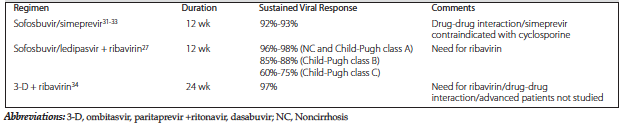
Table 1. Antiviral Treatment Regimens in Liver Transplant Recipients
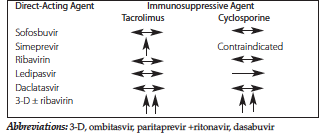
Table 2. Effect of Direct-Acting Antiviral Agents on Immunosuppression Levels
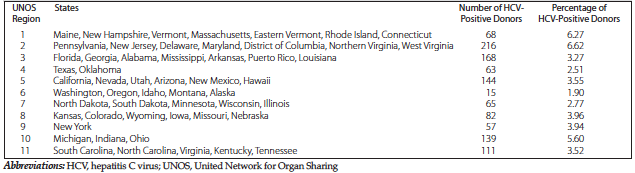
Table 3. Use of Hepatitis C-Positive Donor Grafts in Liver Transplant