Volume: 13 Issue: 6 December 2015
FULL TEXT
Objectives: This is a preliminary, single-center, prospective study
in the field of autologous cord blood transplant. We investigated the
feasibility, safety, and tolerability of autologous whole cord blood transplant
in extremely premature infants
as a potential therapeutic modality to prevent developing complications related
to prematurity.
Materials and Methods: This preliminary prospective study (ClinicalTrials.gov identifier NCT02050971) included preterm infants born at less than 32 weeks of gestational age who developed anemia because of prematurity. Infants were assigned to 2 groups: (1) those receiving an autologous cord blood transfusion within 5 days postpartum (n = 5) and (2) those who obtained only an allogeneic red blood cell transfusion when necessary (n = 9; control group). Vital measurements were performed during and after transfusion, and peripheral blood pH, hematocrit, glucose, and calcium and potassium ion levels were measured over the next 4 days.
Results: Oxygen saturation was significantly increased throughout the cord blood transfusion and in the subsequent 48 hours. No significant differences were found in vital measurements, such as arterial blood pressure (mean, systolic, and diastolic) or heart rate over the first 48 hours posttransfusion. Similarly, no significant differences were found in biochemical analyses of blood with the exception of pH level. We found initial pH level to be significantly augmented in the cord blood recipient group by the first day after transplant, which remained significantly higher for next 24 hours compared with that shown in the control group.
Conclusions: Collection, preparation, and short-term storage of unfrozen cord blood are feasible for clinical use. Our results showed general safety and tolerability of the procedure of whole autologous cord blood transplant in recruited preterm newborns. However, because our study group was small, these results need to be confirmed in further investigations with a larger patient cohort.
Key words : Autologous whole cord blood transfusion, Prematurity complications, Preterm birth, Stem/progenitor cell transplant
Introduction
Preterm delivery (< 37 wk of gestation) is the leading cause of perinatal morbidity and mortality.1 Of note, preterm birth is stratified into mild preterm (32-36 wk), very preterm (28-31 wk), and extremely preterm (< 28 wk) with increasing neonatal mortality and morbidity in the youngest newborns. Although advances in perinatology have led to improved rates of survival among preterm infants, there has been little success in preventing premature birth complications. Independent of the cause of preterm labor, premature infants are at high risk of developing acute complications, including brain injury (eg, intraventricular hemorrhage), necrotizing enterocolitis, and neonatal respiratory distress syndrome, and are at risk of developing long-term complications, such as retinopathy of prematurity and bronchopulmonary dysplasia.1 Anemia is also a common complication.2 The cause of such complications is multifactorial and includes a hypoxic state, organ ischemia, and a broad-spectrum inability to adapt to the extrauterine environment.3 Importantly, the risk of acute neonatal illnesses decreases with gestational age, reflecting the fragility and immaturity of vital organs in premature neonates. Therefore, efficient prevention and treatment of these conditions remain priorities in perinatal medicine. However, the present therapeutic strategies are very limited.
Hematopoietic stem cells (SCs) circulate in the peripheral blood under physiologic conditions in adults to continuously repopulate the distinct areas of the hematopoietic system, such as bone marrow and thymus.4 In adults, we and others have found that inflammation, trauma, and ischemic injury to different organs may also result in increased numbers of circulating SCs.5,6 These cells, directed through the biologic axes regulating SC migration and chemotaxis, may engraft onto injured organs.7 Recent reports have suggested that circulating SCs may play a role in the process of endogenous regeneration of injured organs.8 The release of growth factors or cytokines by SCs and their progenitors may also promote angiogenesis and protect the surrounding cells from apoptosis. Paracrine factors also can regulate the homing of other circulating stem and their progenitor cells (SPCs).9
Cord blood (CB) is a rich source of immature SPCs that has shown superior proliferative characteristics.10 Cord blood is even richer in hematopoietic SCs, by unit of volume, than peripheral blood or bone marrow.11 Recently, we reported that the increased number of hematopoietic SCs (CD45+lin-CD184+) circulating in CB is strongly associated with a lower risk of developing premature birth complications, including intraventricular hemorrhage, respiratory distress syndrome, infections, and anemia.12 Furthermore, we observed that concentrations of a more immature, nonhematopoietic SC of the CD45-lin-CD184+ phenotype in CB are inversely associated with birth weight in preterm infants, suggesting that these cells might be involved in the maturation of the fetus.12 We also observed that the relative number of circulating endothelial progenitor cells in CB was inversely associated with Apgar scores of preterm infants. A positive association between the number of endothelial progenitor cells with “early” phenotype (CD133+/CD34+/CD144+) and the risk of respiratory distress syndrome, retinopathy of prematurity, bronchopulmonary dysplasia, and infections was found; however, multivariate analyses revealed that an increase in endothelial progenitor cells was not an independent predictor of prematurity complications but was directly related to lower gestational age.13 Together, the differences in the quantities of CB-circulating SPCs could contribute to fetal organ growth and to the pathogenesis of selected prematurity-related complications. The therapeutic potential of human CB cell transplant has been demonstrated in many animal models, including models investigating disorders of the nervous system,14 respiratory system,15 and the visual system.16
Because premature neonates are rapidly deprived and deprived too early of a large amount of CB-circulating SPCs, preterm infants experience anemia, necessitating red blood cell (RBC) transfusion, mostly within a few days after birth. Accordingly, allogeneic RBCs are given to prevent severe anemia. Noteworthy, RBCs in CB are equipped with fetal hemoglobin, which is optimal for oxygen and carbon dioxide transport in newborns. Unlike that shown in CB, adult RBCs possess hemoglobin A (mostly A1) with slightly different physical and chemical properties.17 However, one of the essential issues is that, together with adult RBCs, a certain volume of liquid is infused into the preterm infant’s peripheral circulation. This may lead to additional dilution of already reduced SPCs still remaining in the infant’s peripheral blood. In light of these issues, we propose to investigate the possibility of replacing the lost SPCs during delivery by use of autologous whole CB transfusion in the first days after birth (that is, as soon as indications for RBC transfusion occur). This technique may supply not only RBCs with optimal fetal hemoglobin together with a cocktail of soluble proteins (cytokines, chemokines, growth factors) but, more importantly, it may restore the initial number of SPCs, resulting in the reestablishment of physiologic conditions for newborn organ development.
Therefore, our primary objective of this study was to evaluate the feasibility of CB collection and its short-term storage for subsequent autologous CB transplant into very preterm and extremely preterm infants. The secondary aim was to examine the safety of the CB transfusion procedure and tolerability of autologous whole CB in a short posttransplant period.
Materials and Methods
Study approval
This study was performed in accordance with the Declaration of Helsinki and was
approved by the Local Research Ethics Committee. In each case, the parents gave
written informed consent for their child’s involvement.
Study design and recipient selection
We enrolled 14 preterm infants born before 32 weeks of gestational age
(range, 23-31 wk) and with a birth weight less than 1000 g, all of whom
developed anemia necessitating RBC transfusion. To evaluate the efficacy of
autologous CB transfusion, the infants were classified into 1 of 2 groups
matched for gestational age and birth weight according to the following
criteria: (1) premature anemic infants who underwent autologous CB transfusion
within 5 days postpartum (CB recipient group; n = 5) and (2) premature anemic
infants who did not receive a CB transfusion because of inability to collect CB
of sufficient quality (eg, because of contraindications, such as a lack of
consent, amniotic fluid leakage for > 6 h, or complications during CB recovery).
The latter group served as the control group (n = 9) and received only an
allogeneic RBC transfusion. The clinical and demographic features are summarized
in Table 1. Neither group had need for surgical intervention or presented with
bleeding complications during follow-up.
Primary and secondary outcomes of the study In this pilot, prospective, nonrandomized study (ClinicalTrials.gov identifier NCT02050971), we assessed the safety and feasibility of autologous CB transplant in preterm infants as potential prophylaxis against prematurity-related complications. The primary objectives for evaluation of safety and tolerability were to define hematologic or biochemical parameter changes secondary to CB infusion. The occurrence of severe adverse events also was evaluated. Immediate adverse reactions were classified according to the presence of the following abnormalities: seizures secondary to hypocalcemia, local complications (eg, local infection at the site of infusion), systemic complications (eg, respiratory failure), or transfusion-related hypotension or hypertension requiring pharmacologic support. Delayed adverse reactions included sepsis and thrombocytopenia. We also documented birth weight, sex, gestational age, and Apgar scores of each infant. To analyze survival, adverse events, and neonatal clinical course, we followed all infants during hospitalization and after hospitalization for 30 days posttransfusion.
Infants were excluded from the study for
(1) major congenital or chromosomal abnormalities, (2) intrauterine infection,
(3) cyanotic heart defect,
(4) chronic intrauterine hypoxia (defined as growth retardation or pathologies
of placental perfusion),
(5) incompatibilities in main blood groups and Rh antigen, or (6) missing
parental consent.
Clinical monitoring and supportive care within the study
We transfused 15 mL of CB or RBCs/kg body weight of the neonate.18
Shortly before, during, and until 4 hours after transfusion, heart rate,
systolic, diastolic, and mean arterial blood pressure, arterial blood oxygen
saturation level, and fraction of inspired oxygen were checked in peripheral
blood every hour and documented. Moreover, shortly before and during the next 96
hours after transfusion, hemoglobin, serum glucose, and calcium and potassium
ion levels, as well as pH values, were monitored in peripheral blood every 24
hours. The biochemical measurements in peripheral blood were performed using GEM
Premier 3000 pH/blood gas analyzer (Werfen Group, Barcelona, Spain) and Abbott
Architect c8000 clinical chemistry analyzer (Abbott Diagnostics, Lake Forest,
IL, USA).
Blood collection methods
Autologous CB was collected in accordance with NetCord-FACT International
Standards for Cord Blood Collection.19 Collections were performed in
utero into a specially designed CB collection bag system (No. MSC 1201 DU, Maco
Pharma, Tourcoing, France) with citrate-phosphate-dextrose (CPD) anticoagulant
solution. Briefly, the umbilical cord was cleaned using povidone-iodine and
wiped with 70% alcohol solution before collection. The umbilical vein was then
pierced with a 19-gauge needle, and CB was withdrawn from the vein into
collection bags containing 7 mL of CPD. When collection was completed, the blood
bag tubing was closed and sealed, and the bags with CB were stored at 4°C in a
portable refrigerator before being sent to a local blood transfusion service for
CB storage. The collected CB unit was stored for 5 days. All CB collection bags
were registered as “autologous umbilical cord blood,” labeled with surname of
donor, group type, and volume of the blood product, and sent to the hospital on
demand. In parallel, 1-mL samples were taken from all collected CB units to test
for the presence of viral (human immunodeficiency virus, hepatitis B virus,
hepatitis C virus, cytomegalovirus) and bacterial (venereal disease) infections.
In addition, each sample of CB was tested for sterility, and aerobic and
anaerobic bacterial cultures were performed (Bactec Ped Plus and Bactec Plus
Anaerob/F; Becton Dickinson, Franklin Lakes, NJ, USA). A sample of peripheral
blood was collected from the mother and tested for the presence of infection
(including human immunodeficiency virus, hepatitis B virus, hepatitis C virus,
cytomegalovirus, and venereal disease). Before transfusion was started,
hematologic parameters (ie, RBC counts, hemoglobin level, hematocrit
concentration) of the collected CB units and allogeneic RBC concentrates were
analyzed using the automatic multiparameter hematology analyzer Sysmex XS-800i
(Sysmex Corporation, Kobe, Japan). We also recorded pH levels, partial pressures
of carbon dioxide and oxygen, and selected plasma electrolyte levels (sodium and
potassium ions) using GEM Premier 3000 pH/blood gas analyzer (Werfen Group,
Barcelona, Spain) and Abbott Architect c8000 clinical chemistry analyzer (Abbott
Diagnostics, Lake Forest, IL, USA).
Statistical methods
Results are presented as means ± standard deviation (SD) unless otherwise
indicated. Differences in the values of the quantitative parameters were
compared between groups by unpaired t test with Welch correction; for
nonparametric tests, values were compared using the Mann-Whitney U test.
P < .05 was considered statistically significant.
Results
General characteristics of preterm infants
Table 1 shows the demographic and clinical characteristics of the preterm
neonates. Mean birth weights for the CB recipient and control groups were 872 ±
258 g and 835 ± 184 g (P < .4, not significant). The other infant
characteristics (gestational age, sex, mode of delivery, and Apgar scores) were
similar between groups. The mean time after birth until the first transfusion
was longer in the control versus the CB recipient group (7.8 ± 3.9 vs 3.2 ± 1.9
d; P < .07, not significant).
Comparison of the autologous CB and allogeneic RBCs used for transfusion
procedure
In the CB recipient group, the average volume of recovered whole CB ranged from
17 to 28 mL. A representative CB collection procedure is illustrated in Figure
1. During CB preservation in collection bags for up to 5 days in a standardized
cooler, no signs of clot formation or hemolysis were observed. Bacteriologic
cultures of the stored CB were negative in all samples. Table 2 shows the
selected characteristics of CB and RBCs measured just before the transfusion
procedure. Unadjusted group differences were evident for several performed
measurements, such as pH, hematocrit concentration, hemoglobin level, and
glucose and sodium and potassium ion levels; however, results were not
statistically significant.
Transfusion procedure
The mean time of CB usage was 3 days (range, 1 to 5 d) after collection. The
mean CB volume used for transfusion was 14 ± 5 mL. In the 5 patients who
received autologous CB, 4 patients (80%) required allogeneic RBC transfusions
after transplant due to premature birth-related anemia. In contrast, allogeneic
RBC transfusion was administered in all controls. The mean allogeneic RBC volume
used for transfusion was 20 ± 10 mL.
Short-term observations of preterm newborns during the study: clinical
parameters
Figure 2 shows clinical outcomes during the first 48 hours after autologous
CB or allogeneic RBC transfusion. No significant differences were found in the
mean arterial blood pressure or resting heart rate over the first 48 hours
posttransfusion. Similarly, no significant differences were found in the
systolic and diastolic blood pressure results between the study groups (data not
shown). In contrast, CB transfer significantly increased oxygen saturation of
peripheral blood (P < .0193) at 1 hour posttransfusion. Furthermore,
among the 5 neonates in the CB recipient group, 4 patients (80%) required
mechanical ventilation, with a mean fraction of inspired oxygen of 23% (range,
21%-30%). After the allogeneic RBC transfusion, 7 of 9 neonates in the control
group (77%) required mechanical ventilation, with a mean fraction of inspired
oxygen of 29% (range, 21%-50%). Although a slightly higher percentage of
neonates who received CB transfusion required mechanical ventilation, the
difference between the groups was not significant. In contrast, neonates in the
control group required considerably higher oxygen concentrations during
mechanical ventilation compared with concentration needed in the CB recipient
group. Overall, these results may indicate that transfusion of umbilical CB in
preterm neonates may increase their peripheral tissue oxygenation levels, as
fetal hemoglobin preserved in CB-derived RBCs has a physiologically higher
oxygen affinity. Altogether, all infants tolerated the CB or RBC transfusion
procedures without any serious adverse effects. Moreover, none of the enrolled
infants developed infectious complications. The overall survival during the
first month after birth in both groups was 100%.
Short-term observations of preterm newborns during the study: laboratory
parameters
Figure 3 shows laboratory outcomes during the first 4 days after transfusion of
autologous CB or allogeneic RBCs. No significant differences were found in
hematocrit or glucose concentration. However, the initial pH level was
significantly augmented in the CB recipient group on the first day after CB
transfusion (at 24 h, pH was 7.33 ± 0.08 vs 7.27 ± 0.06; P < .0337). The
pH levels continued to be significantly higher in the CB recipient group for the
next 24 hours than that shown in the control group (at 48 h, pH was 7.33 ± 0.07
vs 7.25 ± 0.05; P < .0335). This result may indicate that transfusion of
umbilical CB in preterm neonates may efficiently compensate for the lower pH
levels present after birth. Moreover, the mean calcium and potassium ion
concentrations measured in the blood serum at similar intervals did not differ
significantly and were within the normal range of 3.5 to 5.5 mmol/L for
potassium ion and 0.75 to 1.5 mmol/L for calcium ion.
Discussion
Preterm delivery is one of the most important factors affecting neonatal mortality and morbidity throughout the world. Infants born before 32 weeks of gestational age are at high risk for neurodevelopmental, respiratory, and other systemic morbidities with life-long consequences. Therefore, new therapies with the potential to decrease the rate of prematurity-related complications are critically needed. Autologous whole CB transfusion has emerged as one such therapy. Based on this context, we enrolled a small number of anemic preterm newborns to compare the use of autologous whole CB transfusion versus RBC transfusion; patients were matched according to gestational age and birth weight, with allogeneic RBCs only administered for anemia.
Preterm infants have low blood volume. At term, the placenta and umbilical cord are eliminated from the fetus, which may deprive the premature infant of a significant volume of blood and its components after birth. It is worth mentioning that the loss of peripheral blood cells during preterm delivery is considerably more significant for infants because the placenta and umbilical cord contain approximately 50% or more of the total blood volume in preterm infants versus from 23% to 27% in full-term infants.20 Furthermore, as we recently reported, the number of different SPCs circulating in CB has been associated with the development of premature birth complications.12 Therefore, it has been hypothesized that the restoration of homeostasis could be possible if the different SPCs lost during premature delivery are reinfused after birth. The use of autologous CB for the treatment of anemic newborns has long been discussed.21 The first report was published in 1977 in which an anemic monozygotic twin received autologous CB transfusion.21 Two years later, Paxson reported the results of a study of 25 premature infants with asphyxia who received CB transfusion within 24 hours of delivery.22 None of the treated children showed any transfusion-related complications. Up to now, several studies have demonstrated the feasibility and safety of autologous CB transfusion in premature neonates due to anemia, as well as in those requiring surgical intervention at the time of delivery.23
Findings from experimental research investigations in developing animals have suggested that SPCs have the potential to treat the systemic insults typically encountered by preterm neonates,15 and a variety of exogenous SC sources have been studied in experimental models of prematurity-related complications.24 For example, the delivery of bone marrow-derived SCs mitigated inflammation, prevented vascular and neuronal damage, and improved exercise tolerance and survival in experimental oxygen-induced bronchopulmonary dysplasia in newborn rodents.25 Moreover, CB represents an attractive source of several SC types for therapeutic use, especially among newborns, as autologous SCs can be harvested from CB at birth and transplanted some time thereafter. Thus, CB is an easily accessible and ethically viable source of SCs. Chang and associates demonstrated that mesenchymal SCs collected from human CB induced cell growth arrest and prevented fibrotic changes in the lungs of oxygen-challenged neonatal rats.26 Likewise, Pimentel-Coelho and associates proved experimentally that CB-derived mesenchymal SCs have the potential to treat neonatal ischemic encephalopathy.27 However, such experimental data have not yet undergone clinical applications on a large scale. No systematic investigations concerning the safety, feasibility, or efficacy of autologous CB transfusions for the prophylaxis and treatment of prematurity-related complications have been published to date. Our study attempted to answer the question of the safety of whole autologous CB transfusions in premature neonates. On the basis of our previous experience in SPC collecting and banking,28,29 we were interested in establishing whether autologous CB is safe for transfusion in preterm infants who are at risk of developing prematurity-related complications. To evaluate the use of whole CB for therapeutic purposes in preterm infants, we analyzed several major aspects that contribute to the safety and feasibility of using CB for therapeutic purposes, such as CB collection efficiency, processing and sterility, CB quality after short-term storage, and the basic clinical outcomes of whole CB transfusion in preterm newborns.
An important factor affecting the feasibility of a CB collection procedure and its subsequent storage is the volume of the CB sample. Approximately 20 mL of CB/kg of body weight can be recovered, and a linear association has been found between collected CB volume and birth weight, with a greater relative CB volume from placentas of smaller newborns.30 Correspondingly, we could collect a mean volume of 20 mL/kg of body weight for infants younger than 28 weeks of gestational age, although a linear correlation between the collected CB volume and birth weight or gestational age was not identified. These results are similar to those obtained by Brune and associates, who collected approximately 20 mL of CB/kg of body weight, irrespective of birth weight.31 In addition, Jansen and associates reported on the volume of CB collected in relation to the transfusion needs of 288 premature infants with gestational age between 24 and 36 weeks. They found that the collection of CB is most effective and efficient for premature infants between 29 and 31 weeks of gestation. For infants at less than 29 weeks of gestation, the technical aspects of CB collection still need improvement.32
In addition to the feasibility of CB collection, the main criterion in clinical use is the safety of blood components for patients. To evaluate the safety of CB units, the ratio of nonsterile preparations was investigated. We did not find bacterial contamination in any of the collected CB samples in our study. The lack of contamination in the collected CB in our study may be because CB was mostly taken during cesarean sections under sterile conditions. Furthermore, few data exist concerning the storage stability of CB samples after collection. Because decreases in ATP concentration, hemoglobin level, cell membrane integrity, and cell viability occur over time during CB storage, modern storage systems and sophisticated additive solutions should improve CB cell physiology and overall CB effectiveness. At present, the CB components used for transfusion in neonates are usually stored in CPD solution or in extended-storage preservative solutions.23 Currently, CB conserved by CPD solution can be used for as long as 3 weeks after recovery or even longer if separated into components.23 In our study, CB samples were collected into specifically designed bags with CPD solution and preserved at 4°C for a few days (3.2 ± 1.9 d) after collection. Various authors have shown that the quality of stored CB is comparable to that of stored adult blood.31 Although a decrease in intracellular ATP concentration and pH was observed after long-term storage of CB, erythrocytes are capable of regenerating these properties within 24 hours after transfusion.31 Moreover, increased RBC fragility and an increase in the potassium concentration also have been reported; however, these occurred at levels similar to those observed in adult RBCs under the same storage conditions.31 Similarly, in our study, we observed decreased values of pH, hematocrit concentration, and hemoglobin levels, as well as considerably increased levels of sodium and potassium ion and glucose concentration in the CB just before transfusion versus that shown in the RBC concentrate. However, differences were not statistically significant.
The poorer results for CB samples versus for allogeneic RBCs might be due to the different amount of CB collected and, combined with a constant volume of CPD (pH 5.7) in the bag system, this may result in a suboptimal ratio of anticoagulant to CB. Therefore, in our opinion, it is important to set up the closed collecting system with a variable amount of preservative solution that could be added in a scaled manner. In the same notion, small CB volume preparations and a 2-hour CB transfusion procedure may prevent metabolic disorders and possible development of posttransfusion metabolic acidosis. Nevertheless, insignificant posttransfusion changes in hematocrit level and potassium ion and glucose concentrations in the systemic blood of both groups were detected. Interestingly, the lower pH value present in the CB before infusion did not robustly affect the pH in peripheral blood shortly after transfusion (24-48 h). In contrast, in the CB recipient group, we could observe a significant increase in pH, as they grew closer to their optimal level compared to the control group. This suggests that the CB recipients developed an improved acid-base balance and possessed larger amounts of blood hydrogen ion/hydroxide ion buffer systems after CB transfusion. However, these results must be regarded as preliminary because of the small number of patients enrolled in our study.
To avoid RBC transfusions in extremely immature infants, another method of CB transfer, late cord clamping, was developed, which is performed during delivery. Several studies have described its potential ability to reduce the rate of prematurity-related complications33; however, further studies are necessary to compare cord clamping versus CB transfusion regarding short-term and long-term outcomes.
In our study, clinical outcomes of autologous CB transfusion were comparable to RBC transfusion regarding vital measures such as systolic, diastolic, and mean arterial blood pressure and heart rate up to 48 hours after transfusion. Serum levels of potassium and calcium ions also remained stable in both groups. Moreover, our clinical results showed that the arterial blood oxygen saturation level was slightly but significantly augmented in the first hour after CB transfusion, with 97% compared with 93.5% after allogeneic RBCs. In summary, autologous CB infusion was no less effective and no less safe than allogeneic RBC transfusion. In our previous studies, we reported that specific SPC types, such as hematopoietic SCs, nonhematopoietic SCs, and endothelial progenitor cells circulating in CB, are markedly associated with the development of premature birth complications.12,13 To our knowledge, the present study is the first to document and assess autologous CB transfusion performed soon after birth in relation to the frequency of different outcomes from prematurity-related complications. We reported here for the first time that only 40% of premature CB recipients, compared with 67% of newborns in the control group, developed neurologic complications in the form of intraventricular hemorrhage, indicating that autologous CB may have the potential to reduce the rate of prematurity complications, mostly related to neurodevelopmental processes.
Study limitations
This is a preliminary, nonrandomized pilot study that included a small number of
preterm and extremely preterm neonates; therefore, no substantial conclusions
about therapeutic efficacy of CB transfusion could be drawn directly from this
work.
Many hurdles remain before the safe translation of CB-based therapies can be achieved in preterm newborns. Nevertheless, our initial experience lays the foundations for prospective multicenter, randomized clinical trials with longer follow-up and well-selected endpoints to fully determine the safety and therapeutic effectiveness of autologous CB transfusions in decreasing the risk of development of prematurity complications.
Conclusions
In summary, studies from several laboratories have indicated that a variety of SCs can prevent and/or regenerate organ or systemic damage in neonatal rodents. Additional studies are imperative to unequivocally demonstrate the safety and therapeutic benefit of SC-based treatment of preterm infants with prematurity-related complications. Thus, the collection and preparation of autologous whole CB for adjuvant therapy seems to be an extremely valuable concept that could greatly affect postdelivery outcomes. Likewise, our report of the first clinical experience of an innovative approach for the use of autologous whole CB transfusion during the first days of life in preterm neonates is encouraging and has demonstrated the feasibility of the procedure in some extremely low birth weight infants. We observed that, despite a lower hematocrit level in CB, this approach resulted in hematologic effects that were comparable to RBC transfusion in the first 4 days after transfusion. Moreover, autologous CB transfusion does not change the metabolism of glucose or ion concentrations and significantly improves hemoglobin saturation in the first few days posttransfusion. Of note, CB collection from premature infants is an extremely difficult procedure and is often unsuccessful, requiring construction of dedicated equipment with thin needles and less internal “dead space” and the ability to adjust the amount of preservative fluid that can be adapted to the actual CB volume collected from the immature neonate’s placenta and umbilical cord. With such obstacles solved, autologous whole CB transfusion has the potential to be an alternative source of SCs in neonatology practice.
References:
- Behrman RE and Butler AS, eds. Preterm Birth. Causes, Consequences, and Prevention. Institute of Medicine (US) Committee on Understanding Premature Birth and Assuring Healthy Outcomes. Washington, DC: National Academies Press; 2007.
- Strauss RG. Anaemia of prematurity: pathophysiology and treatment. Blood
Rev. 2010;24(6):221-225.
CrossRef - PubMed - Di Tommaso M, Tranquilli A. A checklist to identify the origin of
cerebral palsy. J Matern Fetal Neonatal Med. 2004;15(5):281-286.
CrossRef - PubMed - Wright DE, Wagers AJ, Gulati AP, Johnson FL, Weissman IL. Physiological
migration of hematopoietic stem and progenitor cells. Science.
2001;294(5548):1933-1936.
CrossRef - PubMed - Paczkowska E, Kucia M, Koziarska D, et al. Clinical evidence that very
small embryonic-like stem cells are mobilized into peripheral blood in
patients after stroke. Stroke. 2009;40(4):1237-1244.
CrossRef - PubMed - Wojakowski W, Tendera M, Kucia M, et al. Mobilization of bone
marrow-derived Oct-4+ SSEA-4+ very small embryonic-like stem cells in
patients with acute myocardial infarction. J Am Coll Cardiol.
2009;53(1):1-9.
CrossRef - PubMed - Kollet O, Shivtiel S, Chen YQ, et al. HGF, SDF-1, and MMP-9 are involved
in stress-induced human CD34+ stem cell recruitment to the liver. J Clin
Invest. 2003;112(2):160-169.
CrossRef - PubMed - Machalinska A, Klos P, Baumert B, et al. Stem Cells are mobilized from
the bone marrow into the peripheral circulation in response to retinal
pigment epithelium damage--a pathophysiological attempt to induce endogenous
regeneration. Curr Eye Res. 2011;36(7):663-672.
CrossRef - PubMed - Fischer-Rasokat U, Dimmeler S. Endothelial progenitor cells for cardiac
regeneration. In: Ho AD, Hoffman R, Zanjani ED, eds. Stem Cell
Transplantation: Biology, Processing, and Therapy. Weinheim, Germany:
Wiley-VCH Verlag; 2006:177-195.
CrossRef - - Pipes BL, Tsang T, Peng SX, Fiederlein R, Graham M, Harris DT. Telomere
length changes after umbilical cord blood transplant. Transfusion.
2006;46(6):1038-1043.
CrossRef - PubMed - Herranz AS, Gonzalo-Gobernado R, Reimers D, Asensio MJ,
Rodriguez-Serrano M, Bazan E. Applications of human umbilical cord blood
cells in central nervous system regeneration. Curr Stem Cell Res Ther.
2010;5(1):17-22.
CrossRef - PubMed - Kotowski M, Safranow K, Kawa MP, et al. Circulating hematopoietic stem
cell count is a valuable predictor of prematurity complications in preterm
newborns. BMC Pediatr. 2012;12:148.
CrossRef - PubMed - Safranow K, Kotowski M, Lewandowska J, et al. Circulating endothelial
progenitor cells in premature infants: is there an association with
premature birth complications? J Perinat Med. 2012;40(4):455-462.
CrossRef - PubMed - Meier C, Middelanis J, Wasielewski B, et al. Spastic paresis after
perinatal brain damage in rats is reduced by human cord blood mononuclear
cells. Pediatr Res. 2006;59(2):244-249.
CrossRef - PubMed - Pierro M, Ionescu L, Montemurro T, et al. Short-term, long-term and
paracrine effect of human umbilical cord-derived stem cells in lung injury
prevention and repair in experimental bronchopulmonary dysplasia. Thorax.
2013;68(5):475-484.
CrossRef - PubMed - Machalinska A, Baumert B, Kuprjanowicz L, Wiszniewska B, Karczewicz D,
Machalinski B. Potential application of adult stem cells in retinal
repair--challenge for regenerative medicine. Curr Eye Res.
2009;34(9):748-760.
CrossRef - PubMed - Wojda U, Noel P, Miller JL. Fetal and adult hemoglobin production during
adult erythropoiesis: coordinate expression correlates with cell
proliferation. Blood. 2002;99(8):3005-3013.
PubMed - Strauss RG. Blood banking issues pertaining to neonatal red blood cell
transfusions. Transfus Sci. 1999;21(1):7-19.
CrossRef - PubMed - NetCord-FACT International Standards. International Standards for Cord Blood Collection, Processing, Testing, Banking, Selection and Release. 3rd ed. Omaha, NE: Foundation for the Accreditation of Cellular Therapy; 2008: version 3.1.
- Wardrop CA, Holland BM. The roles and vital importance of placental
blood to the newborn infant. J Perinat Med. 1995;23(1-2):139-143.
CrossRef - PubMed - Brune T, Garritsen H, Hentschel R, Louwen F, Harms E, Jorch G. Efficacy,
recovery, and safety of RBCs from autologous placental blood: clinical
experience in 52 newborns. Transfusion. 2003;43(9):1210-1216.
CrossRef - PubMed - Paxson CL, Jr. Collection and use of autologous fetal blood. Am J Obstet
Gynecol. 1979;134(6):708-710.
CrossRef - PubMed - Fedevych O, Chasovskyi K, Vorobiova G, et al. Open cardiac surgery in
the first hours of life using autologous umbilical cord blood. Eur J
Cardiothorac Surg. 2011;40(4):985-989.
CrossRef - Waszak P, Alphonse R, Vadivel A, Ionescu L, Eaton F, Thebaud B.
Preconditioning enhances the paracrine effect of mesenchymal stem cells in
preventing oxygen-induced neonatal lung injury in rats. Stem Cells Dev.
2012;21(15):2789-2797.
CrossRef - PubMed - Aslam M, Baveja R, Liang OD, et al. Bone marrow stromal cells attenuate
lung injury in a murine model of neonatal chronic lung disease. Am J Respir
Crit Care Med. 2009;180(11):1122-1130.
CrossRef - PubMed - Chang YS, Oh W, Choi SJ, et al. Human umbilical cord blood-derived
mesenchymal stem cells attenuate hyperoxia-induced lung injury in neonatal
rats. Cell Transplant. 2009;18(8):869-886.
CrossRef - PubMed - Pimentel-Coelho PM, Mendez-Otero R. Cell therapy for neonatal
hypoxic-ischemic encephalopathy. Stem Cells Dev. 2010;19(3):299-310.
CrossRef - PubMed - Machalinski B, Kijowski J, Marlicz W, et al. Heparinized cadaveric organ
donors (HCOD)--a potential source of hematopoietic cells for transplantation
and gene therapy. Transplantation. 2001;71(7):1003-1007.
CrossRef - PubMed - Machalinski B, Paczkowski M, Kawa M, Paczkowska E, Ostrowski M. An
optimization of isolation of early hematopoietic cells from heparinized
cadaveric organ donors. Transplant Proc. 2003;35(8):3096-3100.
CrossRef - PubMed - Eichler H, Schaible T, Richter E, et al. Cord blood as a source of
autologous RBCs for transfusion to preterm infants. Transfusion.
2000;40(9):1111-1117.
CrossRef - PubMed - Brune T, Garritsen H, Witteler R, et al. Autologous placental blood
transfusion for the therapy of anaemic neonates. Biol Neonate.
2002;81(4):236-243.
CrossRef - PubMed - Jansen M, Brand A, von Lindern JS, Scherjon S, Walther FJ. Potential use
of autologous umbilical cord blood red blood cells for early transfusion
needs of premature infants. Transfusion. 2006;46(6):1049-1056.
CrossRef - PubMed - Rabe H, Diaz-Rossello JL, Duley L, Dowswell T. Effect of timing of
umbilical cord clamping and other strategies to influence placental
transfusion at preterm birth on maternal and infant outcomes. Cochrane
Database Syst Rev. 2012;8:CD003248.
CrossRef - PubMed

Volume : 13
Issue : 6
Pages : 563 - 572
DOI : 10.6002/ect.2015.0081
From the 1Department of Humanities in Medicine; the 2Department
of General Pathology; the 3Department of Neonatology; and the 4Department
of Obstetrics and Gynecology, Pomeranian Medical University in Szczecin, 70-111
Szczecin, Poland
Acknowledgements: This work was supported, in part, by European Union
structural funds, Innovative Economy Operational Program
POIG.01.01.02-00-109/09-00. The authors have no conflicts of interest to
declare. Jacek Rudnicki and Miłosz Piotr Kawa contributed equally to the
preparation of this manuscript.
Corresponding author: Bogusław Machaliński, Department of General
Pathology, Pomeranian Medical University in Szczecin, Powstancow Wlkp. 72,
70-111 Szczecin, Poland
Phone: +48 914 661 546
Fax: +48 914 661 548
E-mail: machalin@pum.edu.pl
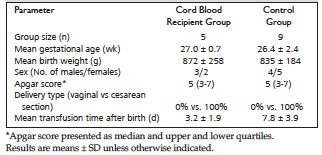
Table 1. General Characteristics of Study Groups
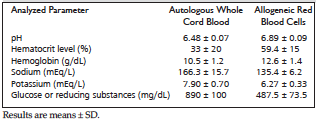
Table 2. General Characteristics of Study Groups
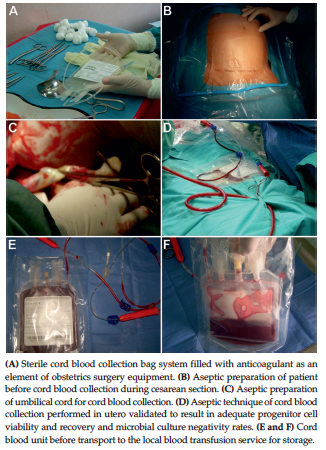
Figure 1. Autogenic Cord Blood Collection Procedure Performed In Utero From Placenta of Preterm Newborn
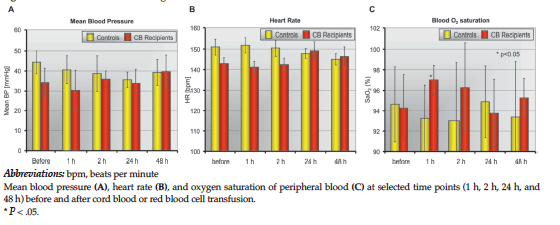
Figure 2. Clinical Outcome Data During the First 48 Hours After Cord Blood or Red Blood Cell Transfusion
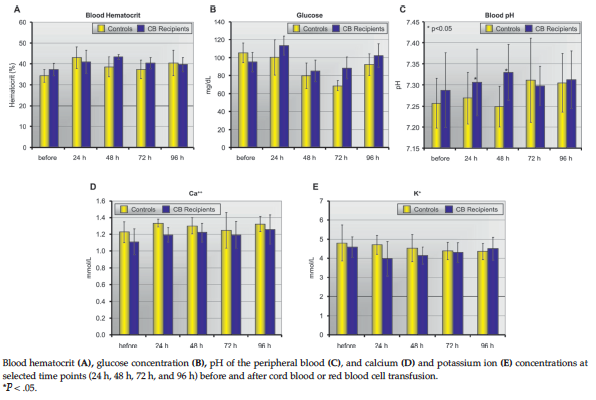
Figure 3. Laboratory Outcome Data During the First 4 Days After Cord Blood or Red Blood Cell Transfusion