Volume: 13 Issue: 2 April 2015
FULL TEXT
Objectives: Intensive nutritional support can reduce the catabolic response, improve protein synthesis, and promote liver regeneration. This study examined whether postoperative peripheral parenteral nutrition may improve recovery and reduce the length of hospital stay in right lobe liver donors.
Materials and Methods: In this retrospective study, we enrolled liver donors with residual liver volume < 50%. Donors were classified into 2 groups: donors who received (n = 44) or did not receive (n = 40) postoperative peripheral parenteral nutrition. Liver function tests included alanine aminotransferase and total bilirubin levels, and postoperative complications included pleural effusion, atelectasis, and wound complications. Hospital length of stay was included as a potential risk factor for the evaluation of the effect of postoperative peripheral parenteral nutrition on recovery of right lobe liver donors.
Results: Male sex (β, 22.04; 95% confidence interval: 6.22 - 37.86) was a significant predictor of changes in postoperative alanine aminotransferase level. Male sex (β, 0.045; 95% confidence interval: 0.16 - 37.86) and receipt of peripheral parenteral nutrition (β, -0.045; 95% confidence interval: -0.72 - 0.17) were significant predictors of changes in total bilirubin level. Postoperative atelectasis (P < .001), pleural effusion (P < .011), and total complications (P = .015) had significantly lower incidence in the peripheral parenteral nutrition than control group. Multi-variate logistic regression showed that recipients of peripheral parenteral nutrition (odds ratio, 0.161; 95% confidence interval: 0.043 - 0.598) and age (odds ratio, 0.870; 95% confidence interval: 0.782 - 0.968) were significant preoperative risk factors for postoperative complications.
Conclusions: Postoperative peripheral parenteral nutrition is associated with a lower incidence of pleural effusion and atelectasis, a more rapid recovery of hyperbilirubinemia, and shorter length of stay in right lobe liver donors.
Key words : Living donor, Hepatectomy, Transplant
Introduction
The first successful pediatric living-donor liver transplant was performed in 1989.1,2 Since then, the procedure has been performed successfully in adult-to-adult living-donor liver transplant. However, due to the complexity of the surgical procedure, it is difficult to achieve absence of mortality. In adult-to-adult living-donor liver transplant, recipients require transplant of a major volume of liver, with 60% to 70% liver volume being removed from the donor, depending on whether the middle hepatic vein is included.3-5
Although the mortality rate in living-donor liver transplant donors is low (0.5% for right lobe donors and 0.1% for left lobe donors),6-13 the incidence of postoperative complications is high (9.4% to 19.0% for right lobe living-donor liver transplant donors and 8.4% to 38.0% for left lobe donors).6,14-17 Postoperative complications include bile leakage, bowel obstruction, minor wound infections, pleural effusion, edema, and atelectasis.18
Intensive nutritional support can reduce the catabolic response, improve protein synthesis (which is critical for maintaining muscular, respiratory, metabolic, and immunologic function), and promote liver regeneration. Fan and colleagues reported that preoperative administration of parenteral nutrition resulted in a reduced incidence of postoperative complications in patients who underwent hepatec-tomy.19
In this study, we investigated whether early administration of peripheral parenteral nutrition (PPN) during postoperative fasting may improve liver recovery and reduce the incidence of complications in right lobe liver donors.
Materials and Methods
Study design
In this retrospective study, we reviewed the medical records of 107 right lobe
liver donors who underwent hepatectomy from January 2009 to October 2012 at
Changhua Christian Hospital. Exclusion criteria included computed tomographic
evidence of residual liver volume (RLV) ≥ 50%. All 84 donors recruited in the
study had undergone middle and left hepatic vein-sparing hepatectomy.
Preoperative evaluations included blood typing, laboratory testing,
determination of liver function index, heart and lung function tests, and
computed tomographic studies to assess liver volume and arterial and venous
anatomy. Liver function tests included analysis of levels of alanine
aminotransferase (ALT) and total bilirubin (TB). Medical records were reviewed
for information about complications including pleural effusion, atelectasis, and
wound-related complications such as infection and seroma, and hospital length of
stay (LOS) was recorded. The diagnosis of pleural effusion or atelectasis was
based on findings from ultrasonography or chest radiography studies that were
performed in patients who presented with fever or dyspnea > 48 hours after the
operation. Clinically asymptomatic patients were presumed to have neither
pleural effusion nor atelectasis. In addition, we evaluated the relation between
liver function test values and various factors such as sex, relative RLV (RLV%),
and hepatic steatosis (assessed by magnetic resonance imaging) on the effect of
PPN treatment in left lobe liver donors.
Donors
The donors were allowed to eat when bowel sounds and flatus were noted,
normally within 3 to 5 days after the operation. All patients had the same oral
diet as recommended by the nutritionist. During postoperative fasting, donors
were allowed to choose whether or not to receive commercialized PPN. The medical
expenses of PPN were paid by donors or private insurance. Patients in this study
comprised donors who elected to receive PPN for 4 postoperative days (PPN group;
n = 44) and donors who did not receive PPN (control group; n = 40).
Peripheral parenteral nutrition formula
To minimize the development of catheter-related infection, all patients in the
PPN group received PPN via a peripheral line. The PPN formula was a 1500-mL
solution, pH 6.0, with a calorie count 0.61 kcal/mL, and included 20% glucose,
600 mL; 5.5% amino acid, 600 mL; and 10% lipid solution, 300 mL (Oliclinomenl
N4-550E, Baxter, Lessines, Belgium). The electrolyte concentrations were sodium
21.3 mEq/L, potassium 16 mEq/L, magne-sium 4.4 mEq/L, chloride 33 mEq/L, calcium
4 mEq/L, phosphorus 8.67 mM/L, and acetate 30.7 mEq/L. The osmolarity was 750
mOsm/L, and the solution was delivered at 62.5 mL/h. None of the patients
developed serious complications during administration of PPN.
Statistical analyses
All statistical analyses were performed on a personal computer using statistical
software (SPSS for Windows, Version 17.0, SPSS Inc., Armonk, NY, USA). The
Pearson chi-square test, Fisher exact test, Mann-Whitney test, and a generalized
estimating equation were used to examine differences in demographic and clinical
characteristics between the PPN and control group. Continuous variables were
reported as mean ± standard deviation (SD). Significant variables in the
univariate analyses were evaluated with multivariate logistic regression to
identify the most important risk factors for postoperative complications.
Statistical significance was defined by P < .05.
Results
There were no significant differences in demographic data between the control and PPN group (Table 1). We used a generalized estimating equation to analyze whether sex, RLV%, and hepatic steatosis affected the relation between PPN and liver function during the first 5 postoperative days. The generalized estimating equation analysis showed that ALT and TB levels decreased significantly with time in both groups (P < .001) (Figure 1). Male sex (β, 22.04; 95% confidence interval [CI]: 6.22 - 37.86) was a significant predictor of changes in postoperative ALT level, and male sex (β, 0.045; 95% CI: 0.16 - 37.86) and receipt of PPN (β, -0.45; 95% CI: -0.72 - -0.17) were significant predictors of changes in TB level (Table 2). Postoperative atelectasis (P < .001), pleural effusion (P < .011), and total complications (P = .015) had significantly lower incidence in the PPN than control group (Table 3). There were no significant differences in the rate of bile leakage, wound seroma, or wound infection between the 2 groups. In addition, the average LOS was significantly lower in the PPN (8.43 d; range, 7 to 19 d) than control group (9.70 d, range, 7 to 15 d; P < .001). Multivariate logistic regression showed that PPN use (odds ratio [OR], 0.161; 95% CI: 0.043 - 0.598) and age (OR, 0.870; 95% CI: 0.782 - 0.968) were significant risk factors for postoperative complications after donor hepatectomy (Table 4).
Discussion
In a systematic review of the effect of postoperative nutritional support, Richter and coworkers concluded that enteral nutrition is associated with a significantly lower rate of wound infections and catheter-related complications than parenteral nutrition.20 However, most of our donors could not tolerate enteral feeding immediately after major hepatectomy. Thus, temporary PPN support provided alternate nutritional support in these donors early after surgery. Liver regeneration after major hepatectomy occurs quickly and is fastest in the first week.21 Therefore, we prefer to provide PPN to the donors for daily metabolic requirements and nutritional support for liver regeneration.22
Several studies have shown that TB reaches a peak on postoperative day 2, and the levels of aspartate aminotransferase and ALT reach a peak on postoperative day 1. All liver function variables return to normal by postoperative day 7.21,23,24 In our study, there was a significant reduction in ALT and TB levels after hepatectomy. This was observed in all donors, but was most marked in patients who received PPN.
We used a generalized estimating equation to study the effect of PPN on liver regeneration and observed that TB level was significantly lower in the PPN than control group (P = .001). We also analyzed whether sex, RLV%, or hepatic steatosis had a role in recovery after hepatectomy. In the control group, we observed that ALT (P < .001) and TB (P = .001) levels were lower in female than male patients. The beneficial effects of estrogen such as circulatory improvement, a reduced inflammatory response, reduced oxygen radical production, and improved hepatic regeneration could be possible explanations for our findings.25,26
Zeytunlu and colleagues reported that intraoperative blood loss was significantly higher in donors with low RLV, and concluded that RLV ≥ 40% may minimize morbidity in living liver donors.27 Lower RLV is associated with higher complication rates and higher postoperative ALT and TB levels.27 Our generalized estimating equation analysis revealed that patients with lower RLV had higher levels of liver enzymes than patients in the high RLV group.
Yokoi and coworkers revealed that postoperative aspartate aminotransferase and ALT levels were significantly higher in donors with than without mild macrovesicular steatosis.28 We observed that the levels of ALT and TB in donors with hepatic steatosis were higher than those in patients with nonfatty livers, but the differences were not statistically significant.
The complication rate among right lobe living liver donors is 16.1% (range, 0.4% to 19%).17,29-31 In our study, the complication rates were 11.4% in the PPN group and 35% in the control group (P = .015), indicating that PPN treatment can reduce the rate of postoperative complications. The major compli-cations in our patients were bile leakage, wound infection, wound seroma, pleural effusion, and atelectasis. Although there were no significant differences in the rates of bile leakage, wound infection, or wound seroma between the donors who received PPN treatment and controls, PPN treatment resulted in significantly lower rates of pleural effusion and atelectasis. Fan and associates reported that parenteral nutrition resulted in a reduced ratio of postoperative pulmonary complications in patients after hepatectomy.19 Our data revealed similar results. We believe that administering PPN during the first 4 days after hepatectomy helps to minimize a negative nitrogen balance, which can result in a higher concentration of intravascular protein and oncotic pressure, and less fluid extravasation and pleural effusion. In addition, patients receiving PPN had a more rapid increase in physical strength and lower incidence of atelectasis.
Our results showed that LOS was significantly shorter for donors who received than did not receive PPN treatment. The average LOS of donors in the literature is < 10 days, but recent studies have shown that most donors without complications could be discharged by postoperative day 7.9-14 In our study, donors who received PPN had an average LOS 8.43 days. The LOS in our hospital included 1 preoperative day; therefore, the mean postoperative LOS was 7 days, which was similar to the LOS of donors without complications reported previously.14
The PPN has a role in extranutritional support for living donors to minimize the negative nitrogen balance due to poor enteral nutrition by reducing unnecessary protein catabolism that causes the loss of body mass. The PPN also has an advantage in patients who have difficulties with enteral nutrition, and reduces the risk of complications during recovery.31 In our study, PPN was associated with a reduced incidence of postoperative pleural effusion and atelectasis, and resulted in a more rapid recovery of posthepatectomy hyperbilirubinemia.
In conclusion, postoperative PPN is associated with a lower incidence of pleural effusion and atelectasis, a more rapid recovery of hyperbilirubinemia, and shorter LOS in right lobe liver donors.
The study was limited by the small sample size. Multicenter studies that include a greater number of patients are needed to confirm our findings.
References:
- Raia S, Nery JR, Mies S. Liver transplantation from live donors. Lancet.
1989;2(8661):497.
CrossRef - PubMed - Strong RW, Lynch SV, Ong TH, Matsunami H, Koido Y, Balderson GA.
Successful liver transplantation from a living donor to her son. N Engl J
Med. 1990;322(21):1505-1507.
CrossRef - PubMed - Marcos A. Right lobe living donor liver transplantation: a review. Liver
Transpl. 2000;6(1):3-20.
CrossRef - PubMed - Inomata Y, Uemoto S, Asonuma K, Egawa H. Right lobe graft in living
donor liver transplantation. Transplantation. 2000;69(2):258-264.
CrossRef - PubMed - Lo CM, Fan ST, Liu CL, et al. Adult to-adult living donor liver
transplantation using extended right lobe grafts. Ann Surg.
1997;226(3):261-269.
CrossRef - PubMed - Middleton PF, Duffield M, Lynch SV, et al. Living donor liver
transplantation - adult donor outcomes: a systematic review. Liver Transpl.
2006;12(1):24-30.
CrossRef - PubMed - Barr ML, Belghiti J, Villamil FG, et al. A report of the Vancouver Forum
on the care of the live organ donor: lung, liver, pancreas, and intestine
data and medical guidelines. Transplantation. 2006;81(10):1373-1385.
CrossRef - PubMed - Chan SC, Fan ST. Live liver donor mortality. Liver Transpl.
2006;12(9):1437-1438.
CrossRef - PubMed - Diaz GC, Renz JF, Mudge C, et al. Donor health assessment after
living-donor liver transplantation. Ann Surg. 2002;236(1):120-126.
CrossRef - PubMed - Trotter JF, Adam R, Lo CM, Kenison J. Documented deaths of hepatic lobe
donors for living donor liver transplantation. Liver Transpl.
2006;12(10):1485-1488.
CrossRef - PubMed - Akabayashi A, Slingsby BT, Fujita M. The first donor death after
living-related liver transplantation in Japan. Transplantation.
2004;77(4):634.
CrossRef - PubMed - Neuberger JM, Lucey MR. Living-related liver donation: the inevitable
donor deaths highlighted the need for greater transparency. Transplantation
2004;77(4):489-490.
CrossRef - PubMed - Fan ST, Lo CM, Liu CL, Yong BH, Wong J. Determinants of hospital
mortality of adult recipients of right lobe live donor liver
transplantation. Ann Surg. 2003;238(6):864-869.
CrossRef - PubMed - Ghobrial RM, Freise CE, Trotter JF, et al. Donor morbidity after living
donation for liver transplantation. Gastroenterology. 2008;135(2):468-476.
CrossRef - PubMed - Beavers KL, Sandler RS, Fair JH, Johnson MW, Shrestha R. The living
donor experience: donor health assessment and outcomes after living donor
liver transplantation. Liver Transpl. 2001;7(11):943-947.
CrossRef - PubMed - Umeshita K, Fujiwara K, Kiyosawa K, et al. Operative morbidity of living
liver donors in Japan. Lancet 2003;362(9385):687-690.
CrossRef - PubMed - Hashikura Y, Ichida T, Umeshita K, et al. Donor complications associated
with living donor liver transplantation in Japan. Transplantation.
2009;88(1):110-114.
CrossRef - PubMed - Beavers KL, Sandler RS, Shrestha R. Donor morbidity associated with
right lobectomy for living donor liver transplantation to adult recipients:
a systematic review. Liver Transpl. 2002;8(2):110-117.
CrossRef - PubMed - Fan ST, Lo CM, Lai EC, Chu KM, Liu CL, Wong J. Perioperative nutritional
support in patients undergoing hepatectomy for hepatocellular carcinoma. N
Engl J Med.1994;331(23):1547-1552.
CrossRef - PubMed - Richter B, Schmandra TC, Golling M, Bechstein WO. Nutritional support
after open liver resection: a systematic review. Dig Surg.
2006;23(3):139-145.
CrossRef - PubMed - Pomfret EA, Pomposelli JJ, Gordon FD, et al. Liver regeneration and
surgical outcome in donors of right-lobe liver grafts. Transplantation
2003;76(1):5-10.
CrossRef - PubMed - Filik L, Karakayali H, Dalgiç A, Emiroğlu R, Haberal M. Hypophosphatemia
in living liver donors. Transplant Proc. 2006;38(2):559-561.
CrossRef - PubMed - Fan ST, Lo CM, Liu CL, Yong BH, Chan JK, Ng IO. Safety of donors in live
donor liver transplantation using right lobe grafts. Arch Surg.
2000;135(3):336-340.
CrossRef - PubMed - Jiang XZ, Yan LN, Li B, et al. Safety of donor in adult-to-adult living
donor liver transplantation using right lobe graft. Transplant Proc.
2007;39(1):150-152.
CrossRef - PubMed - Yokoyama Y, Nimura Y, Nagino M, Bland KI, Chaudry IH. Current
understanding of gender dimorphism in hepatic pathophysiology. J Surg Res.
2005;128(1):147-156.
CrossRef - PubMed - Yokoyama Y, Nagino M, Nimura Y. Which gender is better positioned in the
process of liver surgery? Male or female? Surg Today. 2007;37(10):823-830.
CrossRef - PubMed - Zeytunlu M, Icoz G, Kiliç M, Demirbas T, Tokat Y, Yuzer Y. Donor safety
in adult-to-adult living donor liver transplantation. Transplant Proc.
2003;35(4):1430-1432.
CrossRef - PubMed - Yokoi H, Isaji S, Yamagiwa K, et al. Donor outcome and liver
regeneration after right-lobe graft donation. Transpl Int.
2005;18(8):915-922.
CrossRef - PubMed - Nadalin S, Malagò M, Radtke A, et al. Current trends in live liver
donation. Transpl Int. 2007;20(4):312-330.
CrossRef - PubMed - Kim SH, Kim YK. Improving outcomes of living-donor right hepatectomy. Br
J Surg. 2013;100(4):528-534.
CrossRef - PubMed - Culebras JM, Martin-Peña G, Garcia-de-Lorenzo A, Zarazaga A,
Rodriguez-Montes JA. Practical aspects of peripheral parenteral nutrition.
Curr Opin Clin Nutr Metab Care. 2004;7(3):303-307.
CrossRef - PubMed
Volume : 13
Issue : 2
Pages : 157 - 162
DOI : 10.6002/ect.2014.0229
From the 1Department of Nursing, Changhua Christian Hospital,
Changhua; the 2Department of Nursing, Central Taiwan University of
Science and Technology, Taichung; the 3Department of General Surgery
and 4Transplant Medicine and Surgery Research Centre, Changhua
Christian Hospital, Changhua; the 5Department of Senior Citizen
Welfare and Business, Hung Kuang University, Taichung; and the 6School
of Medicine, Kaohsiung Medical University, Kaohsiung, Taiwan
Acknowledgements: Yao-Li Chen, Chia-En Hsieh, Kuo-Hua Lin, and Yueh-Juen
Hwu designed the research study. Chia-En Hsieh, Hui-Chuan Lin, Chih-Jan Ko, and
Yao-Li Chen performed the research study. Su-Han Wang, Chia-En Hsieh, and
Chia-Cheng Lin collected data. Chia-En Hsieh and Ping-Yi Lin analyzed the data.
Chia-En Hsieh, Yao-Li Chen, and Ping-Yi Lin wrote the paper. The authors have no
conflicts of interest to declare. No funding was received for this study.
Corresponding author: Yao-Li Chen, MD, Department of General Surgery,
Changhua Christian Hospital, No. 135 Nan-Hsiao Street, Changhua, Taiwan
Phone: +886 4 7238595
Fax: +886 4 7232942
E-mail: 31560@cch.org.tw
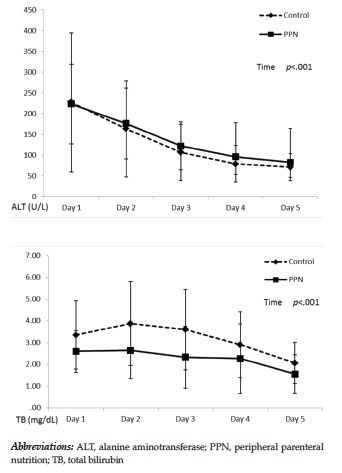
Figure 1. Generalized Estimating Equation Analysis for the Changes of Postoperative Alanine Aminotransferase and Total Bilirubin Levels with Time
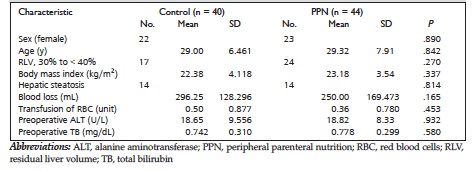
Table 1. Comparison of Demographic Data and Clinical Features of Liver Donors
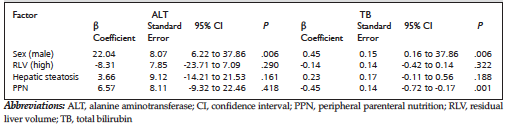
Table 2. Generalized Estimating Equation Analysis for the Predictors of the Changes in Alanine Aminotransferase and Total Bilirubin Levels With Time
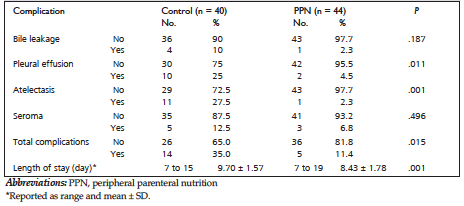
Table 3. Comparison of Demographic Data and Clinical Features of Liver Donors
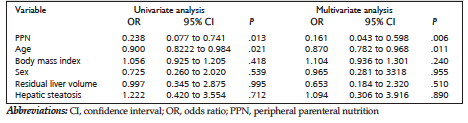
Table 4. Logistic Regression for Risk Factors of Postoperative Complications