Volume: 13 Issue: 2 April 2015
FULL TEXT
Objectives: Grafts from extended criteria donors, donors after cardiac death, and elderly donors have an increased risk of delayed graft function, lower graft survival, longer hospital stay, higher costs, and increased medical sequelae. A modifiable risk factor for delayed graft function may be the performance of dialysis on the same day as renal transplant. We reviewed our institutional experience to determine whether dialysis performed within 24 hours of engraftment increased the incidence or length of delayed graft function.
Materials and Methods: We retrospectively reviewed our kidney transplants performed between 2008 and 2012. Preemptive transplants, transplants associated with peritoneal dialysis, potassium > 5 mmol/L, or living donors, and cases with insufficient information were excluded. Data collected included demo-graphic, biochemical, donor, operative, and outcome variables (length of stay, length of delayed graft function, rejection, and a composite unfavorable outcome comprising cardiac and infectious events). Transplants that were associated with hemodialysis within 24 hours before transplant (study group) were compared with the remainder of the cohort (control group).
Results: A total of 205 renal transplants were reviewed. There were 144 of 205 transplants (70.24%) in the study group, and the others comprised the control group. The rate of delayed graft function was 31% for the study group and 29% for control groups (P = .4959). Mean length of delayed graft function was 5.8 days for the study group and 6.1 days for control group (P = .7323). Delayed graft function risk factors such as donor age, terminal creatinine, and machine perfusion rate were similarly distributed across both groups.
Conclusions: Normokalemic patients who did or did not undergo dialysis within 24 hours before trans-plant had equivalent incidence and duration of delayed graft function, graft outcomes, and patient outcomes. Therefore, dialysis within 24 hours before transplant is unnecessary in the setting of normokalemia.
Key words : End-stage renal disease, Hemodialysis, Kidney, Potassium, Resource allocation, Graft physiology
Introduction
The shortage of organs has compelled centers to use kidneys from extended criteria donors (ECD), donors after cardiac death (DCD), and elderly donors. These kidneys have an increased risk of delayed graft function (DGF).1 The DGF is associated with lower graft survival,2 longer hospital stay, higher costs, and increased psychologic and medical sequelae.3 Correcting modifiable risk factors may improve outcomes.
A modifiable risk factor for posttransplant DGF is the performance of dialysis on the same day as renal transplant. It is common practice at many centers to perform hemodialysis immediately before renal transplant to improve platelet function, minimize the risk of congestive heart failure, and correct hyperkalemia early after engraftment. Conversely, this practice may lead to hypovolemia, leading to insufficient perfusion of the transplanted kidney, oxidative stress, and adverse cardiovascular events.
The literature on this topic is equivocal. In 1 small study, the use of dialysis within 24 hours of transplant increased the risk of early graft dysfunction.4 However, this was contradicted 8 years later by the same authors.5 In 2009, Kikić and coworkers pub-lished a randomized controlled trial that concluded that there was no beneficial or adverse effect of pretransplant hemodialysis on graft function.6
Transplant centers have highly variable practices with regard to pretransplant hemodialysis. The purpose of our study was to reevaluate findings from these older studies in the modern era of outcomes reporting and cost containment. We reviewed our institution’s deceased-donor renal transplant experience to determine whether dialysis performed within 24 hours of engraftment increased the incidence or length of DGF. Secondary endpoints including bleeding, infection, and fluid admin-istration were compared.
Materials and Methods
This was a retrospective review, approved by the Institutional Review Board, of adult deceased-donor renal allograft recipients transplanted between 2008 and 2012 at a single urban transplant center. The protocols conformed to the ethical guidelines of the 1975 Helsinki Declaration.
Data were collected from a computerized database and paper records. Patient and allograft survival rates within 1 year were collected. Primary nonfunction, death, thrombosis, bleeding, and urologic complications were merged to make a single composite variable (termed unfavorable outcome).
The following transplants were excluded: combined liver-kidney or kidney-pancreas trans-plants, transplants associated with potassium level > 5 mmol/L (hyperkalemia) at transplant, preemptive transplants, and transplants associated with peritoneal dialysis.
Hemodialysis methods
Maintenance renal replacement therapy before transplant consisted of
double-needle, pressure- monitored hemodialysis with bicarbonate dialysate. The
hemodialysis applied immediately before transplant was performed either
routinely (because the patient was otherwise scheduled for a treatment anyway)
or as an extra session to prevent fluid overload in asymptomatic patients.
Patients who underwent pretransplant hemo-dialysis had treatment with a fully synthetic high-flux polysulfone membrane (F50 or F160, Fresenius Medical Care, Waltham, MA, USA), with a membrane surface area of 1.0 to 1.5 m2.
The electrolyte levels in the dialysate bath were sodium 130 to 140 mmol/L, potassium 2.0 to 4.0 mmol/L, bicarbonate 30 to 35 mmol/L, and calcium 1.25 to 1.5 mmol/L. Blood flow was adjusted to 250 to 400 mL/min and dialysate flow to 400 to 600 mL/min. The duration of hemodialysis varied from 2.0 to 4.0 h with an ultrafiltration rate of 500 to 2000 mL, depending on the indication for pretransplant hemodialysis. Heparin or citrate were not used for anticoagulation.
Immunosuppression protocol
Induction therapy included antithymocyte globulin (Genzyme, Cambridge, MA,
USA) or interleukin-2 inhibitors. The goal dose of antithymocyte globulin ranged
between 5 and 6 mg/kg. Maintenance immunosuppression included tacrolimus
(Prograf, Astellas Pharma, Deerfield, IL, USA) or cyclosporine. Tacrolimus
target trough level was 5 to 12 ng/mL. Cyclosporine target trough level was 150
to 200 ng/mL.
All patients were started on mycophenolate mofetil with doses ranging from 1 to 2 g/d. The dosage was adjusted to avoid gastrointestinal adverse effects and leukopenia. Patients received methylprednisolone 400 to 500 mg intraoperatively followed by an oral prednisone taper to 5 mg/day by day 90. Tacrolimus was started by day 4; target trough levels ranged from 6 to 11 ng/mL.
For Pneumocystis jirovecii pneumonia pro-phylaxis, patients received trimethoprim-sulfamet-hoxazole daily after transplant, and patients after rejection were treated with antibody formulations. In patients with sulfa allergies, dapsone or atovaquone was used.
Fungal prophylaxis was provided with oral clotrimazole for 6 weeks. For cytomegalovirus prophylaxis, all patients received ≥ 6 months valganciclovir at dosages ranging from 450 mg every other day to 900 mg daily, depending on renal function and established risk factors.
Hemodialysis was started after kidney transplant in cases with very low urine volume, fluid overload, or electrolyte derangements. All potential technical complications were ruled out with ultrasonography, and biopsies usually were performed by the tenth day of DGF.
Statistical analyses
Transplants that were associated with hemodialysis within 24 hours prior to
transplant (study group) were compared with the remainder of the cohort (control
group). Proportions and means (SD) were used to summarize the data. Categorical
variables were compared using chi-square and Fisher exact test (sample size <
5). Continuous variables were analyzed with Mann-Whitney test because the
variance and sample size were not equal for the 2 groups and the data were not
normally distributed. Kaplan-Meier method was used to compare patient and graft
survival rates. Statistical analysis was performed with software (SAS version
9.3, SAS Institute Inc., Cary, NC, USA).
Results
There were 205 renal transplants that met the inclusion criteria, including 61 transplants in the control group and 144 transplants in the dialysis group. Recipient and donor characteristics for the 2 groups were tabulated (Table 1).
Outcomes
There was no statistically significant difference in the rates of DGF
between the groups (control, 31%; dialysis, 29%; P = .49). There was no
difference in length of DGF (control, 6.1 d; dialysis, 5.8 d; P = .73).
The composite unfavorable outcome endpoint rate was the same regardless of
pretransplant dialysis (control, 6%; dialysis, 2%; P = .24). Dialysis
neither prevented nor predisposed the patients to graft rejection compared with
the control group (control, 23%; dialysis, 21%; P = .82).
The estimated blood loss was lower in the dialysis group (control, 239 mL; dialysis, 201 mL; P = .049). Intravenous fluid requirements were the same in both groups at slightly < 3 L in each group (P = .32). Length of stay was 10 days in each group (P = .67).
The 1-year patient and graft survival rates were different between the 2 groups. However, the difference was not statistically significant when tested with separate log-rank tests. The associated P values were .14 and .34 (Figure 1 and 2).
Delayed graft function risk factors
Donor type (ECD vs Standard Criteria Donors SCD) (P = .16), cold ischemia
time (P = .4), and warm ischemia time (P = .49) did not differ
between the 2 groups. Recipient body mass index was 27.03 kg/m² in the full
cohort and was not statistically different between the 2 groups (P =
.35). Mean donor age was 40.83 years, with no intergroup difference (P =
.65). Terminal creatinine was similar between the groups, with a mean total
cohort value of 2.18 mg/dL (P = .72). Machine perfusion rates were the
same between groups at 24.88% (P = .495).
Discussion
In this study, we evaluated the effect of hemodialysis immediately before renal transplant on early graft function. We sought to confirm or deny the results of an excellent report by Kikić and coworkers6 which provided evidence that pretransplant dialysis did not affect allograft performance. They concluded that, in the absence of hyperkalemia, preoperative hemo-dialysis may be avoided safely.
Our data agree with the findings of Kikić and coworkers. In our cohort, the rate and length of DGF did not differ between the 2 groups. Furthermore, the rate of the composite unfavorable outcome measure was not statistically significantly different between groups. Rejection rates also were similar despite the presence or absence of pretransplant dialysis. The overall incidence of DGF in our population was 30.24%. This was higher than results from the most recent United Network for Organ Sharing report (21.3%)7 and may be attributed to the increased use of DCD, ECD, and elderly donor kidneys in the present study.8,9
Some authors have postulated that pretransplant dialysis may improve uremic platelet dysfunction leading to decreased blood loss. Our data showed that patients who underwent dialysis had 40 mL less bleeding than the control group (P = .049). This is of uncertain clinical importance, because both groups had equivalent intraoperative intravenous fluid requirements and similar length of stay.
With essentially equivalent outcomes between groups, we compared differences in known risk factors associated with DGF, such as age, mean terminal creatinine, and machine perfusion. Older donors may have a greater association with DGF,1 in part due to the fact that older kidneys react poorly to acute kidney injury than younger kidneys. Dialysis within 24 hours before transplant can induce a hypovolemic state, precipitating ischemic insult due to renal hypoperfusion. Donor age has a markedly more substantial effect when donors are aged > 60 years.1 In our cohort, the mean donor age was below this threshold and was not statistically different between groups.
Terminal creatinine is a surrogate measure of preprocurement renal hypoxia.1 As a surrogate, it is not predictive because it is conceivable that donors may have had acute kidney injury in the intensive care unit but had not yet displayed a rise in serum creatinine.1 Nevertheless, it is an important factor to consider with respect to donor kidney health and was not different between our 2 groups.
Machine perfusion has been reported to decrease the incidence and duration of DGF and is associated with improved graft survival in the first year after transplant.10,11 In our study, the rate of machine perfusion was 17% vs 7.8% for the study group and control group, but this rate was not statistically different between the 2 groups.
The 2 groups did not differ significantly with respect to outcomes or these critical risk factors discussed above (ie, donor age, terminal creatinine and machine perfusion). Therefore, the practice of pretransplant dialysis should be critically examined. Multiple studies have addressed the morbidity associated with peritransplant dialysis. Furthermore, in the current era of cost containment, it is increasingly important to minimize unnecessary medical procedures.
Although DGF is associated with cardiovascular morbidity,3,12,13 the hemodialysis procedure itself can have adverse myocardial consequences14,15 because of multifactorial malperfusion and release of free radical species. Dialysis patients have a high prevalence of coronary artery disease, compromising myocardial blood flow at baseline. In addition, 75% dialysis patients have left ventricular hypertrophy, which increases subendothelial myocardial ischemia. Indeed, several studies have shown silent ST segment depression,16 perfusion defects on sestamibi single-photon emission computed tomography,17 elevated cardiac troponin levels after intradialysis hypotension,18 left ventricular regional wall motion abnormalities on echocardiography, and decreased myocardial blood flow on H152O positron emission tomography.19 Furthermore, hemoconcentration could cause microcirculatory shear stress, further compromising coronary flow.15
The resultant myocardial stunning from dialysis-associated ischemia leads to decreased cardiac output. During dialysis, patients have impaired vasoregulatory mechanisms due to decreased baroreceptor sensitivity, resulting in increased dependence on cardiac output for blood pressure regulation. This results in intradialysis hypotension, and may have a role in the development of cardiac failure.15 Systemic hypotension also could lead to decreased perfusion of the transplanted kidney, worsening the risk of DGF.
Hypotension was recently shown to be a culprit in increased dysrhythmias during dialysis.20 Buiten and associates reported that the risk of atrial fibrillation was 7-fold higher during than before dialysis, implicating intravascular depletion as a potential mechanism. They also observed a correlation with dialysate potassium concentration, suggesting electrolyte shifts as a possible cause. Atrial fibrillation lasting > 6 minutes has been associated with clinically important adverse events; therefore, avoiding unnecessarily hemodialysis events may reduce these risks.
Dialysis itself is a cause of oxidative stress. This could be due to the episodic hypoperfusion, membrane bioincompatibility, or dialysate impurity.21 Oxidative stress contributes to the high cardiovascular burden in these patients. A recent immuno-histochemical study of dialysis-associated renal cell carcinoma also suggested a role for oxidative stress in carcinogenesis.22
After cardiovascular causes, the second greatest cause of mortality in the dialysis patient is infection. Most infections are associated with central venous catheters. Most offending organisms are gram-positive pathogens, but 21% to 43% are gram-negative and 1% pathogens are Candida species.23 These infections can be due to colonization of the dialysis access site or contamination of dialysate. Patients are repeatedly exposed to these solutions, which are prepared from surface drinking water supplies. Unfortunately, these supplies can be contaminated despite standard water treatment. A recent study that investigated cyanotoxin exposure by this route showed mixed liver injury in affected patients.24
Apart from bloodstream infections, posttransplant surgical wound infections are of concern. Renal transplant surgical site infection rates vary from 4% to 27%.25,26 Wound complications can be infectious or noninfectious, both of which are associated with graft loss and mortality.27 Pretransplant dialysis is a known risk factor for wound complications.28
Surgical site infections and impaired wound healing also can lead to wound dehiscence and incisional hernia formation. These sequelae are medically, financially, and psychologically costly.29 A recent study demonstrated that recipients who were not on regular pretransplant hemodialysis had no wound dehiscence, but those on pretransplant hemodialysis had a wound dehiscence rate of 13% (P = .02).25 The association between hemodialysis and worse wound outcomes requires additional investigation because these complications lead to increased morbidity, longer hospital stay, and higher costs.
The cost of prophylactic dialysis also warrants discussion. In our cost-conscious, outcomes-driven era, significant expenditures require solid clinical justification. It has been estimated that Center for Medicare and Medicaid services annual spending on dialysis in 2011 was $84 639 for the average patient.30 Furthermore, the same source estimated a base case average transplant cost of $92 799 in 2011.30 Based on our institutional experience, we calculated that each dialysis session may cost between $500 and $1200. With high volume centers performing 100 deceased-donor kidney transplants per year, our findings could result in a realization of $120 000 in annual cost savings.
A strength of this study was that we examined length of DGF as an outcome, which was not done in previous studies. Limitations of the study included its retrospective design and highly variable criteria for performing dialysis. The heterogeneity of the indications for pretransplant dialysis partially limited the generalizability of our findings. There may be a small subset of normokalemic patients who might benefit from dialysis within 24 hours before transplant, but our study was not designed to identify such a subgroup. Review of the inpatient charts did not reveal a significant number of patients preemptively dialyzed for fluid overload diagnosed by physical examination or chest radiography. A patient presenting for transplant with signs and symptoms of congestive heart failure, shortness of breath, or uremic encephalopathy would most likely be denied transplant at that particular time.
Future studies investigating this intervention would benefit from larger numbers of transplants. The minimal required sample size to detect a significant difference between study and control is 480 (power = 0.95).
In our study, pretransplant dialysis did not protect against DGF or shorten DGF time. For all the clinically important outcome measures we examined, pretransplant dialysis conferred no benefit or harm. Given the potential risks of dialysis, dialysis should not be performed routinely in pretransplant patients unless there are clear indications including confirmed hyperkalemia or major fluid overload. Dialysis also is resource-intensive; therefore, in the absence of absolute indications, it can be avoided safely.
References:
- Lapointe I, Lachance JG, Noël R, et al. Impact of donor age on long-term
outcomes after delayed graft function: 10-year follow-up. Transpl Int.
2013;26(2):162-169.
CrossRef - PubMed - Patel SJ, Duhart BT Jr, Krauss AG, et al. Risk factors and consequences
of delayed graft function in deceased donor renal transplant patients
receiving antithymocyte globulin induction. Transplantation.
2008;86(2):313-320.
CrossRef - PubMed - Perico N, Cattaneo D, Sayegh MH, Remuzzi G. Delayed graft function in
kidney transplantation. Lancet. 2004;364(9447):1814-1827.
CrossRef - PubMed - Van Loo AA, Vanholder RC, Bernaert PR, Vermassen FE, Van der Vennet M,
Lameire NH. Pretransplantation hemodialysis strategy influences early renal
graft function. J Am Soc Nephrol. 1998;9(3):473-481.
PubMed - Van Biesen W, Veys N, Vanholder R, Lameire N. The impact of the
pre-transplant renal replacement modality on outcome after cadaveric kidney
transplantation: the Ghent experience. Contrib Nephrol. 2006;150:254-258.
CrossRef - PubMed - Kikić Z, Lorenz M, Sunder-Plassmann G, et al. Effect of hemodialysis
before transplant surgery on renal allograft function - a pair of randomized
controlled trials. Transplantation. 2009;88(12):1377-1385.
CrossRef - PubMed - Siedlecki A, Irish W, Brennan DC. Delayed graft function in the kidney
transplant. Am J Transplant. 2011;11(11):2279-2296.
CrossRef - PubMed - Nankivell BJ, Borrows RJ, Fung CL, O’Connell PJ, Allen RD, Chapman JR.
Natural history, risk factors, and impact of subclinical rejection in kidney
transplantation. Transplantation. 2004;78(2):242-249.
CrossRef - PubMed - Tian JH, Wang X, Yang KH, Liu AP, Luo XF, Zhang J. Induction with and
without antithymocyte globulin combined with cyclosporine/tacrolimus-based
immunosuppression in renal transplantation: a meta-analysis of randomized
controlled trials. Transplant Proc. 2009;41(9):3671-3676.
CrossRef - PubMed - Wight JP, Chilcott JB, Holmes MW, Brewer N. Pulsatile machine perfusion
vs. cold storage of kidneys for transplantation: a rapid and systematic
review. Clin Transplant. 2003;17(4):293-307.
CrossRef - PubMed - Moers C, Smits JM, Maathuis MH, et al. Machine perfusion or cold storage
in deceased-donor kidney transplantation. N Engl J Med. 2009;360(1):7-19.
CrossRef - PubMed - Lentine KL, Brennan DC, Schnitzler MA. Incidence and predictors of
myocardial infarction after kidney transplantation. J Am Soc Nephrol.
2005;16(2):496-506.
CrossRef - PubMed - Yarlagadda SG, Coca SG, Formica RN Jr, Poggio ED, Parikh CR. Association
between delayed graft function and allograft and patient survival: a
systematic review and meta-analysis. Nephrol Dial Transplant.
2009;24(3):1039-1047.
CrossRef - PubMed - Conger JD. Does hemodialysis delay recovery from acute renal failure?
Semin Dial. 1990;3(3):146-148.
CrossRef - McIntyre CW. Effects of hemodialysis on cardiac function. Kidney Int.
2009;76(4):371-375.
CrossRef - PubMed - Zuber M, Steinmann E, Huser B, Ritz R, Thiel G, Brunner F. Incidence of
arrhythmias and myocardial ischaemia during haemodialysis and
haemofiltration. Nephrol Dial Transplant. 1989;4(7):632-634.
PubMed - Singh N, Langer A, Freeman MR, Goldstein MB. Myocardial alterations
during hemodialysis: insights from new noninvasive technology. Am J Nephrol.
1994;14(3):173-181.
CrossRef - PubMed - Hung SY, Hung YM, Fang HC, et al. Cardiac troponin I and creatine kinase
isoenzyme MB in patients with intradialytic hypotension. Blood Purif.
2004;22(4):338-343.
CrossRef - PubMed - McIntyre CW, Burton JO, Selby NM, et al. Hemodialysis-induced cardiac
dysfunction is associated with an acute reduction in global and segmental
myocardial blood flow. Clin J Am Soc Nephrol. 2008;3(1):19-26.
CrossRef - PubMed - Buiten MS, de Bie MK, Rotmans JI, et al. The dialysis procedure as a
trigger for atrial fibrillation: new insights in the development of atrial
fibrillation in dialysis patients. Heart. 2014;100(9):685-690.
CrossRef - PubMed - Del Vecchio L, Locatelli F, Carini M. What we know about oxidative
stress in patients with chronic kidney disease on dialysis - clinical
effects, potential treatment, and prevention. Semin Dial. 2011;24(1):56-64.
CrossRef - PubMed - Fushimi F, Taguchi K, Izumi H, et al. Peroxiredoxins, thioredoxin, and
Y-box-binding protein-1 are involved in the pathogenesis and progression of
dialysis-associated renal cell carcinoma. Virchows Arch.
2013;463(4):553-562.
CrossRef - PubMed - Camins BC. Prevention and treatment of hemodialysis-related bloodstream
infections. Semin Dial. 2013;26(4):476-481.
CrossRef - PubMed - Hilborn ED, Soares RM, Servaites JC, et al. Sublethal microcystin
exposure and biochemical outcomes among hemodialysis patients. PLoS One.
2013;8(7):e69518.
CrossRef - PubMed - Røine E, Bjørk IT, Oyen O. Targeting risk factors for impaired wound
healing and wound complications after kidney transplantation. Transplant
Proc. 2010;42(7):2542-2546.
CrossRef - PubMed - Humar A, Ramcharan T, Denny R, Gillingham KJ, Payne WD, Matas AJ. Are
wound complications after a kidney transplant more common with modern
immunosuppression? Transplantation. 2001;72(12):1920-1923.
CrossRef - PubMed - Siskind E, Huntoon K, Shah K, et al. Partial closure of skin wounds
after kidney transplantation decreases the incidence of postoperative wound
infections. Int J Angiol. 2012;21(2):85-88.
CrossRef - PubMed - Lynch RJ, Ranney DN, Shijie C, Lee DS, Samala N, Englesbe MJ. Obesity,
surgical site infection, and outcome following renal transplantation. Ann
Surg. 2009;250(6):1014-1020.
CrossRef - PubMed - Li EN, Silverman RP, Goldberg NH. Incisional hernia repair in renal
transplantation patients. Hernia. 2005;9(3):231-237.
CrossRef - PubMed - Vo AA, Petrozzino J, Yeung K, et al. Efficacy, outcomes, and
cost-effectiveness of desensitization using IVIG and rituximab.
Transplantation. 2013;95(6):852-858.
CrossRef - PubMed
Volume : 13
Issue : 2
Pages : 138 - 144
DOI : 10.6002/ect.2014.0175
From the 1Department of Surgery, Drexel University College of
Medicine, Philadelphia, PA; 2Einstein Healthcare Network,
Philadelphia, PA; 3Saint Joseph’s University, Philadelphia, PA; and
4University of Toledo Medical Center, Toledo, OH, USA
Acknowledgements: The authors have no conflicts of interest to declare.
No funding was received for this study.
Corresponding author: Mohammad F. Shaikh, 245 N Broad St. MS 413,
Philadelphia, PA 19102 USA
Phone: +1 215 762 3585
Fax: +1 215 762 3058
E-mail: mfshaikh@gmail.com
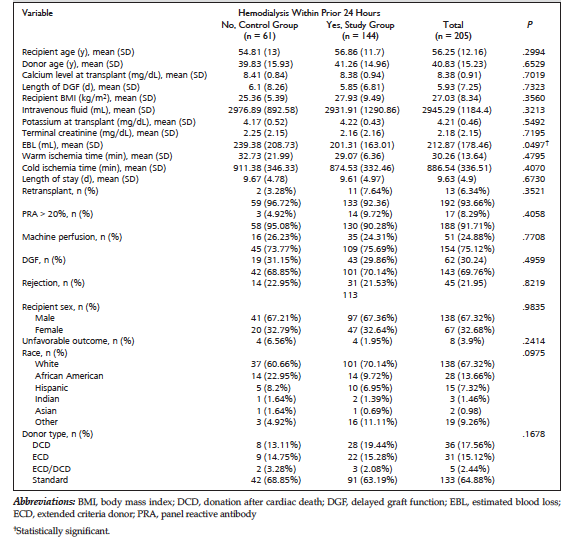
Table 1. Continuous Demographic Variables for Study and Control Group*
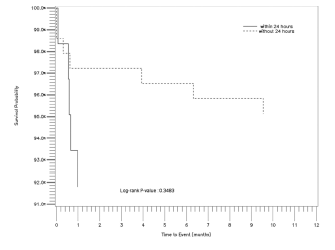
Figure 1. Graft Survival (1 y) for Study and Control Groups
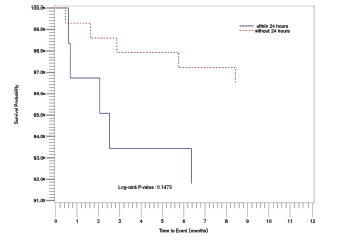
Figure 2. Patient Survival (1 y) for Study and Control Groups