Volume: 12 Issue: 3 June 2014
FULL TEXT
Objectives: Posttransplant anemia is associated with an increased risk of congestive heart failure, left ventricular hypertrophy, and death. The purpose of this study was to evaluate the effect of long-acting erythropoietin-stimulating agents on anemia after kidney transplant.
Materials and Methods: In 2306 kidney transplant recipients, 250 anemic patients (11%) with stable graft function were followed at the Hamed Al-Essa Organ Transplant Centre (Kuwait) and were assessed for anemia. We enrolled 120 patients into this open-label study in 2 groups: group 1 had treatment with darbepoetin alfa (86 patients) and group 2 had continuous erythropoietin receptor activator (34 patients).
Results: Patient age correlated negatively with serum iron level. Serum ferritin correlated negatively with hemoglobin level 6 months after transplant but not at time of transplant. Most patients were women who received their grafts from male donors. The 2 groups were comparable in frequency of rejection and mean hemoglobin and serum albumin levels at 3, 6, 9, and 12 months after transplant. There was no difference between the 2 groups in renal function (estimated glomerular filtration rate); posttransplant complications such as new-onset diabetes after transplant, hypertension, serious bacterial infections, or patient and graft outcomes.
Conclusions: Anemia is an important problem after kidney transplant, and iron use is suboptimal in kidney transplant recipients. Darbepoetin alfa and continuous erythropoietin receptor activator had comparable positive results.
Key words : Continuous erythropoietin receptor activator, Darbepoetin alfa, End-stage kidney disease, Hemoglobin, Iron
Introduction
Anemia is an important risk factor for cardiovascular death in patients who have chronic kidney disease (CKD).1 Posttransplant anemia has a prevalence from 20% to 60%2-4 and is associated with an increased risk of congestive heart failure and left ventricular hypertrophy.2-7 The persistence of posttransplant anemia may be an important contributor to death.8-10 The pathogenesis of posttransplant anemia is multifactorial, and late posttransplant anemia is associated with renal dysfunction, immuno-suppressive drugs, antiviral agents, and the use of angiotensin-converting enzyme inhibitors.11-14 Severe anemia that requires treatment, based on current guidelines, is less frequent (prevalence, 10%-15%).15,16
There is controversy about the association between anemia and outcome in kidney transplant recipients.17-21 Anemia may predict the decline of renal function in CKD patients, but adequate treatment of anemia may slow the decline of renal function.7,22-24 A retrospective study showed that prevalence of posttransplant anemia is high, especially in women and patients who receive calcineurin inhibitors and mycophenolate mofetil, and posttransplant anemia was associated with poorer graft outcome but had no effect on patient transplant survival.25 However, anemia has received less attention in transplant than nontransplant CKD patients because response to erythropoietic therapy may be similar in transplant and nontransplant CKD patients. Conversely, posttransplant anemia can be affected by factors that are unique to transplant recipients.26
Continuous erythropoietin receptor activator (CERA) is a third generation erythropoiesis-stimulating agent licensed for treatment of symptomatic anemia associated with CKD. The pharmacologic profile and prolonged administration half-life of CERA enable extended administration intervals up to once per month. Several studies have confirmed the efficacy of CERA for anemia correction and maintenance of stable hemoglobin levels in CKD patients.27-35 However, the information available in kidney transplant recipients is limited. A literature search showed only 1 clinical trial that reported data in this setting; CERA given once per month enabled the maintenance of hemoglobin levels in kidney transplant recipients who had anemia associated with CKD and who changed treatment from darbepoetin alfa.36
The purpose of this study was to assess different causes of anemia in kidney transplant recipients who had stable graft function and to evaluate anemia control prospectively in kidney transplant recipients who received long acting erythropoietin-stimulating agents.
Materials and Methods
Patients
In 2306 kidney transplant recipients (year 1976 to present), 250 anemic patients
had stable graft function, were followed at the Hamed Al-Essa Organ Transplant
Centre (Kuwait), and were assessed for the cause of anemia. Anemia was defined
according to the Revised European Best Practice guidelines for anemia in kidney
transplant (hemoglobin < 110 g/L [11 g/dL]) as the threshold for treatment with
erythropoietin-stimulating agents. In the present study, anemia was defined by a
hemoglobin level of ≤ 120 g/L (12 g/dL) in women and ≤ 130 g/L (13 g/dL) in men,
and severe anemia was defined by ≤ 110 g/L (11 g/dL) in women or men.
Patients were included in this open-label study when they (1) were adult kidney transplant patients (age ≥ 18 y) who were 6 months after transplant, (2) gave informed consent, (3) had stable maintenance subcutaneous darbepoetin alfa therapy with constant dose during the previous 2 months, and (4) had hemoglobin level ≤ 120 g/L (12 g/dL) (hematocrit ≤ 0.34 [34%]). Patients were excluded from the study because of (1) acute bleeding or erythrocyte transfusion within the previous 8 weeks, (2) acute hemolytic anemia, (3) recent infection or rejection, (4) acute systemic inflammatory disease and/or high C-reactive protein level > 286 nmol/L (30 mg/L), (5) hemodialysis because of failure of a kidney transplant, (6) creatinine concentration > 300 μmol/L, or (7) malignancy.
After correction of iron deficiency and exclusions, 120 patients were enrolled in the study and categorized into 2 groups according to the erythropoietin-stimulating agent used, either darbepoetin alfa (86 patients) or CERA (34 patients). The study adhered to the World Medical Association Declaration of Helsinki (original and all amendments) and national regulations, and was approved by the ethics committee of the transplant center. All patients gave written informed consent.
Evaluation
Each patient was evaluated clinically with history and physical examination
monthly in the outpatient clinic. Laboratory tests included complete blood
count, hemoglobin electrophoresis, prothrombin time, erythrocyte sedimentation
rate, and serum levels of iron, ferritin, transferrin saturation, vitamin B12,
folic acid, parathyroid hormone, C-reactive protein, creatinine, creatinine
clearance, liver function tests, calcium, phosphorus, and fasting blood sugar.
Patients also were tested with urinary protein level (g/24 h), serum drug
levels, virology profile (cytomegalovirus, Epstein-Barr virus, and parvovirus),
and abdominal ultrasonography. Follow-up evaluation included clinical
examination and laboratory tests including complete blood cell count and levels
of urea, creatinine, fasting blood glucose, plasma albumin, proteinuria, and
drugs.
Statistical analyses
Data were analyzed with statistical software (SPSS for Windows, version 17.0,
SPSS Inc, Chicago, IL, USA). Continuous variables were reported as
mean ± standard deviation, and qualitative variables were reported as frequency
(number [%]) (sex, ethnicity, hemoglobin values within target ranges, and
occurrence of adverse events). Univariate and multivariate analyses were used to
evaluate correlations between anemia, sex, renal allograft function, diabetes
mellitus, and cytomegalovirus infection at 6 months after transplant.
Statistical significance was defined by P ≤ .05.
Results
In 2306 kidney transplant patients, 250 patients (11%) were anemic and agreed to participate in the study. All patients were > 6 months posttransplant and were maintained on erythropoietin-stimulating agents. During the preparation phase of the study, we noted that 36 patients (14%) achieved target hemoglobin level > 120 g/L (12 g/dL) by correction of iron deficiency anemia. Serum iron was significantly lower in patients who had anemia (anemia, 11 ± 5; no anemia, 15 ± 6; P ≤ .01). Patient age correlated negatively with serum iron (r, -0.215; P ≤ .05). Serum ferritin level correlated negatively with hemoglobin level at 6 months after transplant (r, -0.328; P ≤ .004) but not at time of transplant (r, 0.08; not significant). Patients in both groups were similar in mean serum C-reactive protein, folic acid, and vitamin B12 level, and most patients had low vitamin D level but no proteinuria.
Most patients who were maintained on darbepoetin alfa or CERA were women, and both groups were similar in mean age and received their grafts mostly from men (Table 1). The 2 groups had similar frequencies of comorbidities and transplant characteristics (Table 1).
Patients in the CERA group received a mean starting dose of CERA 116 ± 86 μg per month which was significantly lower than that the corresponding equivalent darbepoetin alfa dose (154 ± 73 μg/mo) received by patients of the darbepoetin alfa group during the first 3 months (difference not significant). There was no significant difference between the 2 groups in the mean dosage received during the subsequent 9 months. The mean number of blood transfusions was similar between the 2 groups during the entire study (CERA group, 0.1 ± 0.3 transfusion units/patient; darbepoetin alfa group, 0.2 ± 0.5 transfusion units/patient; not significant).
The 2 groups were comparable in frequency of rejection and types of acute rejection episodes (Table 2). The 2 groups had similar mean hemoglobin level and renal function (estimated glomerular filtration rate) at 3, 6, 9, and 12 months after transplant (Table 3).
The 2 groups had similar frequency of posttransplant complications including level of hypertension (number of antihypertensive drugs) and frequency of new-onset diabetes after transplant and infections (Table 4). Both groups had comparable frequency of cardiovascular complications (acute myocardial infarction, coronary stenting, and arrhythmias) (data not shown). No parvovirus infection was observed in any recipient. There was no significant difference in patient or graft outcome between the 2 groups at the end of the study (mean follow-up, 2.4 y) (Table 5 and Figures 1 and 2).
Discussion
Anemia is more prevalent in allograft recipients than other patients who have CKD matched for glomerular filtration rate. There are limited data available about the correction of anemia with erythropoietin-stimulating agents after transplant. The higher degree of anemia in kidney allograft recipients may be attributed to the use of immuno-suppressive drugs. Higher doses of erythropoietin-stimulating agents are indicated to treat anemia in kidney transplant recipients.37 The drug CERA was administered to the present patients once per month, and this may simplify treatment for outpatients who self-administer erythropoiesis-stimulating agents.38
In this study, we aimed to assess different causes of anemia in kidney transplant recipients who had stable graft function and to evaluate anemia control prospectively in recipients who received long-acting erythropoietin-stimulating agents. Conversion to CERA from other erythropoiesis stimulating agents enabled hemoglobin levels to remain within 10 g/L (1 g/dL) of baseline values in > half the present patients, and approximately two-thirds of the patients maintained hemoglobin levels from 110 to 130 g/L. The only clinical trial that reported efficacy of CERA in kidney transplant recipients after converting from other erythropoiesis-stimulating agents confirmed the maintenance of hemoglobin levels, showing 64.3% patients with hemoglobin levels ± 10 g/L from 100 to 120 g/L; 76.2% patients with hemoglobin levels ± 10 g/L of baseline values; and 73.8% patients with hemoglobin levels from 100 to 120 g/L after switching from darbepoetin alfa every 2 weeks to once-monthly CERA.16 Another study in CKD patients not on dialysis who changed from once-weekly darbepoetin alfa to once-monthly CERA also reported hemoglobin levels from 110 to 130 g/L in 65% to 80% patients.39
In another observational study, CERA adminis-tration under clinical practice conditions enabled anemia to be controlled in kidney transplant recipients.29 In patients who had not received erythropoietin-stimulating agents, starting CERA promoted increased hemoglobin levels to ≥ 110 g/L in 95% patients without the need for blood transfusions. Although further information in kidney transplant recipients is required, correction of anemia with CERA has been reported previously in CKD patients not on dialysis. In these patients, increases in hemoglobin level ≥ 10 g/L, and hemoglobin levels ≥ 110 g/L without blood transfusions, were reported in 97.5% patients who received CERA every 2 weeks.31 In addition, increases in hemoglobin level ≥ 10 g/L, and hemoglobin level ≥ 100 g/L, were reported in 94.1% patients when CERA was administered once per month.30
In the present study, patients who received CERA achieved hemoglobin levels > 110 g/L in 80.6% patients at 6 months and 77.15% patients at 12 months follow-up, and patients who were maintained on darbepoetin alfa achieved the same target hemoglobin levels in 59.3% patients at 6 months (P ≤ .03) and 65% patients at 12 months follow-up (not significant). The lower percentage of the present patients who had target hemoglobin levels (> 110 g/L) may be attributed to the higher frequency of iron deficiency and less frequent CERA injections in the present patients compared with patients in other studies.
Previous studies showed that patients converting from other erythropoiesis-stimulating agents may achieve anemia control with lower doses of their maintenance.29 These findings are consistent with the results of the only other clinical trial identified about the use of CERA in kidney transplant recipients, which suggested that the dose of CERA upon changing from darbepoetin alfa (< 40 μg/wk) to CERA (120 μg/mo) might be a higher dose of CERA than necessary for these patients.38 The present results were similar, especially within 3 months after transplant.
Increased hemoglobin levels were observed in patients early after transplant, with mean levels of > 110 g/L by 1 month after transplant. However, we cannot identify the specific effect of CERA on anemia correction because there was no comparison group. Further controlled studies are needed to confirm the effect of CERA in this patient population.
In the present study, we converted patients from darbepoetin alfa (< 40 μg/wk, 40-80 μg/wk, and > 80 μg/wk) to CERA (120 μg/mo, 200 μg/mo, and 350 μg/mo), and the follow-up dosage was adjusted according to hemoglobin levels. Administration of CERA was well tolerated by kidney transplant recipients, with an expected safety profile comparable to shorter-acting erythropoiesis-stimulating agents. This was supported by the comparable follow-up renal graft function (estimated glomerular filtration rate) (Table 3), number of antihypertensive agents, number of patients with new-onset diabetes after transplant or serious bacterial infections (Table 4), and graft and patient outcomes (Table 5 and Figures 1 and 2). This confirmed previous findings that CERA may be well tolerated in kidney transplant recipients and CKD patients.36,40
The present clinical trial supports the results of previous observational studies that provided valuable information about treatments administered in clinical practice. The present study was a randomized prospective clinical trial with a comparison group, and this overcame the disadvantages of a previously reported study.41
In summary, anemia may be an important problem in kidney transplant recipients, and iron use may be suboptimal in these patients. Long-acting erythropoietin-stimulating preparations had comparable positive results. Larger and long-term studies are needed to support these observations.
References:
- Vlagopoulos PT, Tighiouart H, Weiner DE, et al. Anemia as a risk factor
for cardiovascular disease and all-cause mortality in diabetes: the impact of
chronic kidney disease. J Am Soc Nephrol. 2005;16(11):3403-3410.
CrossRef - PubMed - Augustine JJ, Knauss TC, Schulak JA, Bodziak KA, Siegel C, Hricik DE.
Comparative effects of sirolimus and mycophenolate mofetil on erythropoiesis in
kidney transplant patients. Am J Transplant. 2004;4(12):2001-2006.
CrossRef - PubMed - Mitsnefes MM, Subat-Dezulovic M, Khoury PR, Goebel J, Strife CF. Increasing
incidence of post-kidney transplant anemia in children. Am J Transplant.
2005;5(7):1713-1718.
CrossRef - PubMed - Vanrenterghem Y. Anemia after kidney transplantation. Transplantation.
2009;87(9):1265-1267.
CrossRef - PubMed - Rigatto C, Foley R, Jeffery J, Negrijn C, Tribula C, Parfrey P.
Electrocardiographic left ventricular hypertrophy in renal transplant recipients:
prognostic value and impact of blood pressure and anemia. J Am Soc Nephrol.
2003;14(2):462-468.
CrossRef - PubMed - Ponticelli C, Villa M. Role of anaemia in cardiovascular mortality and
morbidity in transplant patients. Nephrol Dial Transplant. 2002;17(suppl
1):41-46.
CrossRef - PubMed - Rigatto C, Parfrey P, Foley R, Negrijn C, Tribula C, Jeffery J. Congestive
heart failure in renal transplant recipients: risk factors, outcomes, and
relationship with ischemic heart disease. J Am Soc Nephrol.
2002;13(4):1084-1090.
PubMed - Imoagene-Oyedeji AE, Rosas SE, Doyle AM, Goral S, Bloom RD.
Posttransplantation anemia at 12 months in kidney recipients treated with
mycophenolate mofetil: risk factors and implications for mortality. J Am Soc
Nephrol. 2006;17(11):3240-3247.
CrossRef - PubMed - Chhabra D, Grafals M, Skaro AI, Parker M, Gallon L. Impact of anemia after
renal transplantation on patient and graft survival and on rate of acute
rejection. Clin J Am Soc Nephrol. 2008;3(4):1168-1174.
CrossRef - PubMed - Molnar MZ, Czira M, Ambrus C, et al. Anemia is associated with mortality in
kidney-transplanted patients – a prospective cohort study. Am J Transplant.
2007;7(4):818-824.
CrossRef - PubMed - Hsu CY, McCulloch CE, Curhan GC. Epidemiology of anemia associated with
chronic renal insufficiency among adults in the United States: results from the
Third National Health and Nutrition Examination Survey. J Am Soc Nephrol.
2002;13(2):504-510.
PubMed - Shah N, Al-Khoury S, Afzali B, et al. Posttransplantation anemia in adult
renal allograft recipients: prevalence and predictors. Transplantation.
2006;81(8):1112-1118.
CrossRef - PubMed - Afzali B, Al-Khoury S, Shah N, Mikhail A, Covic A, Goldsmith D. Anemia after
renal transplantation. Am J Kidney Dis. 2006;48(4):519-536.
CrossRef - PubMed - Winkelmayer WC, Chandraker A. Posttransplantation anemia: management and
rationale. Clin J Am Soc Nephrol. 2008;3(suppl 2):S49-S55..
CrossRef - PubMed - Vanrenterghem Y, Ponticelli C, Morales JM, et al. Prevalence and management
of anemia in renal transplant recipients: a European survey. Am J Transplant.
2003;3(7):835-845.
CrossRef - PubMed - Molnar MZ, Novak M, Ambrus C, et al. Anemia in kidney transplanted patients.
Clin Transplant. 2005;19(6):825-833.
CrossRef - PubMed - Winkelmayer WC, Lorenz M, Kramar R, Hörl WH, Sunder-Plassmann G. Percentage
of hypochromic red blood cells is an independent risk factor for mortality in
kidney transplant recipients. Am J Transplant. 2004;4(12):2075-2081.
CrossRef - PubMed - Heinze G, Mitterbauer C, Regele H, et al. Angiotensin-converting enzyme
inhibitor or angiotensin II type 1 receptor antagonist therapy is associated
with prolonged patient and graft survival after renal transplantation. J Am Soc
Nephrol. 2006;17(3):889-899.
CrossRef - PubMed - Kamar N, Rostaing L. Negative impact of one-year anemia on long-term patient
and graft survival in kidney transplant patients receiving calcineurin
inhibitors and mycophenolate mofetil. Transplantation. 2008;85(8):1120-1124.
CrossRef - PubMed - Molnar MZ, Czira M, Ambrus C, et al. Anemia is associated with mortality in
kidney-transplanted patients - a prospective cohort study. Am J Transplant.
2007;7(4):818-824.
CrossRef - PubMed - Winkelmayer WC, Chandraker A, Alan Brookhart M, Kramar R, Sunder-Plassmann
G. A prospective study of anaemia and long-term outcomes in kidney transplant
recipients. Nephrol Dial Transplant. 2006;21(12):3559-3566.
CrossRef - PubMed - Kovesdy CP, Trivedi BK, Kalantar-Zadeh K, Anderson JE. Association of anemia
with outcomes in men with moderate and severe chronic kidney disease. Kidney Int.
2006;69(3):560-564.
CrossRef - PubMed - Iaina A, Silverberg DS, Wexler D. Therapy insight: congestive heart failure,
chronic kidney disease and anemia, the cardio-renal-anemia syndrome. Nat Clin
Pract Cardiovasc Med. 2005;2(2):95-100.
CrossRef - PubMed - Gleissner CA, Murat A, Schäfer S, et al. Reduced hemoglobin after heart
transplantation is no independent risk factor for survival but is associated
closely with impaired renal function. Transplantation. 2004;77(5):710-717.
CrossRef - PubMed - Gheith O, Wafa E, Hassan N, Mostafa A, et al. Does posttransplant anemia at
6 months affect long-term outcome of live-donor kidney transplantation? A single-center
experience. Clin Exp Nephrol. 2009;13(4):361-366.
CrossRef - PubMed - KDOQI, National Kidney Foundation. KDOQI clinical practice guidelines and
clinical practice recommendations for anemia in chronic kidney disease. Am J
Kidney Dis. 2006;47(5 suppl 3):S11-S145.
PubMed - de Francisco AL, Sulowicz W, Klinger M, et al. BA16260 Study Investigators.
Continuous Erythropoietin Receptor Activator (C.E.R.A.) administered at extended
administration intervals corrects anaemia in patients with chronic kidney
disease on dialysis: a randomised, multicentre, multiple-dose, phase II study.
Int J Clin Pract. 2006;60(12):1687-1696.
CrossRef - PubMed - Provenzano R, Besarab A, Macdougall IC, et al. The continuous erythropoietin
receptor activator (C.E.R.A.) corrects anemia at extended administration
intervals in patients with chronic kidney disease not on dialysis: results of a
phase II study. Clin Nephrol. 2007;67(5):306-317.
PubMed - Macdougall IC, Walker R, Provenzano R, et al. C.E.R.A. corrects anemia in
patients with chronic kidney disease not on dialysis: results of a randomized
clinical trial. Clin J Am Soc Nephrol. 2008;3(2):337-347.
CrossRef - PubMed - Roger SD, Locatelli F, Woitas RP, et al. C.E.R.A. once every 4 weeks
corrects anaemia and maintains haemoglobin in patients with chronic kidney
disease not on dialysis. Nephrol Dial Transplant. 2011;26(12):3980-3986.
CrossRef - PubMed - Fliser D, Kleophas W, Dellanna F, et al. Evaluation of maintenance of stable
haemoglobin levels in haemodialysis patients converting from epoetin or
darbepoetin to monthly intravenous C.E.R.A.: the MIRACEL study. Curr Med Res
Opin. 2010;26(5):1083-1089.
CrossRef - PubMed - Carrera F, Lok CE, de Francisco A, et al. Maintenance treatment of renal
anaemia in haemodialysis patients with methoxy polyethylene glycol-epoetin beta
versus darbepoetin alfa administered monthly: a randomized comparative trial.
Nephrol Dial Transplant. 2010;25(12):4009-4017.
CrossRef - PubMed - Canaud B, Mingardi G, Braun J, et al. Intravenous C.E.R.A. maintains stable
haemoglobin levels in patients on dialysis previously treated with darbepoetin
alfa: results from STRIATA, a randomized phase III study. Nephrol Dial
Transplant. 2008;23(11):3654-3661.
CrossRef - PubMed - Levin NW, Fishbane S, Cañedo FV, et al. Intravenous methoxy polyethylene
glycol-epoetin beta for haemoglobin control in patients with chronic kidney
disease who are on dialysis: a randomised non-inferiority trial (MAXIMA). Lancet.
2007;370(9596):1415-1421.
CrossRef - PubMed - Locatelli F, Villa G, de Francisco AL, et al. Effect of a continuous
erythropoietin receptor activator (C.E.R.A.) on stable haemoglobin in patients
with CKD on dialysis: once monthly administration. Curr Med Res Opin.
2007;23(5):969-979.
CrossRef - PubMed - Carreño A, Campistol JM, Arias M, Morales JM, Pallardo L, Franco A. A randomised, multicenter, phase IIIb clinical trial to evaluate efficacy and safety of C.E.R.A. once a month versus darbepoetin alfa in renal transplant recipients with chronic renal anaemia (TIVOLI Study Group) [ATC abstract 27]. Am J Transplant. 2011;11(suppl 2):36.
- Malyszko J, Glowinska I, Mysliwiec M. Treatment of anemia with
erythropoietin-stimulating agents in kidney transplant recipients and chronic
kidney disease - another drawback of immunosuppression? Transplant Proc.
2012;44(10):3013-3016.
CrossRef - PubMed - Mann JF, de Francisco A, Nassar G, Canaud B. Fewer dose changes with once-monthly
C.E.R.A. in patients with chronic kidney disease. Clin Nephrol. 2011;76(1):9-15.
CrossRef - PubMed - Minutolo R, Zamboli P, Chiodini P, et al. Conversion of darbepoetin to low
doses of CERA maintains hemoglobin levels in non-dialysis chronic kidney disease
patients. Blood Purif. 2010;30(3):186-194.
CrossRef - PubMed - Locatelli F, Mann JF, Aldigier JC, et al. C.E.R.A. safety profile: a pooled
analysis in patients with chronic kidney disease. Clin Nephrol.
2010;73(2):94-103.
CrossRef - PubMed - Sánchez-Fructuoso AI, Ruiz JC, Torregrosa JV, et al. Anemia control in renal
transplant recipients receiving continuous erythropoietin receptor activator
(C.E.R.A.) treatment: the AnemiaTrans Study. Adv Ther. 2012;29(11):979-991.
CrossRef - PubMed

Volume : 12
Issue : 3
Pages : 220 - 226
DOI : 10.6002/ect.2013.0226
From the 1Hamed Al-Essa Organ Transplant Center, Ibn-Sinah Hospital, Sabah Area,
Ministry of Health, Kuwait; the 2Mansoura Urology and Nephrology Center,
Mansoura University, Mansoura City, Egypt; and the Hamed Al-Essa Organ
Transplant Center of, Kuwait
Acknowledgements: The author declares that he has no conflicting interests and
has received no financial support for this study.
Corresponding author: Osama Ahsry Ahmed Gheith, Mansoura Urology and Nephrology
Center, Mansoura University, Elgomhouria St., Mansoura City, 35516, Egypt; and
Hamed Al-Essa Organ Transplant Center of, Kuwait
Phone: +9 65 6664 1967
Fax: +9 65 4848 615
E-mail: ogheith@yahoo.com
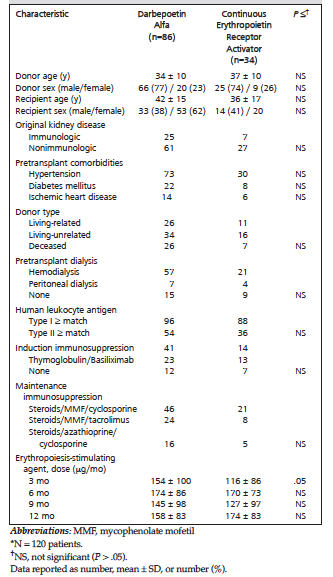
Table 1. Characteristics of Donors and Recipients of Kidney Transplant*
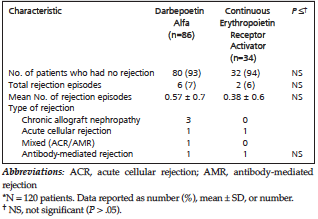
Table 2. Rejection Episodes in Kidney Transplant Recipients Who Received Darbepoetin Alfa or Continuous Erythropoietin Receptor Activator*
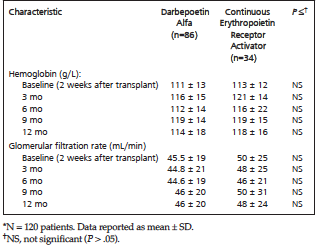
Table 3. Posttransplant Hemoglobin and Renal Function in Kidney Transplant Recipients Who Received Darbepoetin Alfa or Continuous Erythropoietin Receptor Activator*
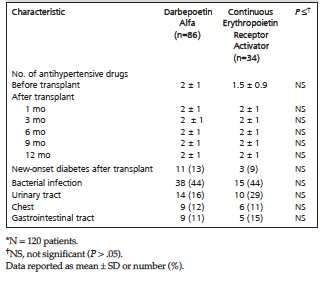
Table 4. Posttransplant Complications in Kidney Transplant Recipients Who Received Darbepoetin Alfa or Continuous Erythropoietin Receptor Activator*
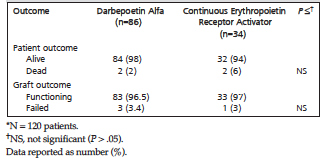
Table 5. Outcomes in Kidney Transplant Recipients Who Received Darbepoetin Alfa or Continuous Erythropoietin Receptor Activator*
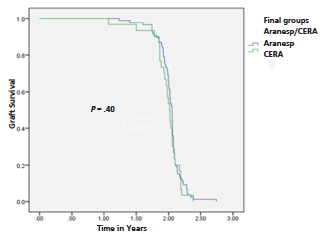
Figure 1. Continuous Erythropoietin Receptor Activator (CERA)
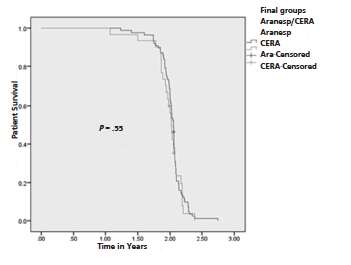
Figure 2. Graft Survival in Kidney Transplant Recipients Who Received Darbepoetin Alfa or Continuous Erythropoietin Receptor Activator (CERA)