Volume: 11 Issue: 2 April 2013
FULL TEXT
Objectives: To summarize the pathotyping and clinical manifestations of biliary cast syndrome in patients after an orthotopic liver transplant.
Materials and Methods: The clinical manifestations, auxiliary examination, therapeutic regimen, and clinical efficacy of 103 biliary cast syndrome patients who underwent an orthotopic liver transplant were retrospectively analyzed. Patients were divided into 6 groups from type 1 to type 6, according to the injury level of the biliary duct epithelium.
Results: Many biliary cast syndrome patients showed symptoms including jaundice, dark urine, argillaceous stool, itchy skin, and fever. Serum levels of alanine aminotransferase, γ-glutamyl transpeptidase, alkaline phosphatase, and total bilirubin were increased. In addition, total white cell counts in peripheral blood also were increased. T-tube cholangiography showed filling defects of various amounts. Optical fiber choledochoscope examination revealed that the biliary tract was filled with solid substances, and necrosis of the biliary tract epithelium was observed in some biliary cast syndrome patients. From type 1 to type 6 biliary cast syndrome patients, the probability of clinical symptoms and biliary tract stricture gradually increased, the time needed for supporting gradually prolonged after removal of the biliary cast, and T-tube cholangiography showed that the filling defects gradually expanded.
Conclusions: Clinical manifestations and cholangiography presentations mainly depend on pathotyping.
Key words : Liver transplant, Biliary cast, Postoperative complications, Pathotyping, Image manifestation
Introduction
Complications after a liver transplant include biliary tract complications, vascular complications, infections, and various rejections. Biliary cast syndrome (BCS) is a syndrome that is characterized by the presence of a biliary cast (BC), which causes obstruction of the biliary tree, leading to a series of clinical manifestations; it is simultaneously accompanied by 1 or more nonanastomotic biliary tract epithelial necrosis or stenosis.1 The precise mechanism of BCS is poorly understood. Biliary cast syndrome cannot be avoided completely; it manifests differently in the clinic, and is difficult to treat, with a poor prognosis, high morbidity, and retransplant rate.
The present study retrospectively analyzed the clinical data of 103 BCS patients who were admitted in the Liver Transplantation Institute in General Hospital of Chinese People’s Armed Police Forces between April 2002 and March 2006 in whom we performed pathotyping according to choledochofiberoscopy, thus further recognizing the BCS. In addition, this study analyzed the causes for various clinical manifestations and summarized the treatment methods based on pathotyping in relation with prognosis.
Subjects and Methods
General data
Among 650 patients who received a liver transplant at the Liver Transplantation
Institute in General Hospital of Chinese People’s Armed Police Forces from April
2002 to March 2006, fifty-nine patients presented with BCS were recruited into
this study.
In addition, 44 patients presented with BCS after a liver transplant at other
hospitals were concurrently recruited in this study. These 103 patients with BCS
after the liver transplant included 91 men and 12 women (mean age, 49.9 y; range,
23-70 y). Of these 103 BCS patients, 19 underwent a piggyback orthotopic liver
transplant and 84 underwent standard orthotopic liver transplant. All protocols
were approved by the ethics committee of the institution before the study began,
and the protocols conformed with the ethical guidelines of the 1975 Helsinki
Declaration. Written, informed consent was obtained from all patients.
At the Liver Transplantation Institute, 95% of patients received T-shaped tube placement after the liver transplant; at 2 weeks after the liver transplant, routine cholangiography was performed, followed by occlusion of the T-shaped tube; at 3 months after surgery, a cholangiography was performed again to determine whether T-shaped tube should be extracted.
Immunosuppressive therapy
Before transplant, anti-Tac monoclonal antibody
(1 mg/kg) + methylprednisolone (10 mg/kg) were used for immune induction. After
transplant, tacrolimus (0.1 mg/kg/d) + mycophenolate mofetil (1500 mg/d) +
prednisone acetate tablets (5 mg/d × 90 d) were used as immunosuppressants.
Diagnostic evidence for biliary cast syndrome
Patients were considered to have a greater risk for BCS if all of the following
criteria were met: Clinical symptoms: obstructive jaundice (jaundice, dark
urine, argillaceous stool, itchy skin), and/or infection of biliary tract
(fever, septic shock). Laboratory examinations included increased levels of
alanine aminotransferase (ALT), γ-glutamyltransferase (GGT), alkaline
phosphatase (ALP), total bilirubin (TBIL), direct bilirubin (DBIL), increased
peripheral blood leucocyte counts, and positive pathogenic microorganism
cultures. Radiographic examinations included intrahepatic biliary tract filling
defect shown by a T-shaped tube cholangiography, endoscopic retrograde
cholangiopancreatography, magnetic resonance cholangiopancreatography, or
percutaneous transhepatic cholangiography. Cholangiography was used for further
examination: Biliary cast syndrome finally would be diagnosed if there are casts
causing obstruction of the biliary trees. There are various pathotypes based on
biliary tract epithelial injury degrees. Some patients have no clinical symptoms
or laboratory index changes, but there were intrahepatic biliary tract filling
defects shown by T-shaped tube cholangiography or by endoscopic retrograde
cholangiopancreatography, magnetic resonance cholangiopancreatography, and casts
that could be observed by using a choledochoscope.
Biliary cast syndrome biliary pathotype
In accordance with the injury levels detected by choledochofiberscope findings,
BCS patients were divided into 6 types (Figure 1) as follows: type 1 represents
pure BC (with an intact bile duct epithelium); type 2 represents BC formation
(with a necrotic common hepatic duct bile duct epithelium); type 3 represents BC
formation (with necrotic bile duct epithelial affecting the common hepatic duct
and left hepatic duct); type 4 represents BC formation (with the necrotic bile
duct epithelium affecting the common hepatic duct and the right hepatic duct);
type 5 represents BC formation (with the necrotic biliary duct epithelium
affecting the common hepatic duct, and the left and right hepatic duct); and
type 6 represents BC formation (where the necrotic biliary duct epithelium
affects the common hepatic duct, and the left and right hepatic duct).
Statistical analyses
Liver function indices of all patients (ALT, GGT, ALP, TBIL, DBIL) were analyzed
before treatment, the measurement data are expressed as means ± SD. All patients
were followed-up for 12 months. The clinical symptoms, radiographic findings,
treatment sessions, and prognoses in each group were taken into consideration.
General information and bile culture results of all BC patients were
statistically analyzed.
Results
Clinical data of biliary cast syndrome patients
Among 103 BCS patients, 59 cases underwent a liver transplant at our hospital,
the incidence rate was 9.1% (59/650), in which 20.6% were in the year two
thousand two, 16.5% were in the year two thousand three, 9.9% were in the year
two thousand four, and 5.9% were in the year two thousand five. There were 14
cases of type 1, 18 cases of type 2, 27 cases of type 3, 23 cases of type 4, 13
cases of type 5, and 18 cases of type 6. The clinical symptoms, imaging
findings, and treatment scheme and outcomes were different among different cases
(Tables 1 and 2).
General form of biliary cast
The immediately removed BC was flexible and varied in color, some were solid
structures, and some were hollow structures. The dried BC became brittle. The BC
forms included “antler shape,” “leafless tree” shape, block shape, and sheets
(Figure 2). The BC weighed 1 to 70 grams, and their texture varied: while some
were soft, some were hard and brittle. There were 71 cases exhibiting leafless
tress shape (68.9%), 20 had an antler shape (19.4%), 6 were blocks (5.8%), and 6
were sheets (5.8%); the BC texture was tough in 74 cases (71.8%), hard and
brittle in 21 cases (20.4%), and soft in 8 cases (7.8%); and the BC color was
black in 38 cases (36.9%), dark brown in 37 cases (35.9%), and light brown in 28
cases (27.2%).
Imaging findings of biliary cast syndrome
There are 4 types of BCS imaging findings (Figure 3): (1) filling defect is seen
indistinctly, biliary tree is normal; (2) filling defect is clearly visible,
biliary tree is normal; (3) filling defect is dominant, biliary tree is
incomplete; (4) only incomplete trunk is seen. The ALT, TBIL, DBIL of type 1 and
2 patients were normal, while the GGT and ALP increased in 14 patients before
treatment (Table 3), no BC and stenosis was found during follow-up. The ALT,
TBIL, DBIL, GGT, and ALP increased in 37 type 3 and 4 patients before treatment;
mild nonanastomotic stenosis occurred in 5 cases; and 3 cases at 3 to 6 months
after giving a support. The ALT, TBIL, DBIL, GGT, and ALP increased in type 5
patients before treatment; and moderate nonanastomotic stenosis occurred in 4
cases at 6 to 12 months after giving a support. The ALT, TBIL, DBIL, GGT, and
ALP increased in type 6 patients before treatment; all patients appeared with
severe nonanastomotic stenosis during follow-up.
Eight patients exhibited severe necrosis and poor functional recovery (bile secretion < 100 mL/d, hyperbilirubinemia progressively aggravated) within 12 months after the initial liver transplant: 4 cases died of multiple organ failure and poor general conditions in the perioperative period; 3 cases returned to normal after a liver retransplant with no BCS; and 1 case showed a BCS after liver retransplant. The symptoms were relived by choledochofiberscope and support tube treatment. Finally, the BCS disappeared after the third liver transplant in 7 months after the second surgery, postoperative recovery was good. In the remaining 10 cases, 9 cases failed at retransplant because of economic reasons, and all died of multiple organ failure; 1 patient died because of acute obstructive suppurative cholangitis without timely treatment during outside hospital observation. The average survival time was 7.6 months.
Choledochofiberscope findings of the biliary cast syndrome
Choledochofiberscope examination was performed 3 months postoperatively. Biliary
cast syndrome patients with different pathotypes showed
various bile duct walls, mainly biliary epithelial necrosis and emerging
granulation tissue, which gradually aggravated from type 1 to type 6 patients
(Figures 4 and 5). Biliary cast morphology under choledochofiberscope determined
BCS imaging performance (Figure 6).
Prognosis and risk factors
The mortality of BCS patients in this group was 13.6%, and 44.0% after
retransplant. Total cure rate was 54%, total improvement rate was 71%, and total
stenosis rate was 29%. Bile culture positive rate in BCS patients was 97%. Among
the 421 positive strains, there were 94 strains of coagulase-negative
staphylococci (22.3%), 84 strains of Acinetobacter (20.0%), 77 strains of
Stenotrophomonas maltophilia (18.3%), 63 strains of pseudomonas aeruginosa
(15.0%), 53 strains of Escherichia coli (12.6%), 39 strains of Enterococcus
faecium (9.2%), and 11 strains of Staphylococcus aureus (2.6%).
Data of 59 BCS patients admitted to our hospital were systematically analyzed, risk factors include ischemia-reperfusion injury in 20 cases (33.9%), prolonged cold preservation in 21 cases (35.6%), prolonged warm ischemia in 19 patients (32.2%), hepatic artery thrombosis in 7 patients (11.9%), contrast agent stimulation in 14 cases (23.7%), splenic artery steal in 1 case (1.7%), University of Wisconsin solution flushing of the bile duct in 1 case (1.7%), and technical factors in 10 cases (16.9%). In addition to splenic artery steal as the recipient factor and technical factors as the iatrogenic factors, other factors are the donor liver factors, while cytomegalovirus infection factors remained unclear.
The involved 7 patients with hepatic artery embolism were treated with alprostadil, dextran-40, and heparin; 4 cases were found to have arterial frequency spectrum by color Doppler ultrasound 10 days after the diagnosis, and there was no nonanastomotic stoma stenosis in the biliary duct during follow-ups. One case appeared with a liver abscess in the right liver lobe that was healed with percutaneous puncture and draining. In addition, 3 cases presented with diffuse biliary tract necrosis and stenosis; unfortunately, they died of liver functional failure before the secondary liver transplant. Several studies have already described biliary tract casting, so we did not perform repeat research.
Discussion
Mechanism underlying the biliary cast formation
Biliary cast consists of bilirubin 10% to 50% and 5% to 10% protein, but bile
salt and cholesterol are rare.2 Biliary cast formation may contribute to
exudative inflammation of bile duct epithelium.1, 3, 4 Many factors have been
reported to result in biliary epithelial injury.2, 5-12 Bile duct epithelium
appears as exudative inflammation under inflammatory cytokine stimulation;
fibrin diffusely or locally deposits in the bile duct, then degenerates and
fixes after combining with bile to form BC skeleton. Bilirubin deposits and
forms BC taking some components of the skeleton as the core; a hollow structure
will occur if deposition is incomplete. Biliary cast formation may obstruct bile
duct and result in severe jaundice. Biliary cast coinfection contributes to
acute obstructive suppurative cholangitis.
Relation of hepatic artery thrombosis and stenosis with biliary cast syndrome
Transcatheter arterial thrombosis directly results in intrahepatic biliary
ischemia, and even diffused biliary necrosis and stenosis, which are
characteristics of type 6. Hepatic arterial thrombosis is not the only cause of
diffused biliary necrosis among the 18 type 6 cases;14 cases were not confirmed
to have a diagnosis of hepatic arterial thrombosis. Even after treatment,
diffuse biliary necrosis and stenosis were not present; among the 7 analyzed
cases of hepatic artery thrombosis, 4 occurred during arterial reconstruction
with no presence of diffused biliary necrosis and stenosis.
Clinical manifestations of different pathotypes of the biliary cast syndrome
Bile duct epithelial injury involves mostly the bile duct full-thickness wall,
and the patient outcome is associated with the location and scope of biliary
epithelial necrosis, by which this group of patients was classified. Type 1: the
mildest pathotype; type 2: often found in the examination, BC in type 1 and type
2 is multiple, the color is dark, “sheet-”or “block-shaped,” seldom
“antler-shaped,” and weighing 1 to 25 grams. These 2 types were asymptomatic
because the biliary epithelium is repaired, or mild stenosis had not affected
drainage of bile. Type 3: biliary epithelial necrosis involves the common and
left hepatic duct; type 4: involves the right lobe of liver is more crucial than
the left lobe in liver function so type 4 pathotype is more serious than type 3;
the occurrence of these 2 types of symptoms depends on the BC nature and
quantity. Most patients are asymptomatic, some patients show symptoms owing to
BC and biliary stricture affecting bile drainage or infection. There are 33.4%
and 30.4% patients at these 2 types showing fever, 25.9 % and 34.8% having
jaundice; all needed early postoperative intervention.13 Types 3 and 4 of the BC
is mostly yellow brown with some dark; the BC shape is mostly the antler or
leafless tree branch, some as leafless tree trunk, weighing 10 to 47 grams. Type
5: biliary epithelial necrosis extends because the bile drains into 2 hepatic
lobes; this is more serious in type 5 than in types 3 and 4. The symptoms are
apparent in the early postoperative period and require early intervention as
well as long-term support tube after the removal of the BC. Type 6: the bile
duct epithelial injury reaches a peak range and influences all bile drainage.
The symptoms are apparent during the early postoperative period and require an
intervention to circumvent the crisis. A retransplant is suggested if the time
permits. The BC is mostly yellow brown, some are brittle, weighing 30 to 70
grams.
Biliary cast syndrome diagnostic criteria
Types 1 and 2, the biliary tree is full and intact by visualization because of
mild biliary epithelial injury. Types 3 and 4: the bile duct epithelial injury
aggravates, so more biliary trees are incomplete and only outlined. Types 5 and
6: the bile duct epithelium is greatly damaged, the formed BC and necrosis floss
fill in the bile duct; a complete profile cannot be displayed by contrast, only
the residual trunk is visible. Cholangiography is believed to be the criterion
standard for BC diagnosis,14, 15 showing the filling defect of the biliary tree.
In addition, potential BC characters in biliary duct can be estimated.
A small number of filling defects is actually
floating floc in the clinic, and radiography is unable to confirm the necrotic
severity of the
biliary epithelium. Choledochofiberscope makes up for the shortcomings of
cholangiography, and fully explains the radiographic findings obtained.
Choledochofiberscope is a potential criterion standard for BCS diagnosis,
clinical symptoms serve as an additional diagnostic criteria.
Biliary cast syndrome prognosis
Types 1 and 2 bile duct epithelial injury are mild, and all of our patients were
cured. Type 5 patients with severe biliary epithelial injury can relieve
symptoms after active conservative treatment and their quality of life improves.
To avoid retransplant, owing to a broad range of necrosis, the GGT and ALP are
high for a long time. Type 6 has serious biliary epithelial injury and is not
self-cured, massive sphacelus obstructing the bile duct cannot be cleared, thus
the need for a retransplant. Type 3 and 4 can achieve similar efficacy after
active treatment, as type 1 and 2, otherwise the disease will progress. A
transplant center has reported 45% (36 out of 80 patients) are candidates for
liver retransplant because of biliary complications.16 Although symptoms can be
relieved, even reoperation can be avoided in some patients by improving access
to organs and minimally invasive methods;17-23 30% to 50% of the diffuse duct
stenosis or intrahepatic bile duct
stenosis patients require a retransplant or they die of complications.24, 25 The
mortality in this group of BCS patients was 13.6%, and the retransplant
mortality rate was 44.0%, which demonstrates its seriousness.
References:
- Waldram R, Williams R, Calne RY. Bile composition and bile cast formation
after transplantation of the liver in man. Transplantation. 1975;19(5):382-387.
CrossRef - PubMed - Shah JN, Haigh WG, Lee SP, et al. Biliary casts after orthotopic liver
transplantation: clinical factors, treatment, biochemical analysis. Am J
Gastroenterol. 2003;98(8):1861-1867.
CrossRef - PubMed - Zhao QC, Dou KF, He Y, et al. Histochemical and ultrastructure study of bile
cast in liver transplantation patients [article in Chinese]. Zhonghua Wai Ke Za
Zhi. 2006;44(5):306-309.
PubMed - Zhu XD, Shen ZY, Zeng R, et al. Experience in treatment of biliary cast syndrome in 103 patients after liver transplantation. Zhonghua Gandan Waike Zazhi. 2007;174-178.
- Heidenhain C, Pratschke J, Puhl G, et al. Incidence of and risk factors for
ischemic-type biliary lesions following orthotopic liver transplantation.
Transpl Int. 2010;23(1):14-22.
CrossRef - PubMed - Deshpande RR, Heaton ND, Rela M. Surgical anatomy of segmental liver
transplantation. Br J Surg. 2002;89(9):1078-1088.
CrossRef - PubMed - Cutrin JC, Cantino D, Biasi F, et al. Reperfusion damage to the bile
canaliculi in transplanted human liver. Hepatology. 1996;24(5):1053-1057.
CrossRef - PubMed - Geuken E, Visser D, Kuipers F, et al. Rapid increase of bile salt secretion
is associated with bile duct injury after human liver transplantation. J
Hepatol. 2004;41(6):1017-1025.
CrossRef - PubMed - Knoop M, Schnoy N, Keck H, Neuhaus P. Morphological changes of human common
bile ducts after extended cold preservation. Transplantation.
1993;56(6):1572-1573.
PubMed - Sanchez-Urdazpal L, Gores GJ, Ward EM, et al. Diagnostic features and
clinical outcome of ischemic-type biliary complications after liver
transplantation. Hepatology. 1993;17(4):605-609.
CrossRef - PubMed - Martelius T, Krogerus L, Höckerstedt K, Bruggeman C, Lautenschlager I.
Cytomegalovirus infection is associated with increased inflammation and severe
bile duct damage in rat liver allografts. Hepatology. 1998;27(4):996-1002.
CrossRef - PubMed - Byrne MF, Chong HI, O'Donovan D, et al. Idiopathic cholangiopathy in a
biliary cast syndrome necessitating liver transplantation following head trauma.
Eur J Gastroenterol Hepatol. 2003;15(4):415-417. Erratum in: Eur J Gastroenterol
Hepatol. 2003;15(8):939. McCormack Aiden [corrected to McCormick P Aiden].
CrossRef - PubMed - Zhu XD, Shen ZY, Zeng R, Zang YJ, Wang H. The radiation interventional
therapy to biliary cast syndrome in 103 patients after liver transplantation.
Zhonghua Qiguan Yizhi
Zazhi. 2008;29:98-101. - Sheng R, Ramirez CB, Zajko AB, Campbell WL. Biliary stones and sludge in
liver transplant patients: a 13-year experience. Radiology. 1996;198(1):243-247.
PubMed - Stratta RJ, Wood RP, Langnas AN, et al. Diagnosis and treatment of biliary
tract complications after orthotopic liver transplantation. Surgery.
1989;106(4):675-683; discussion 683-684.
PubMed - Shen ZY, Zhu ZJ, Deng YL, et al. Liver retransplantation: report of 80 cases
[article in Chinese]. Zhonghua Wai Ke Za Zhi. 2006;44(5):298-301.
PubMed - Weber A, Prinz C, Gerngross C, et al. Long-term outcome of endoscopic and/or
percutaneous transhepatic therapy in patients with biliary stricture after
orthotopic liver transplantation. J Gastroenterol. 2009;44(12):1195-1202.
CrossRef - PubMed - Taketomi A, Morita K, Toshima T, et al. Living donor hepatectomies with
procedures to prevent biliary complications. J Am Coll Surg.
2010;211(4):456-464.
CrossRef - PubMed - Giacomoni A, Lauterio A, Slim AO, et al. Biliary complications after living
donor adult liver transplantation. Transpl Int. 2006;19(6):466-473.
CrossRef - PubMed - Bourdeaux C, Darwish A, Jamart J, et al. Living-related versus deceased
donor pediatric liver transplantation: a multivariate analysis of technical and
immunological complications in 235 recipients. Am J Transplant.
2007;7(2):440-447.
CrossRef - PubMed - Fujita S, Mizuno S, Fujikawa T, et al. Liver transplantation from donation
after cardiac death: a single center experience. Transplantation.
2007;84(1):46-49.
CrossRef - PubMed - Polese L, Cillo U, Brolese A, et al. Endoscopic treatment of bile duct
complications after orthotopic liver transplantation. Transplant Proc.
2007;39(6):1942-1944.
CrossRef - PubMed - Manzarbeitia CY, Ortiz JA, Jeon H, et al. Long-term outcome of controlled,
non-heart-beating donor liver transplantation. Transplantation.
2004;78(2):211-215.
CrossRef - PubMed - Gor NV, Levy RM, Ahn J, Kogan D, Dodson SF, Cohen SM. Biliary cast syndrome
following liver transplantation: Predictive factors and clinical outcomes. Liver
Transpl. 2008;14(10):1466-1472.
CrossRef - PubMed - Porayko MK, Kondo M, Steers JL. Liver transplantation: late complications of
the biliary tract and their management. Semin Liver Dis. 1995;15(2):139-155.
CrossRef - PubMed

Volume : 11
Issue : 2
Pages : 142 - 149
DOI : 10.6002/ect.2012.0035
From the Liver Transplantation Institute of Armed Police Force, General Hospital
of Chinese Armed Police Force, Beijing 100039, China
Corresponding author: Xiao-dan Zhu, Liver Transplantation Institute of Armed
Police Force, General Hospital of Chinese Armed Police Force, Yongding Road, No.
69 Hai Dian District, Beijing 100039, China
Phone: +86 139 1111 9129 E-mail: xiaodan-zhu@hotmail.com
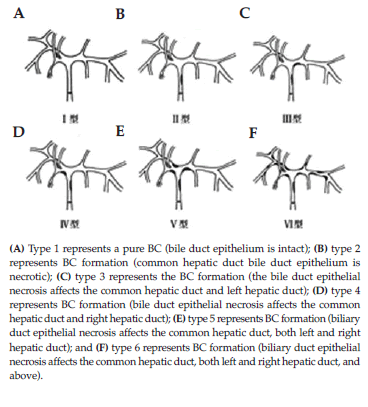
Figure 1. Various Forms of the Biliary Cast
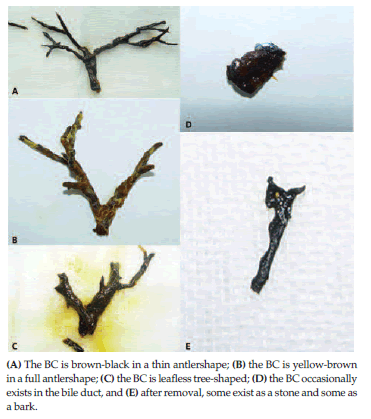
Figure 2. Various Forms of the Biliary Cast
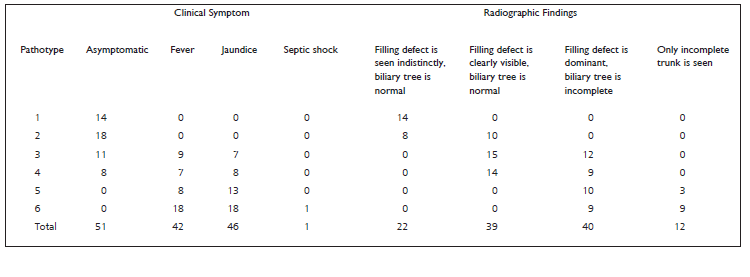
Table 1. The Pathotype, Clinical Symptoms, and Radiographic Findings (n)
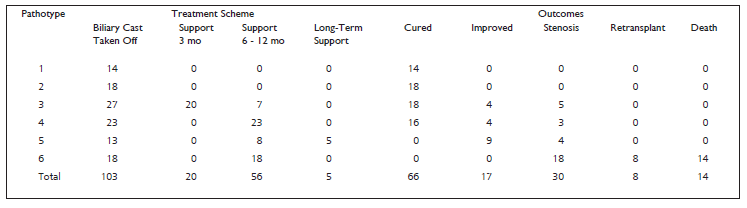
Table 2. The Pathotype, Treatment Scheme, and Outcomes (n)
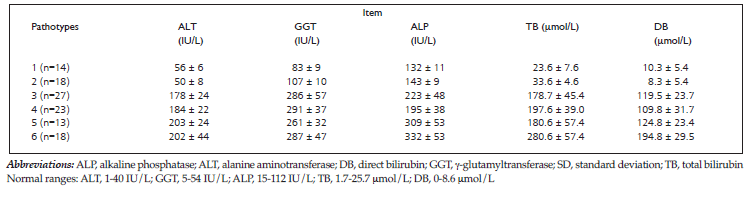
Table 3. Liver Function Indices of Patients at Different Pathotypes Before Treatment (Mean ± SD)
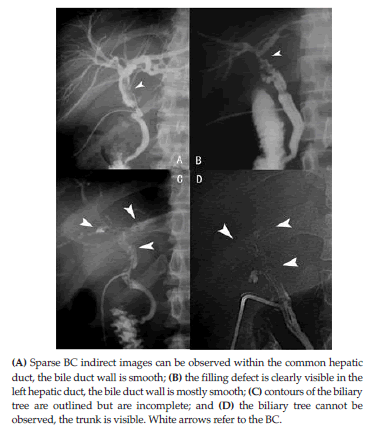
Figure 3. Imaging Findings of the Biliary Cast Syndrome
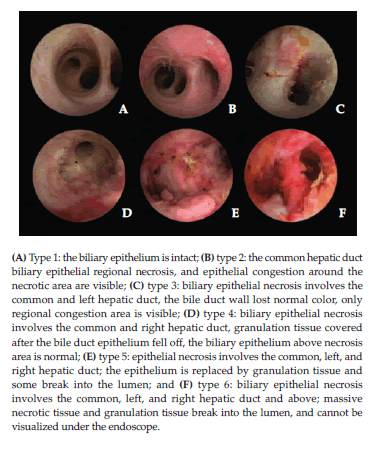
Figure 4. Bile Duct Wall of Various Pathotypes Patients With the Biliary Cast Syndrome After Biliary Cast Removal Under Endoscope
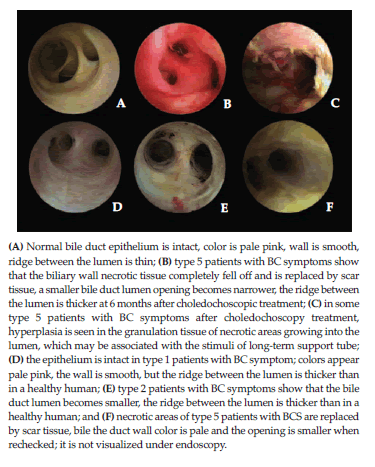
Figure 5. Endoscopic Biliary Duct Wall in a Healthy Human Versus Patients With the Biliary Cast Symptom After Removing the Biliary Cast
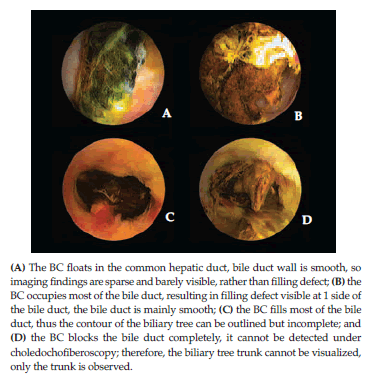
Figure 6. Imaging Performance of the Biliary Cast Syndrome Determined by the Biliary Cast Under Choledochofiberoscopy