Volume: 11 Issue: 2 April 2013
FULL TEXT
Objectives: Reducing the incidence of delayed graft function after transplant with donation after cardiac death donor renal allografts would facilitate managing recipients during their first weeks after a transplant. To reduce this incidence, in most studies, induction therapy with depleting anti-T-lymphocyte antibodies is coupled with a reduction of the dosage of the calcineurin inhibitor. The separate effect of anti-T-cell therapy on the incidence and duration of delayed graft function is therefore difficult to assess.
Patients and Methods: We performed a randomized study to evaluate the effect of a single intraoperative high-dose of anti-T-lymphocyte immunoglobulin (ATG)-Fresenius (9 mg/kg body weight) on the incidence of delayed graft function. Eligible adult recipients of a first donation after cardiac death donor renal allograft were randomly assigned to ATG-Fresenius or no induction therapy. Maintenance immunosuppression consisted of tacrolimus, in an unadjusted dose, mycophenolate mofetil, and steroids.
Results: The study was prematurely terminated because of a lower-than-anticipated inclusion rate. Baseline characteristics were comparable in the ATG-Fresenius group (n=28) and the control group (n=24). Twenty-two patients in the ATG-Fresenius group (79%) had delayed graft function, compared with 13 in the control group (54%; P = .06). Allograft and patient survival were comparable in both groups. Serious adverse events occurred more frequently in the ATG-Fresenius group than they did in the control group (57% vs 29%; P < .05).
Conclusions: Intraoperative administration of a single high-dose of ATG-Fresenius in donation after cardiac death donor renal allograft recipients, followed by triple immunosuppression with an unadjusted tacrolimus dose, seems ineffective to reduce the incidence of delayed graft function. Moreover, this was associated with a higher rate of serious adverse events (EudraCT-number, 2007-000210-36.)
Key words : Anti-T-lymphocyte immunoglobulin, Delayed graft function,Donation after cardiac death
Introduction
The increased waiting list for renal transplant has prompted the use of so-called “expanded criteria donors” to increase the number of renal allografts available for transplant. Donation after cardiac death (DCD) has emerged as a satisfactory option to provide renal allografts with patient and graft survival rates similar to those obtained with renal allografts from donation after brain death donors.1 A major problem with transplant of renal allografts from DCD donors is the high incidence of delayed graft function (around 40% to 50%, but might be as high as 80%).2 This frequently results in the continued need for dialysis for some time after the transplant, with associated increases in morbidity and mortality, and prolonged hospital stay.3 Moreover, the lack of graft function requires performing graft biopsies at regular intervals to exclude acute rejection. Finally, delayed graft function is a risk factor for acute rejection and graft loss, although the detrimental effect of delayed graft function on graft survival appears to be much weaker in transplants with DCD donor renal allograft than in transplants with donation after brain death donor renal allografts.4,5 Consequently, reducing the incidence of delayed graft function after transplant with DCD donor renal allografts would facilitate managing recipients during the first weeks after a transplant and potentially improve long-term outcomes.
Renal allografts from a DCD donor have prolonged warm ischemia periods and therefore, have more severe ischemia-reperfusion–associated tissue damage. Ischemia-reperfusion injury involves a cascade of deleterious steps, including increased cytokine synthesis and leukocyte-mediated tissue damage. Next to neutrophils, T-cells have been identified as important cellular mediators in ischemia-reperfusion injury.6 T-cell depletion at the time of transplant may reduce the extent of tissue damage after ischemia-reperfusion injury.3
Various depleting anti-T-lymphocyte antibodies are available for use in transplant. They include rabbit anti-human thymocyte immunoglobulin (Thymoglobulin, Genzyme), equine anti-thymocyte immunoglobulin (Atgam, Pfizer), and rabbit anti-human activated T-lymphocyte immunoglobulin (ATG-F; ATG-Fresenius, Fresenius Biotech GmbH). Rabbit anti-human activated T-lymphocyte immunoglobulin consists of highly purified immunoglobulins, derived from rabbits after immunization with a T-lymphoblast cell line (ie, Jurkat cell line). Administering the polyclonal anti-T-lymphocyte antibody ATG-F results in rapid T-cell depletion. Rabbit anti-human activated T-lymphocyte immunoglobulin also has some effects on other cells of the immune system, namely proliferating B-lymphocytes and other antigen presenting cells.7,8
In previous clinical studies on induction therapy with depleting anti-T-lymphocyte antibodies, this treatment was usually coupled to a reduction of the dosage of the calcineurin inhibitor (either tacrolimus or cyclosporine). Because calcineurin inhibitors can retard the recovery of graft function after renal transplant,9 the separate effect of anti–T-cell therapy on the incidence and duration of delayed graft function is difficult to judge in these studies. Therefore, in our study, a different study protocol was chosen. A regular, unadjusted dose of tacrolimus was used in both the ATG-F group and control group to evaluate the effect of ATG-F on ischemia-reperfusion injury.
In this study, we evaluate whether a single, intraoperative high dose of ATG-F added to a triple immunosuppressive drug regimen with an unadjusted dose of tacrolimus, could reduce the incidence and duration of delayed graft function after transplant with a DCD donor renal allograft.
Patients and Methods
This multicentre, randomized, open label study was conducted in 4 university centers in The Netherlands. The study was conducted in compliance with the applicable regulatory requirements and the Declaration of Helsinki. Written, informed consent was obtained from all patients. During the study, no changes were made to the design of the study. The conduct of the study was continually monitored by independent study nurses.
All patients (aged ≥ 18 years) who were candidates to receive a renal
allograft from a DCD donor were eligible for this study. Acceptability criteria
for donor age, and warm and cold ischemia times were according to local
protocols. Exclusion criteria were a previous transplant or proposed transplant
with multiple organs (eg, kidney-pancreas transplant); blood group
incompatibility; current pregnancy or history of more than 3 pregnancies; lack
of consistent data on a panel reactive antigen; known presence
of antibodies against rabbit immunoglobulin or previous treatment with rabbit
immunoglobulin; known intolerance to any component of basal immunosuppression;
HIV-positivity; leukocytes
< 3.0 × 10⁹/L and/or platelets < 50 × 109/L before
transplant; (cured) malignancy (with the exception of basocellular or
spinocellular skin cancer); and pulmonary edema or other signs of overhydration.
Patients were randomly assigned (1:1) to either the ATG-F group or the control
group. Treatment assignments were randomized at the coordinating center using a
computer-derived algorithm. Treatment assignments were printed on paper and put
in concealed, numbered envelopes. Participants were stratified for the age of
the recipient (< 50 and ≥ 50 years) and the length of the first warm ischemia
time (< 30 and ≥ 30 minutes). Patients were assigned a consecutive number by the
participating center, in the order in which they entered the study. The
consecutive number corresponded with the envelope containing the assigned
treatment, which was opened after eligibility of the patient was finally
established and the patient was ready for treatment.
Patients in the ATG-F group received a single high-dose of ATG-F IV (9 mg/kg body weight, diluted in 500 mL saline) intraoperatively. Before the infusion of ATG-F, patients received 250 mg of methylprednisolone IV. The infusion of ATG-F was given in 4 hours and did not need to be completed before reperfusion of the graft. Afterward, patients received triple immunosuppression with tacrolimus, mycophenolate mofetil, and steroids. In the control group, patients received only 250 mg of methylprednisolone intraoperatively and equal triple immunosuppression after transplant.
In both groups, patients were treated with a regular, unadjusted dose of tacrolimus, to enable evaluation of the separate effect of adding ATG-F. The initial dosage of tacrolimus was 0.2 mg/kg/d orally, starting within 24 hours posttransplant. The tacrolimus dosage was adjusted to a target trough level of 15 to 20 mg/L in the first 2 weeks posttransplant, 10 to 15 mg/L during the 3 to 6 weeks after transplant, and 5 to 10 mg/L thereafter. Mycophenolate mofetil was started at a dosage of 2000 mg/d. After 2 weeks, the dosage was decreased to 1500 mg/d, unless the body weight was more than 90 kg. In patients with delayed graft function, the starting dosage was 1500 mg/d to reduce adverse events caused by an accumulation of metabolites. Prednisone was given in a dosage of 100 mg IV for the first 3 days after the operation. Afterward, the dosage of prednisone was tapered according to local practices. For prophylaxis of Pneumocystis jiroveci pneumonia, trimethoprim/sulfamethoxazole was given in a dosage of 480 mg daily. For prophylaxis of cytomegalovirus disease, valganciclovir was given in case of a seropositive donor and seronegative recipient in a dosage adjusted to allograft function.
The primary endpoint of this study was the incidence of delayed graft function, defined as the need for dialysis following transplant. Secondary endpoints were the duration of initial delayed graft function (defined as the interval between the day of transplant and the last day of dialysis), and incidence of primary nonfunction of the allograft. Moreover, at 3 months after transplant, the incidence of acute rejection (clinically treated and biopsy proven), allograft function and proteinuria, patient and graft survival, incidence of arterial hypertension, use of antihypertensive drugs, incidence of hyperlipidemia, and incidence of posttransplant diabetes mellitus were recorded. As safety parameters, the incidence of infections, especially cytomegalovirus, the incidence of malignancies during the first 3 months after transplant, and the incidence of serious adverse events were recorded. Serious adverse events were defined as any untoward medical occurrence that at any dose that resulted in death, was life-threatening, required inpatient hospitalization or prolongation of existing hospitalization, or was otherwise medically significant to prevent or reduce permanent impairment or damage. Primary and secondary endpoints were not changed during the study.
At any time during the application of ATG-F or shortly after the infusion, there is a risk of anaphylactic reactions including a drop in blood pressure, chest pain, fever, or urticaria. Because the study used a single dose of ATG-F, the only reason for discontinuation of the treatment was clinically significant symptoms during infusion. Anti-human activated T-lymphocyte immunoglobulin therapy was not discontinued if the symptoms remained mild and reversible.
Sample size determination was made under the assumption that the rate of delayed graft function would be 80% in the control group, with a reduction to 60% or less with ATG-F. A sample size of 80 patients per group provided at least 80% power, with α = 2.5% one-sided, to detect this difference. Taking possible dropouts into account, the study was planned with 90 patients per group, requiring 180 patients in total. No interim analysis was planned nor performed in this study.
We performed overall group comparisons using a chi-square test or Fisher exact test (if counts per group were below 5). For continuous variables, we used either an unpaired t test (normally distributed data) or a Wilcoxon Mann-Whitney U test (not-normally distributed data). All statistical tests were 2-sided, and P < .05 was considered statistically significant. Patients who underwent transplant were evaluated in an intention to treat analysis. Because the number of patients was small, the primary and secondary endpoints were not analyzed within strata.
Results
The study was prematurely terminated in June 2010 because of a much lower-than-anticipated inclusion rate, without the prospect of improvement. Between January 2008 and June 2010, all adult patients (n=151) who were candidates to undergo transplant with a DCD donor renal allograft were assessed for eligibility. In total, 54 patients could be randomized ( Figure 1). Most patients were ineligible because they met exclusion criteria, for example, a previous transplant. In addition, many patients could not be included because the preparation time for the transplant was too short to obtain proper informed consent. The 54 patients who were included for randomization did not differ from the 97 patients not included with respect to recipient age, sex, cause of end-stage renal disease, and ischemia times (data not shown).
Of the 54 included patients, 30 were randomized for treatment with ATG-F. The data of 2 patients in the ATG-F group were not analyzed because the transplant was cancelled because of the bad quality of the allograft and a positive crossmatch, respectively. Although 1 patient in the ATG-F group did inadvertently not receive ATG-F, this patient was included in the analysis. If this patient were excluded in a per-protocol analysis, the outcome on all endpoints did not change. All randomized patients finished the 3-month follow-up. Patients within strata were equally randomized between ATG-F and control treatment ( Table 1). The groups showed no significant differences with respect to donor and recipient characteristics ( Table 1).
The incidence of delayed graft function did not significantly differ between both groups (79% in the ATG-F group vs 54% in the control group; P = .06; Table 2). Four patients in the ATG-F group and 2 in the control group required only 1 dialysis session after transplant. The duration of delayed graft function, the incidence of primary nonfunction, and the incidence of biopsy-proven rejection did not differ between the ATG-F and the control group. At 3 months after transplant, patient and graft survival were 100% and 96% in the ATG-F group versus 96% and 83% in the control group (NS). Serum creatinine was not different between groups at any moment after transplant.
One day after transplant, the absolute lymphocyte count was lower in the ATG-F group as compared to the control group (0.18 × 10⁹/L, range, 0.0-0.48 × 10⁹/L vs 0.59 × 10⁹/L, range 0.0-1.6 × 10⁹/L; P < .01). Two weeks after transplant, this difference between the ATG-F and control group disappeared. The thrombocyte count 1 day after transplant also was lower in the ATG-F group (115 × 109/L, range, 56-256 × 109/L) as compared to the control group (191 × 109/L, range, 81-336 × 109/L; P < .01). This difference was no longer present 3 weeks after transplant.
The number of patients with at least 1 infection (mostly urinary tract infections) did not significantly differ between the groups (63% in the ATG-F group vs 38% in the control group; P = .069; Table 2). No malignancies occurred within the first 3 months after transplant, and no lymphomas have been reported after an extended follow-up of 1 year. Serious adverse events were reported more frequently in the ATG-F group than in the control group (57% of patients vs 29%; P < .05; Table 3). One patient (in the control group) died of cardiac arrest at the fifth postoperative day. The other serious adverse events are specified in Table 3. Three patients (11%, 3/28) had a severe reaction when given ATG-F, mainly hypotension. Moreover, an additional 2 patients in the ATG-F group had signs of hemolysis the day after transplant, for which no other explanation than administering ATG-F was available. Serum sickness was not reported, although 1 patient in the ATG-F group was found to have a positive titer of anti-rabbit immunoglobulin antibodies (80 U/L) at the time of transplant (without known exposure to rabbit proteins or previous known positive anti-rabbit immunoglobulin antibodies).
Discussion
The main objective of this randomized multicenter study was to test the efficacy of ATG-F to reduce the incidence of delayed graft function after DCD donor renal transplant. The premature termination of our study does not allow drawing firm conclusions related to our main objective. Nonetheless, our study indicates that the addition of a single intraoperative dose of ATG-F to standard triple immunosuppressive therapy, with and unadjusted tacrolimus dose, is not effective to reduce the incidence or duration of delayed graft function and might even be associated with a higher incidence of serious adverse events.
Interestingly, there was also no effect of ATG-F on the incidence of acute rejection. In other studies, induction therapy with a single dose of ATG-F or other anti-T-lymphocyte immunoglobulins universally reduced the incidence of acute rejection.10-15 Because we noticed a profound lymphocytopenia and a mild thrombocytopenia in the ATG-F group, ineffectiveness of the ATG-F itself seems an unlikely explanation for the lack of a beneficial effect on the incidence of delayed graft function and incidence of rejection. Rather, it appears that either the contribution of T-cells in the pathogenesis and recovery of acute tubular necrosis after transplant with a DCD donor renal allograft is limited, or that the positive effect of ATG-F is counterbalanced by the negative effect of other factors. The reaction that accompanied the infusion of ATG-F could be 1 of those factors. Five patients had hypotension, thrombocytopenia, or fever. Although no cytokines were measured, these symptoms are known to be caused by a release of cytokines.16 This cytokine release syndrome could have contributed to a more proinflammatory environment, leading to more severe ischemia-reperfusion injury and worse outcomes. Hypotension, per se, also could have worsened ischemia-reperfusion injury. All patients with an infusion reaction developed delayed graft function, although the duration of delayed graft function did not differ from patients without infusion reactions (data not shown).
A difference in the type of donors (donation after brain death in most studies, compared to DCD in our study) also could explain the relatively high incidence of delayed graft function and the lack of a favorable effect of ATG-F. A lower incidence of delayed graft function was reported for patients treated with ATG-F in another study comparing ATG-F induction, basiliximab induction, or no induction (delayed graft function rate of 5.7%, 24.1%, and 15.9%; P < .025). In this study, however, only allografts from donation after brain death donors were included.10
Kaden and associates reported that induction therapy with a single dose of ATG-F was correlated with a reduced incidence of delayed graft function, compared with a triple drug regimen with low cyclosporine dose (32.9% vs 45.5%; P < .01).11 However, this was a retrospective study with potential bias. Other prospective studies evaluating the effect of a single intraoperative dose of ATG-F did not find a difference between patients treated with ATG-F, compared with a control group treated with either mycophenolate mofetil or standard dose cyclosporine.13,17 In the aforementioned studies, treatment with ATG-F was accompanied by a dose adjustment of the calcineurin inhibitor.10,11 As stated in our introduction section, the combined use of ATG-F and adjustments of calcineurin inhibitors, makes it difficult to assess the separate effect of ATG-F. Because we used a regular, unadjusted tacrolimus dose and did not see an effect on the incidence of delayed graft function, the beneficial effect in other studies could possibly be caused by the dose adjustment of the calcineurin inhibitor, instead of the administration of anti–T-lymphocyte immunoglobulin. To investigate this hypothesis would require a study arm with a reduced dose of the calcineurin inhibitor without ATG-F induction. This is not feasible, however, because one would expose the patient to an unjustifiable high risk of graft rejection.
Aside from the lack of efficacy, a higher incidence of serious adverse effects was reported in the ATG-F group. However, the open design of our study does not exclude bias, especially in reporting serious adverse events. Of the adverse effects occurring during and after administration of ATG-F, especially the thrombocytopenia and acute coronary syndrome, compromised patient safety. Another concern is the trend toward more infections in the ATG-F group, which was not reported in other studies with ATG-F. This could be either an effect of ATG-F itself, or related to the unadjusted, relatively higher (compared with other studies) tacrolimus dose in our study.
We prematurely terminated our study because of an unacceptable low recruitment rate. We initially aimed for the participation of 7 Dutch transplant centers, but inclusion of study participants was initiated in only 4 of them. Moreover, the number of DCD donor renal allografts reported for transplant was smaller than estimated and more patients than expected met the exclusion criteria. Consequently, the study was underpowered to detect clinically meaningful differences in outcome parameters. However, based on the current findings with an incidence of delayed graft function of 79% in the ATG-F group and 54% in the control group, it is unlikely that expanding the study population from 54 to the planned number of 180 would yield a statistically significant benefit of ATG-F (the chance to achieve this was calculated to be 4%).
In conclusion, we are aware that our results must be considered with some caution, because our study was prematurely terminated. However, the intraoperative administration of a single high-dose of ATG-Fresenius in DCD donor renal allograft recipients, followed by triple immunosuppression with unadjusted tacrolimus dose, seems ineffective for reducing the incidence of delayed graft function. Because administration of ATG-F was associated with a higher rate of serious adverse events, the use of ATG-Fresenius in DCD donors to reduce the incidence of delayed graft function cannot be recommended.
References:
- Keizer KM, de Fijter JW, Haase-Kromwijk BJ, Weimar W. Non-heart-beating
donor kidneys in the Netherlands: allocation and outcome of transplantation.
Transplantation. 2005;79(9):1195-1199.
CrossRef - PubMed - Weber M, Dindo D, Demartines N, Ambühl PM, Clavien PA. Kidney
transplantation from donors without a heartbeat. N Engl J Med.
2002;347(4):248-255.
CrossRef - PubMed - Sola R, Alarcón A, Jiménez C, Osuna A. The influence of delayed graft
function. Nephrol Dial Transplant. 2004;19(suppl 3):iii32-iii37.
CrossRef - PubMed - Yarlagadda SG, Coca SG, Formica RN Jr, Poggio ED, Parikh CR. Association
between delayed graft function and allograft and patient survival: a
systematic review and meta-analysis. Nephrol Dial Transplant.
2009;24(3):1039-1047.
CrossRef - PubMed - Brook NR, White SA, Waller JR, Veitch PS, Nicholson ML. Non-heart
beating donor kidneys with delayed graft function have superior graft
survival compared with conventional heart-beating donor kidneys that develop
delayed graft function. Am J Transplant. 2003;3(5):614-618.
CrossRef - PubMed - Rabb H, Daniels F, O'Donnell M, et al. Pathophysiological role of T
lymphocytes in renal ischemia-reperfusion injury in mice. Am J Physiol Renal
Physiol. 2000;279(3):F525-F531.
PubMed - Fang L, Fehse B, Engel M, Zander A, Kröger N. Antithymocyte globulin
induces ex vivo and in vivo depletion of myeloid and plasmacytoid dendritic
cells. Transplantation. 2005;79(3):369-371.
CrossRef - PubMed - Zand MS. B-cell activity of polyclonal antithymocyte globulins.
Transplantation. 2006;82(11):1387-1395.
CrossRef - PubMed - Bennett WM, DeMattos A, Meyer MM, Andoh T, Barry JM. Chronic
cyclosporine nephropathy: the Achilles’ heel of immunosuppressive therapy.
Kidney Int. 1996;50(4):1089-1100.
CrossRef - PubMed - Kyllönen LE, Eklund BH, Pesonen EJ, Salmela KT. Single bolus
antithymocyte globulin versus basiliximab induction in kidney
transplantation with cyclosporine triple immunosuppression: efficacy and
safety. Transplantation. 2007;84(1):75-82.
CrossRef - PubMed - Kaden J, May G, Völp A, Wesslau C. Improved long-term survival after
intra-operative single high-dose ATG-Fresenius induction in renal
transplantation: a single centre experience. Ann Transplant.
2009;14(3):7-17.
PubMed - Kaden J, May G, Müller P, et al. Intraoperative high-dose
anti-T-lymphocyte globulin bolus in addition to triple-drug therapy improves
kidney graft survival. Transplant Proc. 1995;27(1):1060-1061.
PubMed - Yussim A, Shapira Z. Single-bolus high-dose ATG for prophylaxis of
rejection in renal transplantation--a prospective, randomized study. Transpl
Int. 2000;13(suppl 1):S293-S294.
CrossRef - PubMed - Ulrich F, Niedzwiecki S, Pascher A, et al. Long-term outcome of ATG vs.
Basiliximab induction. Eur J Clin Invest. 2011;41(9):971-978.
CrossRef - PubMed - Martins L, Fonseca I, Almeida M, et al. Immunosuppression with
antithymocyte globulin in renal transplantation: better long-term graft
survival. Transplant Proc. 2005;37(6):2755-2758.
CrossRef - PubMed - Remberger M, Svahn BM, Hentschke P, Löfgren C, Ringdén O. Effect on
cytokine release and graft-versus-host disease of different anti-T cell
antibodies during conditioning for unrelated haematopoietic stem cell
transplantation. Bone Marrow Transplant. 1999;24(8):823-830.
CrossRef - PubMed - Wang D, Chen JH, Wu WZ, et al. One year results of preoperative single
bolus ATG-Fresenius induction therapy in sensitized renal transplant
recipients. Transplant Proc. 2007;39(1):69-72.
CrossRef - PubMed

Volume : 11
Issue : 2
Pages : 134 - 141
DOI : 10.6002/ect.2012.0220
From the 1Department of Nephrology, Radboud University Nijmegen
Medical Centre; the 2Department of Nephrology, Erasmus Medical Centre
Rotterdam; 3Department of Nephrology, University Medical Centre
Utrecht; and the 4Department of Nephrology, University Medical Centre
Groningen, The Netherlands
Acknowledgements: This study was financially supported by Fresenius
Biotech GmbH, Gräfelfing, Germany. The company had no input in study design,
data collection, data analysis, and writing or editing of the manuscript. We
thank Marjo van Helden and Judith Kal-van Gestel for continually monitoring the
study and managing the database, and we thank Ronald Hené for his valuable
comments.
Corresponding author: M. W. F. van den Hoogen, Department of Nephrology
464, Radboud University Nijmegen Medical Centre, Geert Grooteplein 8, 6525 GA
Nijmegen, The Netherlands
Phone: +31 24 361 4761
Fax: +31 24 354 0022
E-mail: m.vandenhoogen@aig.umcn.nl
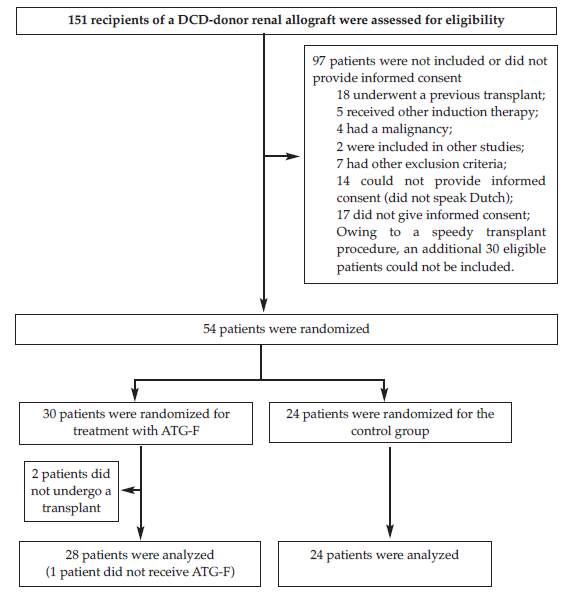
Figure 1. Enrollment of Patients in the Study
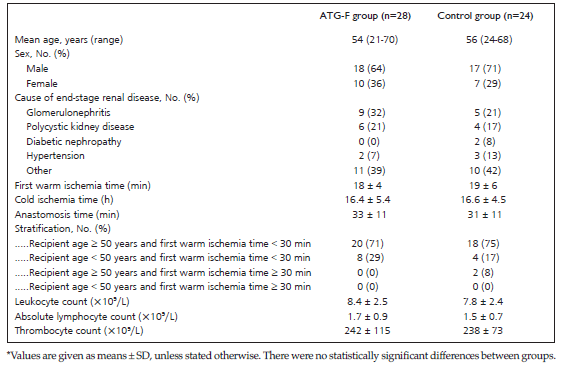
Table 1. Factors Deterring Educated People From Becoming Organ Donors:October Through December 2010
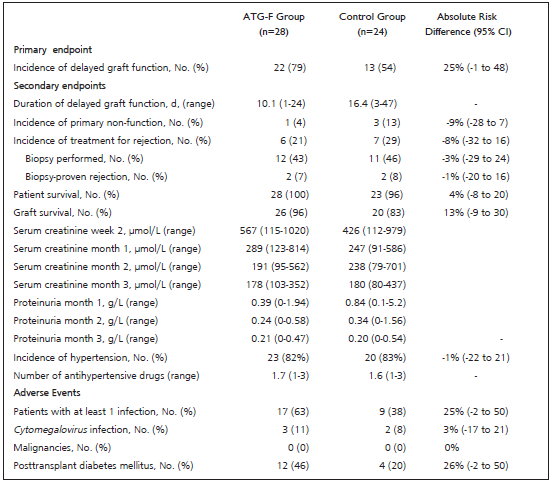
Table 2. Primary and Secondary Endpoints at 3 Months After Renal Transplant
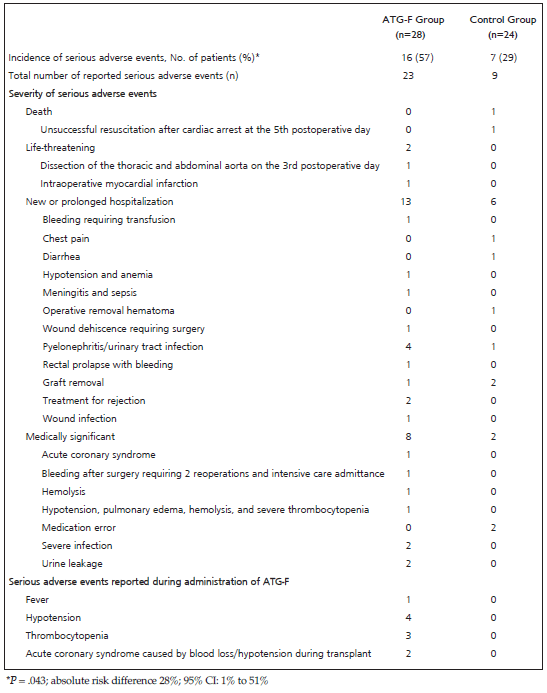
Table 3. Serious Adverse Events Reported During the Study