Volume: 10 Issue: 3 June 2012
FULL TEXT
Objectives: Severe intervertebral disc herniation causes complete paraplegia and loss of pain sensation in canines. The prognosis is poor, even when decompression surgery is performed immediately after onset. Studies suggest that bone marrow-derived mononuclear cells will regenerate the injured spinal cord and restore neurologic function. This study was conducted to assess the clinical efficacy of bone marrow-derived mononuclear cell autotransplanting in severe cases of canine intervertebral disc herniation.
Materials and Methods: Eighty-two dogs (miniature dachshunds) with severe thoracolumbar intervertebral disc herniation were used. All had intervertebral disc herniation accompanied by paraplegia and loss of pain perception. In 36 dogs, bone marrow-derived mononuclear cells were autotransplanted to the lesioned spinal cord immediately after decompression surgery. Bone marrow was collected from the proximal humerus and subjected to density gradient centrifugation to isolate the bone marrow-derived mononuclear cells. The remaining 46 dogs (receiving surgical treatment only) were assigned as controls. Therapeutic efficacy was compared based on the rate of ambulatory recovery.
Results: Ambulatory recovery was observed in 88.9% and 56.5% of animals in the bone marrow-derived mononuclear cells and control groups, and a significant difference was found. No complications were found in bone marrow-derived mononuclear cells group.
Conclusions: Bone marrow-derived mononuclear cell transplanting revealed a significant increase in the recovery rate and, as has been reported in rats and humans, bone marrow-derived mononuclear cell autotransplanting shows efficacy in canines as well.
Key words : Spinal cord injury, Regenerative therapy, Dog
Introduction
Thoracolumbar intervertebral disc herniation (IVDH) is relatively common in dogs, particularly in miniature dachshunds.1 Symptoms associated with canine IVDH are classified using 5 categories: Pain without other symptoms (grade 1), ambulatory paresis (grade 2), nonambulatory paresis (grade 3), paraplegia (grade 4), and paraplegia with analgesia (grade 5).2 Symptom severity is believed to depend on the degree and extent of compression and damage to the spinal cord. Surgical decompression (such as hemilaminectomy) is indicated for patients with severe symptoms. Surgical decompression is highly effective for paresis and paraplegia without loss of pain perception, and approximately 95% of patients achieve an improvement in symptoms.3
However, postoperative recovery is achieved in only approximately 50% of patients with paraplegia with loss of pain perception.4 Various approaches have been taken to improve postoperative recovery including improvements in surgical technique, introduction of high-resolution imaging modalities, and early surgical intervention. However, none of these approaches has been effective in improving postoperative outcome. The development of novel therapeutic methods, such as regenerative therapy, are necessary for the remaining half of the patients with whom no improvements were achieved, even with decompression surgery, and thus, they have permanent paraplegia and urination disorder.
Yoshihara and associates5 conducted a bone marrow-derived mononuclear cell (BM-MNC) transplant in a rat spinal cord injury model with a weight-drop device, and demonstrated histologic regeneration of the spinal cord and recovery of motor function. Arachimani and associates6 performed BM-MNCs autotransplant in humans with chronic spinal cord injury, and demonstrated clinical efficacy in 32% of the patients. Bone marrow-derived mononuclear cell transplanting is also feasible in veterinary medicine, because the technique is compatible with autologous transplanting without the need for cell culturing. Intervertebral disc herniation develops spontaneously in dogs, which is not associated with dural laceration or vertebral body fracture and the local compression leads to spinal cord injury.
Based on these findings, we conducted a controlled clinical study in dogs with severe thoracolumbar IVDH (paraplegia with loss of pain perception), for which BM-MNCs were transplanted immediately after surgical decompression.
Materials and Methods
Animals
Before conducting a study of BM-MNCs for canine cases, written, informed consent
was obtained from those owners of all dogs participating after providing a full
explanation of study protocol. The trial was done in accordance with the
Japanese Regulations for Animal Welfare issued by The Ministry of Education,
Culture, Sports, Sciences, and Technology of Japan. Selection of subjects;
handling of personal information; cell collection and transplanting procedures;
and postoperative follow-up examination guidelines were reviewed and approved by
the Ethical and Safety Management Committee in Aikouishida Animal Hospital.
The study was done on 82 dogs (miniature dachshunds; of which 47 were male, 35 were female; mean age, 6.26 y; mean body weight, 5.72 kg) with paraplegia and loss of pain perception in both hind legs with thoracolumbar IVDH. Thoracolumbar IVDH was diagnosed after neurologic examination, somatosensory evoked potential (SEP) testing, computed tomographic imaging, and magnetic resonance imaging examination. Hemilaminectomy was done immediately after diagnostic imaging in all cases. In 36 dogs brought to our hospital, during April 2009 and April 2011, BM-MNC transplanting was conducted immediately after surgery. The remaining 46 dogs that received surgical treatment alone at our hospital during April 2007 and March 2009 were assigned as controls (Table 1).
Neurologic examination and gait test
Neurologic examinations were conducted on the initial visit, immediately before
and periodically after surgery, in all subjects. Neurologic examinations
included posture response (proprioception, placing reaction, hopping reaction,
and extensor postural thrust), spinal reflexes (patellar reflex, cranial tibial
reflex, gastrocnemius reflex, flexion reflex, crossed-extension reflex, and
panniculus reflex), presence/absence of pain perception, and self-micturition.
Ambulatory recovery was assessed and recorded on the chart when the animal
walked at least 5 steps on its own hind limbs without any support. Walking
performance also was recorded on video.
Somatosensory evoked potential
After the neurologic examination, SEP was measured under general anesthesia.
Induction dose of 7 mg/kg propofol (Intervet, Ibaraki, Japan) was given
intravenously, and then followed by a maintenance dosage of 1.5% to 2.0%
isoflurane (Abbott Laboratories, Abbott Park, IL, USA). Somatosensory evoked
potential was measured using the MEB-9102 evoked potential measuring system
(Nihon Kohden, Tokyo, Japan) to investigate the presence of functional disorder
in the nervous system from the tibial nerves in the legs to the brain stem and
cerebral cortex.7 Seven to 89 days after the operation, SEP measurements were
repeated on the 15 cases with whom consents could be obtained.
Diagnostic imaging
After SEP measurements, computed tomographic imaging scans (1-mm thick) and
magnetic resonance imaging scans (T1- and T2-weighted images) were done under
general anesthesia. Computed tomographic imaging images were obtained on Asteion
(Toshiba Medical Systems, Tokyo, Japan) using a Virtual Place Advance Lexus
workstation (AZE, Tokyo, Japan), and magnetic resonance imaging was performed
using a 0.2 T Vet-MR (Esaote S.p.A, Genova, Italy). Immediately after computed
tomographic imaging and magnetic resonance examinations, bone marrow aspiration
was done in the operating suite under aseptic conditions.
Collection of bone marrow-derived mononuclear cells
Bone marrow-derived mononuclear cells were collected by bone marrow aspiration
from the proximal humerus using a bone marrow aspiration needle (16-G × 2.688
in, Angiotech Pharmaceuticals, Gainesville, FL, USA). Five mL of heparinized
saline (4 mL physiological saline plus 1 mL sodium heparin solution, Shimizu
Pharmaceutical, Shizuoka, Japan) was added to 5 mL of collected bone marrow, and
the resulting mixture was subjected to a density gradient centrifugation to
isolate the BM-MNCs. Ten mL of bone marrow/saline mixture was carefully layered
on
4 mL of density gradient medium (density 1.077; Lymphoprep; Nycomed Pharma,
Oslo, Norway) and then centrifuged at 450 × g for 30 minutes. The suspended
cloudlike layer of BM-MNCs was carefully collected, and washed twice in 10 mL of
physiological saline at 400 × g for 5 minutes. Out of this sample, 1 mL of this
BM-MNC solution was subjected to examinations: cell count, cytologic examination
and flow cytometric analysis, quantitative real-time polymerase chain reaction (PCR)
analysis. Viable BM-MNCs were counted using a hemacytometer and trypan blue dye.
The BM-MNC transplant solution (4.5 × 10⁶ to 2.3 × 10⁹ BM-MNCs/0.2 mL of
physiological saline mixture) was prepared according to the methods previously
described.5, 6
Operative procedure and bone marrow-derived mononuclear cell transplanting
After bone marrow aspiration, spinal decompression surgery was performed
according to the results of diagnostic imaging. Hemilaminectomy8 was performed
initially to extract as much extruded disc material in the vertebral canal as
possible. After the decompression procedure, BM-MNC transplant solution (0.2 mL)
was injected slowly (over a minute) using a 29-G insulin pump (BD Ultra-Fine,
Becton, Dickinson and Company, Fukushima, Japan) into the subarachnoid space at
the lesion site. Pain control was achieved by preoperative and postoperative
intramuscular injection of buprenorphine (Otsuka Pharmaceutical, Tokyo, Japan)
20 µg/kg was given daily, and for 3 days postoperatively. All animals were
administered cefazolin sodium (Nichi-Iko Pharmaceutical, Toyama, Japan) 25
mg/kg, intravenously, twice daily, for 2 weeks after transplanting.
Cytologic examination of bone marrow-derived mononuclear cell
Part of the testing sample was used for cytologic examination. Ten µL of BM-MNC
solution
(8.8 × 10⁶ cells/mL) was smeared on slides, fixed with methanol, and stained
with Wright-Giemsa's stain solution (Muto Pure Chemicals, Tokyo, Japan). One
thousand cells per specimen were examined and classified by their morphologic
characteristics.
Flow cytometric analysis of bone marrow-derived mononuclear cell
A portion of the testing sample obtained from 10 cases in the BM-MNC group was
used for flow cytometric examination, to analyze expressions of surface
antigens. To 100 µL of BMNC suspension in physiological saline (8.8 × 10⁶ cells/mL),
20 µL of FITC-labeled anti-CD14 (Serotec, Oxford, UK); anti-CD90 (Serotec);
anti-CD4 (Serotec) antibodies; and anti-CD34 (Biolegend, CA, USA) were added,
and the resulting mixture was incubated in the dark at room temperature for 30
minutes. After incubation, 900 µL of phosphate buffered saline was added, and
the resulting product was mixed thoroughly. The treated samples were analyzed
for cell composition by flow cytometry with Accuri C6 flow cytometer (Accuri
Cytometers, Inc. MI, USA), 100 000 events per sample. Cell viability was
determined using the 7-AAD method.9
Bacterial culture and endotoxin test
Part of the testing sample obtained from each subject in the BM-MNC group was
used for endotoxin testing and bacterial culture. Endotoxin testing was
performed according to the method described by Arachimani and associates.6 One
hundred µL of Limulus amebocyte lysate (Endotoxin Test Kit) was added to 100 µL
of BM-MNC solution, and the resulting product was incubated at 37°C for 30
minutes. All of the transplanted samples showed an absence of endotoxin
contamination. The remaining BM-MNC solution (100 µL) was cultured on trypto-soya
agar medium (Nissui Pharmaceutical, Tokyo, Japan) at 30°C for 7 days.
Identification of each bacterial colony was performed on days 2 and 7 after the
culture. No colony growth were detected in the media
Quantitative real-time polymerase chain reaction (quantitative
reverse-transcriptase polymerase chain reaction) analysis of cytokine in canine
bone marrow-derived mononuclear cells
Part of the testing sample obtained from 11 cases in BM-MNC group was analyzed
for mRNA expression. Reverse transcription of the total amount of RNA (1 µg) was
conducted at 38°C for 15 minutes in 20 µL of Prime Script RT reagent (Takara,
Shiga, Japan). After inactivating the reverse transcription reaction by heating
to 85°C for 5 seconds, the cDNA product was subjected to quantitative
reverse-transcriptase polymerase chain reaction (qRT-PCR). The reactions were
carried out with TaqMan Universal Master MixII (Applied Biosystems, Foster City,
CA, USA) using an ABI 7500 real-time PCR system (Applied Biosystems) adopting
the following Shuttle PCR protocol. At 50°C for 10 minutes followed by 40 cycles
of 95°C for 15 seconds, then 60°C for 1 minute, in 20 µL reaction volume. The
reaction mixture consisted of 2 µL template cDNA, 1 µL of each TaqMan Gene
Expression Assays hepatocyte growth factor (HGF) (IL6) (Applied Biosystems), 10
µL Master Mix, and 7 µL distilled water. Relative gene expression values were
calculated with the comparative threshold cycle (ΔΔCt) method using
the Sequence Detection System (SDS) 1.2 software (Applied Biosystems). This
gives the amount of the target gene normalized to an 18 S ribosomal RNA and
therefore, was used to determine the mRNA levels of IL6. The relative expression
levels were calculated using the following formula: ΔΔCt=ΔCt target mRNA level-ΔCt IL6, and the value of relative targeting mRNA
expression was determined using the expression 2-ΔΔCt.
Statistical Analyses
A chi-square or Fisher exact test was used for statistical analyses with
statistical software StatMate III for Windows (Atms, Tokyo, Japan). Values for
P < .05 were considered statistically significant.
Results
Clinical findings
Bone marrow-derived mononuclear cell transplanting group
A total of 36 cases received autologous BM-MNC transplants. The number of
transplanted BM-MNCs ranged from 4.5 × 10⁶ to 2.3 × 10⁹ cells (Table 1).
Ambulatory recovery was observed in 32 cases of the BM-MNC transplanting group
(recovery rate: 88.9%) (Table 2). In these 32 ambulatory-recovered cases, pain
perception was recovered in 31 cases, except 1 that remained unimproved. The
mean time to ambulatory recovery was 34.84 days after transplanting. In the
remaining 4 nonambulatory animals, 1 case showed voluntary movement of the hind
limbs without pain perception, but the other 3 cases showed no neurologic
improvement and pain perception remained lost in these individuals.
The therapeutic results were summarized by the time elapsed from the onset of IVDH to the loss of pain perception (Figure 1). Ambulatory recovery was achieved in 20 of the 24 cases (83.3%) in which the loss of pain perception occurred within 24 hours of IVDH onset. It also was seen in all 6 cases (100%) that developed loss of pain perception between 24 to 48 hours after onset; and in 6 cases (100%) that developed loss of pain perception more than 48 hours after onset.
Among the BM-MNC transplanting group, fever (body temperature ≥ 39.6°C), elevated C-reactive protein (CRP) (≥ 10 000 00g/), and increased white blood cell count (≥ 18 000) were observed in 1, 7, and 3 of the cases, at 5 days after transplanting. Elevated CRP was found in 2 cases, 10 days after transplanting. All events were transient, and the subjects recovered spontaneously within 2 weeks. No other findings were noted, including clinical symptoms, abnormal behaviors, and character changes.
Control group
Among the 46 cases in the control group, improvements in motor function and pain
perception were seen in 25 cases (recovery rate, 56.5%) (Table 2). There was 1
case in which motor function recovery was achieved but without any improvements
in pain perception. The mean time to ambulatory recovery in the 26 animals was
29.46 days after transplanting. The remaining 20 animals did not exhibit any
recovery in their motor function or pain perception and remained nonambulatory.
The therapeutic outcome is summarized by the time elapsed from the onset of IVDH to the loss of pain perception (Figure 1). Ambulatory recovery was achieved in 3 of the 20 cases (15%) in which loss of pain perception resulted within 24 hours of IVDH onset; 9 of the 10 cases (90%) that developed between 24 to 48 hours after the onset; and in 14 of the 16 cases (87.5%) that occurred more than 48 hours after the onset.
Among the control cases, elevated CRP was found in 4 cases; and increased white blood cell count was observed in 1, within 5 days after operation. Elevated CRP also was found in 1 case, 10 days after the operation. All events were transient, and the subjects recovered spontaneously within 2 weeks. No other findings were noted including clinical symptoms of abnormal behaviors, and changes in character.
Electrophysiologic examination
On preoperative electrophysiologic examination, no SEP waves were detected in
response to input signals in any of the cases. However, SEP waves were detected
in the 15 ambulatory-recovered cases that received BM-MNC transplanting in the
postoperative examination, even though the latency was delayed and the amplitude
was small. The mean latency in 15 dogs that succeeded in ambulatory recovery was
13.88 msec (Figure 2).
Cytologic examination of bone marrow-derived mononuclear cells
The mean proportion of each cell type was determined based on microscopic
examination of smear samples (Table 3). Myeloblasts, 0.29%; promyelocytes,
0.89%; myelocytes, 6.06%; metamyelocytes, 6.73%; stab neutrophils, 36.01%;
segmented neutrophils, 22.79%; eosinophils, 3.22%; basophils, 0.11%; monocytes,
3.35%; histiocytes, 0.05%; lymphocytes, 6.51%; plasmacytes, 0.26%;
proerythroblasts, 0.04%; basophilic erythroblasts, 1.50%; polychromatic
erythroblasts, 13.19%; and orthochromatic erythroblasts, 0.04%. There were no
significant differences found between ambulatory recovered and nonambulatory
recovered dogs.
Flow cytometric examination of bone marrow-derived mononuclear cells
The BM-MNCs for transplanting were analyzed for expression of surface antigen
markers by flow cytometry (Table 3). The mean ratios of each cell type were CD4,
2.8%; CD8, 2.5%; CD29, 11.4%; CD34, 8.4%; CD14, 28.6%; and CD90, 25.1%. There
were no significant differences between ambulatory recovered and nonambulatory
recovered dogs.
Quantitative real-time polymerase chain reaction (quantitative reverse-transcriptase polymerase chain reaction) analysis of cytokine in canine bone marrow-derived mononuclear cells Expression level of canine HGF and IL6 in BM-MNC were examined by qRT-PCR. In BM-MNC, higher level of HGF expression was presented compared to that of IL6, determined to be a 940.75-fold increase relative to that of IL6. The expression levels of HGF mRNA in ambulatory recovered and nonambulatory recovered dogs relative to the level of IL6 were 1107.08-fold higher and 192.28-fold higher (Table 3).
Discussion
This is the first study in which BM-MNC transplant was conducted in dogs in the acute phase of spinal injury induced by IVDH. Clinical studies revealed the rate of ambulatory recovery to be 87.1%, which was significantly higher than 56.6% for the control group. Past studies have shown that the postoperative recovery rate of surgical decompression conducted on dogs with severe IVDH associated with loss of pain perception and paraplegia, to vary between 33% and 76%.4, 10-13 The recovery rate of the BM-MNC transplant group in this study also was markedly higher when compared to the rates reported by other researchers. The canine spinal column consists of 7 cervical vertebrae (7 in humans), 13 thoracic vertebrae (12 in humans), 7 lumbar vertebrae (5 in humans), and sacral vertebrae. In humans, the spinal nerves travel along the cauda equina from the vicinity of the second lumbar vertebra, whereas the spinal nerves change to the cauda equine in the vicinity of the fifth lumbar vertebra in dogs. Thus, canine IVDH at thoracolumbar lesion (T11-L3) transition is generally attributed to compression injury on the spinal nerves, and therefore strongly suggests that BM-MNC transplant plays a role in the functional recovery of spinal cord injury.
The effectiveness of cell therapy (macrophages, bone marrow stromal cells, hematopoietic stem cells, and vascular endothelial cells) for regeneration of damaged spinal cords has been reported. Knoller and associates14 demonstrated macrophages transplanted in the acute phase of spinal cord injury to enable functional recovery to be achieved. Mainou-Fowler and associates15 reported the antiapoptotic effect of IL-4. Interleukin-4 suppresses the onset of demyelinating disease coupled with meningitis and inhibits the production of tumor necrosis factor α (TNFα), an inflammatory cytokine of the central nervous system.16 CD4-positive cells are 1 of the cell groups upregulated by IL-4,17 which are present on the surfaces of T cells, monocytes, macrophages, and dendritic cells; whereas, monocytes and macrophages display CD14. In this study, flow cytometric analysis of BM-MNC indicated 2.8% CD4 positive cells and 28.6% CD14 positive cells is included in the sample composition, but from the cytologic examination, 3.8% of monocytes with the absence of macrophages were detected.
Ohta and associates18 performed bone marrow stromal cell transplant to the site of spinal cord injury in rats, and reported histologic regeneration and functional recovery. In clinical studies that transplanted bone marrow stromal cells, improvements in neurologic functions have been reported.19-21 Nakano and associates reported that bone marrow stromal cells promote noncontact cocultured neurons’, survival, and neurite outgrowth.22 The contents of CD90 positive stromal cells in the present study indicated 25.1% are included in the BM-MNC sample. Cytologic examination showed that histocyte and plasmacyte, which are both types of stromal cells, constitute 0.04% and 0.26%. To determine the role of bone marrow stromal cells in BM-MNC, further flow cytometric analysis should be performed with additional surface markers, such as CD44, CD45, CD105, and Sca-1.
Both hematopoietic stem cells and endothelial progenitor cells have been reported to display neurotrophic effects23 and provide several nerve growth factors.24 The surface marker present on the canine hematopoietic stem cells and endothelial progenitor cells is CD34.25 Kumar and associates6 demonstrated the efficacy of the CD34 positive cells, included in BM-MNC, in human spinal injury. In the present study, 9.2% of CD34 positive cells were included in BM-MNC. However, CD34 positive monoblasts were not detected in the cytologic examination and myeloblasts that have been shown to have the potential to feature CD34 were merely 0.42% in the BM-MNC sample. Nevertheless, the analyses data were insufficient to distinguish the cell type in the BM-MNC sample that gave rise to the therapeutic effect. To determine specific cell types responsible for these features, future experiments will be required, such as transplant study using cell sorters, comparative study of cell populations in bone marrow and BM-MNC, and in vitro functional bioassays of BM-MNC.
Hepatocyte growth factor has been shown to have neurotrophic effects on several neurons.26-28 Other studies have reported the role of HGF in inhibiting apoptosis of motor neuron after hypoglossal axotomy,29 and reduction in the infarct area of cerebral ischemia by the overexpression of hepatocyte growth factor (HGF) with its preventative effect that delays neuronal death and apoptosis.30-33 In the present study, ambulatory-recovered subjects displayed high concentrations of HGF mRNA in the transplanted BM-MNC, suggesting its role in the recovery of damage to the spinal cord. Further investigation (in vitro) is necessary to determine the specific cell type in the BM-MNC that is responsible for up-regulation of HGF.
Bone marrow-derived mononuclear cell transplant surgery was conducted on the cases of acute phase spinal injury within 7 days of the onset of this study. Houle and Tessler34 found therapeutic efficacy of nutritional factors at the acute and subacute phases, but not in the tissues in the chronic phase. Glial cells and neurons in the sites of spinal lesions in the acute phases are thought to retain the possibility of survival, but in reaching the subacute and the chronic phases, these cells are denatured and therefore, deemed dysfunctional.35 The high recovery rate that was obtained in this study is thought to be attributable to the fact that BM-MNC transplanting was performed on subjects at the acute stage of the disease.
The cell transplant routes in the previous studies have included those that were applied directly onto the spinal cord,36 intravenous graft,21 or via the intrathecal route.37 The efficacies of these routes of administration of the grafts are currently the subject of investigation for comparison. With respect to intravenous, lumbar puncture, and the cerebral ventricle routes, the efficacy of transplant via the intravenous route was found to be poor,38 and this in contrast to the transplanting conducted directly to the site of spinal lesion, a significant improvement in the state of the nerves was observed.39 Transplant to the subarachnoid space in the site of spinal cord lesion in the current study did not present either adverse events nor abnormal symptoms in the postoperative examination by magnetic resonance imaging and electrophysiologic analysis with SEP.
Because canine IVDH does not involve a vertebral body fracture, dural laceration, or a spinal cord laceration, it is generally considered to result in less severe or extensive spinal cord injury compared with the critical spinal cord injuries caused by traffic accidents or falls. Miniature dachshunds that have a high incidence of IVDH and with their relatively uniform physical size were considered ideal study subjects for evaluating the therapeutic efficacy of spinal cord regenerative therapy.
References:
- Itoh H, Hara Y, Yoshimi N, et al. A retrospective study of intervertebral
disc herniation in dogs in Japan: 297 cases. J Vet Med Sci. 2008;70(7):701-706.
CrossRef - PubMed - Schulz KS, Walker M, Moon M, Waldron D, Slater M, McDonald DE. Correlation of
clinical, radiographic, and surgical localization of intervertebral disc
extrusion in small-breed dogs: a prospective study of 50 cases. Vet Surg.
1998;27(2):105-111.
CrossRef - PubMed - Scott HW. Hemilaminectomy for the treatment of thoracolumbar disc disease in
the dog: a follow-up study of 40 cases. J Small Anim Pract. 1997;38(11):488-494.
CrossRef - PubMed - Olby N, Levine J, Harris T, Muñana K, Skeen T, Sharp N. Long-term functional
outcome of dogs with severe injuries of the thoracolumbar spinal cord: 87 cases
(1996-2001). J Am Vet Med Assoc. 2003;222(6):762-769.
CrossRef - PubMed - Yoshihara T, Ohta M, Itokazu Y, et al. Neuroprotective effect of bone
marrow-derived mononuclear cells promoting functional recovery from spinal cord
injury. J Neurotrauma. 2007;24(6):1026-1036.
CrossRef - PubMed - Kumar AA, Kumar SR, Narayanan R, Arul K, Baskaran M. Autologous bone marrow
derived mononuclear cell therapy for spinal cord injury: A phase I/II clinical
safety and primary efficacy data. Exp Clin Transplant. 2009;7(4):241-248.
PubMed - Okuno S, Nakamura A, Kobayashi T, Orito K. Effectiveness of intraoperative
somatosensory evoked potential monitoring during cervical spinal operations on
animals with spinal cord dysfunction. J Vet Med Sci. 2005;67(7):719-722.
CrossRef - PubMed - McKee WM. A comparison of hemilaminectomy (with concomitant disc
fenestration) and dorsal laminectomy for the treatment of thoracolumbar disc
protrusion in dogs. Vet Rec. 1992;130(14):296-300.
CrossRef - PubMed - Rustemeyer P, Wittkowski W, Greve B, Stehling M. Flow-cytometric
identification, enumeration, purification, and expansion of CD133+ and VEGF-R2+
endothelial progenitor cells from peripheral blood. J Immunoassay Immunochem.
2007;28(1):13-23.
CrossRef - PubMed - Laitinen OM, Puerto DA. Surgical decompression in dogs with thoracolumbar
intervertebral disc disease and loss of deep pain perception: A retrospective
study of 46 cases. Acta Vet Scand. 2005;46(1-2):79-85.
CrossRef - PubMed - Scott HW, McKee WM. Laminectomy for 34 dogs with thoracolumbar
intervertebral disc disease and loss of deep pain perception. J Small Anim
Pract. 1999;40(9):417-422.
CrossRef - PubMed - Anderson SM, Lippincott CL, Gill PJ. Hemilaminectomy in dogs without deep pain perception. California Vet. 1991;45:24-28.
- Butterworth SJ, Denny HR. Follow-up study of 100 cases with thoracolumbar
disc protrusions treated by lateral fenestration. J Small Anim Pract.
1991;32(9):443-447.
CrossRef - Knoller N, Auerbach G, Fulga V, et al. Clinical experience using incubated
autologous macrophages as a treatment for complete spinal cord injury: phase I
study results. J Neurosurg Spine. 2005;3(3):173-181.
CrossRef - PubMed - Mainou-Fowler T, Craig VA, Copplestone AJ, Hamon MD, Prentice AG. Effect of
anti-APO1 on spontaneous apoptosis of B cells in chronic lymphocytic leukaemia:
the role of bcl-2 and interleukin 4. Leuk Lymphoma. 1995;19(3-4):301-308.
CrossRef - PubMed - Racke MK, Bonomo A, Scott DE, et al. Cytokine-induced immune deviation as a
therapy for inflammatory autoimmune disease. J Exp Med. 1994;180(5):1961-1966.
CrossRef - PubMed - Serre K, Mohr E, Gaspal F, et al. IL-4 directs both CD4 and CD8 T cells to
produce Th2 cytokines in vitro, but only CD4 T cells produce these cytokines in
response to alum-precipitated protein in vivo. Mol Immunol.
2010;47(10):1914-1922.
CrossRef - PubMed - Ohta M, Suzuki Y, Noda T, et al. Bone marrow stromal cells infused into the
cerebrospinal fluid promote functional recovery of the injured rat spinal cord
with reduced cavity formation. Exp Neurol. 2004;187(2):266-278.
CrossRef - PubMed - Nishida H, Nakayama M, Tanaka H, et al. Evaluation of transplantation of autologous bone marrow stromal cells into the cerebrospinal fluid for treatment
of chronic spinal cord injury in dogs. Am J Vet Res. 2011;72(8):1118-1123.
CrossRef - PubMed - Saito F, Nakatani T, Iwase M, et al. Spinal cord injury treatment with
intrathecal autologous bone marrow stromal cell transplantation: the first
clinical trial case report. J Trauma. 2008;64(1):53-59.
CrossRef - PubMed - Syková E, Jendelová P, Urdzíková L, Lesný P, Hejcl A. Bone marrow stem
cells and polymer hydrogels--two strategies for spinal cord injury repair. Cell
Mol Neurobiol. 2006;26(7-8):1113-1129.
CrossRef - PubMed - Nakano N, Nakai Y, Seo TB, et al. Characterization of conditioned medium of
cultured bone marrow stromal cells. Neurosci Lett. 2010;483(1):57-61.
CrossRef - PubMed - Widenfalk J, Lipson A, Jubran M, et al. Vascular endothelial growth factor
improves functional outcome and decreases secondary degeneration in experimental
spinal cord contusion injury. Neuroscience. 2003;120(4):951-960.
CrossRef - PubMed - Rehman J, Li J, Orschell CM, March KL. Peripheral blood "endothelial
progenitor cells" are derived from monocyte/macrophages and secrete angiogenic
growth factors. Circulation. 2003;107(8):1164-1169.
CrossRef - PubMed - Wijewardana V, Sugiura K, Shigeyama N, et al. Isolation and characterization
of hematopoietic progenitor cells in canine bone marrow. Vet Immunol
Immunopathol. 2007;115(3-4):230-238.
CrossRef - PubMed - Hamanoue M, Takemoto N, Matsumoto K, Nakamura T, Nakajima K, Kohsaka S.
Neurotrophic effect of hepatocyte growth factor on central nervous system
neurons in vitro. J Neurosci Res. 1996;43(5):554-564.
CrossRef - PubMed - Maina F, Klein R. Hepatocyte growth factor, a versatile signal for
developing neurons. Nat Neurosci. 1999;2(3):213-217.
CrossRef - PubMed - Caton A, Hacker A, Naeem A, et al. The branchial arches and HGF are
growth-promoting and chemoattractant for cranial motor axons. Development.
2000;127(8):1751-1766.
PubMed - Okura Y, Arimoto H, Tanuma N, et al. Analysis of neurotrophic effects of
hepatocyte growth factor in the adult hypoglossal nerve axotomy model. Eur J
Neurosci. 1999;11(11):4139-4144.
CrossRef - PubMed - Miyazawa T, Matsumoto K, Ohmichi H, Katoh H, Yamashima T, Nakamura T.
Protection of hippocampal neurons from ischemia-induced delayed neuronal death
by hepatocyte growth factor: a novel neurotrophic factor. J Cereb Blood Flow
Metab. 1998;18(4):345-348.
CrossRef - PubMed - Hayashi K, Morishita R, Nakagami H, et al. Gene therapy for preventing
neuronal death using hepatocyte growth factor: in vivo gene transfer of HGF to
subarachnoid space prevents delayed neuronal death in gerbil hippocampal CA1
neurons. Gene Ther. 2001;8(15):1167-1173.
CrossRef - PubMed - Shimamura M, Sato N, Oshima K, et al. Novel therapeutic strategy to treat
brain ischemia: overexpression of hepatocyte growth factor gene reduced ischemic
injury without cerebral edema in rat model. Circulation. 2004;109(3):424-431.
CrossRef - PubMed - Niimura M, Takagi N, Takagi K, et al. Prevention of apoptosis-inducing
factor translocation is a possible mechanism for protective effects of
hepatocyte growth factor against neuronal cell death in the hippocampus after
transient forebrain ischemia. J Cereb Blood Flow Metab. 2006;26(11):1354-1365.
CrossRef - PubMed - Houle JD, Tessler A. Repair of chronic spinal cord injury. Exp Neurol.
2003;182(2):247-260.
CrossRef - PubMed - Ide C, Nakai Y, Nakano N, et al. Bone marrow stromal cell transplantation
for treatment of sub-acute spinal cord injury in the rat. Brain Res.
2010;1332:32-47.
CrossRef - PubMed - Yano S, Kuroda S, Shichinohe H, et al. Bone marrow stromal cell
transplantation preserves gammaaminobutyric acid receptor function in the
injured spinal cord. J Neurotrauma. 2006;23(11):1682-1692.
CrossRef - PubMed - Bakshi A, Barshinger AL, Swanger SA, et al. Lumbar puncture delivery of bone
marrow stromal cells in spinal cord contusion: a novel method for minimally
invasive cell transplantation. J Neurotrauma. 2006;23(1):55-65.
CrossRef - PubMed - Bakshi A, Hunter C, Swanger S, Lepore A, Fischer I. Minimally invasive
delivery of stem cells for spinal cord injury: advantages of the lumbar puncture
technique. J Neurosurg Spine. 2004;1(3):330-337.
CrossRef - PubMed - Vaquero J, Zurita M, Oya S, Santos M. Cell therapy using bone marrow stromal
cells in chronic paraplegic rats: systemic or local administration? Neurosci
Lett. 2006;398(1-2):129-134.
CrossRef - PubMed
Volume : 10
Issue : 3
Pages : 263 - 272
DOI : 10.6002/ect.2011.0151
From the 1Division of Veterinary Surgery, Nippon Veterinary and Life Science
University; 2Aikouishida Animal Hospital; the 3Department of Plastic and
Reconstructive Surgery, Kitano Hospital, and the 4Department of Occupational
Therapy, Faculty of Nursing and Rehabilitation, Aino University, Aino Institute
of Regeneration and Rehabilitation
Corresponding author: Katsutoshi Tamura, Division of Veterinary Surgery,
Department of Veterinary Science, Faculty of Veterinary Medicine, Nippon
Veterinary and Life Science University, 1-7-1 Kyonan-cho, Musashino-shi, Tokyo
180-8602, Japan
Phone: +81 422 31 4151
Fax: +81 422 33 8836
E-mail:
katsutoshi@vet.name
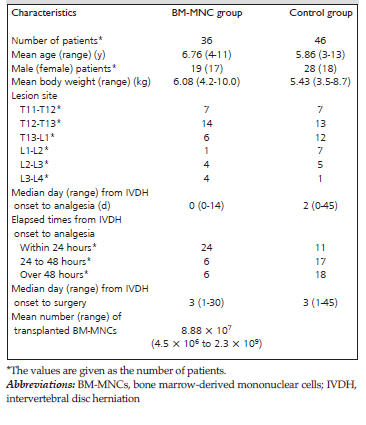
Table 1. Demographics of the study groups.

Table 2. Recovery rate of the study groups.
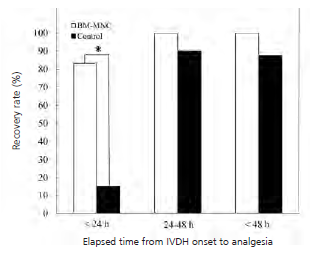
Figure 1. Ambulatory recovery rates and the time elapsed from IVDH onset to
analgesia.
*P < .05 versus control group.
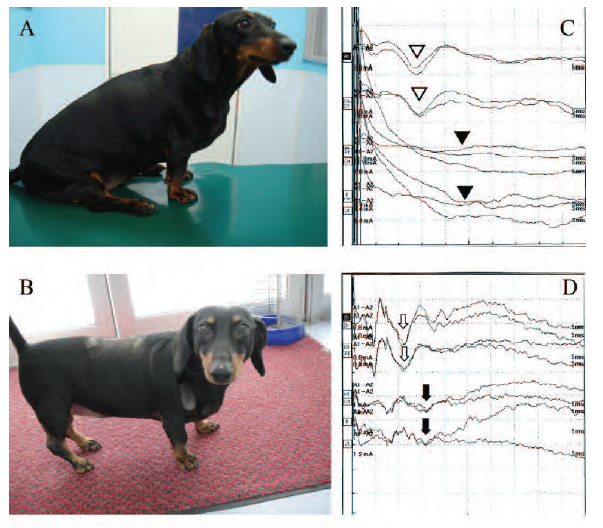
Figure 2. Postoperative recovery in the BM-MNC group.
(A) Preoperative appearance of the canine patient with complete paraplegia and
loss of pain sensation. (B) Postoperative appearance of the same patient 26 days
after BM-MNC transplanting. (C) Preoperative data of SEP measurement. (D)
Postoperative data of SEP measurement 26 days after BM-MNC transplanting.
White arrow head: Forelimb SEP wave with identified SEP amplitude in the
preoperative examination. Black arrow head: Hind limb SEP wave without
identified
SEP amplitude in the preoperative examination. White arrow: Forelimb SEP wave
with identified SEP amplitude in the postoperative examination. Black arrow:
Hind limb SEP wave with identified SEP amplitude in the preoperative
examination.
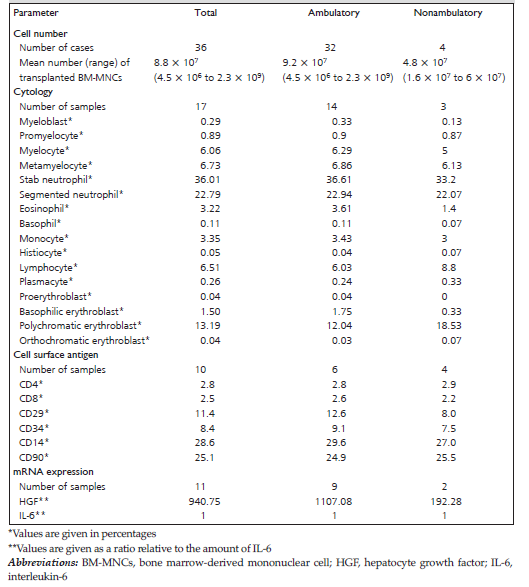
Table 3. Patient’s prognosis and examined parameters in BM-MNC group.