Volume: 9 Issue: 6 December 2011
FULL TEXT
Invasive Fungal Infections in Renal Transplant Recipients
Invasive fungal infections are a significant and often lethal problem in transplant patients. Infections caused by geographically limited endemic fungi are infrequent, and Aspergillus species, Mucorales species, Candida species, and Cryptococcus neoformans are the opportunistic fungi responsible for most such infections. The symptoms of systemic fungal infections are nonspecific, particularly in their early stages. The high rates of mortality and graft loss owing to fungal infections render early diagnosis and treatment imperative in immunosuppressed patients. Current methods for the diagnosis of systemic fungal infections include imaging procedures, endoscopic methods and biopsies, microscopic and culture techniques, antibody and antigen-based serologic testing, and the detection (via polymerase chain reaction) of fungal deoxyribonucleic acid in blood or bronchoalveolar lavage fluid, as well as the careful analysis of signs and symptoms. Antifungal therapy should be initiated early in patients with a suspected fungal infection (even before laboratory findings have confirmed that diagnosis) and should be administered with appropriate adjustment of immunosuppressive regimens. To manage fungal infections in patients with renal failure, optimizing the pharmacokinetics of antifungal drugs to reduce the risk of nephrotoxicity is crucial.
Key words : Systemic mycosis, Renal transplant, Galactomannan, Real-time polymerase chain reaction, Antifungal agent
Because of environmental exposure and the effects of immunosuppressive regimens, systemic mycosis is a significant problem in transplant patients worldwide and remains the major cause of death in those individuals. In the English literature in 1980, there were 10 reports of fungal infections (7 renal and 3 cardiac infections) in immunosuppressed transplant patients.1 Since then, more-effective immunosuppressive drugs have enabled an increase in such infections, and more-accurate diagnostic methods have led to an increase in the diagnosis of those diseases in transplant patients. The poor prognosis associated with fungal infections in immunocompromised patients can be improved by enhanced awareness, diagnosis, and therapy.2
Common predisposing factors to fungal infection include the use of immunosuppressive agents (cyclosporine, steroids, azathioprine, and prednisolone), broad-spectrum antibiotics, and indwelling catheters; the increasing number of surgical procedures; disruption of the intestinal or bladder mucosa; hyperglycemia; infection with cytomegalovirus, exposure to infective fungi; and chronic liver disease.3, 4 Other risk factors such as diabetes and prolonged pretransplant dialysis also are reportedly influential in the development of serious fungal infections.4
Since the end of the 1990s, short-term graft survival has improved significantly, thanks to improved antirejection agents such as interleukin-2 receptor antibodies, mycophenolate mofetil, and tacrolimus, and sirolimus, as well as the increased use of thymoglobulin. Current rates of graft survival in excess of 90% have been reported5; however, rates of fungal infection also have increased. Colonization with Candida species is a major risk factor for infection. There are reports of Candida colonization with a Candida species in up to 45% of kidney recipients, and in all cases with invasive fungal infections6 Incidence rates of invasive fungal infection in renal transplant recipients have been reported as 3.5%,7 4%,6 and between 1.4% and 9.4%8 in Western countries.
Fungal infections account for 5% of all infections in renal transplant recipients.9 Infections caused by geographically limited endemic fungi are infrequent. Aspergillus species, Mucorales species, Candida species, and Cryptococcus neoformans are the opportunistic fungi that cause most infections. Candidiasis, the most-common fungal infection (47% of cases), is associated with a 1.5% infection-related mortality rate.10 Aspergillosis occurs as both a primary and a secondary infection.11 The frequency of invasive aspergillosis in renal transplant recipients varies between 0.5% and 2.2%,12 with a high case-fatality rate of up to 88%.13 The third most-common fungal infection in solid organ transplant recipients is cryptococcosis. The overall incidence of cryptococcosis in solid organ transplant recipients is ~2.8% and ranges from 0.3% to 5%.14 Among the risk factors for mucormycosis are renal transplant,15 renal failure, diabetes, and prior voriconazole or caspofungin use.16 In renal allograft recipients, cryptococcosis is an extremely rare condition with an incidence ranging between 0.2% and 1.2 %11, 17 and an associated mortality rate as high as 72.7%.11
Several causative agents of invasive fungal infection have been identified. An analysis of the medical records of 850 renal transplant recipients between 1977 and 2000 showed that systemic fungal infections were documented in 83 patients (9.8%). In those individuals, the fungal infections identified were as follows: candidiasis in 25 patients (2.8%), aspergillosis in 20 (2.3%), mucormycosis in 17 (2.0%), cryptococcosis in 16 (1.9%), and rare fungi that included phaeohyphomycosis in 3 patients, and histoplasmosis in 2.18 Most fungal infections occur in the first 6 months after transplant because of the use of numerous immunosuppressors.1 The median time to the onset of infection is also associated with causative agents. Pappas and colleagues reported that the median times to the onset of candidiasis, aspergillosis, and cryptococcosis after transplant, were 103, 184, and 575 days.19 The purpose of this review is to discuss the risk factors, signs, symptoms, clinical presentation, diagnosis, and management of fungal infections in renal transplant recipients.
Definitions of fungal infections in renal transplant recipients
In patients treated with a hematopoietic stem cell transplant, invasive fungal
infections are defined according to the European Organization for Research and
Treatment of Cancer/Invasive Fungal Infections Cooperative Group and the
National Institute of Allergy and Infectious Diseases Mycoses Study Group (EORTC/MSG)
Consensus Group.20 Cases are classified via the consensus definitions for proven,
probable, and possible infections in terms of corresponding host factors, major
or minor clinical criteria, and microbiological criteria, all of which are used
to assign a degree of probability to the diagnosis. In our experience,6, 21, 22 these criteria (in addition to others23-25) also are applicable to infections in
other solid organ transplant recipients. Accordingly, fungal infections in renal
transplant recipients are diagnosed on the basis of clinical and radiologic
signs and symptoms that include tissue invasion; positive culture results from a
deep-tissue specimen such as blood, cerebrospinal fluid, peritoneal fluid, or a
biopsy specimen; positive fungal cultures from ≥ 3 sites (bronchoalveolar
lavage, urine, wound); at least 3 sputum smear results that are positive for
pseudohyphae and budding yeast; or a sputum culture that is positive for
filamentous fungi.25-27
Signs and symptoms of fungal infections in renal transplant recipients
The incidence of fungal infections in renal transplant recipients is associated
with the duration and net dosage of immunosuppressive agents given. Fungal
infections in renal transplant recipients can manifest in 2 forms: cutaneous or
subcutaneous, and systemic. A variety of skin diseases commonly occurs in kidney
transplant patients, for whom cutaneous lesions can be a significant problem.
Superficial fungal infections include pityriasis (tinea) versicolor, and other
infections can arise in the external ear canal (otomycosis) and the cornea (keratomycosis).26 Cutaneous mycoses such as dermatophytosis (ringworm) and candidiasis27 also can
develop in kidney transplant recipients. In Italy, pityriasis versicolor has
been reported to be the most-frequent dermatomycosis in renal transplant
recipients,28 and other researchers have reported cutaneous or oral candidiasis,
dermatophytosis, or pityriasis versicolor in 63.7% of renal transplant
recipients.29
Symptoms of systemic fungal infections are nonspecific, particularly in early stages. The clinical and laboratory diagnoses of such infections are difficult because the presenting symptoms are nonspecific and fever may be absent.30 Most infections develop in patients with poor renal function who are receiving high doses of an immunosuppressive agent. Transplant recipients can be infected by colonized microorganisms (Candida species) or by inhaling fungal spores, and in those patients, the lungs are the primary site of infection. Invasive fungal infections are most often associated with intravascular invasion or infection of the paranasal sinuses, orbits, and brain.
The types of systemic fungal infections in renal transplant recipients include esophagitis, pneumonia, central nervous system infection, myocardial involvement, and urinary tract infection. Hepatosplenic candidiasis can be associated with persistent fever, hepatosplenomegaly, and increased alkaline phosphatase. Fungal endophthalmitis can appear with posterior uveitis and also with white vitreous body infiltration. Delays in the diagnosis or treatment of invasive fungal infection can lead to high mortality rates.
Fungal esophagitis is most often caused by Candida species, primarily Candida albicans. Complications associated with fungal infections of the kidneys include asymptomatic and symptomatic urinary tract infections, perinephric abscess, fungus ball formation, and renal arteritis with aneurysm formation.
If the lungs are the primary focus of infection, rapidly progressing necrotizing bronchopneumonia with high fever, cough, dyspnea, and hemoptysis can ensue.19, 31 In addition, fungal infection can cause cavitations, vascular invasion, and hemorrhagic infarcts.32 The signs and symptoms of bloodstream infections caused by fungi do not differ clinically from those caused by bacterial infections. Unexplained fever despite broad-spectrum antibiotic treatment for more than 3 to 6 days, recurring febrile episodes after initial defervescence, or the presence of pulmonary infiltrates during antibiotic treatment can indicate a fungal infection.
Diagnostic procedures
Fungal infections pose very difficult diagnostic and therapeutic challenges. The
high rates of mortality and graft loss owing to fungal infections require early
diagnosis and treatment to ensure the likelihood of survival in immunosuppressed
patients. However, early diagnosis remains difficult to achieve, and by the time
the diagnosis is confirmed, the patient may die despite antifungal therapy.
Current methods for the diagnosis of systemic fungal infections include vigilance for the clinical signs and symptoms of infection, imaging procedures, endoscopic methods and biopsies, microscopic and culture techniques, serology (galactomannan- and mannan antigen-based) and the polymerase chain reaction-based detection of fungal deoxyribonucleic acid in blood or bronchoalveolar lavage fluid (Table 1).
Kidney transplant recipients usually exhibit relatively fewer clinical manifestations of infection and few or no findings on conventional radiography laboratory test results reveal no abnormal results except for elevated creatinine levels, which are characteristic of both a state of chronic rejection and opportunistic infection.31 Thus, more-sensitive imaging techniques such as computed tomographic scans and magnetic resonance imaging are essential to identify infections in those patients. Imaging techniques can reveal pulmonary infiltrates via thoracic computed tomographic scans, chest radiographs, and abdominal ultrasonography. Evidence found in radiographic images includes cloudiness without fluid levels in the involved sinuses. Radiologic imaging of the kidneys with ultrasonography or computed tomography can be useful in patients with persistent candiduria. Abdominal computed tomographic scans or ultrasonography can reveal hydronephrosis, fungus balls, or perinephric abscesses associated with ascending infection. Imaging studies, however, are not always useful in helping clinicians diagnose fungal infections. Computed tomographic imaging may be of particular benefit in documenting the course of invasive pulmonary aspergillosis when halo signs are noted.33
If it is clinically feasible, biopsies of as many suspicious sites as possible should be obtained to improve the chances of detection. Skin samples, transcutaneous needle biopsies of peripheral pulmonary foci, and liver biopsies should be obtained because the rate of complications they cause is low. All tissue from patients with a suspected invasive fungal infection should be stained with a fungal stain. The stains that best reveal fungal infection in clinical samples and tissue biopsy samples are acridine orange, periodic acid-Schiff reaction, Grocott-Gomori methenamine silver staining, lectins, and calcofluor white. If sufficient samples are available, potassium hydroxide wet mount smears are the single most-practical and sensitive screening test for the rapid detection of fungal elements. The diagnosis can be obtained more quickly if potassium hydroxide is combined with calcofluor white and the samples are examined with optical brightener techniques under fluorescence microscopy. Urine cytology specimens stained with periodic acid-Schiff reaction or silver stains can disclose fungal casts and therefore, may be useful in determining kidney involvement. Direct ink preparation can be useful in detecting Cryptococcus neoformans in cerebrospinal fluid. The microscopic differentiation between Aspergillus species and Mucoraceae in tissues can be facilitated by immunohistochemical examination, which unfortunately is not performed in routine laboratory studies. Direct microscopic examination and cultures from the mucosal tissue, skin, nails, and hair can be useful in the detection of cutaneous and mucocutaneous fungal infections.
The criterion standard for diagnosing systemic infections includes the result of histologic tissue analysis and a positive culture result from normally sterile body fluids (eg, blood, pleural effusion, cerebrospinal fluid) and biopsy samples. One report noted that the culture result remained negative despite the presence of dichotomously branched septate hyphae in a brain biopsy, the detection of Aspergillus flavus-specific deoxyribonucleic acid in the biopsy and serum specimens, and a positive result from a galactomannan antigen test.34
Blood cultures are therefore not the method of choice for the detection of fungemia, because only 45% to 75% of autopsy-proven cases of systemic candidiasis can be isolated by that method,35, 36 and almost no cases of aspergillosis yield a positive blood culture result during the patient’s lifetime. The BACTEC system with Aerobic/F Medium is believed to detect Candida species in fungemias,37 and lysis centrifugation may improve detection of fungi,38 but is not regarded as a standard method for growing fungi from blood cultures.
The accurate, consistent interpretation of positive fungal cultures is challenging. The growth of mold in sputum cultures should be regarded as a probable indicator of fungal pneumonia; however, yeasts are part of the normal flora of the gastrointestinal tract and may be contaminants unless they are isolated in 3 smear-positive pure cultures of sputum (ie, pseudohyphae are seen in those sputum smears), or unless invasive disease is proven by the results of a lung biopsy. Funguria in asymptomatic patients without urinary catheterization also may be interpreted as an indication of systemic fungal infection. After fungal growth is seen, susceptibility testing to antifungal agents according to the National Committee of Clinical Laboratory Standards is the preferred reference procedure. The Etest is a suitable alternative method because of its simplicity and good reproducibility.
Newer diagnostic approaches have focused on nonculture-based methods, which include antibody- or antigen-based assays, metabolite detection (constituents released during invasive disease), and the molecular detection of fungal deoxyribonucleic acid. The mean antibody index has not been found to be significant between normal, probable, or confirmed cases of invasive aspergillosis.39
Antigen detection assays (which include latex agglutination, enzyme immune assay, and radioimmunoassay for the detection of systemic fungi infections) are the most-sensitive, and latex agglutination is the simplest of those to perform.38 Tests based on the Candida mannan antigen (the Platelia Candida enzyme-linked immunosorbent assay [Bio-Rad, Munich, Germany]), a cell wall polysaccharide of several Candida species, are still being developed.
The specificity of mannan detection in the diagnosis of invasive candidiasis is usually 80%.40-42 The galactomannan enzyme-linked immunosorbent assay uses the rat monoclonal antibody EB-A2 to recognize the 1, 3 β-D-galactopyranoside side chains of the galactomannan molecule in the fungal cell wall (especially Aspergillus). Sensitivities of 50.0%43 and 90.6%44 have been documented for that test in different populations. Clancy and colleagues reported that the test results of bronchoalveolar lavage samples had a sensitivity of 100%, a specificity of 90.8%, a positive predictive value of 41.7%, and a negative predictive value of 100% with a cutoff of ≥ 1.0 in solid organ transplant recipients.45 That test can be used to diagnose invasive pulmonary aspergillosis several days to 4 weeks before other methods can do so.45
Molecular fungal identification methods based on the hybridization and amplification of nucleic acids (fungal polymerase chain reaction) include the panfungal polymerase chain reaction (primers from the 28S ribosomal ribonucleic acid or the 18-ribosomal ribonucleic acid subunit gene or mitochondrial genes),46 the nested polymerase chain reaction,47 and the real-time polymerase chain reaction.48, 49 Those assays are widely applicable to a variety of specimen types.46 According to various reports, polymerase chain reaction can detect fungal infections before the appearance of clinical signs and symptoms in immunocompromised patients.50 Assays performed with a nested polymerase chain reaction (a 2-step polymerase chain reaction), which can detect highly conserved gene sequences among Aspergillus species in blood from patients with an invasive fungal infection, have yielded a sensitivity and specificity of 92.8% and 94%.21 The real-time TaqMan polymerase chain reaction assay for the quantitation of Candida and Aspergillus deoxyribonucleic acid makes it possible to accurately calculate the amount of polymerase chain reaction product at a point in the early exponential phase of the reaction.49, 51
In summary, clinical experience to date with culture results, the detection of antigens or antibodies, polymerase chain reaction, and nucleic acid sequence-based amplification has shown that each method is of limited use in the early diagnosis of invasive fungal infections. A combination of various methods and regular screening is therefore advisable to ensure that a diagnosis is reached as soon as possible.
Management of fungal infections in renal transplant recipients
Antifungal therapy should be initiated early in patients with a suspected fungal
infection, even though laboratory findings have not yet confirmed that result,
and should be administered with an appropriate adjustment of the
immunosuppressive regimen. Fungal infections are difficult to treat because
antifungal agents inhibit the metabolism of calcineurin inhibitors and lead to
an increase in the serum concentration of those receptors, which results in
renal toxicity.52
To manage fungal infections in patients with renal failure, it is crucial to optimize the pharmacokinetics of antifungal drugs to reduce the risk of nephrotoxicity.53 Amphotericin B deoxycholate should be used with caution and is not recommended as a first-line therapy in renal transplant recipients. Such patients frequently have reduced renal function (approximately 25% of those individuals have a creatinine value of > 2.0 mg/dL), and a risk of nephrotoxicity is associated with the concurrent use of amphotericin B deoxycholate and calcineurin inhibitors. The coadministration of calcineurin inhibitors with voriconazole is an option, although the dose of immunosuppressive drugs must be reduced and close monitoring of drug levels is needed.52, 54 Infections such as sinusitis and fungus ball (fungal bezoars), which extensively damage tissues and are angioinvasive in patients (such as mucormycosis), and should be managed with a combination of surgical and medical therapies.55 Drugs frequently used to treat renal mycoses are listed in Tables 2 and 3.
The use of newer and more-effective immunosuppressive agents in recent years is associated with increasing rates of fungal infections in renal transplant recipients, and the early detection of fungal infections and proper therapy are important in improving survival and reducing mortality. To improve the prognosis, a high index of suspicion is necessary in renal transplant recipients. Proper empiric therapy requires accurate information about colonization and the antifungal susceptibility of the isolated organisms. The sites at greatest risk of colonization with resistant organisms (eg, the mouth, vagina, urinary tract, and rectum) should be tested for both diagnostic and treatment purposes.
No specific clinical or radiologic finding is sufficient to confirm the diagnosis of fungal infection. Serologic tests (which are not usually useful after a transplant procedure), and invasive procedures that provide tissues for culture and histologic testing, should be performed early and as part of a routine component of initial evaluation of renal transplant recipients in whom a fungal infection is suspected. Therefore, quantitative tests (such as sandwich enzyme-linked immunosorbent assays or molecular assays) that directly detect the protein products or nucleic acids of the organisms should be used. Quantitative laboratory assays that are based on molecular techniques or antigen detection, and that do not depend on invasive procedures, are needed for routine monitoring of transplant patients. The results of those tests would enable clinicians to individualize prophylactic antifungal regimens and minimize drug-associated toxicity. For transplant recipients with undrained fluid collections or devitalized tissues, antifungal therapy must be concurrent with the early and aggressive surgical removal of those potential sites of fungal infection.
References:
- Cohen SG, Greenberg MS. Rhinomaxillary mucormycosis in a kidney transplant patient. Oral Surg Oral Med Oral Pathol. 1980;50(1):33-38.
- Usta M, Kahvecioglu S, Akdag I, et al. Aspergillus pneumonia in renal transplant recipients at a medical center in Turkey. Transplant Proc. 2004;36(9):2703-2707.
- Tharayil John G, Shankar V, Talaulikar G, et al. Epidemiology of systemic mycoses among renal-transplant recipients in India. Transplantation. 2003;75(9):1544-1551.
- Abbott KC, Hypolite I, Poropatich RK, et al. Hospitalizations for fungal infections after renal transplantation in the United States. Transpl Infect Dis. 2001;3(4):203-211.
- Chan L, Gaston R, Hariharan S. Evolution of immunosuppression and continued importance of acute rejection in renal transplantation. Am J Kidney Dis. 2001;38(6 suppl 6):S2-S9.
- Badiee P, Kordbacheh P, Alborzi A, Zeini F, Mirhendy H, Mahmoody M. Fungal infections in solid organ recipients. Exp Clin Transplant. 2005;3(2):385-389.
- Nampoory MR, Khan ZU, Johny KV, et al. Invasive fungal infections in renal transplant recipients. J Infect. 1996;33(2):95-101.
- Peterson PK, Ferguson R, Fryd DS, Balfour HH Jr, Rynasiewicz J, Simmons RL. Infectious diseases in hospitalized renal transplant recipients: a prospective study of a complex and evolving problem. Medicine (Baltimore). 1982;61(6):360-372.
- Patel R, Paya CV. Infections in solid-organ transplant recipients. Clin Microbiol Rev. 1997;10(1):86-124.
- Alangaden GJ, Thyagarajan R, Gruber SA, et al. Infectious complications after kidney transplantation: current epidemiology and associated risk factors. Clin Transplant. 2006;20(4):401-409.
- Einollahi B, Lessan-Pezeshki M, Pourfarziani V, et al. Invasive fungal infections following renal transplantation: a review of 2410 recipients. Ann Transplant. 2008;13(4):55-58.
- Ergin F, Arslan H, Azap A, Demirhan B, Karakayali H, Haberal M. Invasive aspergillosis in solid-organ transplantation: report of eight cases and review of the literature. Transpl Int. 2003;16(4):280-286.
- Lin SJ, Schranz J, Teutsch SM. Aspergillosis case-fatality rate: systematic review of the literature. Clin Infect Dis. 2001;32(3):358-366.
- Husain S, Wagener MM, Singh N. Cryptococcus neoformans infection in organ transplant recipients: variables influencing clinical characteristics and outcome. Emerg Infect Dis. 2001;7(3):375-381.
- Almyroudis NG, Sutton DA, Linden P, Rinaldi MG, Fung J, Kusne S. Zygomycosis in solid organ transplant recipients in a tertiary transplant center and review of the literature. Am J Transplant. 2006;6(10):2365-2374.
- Singh N, Aguado JM, Bonatti H, et al. Zygomycosis in solid organ transplant recipients: a prospective, matched case-control study to assess risks for disease and outcome. J Infect Dis. 2009;200(6):1002-1011.
- Chkhotua A, Yussim A, Tovar A, et al. Mucormycosis of the renal allograft: case report and review of the literature. Transpl Int. 2001;14(6):438-441.
- Gupta KL. Fungal infections and the kidney. Indian J Nephrol. 2001;11:147-154.
- Pappas PG, Alexander BD, Andes DR, et al. Invasive fungal infections among organ transplant recipients: results of the Transplant-Associated Infection Surveillance Network (TRANSNET). Clin Infect Dis. 2010;50(8):1101-1011.
- De Pauw B, Walsh TJ, Donnelly JP, et al. Revised definitions of invasive fungal disease from the European Organization for Research and Treatment of Cancer/Invasive Fungal Infections Cooperative Group and the National Institute of Allergy and Infectious Diseases Mycoses Study Group (EORTC/MSG) Consensus Group. Clin Infect Dis. 2008;46(12):1813-1821.
- Badiee P, Alborzi A, Malekhosseini SA, Nikeghbalian S, Shakiba E. Determining the incidence of aspergillosis after liver transplant. Exp Clin Transplant. 2010;8(3):220-223.
- Badiee P, Kordbacheh P, Alborzi A, Malekhoseini SA. Invasive fungal infection in renal transplant recipients demonstrated by panfungal polymerase chain reaction. Exp Clin Transplant. 2007;5(1):624-629.
- Anaissie EJ, McGinnis MR, Pfaller MA, eds. Clinical Mycology. Philadelphia, PA: Churchill Livingstone; 2003:456.
- Sandhu K, Gupta S, Kumar B, Dhandha R, Udigiri NK, Minz M. The pattern of mucocutaneous infections and infestations in renal transplant recipients. J Dermatol. 2003;30(8):590-595.
- Pappas PG, Andes D, Schuster M, et al. Invasive fungal infections in low-risk liver transplant recipients: a multi-center prospective observational study. Am J Transplant. 2006;6(2):386-391.
- Altiparmak MR, Apaydin S, Trablus S, et al. Systemic fungal infections after renal transplantation. Scand J Infect Dis. 2002;34(4):284-288.
- Castaldo P, Stratta RJ, Wood RP, et al. Clinical spectrum of fungal infections after orthotopic liver transplantation. Arch Surg. 1991;126(2):149-156.
- Virgili A, Zampino MR, La Malfa V, Strumia R, Bedani PL. Prevalence of superficial dermatomycoses in 73 renal transplant recipients. Dermatology. 1999;199(1):31-34.
- Güleç AT, Demirbilek M, Seçkin D, et al. Superficial fungal infections in 102 renal transplant recipients: a case-control study. J Am Acad Dermatol. 2003;49(2):187-192.
- Denning DW, Evans EG, Kibbler CC, et al. Guidelines for the investigation of invasive fungal infections in haematological malignancy and solid organ transplantation. British Society for Medical Mycology. Eur J Clin Microbiol Infect Dis. 1997;16(6):424-436.
- Ahmadpour P, Lessan-Pezeshki M, Ghadiani MH, et al. Mucormycosis after living donor kidney transplantation: a multicenter retrospective study. Int J Nephrol Urol. 2009;1(1):39-44.
- Patterson TF, Kirkpatrick WR, White M, et al. Invasive aspergillosis. Disease spectrum, treatment practices, and outcomes. I3 Aspergillus Study Group. Medicine (Baltimore). 2000;79(4):250-260.
- Greene RE, Schlamm HT, Oestmann JW, et al. Imaging findings in acute invasive pulmonary aspergillosis: clinical significance of the halo sign. Clin Infect Dis. 2007;44(3):373-379.
- Khan ZU, Ahmad S, Mokaddas E, et al. Cerebral aspergillosis diagnosed by detection of Aspergillus flavus-specific DNA, galactomannan and (1-->3)-beta-D-glucan in clinical specimens. J Med Microbiol. 2007;56(pt 1):129-132.
- Thaler M, Pastakia B, Shawker TH, O’Leary T, Pizzo PA. Hepatic candidiasis in cancer patients: the evolving picture of the syndrome. Ann Intern Med. 1988;108(1):88-100.
- Goodrich JM, Reed EC, Mori M, et al. Clinical features and analysis of risk factors for invasive candidal infection after marrow transplantation. J Infect Dis. 1991;164(4):731-740.
- Horvath LL, Hospenthal DR, Murray CK, Dooley DP. Detection of simulated candidemia by the BACTEC 9240 system with plus aerobic/F and anaerobic/F blood culture bottles. J Clin Microbiol. 2003;41(10):4714-4717.
- Sinha K, Tendolkar U, Mathur M. Comparison of conventional broth blood culture technique and manual lysis centrifugation technique for detection of fungemia. Indian J Med Microbiol. 2009;27(1):79-80.
- Cray C, Watson T, Arheart KL. Serosurvey and diagnostic application of antibody titers to Aspergillus in avian species. Avian Dis. 2009;53(4):491-494.
- Sendid B, Poirot JL, Tabouret M, et al. Combined detection of mannanaemia and antimannan antibodies as a strategy for the diagnosis of systemic infection caused by pathogenic Candida species. J Med Microbiol. 2002;51(5):433-442.
- Bär W, Hecker H. Diagnosis of systemic Candida infections in patients of the intensive care unit. Significance of serum antigens and antibodies. Mycoses. 2002;45(1-2):22-28.
- Persat F, Topenot R, Piens MA, Thiebaut A, Dannaoui E, Picot S. Evaluation of different commercial ELISA methods for the serodiagnosis of systemic candidosis. Mycoses. 2002;45(11-12):455-460.
- Pinel C, Fricker-Hidalgo H, Lebeau B, et al. Detection of circulating Aspergillus fumigatus galactomannan: value and limits of the Platelia test for diagnosing invasive aspergillosis. J Clin Microbiol. 2003;41(5):2184-2186.
- Sulahian A, Boutboul F, Ribaud P, Leblanc T, Lacroix C, Derouin F. Value of antigen detection using an enzyme immunoassay in the diagnosis and prediction of invasive aspergillosis in two adult and pediatric hematology units during a 4-year prospective study. Cancer. 2001;91(2):311-318.
- Clancy CJ, Jaber RA, Leather HL, et al. Bronchoalveolar lavage galactomannan in diagnosis of invasive pulmonary aspergillosis among solid-organ transplant recipients. J Clin Microbiol. 2007;45(6):1759-1765.
- Van Burik JA, Myerson D, Schreckhise RW, Bowden RA. Panfungal PCR assay for detection of fungal infection in human blood specimens. J Clin Microbiol. 1998;36(5):1169-1175.
- Badiee P, Alborzi A, Shakiba E, Ziyaeyan M, Pourabbas B. Molecular diagnosis of Aspergillus endocarditis after cardiac surgery. J Med Microbiol. 2009;58(pt 2):192-195.
- Maaroufi Y, Heymans C, De Bruyne JM, et al. Rapid detection of Candida albicans in clinical blood samples by using a TaqMan-based PCR assay. J Clin Microbiol. 2003;41(7):3293-3298.
- Badiee P, Alborzi A. Detection of Aspergillus species in bone marrow transplant patients. J Infect Dev Ctries. 2010;4(8):511-516.
- Badiee P, Kordbacheh P, Alborzi A, et al. Study on invasive fungal infections in immunocompromised patients to present a suitable early diagnostic procedure. Int J Infect Dis. 2009;13(1):97-102.
- Badiee P, Alborzi A, Vojdani R, et al. Early diagnosis of systemic candidiasis in bone marrow transplant recipients. Exp Clin Transplant. 2010;8(2):98-103.
- Venkataramanan R, Zang S, Gayowski T, Singh N. Voriconazole inhibition of the metabolism of tacrolimus in a liver transplant recipient and in human liver microsomes. Antimicrob Agents Chemother. 2002;46(9):3091-3093.
- Safdar N, Slattery WR, Knasinski V, et al. Predictors and outcomes of candiduria in renal transplant recipients. Clin Infect Dis. 2005;40(10):1413-1421.
- Walsh TJ, Anaissie EJ, Denning DW, et al. Treatment of aspergillosis: clinical practice guidelines of the Infectious Diseases Society of America. Clin Infect Dis. 2008;46(3):327-360.
- Spellberg B, Walsh TJ, Kontoyiannis DP, Edwards J Jr, Ibrahim AS. Recent advances in the management of mucormycosis: from bench to bedside. Clin Infect Dis. 2009;48(12):1743-1751.
- Pappas PG, Kauffman CA, Andes D, et al. Clinical practice guidelines for the management of candidiasis: 2009 update by the Infectious Diseases Society of America. Clin Infect Dis. 2009;48(5):503-535.
- Trullas JC, Cervera C, Benito N, et al. Invasive pulmonary aspergillosis in solid organ and bone marrow transplant recipients. Transplant Proc. 2005;37(9):4091-4093.
- Perfect JR, Dismukes WE, Dromer F, et al. Clinical practice guidelines for the management of cryptococcal disease: 2010 update by the Infectious Diseases Society of America. Clin Infect Dis. 2010;50(3):291-322.
- Lange DS, Richards HM, Guarnieri J, et al. Ketoconazole 2% shampoo in the treatment of tinea versicolor: a multicenter, randomized, double-blind, placebo-controlled trial. J Am Acad Dermatol. 1998;39(6):944-950.
- Gupta AK, Batra R, Bluhm R, Faergemann J. Pityriasis versicolor. Dermatol Clin. 2003;21(3):413-429, v-vi.
- Bonifaz A, Saúl A. Comparative study between terbinafine 1% emulsion-gel versus ketoconazole 2% cream in tinea cruris and tinea corporis. Eur J Dermatol. 2000;10(2):107-109.
- Bourlond A, Lachapelle JM, Aussems J, et al. Double-blind comparison of itraconazole with griseofulvin in the treatment of tinea corporis and tinea cruris. Int J Dermatol. 1989;28(6):410-412.
- Panagiotidou D, Kousidou T, Chaidemenos G, et al. A comparison of itraconazole and griseofulvin in the treatment of tinea corporis and tinea cruris: a double-blind study. J Int Med Res. 1992;20(5):392-400.
- Faergemann J, Mörk NJ, Haglund A, Odegård T. A multicentre (double-blind) comparative study to assess the safety and efficacy of fluconazole and griseofulvin in the treatment of tinea corporis and tinea cruris. Br J Dermatol. 1997;136(4):575-577.
- Kohl TD, Martin DC, Nemeth R, et al. Fluconazole for the prevention and
treatment of tinea gladiatorum. Pediatr Infect Dis J. 2000;19(8):717-722.
Volume : 9
Issue : 6
Pages : 355 - 362
From the Professor Alborzi Clinical Microbiology Research Center, Shiraz
University of Medical Sciences, Shiraz, Iran
Acknowledgements: The authors declare that they have no conflicts of interest
relating to the information included in this review. This study was supported by
the Professor Alborzi Clinical Microbiology Research Center at the Shiraz
University of Medical Sciences in Shiraz, Iran. We also thank H. Khajei and K.
Shashok (author AID in the Eastern Mediterranean) for improving the use of
English in the manuscript and M. Gholami at the Center for Development of
Clinical Research of Nemazi Hospital, Shiraz, Iran for her research assistance.
Address reprint requests to: Parisa Badiee, Professor Alborzi Clinical
Microbiology Research Center, Zand Avenue, Nemazi Hospital, Shiraz 71937-11351,
Iran
Phone: +98 711 6474304
Fax: +98 711 6474303
E-mail:
dieep@yahoo.com
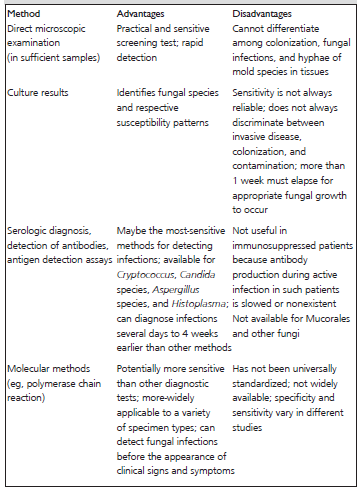
Table 1. Current laboratory methods for the diagnosis of fungal infections.
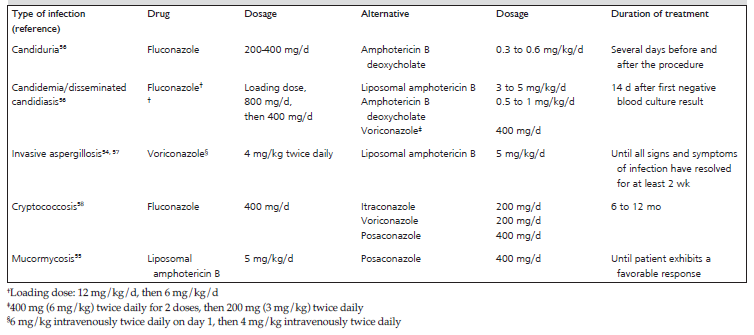
Table 2. Treatment of systemic fungal infections.
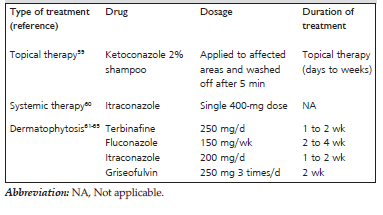
Table 3. Treatment of cutaneous fungal infections for tinea versicolor.