Volume: 6 Issue: 4 December 2008
FULL TEXT
Objectives: Mycophenolate mofetil, the prodrug of mycophenolic acid, is widely used for maintenance immunosuppressive therapy in renal transplant recipients. The effect of renal graft function on mycophenolic acid pharmacokinetics parameters is still controversial. The aim of this study is to investigate the impact of renal graft function on mycophenolic acid pharmacokinetics during the early posttransplant period.
Materials and Methods: Our study was done on 13 patients with severe renal impairment (glomerular filtration rate < 30 mL/min, impaired group) and 13 patients with normal graft function (glomerular filtration rate > 70 mL/min, control group), at a steady mycophenolic acid plasma level, during the first month after transplant. All patients received a fixed dose of mycophenolate mofetil (1 g twice daily) in combination with cyclosporine and steroids. Mycophenolic acid plasma levels were determined by a validated high-performance liquid chromatography method. Mycophenolic acid area under the time-concentration curve from 0 to 12 hours and apparent mycophenolic acid plasma clearance (CL/f) were measured for each patient.
Results: Mycophenolic acid area under the time-concentration curve (0-12 h), mycophenolic acid area under the time-concentration curve (6-10 h), first peak concentration (Cmax1), and secondary peak concentration (Cmax2) were higher in the impaired group, while mycophenolic acid plasma clearance was higher in the control group (P < .05). Trough levels (C0) were similar for both groups (P > .05).
There was a negative correlation between glomerular filtration rate and area under the time-concentration curve (r=-0.422, P = .04), while there was a positive correlation between glomerular filtration rate and mycophenolic acid plasma clearance (r=0.463, P = .02).
Conclusions: Mycophenolic acid pharmacokinetics parameters in normal renal function patients and severe renal impairment patients are different, and renal graft function correlates with total mycophenolic acid area under the time-concentration curve and apparent mycophenolic acid plasma clearance. However, the necessity of dosage adjustment based on renal graft function requires further studies.
Key words : Pharmacokinetics, Mycophenolic acid, Early posttransplant period, Renal graft function
Mycophenolate mofetil is coadministered with cyclosporine and prednisolone to prevent acute renal rejection during the maintenance and early period after renal transplant by blocking T- and B-cell proliferation by inhibiting inosine monophosphate dehydrogenase, an essential enzyme for de nevo synthesis of guanine nucleotides (1-2). Mycophenolate mofetil converts to its active metabolite, (MPA), via rapid hydrolysis by serum esterase. Mycophenolic acid is metabolized to pharmacologically inactive phenolic glucuronide metabolite (MPAG) by UDP-glucuronyl transferase in the kidney and the liver. Phenolic glucuronide metabolite is excreted in urine and represents all of administered doses (3). A second peak concentration (Cmax2) is often observed 4 to 10 hours after oral administration owing to enterohepatic recirculation when MPAG is converted to MPA by glucuronidase of gastrointestinal flora (4). There is a relation between dosage interval MPA area under the concentration-time curve (AUC) and risk of acute rejection during early posttransplant period (5-6). The active metabolite of mycophenolate mofetil interindividual pharmacokinetics variability may be due to concomitant immunosuppressant medications, the state of the liver or kidney function, alternations in enterohepatic recirculation over time and differences in first pass metabolism (3, 7, 8). Therefore, therapeutic drug monitoring of MPA is recommended during this period when MPA exposure can be a good predictor of acute rejection (9).
The active metabolite of mycophenolate mofetil extensively binds to serum albumin and alternations in MPA protein binding has been observed in the presence of renal impairment and moderate to severe compensated hepatic cirrhosis (3, 10). Several studies have shown that uremia and accumulation of MPAG in renal impairment condition are associated with a significant reduction in MPA binding to serum albumin that causes significant increases in MPA free fraction (11-15) that themselves lead to a temporary increase in MPA clearance and conversely a reduction in total MPA AUC (11). In contrast to these studies, others have shown that higher a MPA AUC level in impaired renal function patients in comparison to normal renal function patients (8, 16-20) and other studies reported no impact on MPA AUCs according to renal graft function (13-14, 21-24). The reason for these results is controversial. The aim of this study is to investigate the influence of renal graft function on MPA pharmacokinetics during the first month after renal transplant.
Materials and Methods
Subjects
This prospective study enrolled 26 renal transplant recipients (11 women and 15 men who all had received their graft from living donors) during the first month after renal transplant at the transplant center of Imam-Reza hospital between January 2004 and January 2007. All patients were treated with a standard triple-drug immunosuppression protocol consisting of cyclosporine, mycophenolate mofetil, and prednisone. All patients received fix dosages of mycophenolate mofetil (2 g/day). Cyclosporine was started at an initial dosage of 10 mg/kg/day and was adjusted to achieve target trough blood concentrations. The protocol for corticosteroid dosing was methylprednisolone 1000 mg IV given during and after surgery for 3 consecutive days, then prednisolone 1 mg/kg/day was started orally on fourth day, and gradually was tapered down to 0.15 mg/kg/day.
Patients were considered for entry into our study when their MPA blood level was at a steady state. They were excluded if they were seropositive for cytomegalovirus, if they had received ganciclovir or had acute hepatic impairment. To investigate the effect of renal graft function on MPA pharmacokinetics, we divided our patients in 2 groups; group impaired (n=13), which included patients with impaired graft function (GFR < 30 mL/min), and group control (n=13), which included those patients with normal graft function (GFR > 70 mL/min). These groups were matched on the basis of sex, age, weight, height and mycophenolate mofetil dosage (based on total body weight).
Administration of drugs such as resins, aluminum or magnesium hydroxide antacids (which have a pharmacokinetics interaction with mycophenolate mofetil) were not allowed during study.
The trial was performed in accordance with the requirements of the 1975 Declaration of Helsinki and was approved by the ethics committee at Mashad University of Medical Sciences. Written informed consent was obtained from each patient before the study was initiated.
Blood sampling and drug assay
Eleven venous blood samples for assay of plasma MPA concentrations were taken at 0 (predose), 20, 40, 60 minutes and 2, 3, 4, 6, 8, 10 and 12 hours after dose for each profile. Plasma samples immediately removed after centrifugation (10 min, 10 000g) and stored at –70°C until analyzed. Plasma MPA levels were determined by high-performance liquid chromatography (HPLC) method described by Wai-Ping and associates (25).
The mobile phase consisted of a mixture of the aqueous solution of potassium dihydrogen phosphate and TBAHS (20 mM, 40 mM): acetonitrile (55:45V/V) with a final pH of 5.5 and was pumped at 0.8 mL/min. The stationary phase was Eurosphere 100 C18 column (125 × 4 mm ID, 5 µm) used for separation at room temperature, connected to a guard column packed with the same bonded phase (5 × 4 mm ID). Detection was made by a UV detector (Shimadzo SPD-10 AVD) at wavelength of 254 nm. Chromatography data were collected and processed on Eurocrome software.
The results of the chromatographic method of validation were mean absolute recovery (94.8%), limit of quantitation was 0.1 mg/L, within-day reproducibility and between-day reproducibility, which were less than 10% for plasma concentrations 0.5, 1, 5, 10, 25, and 40 mg/L. The calibration curve was obtained over the concentration range of 0.5 to 40 mg/L and the R2 value was 0.999.
Pharmacokinetics and statistical analyses
The active metabolite of mycophenolate mofetil AUC (0–12h) and MPA AUC (6-10h) of the secondary peak of concentration-time curve calculated using the linear trapezoidal rule. The maximum concentrations (Cmax1, Cmax2) and maximum times (tmax1, tmax2) were the observed values. Apparent MPA plasma clearance (CL/f) was calculated by dividing the mycophenolate mofetil dosage by the AUC.
The 2 groups were compared using an independent samples t test. Correlation coefficients were calculated using the Pearson r procedure. All statistical analyses were performed using SPSS software for windows (Statistical Product and Services Solutions, version 11.5, SPSS Inc, Chicago, IL, USA). Values for P less than .05 were considered significant.
Results
A total of 26 patients aged between 19 and 52 years (mean age, 38.54 years) were enrolled in our study. The mean GFR was 28.88 ± 1.25 for group impaired (n=13) vs 72.28 ± 1.88 for group control (n=13). Patients' characteristics are summarized as means ± SD in Table 1. Plasma concentration-time profiles of the 2 groups are shown in Figures 1 and 2. Mean AUC value for group impaired was higher than it was for group control (36 ± 20.34 vs 32.62 ± 14.87, P < .05) while, mean CL /f value was higher in group control than it was in group impaired (38.42 ± 21.75 vs 21.71 ± 9.79, P < .05). No significant difference was observed in mean C0 level between the 2 groups (2.03 ± 0.56 for group impaired vs 1.48 ± 0.43 for group control, P > .05). There was a secondary peak concentration (Cmax2) in concentration-time curve of 19 patients within 6 to 10 hours after administration of mycophenolate mofetil attributed to enterohepatic recirculation. The mean Cmax2 for group impaired was significantly higher than that for group control (4.84 ± 2.76 vs 1.49 ± 0.92, P < .05) as well as AUC (6-10) (10.09 ± 6.36 vs 4.23 ± 3.02, P < .05) (Table 2 ).
There was a negative correlation between the MPA AUC and GFR (r=-0.422, P = .04), while there was a positive correlation between MPA CL/f and GFR (r=0.463, P = .02) (Figures 3 and 4).
Discussion
The active metabolite of mycophenolate mofetil AUC approximately in range of 30 to 60 mg/h/L seems to be a reasonable target to decrease the risk of acute rejection or the possible adverse effects due to higher MPA exposure during early posttransplant period (26-27). Several studies investigated the influence of renal graft function on MPA pharmacokinetics parameters (11-24). The results were inconsistent owing to differences in sampling times and coadministered immunosuppressive drugs. In this study, sampling time was during the first month after renal transplant, and there was no interference of dialysis, which affects MPAG removal (28).
The active metabolite of mycophenolate mofetil plasma exposure parameters (MPA (0-12 h), MPA (6-12 h), Cmax1 and Cmax2 were higher in impaired renal function patients compared with normal renal function patients while MPA CL/f was higher in normal renal function patients (P < .05). Trough level, tmax1 and tmax2 were not influenced by renal function. The presence of enterohepatic recirculation phenomena was significant in impaired renal function patients compared with normal renal function patients; this contributed to interindividual MPA pharmacokinetics variability (3, 8).
Recent studies showed the MPA AUC (0-12 h) is decreased while MPA CL/f is increased in impaired renal function patients during the early posttransplant period (11, 29, 30). The reason was a significant reduction in MPA binding to albumin due to uremia and accumulation of MPAG. This causes an increase in MPA free fraction and according to restrictive MPA clearance, directly increase MPA clearance, so we would expect lower MPA AUC (compared with normal renal function patients) but that these would improve over time. A positive correlation between MPA AUC and GFR and a negative correlation between MPA CL/f and GFR was found only on day 4 or 7 after renal transplant. In agreement with our results, Johnson and associates (8) showed higher MPA AUC exposure in impaired renal function patients during early period after renal transplant. We found a negative correlation between MPA AUC (0-12 h) and GFR while, there was a positive correlation between MPA CL/f and GFR P < .05. There are 2 possible hypotheses: The first is that there is an increased impact of enterohepatic recirculation and the second is that there is a decrease in MPA glucuronide (30). Our study is in agreement with the first hypothesis, the secondary peak concentration in MPA plasma profile was higher in patients with renal impairment than it was in normal renal function patients (P = 017). Also, MAP AUC (6-10) was significantly higher in group impaired (P = 19). The possible reason could be higher conversion of MPAG to MPA, which could be related to a higher presence of MPAG in impaired renal graft function.
To our knowledge, this is the first study to determine the impact of graft function on MPA enterohepatic recirculation during the early phase of transplant. We did not measure MPAG, and we could not assess the possibility of the second hypothesis; however, MPA hepatic clearance could be influenced by renal graft condition. In renal impairment, uremia interferes with Uribin Glucuronosyl Transferas activity, then conversion of MPA to MPAG is decreased. There is a linear relation between kidney MPAG CL/f and GFR in impaired renal function patients (3, 31). It seems that reduction in MPAG clearance after renal impairment causes MPAG accumulation that is associated with higher total exposure to MPA and conversely lower MPA CL/f (31).
In conclusion, in consideration of the alternations in MPA exposure parameters, especially enterohepatic recirculation according to renal graft function, therapeutic drug monitoring of MPA seems to be reasonable during early period after transplant. Further studies are required to investigate the necessity of dosage adjustment in renal impairment patients during the early posttransplant period.
References:
- Allison AC, Eugui EM. Mycophenolate mofetil and its mechanisms of action. Immunopharmacology. 2000;47(2-3):85-118.
- Allison AC, Eugui EM. Mechanisms of action of mycophenolate mofetil in preventing acute and chronic allograft rejection. Transplantation. 2005;80(suppl 2):S181-S190.
- Bullingham RE, Nicholls AJ, Kamm BR. Clinical pharmacokinetics of mycophenolate mofetil. Clin Pharmacokinet. 1998;34(6):429-455.
- Bullingham RE, Nicholls A, Hale M. Pharmacokinetics of mycophenolate mofetil (RS61443): a short review. Transplant Proc. 1996;28(2):925-929.
- Takahashi K, Ochiai T, Uchida K, et al. Pilot study of mycophenolate mofetil (RS-61443) in the prevention of acute rejection following renal transplantation in Japanese patients. RS-61443 Investigation Committee--Japan. Transplant Proc. 1995;27(1):1421-1424.
- van Gelder T, Hilbrands LB, Vanrenterghem Y, et al. A randomized double-blind, multicenter plasma concentration controlled study of the safety and efficacy of oral mycophenolate mofetil for the prevention of acute rejection after kidney transplantation. Transplantation. 1999;68(2):261-266.
- Shaw LM, Kaplan B, DeNofrio D, Korecka M, Brayman KL. Pharmacokinetics and concentration-control investigations of mycophenolic acid in adults after transplantation. Ther Drug Monit. 2000;22(1):14-19.
- Johnson AG, Rigby RJ, Taylor PJ, et al. The kinetics of mycophenolic acid and its glucuronide metabolite in adult kidney transplant recipients. Clin Pharmacol Ther. 1999;66(5):492-500.
- van Gelder T, Shaw LM. The rationale for and limitations of therapeutic drug monitoring for mycophenolate mofetil in transplantation. Transplantation. 2005;80(suppl 2):S244-S253.
- Parker G, Bullingham R, Kamm B, Hale M. Pharmacokinetics of oral mycophenolate mofetil in volunteer subjects with varying degrees of hepatic oxidative impairment. J Clin Pharmacol. 1996;36(4):332-344.
- Shaw LM, Korecka M, Aradhye S, et al. Mycophenolic acid area under the curve values in African American and Caucasian renal transplant patients are comparable. J Clin Pharmacol. 2000;40(6):624-633.
- Weber LT, Shipkova M, Lamersdorf T, et al. Pharmacokinetics of mycophenolic acid (MPA) and determinants of MPA free fraction in pediatric and adult renal transplant recipients. German Study group on Mycophenolate Mofetil Therapy in Pediatric Renal Transplant Recipients. J Am Soc Nephrol. 1998;9(8):1511-1520.
- Shaw LM, Mick R, Nowak I, Korecka M, Brayman KL. Pharmacokinetics of mycophenolic acid in renal transplant patients with delayed graft function. J Clin Pharmacol. 1998;38(3):268-275.
- Kaplan B, Meier-Kriesche HU, Friedman G, et al. The effect of renal insufficiency on mycophenolic acid protein binding. J Clin Pharmacol. 1999;39(7):715-720.
- Meier-Kriesche HU, Shaw LM, Korecka M, Kaplan B. Pharmacokinetics of mycophenolic acid in renal insufficiency. Ther Drug Monit. 2000;22(1):27-30.
- Borrows R, Chusney G, James A, et al. Determinants of mycophenolic acid levels after renal transplantation. Ther Drug Monit. 2005;27(4):442-450.
- Neumann I, Haidinger M, Jäger H, et al. Pharmacokinetics of mycophenolate mofetil in patients with autoimmune diseases compared renal transplant recipients. J Am Soc Nephrol. 2003;14(3):721-727.
- Le Guellec C, Bourgoin H, Büchler M, et al. Population pharmacokinetics and Bayesian estimation of mycophenolic acid concentrations in stable renal transplant patients. Clin Pharmacokinet. 2004;43(4):253-266.
- González-Roncero FM, Gentil MA, Brunet M, et al. Pharmacokinetics of mycophenolate mofetil in kidney transplant patients with renal insufficiency. Transplant Proc. 2005;37(9):3749-3751.
- Naito T, Shinno K, Maeda T, et al. Effects of calcineurin inhibitors on pharmacokinetics of mycophenolic acid and its glucuronide metabolite during the maintenance period following renal transplantation. Biol Pharm Bull. 2006;29(2):275-280.
- Weber LT, Lamersdorf T, Shipkova M, et al. Area under the plasma concentration-time curve for total, but not for free, mycophenolic acid increases in the stable phase after renal transplantation: a longitudinal study in pediatric patients. German Study Group on Mycophenolate Mofetil Therapy in Pediatric Renal Transplant Recipients. Ther Drug Monit. 1999;21(5):498-506.
- Johnson HJ, Swan SK, Heim-Duthoy KL, Nicholls AJ, Tsina I, Tarnowski T. The pharmacokinetics of a single oral dose of mycophenolate mofetil in patients with varying degrees of renal function. Clin Pharmacol Ther. 1998;63(5):512-518.
- Cho EK, Han DJ, Kim SC, Burckart GJ, Venkataramanan R, Oh JM. Pharmacokinetic study of mycophenolic acid in Korean kidney transplant patients. J Clin Pharmacol. 2004;44(7):743-750.
- Akhlaghi F, Patel CG, Zuniga XP, Halilovic J, Preis IS, Gohh RY. Pharmacokinetics of mycophenolic acid and metabolites in diabetic kidney transplant recipients. Ther Drug Monit. 2006;28(1):95-101.
- Yau WP, Vathsala A, Lou HX, Chan E. Simple reversed-phase ion-pair liquid chromatography assay for the simultaneous determination of mycophenolic acid and its glucuronide metabolite in human plasma and urine. J Chromatogr B Analyt Technol Biomed Life Sci. 2004;805(1):101-112.
- Pawinski T, Durlik M, Szlaska I, Urbanowicz A, Majchrnak J, Gralak B. Comparison of mycophenolic acid pharmacokinetic parameters in kidney transplant patients within the first 3 months post-transplant. J Clin Pharm Ther. 2006;31(1):27-34.
- Cox VC, Ensom MH. Mycophenolate mofetil for solid organ transplantation: does the evidence support the need for clinical pharmacokinetic monitoring? Ther Drug Monit. 2003;25(2):137-157.
- Nowak I, Shaw LM. Mycophenolic acid binding to human serum albumin: characterization and relation to pharmacodynamics. Clin Chem. 1995;41(7):1011-1017.
- van Hest RM, Mathot RA, Pescovitz MD, Gordon R, Mamelok RD, van Gelder T. Explaining variability in mycophenolic acid exposure to optimize mycophenolate mofetil dosing: a population pharmacokinetic meta-analysis of mycophenolic acid in renal transplant recipients. J Am Soc Nephrol. 2006;17(3):871-880.
- Naesens M, de Loor H, Vanrenterghem Y, Kuypers DR. The impact of renal allograft function on exposure and elimination of mycophenolic acid (MPA) and its metabolite MPA 7-O-glucuronide. Transplantation. 2007;84(3):362-373.

Volume : 6
Issue : 4
Pages : 276 - 281
From the 1Mashad University of Medical Sciences - Department of Medicinal Chemistry, School of Pharmacy
2Mashad University of Medical Sciences - Nephrology Ward, Department of Internal Medicine, Imam Reza Hospital
Acknowledgement: This study was supported by a grant from Mashad University of Medical Sciences.
Address reprint requests to: Fatemeh Nazemian, Imam-Reza Hospital, Mashhad University of Medical Sciences (MUMS), Nephrology Ward, Department of Internal Medicine, Imam-Reza Hospital, Ebne-Sina Street, Mashhad Khorasan e Razavi 9137913312, Iran
Phone: +98 915 315 2214 Fax: +98 511 851 2166 E-mail: nazemianf@mums.ac.ir
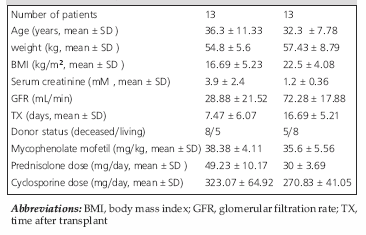
Table 1. Patient demographics
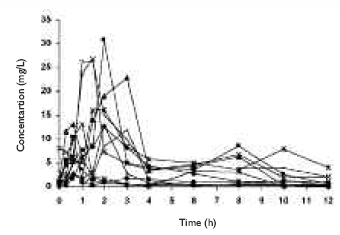
Figure 1. Mean MPA concentration ± SD of patients in group 1
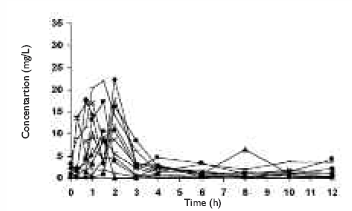
Figure 2. Mean MPA concentration ± SD of patients in group 2
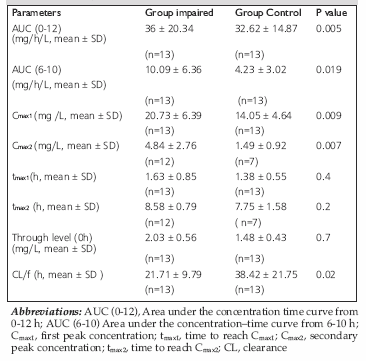
Table 2. Summary of pharmacokinetics parameters
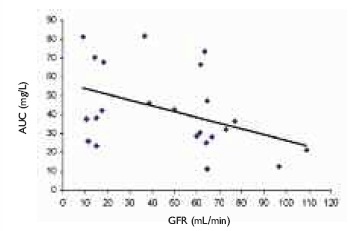
Figure 3. The correlation between GFR and AUC
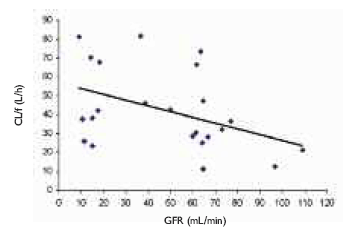
Figure 4. The correlation between GFR and CL/f