Volume: 6 Issue: 1 March 2008
FULL TEXT
Objectives: Active cytomegalovirus infection remains a major problem for bone marrow transplant recipients. If not quickly diagnosed and treated, it can evolve into cytomegalovirus disease, which represents a life-threatening complication. In this work, we sought to evaluate the interactions between clinical complications after bone marrow transplant and factors associated with active cytomegalovirus infection.
Materials and Methods: We evaluated 91 allogeneic bone marrow transplant recipients (35 female, 56 male; median age, 20 years; age range, 3-47 years) for malignant and nonmalignant hematologic diseases. Active cytomegalovirus infection was monitored using pp65 cytomegalovirus antigenemia and a semiquantitative cytomegalovirus polymerase chain reaction. Cytomegalovirus end-organ disease was defined as an association between compatible signs and symptoms (dyspnea, hypoxia, and diarrhea) and detection of cytomegalovirus (≥ 2000 cytomegalovirus genome copies/mL) by hybrid capture assay in tissue biopsy. Variables were compared using the chi-square and Fisher exact tests. Time of death after bone marrow transplant was plotted using the Kaplan-Meier method. A Cox regression model was used for multivariate survival analysis with 95% confidence limits.
Results: Sixty-four patients experienced active cytomegalovirus infection, 26 had acute graft-versus-host disease, and 11 had cytomegalovirus diseases. The overall survival rate at 4 years was 83.52%. On multivariate analyses, cytomegalovirus disease (hazard ratio = 15.9, P = .001) and age older than 18 years (hazard ratio = 8, P = .18) were the only independent negative prognostic factors for overall survival. Occurrence of acute graft-versus-host disease was increased by early active cytomegalovirus infection (P = .03) and represents a significant factor for active cytomegalovirus infection recurrence (P = .01). Viral load as quantified by antigenemia and cytomegalovirus DNA in the patients’ peripheral blood leukocytes was significantly associated with clinical complications.
Conclusions: Active cytomegalovirus infection interacts significantly in several ways with graft-versus-host disease and others infections. Acute graft-versus-host disease increases the chances of a poor outcome, especially of acquiring cytomegalovirus disease. Cytomegalovirus disease constitutes a significant independent risk factor for death after bone marrow transplant.
Key words : Active CMV infection, CMV disease, Graft-versus-host disease, BMT complications, pp65 CMV antigenemia
Cytomegalovirus (CMV) infection is the most frequent viral complication in patients undergoing allogeneic blood and bone marrow transplants (1-3). Despite advanced diagnostic methods and pre-emptive antiviral therapy, CMV disease continues to be a life-threatening complication in this population (4, 5). This complication poses challenges to treatment, occurring often in the most fragile patients with graft-versus-host disease (GVHD) (6-8). Two different strategies, prophylaxis and pre-emptive therapy, are used to prevent symptomatic CMV infection after bone marrow or blood transplant. In prophylaxis, antiviral drugs are administered before any evidence of the virus, and in pre-emptive therapy, antiviral drugs are administered when there is laboratory evidence of an active but asymptomatic infection (9-12).
Here, we evaluate the impact of acute and chronic GVHD and CMV disease on time to onset of active CMV infection. We also evaluate the impact of active CMV infection duration and viral load on patient outcome. The influences of active CMV infection, CMV disease, and acute and chronic GVHD on patients’ survival are also assessed.
Patients and Methods
Patients
We retrospectively analyzed data on active CMV infections in 91 patients (35 women, 56 men; median age, 20 years [range, 3-47 years]) with different malignant and nonmalignant hematologic diseases, who had received a myeloablative bone marrow allograft from a human leukocyte antigen (HLA)-matched, related donors at the Centre National de Greffe de Moelle Osseuse de Tunis in Tunisia between January 2001 and January 2005. No patient received a T-cell–depleted graft. All patients were followed for active CMV infection from day 21 after their bone marrow transplant for a median of 11 weeks (range, 4-19 weeks). Blood samples for the pp65 CMV antigenemia assay and in-house semiquantitative CMV polymerase chain reaction (PCR) were obtained weekly.
All patients were given weekly prophylactic acyclovir therapy from 5 days before until 100 days after transplant (intravenous acyclovir: 3 × 500 mg/m2/day for 3 weeks, followed by a maintenance phase with oral acyclovir, 3 × 800 mg/m2/day, until the 100th day after bone marrow transplant [BMT]). Patients with confirmed, active CMV infection were given a pre-emptive intravenous ganciclovir induction phase (2 × 5 mg/kg/day until day 14) if the number of polymorphonuclear leukocytes exceeded 1000/mm3. A similar oral regimen of ganciclovir therapy (10 mg /kg/d) was maintained until active CMV infection disappeared. This therapy was also maintained until the 100th day after BMT if there was corticosteroid treatment for GVHD. Intravenous foscarnet (180 mg /kg/d) with the same protocol was administered if there were fewer than 1000/mm3 polymorphonuclear leukocytes.
Immunosuppressive therapy consisted of prophylactic cyclosporine for 6 months after transplant. Episodes of GVHD were documented by percutaneous liver and fibroscopic gastric and/or cutaneous biopsy, and treated with prednisolone or anti-OKT3 monoclonal antibody in severe GVHD cases. Depending on the underlying diseases, some patients had total body irradiation as part of their conditioning regimen.
pp 65 CMV antigenemia assay
The antigenemia assay was done using a Rapid Antigenemia CINAkit (Argene Biosoft, France), according to the manufacturer’s instructions. A positive result was defined as at least 2 positive cells in duplicate wells containing 2 ×
105 polymorphonuclear lymphocytes each.
CMV semiquantitative PCR assay
Quantitative assessment of CMV DNA from polymorphonuclear leukocytes was done using a previously described method of semiquantitative PCR coupled to Southern blot hybridization developed in-house (13, 14). The specific band resulting from each PCR-positive specimen was assigned a score of 1 to 4 based on band intensity compared with 4 points on the standard curve of dilutions corresponding to 80, 800, 8000, and 80000 CMV genomic copies, respectively. Scores of 1 and 2 were designated as low level, scores of 3 and 4 at the high level.
Quantitative hybrid capture for CMV
Quantitative hybrid capture for CMV (15) was done with a hybrid capture CMV DNA assay kit (version 2.0; Digene Corporation, Gaithersburg, MD). Specimens were processed according to the manufacturer’s instructions (tissues were treated with a lysis solution, whereas bronchoalveolar lavage and urine were centrifuged, and PBLs were collected). The sensitivity of this test is 300 CMV genome copies/mL or more. This assay was used to confirm the diagnosis of CMV disease.
Definitions
CMV disease and active CMV infection
Active CMV infection (16) was defined as a single positive result on a pp65-antigenemia test with 1 or more positive cell/2 ×
105 or a single positive semiquantitative CMV PCR assay. CMV end-organ disease was defined as an association between compatible signs and symptoms (eg, dyspnea, hypoxia, fever of unknown origin, malaise, or diarrhea) and detection of CMV (with at least 2000 CMV genome copies/mL) by a quantitative hybrid capture CMV assay in a tissue biopsy specimen.
Multiple CMV infection and antigenemia load increase
For the purpose of this study, we defined a new active CMV infection as occurring after negative monitoring results for at least 3 weeks after a previous active CMV infection. A 3-fold increase in antigenemia load between the first and second active CMV infection episode, in the presence of pre-emptive therapy, was considered an increase (Table 1).

We chose a period of 6 weeks after BMT in Table 2, because active CMV infection occurs generally within this period. In Table 3, we chose an active CMV infection duration of 4 weeks because it corresponds approximately to the median duration for our patients. All recipients with CMV seronegative status also had donors with CMV seronegative status. Non-CMV infections were defined as infections caused by micro-organisms other than CMV.


Statistical analyses
SPSS software (Statistical Product and Services Solutions, version 11.0, SPSS Inc, Chicago, IL, USA) was used for statistical analyses. Variables were compared using the chi-square and Fisher exact tests, 2-sided. Time of death after BMT was determined using the Kaplan-Meier method for the following parameters: active CMV infection, acute and chronic GVHD, and CMV disease. A Cox regression model was used for multivariate survival analyses, and 95% confidence limits were defined. Survival was measured from the date of BMT until death from any cause.
Results
Active CMV infection
Among 64 patients (70.3%) with active CMV infection, 49 and 7 patients had positive and negative CMV serostatus, respectively; serologic status was unknown for the other 8 patients. Of the 27 patients without active CMV infection, 18, 6, and 3 patients were CMV seropositive, CMV seronegative, or had an unknown serostatus, respectively. One hundred twenty-two specimens obtained from 35 patients were positive for a mean of 3 weeks (range, 1-6 weeks) on pp65 CMV antigenemia assay. Two hundred ninety-five specimens obtained from 58 patients were positive for a mean of 5 weeks (range, 1-8 weeks) by PCR. CMV PCR became positive at a median of 20 days (range, 0-67 days) before antigenemia. Thirty-one patients had both positive antigenemia and PCR; 4 had only positive antigenemia.
Twelve patients had increases in their viral load (increased antigenemia), and 13 had more than 1 active CMV infection episode; 6 patients experienced both situations. The number of recurrent active CMV infection episodes ranged from 2 to 4 and occurred within a median of 68 days (range, 24-130 days). Only acute GVHD had a significant impact on active CMV infection recurrence, whereas antigenemia load increase had no influence on analyzed factors (Table 1). When active CMV infection occurs between the third and sixth week after BMT, there is a more-significant increase in acute GVHD than when active CMV infection occurs 6 weeks after BMT (Table 2). Table 3 shows that an antigenemia load over 10 cells significantly enhances the number of chronic GVHD and non-CMV infections. When active CMV infection diagnosed by pp65 antigenemia lasts longer than 4 weeks, it significantly enhances the number of chronic GVHD infections, whereas when active CMV infection diagnosed by PCR lasts more than 4 weeks, it significantly enhances the number of both chronic GVHD and non-CMV infections (Table 3).
GVHD
Twenty-six patients developed acute GVHD; of these, 10 also experienced chronic GVHD, and 3 developed only chronic GVHD. Among 24 patients with acute GVHD and active CMV infection, 5 developed GVHD after an active CMV infection. No one had CMV disease, and 2 died of infectious complications. In 19 patients, acute GVHD occurred at a median of 27 days (range, 5-47 days) before active CMV infection, 7 experienced CMV disease, and 8 died. Among patients without active CMV infection, 2 had acute GVHD, 1 also had chronic GVHD, and 1 died of undocumented pneumonia.
CMV disease
Eleven patients (12%) developed CMV disease, 6 had gastrointestinal disease, 4 had interstitial pneumonia, and 1 developed CMV cystitis. The onset of CMV disease occurred at a median of 61 days after BMT (range, 25-116 days). Only 1 patient developed late CMV disease, defined as disease diagnosed after day 100. Only 3 patients had high CMV levels on PCR (with an 8-cell antigenemia peak for a fourth patient). Six patients died at a median of 97 days after BMT (range, 60-121 days), 4 died of CMV disease, and 2 died of sepsis. Malignant underlying disease, total body irradiation, and acute GVHD were significant risk factors for CMV disease (Table 4).

Outcome
The Kaplan-Meier estimate of overall survival is shown in Figure 1. Among the 91 patients enrolled in this study, 15 died mainly of infectious complications including sepsis (n=4), pneumonia (n=3), CMV disease (n=4), BK virus cystitis (n=2), and hemodynamic failure (n=2). The deaths occurred in the first 8 months (range, 60-241 days) after BMT. The survival rate was 83.52%.

CMV disease and acute GVHD significantly affected patient death (Figure 2). A multivariate Cox proportional hazards regression model confirmed that only CMV disease was a significant independent risk factor (P = .001). Patients experiencing CMV disease had a 15.9-fold increased risk of a fatal outcome (Table 5).


Discussion
The data reported here are similar to those of other authors (8, 17-21): Patients with allogeneic BMT (4) with positive CMV serostatus (4, 7) and acute GVHD (4, 6-8) are at high risk of developing active CMV infection.
Acute GVHD significantly affects active CMV infection recurrence (P < .01) (Table 1). CMV infection recurrence was more frequent with short courses of antiviral therapy (22, 23). The poor bioavailability of oral ganciclovir may account for this; drug resistance also may be a supplementary factor (24). None of the variables we investigated was significantly associated with an increase in antigenemia (Table 1), especially acute GVHD; this contradicts previous reports (6, 7, 18). However, early active CMV infection significantly affected rates of acute GVHD as shown in Table 2, which confirms the interaction between these 2 factors (4, 25, 26).
Nichols and colleagues (7) have reported that corticosteroids constitute the primary risk factor for the increase in antigenemia by impairing the recipient’s immunity and supporting infectious complications. Also, CMV viremia is a risk factor for the development of opportunistic infections (19, 27). Thus, for our patients, a relatively high antigenemia load above 10 cells, is significantly associated with non-CMV infections (opportunistic infections) and chronic GVHD increase (meaning the interaction between long-term corticosteroid treatment in chronic GVHD, impairment of immunity and antigenemia load increase) (Table 3). In contrast with the literature (28, 29), high-grade CMV DNA copy level was not predictive of clinical progression to disease in our patients (Table 3). However, CMV PCR duration is significantly associated with clinical complications, confirming the usefulness of quantitative CMV PCR for monitoring of CMV-infected patients (6, 29).
Among the 19 patients who developed acute GVHD before active CMV infection, 7 had CMV disease, whereas there was no CMV disease among patients in whom acute GVHD occurred after active CMV infection. Thus, the timing of corticosteroid initiation may play a role in increasing CMV virulence and the occurrence of CMV disease (2, 24). Only 1 patient experienced late-onset CMV disease, although we used prolonged antiviral treatment (22, 30, 31) in 7 of 11 CMV disease patients. Acute GVHD (8, 21, 32) and early active CMV infection (33) may promote early CMV disease onset, which occurred in 45.3% of our patients (Table 2). Similar to the results of others (7, 29, 34, 35), our patients developed CMV disease despite low systemic viral loads.
A lack of CMV control (21, 3, 24) because of impaired immunity before BMT explains the role of malignant underlying disease and total body irradiation as significant risk factors for the occurrence of CMV disease (Table 4).
Deaths occurred quickly, in 60 to 241 days, mainly due to infectious complications (Figure 1). A predominance of nonmalignant disease and related HLA-matched donors may explain the low death rate in our patients. CMV disease on univariate (Figure 2A) and multivariate (Table 5) Cox analyses represents a significant risk factor for death. The fact that 7 of 11 patients experiencing CMV disease had long-term therapy helps explain our results. CMV disease outcomes and mortality are improved by short-term (14 days) pp65 CMV antigenemia or PCR-based pre-emptive treatment (23, 25, 36, 37). Pre-emptive antiviral therapy blocks rather than cures CMV disease; immune recovery is required to cure an active CMV infection (38-39). In conclusion, despite antiviral prophylaxis, use of antigenemia and molecular methods for CMV surveillance, and pre-emptive antiviral therapy, CMV disease remains an extremely hazardous complication. The most important finding in our study is that early active CMV infection significantly increases the occurrence of acute GVHD, and GVHD affects active CMV infection recurrence. Viral load, as quantified by pp65 CMV antigenemia, is significantly associated with increases in chronic GVHD and non-CMV infections, such as is the persistence of CMV DNA in PBLs. Although not statistically significant, acute GVHD occurrence after active CMV infection led to CMV disease less frequently than when GVHD occurred before active CMV infection, emphasizing the role of start time for corticosteroid treatment after BMT.
Factors that impair the recipient’s immune status represent poor outcome factors for CMV disease. The modalities of pre-emptive therapy remain controversial; disparities between results reflect disparities between patients. An “à la carte” antiviral pre-emptive therapy provides an acceptable solution until immunotherapy with CD8+ CMV cytotoxic T lymphocytes become easily available.
References:
- Reusser P. The challenge of cytomegalovirus infection after bone marrow transplantation: epidemiology, prophylaxis, and therapy. Bone Marrow Transplant. 1996;18(suppl 2):107-109.
- Cytomegalovirus. Am J Transplant. 2004;4(suppl 10):51-58.
- Hebart H, Einsele H. Clinical aspects of CMV infection after stem cell transplantation. Hum Immunol. 2004;65(5):432-436.
- Meyers JD, Flournoy N, Thomas ED. Risk factors for cytomegalovirus infection after human marrow transplantation. J Infect Dis. 1986;153(3):478-488.
- Mori T, Okamoto S, Matsuoka S, et al. Risk-adapted pre-emptive therapy for cytomegalovirus disease in patients undergoing allogeneic bone marrow transplantation. Bone Marrow Transplant. 2000;25(7):765-769.
- Gerna G, Lilleri D, Zecca M, et al. Rising antigenemia levels may be misleading in pre-emptive therapy of human cytomegalovirus infection in allogeneic hematopoietic stem cell transplant recipients. Haematologica. 2005;90(4):526-533.
- Nichols WG, Corey L, Gooley T, et al. Rising pp65 antigenemia during preemptive anticytomegalovirus therapy after allogeneic hematopoietic stem cell transplantation: risk factors, correlation with DNA load, and outcomes. Blood. 2001;97(4):867-874.
- Osarogiagbon RU, Defor TE, Weisdorf MA, Erice A, Weisdorf DJ. CMV antigenemia following bone marrow transplantation: risk factors and outcomes. Biol Blood Marrow Transplant. 2000;6(3):280-288.
- Szer J, Durrant S, Schwarer AP, et al. Oral versus intravenous ganciclovir for the prophylaxis of cytomegalovirus disease after allogeneic bone marrow transplantation. Intern Med J. 2004;34(3):98-101.
- Fraser GA, Walker II; Canadian Blood and Marrow Transplant Group. Cytomegalovirus prophylaxis and treatment after hematopoietic stem cell transplantation in Canada: a description of current practices and comparison with Centers for Disease Control/Infectious Diseases Society of America/American Society for Blood and Marrow Transplantation guideline recommendations. Biol Blood Marrow Transplant. 2004;10(5):287-297.
- Avery RK, Adal KA, Longworth DL, Bolwell BJ. A survey of allogeneic bone marrow transplant programs in the United States regarding cytomegalovirus prophylaxis and pre-emptive therapy. Bone Marrow Transplant. 2000;26(7):763-767.
- Meijer E, Boland GJ, Verdonck LF. Prevention of cytomegalovirus disease in recipients of allogeneic stem cell transplants. Clin Microbiol Rev. 2003;16(4):647-657.
- Drouet E, Colimon R, Michelson S, et al. Monitoring levels of human cytomegalovirus DNA in blood after liver transplantation. J Clin Microbiol. 1995;33(2):389-394.
- Drouet E, Michelson S, Denoyel G, Colimon R. Polymerase chain reaction detection of human cytomegalovirus in over 2000 blood specimens correlated with virus isolation and related to urinary virus excretion. J Virol Methods. 1993;45(3):259-276.
- Boeckh M, Boivin G. Quantitation of cytomegalovirus: methodologic aspects and clinical applications. Clin Microbiol Rev. 1998;11(3):533-554.
- Ljungman P, Griffiths P, Paya C. Definitions of cytomegalovirus infection and disease in transplant recipients. Clin Infect Dis. 2002;34(8):1094-1097.
- Ljungman P, Aschan J, Lewensohn-Fuchs I, et al. Results of different strategies for reducing cytomegalovirus-associated mortality in allogeneic stem cell transplant recipients. Transplantation. 1998;66(10):1330-1334.
- Yanada M, Yamamoto K, Emi N, et al. Cytomegalovirus antigenemia and outcome of patients treated with pre-emptive ganciclovir: retrospective analysis of 241 consecutive patients undergoing allogeneic hematopoietic stem cell transplantation. Bone Marrow Transplant. 2003;32(8):801-807.
- Lengerke C, Ljubicic T, Meisner C, et al. Evaluation of the COBAS Amplicor HCMV Monitor for early detection and monitoring of human cytomegalovirus infection after allogeneic stem cell transplantation. Bone Marrow Transplant. 2006;38(1):53-60.
- Einsele H, Hebart H, Kauffmann-Schneider C, et al. Risk factors for treatment failures in patients receiving PCR-based preemptive therapy for CMV infection. Bone Marrow Transplant. 2000;25(7):757-763.
- Ljungman P, Perez-Bercoff L, Jonsson J, et al. Risk factors for the development of cytomegalovirus disease after allogeneic stem cell transplantation. Haematologica. 2006;91(1):78-83.
- Boeckh M, Leisenring W, Riddell SR, et al. Late cytomegalovirus disease and mortality in recipients of allogeneic hematopoietic stem cell transplants: importance of viral load and T-cell immunity. Blood. 2003;101(2):407-414.
- Reusser P, Einsele H, Lee J, et al. Randomized multicenter trial of foscarnet versus ganciclovir for preemptive therapy of cytomegalovirus infection after allogeneic stem cell transplantation. Blood. 2002;99(4):1159-1164.
- Zaia JA. Prevention and management of CMV-related problems after hematopoietic stem cell transplantation. Bone Marrow Transplant. 2002;29(8):633-638.
- Machado CM, Menezes RX, Macedo MC, et al. Extended antigenemia surveillance and late cytomegalovirus infection after allogeneic BMT. Bone Marrow Transplant. 2001;28(11):1053-1059.
- Matthes-Martin S, Aberle SW, Peters C, et al. CMV-viraemia during allogenic bone marrow transplantation in paediatric patients: association with survival and graft-versus-host disease. Bone Marrow Transplant. 1998;21(suppl 2):S53-S56.
- Imbert-Marcille BM. Histoire naturelle des infections à cytomégalovirus. Médecine Thérapeutique. 2001;7:577-584.
- Emery VC, Sabin CA, Cope AV, Gor D, Hassan-Walker AF, Griffiths PD. Application of viral-load kinetics to identify patients who develop cytomegalovirus disease after transplantation. Lancet. 2000;355(9220):2032-2036.
- Howden BP, Michaelides A, Spelman DW, et al. Cytomegalovirus viral load monitoring after allogeneic bone marrow transplantation in patients receiving antiviral prophylaxis. Bone Marrow Transplant. 2003;32(8):795-800.
- Boeckh M, Gooley TA, Myerson D, Cunningham T, Schoch G, Bowden RA. Cytomegalovirus pp65 antigenemia-guided early treatment with ganciclovir versus ganciclovir at engraftment after allogeneic marrow transplantation: a randomized double-blind study. Blood. 1996;88(10):4063-4071.
- Nguyen Q, Champlin R, Giralt S, et al. Late cytomegalovirus pneumonia in adult allogeneic blood and marrow transplant recipients. Clin Infect Dis. 1999;28(3):618-623.
- Miller W, Flynn P, McCullough J, et al. Cytomegalovirus infection after bone marrow transplantation: an association with acute graft-v-host disease. Blood. 1986;67(4):1162-1167.
- Boeckh M, Gallez-Hawkins GM, Myerson D, Zaia JA, Bowden RA. Plasma polymerase chain reaction for cytomegalovirus DNA after allogeneic marrow transplantation: comparison with polymerase chain reaction using peripheral blood leukocytes, pp65 antigenemia, and viral culture. Transplantation. 1997;64(1):108-113.
- Boivin G, Quirk MR, Kringstad BA, Germain M, Jordan MC. Early effects of ganciclovir therapy on the quantity of cytomegalovirus DNA in leukocytes of immunocompromised patients. Antimicrob Agents Chemother. 1997;41(4):860-862.
- Saltzman RL, Quirk MR, Jordan MC. High levels of circulating cytomegalovirus DNA reflect visceral organ disease in viremic immunosuppressed patients other than marrow recipients. J Clin Invest. 1992;90(5):1832-1838.
- Humar A, Lipton J, Welsh S, Moussa G, Messner H, Mazzulli T. A randomised trial comparing cytomegalovirus antigenemia assay vs screening bronchoscopy for the early detection and prevention of disease in allogeneic bone marrow and peripheral blood stem cell transplant recipients. Bone Marrow Transplant. 2001;28(5):485-490.
- Kanda Y, Mineishi S, Saito T, et al. Pre-emptive therapy against cytomegalovirus (CMV) disease guided by CMV antigenemia assay after allogeneic hematopoietic stem cell transplantation: a single-center experience in Japan. Bone Marrow Transplant. 2001;27(4):437-444.
- Einsele H, Roosnek E, Rufer N, et al. Infusion of cytomegalovirus (CMV)-specific T cells for the treatment of CMV infection not responding to antiviral chemotherapy. Blood. 2002; 99(11):3916-3922.
- Ljungman P, Aschan J, Azinge JN, et al. Cytomegalovirus viraemia and specific T-helper cell responses as predictors of disease after allogeneic marrow transplantation. Br J Haematol. 1993;83(1):118-124.

Volume : 6
Issue : 1
Pages : 67 - 73
From the 1Service des Laboratoires; 2Unité de Greffe: Centre National de Greffe de Moelle Osseuse; 3Service de Microbiologie de l’hôpital Charles Nicolle, Tunis, Tunisia; 4Laboratoire de Statistique, Faculté de Médecine de Tunis, Tunisia
Address reprint requests to: Ksouri Habib, Service des Laboratoires, Centre National de Greffe de Moelle Osseuse, 2, Rue Jebel Lakdhar, 1006 Tunis, Tunisia
Phone: +216 (71) 577406
Fax: +216 (71) 565623
E-mail: ksourih_2000@yahoo.fr
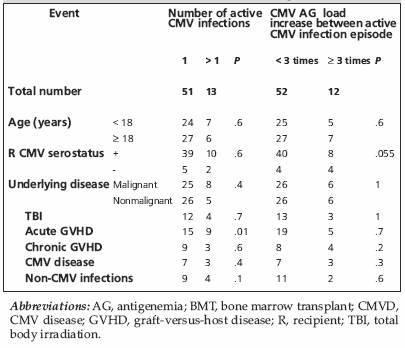
Table 1. Interaction of patients’ characteristics and complications after BMT with active CMV infection recurrence and antigenemia load.
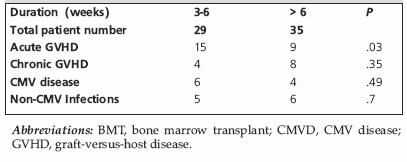
Table 2. Time to active CMV infection onset after BMT.
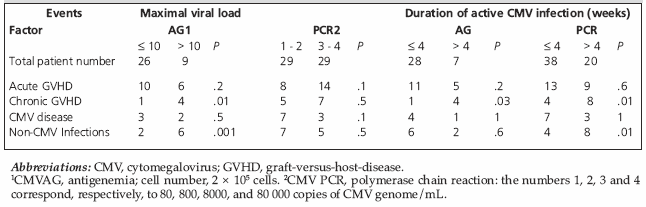
Table 3. Role of maximal viral load and active CMV infection duration.
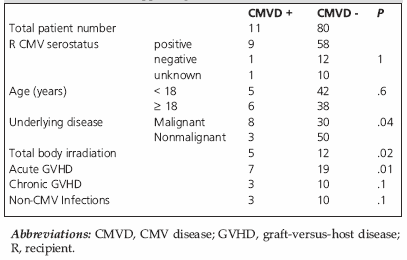
Table 4. CMV disease supporting factors.
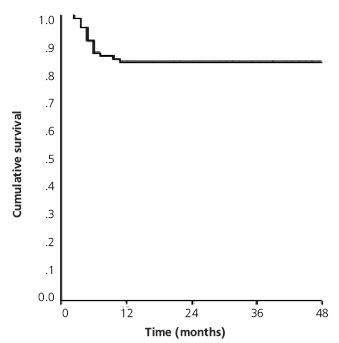
Figure 1. Kaplan-Meier estimates of overall surviving patients.
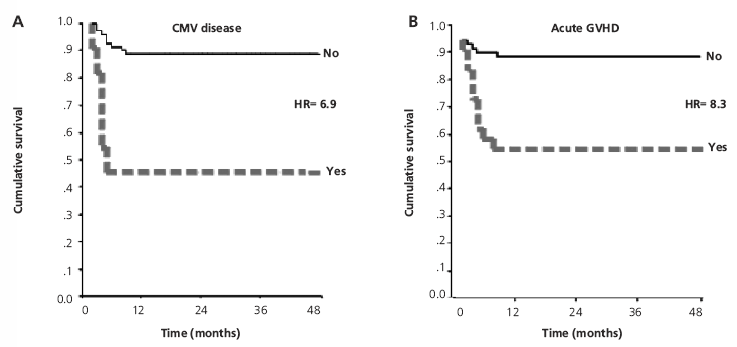
Figure 2. Cumulative influencing factors on patient’s survival.
A: CMV disease (P < .001) > B:Acute GVHD (P < .001)
Abbreviations: HR, hazard risk.
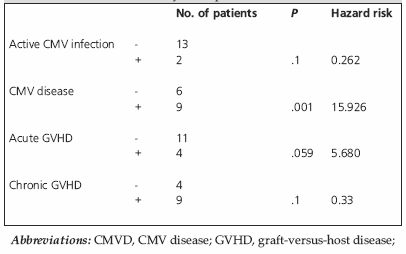
Table 5. Multivariate Cox analysis for poor outcome risk factors.