Volume: 3 Issue: 1 June 2005
FULL TEXT
Objectives: High-yield isolation and purification of human leukocyte subpopulations from whole blood is fundamental to many biological and medical applications including qualitative and quantitative PCR-based techniques of determining human cytomegalovirus infection. Several procedures have been reported to purify morphologically and functionally intact human leukocyte subpopulations for diagnostic proposes. Here, we report and evaluate a technique for high-yield purification of intact and viable human leukocyte subpopulations based on modification of a previous methodology.
Materials and Methods: One hundred peripheral blood samples were collected from bone marrow transplant recipients (n = 60), bone marrow donors (n = 20), and healthy blood donors (n = 20). The samples were tested in parallel using 4 different leukocyte separation methods. The methods were evaluated based on the concentration, purity, and viability of the isolated leukocyte subpopulations.
Results: When compared with standard methods, our methods produced 99% purity for both polymorphonuclear or mononuclear leukocytes. The corresponding viability for the methods was determined to be 98%. No erythrocyte contamination was demonstrated. However, the maximum concentration for polymorphonuclear or mononuclear leukocytes obtained by standard methods was 70%. The corresponding viability for all the methods was determined to be 98%.
Conclusions: Our results indicate that in patients with decreased whole blood leukocyte numbers, using either a modified Ficoll NH4Cl or a modified dextran method would be valuable for simultaneous separation of polymorphonuclear and mononuclear leukocytes with high purity, viability, and concentration.
Key words : Polymorphonuclear, Mononuclear leukocytes, Dextran method, Polymorphoprep, Lymphoprep
Human cytomegalovirus (HCMV) active infection is a major clinical problem in transplant recipients especially in bone marrow transplant (BMT) patients [1]. In cases of active HCMV disease, even patients managed with antiviral treatments, the mortality rate is still about 25%-30% [2]. Thus, it is important to employ sensitive and specific diagnostic techniques to rapidly and correctly detect HCMV infection in patients at risk of developing active HCMV disease.
HCMV viremia is a reliable marker of systemic infection. Mononuclear leukocytes (MNL) are the major carriers of HCMV during latent infection, and polymorphonuclear leukocytes (PMNL) harbor the virus during active phase and when an HCMV disease is developed [3].
Isolation and purification of human leukocyte subpopulations are fundamental in many biological and medical applications. High-yield isolation of purified PMNL and MNL from whole blood of BMT recipients is the first and essential instrument for the diagnosis of latent or active phase and for widespread qualitative and quantitative PCR-based techniques of HCMV infection. A higher percentage of viable leukocyte subpopulations is also important when viral isolation or antigen detection is assessed [4].
Several procedures have been employed to purify morphologically and functionally intact human peripheral PMNL and MNL for diagnosis of HCMV infection especially in transplant recipients [5-8]. The advantages and disadvantages of those procedures have been reported in previous studies.
The most common procedure is isolation of peripheral blood leukocytes by Ficoll-Hypaque purification [9]. Although simple, the technique has several disadvantages including high lymphocyte contamination, low flexibility of monocytes, and high manipulation. Due to a lower contamination of leukocyte fraction and erythrocyte, purification of viable PMNL and MNL remains another drawback to previous studies. Methods currently used to discriminate and separate leukocyte subpopulations are by density [10-11], electrostatic characteristics [12-13], and specific immunologic receptor-ligand interactions [14-17]. The major disadvantage of these techniques is cell labeling, which is time consuming and may interfere with cell use after separation.
In this study, a report, along with an evaluation of a technique for high-yield purification of intact and viable PMNL and MNL based on a modification of previous methodologies, is presented. The new method is easily reproducible, and a good separation performance is achieved.
Materials and Methods
Specimens
One hundred EDTA-treated peripheral blood samples were freshly collected from 3
subject groups: group 1 consisted of 20 blood samples taken from a normal
population. Group 2 included 20 blood samples collected from the same number of
allograft donors. Group 3 was composed of 60 blood samples collected from BMT
recipients. Mean total white blood cell counts for groups 1, 2, and 3 were
calculated to be 6.03 x 10⁶/mL ± 1.3, 5.6 x 10⁶/mL ± 1.3, and 2.03 x 10⁶/mL
± 1.2 respectively. The specimens were processed immediately after collection.
Leukocyte separation
Ten milliliters of EDTA-anticoagulated whole blood was obtained from each
subject. Leukocyte subpopulations were isolated using standard procedures and
modified in-house methods as follows:
Standard procedures
Lymphoprep method: Mononuclear leukocytes were separated from blood samples as
follows: 10 mL of EDTA-treated peripheral blood was laid over 5 mL of lymphoprep
1.077 (w/v (Nycomed, The Netherlands). Tubes were then centrifuged at 800 x g
for 25 minutes. An individual band was removed from the gradient. The fraction
was washed twice with phosphate buffered saline (PBS), pH = 7.2.
Polymorphoprep method: Granulocytes were separated from blood samples by
polymorphoprep 1.095 (w/v (Nycomed). Briefly, 10 mL of EDTA-treated peripheral
blood was laid over 5 mL of lymphoprep. Tubes were then centrifuged at 800 x g
for 25 minutes. An individual band was removed from the gradient. The neutrophil
concentration was determined by differential count after the preparation of
stained slides. The PMNL fraction was resuspended and washed with PBS, pH = 7.2.
Modified in-house methods
Dextran method: Five milliliters of dextran (T70; MW = 70000 Dalton; Sigma, St.
Louis, Mo, USA) in concentrations of 5%, 6%, 7%, 8%, 9%, and 10% (w/v in normal
saline was added gradually to 10 mL of EDTA-treated whole blood samples and
incubated at 37ºC for 30 to 60 minutes. The upper layer containing the mixed
leukocyte fraction and dextran was removed and mixed with an equal volume of
lymphoprep 1077. The tube was then centrifuged at 800 x g for 25 minutes at
ambient temperature. The separated leukocyte bands were aseptically removed with
a pipette, transferred to a sterile centrifuge tube, and incubated at 4ºC for 5
to 10 minutes. The cells were then washed and centrifuged 3 times at 1500 x g
for 10 minutes with 0.84% (w/v of cold ammonium chloride
(NH4Cl) to obtain
efficient hemolysis.
Ficoll-ammonium chloride method: In this method, one volume of EDTA-treated blood was mixed with 4 volumes of 0.84% (w/v cold ammonium chloride (NH4Cl). Tubes were then incubated at 4ºC for 5 minutes. To eliminate all erythrocytes, the procedure was repeated 3 to 4 times. Following centrifugation at 1500 x g for 10 minutes, the white cell pellet was washed and resuspended in PBS. Lymphoprep 1077 in equal volume was laid over the leukocytes, and tubes were then centrifuged at 800 x g for 23 minutes. The MNL and PMNL fractions were collected and resuspended in PBS, pH = 7.2.
Leukocyte counting, purity, and viability: The concentration of the leukocyte suspension was determined using a Thoma counting chamber. Polymorphonuclear leukocytes and mononuclear leukocytes were discerned using Giemsa staining. Viability was checked using the trypan blue exclusion test.
Results
Leukocyte purification: One hundred blood specimens were tested in parallel by 4 different leukocyte separation methods. Using a Thoma counting chamber, the concentration of the leukocyte subpopulation suspension in the different groups was determined (Table 1). PMNL and MNL were discerned using Giemsa staining.
Using the lymphoprep method, 0.4 x 10⁶ mononuclear leukocytes per mL of blood were harvested from bone marrow recipients. The isolated MNL were contaminated with 20% ± 5% PMNL and erythrocytes. In the polymorphoprep method, 1 x 10⁶ PMNL per mL of blood were obtained with 15% ± 5% lymphocyte and erythrocyte contamination. The corresponding viability for both methods was determined to be 98% (Table 2).
A crucial improvement in purification of both PMNL and MNL was achieved with the Ficoll-ammonium chloride and dextran methods. PMNL and MNL were separated from each other in both methods. No erythrocyte contamination was demonstrated. Using the Ficoll-ammonium chloride method, 1.39 x 10⁶ PMNL per mL of blood were collected from bone marrow transplant patients. Erythrocyte contamination was not demonstrated either in the Ficoll or the dextran method. When compared with standard methods, our methods produced 99% purity for both PMNL and MNL (Table 2).
Discussion
HCMV is one of the most life-threatening infectious agents for BMT patients. Therefore, the ability to diagnose the proteinous and genetic determinants of the virus in its latent and active forms is crucial for transplant recipients. Highly purified PMNL and MNL have been successfully used to differentiate active HCMV infection from latent infection [18].
After reviewing the advantages and disadvantages of already established methods, with some modifications, a modified version of these methods was developed in our laboratory to obtain high-yield purity of PMNL and MNL from whole blood. The methods were then applied for diagnosing active HCMV infections in BMT recipients. Low cell harvesting, contamination of isolated MNL and/or PMNL with erythrocytes and very low purity of simultaneously isolated PMNL and MNL from human blood were the major problems of previously reported methods. Our procedures, however, offer several ways of overcoming these problems.
As shown by Boyum and colleagues [10], density gradient techniques for separating white blood cells are based upon differences in the physical properties of cells and their suspension medium. Our methods are based upon the observation that the density of multinucleated blood leukocytes is different from mononuclear blood leukocytes, and the density of PMNL is heavier than the density of MNL, affecting the harvesting of pure PMNL and MNL simultaneously.
Using dextran 6%-7% with a molecular weight of 70,000 in the dextran method led to a maximal harvesting of intact and pure MNL and PMNL. The method is rapid, inexpensive, and easy to perform. Nevertheless, repeatedly washing of the fractionated leukocyte with 0.84% NH4Cl to remove contaminated erythrocytes is a drawback of the method.
Efficient erythrocyte hemolysis (for 5 minutes at 4°C, 3-4 times), the first step of the Ficoll-ammonium chloride method, decreased the cell toxicity of ammonium chloride and led to better fractionation of viable and pure PMNL and MNL by lymphoprep 1.077.
Using highly purified PMNL and MNL harvested by these methods led to better differentiation and detection of HCMV active infection from HCMV latent infection in BMT patients [18].
Different leukocyte purification procedures were compared to determine the maximum concentration of PMNL or MNL obtained by each method. Both Ficoll NH4Cl and dextran methods gave the maximum concentration (ie, 98% purity). However, the maximum concentration of PMNL obtained by polymorphoprep and lymphoprep methods was 70% and 30%, respectively. The same results were obtained when the two methods were applied for purification of MNL (ie, 30% and 70% respectively).
In conclusion, our results indicate that in patients undergoing immunosuppression therapy with decreased whole blood leukocyte numbers, using either the Ficoll NH4Cl or dextran methods would be valuable for simultaneous separation of PMNL and MNL of high purity, viability, and concentration, especially in diagnosing active HCMV infection.
References:
- 1. Maltezou HC, Kafetzis DA, Abisaid D, Mantzouranis EC, Chan KW, Rolston KV. Viral infections in children undergoing hematopoietic stem cell transplant. Pediatr Infect Dis J 2000; 19: 307-312
- Ljungman P, Engelhard D, Link H, Biron P, Brandt L, Brunet S, et al. Treatment of interstitial pneumonitis due to cytomegalovirus with ganciclovir and intravenous immune globulin: experience of European Bone Marrow Transplant Group. Clin Infect Dis 1992; 14(4): 831-835
- Erice A, Holm MA, Gill PC, Henry S, Dirksen CL, Dunn DL, et al. Cytomegalovirus (CMV) antigenemia assay is more sensitive than shell vial cultures for rapid detection of CMV in polymorphonuclear blood leukocytes. J Clin Microbiol 1992; 30: 2822-2825
- van der Bij W, Torensma R, van Son WJ, Anema J, Schirm J, Tegzess AM, The TH. Rapid immunodiagnosis of active cytomegalovirus infection by monoclonal antibody staining of blood leucocytes. J Med Virol 1988; 25: 179-188
- Ho SK, Lo CY, Cheng IK, Chan TM. Rapid cytomegalovirus pp65 antigenemia assay by direct erythrocyte lysis and immunofluorescence staining. J Clin Microbiol 1998; 36: 638-640
- Grefte A, van der Giessen M, van Son WJ, The TH. Circulating cytomegalovirus (CMV)-infected endothelial cells in patients with an active CMV infection. J Infect Dis 1993; 167: 270-277
- Li H, Dummer JS, Estes WR, Meng S, Wright PF, Tang YW. Measurement of human cytomegalovirus loads by quantitative real-time PCR for monitoring clinical intervention in transplant recipients. J Clin Microbiol 2003; 41(1): 187-191
- Braun R W, Reiser H C. Replication of human cytomegalovirus in human peripheral blood T cells. J Virol 1986; 60: 29-36
- Bennett S, Breit SN. Variables in the isolation and culture of human monocytes that are of particular relevance to studies of HIV. J Leukco Biol 1994; 56: 236-240
- Boyum A. Separation of blood leucocytes, granulocytes and lymphocytes. Tissue Antigens 1974; 4: 269-274
- Ali AT, Ahmad K. Modification of PHA-stimulated lymphocyte activation by ethyl alcohol in vitro. Bangladesh Med Res Counc Bull 1986; 12: 1-8
- Gadeberg OV, Rhodes JM, Larsen SO. Isolation of human peripheral blood monocytes: a comparative methodological study. J Immunol Methods 1979; 31: 1-10
- Eggleton P, Fisher D, Crawford N. Heterogeneity in the circulating neutrophil pool: studies on subpopulations separated by continuous flow electrophoresis. J Leukco Biol 1992; 51: 617-625
- Chess L, Levine H, MacDermott RP, Schlossman SF. Immunologic functions of isolated human lymphocyte subpopulations. VI. Further characterization of the surface Ig negative, E rosette negative (null cell) subset. J Immunol 1975; 115: 1483-1487
- Smeland EB, Funderud S, Kvalheim G, Gaudernack G, Rasmussen AM, Rusten L, et al. Isolation and characterization of human hematopoietic progenitor cells: an effective method for positive selection of CD34+ cells. Leukemia 1992; 6: 845-852
- Miltenyi S, Muller W, Weichel W, Radbruch A. High gradient magnetic cell separation with MACS. Cytometry 1990; 11: 231-238
- Semple JW, Allen D, Chang W, Castaldi P, Freedman J. Rapid separation of CD4+ and CD19+ lymphocyte populations from human peripheral blood by a magnetic activated cell sorter (MACS). Cytometry 1993; 14: 955-960
- Yaghobi R, Behzad-Behbahani A, Sabahi F, Roustaee MH, Alborzi A, Ramzi M, Nourani H. Comparative analysis of a double primer PCR assay with plasma, leukocytes and antigenemia for diagnosis of active human cytomegalovirus infection in bone marrow transplant patients. Bone Marrow Transplant 2005; 35 (6): 595-599

Volume : 3
Issue : 1
Pages : 316 - 319
1Clinical Virology Section, Organ Transplant Research Center, Namazi Hospital, Shiraz
University of Medical Sciences, Shiraz, Iran
2Virology Section, School of Medicine, Tarbiat Modarres University, Tehran, Iran
3Clinical Microbiology Research Center, Namazi Hospital, Shiraz University of Medical
Sciences, Shiraz, Iran
Acknowledgements: This project was financially supported by the Tarbiat Moddares
University, Tehran, Iran, and the Shiraz University of Medical Sciences, Shiraz, Iran
Address reprint requests to: Dr. A Behzad-Behbahani, Clinical Virology Section, Organ
Transplant Research Center, Namazi Hospital, Shiraz University of Medical Sciences, Shiraz,
Iran
Phone: 98 711 627 6211 Fax: 98 711 627 6211
E-mail: Behbahani_2000@yahoo.com
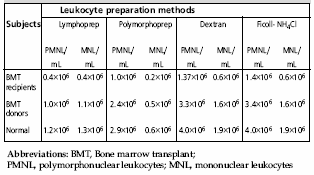
Table 1. Results of Different Subpopulation Leukocyte Purification Methods
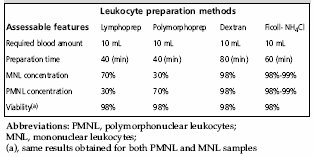
Table 2. Results of Experimental Measurements by Different Methods