Volume: 17 Issue: 1 January 2019 - Supplement - 1
FULL TEXT
Objectives: In this study, our aim was to create a bioactive wound dressing that combined decellularized and lyophilized human amniotic membrane and freeze-dried rat bone marrow stem cells for the treatment of nonhealing wounds.
Materials and Methods: For the decellularized human amniotic membrane, sodium dodecyl sulfate and 1% Triton X-100 were used. The mononuclear fraction of bone marrow stem cells was isolated by density gradient centrifugation using Ficoll Paque Plus (GE Healthcare Bio-Sciences, Pittsburgh, PA, USA). Investigations were conducted on Lewis inbred rats with the radiation wound model (dose of 60 Gy). On day 20 after application of radiation, the skin was excised around the radiation burn. The wound was treated with decellularized human amniotic membrane seeded with and without freeze-dried bone marrow stem cells.
Results: The use of a decellularized amniotic membrane for closing the burn wound increased the rate of healing by 2.5 times; the use of a decellularized amniotic membrane seeded with bone marrow stem cells or freeze-dried bone marrow stem cells increased the rate of wound healing by approximately 4 times.
Conclusions: Administration of freeze-dried bone marrow stem cell may represent a novel therapeutic approach in the treatment of nonhealing wounds and other conditions. We observed no evidence of local or systemic complications related to the procedure. However, further efforts with better protocol design for future studies are needed.
Key words : Animal model, Bioactive wound dressing, Paracrine bioactive factors
Introduction
Radiotherapy is one of the components of cancer treatment that is used alone or in conjunction with other treatments such as surgery or chemotherapy. The main objectives of radiotherapy are to destroy or damage tumors and suppress their growth.1-5 Radiotherapy is usually painless and well tolerated by patients. However, during the procedure, together with tumor cells, the surrounding normal tissues are also damaged, which can lead to complications, including skin atrophy, soft tissue fibrosis, desquamation, epithelial ulceration, and fistula formation.6,7 Complications after radiation therapy occur in up to 60% of surgical patients.8 Surgical procedures performed on previously irradiated tissues can also lead to the emergence of nonhealing wounds (nonhealing irradiated wounds that are unamenable to surgical repair).9 For the treatment of chronic nonhealing radiation wounds, local or regional free flaps from skin, fascia, muscle, and mucous membrane and fasciocutaneous flaps with the cutaneous pedicle are used.10-14 However, local flaps can be unreliable since, in some cases, they are affected by the radiation, which can lead to a gaping wound, fistula development, skin necrosis around the graft, and necrosis of the graft itself.15-17 The use of regional flaps for radiation wound treatment can lead to only a slight reduction in the number of complications.18
Various bioactive and functional wound dressings from biologic scaffold materials comprising extra-cellular matrix (ECM) and bioactive molecules or bone marrow stem cells (BMSCs) have recently been developed to treat nonhealing wounds19-22; these materials stimulate granulation, tissue formation, angiogenesis, and reepithelization.23 Encouraging wound repair results have been obtained after treatment with infiltration or local application of bone marrow-derived mesenchymal stem cells (MSCs).24,25 Once directly injected into a wound, MSCs can regulate the wound-healing process by means of early activation of matrix metalloproteinase-9 and vascular endothelial growth factor (VEGF).26-29 In addition, MSCs can support tissue regeneration during the proliferation phase and promote production of an ECM.30-32 In an animal experiment, the systematic administration of allogeneic and syngeneic bone marrow-derived MSCs caused the rapid resolution of the acute inflammatory phase and early formation of granulation tissue, resulting in wound healing.33
We hypothesized that freeze-dried stem cells could be used to treat nonhealing wounds. Here, we created a bioactive wound dressing (BAWD) that combined decellularized and lyophilized human amniotic membrane seeded with freeze-dried rat BMSCs for the treatment of nonhealing wounds.
Materials and Methods
Preparation of decellularized and lyophilized human amniotic membrane
This study included use of 2 full-term placentas obtained from donors who signed
an informed consent form and gave birth at 38 to 42 weeks of gestation. The
women had normal pregnancies and delivered healthy newborn babies (weight
ranging from 2500-3800 g). Newly acquired placentas were washed with 0.9% saline
solution and heparin at 37°C under physiological pressure. Decellularization of
placentas together with amniotic membrane was performed according to our
previously described method.34,35 After decellularization, amniotic mem-brane
was separated from the placenta and cut into 6 × 6-cm flaps and placed in a
lyophilization device (Power Dry PL 6000 Freeze Dryers, Shenzhen, China). The
decellularized and lyophilized human amniotic membrane grafts were stored
aseptically at room temperature until use.
Fabrication of bioactive wound dressing
Isolation and seeding of bone marrow-derived MSCs on decellularized human
amniotic membrane was performed according to our previously described method.36
For acquisition of BMSCs, 20 Lewis inbred laboratory rats of both sexes weighing
200 to 250 g were used. Animals were euthanized with lethal injection of 0.5%
sodium thiopental solution (Sigma, St. Louis, MO, USA). The lower extremities
were amputated after they were processed with 70% alcohol solution. Femurs,
which were cleared of muscle tissues, were resected in the epiphysis and
diaphysis area. A needle was inserted into the lumen of the bone canal, and the
syringe was used to elute the bone marrow with Dulbecco’s modified eagle’s
medium (Sigma). The mononuclear fraction was isolated by density gradient
centrifugation at 400g for 30 minutes at room temperature using Ficoll Paque
Plus or Ficoll Paque Premium solution (GE Healthcare Bio-Sciences, Pittsburgh,
PA, USA). After they were washed with phosphate-buffered saline (PBS), cells
were centrifuged at 200g for 5 minutes. A portion of cells was dissolved in 1 mL
of PBS and then placed in a Neubauer chamber, with vitality determined with
Trypan blue (Sigma). The remaining portion was seeded on the surface of the 6 ×
6-cm samples of decellularized human amniotic membrane.
The decellularized human amniotic membrane was thoroughly rinsed in sterile PBS for 30 minutes and immersed in RPMI 1640 medium (Sigma-Aldrich; EMD Millipore, St. Louis, MO, USA). In total, 2.5 × 10⁶ mononuclear cells were seeded on the top surface of the decellularized human amniotic membrane. After 15 minutes, the decellularized human amniotic membrane was turned over, and the same quantity of cells was seeded on the opposite side. This process was repeated every 15 minutes for up to 1 hour to facilitate uniform cell distribution. Decellularized human amniotic membranes with mononuclear cells were cultivated in a humidified incubator (37°C, 5% CO2) for 4 days in nutritive medium containing Dulbecco’s modified Eagle’s medium-low glucose (Sigma-Aldrich; EMD Millipore) supplemented with 10% fetal bovine serum (Sigma-Aldrich; EMD Millipore) and antibiotics (100 U/mL penicillin G and 0.1 mg/mL streptomycin; Invitrogen, Carlsbad, CA, USA ). Subsequently, the decellularized human amniotic membrane with the seeded mononuclear cells was lyophilized. The BAWD was stored aseptically at room temperature until use.
Radiation wound model and bioactive wound dressing application
Seventy-five Lewis inbred rats (age 8-10 weeks, weight 200-250 g) were obtained
from the breeding facility of the Tbilisi State Medical University (Tbilisi,
Georgia). This study was carried out in strict accordance with the
recommendations in the Guide for the Care and Use of Laboratory Animals and the
Institutional Animal Care and Use Committee. The protocol was approved by the
Committee of Ethics of the Georgian National Medical Research Institute in
Tbilisi, Georgia (permit number 5/26). All surgical animals were under
anesthesia with intraabdominal administration of pentobarbital sodium (30
mg/kg). The animals were divided into 5 equivalent groups.
In group I animals (n = 15), a wound model (diameter of 2 cm2 and depth of no more than 0.3 cm) was created in the spinal area. In animal groups II, III, IV, and V, a model of third-degree radiation burn was created in the spinal area. A radiation device (RUM-17, Russia) was used as the source of radiation. The tube voltage was 250 kV, the tube current was 10 mA, and the distance from target to the point of measurement was 25 cm. The dose reached 60 Gy, and the diameter of the damaged surface area was 1 to 1.3 cm2.
On day 20 after administration of radiation, the skin was excised around the radiation burn (diameter of 2 cm2 and depth of 0.3 cm). After excision of the radiation wound, group II animals (n = 15) were not treated and the wound remained open. For group III animals (n = 15), the skin wound defect was covered with decellularized human amniotic membrane (diameter of 4 cm). For group IV animals (n = 15), the skin wound defect was covered with the decellularized human amniotic membrane (diameter of 4 cm) on the inner surface where BMSCs were seeded. In group V animals (n = 15), the skin wound defect was covered with the 4-cm-diameter BAWD that we developed and that contained the freeze-dried BMSC paracrine factors.
Postoperative care
Animals were housed in standard laboratory conditions under 12:12-hour day-night
cycles with provision of pelleted rodent diet and water ad libitum. In the
postoperative period, the rate of wound healing was determined using the
planimetric method. To characterize wound vascularization postsurgery, the
number of dermal microvessels was counted using the transillumination method.
On days 3, 7, 14, 30, 45, 60, and 90 after surgery, rats were euthanized by a lethal intraperitoneal injection of 0.5% sodium thiopental solution. Full-thickness skin samples, including subcutaneous tissue at the center of the wound and surrounding connective tissues, were obtained with surgical scissors.
Scanning electron microscopy
For scanning electron microscopy analyses, the collected wound tissues with and
without BAWD were dehydrated by processing them with an ethanol solution before
they were dried with a Tousimis Samdri-780 Critical Point Dryer (Tousimis
Research Corporation, Rockville, MD, USA). After completion of drying, all
tissues were sputter coated lightly with gold and imaged on a JEOL JSM-65 10 LW
scanning electron microscopy (JEOL Ltd, Tokyo, Japan).
Energy-dispersive spectroscopy
Energy-dispersive spectroscopy was used to deter-mine what elements and chemical
compounds were present in BAWD before and after its application to the wound.
For energy-dispersive analysis of the scanning electron microscopy results, we
used AZtecEnergy analysis software (Oxford Instruments, Oxford, UK) and the
X-MaxN SDD detector (Oxford Instruments).
Histologic study
Each wound tissue was harvested in its entirety by using sterile surgical
scissors and placed in a tube. The sample was fixed overnight in 10% buffered
formalin solution, after which the tissue was trimmed and cut through on the
widest margin, embedded in paraffin, and sectioned in 3-μm increments. Sections
were made perpendicular to the anteroposterior axis and perpendicular to the
surface of the wound. For each wound, sections were placed on a slide and
stained with hematoxylin and eosin and Masson trichrome stain. Histologic slides
were analyzed with an upright microscope (E100; Nikon Corporation, Tokyo, Japan)
and with a stereoscopic microscope (MBS-9; Lomo, St. Petersburg, Russia).
Results
Our studies showed that irradiation of the animal skin in the spinal area with a dose of 60 Gy caused third-degree burns that covered the same surface area without causing a lethal outcome.
On days 2 and 3 after excision of the burn wound in animals in group II, a hemorrhagic scab was formed. Starting on day 7, the central part of the scab started to soften; after pressure was applied, the serous-purulent exudate was discharged. The rejection of the scab started on days 22 and 23 in group II animals.
In group III, IV, and V animals, on day 3 after excision of the burn wound, the amniotic membrane was tightly attached to the wound, which was dry and dark brown in color. After pressure was applied on the membrane, there was no discharge from the wound. The formed scab was noticeably thinner and less infiltrated by the cellular elements than in group II animals. Scab rejection in these animals started on days 7 and 8. Under the membrane, we observed granulation tissue foci of pink color. The presence of exudate under the amniotic membrane was not observed. We suggest that this was caused by the good sorption feature of the amniotic membrane.
On day 14 in group III, IV, and V animals, the entire surface of the wound was lined with young granulation tissue. This tissue consisted of a large number of vascular vessel formations that were oriented perpendicular to the wound surface and numerous fibroblast bundles. Thin-walled vessels were directed radially to the center of the wound and were nearly of the same diameter. In group II animals on day 14, edema and neutrophilic tissue infiltration persisted in the affected area, with necrotic changes being spread to the hypodermis and adjacent muscles, which we considered as signs of the still-continuing exudative phase of inflammation. Microcirculatory disorders in the wound were expressed in the form of venous plethora, the presence of capillary stasis, and hemolysis of the erythrocytes. In group I animals, complete healing of the wound was observed on days 28 to 30. On day 30 in group II animals, in the histologic skin samples, the zone of the regenerate was partially covered with an epithelial stratum of uneven thickness. The healing of wounds was finalized on days 55 to 60. Burn wounds took an oblong form with subsequent epithelization and formation of a coarse scar. In group III animals, complete healing of the wound was observed on days 18 to 20. In group IV and V animals, healing was observed on days 14 to 18 after start of treatment with the formation of a thin, tender, mobile scar in which the rudiments of the sebaceous glands and hair follicles were detected (Figures 1 and 2).
Discussion
In our development of composite wound dressings for nonhealing wounds, we focused on both the structure of the amnion and freeze-dried BMSCs. Stem cell therapy for the treatment of nonhealing chronic wounds has shown potentially positive therapeutic effects in several preclinical and clinical studies.37,38 It is known that cells are potential sources of paracrine factors, and, as previously suggested, the therapeutic effects of stem cells in the treatment of chronic wounds is associated with these paracrine bioactive factors.39 The group’s39 MSC-conditioned media contained epidermal growth factor, keratinocyte growth factor, insulin-like growth factor 1, VEGF-α, erythropoietin, stromal cell-derived factor 1, and macrophage inflammatory proteins 1a and 1b. It has been suggested that MSCs may work via a paracrine mechanism to accelerate the wound-healing process.40,41 Mesenchymal stem cells can also secrete such paracrine angiogenesis-enhancing factors as VEGF, granulocyte colony-stimulating factor, hepatocyte growth factor, monocyte chemotactic protein-1, interleukin 6, and transforming growth factor (TGF) β1.42-44 However, the mechanism by which MSCs may exert beneficial effects is debated, with no definitive answers.39
We found that freeze-dried BMSCs retained their unique paracrine factors and, in combination with decellularized and lyophilized human amniotic membrane, improved clinical wound healing and reepithelialization of the wound. We found that decellularized and lyophilized human amniotic membrane to be a promising potential candidate as a 3-dimensional scaffold for cell adhesion, migration, and proliferation. In addition, decellularized and lyophilized human amniotic membrane was shown to possess immunomodulative and immune privilege, anti-microbial, anti-scarring, and anti-inflammatory features. It has also been reported that amniotic membrane reduces pain, enhances fibrogenesis and angiogenesis, and increases ECM deposition.45-49
The human amniotic membrane contains a large number of cytokines and growth factors, including epidermal growth factor, basic fibroblast growth factor, keratinocyte growth factor, VEGF, TGF-α, TGF-β, platelet-derived growth factor, hepatocyte growth factor, and nerve growth factor.50-53 Human amniotic membrane loaded with MSCs has been shown to play an effective role during the healing of skin defects, with no significant differences observed in wound healing between autologous and allogeneic MSC transplant.54
There is currently growing interest in the process of preservation of stem cells by lyophilization.55,56 Bone marrow stem cell paracrine factors and their role in the process of damaged tissue and organ restoration are increasingly being studied.57-60 Here, we found that BAWD containing decellularized and lyophilized human amniotic membrane and freeze-dried BMSC paracrine factors could be used for the treatment of nonhealing wounds.
To analyze wound-healing speed, the so-called semiempirical method of mathematical modeling was used, which is based on the selection of a mathematical function that describes the dynamics of the reduction of the wound area with sufficient accuracy. This method allowed use not only to assess the advantages of a particular treatment method but also how one method was more effective than the other.
In all animal groups, the wound area decreased according to a certain regularity, which can be described with the following mathematical formula: St = So exp(-t/T), where So is the wound area at the time of its formation, St is the wound area at time t, and the T parameter characterizes the speed of the wound healing. The T parameter is different for all of the groups. The smaller the T parameter, the faster the wound-healing process occurs. We entered that T1/2 = T ln 2 ≈ 0.693 T value, which represented the time during which the wound area was reduced by 2 times. The T and T1/2 values are shown in Table 1.
Figure 3 illustrates the dynamics of the wound-healing process in the various groups. As shown, it is evident that the calculated curves within the limits of statistical variation matched the experimental data.
After comparison of the values of the T parameter for different groups of animals, the following conclusions can be drawn: (1) wound healing in group II animals was about 2.7 times slower than in group I animals; (2) the use of a decellularized amniotic membrane for closing the burn wound increased the rate of healing by 2.5 times; (3) the use of a decellularized amniotic membrane seeded with BMSCs increased the rate of wound healing by 4 times; (4) BAWD increased the wound-healing rate by approximately 4 times, similarly to that shown in group IV animals.
As shown in our study, when the decellularized human amniotic membrane was used, inflammation did not develop, which obviously was associated with its expressive anti-inflammatory and barrier features. It has to be also mentioned that, when the decellularized human amniotic membrane was used, there were no exudations present. We believe that this was associated with the good sorption feature of the decellularized and lyophilized human amniotic membrane. Radiation wounds in rats that were not treated showed incomplete reparative regeneration and thick, rough scar tissue formation.
Conclusions
Administration of freeze-dried BMSC paracrine factors may represent a novel therapeutic approach in the treatment of nonhealing wounds and other conditions. We observed no evidence of local or systemic complications related to the procedure. However, further efforts into the design of better protocols for future studies are needed.
References:
- Gieringer M, Gosepath J, Naim R. Radiotherapy and wound healing: principles, management and prospects (review). Oncol Rep. 2011;26(2):299-307.
CrossRef PubMed: https://www.ncbi.nlm.nih.gov/pubmed/21617873
- Lawrence TS, Ten Haken RK, Giaccia A. Principles of radiation oncology. In: DeVita VT, Jr., Lawrence TS, Rosenberg SA, eds. Cancer: Principles and Practice of Oncology (8th ed). Philadelphia, PA: Lippincott-Williams and Wilkins; 2008.
- Ngwa W, Kumar R, Sridhar S, et al. Targeted radiotherapy with gold nanoparticles: current status and future perspectives. Nanomedicine (Lond). 2014;9(7):1063-1082.
CrossRef - PubMed - Milliat F, Francois A, Tamarat R, Benderitter M. [Role of endothelium in radiation-induced normal tissue damages]. Ann Cardiol Angeiol (Paris). 2008;57(3):139-148.
CrossRef - PubMed - Rothkamm K, Crosbie JC, Daley F, et al. In situ biological dose mapping estimates the radiation burden delivered to 'spared' tissue between synchrotron X-ray microbeam radiotherapy tracks. PLoS One. 2012;7(1):e29853.
CrossRef - PubMed - Marks JE, Freeman RB, Lee F, Ogura JH. Pharyngeal wall cancer: an analysis of treatment results complications and patterns of failure. Int J Radiat Oncol Biol Phys. 1978;4(7-8):587-593.
CrossRef - PubMed - Tang Y, Shen Q, Wang Y, et al. A randomized prospective study of rehabilitation therapy in the treatment of radiation-induced dysphagia and trismus. Strahlenther Onkol. 2011;187(1):39-44.
CrossRef - PubMed - Haubner F, Ohmann E, Pohl F, Strutz J, Gassner HG. Wound healing after radiation therapy: review of the literature. Radiat Oncol. 2012;7:162.
CrossRef - PubMed - Dormand EL, Banwell PE, Goodacre TE. Radiotherapy and wound healing. Int Wound J. 2005;2(2):112-127.
CrossRef - PubMed - Ferrari S, Ferri A, Bianchi B, et al. Donor site morbidity after scapular tip free flaps in head-and-neck reconstruction. Microsurgery. 2015;35(6):447-450.
CrossRef - PubMed - Anicin A, Sifrer R, Strojan P. Pectoralis major myocutaneous flap in primary and salvage head and neck cancer surgery. J Oral Maxillofac Surg. 2015;73(10):2057-2064.
CrossRef - PubMed - Knott PD, Seth R, Waters HH, et al. Short-term donor site morbidity: A comparison of the anterolateral thigh and radial forearm fasciocutaneous free flaps. Head Neck. 2016;38 Suppl 1:E945-948.
CrossRef - PubMed - Riecke B, Assaf AT, Heiland M, et al. Local full-thickness skin graft of the donor arm--a novel technique for the reduction of donor site morbidity in radial forearm free flap. Int J Oral Maxillofac Surg. 2015;44(8):937-941.
CrossRef - PubMed - Li J, Han Z. Sternocleidomastoid muscle flap used for repairing the dead space after supraomohyoid neck dissection. Int J Clin Exp Med. 2015;8(1):1296-1300.
PubMed - Hirsch DL, Bell RB, Dierks EJ, Potter JK, Potter BE. Analysis of microvascular free flaps for reconstruction of advanced mandibular osteoradionecrosis: a retrospective cohort study. J Oral Maxillofac Surg. 2008;66(12):2545-2556.
CrossRef - PubMed - Robinson DW. Surgical problems in the excision and repair of radiated tissue. Plast Reconstr Surg. 1975;55(1):41-49.
CrossRef - PubMed - Rudolph R. Complications of surgery for radiotherapy skin damage. Plast Reconstr Surg. 1982;70(2):179-185.
CrossRef - PubMed - Saito A, Saito N, Funayama E, Minakawa H. The surgical treatment of irradiated wounds: a report on 36 patients. Plast Surg Int J. 2013;874416.
CrossRef - Dhillon M, Carter CP, Morrison J, Hislop WS, Currie WJ. A comparison of skin graft success in the head & neck with and without the use of a pressure dressing. J Maxillofac Oral Surg. 2015;14(2):240-242.
CrossRef - PubMed - Achauer BM, VanderKam VM, Celikoz B, Jacobson DG. Augmentation of facial soft-tissue defects with Alloderm dermal graft. Ann Plast Surg. 1998;41(5):503-507.
CrossRef - PubMed - Pearl AW, Woo P, Ostrowski R, et al. A preliminary report on micronized AlloDerm injection laryngoplasty. Laryngoscope. 2002;112(6):990-996.
CrossRef - PubMed - MacLeod TM, Cambrey A, Williams G, Sanders R, Green CJ. Evaluation of Permacol as a cultured skin equivalent. Burns. 2008;34(8):1169-1175.
CrossRef - PubMed - Turner NJ, Badylak SF. The use of biologic scaffolds in the treatment of chronic nonhealing wounds. Adv Wound Care (New Rochelle). 2015;4(8):490-500.
CrossRef - PubMed - Francois S, Mouiseddine M, Mathieu N, et al. Human mesenchymal stem cells favour healing of the cutaneous radiation syndrome in a xenogenic transplant model. Ann Hematol. 2007;86(1):1-8.
CrossRef - PubMed - Lataillade JJ, Doucet C, Bey E, et al. New approach to radiation burn treatment by dosimetry-guided surgery combined with autologous mesenchymal stem cell therapy. Regen Med. 2007;2(5):785-794.
CrossRef - PubMed - Brown JM, Nemeth K, Kushnir-Sukhov NM, Metcalfe DD, Mezey E. Bone marrow stromal cells inhibit mast cell function via a COX2-dependent mechanism. Clin Exp Allergy. 2011;41(4):526-534.
CrossRef - PubMed - Jeon YK, Jang YH, Yoo DR, et al. Mesenchymal stem cells' interaction with skin: wound-healing effect on fibroblast cells and skin tissue. Wound Repair Regen. 2010;18(6):655-661.
CrossRef - PubMed - Peranteau WH, Zhang L, Muvarak N, et al. IL-10 overexpression decreases inflammatory mediators and promotes regenerative healing in an adult model of scar formation. J Invest Dermatol. 2008;128(7):1852-1860.
CrossRef - PubMed - Kim CH, Lee JH, Won JH, Cho MK. Mesenchymal stem cells improve wound healing in vivo via early activation of matrix metalloproteinase-9 and vascular endothelial growth factor. J Korean Med Sci. 2011;26(6):726-733.
CrossRef - PubMed - Sasaki M, Abe R, Fujita Y, et al. Mesenchymal stem cells are recruited into wounded skin and contribute to wound repair by transdifferentiation into multiple skin cell type. J Immunol. 2008;180(4):2581-2587.
CrossRef - PubMed - Jin G, Prabhakaran MP, Ramakrishna S. Stem cell differentiation to epidermal lineages on electrospun nanofibrous substrates for skin tissue engineering. Acta Biomater. 2011;7(8):3113-3122.
CrossRef - PubMed - Wu Y, Chen L, Scott PG, Tredget EE. Mesenchymal stem cells enhance wound healing through differentiation and angiogenesis. Stem Cells. 2007;25(10):2648-2659.
CrossRef - PubMed - McFarlin K, Gao X, Liu YB, et al. Bone marrow-derived mesenchymal stromal cells accelerate wound healing in the rat. Wound Repair Regen. 2006;14(4):471-478.
CrossRef - PubMed - Kakabadze Z, Kakabadze A, Chakhunashvili D, et al. Decellularized human placenta supports hepatic tissue and allows rescue in acute liver failure. Hepatology. 2018;67(5):1956-1969.
CrossRef - PubMed - Kakabadze A, Kakabadze Z. Prospect of using decellularized human placenta and cow placentome for creation of new organs: targeting the liver (part I: anatomic study). Transplant Proc. 2015;47(4):1222-1227.
CrossRef - PubMed - Karalashvili L, Kakabadze A, Vyshnevska G, Kakabadze Z. Acellular human amniotic membrane as a three-dimensional scaffold for the treatment of mucogingival defects. Georgian Med News. 2015(244-245):84-89.
PubMed - Ojeh N, Pastar I, Tomic-Canic M, Stojadinovic O. Stem cells in skin regeneration, wound healing, and their clinical applications. Int J Mol Sci. 2015;16(10):25476-25501.
CrossRef - PubMed - Marfia G, Navone SE, Di Vito C, et al. Mesenchymal stem cells: potential for therapy and treatment of chronic non-healing skin wounds. Organogenesis. 2015;11(4):183-206.
CrossRef - PubMed - Asanuma H, Meldrum DR, Meldrum KK. Therapeutic applications of mesenchymal stem cells to repair kidney injury. J Urol. 2010;184(1):26-33.
CrossRef - PubMed - Burdon TJ, Paul A, Noiseux N, Prakash S, Shum-Tim D. Bone marrow stem cell derived paracrine factors for regenerative medicine: current perspectives and therapeutic potential. Bone Marrow Res. 2011;2011:207326.
CrossRef - PubMed - Chen L, Tredget EE, Wu PY, Wu Y. Paracrine factors of mesenchymal stem cells recruit macrophages and endothelial lineage cells and enhance wound healing. PLoS One. 2008;3(4):e1886.
CrossRef - PubMed - Walter MN, Wright KT, Fuller HR, MacNeil S, Johnson WE. Mesenchymal stem cell-conditioned medium accelerates skin wound healing: an in vitro study of fibroblast and keratinocyte scratch assays. Exp Cell Res. 2010;316(7):1271-1281.
CrossRef - PubMed - Kwon HM, Hur SM, Park KY, et al. Multiple paracrine factors secreted by mesenchymal stem cells contribute to angiogenesis. Vascul Pharmacol. 2014;63(1):19-28.
CrossRef - PubMed - Baraniak PR, McDevitt TC. Stem cell paracrine actions and tissue regeneration. Regen Med. 2010;5(1):121-143.
CrossRef - PubMed - Koob TJ, Lim JJ, Massee M, Zabek N, Denoziere G. Properties of dehydrated human amnion/chorion composite grafts: Implications for wound repair and soft tissue regeneration. J Biomed Mater Res B Appl Biomater. 2014;102(6):1353-1362.
CrossRef - PubMed - Guo Q, Lu X, Xue Y, et al. A new candidate substrate for cell-matrix adhesion study: the acellular human amniotic matrix. J Biomed Biotechnol. 2012;2012:306083.
CrossRef - PubMed - Gruss JS, Jirsch DW. Human amniotic membrane: a versatile wound dressing. Can Med Assoc J. 1978;118(10):1237-1246.
PubMed - Alcaraz A, Mrowiec A, Insausti CL, et al. Amniotic membrane modifies the genetic program induced by Tgfss, stimulating keratinocyte proliferation and migration in chronic wounds. PLoS One. 2015;10(8):e0135324.
CrossRef - PubMed - Massee M, Chinn K, Lei J, et al. Dehydrated human amnion/chorion membrane regulates stem cell activity in vitro. J Biomed Mater Res B Appl Biomater. 2016;104(7):1495-1503.
CrossRef - PubMed - Mrugala A, Sui A, Plummer M, et al. Amniotic membrane is a potential regenerative option for chronic non-healing wounds: a report of five cases receiving dehydrated human amnion/chorion membrane allograft. Int Wound J. 2016;13(4):485-492.
CrossRef - PubMed - Zelen CM, Snyder RJ, Serena TE, Li WW. The use of human amnion/chorion membrane in the clinical setting for lower extremity repair: a review. Clin Podiatr Med Surg. 2015;32(1):135-146.
CrossRef - PubMed - Lopez-Valladares MJ, Teresa Rodriguez-Ares M, Tourino R, et al. Donor age and gestational age influence on growth factor levels in human amniotic membrane. Acta Ophthalmol. 2010;88(6):e211-216.
CrossRef - PubMed - Russo A, Bonci P, Bonci P. The effects of different preservation processes on the total protein and growth factor content in a new biological product developed from human amniotic membrane. Cell Tissue Bank. 2012;13(2):353-361.
CrossRef - PubMed - Kim SS, Song CK, Shon SK, et al. Effects of human amniotic membrane grafts combined with marrow mesenchymal stem cells on healing of full-thickness skin defects in rabbits. Cell Tissue Res. 2009;336(1):59-66.
CrossRef - PubMed - Ward MA, Kaneko T, Kusakabe H, et al. Long-term preservation of mouse spermatozoa after freeze-drying and freezing without cryoprotection. Biol Reprod. 2003;69(6):2100-2108.
CrossRef - PubMed - Natan D, Nagler A, Arav A. Freeze-drying of mononuclear cells derived from umbilical cord blood followed by colony formation. PLoS One. 2009;4(4):e5240.
CrossRef - PubMed - Linero I, Chaparro O. Paracrine effect of mesenchymal stem cells derived from human adipose tissue in bone regeneration. PLoS One. 2014;9(9):e107001.
CrossRef - PubMed - Nowotny J, Farack J, Vater C, et al. Translation of cell therapy into clinical practice: validation of an application procedure for bone marrow progenitor cells and platelet rich plasma. J Appl Biomater Funct Mater. 2016;14(1):e1-8.
CrossRef - PubMed - Liang X, Ding Y, Zhang Y, Tse HF, Lian Q. Paracrine mechanisms of mesenchymal stem cell-based therapy: current status and perspectives. Cell Transplant. 2014;23(9):1045-1059.
CrossRef - PubMed - Peng Y, Xuan M, Zou J, et al. Freeze-dried rat bone marrow mesenchymal stem cell paracrine factors: a simplified novel material for skin wound therapy. Tissue Eng Part A. 2015;21(5-6):1036-1046.
CrossRef - PubMed
Volume : 17
Issue : 1
Pages : 92 - 98
DOI : 10.6002/ect.MESOT2018.O29
From the 1Tbilisi State Medical University; and the 2Tbilisi State University,
Tbilisi, Georgia
Acknowledgements: The authors have no conflicts of interest to declare. This
research was supported by Shota Rustaveli National Science Foundation (SRNSF)
(grant number PhDF2016_144).
Corresponding author: Lia Karalashvili, 33 Vazha-Pshavela Ave, Tbilisi, Georgia
0186
Phone: +995 598 703722
E-mail: likakaralashvili@gmail.com
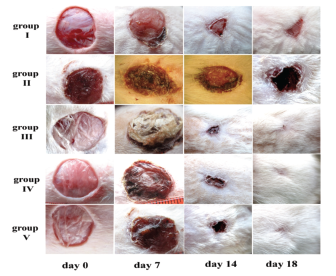
Figure 1. Healing Process of a Cutaneous Radiation Wound Treated With and Without Decellularized Human Amniotic Membrane
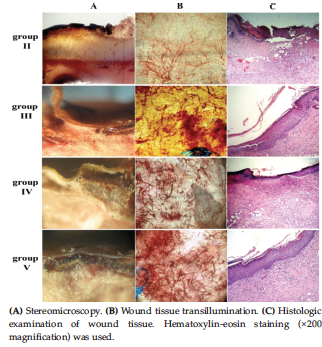
Figure 2. Radiation Wound Model and Bioactive Wound Dressing Application Over 14 Days
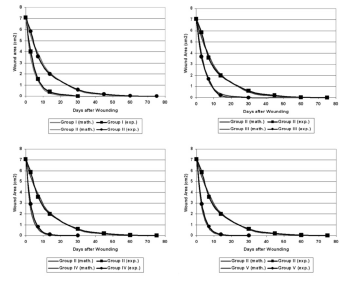
Figure 3. Dynamics of Healing of Radiation Burn Wounds
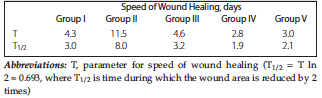
Table 1 Speed of Wound-Healing Parameters