Volume: 22 Issue: 1 January 2024 - Supplement - 1
FULL TEXT
Objectives: Respiratory tract infections are life-threatening
infections in solid-organ transplant recipients that pose risk to the
graft and to the patient. This study was undertaken to examine the
clinical and microbiological spectrum of pneumonia in renal transplant
recipients.
Materials and Methods: Of 400 consecutive renal transplant
recipients, 87 recipients (21.8%) were hospitalized between November
2014 and October 2016 with pneumonia. We examined demographic profiles
and clinical investigations.
Results: The median age of patients was 38 years (range, 19-72
y). The mean time of presentation after renal transplant was 18 months
(range, 1-174 mo). Most patients (80.5%) were on maintenance
immunosuppression with tacrolimus, mycophenolate mofetil, and steroids;
34% of patients had an induction agent. Chronic hepatitis C and
hepatitis B infections were found in 12.6% and 2.2% of patients,
respectively, and new-onset diabetes in 19.5% of patients. Fever (88%),
cough (87%), shortness of breath (68%), and hypotension (33%) were
common presenting symptoms. Diarrhea was the most frequent accompanying
symptom, found in 9.2% of patients. Cytopenia and graft dysfunction were
present in 38.7% and 80.4% of patients. Among infections, fungal
infections were the most frequent (30%) followed by mixed infections
(20.7%), tuberculosis (12.6%), bacterial (12.6%), and viral (3.5%)
infections. Etiology could not be found in 27.6% patients. Mortality
rate was 24.1%, with the highest rates for fungal infections (44%),
followed by bacterial (25%) and mixed infections (18%). Presence of
hypoxia and hypotension at presentation was associated with increased
risk of death, whereas use of induction agents, new-onset diabetes
posttransplant, diabetes mellitus, and acute kidney injury were not
correlated with death or increased duration of hospital stay.
Conclusions: Pneumonia carries high risk of mortality in renal
transplant recipients. Fungal and bacterial infections carry high risk
of mortality. Despite invasive investigations, a substantial number of
patients had unidentified etiology.
Key words : Fungal infection, Kidney transplant, Tuberculosis
Introduction
Pneumonia is a frequent complication of renal transplantation and confers high risk of morbidity and mortality. Solid-organ transplant recipients are particularly vulnerable to infections because of treatment with immunosuppressive medications, antirejection therapies, and other coexisting risk factors, such as diabetes mellitus, smoking, and chronic lung disease.1 Various organisms, including bacteria, viruses, and fungi, can cause pneumonia posttransplant. In addition to common bacterial and viral infections, opportunistic infections like Pneumocystis jirovecii, nocardia, cytomegalovirus, and angioinvasive fungal infections are frequently encountered in these patients. The risk of infection and the type of organism causing pneumonia are dictated by the time that has elapsed since transplant, activation of latent infections, exposure to environmental and nosocomial pathogens, prophylactic therapies, and net state of immunosuppression.2,3
Transplant recipients often have little or no signs and symptoms of infections and are also more likely to experience life-threatening complications like septicemia, septic shock, and respiratory failure with pneumonia due to immunocompromised state and late presentation. Prompt diagnosis and treatment of pneumonia in patients after renal transplant are essential to prevent serious complications, such as sepsis and respiratory failure.3,4 Evaluation includes meticulous history taking, imaging tests, sputum or bronchoalveolar lavage cultures, and tissue biopsy. Treatment typically involves antibiotics, antiviral agents, or antifungal agents, depending on the type of organism causing the infection. In severe cases, hospitalization may be necessary to monitor and manage oxygenation and cardiorespiratory dysfunction. Prompt diagnosis and timely treatment usually result in patient and graft survival.
Here, we describe profiles of patients after renal transplant who presented to our center and had lower respiratory tract infections.
Materials and Methods
For this retrospective study, we collected data from medical records of all consecutive renal transplant recipients hospitalized with pneumonia in our center between November 2014 and October 2016 (N = 400), after clearance from the Institutional Ethics Committee. The study was conducted in accordance with the 1975 Helsinki Declaration. Patients provided written consent for access to medical records before the start of the study. We collected patient demographic data, including age, sex, basic kidney disease, type of donor, time elapsed since transplant, immunosuppression (including induction agents), maintenance immunosuppression, antirejection therapies, estimated glomerular filtration rate before presentation, cytomegalovirus (CMV) immunoglobulin G status, presence of new-onset diabetes after transplant, and other comorbid conditions. Presenting complaints and clinical signs (including hypoxia and hypotension) were noted. Routine blood work (including complete blood counts, kidney and liver function test), C-reactive protein level, polymerase chain reaction results for CMV, sputum and tissue cultures, radiology, and invasive tests like bronchoscopy were noted. We also noted treatment details, duration of therapy, and associated risk factors, if any.
Statistical analyses
We used descriptive statistics for background variables. Frequencies are shown as percentages. Categorical variables are shown as mean ± SD or median and interquartile range as appropriate. We used the Fisher exact or chi-square tests for categorical variables and t-tests for continuous variables. Regression analysis was used to identify risk factors for poor clinical outcome. P < .05 was considered significant.
Results
Among 400 renal transplant recipients, 87 (21.8%) were hospitalized with infections in our center during the study period. The mean age of patients was 38 ± 11 years; female patients constituted 22% (n = 19) of patients in our study. The median time of presentation after renal transplant was 18 months (interquartile range, 31 mo). Most patients (79.3%) were on maintenance immunosuppression with tacrolimus, mycophenolate mofetil, and steroids. Induction agents were used in 39% of patients. Chronic hepatitis C and hepatitis B infections were found in 12.6% and 2.2% of patients, respectively. Nineteen patients (22%) had diabetes mellitus and 19.5% had new-onset diabetes after transplant (Table 1).
Fever (88%) and cough (87%) were the most common presenting symptoms, followed by shortness of breath (68%). Other system involvement was present in 29% (25/87) of patients. Diarrhea was the most frequent accompanying symptom, found in 9.2% of patients. Hypotension and hypoxia at presentation were seen in 33% and 59% of patients and cytopenias and acute kidney injury in 38.7% and 80.4%. Bronchoscopy was performed in 43.4% of patients with diagnostic yield of 37%. Fine needle aspiration was done in 30% of patients with yield of 57.8% (Table 2).
Fungal infections were the most frequent (22.9%), followed by mixed infections (20.6%), tuberculosis (12.6%), bacterial infections (12.6%), and viral infections (3.5%). Cause of infection could not be found in 27.6% of patients despite invasive tests. Of the fungal infections, aspergillosis (30%) and mucormycosis (30%) were the major causative organisms, followed by Pneumocystis jirovecii (25%), cryptococcus (10%), and phaeohyphomycosis (5%).
Mortality rate among our patient group was 24.1% (Table 3). Mortality was highest among patients with fungal infections (44%) followed by bacterial (25%). Cause of pneumonia did not determine mortality or graft failure, need for mechanical ventilation, or inotropic support.
Discussion
Infections remain the Achilles heel of any transplant program and more so in developing countries. Significant morbidity and mortality are associated with infections among solid-transplant patients. Here, we aimed to elucidate the profile of renal transplant recipients who presented to our center with pneumonia and required hospitalization. The burden of infections is high in low-resource settings, and modern immunosuppressive protocols have only further increased the risk of infections. In these patients, a delay in correct diagnosis and inadequate treatment often lead to poor prognosis.
Our study showed prevalence of pneumonia to be around 21.8%. This is similar to a study done by Dizdar and colleagues.5 Another study from the Middle East showed prevalence around 13.4%.6 A similar study done by Mangalgi and colleagues at the All India Institute of Medical Sciences reported 88 patients with pneumonia over a span of 2 years, which is almost identical to our result.7
Our study had a relatively younger group of patients (in the third to fourth decade of life) who received standard immunosuppression regimens. A significant number of patients had additional risk factors, such as new-onset diabetes after transplant and antirejection therapies in the previous 12 months. In our patient group, most infections occurred in the first 2 years posttransplant, with median time of pneumonia posttransplant of 18 months. The absence of prophylaxis with cotrimoxazole, use of T-cell-depleting agent as the predominant induction agent, and coexistent CMV infection, which was seen in 17% of patients in our study, could all influence the timing of pneumonia. Kalra and colleagues in their study conducted in northern India showed that the mean age of patients was 31.6 years and 83% were males, almost 90% received triple immunosuppression, and 27% had acute rejection before pneumonia.8 A similar profile was reported by Mangalgi and colleagues, also in north India.7 Most episodes of pneumonia occur later posttransplant, with 50% occurring >1 year posttransplant in the study done from Hoyo and colleagues9 and 70.4% of episodes occurring at >6 months posttransplant in a multicenter study from Kupeli and colleagues.10
Fungal infections (30%) were the most common in our study followed by mixed infections (20.7%) and bacterial (12.6%) and tubercular (12.6%) infections. Other studies showed that bacterial infections were the most common, with 29.4% bacterial infections followed by fungal (20.6%) and tuberculosis (23.5%) in one study and mixed infections seen in 35.2% in another study.9,10 Several Indian studies also reported that bacterial infections are the most frequent cause of pneumonia.13-15 A large retrospective study of 217 episodes of pneumonia after solid-organ transplant reported bacterial infections as the most frequent cause of pneumonia, which is again similar to findings reported in many western studies.9,10,14-16 The predominance of fungal infections could be because our study only included patients who were hospitalized, and most nonserious respiratory infections, likely bacterial, were treated on an out-patient basis in our center. In addition, our hospital is a referral center for larger area in northern India. However, presence of fungal infections was similar to that shown in earlier studies from our center and other studies from India.7,8,13-16 In another study from our center, the incidence of fungal infections was 10.2% among transplants studied over 3 years.17
The etiologic diagnosis often requires invasive tests; even after several investigations, the cause may remain elusive in a substantial proportion of patients.18,19 In our study, invasive diagnostic tests, such as bronchoscopy, transbronchial lung biopsy, fine needle aspiration cytology, and transbronchial lymph node aspiration, were performed in more than 50% of patients. Despite aggressive investigation of our patients, cause could not be determined in 27.6% of patients. Other studies done in India and other countries reported rates of unidentified etiologies of 6% to 30% after invasive tests.20 It is well known that invasive tests, such as bronchiolar lavage culture, increase the yield of etiologic diagnosis. In our study, the best yield was given by computed tomography-guided fine needle aspiration cytology followed by bronchoalveolar lavage cultures and lung biopsies. Bronchoalveolar lavage cultures yielded reason for infection in 75% in another study.5 Bronchoalveolar lavage cultures and lung biopsies have also resulted in a diagnosis rate of 64% and 64.7%, respectively.7
Pneumonia has a poor prognosis in solid-organ transplant recipients, especially if patients require hospitalization. Death occurred in about a quarter of patients in our study. Other poor clinical outcomes included graft dysfunction in 80.4% of patients and graft failure in 4.5%. Almost 40% of patients required mechanical ventilation, and one-third of patients needed inotropic support, signifying that pneumonia is a life-threatening infection in a significant proportion of patients. Other Indian studies reported mortality rates of 22.7% and 22.5%.7,8 Western studies reported mortality rates of 20% to 25%.14-16 Rates of mechanical ventilation and inotropic support were reported as 17.7% and 21.5%, respectively. in the study from Mangalgi and colleagues.7
Our study had some limitations. First, it was a descriptive study with a small sample size. Second, our center treats many patients who have undergone transplant in institutes across the country, and baseline demographic data were not available for all patients. Third, our study exclusively involved only hospitalized patients with pneumonia, and hence reported results may not be comparable to other studies.
In conclusion, pneumonia after renal transplant is a serious illness and carries a high risk of mortality and is associated with graft dysfunction. Use of invasive tests can increase the likelihood of identifying the causative organism.
References:
- Kinnunen S, Karhapaa P, Juutilainen A, Finne P, Helantera I. Secular trends in infection-related mortality after kidney transplantation. Clin J Am Soc Nephrol. 2018;13(5):755-762. doi:10.2215/CJN.11511017
CrossRef - PubMed - Fishman JA. Infection in solid-organ transplant recipients. N Engl J Med. 2007;357(25):2601-2614. doi:10.1056/NEJMra064928
CrossRef - PubMed - Kutinova A, Woodward RS, Ricci JF, Brennan DC. The incidence and costs of sepsis and pneumonia before and after renal transplantation in the United States. Am J Transplant. 2006;6(1):129-139. doi:10.1111/j.1600-6143.2005.01156.x
CrossRef - PubMed - Dulek DE, Mueller NJ, AST Infectious Diseases Community of Practice. Pneumonia in solid organ transplantation: Guidelines from the American Society of Transplantation Infectious Diseases Community of Practice. Clin Transplant. 2019;33(9):e13545. doi:10.1111/ctr.13545
CrossRef - PubMed - Dizdar OS, Ersoy A, Akalin H. Pneumonia after kidney transplant: incidence, risk factors, and mortality. Exp Clin Transplant. 2014;12(3):205-211.
CrossRef - PubMed - Kara S, Sen N, Kursun E, et al. Pneumonia in renal transplant recipients: a single-center study. Exp Clin Transplant. 2018;16 Suppl 1(Suppl 1):122-125. doi:10.6002/ect.TOND-TDTD2017.P23
CrossRef - PubMed - Mangalgi S, Madan K, Das CJ, et al. Pulmonary infections after renal transplantation: a prospective study from a tropical country. Transpl Int. 2021;34(3):525-534. doi:10.1111/tri.13817
CrossRef - PubMed - Kalra V, Agarwal SK, Khilnani GC, et al. Spectrum of pulmonary infections in renal transplant recipients in the tropics: a single center study. Int Urol Nephrol. 2005;37(3):551-559. doi:10.1007/s11255-005-4012-9
CrossRef - PubMed - Hoyo I, Linares L, Cervera C, et al. Epidemiology of pneumonia in kidney transplantation. Transplant Proc. 2010;42(8):2938-2940. doi:10.1016/j.transproceed.2010.07.082
CrossRef - PubMed - Kupeli E, Ulubay G, Colak T, et al. Pulmonary complications in renal recipients after transplantation. Transplant Proc. 2011;43(2):551-553. doi:10.1016/j.transproceed.2011.01.063
CrossRef - PubMed - Jha R, Narayan G, Jaleel MA, et al. Pulmonary infections after kidney transplantation. J Assoc Physicians India. 1999;47(8):779-783.
CrossRef - PubMed - Jha V, Chugh S, Chugh KS. Infections in dialysis and transplant patients in tropical countries. Kidney Int. 2000;57(Suppl 74):S85-S93. doi:10.1046/j.1523-1755.2000.07415.x
CrossRef - PubMed - Modi GK, Ahluwalia G, Agarwal SK. Pulmonary infections in renal transplant recipients and bronchoalveolar lavage (BAL) as a diagnostic tool. Indian J Nephrol. 1998;8(3):146-147.
CrossRef - PubMed - Bonatti H, Pruett TL, Brandacher G, et al. Pneumonia in solid organ recipients: spectrum of pathogens in 217 episodes. Transplant Proc. 2009;41(1):371-374. doi:10.1016/j.transproceed.2008.10.045
CrossRef - PubMed - Cervera C, Agusti C, Angeles Marcos M, et al. Microbiologic features and outcome of pneumonia in transplanted patients. Diagn Microbiol Infect Dis. 2006;55(1):47-54. doi:10.1016/j.diagmicrobio.2005.10.014
CrossRef - PubMed - Neofytos D, Fishman JA, Horn D, et al. Epidemiology and outcome of invasive fungal infections in solid organ transplant recipients. Transpl Infect Dis. 2010;12(3):220-229. doi:10.1111/j.1399-3062.2010.00492.x
CrossRef - PubMed - Gupta KL, Bagai S, Ramachandran R, et al. Fungal infection in post-renal transplant patient: single-center experience. Indian J Pathol Microbiol. 2020;63(4):587-592. doi:10.4103/IJPM.IJPM_306_19
CrossRef - PubMed - Danes C, Gonzalez-Martin J, Pumarola T, et al. Pulmonary infiltrates in immunosuppressed patients: analysis of a diagnostic protocol. J Clin Microbiol. 2002;40(6):2134-2140. doi:10.1128/JCM.40.6.2134-2140.2002
CrossRef - PubMed - Kupeli E, Akcay S, Ulubay G, Ozyurek BA, Ozdemirel TS, Haberal M. Diagnostic utility of flexible bronchoscopy in recipients of solid organ transplants. Transplant Proc. 2011;43(2):543-546. doi:10.1016/j.transproceed.2011.01.015
CrossRef - PubMed - Chang GC, Wu CL, Pan SH, et al. The diagnosis of pneumonia in renal transplant recipients using invasive and noninvasive procedures. Chest. 2004;125(2):541-547. doi:10.1378/chest.125.2.541
CrossRef - PubMed

Volume : 22
Issue : 1
Pages : 73 - 77
DOI : 10.6002/ect.MESOT2023.L49
From the 1Department of Nephrology and the
2Department of Renal Transplant Surgery, PGIMER, Chandigarh,
India
Acknowledgements: The authors have not received any
funding or grants in support of the presented research or for the
preparation of this work and have no declarations of potential conflicts
of interest.
Corresponding author: Dr. Krishan L. Gupta, M.D., D.M.
Diplomate N.B. (Neph), MNAMS, FISN, FICP, Professor of Nephrology,
Postgraduate Institute of Medical Education and Research, Chandigarh -160
012 ( India)
Phone: +91 172 2756732 (O) - 2700070 (R)
Fax: +91 172 2749911/ 2740044
E-mail:
klgupta@hotmail.com
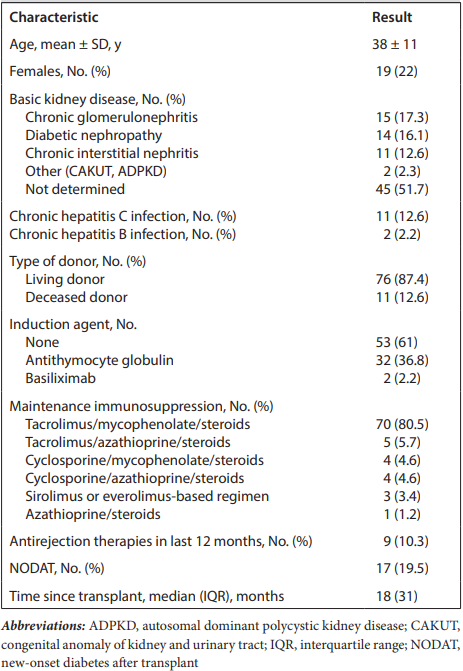
Table 1. Baseline Characteristics of Renal Transplant Recipients With Pneumonia (N = 87)
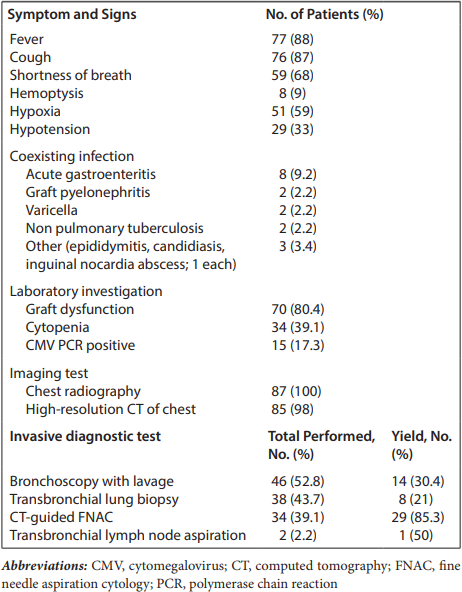
Table 2. Etiology and Clinical Outcomes in Renal Transplant Recipients With Pneumonia (N = 87)