Volume: 22 Issue: 1 January 2024 - Supplement - 1
FULL TEXT
Transplant surgery has undergone significant advancements with the emergence of minimally invasive techniques, particularly in kidney and liver transplantation. This review explores the applications and impact of minimally invasive approaches in transplant surgeries. The history of laparoscopy and robotic surgery is discussed, highlighting the evolution of these techniques and their contributions to the field of minimally invasive surgery. Despite the numerous benefits offered by minimally invasive techniques, their acceptance in the transplant world remains relatively low. Factors such as technical complexity, concerns about graft function and long-term outcomes, surgical time and cost considerations, and the lack of standardized guidelines contribute to this low acceptance. However, as research and technological advancements continue, the acceptance of minimally invasive techniques is gradually increasing. Specific applications of minimally invasive techniques in kidney and liver transplant surgeries are explored, highlighting the transformative effect on patient outcomes and quality of life. The review concludes by emphasizing the ongoing evolution of transplant surgery and the potential for minimally invasive techniques to bring renewed hope and improved outcomes to transplant patients worldwide.
Key words : Kidney transplant Laparoscopic surgery, Liver transplant, Robotic surgery
Introduction
Transplant surgery has long been hailed as a groundbreaking medical procedure, offering hope to countless individuals with organ failure. Over the years, advancements in surgical techniques have significantly improved success rates and patient outcomes. Among these advancements, the emergence of minimally invasive techniques has brought about a transformative shift in the field of transplant surgery, particularly in kidney and liver transplantation.
In recent decades, minimally invasive techniques have revolutionized the field of surgery, enabling surgeons to perform complex procedures with precision and reduced invasiveness. Traditionally, transplant surgery has involved large incisions, prolonged recovery periods, and substantial postoperative pain. However, the introduction of minimally invasive techniques has redefined the landscape of transplantation, presenting a promising alternative for patients.
Minimally invasive surgery has also evolved as a necessity secondary to living donor transplantation. Because of shortages in the number of deceased donors around the world, living donor surgery has increased exponentially in the past 2 decades.1,2 Organs procured from living donors also have significant benefits in terms of recipient long-term survival outcomes.3
The application of minimally invasive techniques in transplant surgery has transformed the field in multiple ways. One notable area of impact is kidney transplantation. Laparoscopic living donor nephrectomy, which entails removing a kidney from a living donor using minimally invasive approaches, has revolutionized the donation process. This technique offers donors decreased postoperative pain, shorter hospital stays, faster recovery, and improved cosmetic outcomes and quality of life.4,5 Furthermore, minimally invasive techniques have also been applied to liver transplant, a complex and intricate procedure. Laparoscopic donor hepatectomy, involving the removal of a portion of the liver from a living donor, has demonstrated comparable outcomes to open procedures.6
The adoption of minimally invasive techniques in solid-organ transplantation has yielded numerous benefits for both donors and recipients. In addition, these techniques have the potential to expand the pool of living donors by mitigating concerns regarding surgical invasiveness and recovery. The field of transplant surgery continues to evolve, with ongoing research and technological advancements paving the way for further improvements in minimally invasive techniques. As surgeons and scientists strive to refine these procedures, it is clear that minimally invasive techniques will play an increasingly pivotal role in the future of transplant surgery, bringing renewed hope and improved quality of life to countless patients worldwide.
In the subsequent sections of this review, we will delve deeper into the specific applications of minimally invasive techniques in kidney, liver, and pancreas transplant surgeries. By examining the improved patient outcomes, reduced morbidity, enhanced postoperative recovery, and potential future advancements, we can truly appreciate the transformative effects of these techniques on the field of transplant surgery.
Evolution of Laparoscopy and Robotic Surgery
Laparoscopy
The history of laparoscopy dates back to the early twentieth century when the first attempts at visualizing the abdominal cavity using endoscopic instruments were made. Here are some key milestones in the evolution of laparoscopy.
In 1901, Georg Kelling, a German physician, performed the first laparoscopy using a modified cystoscope to visualize the abdominal cavity.7 In 1910, Hans Christian Jacobaeus, a Swedish surgeon, introduced the term “laparoscopy” and further developed the technique by using a trocar and carbon dioxide gas to create pneumoperitoneum (inflation of the abdominal cavity).7,8
In the 1950s and 1960s, improvements in optics and lighting systems led to the development of fiberoptic laparoscopes, allowing for better visualization during laparoscopic procedures.8
In the 1980s, advancements in camera technology and the introduction of video systems revolutionized laparoscopy by providing high-resolution images to surgeons and enabling the recording and documentation of procedures.9
In the 1990s, the introduction of computer-enhanced technology, such as the use of digital imaging and video monitors, further improved the visualization and surgical capabilities of laparoscopy.8,9
Robotic surgery
Robotic surgery is a relatively recent development in the field of minimally invasive surgery. It builds upon the foundation of laparoscopy and introduces robotic systems to enhance surgical precision, dexterity, and visualization. Some key milestones in the history of robotic surgery are as follows.
In 1985, the first robotic system, PUMA 560, was developed by the Stanford Research Institute. It was primarily used for nonmedical purposes but laid the groundwork for future robotic surgical systems.10
In 1997, the da Vinci Surgical System, developed by Intuitive Surgical, received approval from the US Food and Drug Administration for general laparoscopic surgery. This marked a significant milestone in the application of robotic technology in surgical procedures.11
In the early 2000s, the da Vinci Surgical System gained widespread use in various surgical specialties, including urology, gynecology, and general surgery. Surgeons began utilizing robotic-assisted techniques for complex procedures, such as prostatectomy and hysterectomy.10
Advances have continued, and, over the years, robotic surgical systems have undergone significant advancements. These include improvements in instrument articulation, ergonomic design, 3-dimensional visualization, and integration of advanced technologies like augmented reality and artificial intelligence. The integration of robotic systems in surgery offers several potential advantages, including enhanced precision, reduced tremor, improved ergonomics, and a more intuitive interface for surgeons. Robotic surgery enables complex maneuvers in confined spaces and can be particularly valuable for procedures requiring precise dissection, suturing, and reconstruction.12,13
In conclusion, the history of laparoscopy traces back over a century, with numerous advancements in optics, instrumentation, and imaging technology contributing to its evolution. Robotic surgery, on the other hand, emerged in the late 20th century, leveraging robotic systems to enhance surgical capabilities. Together, these advancements have revolutionized the field of minimally invasive surgery, providing surgeons with advanced tools and techniques to improve patient outcomes and expand the boundaries of surgical possibilities.
Low Acceptance of Minimally Invasive Techniques in the Transplant World
The low acceptance of minimally invasive surgery in organ transplantation can be attributed to several factors. First, the technical complexity of organ transplant surgeries, involving intricate vascular and anatomical connections, presents challenges for performing these procedures laparoscopically. The precise maneuvers required in a confined space demand advanced surgical skills and specialized expertise.14 In addition, the learning curve associated with mastering laparoscopic techniques for transplant surgeries is significant, and the limited number of transplant surgeons with advanced laparoscopic skills may contribute to the lower acceptance of these techniques.15
The focus on optimal graft function and long-term outcomes in organ transplantation raises concerns among surgeons regarding the potential compromise in graft function or increased complication risks associated with minimally invasive techniques compared with traditional open procedures. Establishing robust evidence demonstrating the equivalence or superiority of minimally invasive approaches in terms of graft survival and long-term outcomes can help alleviate these concerns and increase acceptance.16
Considerations of surgical time and cost also play a role in the acceptance of minimally invasive techniques. Complex minimally invasive surgeries often require longer operative times compared with open procedures, which may increase the risk of complications and affect resource utilization, including operating room time and costs. Furthermore, having prolonged warm ischemia time (WIT) and anastomosis time, frequently seen in minimally invasive techniques, has a negative effect on graft survival. These factors may influence the decision to choose minimally invasive techniques in organ transplantation.17-19
The field of minimally invasive organ transplantation is relatively new, and the evidence base supporting its widespread adoption is still developing. The lack of standardized guidelines and protocols for minimally invasive transplant surgeries may contribute to the lower acceptance, as surgeons and transplant centers often rely on established protocols and procedures. However, interest has grown in the application of minimally invasive techniques in transplantation, particularly robotic surgery, which offers potential advantages over traditional laparoscopy, such as enhanced precision, ergonomics, and 3-dimensional magnified vision.20
Despite the current challenges, the acceptance of minimally invasive techniques in organ transplantation is gradually increasing. Ongoing research, advancements in surgical technologies, and the accumulation of long-term outcome data will likely contribute to broader acceptance in the future. As more surgeons gain proficiency in minimally invasive techniques and accumulate experience in transplant procedures, the benefits of these approaches may become more evident, leading to increased adoption in organ transplantation.
Laparoscopic Approaches to Donor Nephrectomy
Since the first living donor nephrectomy performed laparoscopically in 1991 by Ratner and colleagues, the laparoscopic approach has been the preferred approach (as well as considered the gold standard) for living donor kidney transplantation.21,22 Minimally invasive approaches, including laparoscopic, hand-assisted laparoscopic, hand-assisted retroperitoneoscopic, pure retroperitoneoscopic, and robotic-assisted techniques, have revolutionized living donor nephrectomy for kidney transplantation.23,24 Laparoscopic donor nephrectomy (LDN) has gained popularity as a preferred approach, offering benefits such as reduced blood loss, decreased postoperative pain, shorter hospital stays, and improved cosmetic results compared with open surgery.
Hand-assisted LDN (HALDN) and hand-assisted retroperitoneoscopic donor nephrectomy (HARP) were introduced as potential alternatives to LDN, providing tactile feedback through the hand-assisted port. These techniques combine the advantages of minimally invasive surgery with the ability to have tactile control, which can be beneficial in certain cases.25
Studies from the early 2000s suggested that LDNs were associated with delayed early graft function. However, advancements in laparoscopic surgery and surgeon experience have disproven this notion, with comparable operative times and better outcomes.26-30 Nonblinded randomized controlled trials have reported longer operating times, higher complication rates, and delayed graft function in open donor nephrectomy compared with LDN.26,31 Multiple renal vessels used to be a relative contraindication for LDN, but studies have shown that laparoscopic surgeries have comparable outcomes in terms of postoperative complications, graft function, and survival compared with single-vessel nephrectomies.32,33 However, a meta-analysis reported a negative effect on 1-year survival for multiple-vessel nephrectomies.34
The quality of life of donors after laparoscopic nephrectomy has also been investigated. Although no significant difference in overall quality of life scores but improved bodily pain and social functioning at 12 months have been shown compared with open nephrectomy,5 another study found less bodily pain at 6 weeks postdonation and improved overall mental health in the laparoscopic group.35 In a meta-analysis from Wang and colleagues, long-term outcomes of LDN and open donor nephrectomy (ODN) for living donor kidney transplant were found to be similar. Cases with LDN showed comparable results in terms of serum creatinine levels, incidence of hypertension and proteinuria, donation attitude, donor health-related quality of life, and graft survival compared with open donor nephrectomy.36
In conclusion, minimally invasive approaches to donor nephrectomy, such as LDN, HALDN, HARP, and robotic-assisted LDN (RALDN), have transformed living donor kidney transplantation. These techniques offer advantages such as reduced morbidity, shorter hospital stays, and improved cosmetic outcomes compared with open surgery. The choice of technique may depend on factors such as surgeon expertise, patient characteristics, and institutional preferences (Table 1).
Robotic Approaches to Donor Nephrectomy
The origin of robotic-assisted LDN (RALDN) can be traced back to the early 2000s when the da Vinci Surgical System was approved by the US Food and Drug Administration in the United States. Robotic-assisted living donor nephrectomy or robotic hand-assisted donor nephrectomy has gained significant attention and proven to be a valuable technique in renal transplant.37-42 Several advantages over open donor nephrectomy and LDN have been shown with RALDN, utilizing the da Vinci Surgical System, including improved visualization, intuitive dissection movement, and better surgical ergonomics.24,42
Studies have demonstrated the safety and efficacy of RALDN, with comparable outcomes to open surgery and LDN in terms of patient and graft survival, graft function, and urological complications.24 Horgan and colleagues reported improved outcomes over time, including reduced WIT and decreased complications, with RALDN.37 Windisch and colleagues compared RALDN versus HALDN and found similar WIT (mean range, 1.5-5.8 min) and comparable complication rates between the 2 groups. They also reported shorter hospital stays in the RALDN group (mean range, 1-5.8 days).38 Similarly, a retrospective cohort analysis from Giffen and colleagues showed no significant differences in estimated blood loss, WIT, or major intraoperative complications between RALDN and LDN.43
Although the RALDN technique may have longer operative times than other techniques, including LDN, its advantages in terms of reduced hospital stay and improved ergonomics should be considered.38,44 In an analyses of 80 patients who underwent RALDN, Cohen and colleagues found a decreased hospital length of stay compared with the laparoscopic approach.45 Moreover, RALDN has been associated with decreased donor intraoperative complications and improved donor comfort, as evidenced by lower postoperative pain scores and reduced analgesic requirement.40
The available data suggest that RALDN is a safe and effective procedure for living donor nephrectomy, offering potential benefits over other approaches. However, it is important to note that the studies mentioned here have varying sample sizes, and long-term outcomes of RALDN need further investigation. Future research should focus on comparing RALDN with other minimally invasive techniques and exploring the impact on allograft outcomes.41,42
In conclusion, RALDN has emerged as a promising technique in renal transplantation. It provides improved visualization, intuitive dissection movement, and better surgical ergonomics. The outcomes of RALDN are comparable to those of open surgery and LDN in terms of patient and graft survival, graft function, and urological complications. The use of RALDN has been associated with reduced WIT and hospital stay, as well as improved postoperative pain scores and decreased analgesic requirement. However, further research is warranted to investigate long-term outcomes and compare RALDN with other minimally invasive approaches (Table 2).
Laparoscopic Living Donor Hepatectomy
Compared with standard liver surgery, the laparoscopic approach has the advantage of reducing surgical morbidity, postoperative pain, and recovery time.46,47 Laparoscopic living donor hepatectomy (LDH) is a minimally invasive surgical technique used in living donor liver transplantation. The procedure was first described in 2002 by Cherqui and colleagues, who reported 2 laparoscopic donor hepatectomies that were transplanted into donor’s children of 1 year of age.48
In a multicenter retrospective study, Soubrane and colleagues reported that the operative time for LDH ranged from 240 to 850 minutes, with a mean time of 424.4 minutes. The major complication rate was reported to be 9.8%, and higher donor complication rates were associated with a higher rate of conversion to open surgery, increased estimated blood loss, and longer operative times.46 Choi and colleagues compared different laparoscopic techniques and found that single-port laparoscopic donor hepatectomy was associated with shorter operative times and less intraoperative blood loss compared with other laparoscopic approaches and open LDH.49
Favorable outcomes and experiences have been shown with LDH. Suh and colleagues found no intraoperative complications, transfusions, reoperations, or conversions to open hepatectomy among donors who underwent pure LDH or pure laparoscopic donor right hepatectomy. Although pure laparoscopic donor right hepatectomy had a longer total operation time and a higher percentage of multiple bile duct openings, no significant differences were shown in postoperative hospital length of stay or complication rates compared with conventional donor right hepatectomy.47 Park and colleagues reviewed the current status of LDH and highlighted its advantages, including lower blood loss, shorter length of stay, and reduced time off work, while emphasizing the need for more reports by experienced teams to validate its safety and reproducibility.50
The LDH technique has evolved over time, expanding from nonanatomic or left lateral segmentectomies to more complex procedures such as laparoscopic right hepatectomy in living donors.46,51 Thenappan and colleagues conducted a study comparing LDH and minimal access donor hepatectomy against conventional open donor hepatectomy that included 15 patients. Although operative times were longer in the minimally invasive groups, the complication rate and graft survival rate were comparable.52 Yang and colleagues compared the perioperative outcomes of minimally invasive donor hepatectomy in 304 patients (277 laparoscopic and 27 robotic) and open donor hepatectomy in 1390 patients. The investigators found an overall higher complication rate of 6.2% in the minimally invasive group compared with 3.5% in the open group. However, the major complication rate (Clavien-Dindo grade 3 or higher) was similar in both groups (~2%).53 In a propensity-matched analysis of 72 open left lateral sectionectomies and 72 pure laparoscopic left lateral sectionectomies in pediatric patients, Broering and colleagues showed that, although operative time and WIT were higher in the laparoscopic group, the overall complication rate and hospital length of stay were significantly shorter. The 1-, 3-, and 5-year graft survival and patient survival rates were comparable between the 2 groups.54
Various studies have demonstrated the safety and feasibility of LDH. In a propensity score matching analysis that compared perioperative outcomes between pure laparoscopic surgery and open right hepatectomy in LDH, Jeong and colleagues showed that pure laparoscopic surgery had comparable outcomes to open right hepatectomy in terms of operative time, blood loss, and postoperative complications, further supporting the feasibility and safety of LDH.55 In a meta-analysis from Zhao and colleagues comparing outcomes of laparoscopic donor hepatectomy versus open donor hepatectomy (12 studies with a total of 1755 cases undergoing right hepatectomy), the minimally invasive laparoscopic technique had advantages over the open technique such as less bleeding, shorter hospital stays, and lower overall postoperative complications in donors. However, the minimally invasive laparoscopic technique was associated with longer operative times and a higher rate of biliary complications in both donors and recipients. Notably, no significant differences were shown between the 2 techniques in terms of postoperative liver function, major complications, vascular complications, and overall postoperative complications.56
These studies collectively provide evidence supporting the safety and feasibility of LDH compared with open donor hepatectomy. The studies suggest that laparoscopic approaches can offer comparable outcomes in terms of operative parameters and postoperative complications, while also providing certain advantages such as reduced bleeding and shorter hospital stays (Table 3).
Robotic Living Donor Hepatectomy
Robotic-assisted LDH (RALDH) is a relatively new and evolving technique in the field of living donor liver transplantation. The use of robotic technology in liver surgery has expanded from purely diagnostic procedures to more complex resections, including LDH. Since its introduction in 2012, RALDH has gained increasing popularity worldwide.57 Multiple studies have evaluated the outcomes and feasibility of RALDH, shedding light on its advantages and limitations.
In a study comparing robotic and open donor hepatectomy, Broering and colleagues found that the robotic approach resulted in a lower overall complication rate and no major complications. Although the WIT was significantly higher in the robotic group (480 seconds) compared with the open group (120 seconds), there was only 1 graft loss due to hepatic artery thrombosis, and the robotic group exhibited a significantly shorter median hospital stay.6
Chen and colleagues reported on 13 patients who underwent robotic right hepatectomy, observing a mean operative time of 596 minutes.58 Rho and colleagues compared robotic right hepatectomy to open and laparoscopic approaches. Robotic right hepatectomy had longer operative times and WIT but resulted in lower estimated blood loss. The postoperative complication rate was similar across all 3 approaches. Donor satisfaction, body image, and cosmetic appearance scores were significantly higher in the robotic group compared with the laparoscopic group.59
To assess the suitability of the robotic approach for extended criteria donors, Varghese and colleagues compared standard criteria donors to extended criteria donors who underwent right robotic donor hepatectomy. Their results demonstrated that mean operative time, WIT, complication rate, and donor outcomes were comparable between the 2 groups, indicating the feasibility of the robotic approach for extended criteria donors.60
In a systematic review and meta-analysis of robotic right donor hepatectomies, Lincango Naranjo and colleagues highlighted that the robotic approach had prolonged operative times, but equal or lower risks of postoperative complications and similar post-hepatectomy liver function and pain outcomes compared with other approaches. Moreover, no significant differences in recipient outcomes were observed after robotic right donor hepatectomy. The robotic approach also offered significant reductions in donor cosmetics and trauma, addressing concerns among potential adult living donors.61
In a comprehensive analysis involving 2261 patients, Yeow and colleagues found that a minimally invasive donor right hepatectomy, including with a robotic approach, was safe and feasible in high-volume centers. They observed no major differences in donor complication rates and reported comparable recipient outcomes once surgeons had overcome the learning curve.62
In conclusion, RALDH has demonstrated its feasibility and safety in living donor liver transplantation, offering enhanced visualization, improved dexterity, and precise instrument control. The outcomes of RALDH are comparable to open and laparoscopic donor hepatectomy in terms of graft function, postoperative complications, and patient and graft survival.6,57,59,60,62 (Table 4).
Minimally Invasive Kidney Transplantation
Laparoscopic renal autotransplantation was first described in pig models by Meraney and colleagues in 2001, which laid the foundation for minimally invasive surgery in solid-organ transplantation.63 The first successful minimally invasive renal transplantation was performed by Rosales and colleagues in 2010.64 Since then, the technique has been progressively modified, and both extraperitoneal and intraperitoneal transplants have been performed.
Modi and colleagues conducted a case series of laparoscopic renal transplant in 4 patients, all of whom received left-sided kidneys from deceased donors. The mean operative time was 238.2 minutes, and the cold ischemia time varied between 4 and 14 hours. No major complications were reported, although 1 patient experienced delayed graft function; all grafts were functioning well at 6 months.65
In a larger series involving 72 patients, Modi and colleagues compared perioperative outcomes between laparoscopic kidney transplant and open kidney transplant groups. The laparoscopic group had a significantly longer mean operative time compared with the open group. In the laparoscopic kidney transplant group, 6 of 72 patients had delayed graft function, compared with 3 of 72 patients in the open kidney transplant group. There were 7 graft losses in the laparoscopic group and 6 in the open group.66 Another novel technique of transvaginal insertion of the kidney and laparoscopic transplantation was introduced by the same group with promising results. The mean operative time was similar to other published studies; however, the cold ischemia time was higher compared with that shown with the robotic techniques. Graft survival was 100% at 1 year.67-69
The common pitfalls of the laparoscopic surgery has always made robotic surgery more appealing. The introduction of robotic-assisted kidney transplant in 2002 by Hoznek and colleagues, followed by Giulianotti and colleagues, and Boggi and colleagues in 2010, further advanced the field of minimally invasive kidney transplantation.70-72 The most challenging aspect of the procedure is vascular anastomosis, which can be effectively addressed with the use of robotic arms and their 7 degrees of freedom.
Perioperative outcomes of 291 patients who underwent robotic kidney transplant reported by Musquera and colleagues showed mean operative time of 244.3 minutes, with an overall complication rate of 18.5% and a major complication rate of 7.5%. The conversion rate to open surgery was 2.7%. Graft loss within the first week was observed in 2% of the cases. The mean operative time decreased with increasing experience.73 In a retrospective review of 147 patients who underwent robotic kidney transplant in Europe with a minimum 1-year follow-up, Territo and colleagues reported a mean operative time of 300 minutes and the 1-year graft survival rate of 96.4%.68 These results are comparable to open kidney transplantation and further strengthens the role of robotic surgery in transplantation.
Robotic kidney transplantation has also given a new lifeline to obese to morbidly obese patients with end-stage renal disease. Obesity has previously been strongly associated with delayed graft function, acute rejection, and higher postoperative complication rates.74-76 This patient population, which previously could not qualify for a kidney transplant, can now benefit from robotic approaches.75,77 In a retrospective review of multi-institutional ERSU-robotic kidney transplant database from Prudhomme and colleagues, 169 patients who underwent robotic kidney transplant were stratified according to body mass index and analyzed for postoperative complications and functional outcomes. The overall mean operative time was 246 minutes, and this was comparable across the 3 body mass index groups (obese, overweight, and not overweight). The rates of minor and major postoperative complications were similar among the 3 groups. At 1-year follow-up, the median estimated glomerular filtration rate was similar across the body mass index groups. The rate of delayed graft function was also similar among the 3 groups.69
Based on the available studies, minimally invasive kidney transplant techniques, including laparoscopic and robotic approaches, have shown promising results in terms of reducing surgical trauma and improving patient outcomes. They offer advantages such as reduced postoperative pain, shorter hospital stays, and improved cosmetic outcomes. However, these results have only been validated at high-volume transplant centers due to a significant learning curve associated with these techniques, and further research is needed to optimize these techniques, evaluate long-term outcomes, and expand their application to a wider range of patients (Table 5).
Minimally Invasive Liver Transplantation
Minimally invasive hepatic transplantation is an evolving field in liver transplantation, aimed at reducing surgical trauma, improving patient outcomes, and facilitating enhanced recovery. Minimally invasive hepatic transplant techniques, including robotic-assisted and laparoscopic procedures, have been developed to minimize invasiveness and optimize patient care.
The journey of minimally invasive recipient liver transplantation began with laparoscopic explant hepate-ctomy followed by transplant using a small upper midline incision. An initial case series had 5 patients and laparoscopic explant hepatectomy was successfully completed in 3 patients, followed by transplant.78 A case of pure laparoscopic living donor explant hepatectomy and laparoscopic liver transplant has also been published with total operative time of 960 minutes. The patient was discharged on day 11 without any complications. The times required for the anastomosis of the hepatic vein, portal vein, hepatic artery, and bile duct were 42, 34, 49, and 45 minutes, respectively. Warm ischemia time was 84 minutes.79
In 2022, Lee and colleagues also described a ground-breaking technique of robotic-assisted liver graft transplant. Although the length of hospital stay for the recipient was reported to be 19 days, it is noteworthy that, just a decade ago, the feasibility of minimally invasive liver transplant was not even considered.80
Conclusions
Minimally invasive techniques have revolutionized the field of transplant surgery, offering numerous benefits to both donors and recipients. The history of laparoscopy and robotic surgery showcases the continuous advancements in surgical technology and imaging, leading to improved visualization, precision, and surgical capabilities. Despite the technical complexity and concerns surrounding graft function and long-term outcomes, the acceptance of minimally invasive techniques in transplant is gradually increasing. Studies have demonstrated comparable outcomes between minimally invasive and open procedures in terms of patient and graft survival, graft function, and complications. In addition, minimally invasive approaches provide advantages such as reduced blood loss, decreased postoperative pain, shorter hospital stays, and improved cosmetic outcomes. These approaches have also expanded the pool of living donors. As research and technological advancements continue, it is expected that the acceptance of minimally invasive techniques will further improve, bringing enhanced outcomes and improved quality of life to transplant patients worldwide.
References:
- Horvat LD, Shariff SZ, Garg AX; Donor Nephrectomy Outcomes Research (DONOR) Network. Global trends in the rates of living kidney donation. Kidney Int. 2009;75(10):1088-1098. doi:10.1038/ki.2009.20
CrossRef - PubMed - Kettlewell C. What’s behind the rise in living organ donation? UNOS. Published January 13, 2020. Accessed July 3, 2023. https://unos.org/news/improvement/whats-behind-the-rise-in-living-donation/
- Salahudeen AK, Haider N, May W. Cold ischemia and the reduced long-term survival of cadaveric renal allografts. Kidney Int. 2004;65(2):713-718. doi:10.1111/j.1523-1755.2004.00416.x
CrossRef - PubMed - Friedersdorff F, Kothmann L, Manus P, et al. Long-term donor outcomes after pure laparoscopic versus open living donor nephrectomy: focus on pregnancy rates, hypertension and quality of life. Urol Int. 2016;97(4):450-456. doi:10.1159/000447064
CrossRef - PubMed - Andersen MH, Mathisen L, Veenstra M, et al. Quality of life after randomization to laparoscopic versus open living donor nephrectomy: long-term follow-up. Transplantation. 2007;84(1):64-69. doi:10.1097/01.tp.0000268071.63977.42
CrossRef - PubMed - Broering DC, Elsheikh Y, Alnemary Y, et al. Robotic versus open right lobe donor hepatectomy for adult living donor liver transplantation: a propensity score-matched analysis. Liver Transpl. 2020;26(11):1455-1464. doi:10.1002/lt.25820
CrossRef - PubMed - Vecchio R, MacFayden BV, Palazzo F. History of laparoscopic surgery. Panminerva Med. 2000;42(1):87-90.
CrossRef - PubMed - Nezhat F. Triumphs and controversies in laparoscopy: the past, the present, and the future. JSLS. 2003;7(1):1-5.
CrossRef - PubMed - Kourambas J, Preminger GM. Advances in camera, video, and imaging technologies in laparoscopy. Urol Clin North Am. 2001;28(1):5-14. doi:10.1016/s0094-0143(01)80002-1
CrossRef - PubMed - Abdul-Muhsin H, Patel V. History of robotic surgery. In: Kim KC, ed. Robotics in General Surgery. Springer; 2014:3-8. doi:10.1007/978-1-4614-8739-5_1
CrossRef - PubMed - Ballantyne GH, Moll F. The da Vinci telerobotic surgical system: the virtual operative field and telepresence surgery. Surg Clin North Am. 2003;83(6):1293-1304. doi:10.1016/S0039-6109(03)00164-6
CrossRef - PubMed - Leal Ghezzi T, Campos Corleta O. 30 years of robotic surgery. World J Surg. 2016;40(10):2550-2557. doi:10.1007/s00268-016-3543-9
CrossRef - PubMed - Wong SW, Ang ZH, Yang PF, Crowe P. Robotic colorectal surgery and ergonomics. J Robot Surg. 2022;16(2):241-246. doi:10.1007/s11701-021-01240-5
CrossRef - PubMed - Tzvetanov IG, Spaggiari M, Tulla KA, et al. Robotic kidney transplantation in the obese patient: 10-year experience from a single center. Ame J Transplant. 2020;20(2):430-440. doi:10.1111/ajt.15626
CrossRef - PubMed - Bull N, Trevillian P, Heer M. Laparoscopic transplant nephrectomy: first Australian report. ANZ J Surg. 2021;91(1-2):E74-E76. doi:10.1111/ans.16131
CrossRef - PubMed - Tzvetanov I, Bejarano-Pineda L, Giulianotti PC, et al. State of the art of robotic surgery in organ transplantation. World J Surg. 2013;37(12):2791-2799. doi:10.1007/s00268-013-2244-x
CrossRef - PubMed - Tzvetanov IG, Tulla KA, Di Cocco P, Spaggiari M, Benedetti E. Robotic kidney transplant: the modern era technical revolution. Transplantation. 2022;106(3):479-488. doi:10.1097/TP.0000000000003881
CrossRef - PubMed - Tennankore KK, Kim SJ, Alwayn IPJ, Kiberd BA. Prolonged warm ischemia time is associated with graft failure and mortality after kidney transplantation. Kidney Int. 2016;89(3):648-658. doi:10.1016/j.kint.2015.09.002
CrossRef - PubMed - Heylen L, Pirenne J, Samuel U, et al. The impact of anastomosis time during kidney transplantation on graft loss: a Eurotransplant cohort study. Am J Transplant. 2017;17(3):724-732. doi:10.1111/ajt.14031
CrossRef - PubMed - Levi Sandri GB, de Werra E, Mascianà G, Guerra F, Spoletini G, Lai Q. The use of robotic surgery in abdominal organ transplantation: a literature review. Clin Transplant. 2017;31(1). doi:10.1111/ctr.12856
CrossRef - PubMed - Ratner LE, Ciseck LJ, Moore RG, Cigarroa FG, Kaufman HS, Kavoussi LR. Laparoscopic live donor nephrectomy. Transplantation. 1995;60(9):1047-1049.
CrossRef - PubMed - Lennerling A, Lovén C, Dor FJMF, et al. Living organ donation practices in Europe - results from an online survey. Transpl Int. 2013;26(2):145-153. doi:10.1111/tri.12012
CrossRef - PubMed - Clayman RV, Kavoussi LR, Soper NJ, et al. Laparoscopic nephrectomy: initial case report. J Urol. 1991;146(2):278-282. doi:10.1016/s0022-5347(17)37770-4
CrossRef - PubMed - Vernadakis S, Marinaki S, Darema M, et al. The evolution of living donor nephrectomy program at a Hellenic transplant center. laparoscopic vs. open donor nephrectomy: single-center experience. J Clin Med. 2021;10(6):1195. doi:10.3390/jcm10061195
CrossRef - PubMed - Klop KWJ, Kok NFM, Dols LFC, et al. Can right-sided hand-assisted retroperitoneoscopic donor nephrectomy be advocated above standard laparoscopic donor nephrectomy: a randomized pilot study. Transpl Int. 2014;27(2):162-169. doi:10.1111/tri.12226
CrossRef - PubMed - Troppmann C, Ormond DB, Perez RV. Laparoscopic (vs. open) live donor nephrectomy: a UNOS database analysis of early graft function and survival. Am J Transplant. 2003;3(10):1295-1301. doi:10.1046/j.1600-6143.2003.00216.x
CrossRef - PubMed - Nogueira JM, Haririan A, Jacobs SC, et al. The detrimental effect of poor early graft function after laparoscopic live donor nephrectomy on graft outcomes. Am J Transplant. 2009;9(2):337-347. doi:10.1111/j.1600-6143.2008.02477.x
CrossRef - PubMed - Hoda MR, Hamza A, Greco F, Wagner S, Fischer K, Fornara P. Early and late graft function after laparoscopic hand-assisted donor nephrectomy for living kidney transplantation: comparison with open donor nephrectomy. Urol Int. 2010;84(1):61-66. doi:10.1159/000273468
CrossRef - PubMed - Tyson M, Castle E, Andrews P, et al. Early graft function after laparoscopically procured living donor kidney transplantation. J Urol. 2010;184(4):1434-1439. doi:10.1016/j.juro.2010.06.013
CrossRef - PubMed - Percegona LS, Bignelli AT, Adamy A, et al. Early graft function in kidney transplantation: comparison between laparoscopic donor nephrectomy and open donor nephrectomy. Transplant Proc. 2008;40(3):685-686. doi:10.1016/j.transproceed.2008.03.006
CrossRef - PubMed - Nicholson ML, Kaushik M, Lewis GRR, et al. Randomized clinical trial of laparoscopic versus open donor nephrectomy. Br J Surg. 2010;97(1):21-28. doi:10.1002/bjs.6803
CrossRef - PubMed - Fitzpatrick J, Chmelo J, Nambiar A, et al. Recipient outcomes in total laparoscopic live donor nephrectomy with multiple renal vessels. Urol Ann. 2020;12(3):266-270. doi:10.4103/UA.UA_96_19
CrossRef - PubMed - Kasap Y, Karaaslan M, Senel S, Tastemur S, Olcucuoglu E. The impact of living donor nephrectomy with multiple renal arteries on graft function and complications in renal transplantation. Transplant Proc. 2021;53(6):1887-1891. doi:10.1016/j.transproceed.2021.06.004
CrossRef - PubMed - Afriansyah A, Rasyid N, Rodjani A, et al. Laparoscopic procurement of single versus multiple artery kidney allografts: meta-analysis of comparative studies. Asian J Surg. 2019;42(1):61-70. doi:10.1016/j.asjsur.2018.06.001
CrossRef - PubMed - Nicholson ML, Elwell R, Kaushik M, Bagul A, Hosgood SA. Health-related quality of life after living donor nephrectomy: a randomized controlled trial of laparoscopic versus open nephrectomy. Transplantation. 2011;91(4):457-461. doi:10.1097/TP.0b013e318204bdf7
CrossRef - PubMed - Wang L, Zhu L, Xie X, et al. Long-term outcomes of laparoscopic versus open donor nephrectomy for kidney transplantation: a meta-analysis. Am J Transl Res. 2020;12(10):5993-6002.
CrossRef - PubMed - Horgan S, Vanuno D, Sileri P, Cicalese L, Benedetti E. Robotic-assisted laparoscopic donor nephrectomy for kidney transplantation. Transplantation. 2002;73(9):1474-1479. doi:10.1097/00007890-200205150-00018
CrossRef - PubMed - Windisch OL, Matter M, Pascual M, et al. Robotic versus hand-assisted laparoscopic living donor nephrectomy: comparison of two minimally invasive techniques in kidney transplantation. J Robot Surg. 2022;16(6):1471-1481. doi:10.1007/s11701-022-01393-x
CrossRef - PubMed - Janki S, Klop KWJ, Hagen SM, et al. Robotic surgery rapidly and successfully implemented in a high volume laparoscopic center on living kidney donation. Int J Med Robot. 2017;13(2). doi:10.1002/rcs.1743
CrossRef - PubMed - Bhattu AS, Ganpule A, Sabnis RB, Murali V, Mishra S, Desai M. Robot-assisted laparoscopic donor nephrectomy vs standard laparoscopic donor nephrectomy: a prospective randomized comparative study. J Endourol. 2015;29(12):1334-1340. doi:10.1089/end.2015.0213
CrossRef - PubMed - Serrano OK, Kirchner V, Bangdiwala A, et al. Evolution of living donor nephrectomy at a single center: long-term outcomes with 4 different techniques in greater than 4000 donors over 50 years. Transplantation. 2016;100(6):1299-1305. doi:10.1097/TP.0000000000001251
CrossRef - PubMed - Creta M, Calogero A, Sagnelli C, et al. Donor and recipient outcomes following robotic-assisted laparoscopic living donor nephrectomy: a systematic review. Biomed Res Int. 2019;2019:1729138. doi:10.1155/2019/1729138
CrossRef - PubMed - Giffen ZC, Cairl N, Ortiz J, Sindhwani P, Ekwenna O. Robotic-assisted donor nephrectomy: as safe as laparoscopic donor nephrectomy. Surg Technol Int. 2020;37:171-174.
CrossRef - PubMed - Dumlu EG, K?l?nç ?, Parlak Ö, et al. Effect of learning curve on the perioperative course of robotic-assisted laparoscopic donor nephrectomy compared with laparoscopic donor nephrectomy. Rev Assoc Med Bras (1992). 2021;67(7):1033-1037. doi:10.1590/1806-9282.20210526
CrossRef - PubMed - Cohen AJ, Williams DS, Bohorquez H, et al. Robotic-assisted laparoscopic donor nephrectomy: decreasing length of stay. Ochsner J. 2015;15(1):19-24.
CrossRef - PubMed - Soubrane O, Eguchi S, Uemoto S, et al. Minimally invasive donor hepatectomy for adult living donor liver transplantation: an international, multi-institutional evaluation of safety, efficacy and early outcomes. Ann Surg. 2022;275(1):166-174. doi:10.1097/SLA.0000000000003852
CrossRef - PubMed - Suh KS, Hong SK, Lee KW, et al. Pure laparoscopic living donor hepatectomy: focus on 55 donors undergoing right hepatectomy. Am J Transplant. 2018;18(2):434-443. doi:10.1111/ajt.14455
CrossRef - PubMed - Cherqui D, Soubrane O, Husson E, et al. Laparoscopic living donor hepatectomy for liver transplantation in children. Lancet. 2002;359(9304):392-396. doi:10.1016/S0140-6736(02)07598-0
CrossRef - PubMed - Choi HJ, You YK, Na GH, Hong TH, Shetty GS, Kim DG. Single-port laparoscopy-assisted donor right hepatectomy in living donor liver transplantation: sensible approach or unnecessary hindrance? Transplant Proc. 2012;44(2):347-352. doi:10.1016/j.transproceed.2012.01.018
CrossRef - PubMed - Park MS. A single center experience for a feasibility of totally laparoscopic living donor right hepatectomy. J Minim Invasive Surg. 2019;22(2):47-48. doi:10.7602/jmis.2019.22.2.47
CrossRef - PubMed - O’Rourke N, Fielding G. Laparoscopic right hepatectomy: surgical technique. J Gastrointest Surg. 2004;8(2):213-216. doi:10.1016/j.gassur.2003.11.008
CrossRef - PubMed - Thenappan A, Jha RC, Fishbein T, et al. Liver allograft outcomes after laparoscopic-assisted and minimal access live donor hepatectomy for transplantation. Am J Surg. 2011;201(4):450-455. doi:10.1016/j.amjsurg.2010.10.007
CrossRef - PubMed - Yang JD, Lee KW, Kim JM, et al. A comparative study of postoperative outcomes between minimally invasive living donor hepatectomy and open living donor hepatectomy: the Korean organ transplantation registry. Surgery. 2021;170(1):271-276. doi:10.1016/j.surg.2021.03.002
CrossRef - PubMed - Broering DC, Elsheikh Y, Shagrani M, Abaalkhail F, Troisi RI. Pure laparoscopic living donor left lateral sectionectomy in pediatric transplantation: a propensity score analysis on 220 consecutive patients. Liver Transpl. 2018;24(8):1019-1030. doi:10.1002/lt.25043
CrossRef - PubMed - Jeong JS, Wi W, Chung YJ, et al. Comparison of perioperative outcomes between pure laparoscopic surgery and open right hepatectomy in living donor hepatectomy: propensity score matching analysis. Sci Rep. 2020;10(1):5314. doi:10.1038/s41598-020-62289-0
CrossRef - PubMed - Zhao X, Lei Z, Gao F, et al. Minimally invasive versus open living donors right hepatectomy: a systematic review and meta-analysis. Int J Surg. 2021;95:106152. doi:10.1016/j.ijsu.2021.106152
CrossRef - PubMed - Giulianotti PC, Tzvetanov I, Jeon H, et al. Robot-assisted right lobe donor hepatectomy. Transpl Int. 2012;25(1):e5-e9. doi:10.1111/j.1432-2277.2011.01373.x
CrossRef - PubMed - Chen PD, Wu CY, Hu RH, et al. Robotic liver donor right hepatectomy: a pure, minimally invasive approach. Liver Transpl. 2016;22(11):1509-1518. doi:10.1002/lt.24522
CrossRef - PubMed - Rho SY, Lee JG, Joo DJ, et al. Outcomes of robotic living donor right hepatectomy from 52 consecutive cases: comparison with open and laparoscopy-assisted donor hepatectomy. Ann Surg. 2022;275(2):e433-e442. doi:10.1097/SLA.0000000000004067
CrossRef - PubMed - Varghese CT, Chandran B, Gopalakrishnan U, et al. Extended criteria donors for robotic right hepatectomy: a propensity score matched analysis. J Hepatobiliary Pancreat Sci. 2022;29(8):874-883. doi:10.1002/jhbp.1145
CrossRef - PubMed - Lincango Naranjo EP, Garces-Delgado E, Siepmann T, et al. Robotic living donor right hepatectomy: a systematic review and meta-analysis. J Clin Med. 2022;11(9):2603. doi:10.3390/jcm11092603
CrossRef - PubMed - Yeow M, Soh S, Starkey G, et al. A systematic review and network meta-analysis of outcomes after open, mini-laparotomy, hybrid, totally laparoscopic, and robotic living donor right hepatectomy. Surgery. 2022;172(2):741-750. doi:10.1016/j.surg.2022.03.042
CrossRef - PubMed - Meraney AM, Gill IS, Kaouk JH, Skacel M, Sung GT. Laparoscopic renal autotransplantation. J Endourol. 2001;15(2):143-149. doi:10.1089/089277901750134403
CrossRef - PubMed - Rosales A, Salvador JT, Urdaneta G, et al. Laparoscopic kidney transplantation. Eur Urol. 2010;57(1):164-167. doi:10.1016/j.eururo.2009.06.035
CrossRef - PubMed - Modi P, Rizvi J, Pal B, et al. Laparoscopic kidney transplantation: an initial experience. Am J Transplant. 2011;11(6):1320-1324. doi:10.1111/j.1600-6143.2011.03512.x
CrossRef - PubMed - Modi P, Pal B, Modi J, et al. Retroperitoneoscopic living-donor nephrectomy and laparoscopic kidney transplantation: experience of initial 72 cases. Transplantation. 2013;95(1):100-105. doi:10.1097/TP.0b013e3182795bee
CrossRef - PubMed - Modi P, Pal B, Kumar S, et al. Laparoscopic transplantation following transvaginal insertion of the kidney: description of technique and outcome. Am J Transplant. 2015;15(7):1915-1922. doi:10.1111/ajt.13224
CrossRef - PubMed - Territo A, Gausa L, Alcaraz A, et al. European experience of robot-assisted kidney transplantation: minimum of 1-year follow-up. BJU Int. 2018;122(2):255-262. doi:10.1111/bju.14247
CrossRef - PubMed - Prudhomme T, Beauval JB, Lesourd M, et al. Robotic-assisted kidney transplantation in obese recipients compared to non-obese recipients: the European experience. World J Urol. 2021;39(4):1287-1298. doi:10.1007/s00345-020-03309-6
CrossRef - PubMed - Hoznek A, Zaki SK, Samadi DB, et al. Robotic assisted kidney transplantation: an initial experience. J Urol. 2002;167(4):1604-1606.
CrossRef - PubMed - Giulianotti P, Gorodner V, Sbrana F, et al. Robotic transabdominal kidney transplantation in a morbidly obese patient. Am J Transplant. 2010;10(6):1478-1482. doi:10.1111/j.1600-6143.2010.03116.x
CrossRef - PubMed - Boggi U, Vistoli F, Signori S, et al. Robotic renal transplantation: first European case. Transpl Int. 2011;24(2):213-218. doi:10.1111/j.1432-2277.2010.01191.x
CrossRef - PubMed - Musquera M, Peri L, Ajami T, et al. Robot-assisted kidney transplantation: update from the European Robotic Urology Section (ERUS) series. BJU Int. 2021;127(2):222-228. doi:10.1111/bju.15199
CrossRef - PubMed - Hossain M, Woywodt A, Augustine T, Sharma V. Obesity and listing for renal transplantation: weighing the evidence for a growing problem. Clin Kidney J. 2017;10(5):703-708. doi:10.1093/ckj/sfx022
CrossRef - PubMed - Ahmadi SF, Zahmatkesh G, Streja E, et al. Body mass index and mortality in kidney transplant recipients: a systematic review and meta-analysis. Am J Nephrol. 2014;40(4):315-324. doi:10.1159/000367812
CrossRef - PubMed - Lafranca JA, IJermans JNM, Betjes MGH, Dor FJMF. Body mass index and outcome in renal transplant recipients: a systematic review and meta-analysis. BMC Med. 2015;13:111. doi:10.1186/s12916-015-0340-5
CrossRef - PubMed - Gill JS, Hendren E, Dong J, Johnston O, Gill J. Differential association of body mass index with access to kidney transplantation in men and women. Clin J Am Soc Nephrol. 2014;9(5):951-959. doi:10.2215/CJN.08310813
CrossRef - PubMed - Suh KS, Hong SK, Hong K, et al. Minimally invasive living donor liver transplantation: pure laparoscopic explant hepatectomy and graft implantation using upper midline incision. Liver Transpl. 2021;27(10):1493-1497. doi:10.1002/lt.26066
CrossRef - PubMed - Suh KS, Hong SK, Lee S, et al. Pure laparoscopic living donor liver transplantation: dreams come true. Am J Transplant. 2022;22(1):260-265. doi:10.1111/ajt.16782
CrossRef - PubMed - Lee KW, Choi Y, Hong SK, et al. Laparoscopic donor and recipient hepatectomy followed by robot-assisted liver graft implantation in living donor liver transplantation. Am J Transplant. 2022;22(4):1230-1235. doi:10.1111/ajt.16943
CrossRef - PubMed - Genc V, Ozgencil E, Orozakunov E, et al. Pure laparoscopic versus open live donor nephrectomy: evaluation of health survey and graft functions. Transplant Proc. 2011;43(3):791-794. doi:10.1016/j.transproceed.2011.01.099
CrossRef - PubMed - Simforoosh N, Basiri A, Tabibi A, Shakhssalim N, Hosseini Moghaddam SMM. Comparison of laparoscopic and open donor nephrectomy: a randomized controlled trial. BJU Int. 2005;95(6):851-855. doi:10.1111/j.1464-410X.2005.05415.x
CrossRef - PubMed - Thai MS, Chau QT, Hoang KC, et al. Introducing robot-assisted laparoscopic donor nephrectomy after experience in retroperitoneal endoscopic approach: a matched propensity score analysis. ANZ J Surg. 2022;92(3):531-537. doi:10.1111/ans.17424
CrossRef - PubMed - Kwon CHD, Choi GS, Kim JM, et al. Laparoscopic donor hepatectomy for adult living donor liver transplantation recipients. Liver Transpl. 2018;24(11):1545-1553. doi:10.1002/lt.25307
CrossRef - PubMed - Binoj ST, Mathew JS, Nair K, et al. 260 Robotic donor right hepatectomy: is it just flaunting the scar? Gastroenterology. 2020;158(6, Supplement 1):S1263. doi:10.1016/S0016-5085(20)33815-4
CrossRef - PubMed

Volume : 22
Issue : 1
Pages : 44 - 55
DOI : 10.6002/ect.MESOT2023.L42
From the 1Mayo Clinic, Phoenix, Arizona, USA; and the
2Tulane University, New Orleans, Louisiana, USA
Acknowledgements: The authors have not received any funding or grants in
support of the presented research or for the preparation of this work and
have no declarations of potential conflicts of interest.
Corresponding author: Adarsh Vijay,
Hepato-Pancreato-Biliary & Abdominal Transplant Surgery, Tulane
Abdominal Transplant Institute, Tulane University School of Medicine,
Office 6813, Tulane Medical Center, 1415 Tulane Ave, #HC-05, New Orleans,
LA 70112-2632, USA
Phone: +1 504 988 0291
E-mail: avijay@tulane.edu
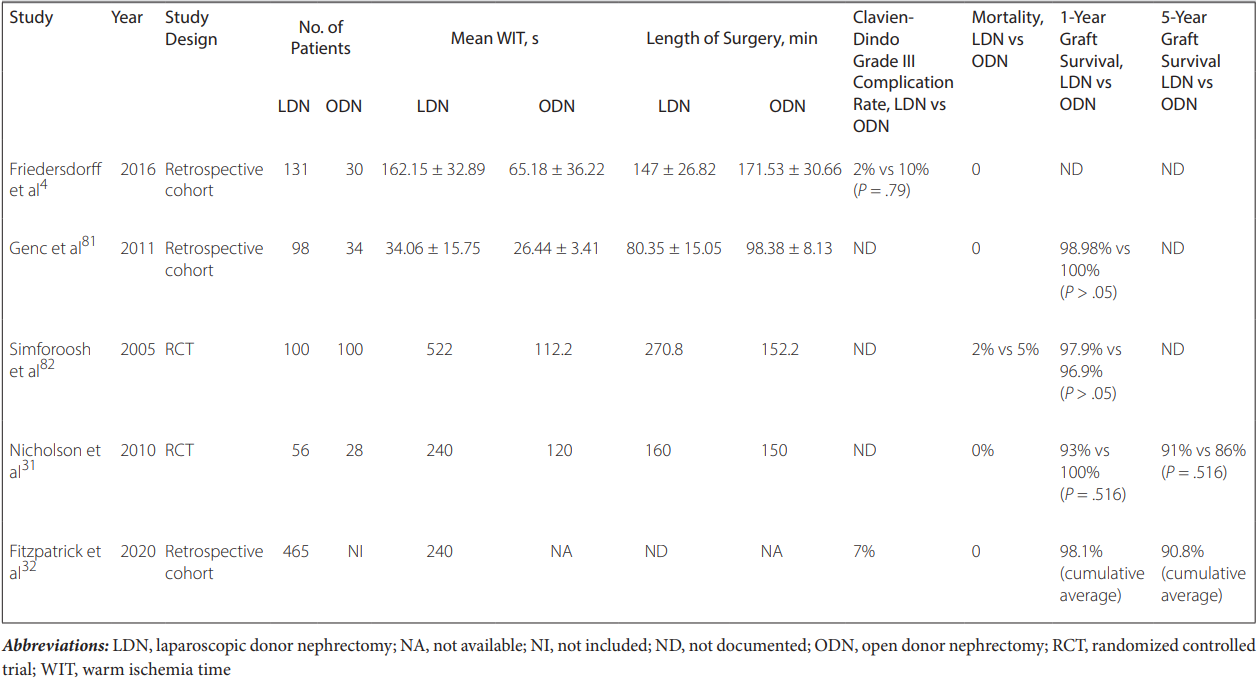
Table 1. Notable Studies Comparing Laparoscopic Donor Nephrectomy and Open Donor Nephrectomy
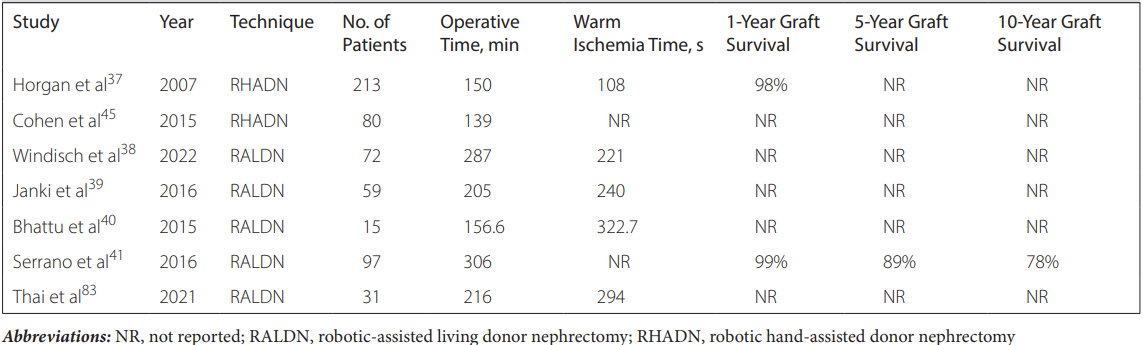
Table 2. Notable Studies Comparing Outcomes Of Robotic-Assisted Living Donor Nephrectomy
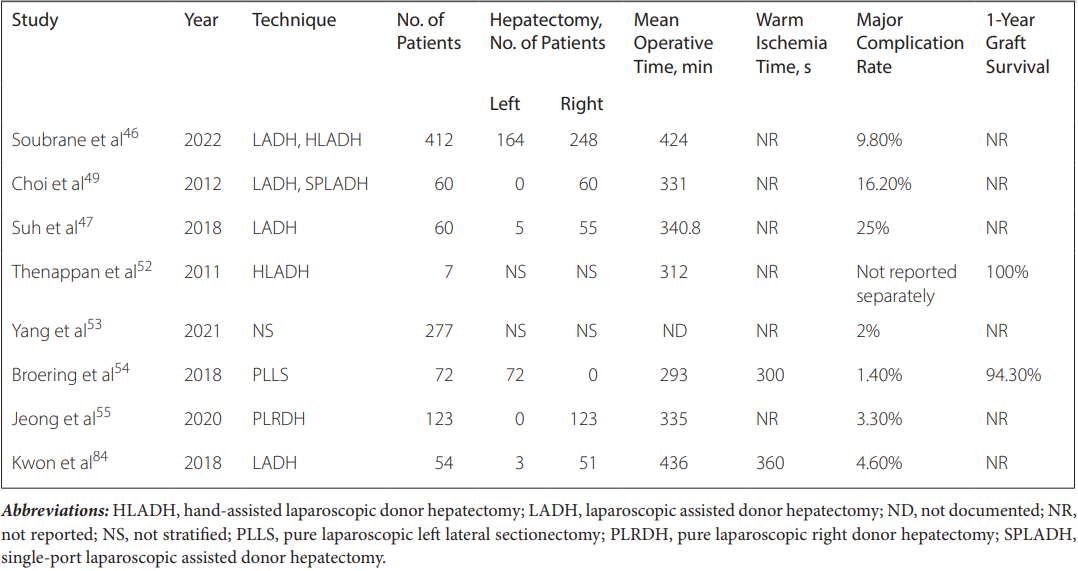
Table 3. Notable Studies Comparing Outcomes of Laparoscopic Donor Hepatectomy
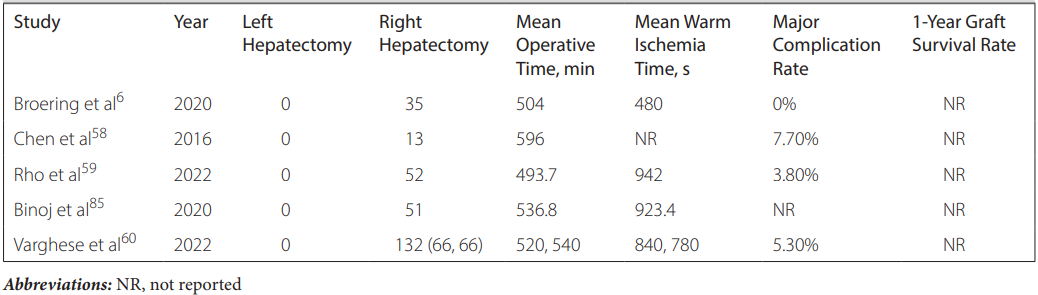
Table 4. Notable Studies Comparing Outcomes of Robotic Donor Hepatectomy
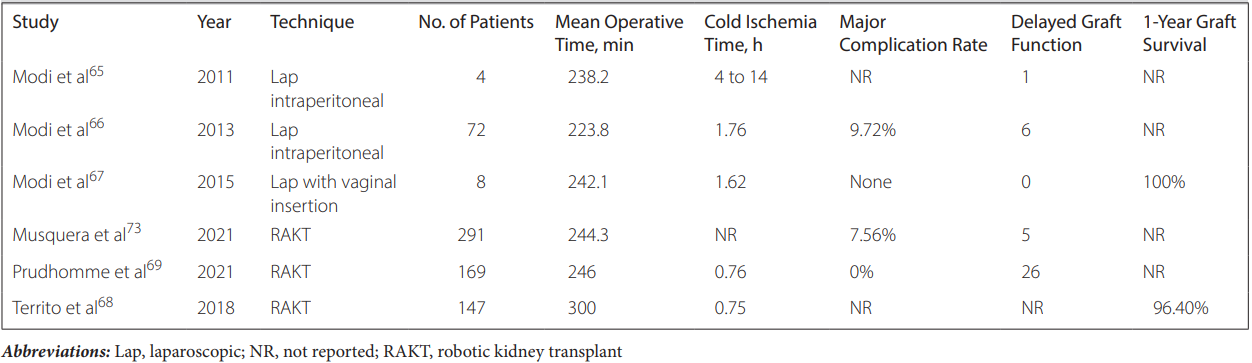
Table 5 Notable Studies Comparing Outcomes of Minimally Invasive Kidney Transplant (Recipient)