Volume: 22 Issue: 1 January 2024 - Supplement - 1
FULL TEXT
Pediatric kidney transplant recipients will likely require a retransplant in their lifetime. Although the significant advances in clinical management and newer immunosuppressive agents have had a significant effect to improve short-term allograft function, it is apparent that long-term allograft function remains suboptimal. Therefore, it is likely that most pediatric renal allograft recipients will require 1 or more retransplants during their lifetime. In the West, an increasing number of patients on the deceased donor wait list are awaiting a retransplant; in the US, 15% of current annual transplants are retransplants. Unfortunately, the use of a second or subsequent grafts in pediatric recipients has inferior long-term graft survival rates compared with initial grafts, with decreasing rates with each subsequent graft. Multiple issues influence the outcome of retransplant, with the most significant being the cause of the prior transplant failure. Nonadherence-associated graft loss poses unresolved ethical issues that may affect a patient’s access to retransplant. Graft nephrectomy prior to retransplant may benefit selected patients, but the effect of an in situ failed graft on the development of panel reactive antibodies remains to be definitively determined. It is important that these and other factors discussed in this presentation be taken into consideration during the counseling of families on the optimal approach for their child who requires a retransplant.
Key words : Pediatric kidney transplant recipients, Renal transplant, Retransplant outcomes, Transplant failure
Introduction
Living donor kidney transplant is the best treatment option for patients with kidney failure, and there are several initiatives underway to increase the number of living kidney donations.1-6 In some countries without robust deceased donor allocation programs, a living donor is often the only way to obtain a transplant. Living kidney donors (LKDs) are healthy individuals who volunteer to donate a kidney. They are generally identified and solicited by the patient; however, in many countries nondirected kidney donation is acceptable.
Although there are limitations to existing databases with respect to reporting and categorizing sex and gender, overall, sex-disaggregated data reveal that there are more female than male LKDs in most countries, with proportions over 60% in some countries.7-20 This is reported even when weighted with the population size.12 Notable exceptions include Iran, South Korea, Thailand, Pakistan, Philippines, and Oman, where female LKD rates are equal to or below 50%.12,16,18,20 Although this has been recognized for decades, little progress has been made in addressing this disparity. Data from the US also report a decline in living kidney donation among males between 2005 to 2015.14 Similar trends have been observed in Asian countries.15,16 Data from Canada, a country with a decentralized, universal, and publicly funded health care system, also highlight a disparity in living kidney donation between males and females (Figure 1).
Here, we summarize the present state of knowledge with respect to the potential drivers of this disparity and argue that this observed disparity is primarily driven by gender-related factors.
Defining Sex and Gender
Sex and gender are often used interchangeably in the transplant literature and inappropriately conflated in the biomedical literature.18,21,22 Sex, usually categorized as female or male, refers to a set of biological traits and attributes that are primarily associated with physical and physiological features.7,22-24 There are, however, variations in the biological attributes that comprise sex and how those attributes are expressed.23 For example, there are at least 40 different known sex variations and an umbrella term “intersex” is often used in the literature to collectively describe them.25
Gender, on the other hand, refers to nonbiological attributes and sociocultural factors that shape the identities, attitudes, behaviors, bodily appearances, and habits of women, men, and gender-diverse individuals.7,22-24 Gender is complex and multidimensional and changes as social norms and values change.21,23 Gender influences how an individual perceives themselves and others, how they act and interact with others, and the distribution of power and resources in society.23 Thus, the WHO Commission on Social Determinants of Health recognizes gender as a key driver of health inequalities.26
Are Differences in Living Kidney Donation Rates Due to Sex?
This section summarizes the potential medical reasons that have been proposed to explain the observed disparity in living kidney donation while exploring counterarguments (Figure 2). Most studies report sex as a binary variable, and the terms male/female and men/women are often used interchangeably. However, the terms male and female are used in this section.
a. Sex-related factors proposed to decrease living kidney donation in males
Lifetime risk of kidney disease progression
There are sex differences in the rate of estimated glomerular filtration rate (eGFR) decline. In a Canadian cohort, the lifetime risk of end-stage renal disease (ESRD) was consistently higher for males at all ages above the age of 40 years and eGFR strata (excluding <30 mL/min/1.73 m2) compared with females.27 This cohort included 2?895?521 adults from 1997 to 2008, and the lifetime risk was 2.66% for males and 1.76% for females. The authors concluded that approximately 1 in 40 males and 1 in 60 females of middle age will develop ESRD during their lifetimes if they live into their 90s. In addition, in a pooled analysis of 6 cohorts, compared with males, females with hypertension had a 23% lower relative risk for chronic kidney disease (CKD) or ESRD.28 This suggests that hypertension was a stronger risk factor for kidney disease progression and failure in males. Even in the general population, without major chronic diseases or risk factors for CKD, mean GFR decline in females was -0.96 mL/min/1.73 m2 per year, whereas in males it was noted to be higher at -1.20 mL/min/1.73 m2 per year.29 Both sex- and gender-related arguments have been put forth to explain these differences, such as the protective effects of endogenous estrogens versus deleterious effects of testosterone on kidney function and structure (sex) or the generally healthier lifestyles of females (or women) compared with that of males (or men) (gender); however, the evidence to support these arguments is weak.19
Risk of kidney failure
The higher risk of CKD progression may explain why the incidence of kidney failure that is treated with dialysis or transplant is more common in males than in females.16,30-33 In 10 European countries, the lifetime risk of renal replacement therapy was approximately twice as high in males than in females at index age <65 years; at age 80 years and 85 years, this increased to 2.5 times and to 3 times higher in males, respectively.34 Using published literature, vital registration systems, ESRD registries, and household surveys, a landmark study reported that the global age-standardized incidence of dialysis and transplantation was 1.47 times greater in males than in females, with estimates of 13.7 and 8.6 per 100?000 population for male and female individuals, respectively.35 Thus, it is argued that, because male sex is a risk factor for CKD progression to ESRD needing dialysis or transplant, males are less likely to be LKDs and more likely to be recipients.
Prevalence of risk factors
The prevalence of some medical problems that would preclude candidacy for living kidney donation is higher in males than in females.36 For example, most data from populations of Western European or Asian descent suggest a slightly higher prevalence of type 2 diabetes in males than in females; however, this has not been shown in data from the United States or sub-Saharan Africa.37 In addition, the risk of kidney stones is 2.3 times higher in males than in females.38 There are also sex differences in the prevalence of hypertension, with males being at higher risk across all age strata above 18 years; however, the rate at which females develop hypertension is much steeper compared with that shown in males.39 Conversely, some data suggest that females have a higher prevalence of hypertension by the sixth decade of life compared with that shown in males.40
Risks of kidney donation
Sex-disaggregated data have also reported that the male sex is a risk factor for adverse outcomes after kidney donation.41-44 Among 133?824 LKDs in the United States from 1987 to 2015, male sex was associated with a 88% higher risk of developing ESRD.45 Similarly, 90-day surgical mortality was 3 times higher in male than in female LKDs, and male sex was also associated with higher long-term mortality risk.46 This evidence, which has come into light over the past decade, may specifically explain the declining living kidney donation rates among males.
Eligible male spousal donors
Living kidney donors are largely drawn from the patient’s own families and social networks. Given the risk of sensitization from pregnancy (ie, the prior exposure to nonself HLA), fewer males may be eligible to donate to a female family member. This may particularly affect spousal donations who tend to represent most of the LKDs, and sensitization from prior pregnancies may make a male spouse ineligible to donate to their female partner.10,16,47 Indeed, in a single-center study, female patients were incompatible with at least 1 LKD 3 times more frequently than male patients, which resulted in a loss of 31% of potential donors for female versus 9% for male donors.48 This means fewer male spouses may be candidates for female patients.
b. Sex-related factors that could decrease living kidney donation in females
Although the above medical reasons have been presented to explain why there are fewer male LKDs, similar medical reasons also exist that should decrease the chances of female LKDs being eligible for kidney donation. Despite this, sex disparity exists in living kidney donation. These reasons are described.
Higher prevalence of chronic kidney disease
Chronic kidney disease, any disease affecting the structure or function of the kidneys that can preclude one’s candidacy to being a LKD, is more prevalent in female than in male individuals.49-52 In France, the prevalence of CKD among women is 2-fold higher than in men,19 yet there are more female than male donors.18 Similarly, in the United States, CKD is more common in females (14%) than in males (12%).53 Global data suggest that the age-standardized prevalence of CKD was 1.29 times higher in females than in males.35 Although measurement bias can account for the higher prevalence of CKD in the female sex,54 most centers use the eGFR threshold of 80 mL/min or within 2 standard deviations of normal for age and sex to accept the candidacy of LKDs.55 Overall, this would make females less likely to be LKDs.
Risks of kidney donation
In addition to higher rates of CKD, female LKDs experience significant risks after kidney donation. A pooled analysis of 5 studies comprising 430 female LKDs and 23?540 nondonors reported that living kidney donation was associated with a 2.9 times higher risk of preeclampsia, 2.5 times higher risk of gestational hypertension, and 1.3 times higher risk of preterm birth.56 This may particularly discourage young women of childbearing age. Also, female LKDs, particularly middle-aged LKDs, experience more fatigue and psychosocial issues and lower quality of life after donation.57,58 This could also discourage living kidney donation among females of different ages.
Lower access to renal replacement therapies
Evidence suggests that women have poorer access to both transplant and kidney replacement therapy by dialysis.33,59 It is challenging to determine the extent of the contribution of biological or sociocultural and environmental factors to health care accessibility. Access to renal replacement therapies is often influenced by nonbiological factors, such as access to health care.7,19 Indeed, navigating care for CKD may be different for females and males and driven by gender-related factors.54 Regardless, lower access to care may explain why current registry analyses and data reported above suggest that female individuals (or women) have a lower prevalence and incidence of needing renal replacement therapies.
Disparity exists even after adjusting for explanatory variables
Some scholars have adjusted for the factors identified above and still reported a sex disparity. A population-based analysis from the United States reported that the unadjusted rates of living kidney donation in females were 1.5 times higher than in males, at a rate of 30.1 versus 19.3 per million population, respectively. However, after adjustment for several variables that included the rate of ESRD, females still had a 44% higher incidence of kidney donation than males.14 Also, observational data that analyzed sex distribution in living kidney donation by country showed that an absence of biological risk factors that might prevent kidney donation, such as CKD and diabetes, was not genuinely shifted toward female LKDs.12 Finally, some studies have shown that the excess of female LKDs may be influenced by the predominance of female spousal donors rather than immunological or medical exclusion criteria alone.10,47,60
Are Differences in Living Kidney Donation Rates Due to Gender?
Given the arguments presented above, it is widely believed that sex-related medical reasons do not completely explain the observed disparity in living kidney donation and that gender-related factors play a crucial, likely predominant, role.8,14,15,16,20,61-67 The decision to donate a kidney is complex, and research suggests that it requires not only individual motivation influenced by factors such as compelled altruism, inherent responsibility, accepting risks, family expectation, personal benefit, and spiritual confirmation but also an appropriate social context.61,65,66,68-75 Living kidney donors are known to renegotiate their identity, roles, and responsibilities.61 An individual’s socially constructed gender roles, behaviors, expressions, and identities24 influence their decision to be a LKD. Gender differences can therefore help to explain why there are more women than men LKDs. In this section, we summarize some thoughts on gender-related factors that lead to more women than men who are LKDs, and we acknowledge a critical gap in knowledge with respect to the representation of gender-diverse individuals in transplantation (Figure 3).
a. The role of economic factors
Several scholars argue that economic factors and ideological discourses that consider men being the main providers of material resources are thought to be the main reason for there being more women LKDs in both low-income and high-income countries.8,14,15,16,60,63,64,66,70-72,76 Men are often the only source of income in the family; the loss of income during evaluation, surgery, and recovery, particularly for low-income households, may prevent them from pursuing living kidney donation.15,16,71 In a study from Nepal, for example, donation by men LKDs was perceived as an economic sacrifice unless it was between brothers, which was perceived as an economic investment.71 Findings from Iran, in particular, support this contention, as most LKDs (>80%) are men.12 In Iran, LKDs have been financially compensated since 1988 when a compensated and regulated living-unrelated kidney donor transplant program was adopted.77,78 This resulted in >10?000 kidney transplants being performed such that the waiting list was essentially eliminated.79 This financial compensation for kidney donation may explain disproportionately higher rates of living kidney donation in men.9,12,80
b. Role of social factors
Social and cultural factors and family dynamics may also influence the decision to pursue living kidney donation. In a study from Nepal, where many families cannot afford dialysis, women cited widowhood if the husband dies due to kidney failure and its social repercussions as a strong motivation for donation.71 Multiple other studies from both low- and high-income countries demonstrate that one of the strongest motivations to donate a kidney was the social- and self-benefit or relief from the recipient’s improved health.61,66,70-73 These motivations may be driven by the social role of women in society and within families. Families as a unit may make the decision as to who donates a kidney and socially influenced gender roles and division of labor may be key, as highlighted by a qualitative study from India. In that study, family structure played an important role in the pursuit of living kidney donation among women, which were in turn influenced by socioeconomic conditions, cultural norms, and gender roles.66 Overall, such factors may explain why many women come forth as LKDs more so than men.
c. Other gender-related factors
Other explanations have been put forth to explain why there are more LKDs who are women, such as pressures placed on women and higher empathy, emotional distress, caregiving personality, and impulsivity in women.7,8,67 However, most of this work is anecdotal. In another study that entailed fieldwork in 2 ethnographic sites (Egypt and Mexico), women perceived donation as a form of social reproduction.81 In both Mexico and Egypt, people consciously articulated the importance of female self-sacrifice and drew on concepts of motherhood and the act of living donation was often heavily feminized.
d. Factors affecting donation among men
As already mentioned above, economic pressures on men may make them less inclined to pursue living kidney donation. However, additional gender-related factors may explain why fewer men donate. Men may be less inclined to contact a transplant center to demonstrate their intent to donate as they tend to demonstrate lower health care-seeking behaviours.82 Men (27%) are twice as likely as women (14%) to go a year without visiting a health care provider as per a survey conducted in the United States.36 After that step, fewer men who contact a transplant center might proceed with living kidney donation evaluation despite showing an interest to donate initially.62 Men may have a higher degree of ambivalence or fear about organ donation.71,83,84 Some research has suggested that men are more likely to withdraw from being a LKD during the evaluation process compared with women.85 Among acceptable donors, fewer men proceeded to donate.60
Implications
Gender analyses have been challenging to conduct in organ transplantation and in the general biomedical research, largely because of the absence of gender data and the lack of tools for analyzing the influence of gender on health outcomes.21,22 Some scholars have analyzed the motivations of LKDs and how they vary by gender but were limited by their analytic approach as they lacked a systematic gender lens or framework to examine this complex psychosocial issue, or they only focused on LKDs who are women.66,71,72,76 Not including the perspectives of men (and other gender-diverse individuals) to better understand the root cause of gender disparity is a major limitation of the current literature. It is proposed that gender disparity in living kidney donation should be looked at as an underrepresentation of men rather than an overrepresentation of women.67,86 These scholars argue that women are donating at a rate consistent with their autonomous preferences, while men are being ambivalent due to social pressures or expectations placed on them related to their earner and provider roles.67,86
Many in the transplant community believe that eliminating financial barriers may decrease gender disparities in living kidney donation.87 Other practitioners and scholars believe that, given the patriarchal structure in many societies, fundamental structural changes in the role, status, and economic value of women and other genders are needed to attain equity in medicine.16,71 To better assess this, we propose that a comprehensive and multinational gender analysis that explores gender inequities is needed to explain this complex psychosocial phenomenon. These include exploring the role of economic, social, and other factors and family dynamics in different cultures, including the perspectives of men, women, and other gender-diverse individuals.
Gender frameworks can be used to explore gender power relations and how they create different and/or inequitable experiences and outcomes.88 For example, a gender analysis matrix (GAM), a widely used methodology that uses established gender frameworks, can be used.89,90 The GAM was developed by the World Health Organization in the 1990s, influenced by the reality and ideology of participatory planning and to accommodate the constraints imposed by social and economic factors on gender roles.91,92 It is a tool that can apply a gender lens at the planning or design stage of an intervention or during monitoring and evaluation stages.91,92 For example, a GAM was used to study the gendered impacts of COVID-19 and assess media sources and gray literature and understand the real-world effects of political responses and government policy.89 In another study, GAM was used to demonstrate that a key decision-making domain played a large role in health outcomes of women in Tanzania.93 A GAM can also help apply an intersectional lens, and the WHO has created a toolkit on how it can inform overall study objectives, questions, indicators, and/or hypotheses and/or data collection tools and analysis.90,94,95 Using a gender analysis would help provide a better understanding of factors that drive gender inequities in living kidney donation and help develop clinical and policy recommendations to take pragmatic steps toward attaining gender equity in living kidney donation. This may encourage more men to be living donors and ultimately increase living donor kidney transplantation.
References:
- Heaphy EL, Poggio ED, Flechner SM, et al. Risk factors for retransplant kidney recipients: relisting and outcomes from patients’ primary transplant. Am J Transplant. 2014;14(6):1356-1367. doi:10.1111/ajt.12690
CrossRef - PubMed - Opelz G, Dohler B. Pediatric kidney transplantation: analysis of donor age, HLA match, and posttransplant non-Hodgkin lymphoma: a collaborative transplant study report. Transplantation. 2010;90(3):292-297. doi:10.1097/TP.0b013e3181e46a22
CrossRef - PubMed - North American Pediatric Renal Trials and Collaborative Studies (NAPRTCS). 2014 Annual Transplant Report. 2014. https://naprtcs.org/system/files/2014_Annual_Transplant_Report.pdf
CrossRef - PubMed - Van Arendonk KJ, Garonzik Wang JM, Deshpande NA, et al. Practice patterns and outcomes in retransplantation among pediatric kidney transplant recipients. Transplantation. 2013;95(11):1360-1368. doi:10.1097/TP.0b013e31828c6d64
CrossRef - PubMed - Gralla J, Tong S, Wiseman AC. The impact of human leukocyte antigen mismatching on sensitization rates and subsequent retransplantation after first graft failure in pediatric renal transplant recipients. Transplantation. 2013;95(10):1218-1224. doi:10.1097/TP.0b013e318288ca14
CrossRef - PubMed - Minson S, Munoz M, Vergara I, et al. Nephrectomy for the failed renal allograft in children: predictors and outcomes. Pediatr Nephrol. 2013;28(8):1299-1305. doi:10.1007/s00467-013-2477-9
CrossRef - PubMed - Ahmad N, Ahmed K, Mamode N. Does nephrectomy of failed allograft influence graft survival after re-transplantation? Nephrol Dial Transplant. 2009;24(2):639-642. doi:10.1093/ndt/gfn567
CrossRef - PubMed - Dinis P, Nunes P, Marconi L, et al. Kidney retransplantation: removal or persistence of the previous failed allograft? Transplant Proc. 2014;46(6):1730-1734. doi:10.1016/j.transproceed.2014.05.029
CrossRef - PubMed - Schleicher C, Wolters H, Kebschull L, et al. Impact of failed allograft nephrectomy on initial function and graft survival after kidney retransplantation. Transpl Int. 2011;24(3):284-291. doi:10.1111/j.1432-2277.2010.01197.x
CrossRef - PubMed - Fadli SE, Pernin V, Nogue E, et al. Impact of graft nephrectomy on outcomes of second kidney transplantation. Int J Urol. 2014;21(8):797-802. doi:10.1111/iju.12455
CrossRef - PubMed - Hirsch HH, Randhawa P; AST Infectious Diseases Community of Practice. BK polyomavirus in solid organ transplantation. Am J Transplant. 2013;13 Suppl 4:179-188. doi:10.1111/ajt.12110
CrossRef - PubMed - Lucarelli G, Vavallo A, Bettocchi C, et al. Impact of transplant nephrectomy on retransplantation: a single-center retrospective study. World J Urol. 2013;31(4):959-963. doi:10.1007/s00345-012-0986-y
CrossRef - PubMed - Dharnidharka VR, Cherikh WS, Neff R, Cheng Y, Abbott KC. Retransplantation after BK virus nephropathy in prior kidney transplant: an OPTN database analysis. Am J Transplant. 2010;10(5):1312-1315. doi:10.1111/j.1600-6143.2010.03083.x
CrossRef - PubMed - Organ Procurement and Transplantation Network. OPTN database. 2015. https://optn.transplant.hrsa.gov
CrossRef - PubMed - Johnson SR, Cherikh WS, Kauffman HM, Pavlakis M, Hanto DW. Retransplantation after post-transplant lymphoproliferative disorders: an OPTN/UNOS database analysis. Am J Transplant. 2006;6(11):2743-2749. doi:10.1111/j.1600-6143.2006.01543.x
CrossRef - PubMed - United Network for Organ Sharing. UNOS database. 2015. https://www.unos.org/data/
CrossRef - PubMed - Graves RC, Fine RN. Kidney retransplantation in children following rejection and recurrent disease. Pediatr Nephrol. 2016;31(12):2235-2247. doi:10.1007/s00467-016-3346-0
CrossRef - PubMed - Dunn TB, Browne BJ, Gillingham KJ, et al. Selective retransplant after graft loss to nonadherence: success with a second chance. Am J Transplant. 2009;9(6):1337-1346. doi:10.1111/j.1600-6143.2009.02625.x
CrossRef - PubMed - Dobbels F, Hames A, Aujoulat I, Heaton N, Samyn M. Should we retransplant a patient who is non-adherent? A literature review and critical reflection. Pediatr Transplant. 2012;16(1):4-11. doi:10.1111/j.1399-3046.2011.01633.x
CrossRef - PubMed - Cochat P, Fargue S, Mestrallet G, et al. Disease recurrence in paediatric renal transplantation. Pediatr Nephrol. 2009;24(11):2097-2108. doi:10.1007/s00467-009-1137-6
CrossRef - PubMed - Sprangers B, Kuypers DR. Recurrence of glomerulonephritis after renal transplantation. Transplant Rev (Orlando). 2013;27(4):126-134. doi:10.1016/j.trre.2013.07.004
CrossRef - PubMed - Van Arendonk KJ, James NT, Orandi BJ, et al. Order of donor type in pediatric kidney transplant recipients requiring retransplantation. Transplantation. 2013;96(5):487-493. doi:10.1097/TP.0b013e31829acb10
CrossRef - PubMed - Abraham EC, Wilson AC, Goebel J. Current kidney allocation rules and their impact on a pediatric transplant center. Am J Transplant. 2009;9(2):404-408. doi:10.1111/j.1600-6143.2008.02504.x
CrossRef - PubMed

Volume : 22
Issue : 1
Pages : 37 - 43
DOI : 10.6002/ect.MESOT2023.L32
From the Farah Association for Child with Kidney Disease, Damascus, Syria
Acknowledgements: The author has not received any funding
or grants in support of the presented research or for the preparation of
this work and has no declarations of potential conflicts of interest.
Corresponding author: Bassam Saeed, Farah Association for
Child with Kidney Disease, PO Box 8292, Damascus, Syria
E-mail:
bmsaeed2000@yahoo.com
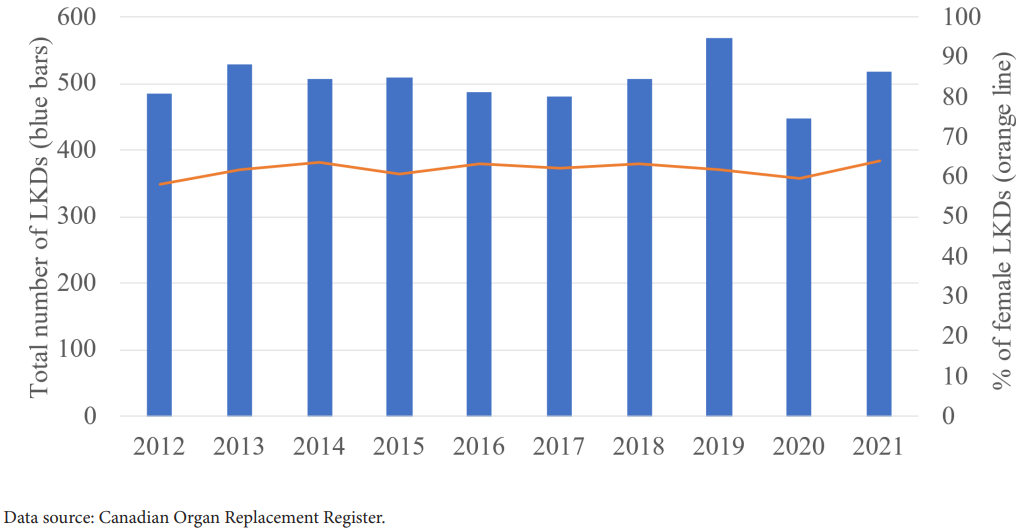
Figure 1. Trends in Living Kidney Donation in Canada Over the Past Decade
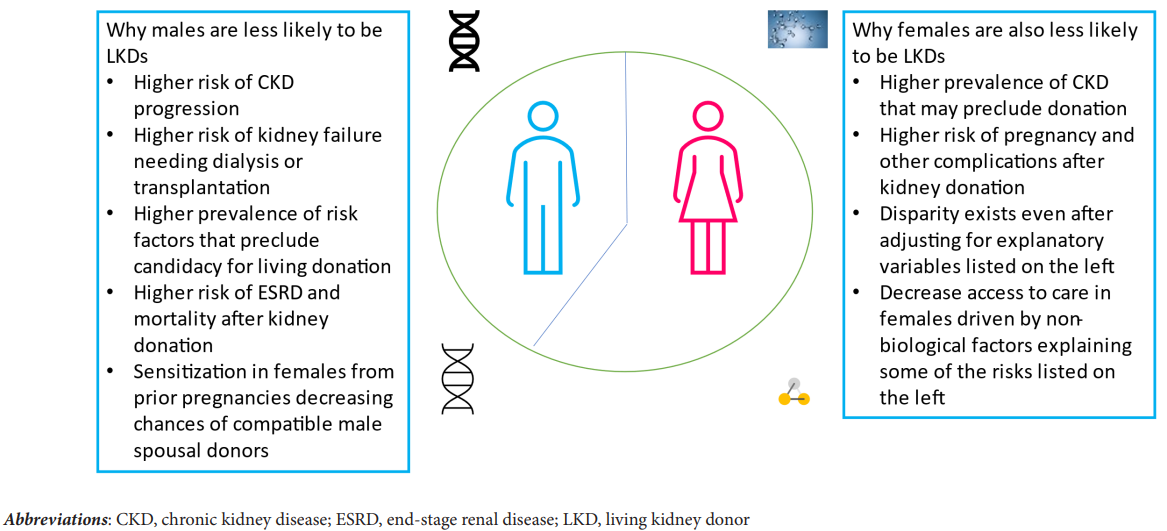
Figure 2. Sex and Medical Factors That Would Make Both Males and Females Less Likely to be Living Kidney Donors
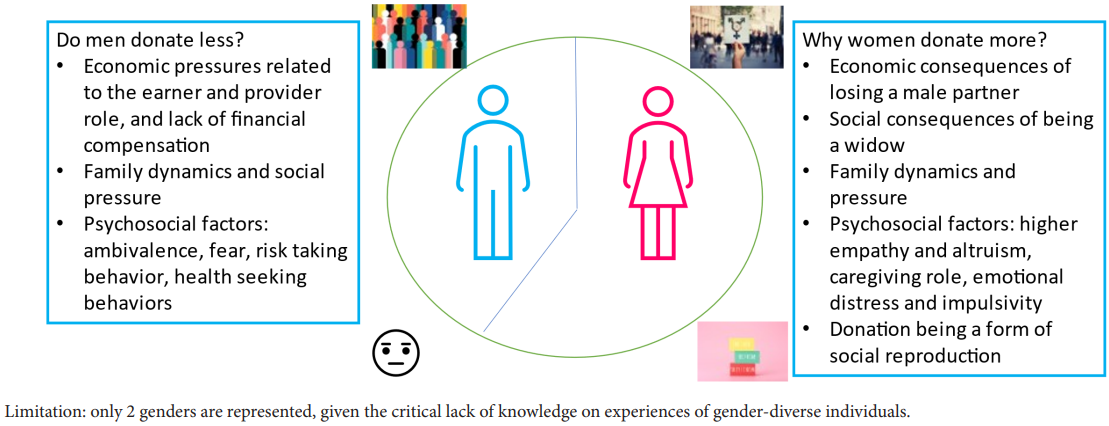
Figure 3. Analyzing Disparity in Living Kidney Donation as a Gender Disparity and Some Thoughts Speculating the Cause of this Disparity