Volume: 22 Issue: 1 January 2024 - Supplement - 1
FULL TEXT
Objectives: Posttransplant anemia might be associated with cardiovascular morbidity and increased mortality. To our knowledge, the debate on anemia correction has neither been revisited nor decided definitively. We aimed to assess the effects of full correction of posttransplant anemia on the cardiovascular system and quality of life among renal transplant recipients with stable graft function who were using erythropoietin-stimulating agents.
Materials and Methods: We enrolled 247 kidney recipients with stable graft function to be assessed for anemia. Eligible patients were randomized to achieve targeted hemoglobin of 11 to 12 g/dL (group 1, n = 183) or of 13 to 15 g/dL (group 2, n = 64) with the use of erythropoietin-stimulating agents. Patients underwent monthly clinical and laboratory evaluations of kidney graft function. Quality of life and echocardiography were assessed at study start and at 12 months.
Results: The 2 groups were comparable regarding pretransplant characteristics. In group 2, we observed comparable posttransplant complications (P > .05) but better graft function at 6 months and better cardiac indexes at 1 year of the study (P < .05). At 12 months, quality of life had improved after full correction of posttransplant anemia in the renal transplant recipients who received erythropoietin-stimulating agents.
Conclusions: Full correction of posttransplant anemia in renal transplant recipients was associated with improved quality of life and cardiac indexes without an effect on cardiovascular comorbidity.
Key words : Outcome, Posttransplant anemia, Renal transplant
Introduction
Posttransplant anemia (PTA) affects 10% to 40% of kidney transplant recipients (KTRs) in the first year.1 Transplant recipients have greater prevalence of anemia than the general population with matched glomerular filtration rate, possibly because of the transplant process itself, which may contribute to anemia.2 Anemia requiring transfusions is a risk factor for human leukocyte antigen sensitization. Posttransplant anemia is associated with cardiovascular morbidities, such as left ventricular hypertrophy, reduced systolic function, and even long-term mortality.3-5 Moreover, PTA may also reduce graft survival,6-9 quality of life (QOL), and mental health.10,11 Most anemia resolves by 3 to 6 months after transplant, with restoration of erythropoietin levels. However, its prevalence has also changed with the evolving immunosuppressive practices and use of coadministered medications. Evaluation of anemia requires consideration of both clinical and pharmacological factors, and extrapolation from the general chronic kidney disease population is not necessarily valid.
Recently, a CAPRIT study showed that complete correction of anemia (hemoglobin ≥13.0 g/dL) in KTRs slowed the decline in renal function, prolonged graft survival, and improved QOL. Moreover, target hemoglobin of ≥13.0 g/dL was well tolerated and not associated with an increase in cardiovascular or thrombotic events.5,12 On the other hand, other trials (CHOIR, CREATE, and TREAT trials), which studied patients with chronic kidney disease, demonstrated increased risk of adverse outcomes at higher hemoglobin concentrations and higher erythropoietin-stimulating agent (ESA) dosage.13-15 To our knowledge, the debate of anemia correction has neither been revisited nor decided definitively.
In this study, we aimed to assess the effects of full correction of chronic PTA on the cardiovascular system and QOL in KTRs with stable graft function who had optimized ESA doses.
Materials and Methods
Of 2306 KTRs who had transplant from 1976 to 2014, 280 patients (12%) with anemia and stable graft function were assessed for anemia between 2014 and 2016 at the Hamed Al-Essa Organ Transplant Centre (Kuwait). Intent-to-treat patients were 280 KTRs who presented with anemia (hemoglobin ≤120 g/L in women and ≤130 g/L in men). We enrolled these patients in this prospective randomized controlled trial and used a stratified imbalanced randomization method to categorize patients in a ratio of 3 to 1 into 2 groups. At baseline, the mean hemoglobin level was 105 ± 9g/L in both groups; however, after the screening phase, the mean target hemoglobin was 110 to 120 g/L in group 1 (n = 210) and 130 to 150 g/L in group 2 (n = 70). We excluded 33 patients (27 in group 1 and 6 in group 2) during the screening phase. Thus, 247 patients (183 in group 1 and 64 in group 2) completed the study.
Study design
The study was performed according to the Declaration of Helsinki guidelines, and written informed consent was obtained from each patient. This study was approved by the ethical committee of the Ministry of Health of Kuwait and the Joint Committee for the Protection of Human Subjects in Research with reference number VDR/JC/81 and was registered as a clinical trial.
Inclusion and exclusion criteria
After patients provided informed consent, adult KTRs (≥21 y) with stable maintenance subcutaneous ESA therapy with constant dose interval during the last 2 months, hemoglobin ≥110 g/L, transferrin saturation (TSAT) ≥20%, and serum ferritin ≥100 ng/mL were enrolled.
We excluded patients with medical conditions that may interact with hemoglobin levels during the study, such as acute or chronic bleeding, erythrocyte transfusion within the previous 8 weeks, change in hemoglobin level ≥2 g/dL during the screening phase, hemolytic anemia, recent infection or rejection, diastolic blood pressure >100 mm Hg, discontinuation of ESA due to hypertension in the 6 months before study start, vitamin B12 or folic acid deficiency, uncontrolled or secondary hyperparathyroidism, acute or chronic systemic inflammatory disease and/or C-reactive protein (CRP) >30 mg/L, hemodialysis because of failure of a kidney transplant, and malignancy.
Medications and intervention
The target hemoglobin level in both groups was achieved by use of either darbepoetin-α once weekly or once every 2 weeks (subcutaneously) or equivalent dosage of monthly (subcutaneously) continuous erythropoiesis receptor activator (CERA), with dosage adjusted during the titration and evaluation phase.16
Patient evaluation
All patients were evaluated monthly in the outpatient clinic with history and medical examination and laboratory investigations that included hemoglobin, hemoglobin electrophoresis, iron-ferritin, TSAT, prothrombin time, vitamin B12, folic acid levels, parathormone, CRP, erythrocyte sedimentation rate, serum creatinine, creatinine clearance, liver function tests, calcium/phosphorous, fasting plasma sugar, urinary protein (g/24 h), immunosuppressive drug levels, and viral profile (cytomegalovirus, Epstein-Barr virus, parvovirus). Patients underwent QOL assessment with the Outcomes Study 36-Item Short-Form Health Survey questionnaire17 and Kidney Transplant Questionnaire-25 questionnaire.18 We analyzed changes between baseline and month 12.
The 2 QOL questionnaires were translated into Arabic and were tested through a pilot study conducted to obtain a preliminary understanding about the developed tool. The interview schedule was tested on 30 volunteer KTRs who had been transplanted more than 6 months before and were selected by convenience sampling.
Outcome
The primary outcome of the study was variation in estimated glomerular filtration rate (eGFR; measured by the Cockcroft-Gault formula) between the time of enrollment in the study and after 12 months. Secondary outcomes included chronic graft failure, major cardiovascular events (including myocardial infarction, revascularization, stroke, and acute coronary syndrome), and all-cause mortality between the 2 groups at the end of 12 months.
Statistical analyses
We used SPSS software version 20 for statistical analyses. Results are presented as mean ± SD or as number (%) when appropriate. We calculated by the method of covariance that we would need a sample size of ≥65 patients in each group to show a difference of 15% in the primary endpoint with a type I error set at 5% in a bilateral approach, a type II error set at 10%, and a dropout or lost to follow-up rate of 10%. For comparison of quantitative parameters, we used t tests. For comparison of qualitative parameters, we used chi-square or the Fisher exact test. Statistical signi?cance was indicated by a 2-tailed test, with P < .05 considered significant.
Results
Our 2 groups had comparable demographics. Groups had comparable mean age, blood type, dialysis modality, and pretransplant comorbidities. Group 2 had greater prevalence of chronic glomerulonephritis, and group 2 had greater prevalence of diabetic nephropathy. Most patients were maintained on mycophenolate mofetil (94.1%) and cyclosporine (60.3%), and 32.4% of patients used tacrolimus (not significant between groups) (Table 1). Moreover, mean dose of antiproliferative agents was comparable between the 2 groups. In patients with hypertension, treatment with angiotensin-converting enzyme inhibitors or angiotensin II receptor blockers was comparable between the groups, with no difference in the number of antihypertensive medications.
For induction, lymphocyte-depleting agents were the most common; most patients were maintained on cyclosporine-based immunosuppression after immediate graft function (P > .05) (Table 1).
Groups were comparable regarding mean serum B12, folic acid, iron, TSAT, ferritin, parathormone, and CRP levels (Table 1). At start of the study, mean hemoglobin level was 112.15 ± 13.4 g/L in group 1 and 121.3 ± 13.44 g/L in group 2 (P < .001) and remained signi?cantly higher in group 2 at different time intervals along the study. At month 3, levels approached 130 g /L in group 1 compared with group 1, which was nearly above 110 g/L (Figure 1B) (P < .05). Patients in group 1 received higher doses of CERA after month 6 compared with patients in group 2, possibly because of higher prevalence of recurrent urinary tract infections in group 1 (P > .05).
We found no significant difference between the 2 groups concerning posttransplant diabetes, BK viremia, malignancies, or cardiovascular events like transient ischemic attacks, cerebral stroke, acute coronary syndrome, coronary intervention by coronary artery bypass surgery or erythropoietin procalcitonin angiography, uncontrolled hypertension, heart failure, and arrhythmias (P > .05).
The mean number of biopsy-proven acute graft rejection episodes was comparable between groups (P > .05). Despite the comparable graft function at the start of the study (eGFR was 68.7 ± 30.3 and 67.7 ± 31.8 mL/min/1.73 m2 in group 1 and 2, respectively), men in group 2 had better graft function at 12 months (P < .05) (Table 1). At 1 year, the mean eGFR decreased by 22.9 versus 10.3 mL/min/1.73 m2 in men in group 1 and group 2, respectively (P < .001), but this decline was not significant among women in both groups.
After 12 months, 33 patients (18%) in group 1 and 10 patients (15.6%) in group 2 reached end-stage kidney disease (P = .662) due to chronic allograft nephropathy (30 cases in group 1 vs 10 cases in group 2); the remaining 3 patients in group 1 had graft failure as a result of graft artery stenosis, BK viral nephropathy, and late acute rejection. Patients in group 2 had better outcomes (5 non-cardiovascular-related mortalities, 2.7% in group 1 vs 0% in group 2; P = .18).
Despite significantly higher mean systolic blood pressure in group 1 at the end of the study (P = .003), blood pressure readings and the number of antihypertensive agents were comparable at different time intervals (Table 2). In both groups, we observed comparable mean ejection fraction and fraction shortening and a significant reduction in the left ventricle internal dimensions after 1 year; however, only group 1 patients showed a significant increase in left ventricle mass and left ventricle mass index (P < .05) (Table 3). Table 3 also lists comparable echocardiographic findings in the 2 groups at baseline and at 1 year.
During follow-up, group 2 showed improved QOL for physical features, anxiety, general mood, and physical activity. However, posttransplant mean score percentage of physical features, weakness, anxiety about the future kidney graft, general appearance, and general mood were comparable in both groups (P > .05) (Table 4). Group 1 had higher posttransplant mean percent score of physical features and higher pretransplant percent score of anxiety about kidney graft (P = .042 and P < .001, respectively).
Discussion
Anemia is common after kidney transplant and is associated with poor graft outcome, increased mortality, and increased morbidity.2,7 An attempt to correct pretransplant anemia with ESA may improve long-term outcomes.11 However, so far to our knowledge, no consensus has been reached regarding the hemoglobin cut-off value during the management of anemia before and after transplant.5,12-16
The high prevalence of PTA among our female patients was matched with that reported by Schonder and colleagues and Gafter-Gvili and colleagues who noted that female sex was significantly associated with early PTA.12,19 This could be explained by menstruation-related blood losses in addition to declining renal function, surgical blood loss, repeated blood sampling, failed erythropoietin synthesis, and the use of immunosuppressants.5,9
Besarab and colleagues terminated their trial because of the strong trend toward increased mortality, nonfatal myocardial infarction, and even significantly higher rates of vascular access thrombosis in those assigned to a higher hematocrit target (hazard ratio 1.3; 95% CI, 0.9-1.9).20 Conversely, complete correction of anemia (hemoglobin ≥130 g/L) in KTRs reduced progression of chronic allograft nephropathy and was well tolerated without an increase in the number of cardiovascular or thrombotic events.5 Our results showed that correction of PTA had beneficial effects on the graft, QOL, and the cardiovascular system without any added deleterious effects that were mentioned in the CHOIR study, possibly because of the difference in the study population and design.13 It was not clear whether the negative effects of complete correction of anemia were due primarily to high hemoglobin levels per se or excessive ESA doses or both.
Heinze and colleagues in their observational trial in KTRs showed that increasing hemoglobin concentrations to >140 g/L with erythropoietin was significantly associated with an increase in mortality.21,22 The discrepancy between our results (with mean hemoglobin 130g/L) compared with previous study results could be explained by the difference in the design and population characteristics.
Recent data have suggested strong associations between anemia and graft failure and mortality in KTRs.1,7,8 Incidence of chronic allograft nephropathy has been shown to be high in patients with anemia.7 Use of nephroprotective strategies is an important step to improved renal allograft survival. Tissues subjected to ischemia activate various stress responses, especially apoptosis, ?brogenesis, and in?ammation, eventually leading to irreversible tissue damage.23 The underlying mechanism by which correction of anemia with ESAs preserves renal function is unclear.5
At 12-month follow-up in our study, male patients in group 1 had significantly lower graft function than those in group 2 (Table 2), although this had no significant effect on graft outcome, possibly because of the short follow-up duration. The rate of decline of graft function was also significantly higher in group 1. Five patients in group 1 died (3 from sepsis, 1 at home, and 1 from heart failure secondary to prosthetic aortic valve dysfunction). Kamar and Rostaing24 also showed that PTA at 1-year posttransplant was harmful in the long term to both graft and patient survival. Therefore, nephroprotection by anemia correction with ESAs supported this issue, with possible tissue-protective effect of ESAs. Hypoxia promotes inflammation, apoptosis, epithelial to mesenchymal conversion, and eventually fibrosis.22-25 Despite the beneficial effects of anemia correction, supported by experimental and clinical data,26-28 our results question the nephroprotective effects of ESAs.
Our 2 groups had similar mean serum B12, folic acid, serum iron, TSAT, parathormone, erythrocyte sedimentation rate, CRP, and ferritin levels (P > .05), although group 1 had relatively higher dose of ESA with no significant positive effect on graft function. However, group 1 had relatively higher prevalence of recurrent urinary tract infections and associated lower mean plasma albumin (Figure 1C). The 2 groups had comparable graft outcomes (Table 2) (P = .662), which may again criticize the nephroprotective effect of ESAs. We agreed with the CAPRIT study5 that these short-term results may be the consequence of an increase in intrarenal hemodynamics, which need confirmation by histologic data. Increased follow-up duration could help to better characterize the tissue-protective properties of ESAs under calcineurin inhibition.
Posttransplant anemia might induce cardiovascular changes due to increased preload, decreased afterload, positive chronotropic effects, and changes in cardiac geometry.7,28-32 Echocardiography is a noninvasive imaging tool that can assess the left ventricular function indexes,30 including left ventricle diameter, left ventricular mass index, stroke volume, and cardiac index,32,33 which are affected in patients with anemia.29
Our 2 groups had comparable cardiovascular events (transient ischemic attacks, stroke, acute coronary syndrome), heart failure, and arrhythmias (P > .05), which matched with the results of the CAPRIT study5 but differed from both the CHOIR and TREAT studies, which reported increased risk of adverse outcomes at higher hemoglobin concentrations and higher ESA dosage.13-15,33 This difference may be because of differences in the study design and population. However, the observed significant systolic hypertension (P < .05), and higher doses of ESAs received by patients in group 1, could be due to increased expression and function of transient receptor potential canonical-5 hypothesized by Liu and colleagues to explain erythropoietin-induced hypertension.34
Song and colleagues reported that PTA is usually associated with chronic fatigue, reduced exercise capacity, cognitive decline, and impairment in QOL.9 Our study revealed improved QOL in the higher hemoglobin group, as found in the CHOIR study13 without increased risk of end-stage kidney disease,37 with the CREATE study14 without increased risk of seizures, and the CAPRIT study5 but with mild systolic hypertension in the low hemoglobin group. Moreover, our findings were not in accordance with the TREAT study,15 which showed an increased risk of stroke with no change in QOL.
Darbepoetin therapy can result in cancer-related mortality.38-40 However, patient outcomes in our study at 1 year was better in group 2 (5 mortalities in group 1 vs 0 in group 2; P = .18). None of the deaths were from cardiovascular events.
Study limitations
Our study had several limitations, including short duration of follow-up and relatively small size of the cohort.
Conclusions
Full correction of PTA in KTRs was associated with improved QOL and cardiac indexes without an adverse effect on the cardiovascular comorbidity.
References:
- Arias M, Hernandez D, Guirado L, et al. Clinical profile and post-transplant anaemia in renal transplant recipients restarting dialysis after a failed graft: changing trends between 2001 and 2009. Clin Kidney J. 2013;6(2):156-163. doi:10.1093/ckj/sfs181
CrossRef - PubMed - Jones H, Talwar M, Nogueira JM, et al. Anemia after kidney transplantation; its prevalence, risk factors, and independent association with graft and patient survival: a time-varying analysis. Transplantation. 2012;93(9):923-928. doi:10.1097/TP.0b013e31824b36fa
CrossRef - PubMed - Schechter A, Gafter-Gvili A, Shepshelovich D, et al. Post renal transplant anemia: severity, causes and their association with graft and patient survival. BMC Nephrol. 2019;20(1):51. doi:10.1186/s12882-019-1244-y
CrossRef - PubMed - Zheng S, Coyne DW, Joist H, et al. Iron deficiency anemia and iron losses after renal transplantation. Transpl Int. 2009;22(4):434-440. doi:10.1111/j.1432-2277.2008.00814.x
CrossRef - PubMed - Choukroun G, Kamar N, Dussol B, et al. Correction of postkidney transplant anemia reduces progression of allograft nephropathy. J Am Soc Nephrol. 2012;23(2):360-368. doi:10.1681/ASN.2011060546
CrossRef - PubMed - Martinez F, Kamar N, Pallet N, et al. High dose epoetin beta in the first weeks following renal transplantation and delayed graft function: results of the Neo-PDGF study. Am J Transplant. 2010;10(7):1695-1700. doi:10.1111/j.1600-6143.2010.03142.x
CrossRef - PubMed - Ferreira S, Aguilar S, Sandes AR, Rodrigues T, Simão C, Almeida M. Anaemia in the first year after paediatric renal transplant. Port J Nephrol Hypert. 2014;28(2):142-148.
CrossRef - PubMed - Molnar MZ, Mucsi I, Macdougall IC, et al. Prevalence and management of anaemia in renal transplant recipients: data from ten European centres. Nephron Clin Pract. 2011;117(2):c127-134. doi:10.1159/000319660
CrossRef - PubMed - Song T, Wang L, He S, et al. The pre-transplant anemic condition is independent of long-term outcome in living-related kidney transplantation. Ren Fail. 2014;36(5):673-677. doi:10.3109/0886022X.2014.883932
CrossRef - PubMed - Wu Z, Guo J, Liao L, Wu W, Yang S, Tan J. Prevalence and management of post-transplant anemia in long-term follow-up of Chinese kidney transplant recipients: a single-center report. Eur J Med Res. 2013;18(1):45. doi:10.1186/2047-783X-18-45
CrossRef - PubMed - Kawada N, Moriyama T, Ichimaru N, et al. Negative effects of anemia on quality of life and its improvement by complete correction of anemia by administration of recombinant human erythropoietin in posttransplant patients. Clin Exp Nephrol. 2009;13(4):355-360. doi:10.1007/s10157-009-0170-x
CrossRef - PubMed - Schonder KS, Corman SL, Hung WY. Early risk factors for persistent anemia after kidney transplantation. Pharmacotherapy. 2010;30(12):1214-1220. doi:10.1592/phco.30.12.1214
CrossRef - PubMed - Singh AK, Szczech L, Tang KL, et al. Correction of anemia with epoetin alfa in chronic kidney disease. N Engl J Med. 2006;355(20):2085-2098. doi:10.1056/NEJMoa065485
CrossRef - PubMed - Drueke TB, Locatelli F, Clyne N, et al. Normalization of hemoglobin level in patients with chronic kidney disease and anemia. N Engl J Med. 2006;355(20):2071-2084. doi:10.1056/NEJMoa062276
CrossRef - PubMed - Pfeffer MA, Burdmann EA, Chen CY, et al. A trial of darbepoetin alfa in type 2 diabetes and chronic kidney disease. N Engl J Med. 2009;361(21):2019-2032. doi:10.1056/NEJMoa0907845
CrossRef - PubMed - McMurray JJ, Parfrey PS, Adamson JW, et al. Kidney Disease: Improving Global Outcomes (KDIGO) anemia work group. KDIGO clinical practice guideline for anemia in chronic kidney disease. Kidney Int Suppl. 2012;2(4):279-335. doi:10.1038/kisup.2012.37
CrossRef - PubMed - Ware JE, Gandek B. Overview of the SF-36 health survey and the International Quality of Life Assessment (IQOLA) project. J Clin Epidemiol. 1998;51: 903-912.
CrossRef - PubMed - Alonso J, Prieto L, Anto JM. La version española del SF-36 Health Survey (Cuestionario de salud SF-36): un instrumento para la medida de los resultados cl?nicos. Med Clin 1995;104: 771-776.
CrossRef - PubMed - Gafter-Gvili A, Ayalon-Dangur I, Cooper L, et al. Posttransplantation anemia in kidney transplant recipients: A retrospective cohort study. Medicine (Baltimore). 2017;96(32):e7735. doi:10.1097/MD.0000000000007735
CrossRef - PubMed - Besarab A, Bolton WK, Browne JK, et al. The effects of normal as compared with low hematocrit values in patients with cardiac disease who are receiving hemodialysis and epoetin. N Engl J Med. 1998;339(9):584-590. doi:10.1056/NEJM199808273390903
CrossRef - PubMed - Heinze G, Kainz A, Horl WH, Oberbauer R. Mortality in renal transplant recipients given erythropoietins to increase haemoglobin concentration: cohort study. BMJ. 2009;339:b4018. doi:10.1136/bmj.b4018
CrossRef - PubMed - Zeisberg M, Neilson EG. Mechanisms of tubulointerstitial fibrosis. J Am Soc Nephrol. 2010;21(11):1819-1834. doi:10.1681/ASN.2010080793
CrossRef - PubMed - Bohlius J, Schmidlin K, Brillant C, et al. Recombinant human erythropoiesis-stimulating agents and mortality in patients with cancer: a meta-analysis of randomised trials. Lancet. 2009;373(9674):1532-1542. doi:10.1016/S0140-6736(09)60502-X
CrossRef - PubMed - Kamar N, Rostaing L. Negative impact of one-year anemia on long-term patient and graft survival in kidney transplant patients receiving calcineurin inhibitors and mycophenolate mofetil. Transplantation. 2008;85(8):1120-1124. doi:10.1097/TP.0b013e31816a8a1f
CrossRef - PubMed - Deicher R, Horl WH. Anaemia as a risk factor for the progression of chronic kidney disease. Curr Opin Nephrol Hypertens. 2003;12(2):139-143. doi:10.1097/00041552-200303000-00003
CrossRef - PubMed - Diskin CJ, Stokes TJ, Dansby LM, Radcliff L, Carter TB. Beyond anemia: the clinical impact of the physiologic effects of erythropoietin. Semin Dial. 2008;21(5):447-454. doi:10.1111/j.1525-139X.2008.00443.x
CrossRef - PubMed - Keithi-Reddy SR, Addabbo F, Patel TV, Mittal BV, Goligorsky MS, Singh AK. Association of anemia and erythropoiesis stimulating agents with inflammatory biomarkers in chronic kidney disease. Kidney Int. 2008;74(6):782-790. doi:10.1038/ki.2008.245
CrossRef - PubMed - Al-Otaibi T, Gheith O, Halim MA, et al. Long-acting erythropoietin stimulating agents for persistent anemia after kidney transplant: risk factors and outcome. Exp Clin Transplant. 2014;12(3):220-226.
CrossRef - PubMed - Qushnood F, Sultana Z. An echocardiographic study of left ventricular function disturbances in chronic severe anemia. Int J Curr Res. 2014;6(3):5753-5756.
CrossRef - PubMed - Qushnood F, Rebello CR, Dhundasi SA, Das K. Left ventricular wall stress in severe anemia: an echocardiographic study. Int J Health Sc Res. 2014;4(6):71-76.
CrossRef - PubMed - Jothi C, Umarani R, Baburaj K. Echocardiography in severe anemia. Int J Modn Res Revs. 2015;3(9):776-778.
CrossRef - PubMed - Kim YR, Pyun WB, Shin GJ. Relation of anemia to echocardiographically estimated left ventricular filling pressure in hypertensive patients over 50 year-old. J Cardiovasc Ultrasound. 2010;18(3):86-90. doi:10.4250/jcu.2010.18.3.86
CrossRef - PubMed - Cho IJ, Mun YC, Kwon KH, Shin GJ. Effect of anemia correction on left ventricular structure and filling pressure in anemic patients without overt heart disease. Korean J Intern Med. 2014;29(4):445-453. doi:10.3904/kjim.2014.29.4.445
CrossRef - PubMed - Liu Y, Xu Y, Thilo F, et al. Erythropoietin increases expression and function of transient receptor potential canonical 5 channels. Hypertension. 2011;58(2):317-324. doi:10.1161/HYPERTENSIONAHA.111.173690
CrossRef - PubMed - Jasminka D, Rasic S, Rebic D, Uncanin S. Role of hypertension and anaemia in left ventricular remodelling in patient with renal allograft in the first post-transplant year. Mater Sociomed. 2015;27(2):104-107. doi:10.5455/msm.2015.27.104-107
CrossRef - PubMed - Sklar AH, Narsipur S. Effects of normal as compared with low hematocrit values in patients with cardiac disease undergoing hemodialysis and receiving epoetin. N Engl J Med. 1998;339(27):2023. doi:10.1056/NEJM199812313392713
CrossRef - PubMed - Streja E, Kovesdy CP, Greenland S, et al. Erythropoietin, iron depletion, and relative thrombocytosis: a possible explanation for hemoglobin-survival paradox in hemodialysis. Am J Kidney Dis. 2008;52(4):727-736. doi:10.1053/j.ajkd.2008.05.029
CrossRef - PubMed - Kalantar-Zadeh K, Regidor DL, McAllister CJ, Michael B, Warnock DG. Time-dependent associations between iron and mortality in hemodialysis patients. J Am Soc Nephrol. 2005;16(10):3070-3080. doi:10.1681/ASN.2005040423
CrossRef - PubMed - Hung SC, Tarng DC. Bone marrow iron in CKD: correlation with functional iron deficiency. Am J Kidney Dis. 2010;55(4):617-621. doi:10.1053/j.ajkd.2009.12.027
CrossRef - PubMed - Vogel J, Gassmann M. Erythropoietic and non-erythropoietic functions of erythropoietin in mouse models. J Physiol. 2011;589(Pt 6):1259-1264. doi:10.1113/jphysiol.2010.196147
CrossRef - PubMed

Volume : 22
Issue : 1
Pages : 323 - 331
DOI : 10.6002/ect.MESOT2023.P112
From the 1Hamed Alessa Organ transplant center, Kuwait, Kuwait; and the 2Urology and Nephrology Center, Mansoura University, Egypt
Acknowledgements: The authors have not received any funding or grants in support of the presented research or for the preparation of this work and have no declarations of potential conflicts of interest. The authors acknowledge our nursing staff in the out-patient clinic, especially Bency Baby, Sijy Paul, and Sherin Mohammed for their extraordinary work during the follow-up of our patients in this study.
Author contributions: The authors have not received any funding or grants in support of the presented research or for the preparation of this work and have no declarations of potential conflicts of interest.
Corresponding author: Osama Ashry Gheith, Urology and Nephrology Center, Mansoura University, Egypt; working in Hamed Alessa Organ Transplant Center, Ministry of Health, Ibn Sina Hospital, PO Box 25427, Safat 13115, Kuwait
Phone: +96 566641967
E-mail: ogheith@yahoo.com
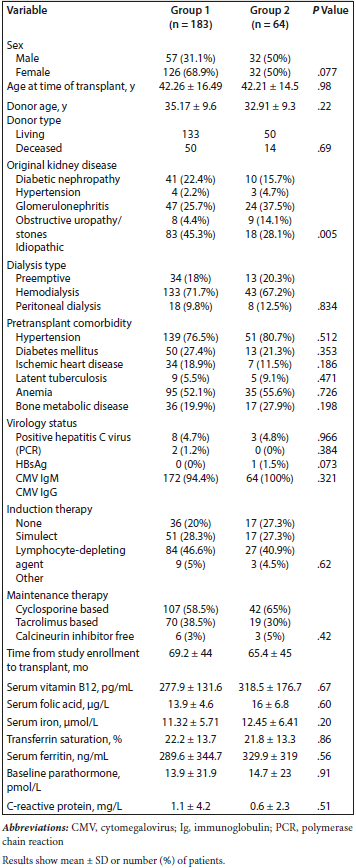
Table 1. Demographics of Patients in Both Study Groups
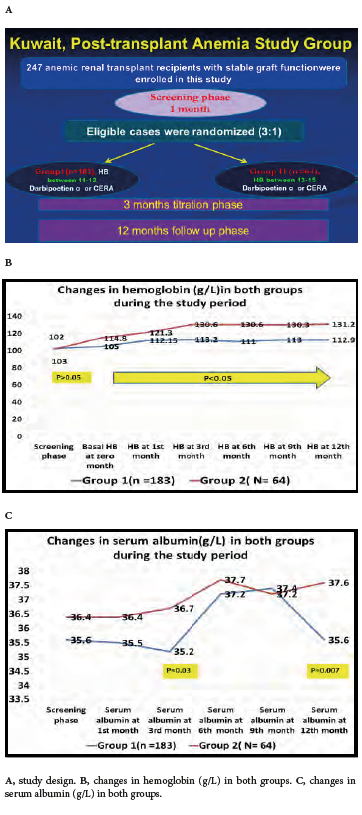
Figure 1. Design and Results Over the Study Period
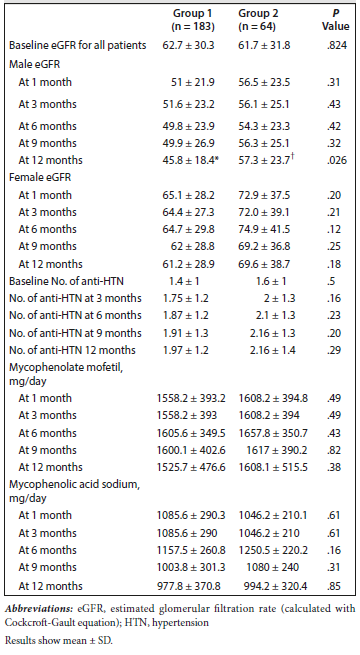
Table 2. Follow-Up of Graft Function in Study Groups
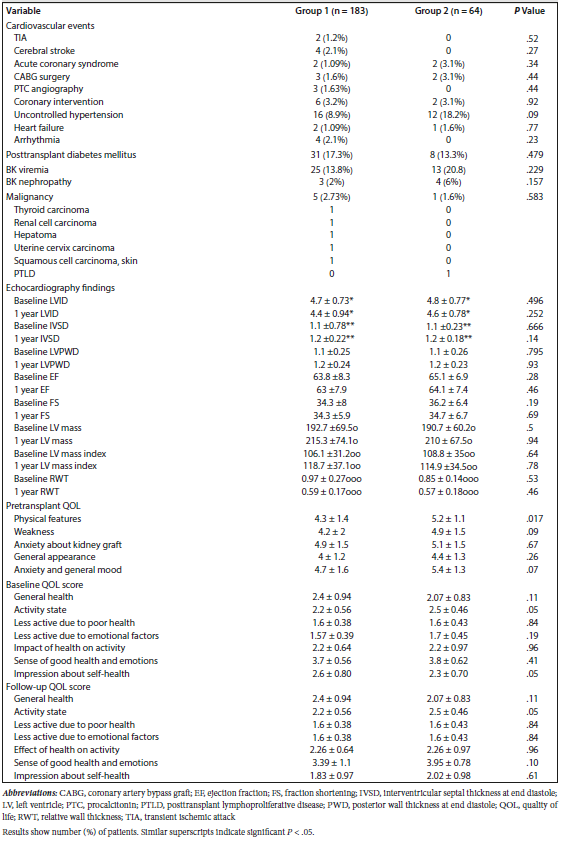
Table 3. Patient and Graft Outcomes, Including Medical Events, During the Study Period
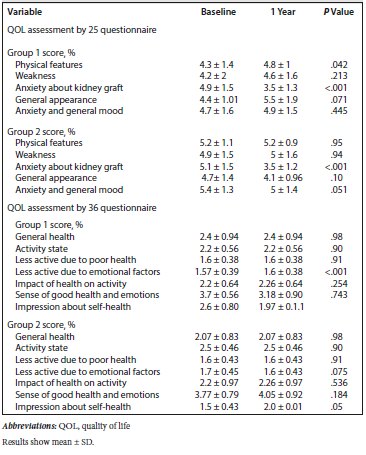
Table 4. Comparison Between Quality of Life Parameters at Baseline Versus at 1 Year in Study Groups