Volume: 22 Issue: 1 January 2024 - Supplement - 1
FULL TEXT
Objectives: COVID-19, which began in Wuhan, China, in December 2019, has caused a large global pandemic and poses a serious threat to public health. As of March 20, 2023, over 13 billion COVID-19 vaccine doses had been administered worldwide, with the United States accounting for almost 672 million of total administered vaccine doses. Some COVID-19 patients experience sudden and rapid deterioration with onset of fatal cytokine storm syndrome, which increased interest in the mechanisms, diagnosis, and therapy of cytokine storm syndrome. Although the prototypic concept of cytokine storm syndrome was first proposed 116 years ago, we have only begun to study and understand it over the past 30 years. Clinical data suggest that Th1, Th2, and Th3 and macrophage origin cytokines have effects on cytokine storm syndrome. We aimed to study the effects of cytokine gene polymorphisms in cytokine storm syndrome mechanisms and progression of COVID-19 among kidney transplant recipients.
Materials and Methods: We screened 309 patients who had undergone kidney transplant at the Hamad Al Essa organ transplant center. From February 2020 through February 2022, 64 patients (20.7%) developed COVID-19 infection. Patient blood samples were screened for the key Th1, Th2, Th3, and macrophage cytokines gene polymorphisms.
Results: We observed that only transforming growth factor-β C (+869) T codon 10, but not interferon-γ T (+874) A, interleukin 6 G (-174) C, and interleukin 4C (-490) T, was significantly associated with progression of COVID-19 and cytokine storm syndrome mechanisms (P < 0.001).
Conclusions: Our finding can be a profoundly important factor in the initiation of cytokine storm syndrome and progress of COVID-19.
Key words : COVID-19, Interferon-γ, Interleukin 4, Interleukin 6, T helper cells
Introduction
Coronavirus disease 2019 (COVID-19), a rapidly spreading respiratory illness caused by the severe acute respiratory syndrome (SARS) coronavirus 2 (SARS-CoV-2) virus,1 constitutes a global health emergency. Notably, immune responses activated by the coronavirus, including adaptive immune responses in the earlier and asymptomatic stages, prevent further disease progression. The immune status of patients plays a pivotal role in predicting their prognosis. Patients with immunodeficiency or aberrant immunity may promote viral replication and subsequent tissue damage with multiple organ failures. At the other end of the spectrum, overactive immune responses are correlated with immunopathological conditions and further tissue destruction.
During the early phases of the COVID-19 pandemic, solid-organ transplant patients experienced high morbidity and mortality. In the United States, approximately 75% of solid-organ transplant recipients diagnosed with COVID-19 required hospital admission. Of these, close to 40% required intensive care, close to 30% required mechanical ventilation, and 25% required vasopressor support.2 Mortality rates among hospitalized patients in large cohorts of solid-organ transplant recipients with COVID-19 have ranged from 20% to 32%.2,3 Although these outcomes are grave, mortality appears to be similar to the hospitalized general population cohorts during the same time period.4 In fact, 1 study found significantly lower mortality among liver transplant recipients than in a matched comparison cohort.5 More recently, morbidity and mortality from COVID-19 appear to be declining in the general population, possibly due to increased testing and identification of mild cases, the changing epidemiology with a higher proportion of young patients with fewer comorbidities, improvements in management, or resource availability.5
During the virulent stage of the disease, among 104 kidney transplants confirmed as COVID-19 positive by polymerase chain reaction test, all transplant recipients were symptomatic. Eighty-two recipients (78.8%) required hospital admission, with 31 of these recipients (37.8%) needing active care in the intensive care unit (ICU) and 13 among the patients in the ICU requiring invasive ventilation. The explanation for this was home management of mild cases with telecommunication for symptom progression with tailoring of immunosuppressive agents to prevent uncontrolled cytokine release. For hospitalized patients, relatively younger age, sensible reduction in immunosuppressive drugs (depending on clinical progression), early anticoagulation, and prompt therapy of cobacterial infections might be reasons for favorable outcomes. However, acute kidney injury was observed in a considerable percentage of patients who needed hospitalization, with the worst prognostic factor being the need for ventilation.6
Although there are several global and national measures to prevent the rapid transmission of infection, COVID-19 pandemic did not decelerate because of several factors, including variations in the genetic background and host defense mechanisms among populations.7
The pathogenesis of COVID-19 harbors an effective inflammatory response, triggering a complex group of mediators, including interleukins.8 In the course of the disease, excessive production of proinflammatory cytokines results in a cytokine storm, which is responsible for the severe progression of the disease and acute injury to organs. SARS-CoV-2 can rapidly activate pathogenic T helper cell type 1 (Th1) promoter cells to secrete proinflammatory cytokines, including interferon-gamma (IFN-γ), the T helper type 2 (Th2) promoter cytokine interleukin (IL-4), and the T helper 3 (Th3) transforming growth factor-β (TGF-β) and by macrophages derived from the cytokine IL-6. Patients with COVID-19 have been shown to have high IL-6, IFN-γ, TGF-β, and IL-4 levels and low CD4+ T cell and CD8+ T cell levels associated with the disease severity.5 Some studies have also shown that patients with severe COVID-19 have higher levels of IL-4, IL-6, IFN-γ, and TGF-β1 than patients with mild and moderate infections.8,9 Interleukin 6 levels were found to be increased in COVID-19 patients hospitalized in the ICU compared with control patients.9 Therefore, these key inflammatory factors in COVID-19 have paramount importance in our understanding of cytokine storm-related mortality in severe cases.10
Genetic polymorphisms implicated in the understanding of the basis of diseases have also allowed for the prevention of the spread of infections and for the development of potentially effective treatments against diseases. Among polymorphisms, a common type is the single nucleotide polymorphism (SNP), which is known to be effective in pathways that play an important role in the attachment of the microbiological agent to the host cell, in the host’s resistance to the diseases, and in susceptibility to disease and severity of diseases.
A growing number of reports have stated that severe symptoms of COVID-19 might be attributed to human genetic variants in genes related to immune deficiency, pneumonia, sepsis, and/or the cytokine storm. Recently, it was reported that the G allele of the rs1800795 locus in the IL-6 gene could act as a protective factor, whereas the A allele of rs1800896 in the IL-10 gene could act as a risk indicator in pneumonia-induced sepsis, as reported in Chinese patients. In addition, these polymorphisms in the IL-6 gene were associated with the clinical stage of sepsis and have crucial effects on the secretion of IL-6 and IFN-γ in patients.10
On the other hand, a report on IL-17 gene polymorphisms in patients with acute respiratory distress syndrome (ARDS) revealed that the 30-day survival rate increased in patients with a genetic polymorphism that resulted in an attenuated IL-17 production, whereas a polymorphism that resulted in the production of more IL-17 correlated with decreased survival.11 Therefore, we hypothesized that SNPs in the TGF-βC (+869) T, IFN- γ T (+874) A, IL-6 G (-174) C, and IL-4C (-490) T genes may participate in the clinical course of COVID-19 infection and in survival or mortality rates due to this infection. Our goal was to evaluate a possible correlation between the common polymorphisms at rs1800796/rs1800795locus of the IL-6 gene, at rs2228145 locus of the IL-6R gene, at rs1800896 and rs1800871 loci of the IL-10gene, at rs2275913 locus of the IL-17A gene, and at rs763780 locus of IL-17F gene and the prevalence of COVID-19 and mortality rates among populations of 23 countries, including Turkey.12,13
The exact molecular mechanisms of COVID-19-mediated pathogenesis are still under investigation. The initial step in viral infection was revealed by the crystal structure of the SARS-CoV-2 spike receptor binding domain,2 which, similar to SARS-CoV,14 binds to the host cell receptor angiotensin-converting enzyme 2 (ACE2). The presence of ACE2 on the cell membrane is crucial for viral virulence, as HeLa cells that lack ACE2 are resistant to SARS-CoV-2 infection.14,15 Structural analysis identified residues in the SARS-CoV-2 spike receptor binding domain that are critical for ACE2 binding. However, no available monoclonal antibodies were able to prevent SARS-CoV-2 from infecting the cells, highlighting unique intrinsic structural features of the SARS-CoV-2 S protein binding domain, including a much higher binding affinity than that of the SARS-CoV S protein.15 In line with this, a more recent study reported that human recombinant soluble ACE2 effectively, but not completely, prevented SARS-CoV-2 infection, suggesting alternative mechanisms for viral entry.16
Angiotensin-converting enzyme 2, crucial for SARS-CoV-2 virulence, is expressed in the upper and the lower respiratory tract, most remarkably on lung alveolar epithelial cells, arterial and venous endothelial cells, enterocytes of the small intestine, and epithelial cells in the kidney. Expression of ACE2 is also detected in the heart, pancreas, testis, and brain.17 Interestingly, expression of ACE2 is not the highest in the upper respiratory tract,17 once again supporting the hypothesis that increased transmissibility of SARS-CoV-2, compared with SARS-CoV, may be attributed to yet to be identified coreceptors or auxiliary factors adopted by SARS-CoV-2.18 In addition, the fact that ACE2 is widely expressed in other tissues and organs explains a broad spectrum of adverse effects not limited just to the lungs. In addition, SARS-CoV-2 was shown to directly infect ACE2-expressing tissue-resident CD169+ macrophages in the spleens and lymph nodes, causing lymph follicle depletion, splenic nodule atrophy, histiocyte hyperplasia, and lymphocyte reduction.2 Thus, viral infection of macrophages can first enhance viral spread and second trigger destructive events in the immune organs, such as the spleen and lymph nodes. Recent data from experiments with SARS-CoV-2 capsid or live virus infection of cultured T cell lines (MT-2 and A3.01) have provided evidence that SARS-CoV-2 could also infect T cells.
After viral replication, assembly, and release, infected cells may undergo apoptosis or necrosis, triggering the inflammatory response with production of proinflammatory cytokines and activation of macrophages and Th1 cells, as well as production of IFN-γ, IL-17A, IL-21, and IL-22 by neutrophils, Th17, and CD8+ cells. In turn, SARS-CoV-2 infection of recruited immune cells may increase their apoptosis and exacerbate lymphocytosis8 and, finally, may lead to life-threatening conditions in some patients, such as respiratory distress syndrome, cytokine storm, and secondary hemophagocytic lymphohistiocytosis, which have been replicating in vertebrates for more than 450 million years.19 This host-pathogen interaction has exerted a selective pressure over time and affected specific allelic frequencies in certain populations to favor a particular genetic variant.
The frequent outbreaks of coronaviruses in China (SARS-CoV-1 in 2003 and the current SARS-CoV-2) raised the possibility that Asian people have unique genetic factors that influence their susceptibility to coronaviruses.20 In addition, the large variations in the COVID-19 clinical manifestation have raised multiple questions on the underlying factors, including host genetics.
Moreover, COVID-19 mortality rates were shown to be variable between different regions, ranging from 0.06% (in Singapore) to 15% (in the United Kingdom). Interestingly, although Qatar has the world’s highest COVID-19 infection rate per million people (38?714 cases/million population), it is one of the countries reporting the lowest severity (1% ICU cases) and mortality rates (0.16%). Although age, health condition, disease management, and health systems contribute to different disease outcomes, there is a strong indication that vulnerability to COVID-19 is influenced by host genetic architecture.13
Functional polymorphisms of the chemokine (C-C motif) ligand 2 (CCL2) gene (rs1024611) was associated with an increased risk of other variants in cytokines encoding genes also linked to SARS outcomes. Specifically, a polymorphism in the IFN-γ gene (rs2430561), which is essential in driving Th1, monocytes, and macrophages responses, showed a dose-dependent increase in the susceptibility to SARS-CoV-1.21 However, IL-4 has been shown to promote and stimulate both T-cell and B-cell differentiation and balances Th1 and Th2 responses, therefore directly affecting infection outcomes.22
An association has been shown between IL-4 polymorphism (rs2070874) and multiple respiratory infections, including SARS-CoV-1.16,23 Levels of IFN-γ are increased in children with COVID-19, although not as high compared with adults with COVID-19, indicating that COVID-19 infection is not severe in children with the disease.24 During SARS-CoV-2 infection-related cytokine storms, IFN-γ irregularities are visible and cell transcripts are seen with overexpression of the COVID-19-related gene.25
Another key T-cell activation cytokine is IL-6, which is macrophage derived. SARS-CoV-1 patients carrying a genetic polymorphism in the ICAM3 gene (rs2304237) showed higher lactate dehydrogenase (LDH) levels, lower white blood cell count, and thus, poorer prognosis.23 Similarly, a SNP (rs4804803) located in the CD209, or the dendritic cell-specific ICAM3-grabbing nonintegrin (DC-SIGN) gene promoter, was associated with high LDH levels in SARS-CoV-1 patients.26
Patients with severe COVID-19 infection have increased risk of ARDS and even mortality as a result of increased levels of proinflammatory cytokines that amplify downstream pathways that are controlled by immune regulators.27,28 The release of large amounts of proinflammatory cytokines include IL-6, IL-1β, IL-10, IL-18, IL-4, IL-33, IFN-γ, and tumor necrosis factor alpha (TNF-α), a condition also known as a cytokine storm.28
Interleukin 6 is an important inflammatory cytokine that is superior to C-reactive protein and other prognostic parameters such as leukopenia, fibrinogen, ferritin, prothrombin time, and D dimer in predicting progression of COVID-19.28-31
The differences in cytokine production among different individuals may be because of SNPs that occur in critical regulatory regions, such as promoters, introns, and the 5?-UTR and 3?-UTR regulatory regions, which may affect the expression level of cytokines; however, genetic polymorphisms in the gene-coding regions can lead to loss or change of function in the expressed proteins.27 Studies have demonstrated that the genetic polymorphisms of the IL-6 gene promoter are associated with serum levels of IL-6 and prevalence, incidence, and/or progression of various diseases, such as type 1 diabetes, new-onset diabetes after transplant (NODAT), sepsis, chronic obstructive pulmonary disease, hepatocellular carcinoma, and other cancers.27,32-36
Interleukin 6 and CXCL-16 could potentially be used as potential biomarkers for monitoring disease progression of COVID-19 patients. A study suggested that specific cytokine gene variants correlate with serum levels of the specific cytokine. These genetic variants could be of assistance in the early identification of patients at high risk of infection on admission to the clinic to improve the care of patients with COVID-19 and other infectious diseases.28
The role of polymorphisms in genes encoding IL-6 in the severity of COVID-19 is unclear. Falahi and colleagues investigated the possible association between genetic polymorphisms at positions G-174C, G-572C, and G-597A of the IL-6 gene promoter and the severity of susceptibility to COVID-19 in a Kurdish population from Kermanshah, Iran.36
This gene encodes for an important C-type lectin that acts as a pathogen receptor. Previous studies demonstrated that CD209 interacts with the spike protein of SARS-CoV-1 and enhances spike pseudo-typed SARS-CoV-1 infection in susceptible cells.16,37
SARS-CoV-2 spread has been shown to depend on the transmembrane serine protease 2 (TMPRSS2) for virus entry.16 Importantly, SARS-CoV-2 is characterized by the acquisition of a S1/S2 multiphasic cleavage site; therefore, other proteases, including furin and cathepsin B/L could substitute TMPRSS2.16,35 Considering that influenza virus entry also utilizes TMPRSS2 for the cleavage of viral hemagglutinin (HA) protein, the genetic association of TMPRSS2 variants and influenza infection was previously investigated. Variants within TMPRSS2 (rs2070788, rs383510) were found to increase TMPRSS2 expression and significantly correlate with influenza A(H1N1) and A(H7N9) susceptibility and severity.38 On the other hand, there was no GWAS on the association between cathepsin B/L (CTSB/CTSL) variants and viral infections, and only 1 GWAS identified a variant (rs4932178, T) in the furin promoter that was linked to furin upregulation in hepatitis B patients.39 Given the similarity between the novel SARS-CoV-2 and SARS-CoV-1, as well as the involvement of different proteases in the SARS-CoV-2 pathogenesis, the frequency of the above-mentioned variants among other populations has been investigated.13,14
The relationships between polymorphisms of the immune genes and the outcome of viral infections have always been a matter of concern. Considering the pivotal role of these genes in viral clearance and immunopathogenesis, polymorphisms in these regions are likely to affect the outcome of an uncharacterized disease like COVID-19 (Table 1 and Table 2). Cytokines are small proteins (~5 to 20 kDa) that are important for cell signaling and include interleukins, chemokines, lymphokines, IFNs, and tumor necrosis factors. In severe cases of SARS-CoV-2 infection, high concentrations of innate inflammatory cytokines, including type I IFNs, TNF-α, IL-6, IL-1β, and some chemokines, including CCL-2, CCL-3, CCL-5, and IP-10, are secreted by epithelial and immune cells.40 This uncontrolled and excessive release of proinflammatory cytokines (ie, cytokine storm) has been observed in patients infected with influenza virus, SARS-CoV, and MERS-CoV.13,14,41 A cytokine storm is characterized by a strong proliferation and hyperactivation of T lymphocytes, overexpression of more than 100 pro-inflammatory genes, and massive endothelial and epithelial cell apoptosis of the lung, which results in alveolar edema, hypoxia and ARDS, and finally, death.13,40 The significant role of this aberrant immune response in severe COVID-19 has inspired the search for antibodies that block proinflammatory cytokines such as IL-6 and IL-17, as well as monocyte recruitment elements.40
The cytokine TGF-β also has a wide range of activities in the body, including the induction of low-grade fever.42 Complications of TGF-β secretion in patients with SARS-CoV-2 infection can include induction of interstitial lung change, increased pulmonary secretion, sputum, dry cough, bronchial asthma, and finally inhibition of normal respiration.43,44 In addition, analyses showed that this cytokine can reduce the recovery of the disease in the body by suppressing and inhibiting immunity in the body.45 During outbreak of SARS-CoV-2 infection, examination of TGF-β titers showed that the serum level of this cytokine increased in patients and in turn, inhibited the activity of the immune system of these patients.46 Activating the bone morphogenetic protein signaling pathway can counteract the effects or complications of TGF-β in patients with COVID-19, such as inflammatory processes, pulmonary fibrosis, and apoptosis.47,48
Here, we examined the effects of cytokine gene polymorphisms in the mechanisms of cytokine storm syndrome (CSS) and the progression of COVID-19 among kidney transplant recipients.
Patients and Methods
Of 356 kidney transplant recipients with NODAT, 154 patients (who developed NODAT after the month 6 posttransplant) agreed to share in the study and were enrolled together with 155 recipients of kidney transplants without diabetes (non-NODAT). All patients were randomly selected from outpatient clinics of Hamed Al-Essa, Organ Transplant Centre of Kuwait. The enrolled patients had received their kidney grafts during the period between 2000 and 2015. Thus, in this retrospective study, 309 kidney transplant recipients were analyzed. Sixty-four participants were infected with COVID-19 during between March 2020 and March 2022 (group 1) and were compared with the remaining patients who did not catch infection (group 2) (Table 1).
Genomic DNA of the participants was collected from peripheral blood, and patients and controls were genotyped and screened for promoter cytokines of Th1, Th2, Th3, and macrophage-origin cytokine gene polymorphisms (Table 2). Details of genotyping have been previously described by us.24 All patients had no history of diabetes before transplant, and kidney function was stable at the time of their enrollment in our study.
Signed informed consent forms were obtained from all participants. The research was conducted in accordance with the principles of the Declaration of Helsinki and Good Clinical Practice guidelines and adhered to local and national regulatory requirements and laws. We excluded pediatric patients, pregnant women, those with estimated glomerular filtration rate above 30 mL/min/m2, and patients with mental retardation.
Immunosuppression protocol
Shortly before the era of COVID_19 pandemic, our immunosuppression protocol consisted of 5 doses of antithymocyte globulin (Sanofi US) for high-risk patients (retransplants, prior pregnancy, blood transfusion, HLA-antibody positive, and/or more than 4 HLA mismatches) or two doses of IL-2 receptor blocker (basiliximab, Novartis) for low-risk patients. Maintenance therapy consisted of prednisolone, mycophenolic mofetil, and a calcineurin inhibitor. We gradually decreased the dose of the calcineurin inhibitor over 12 months, guided by a 12-hour trough level. We kept the cyclosporine A level between 200 and 250 ng/mL during the first month and then between 150 and 200 ng/mL for the following 2 months; in the third month, the cyclosporine A level was maintained at 125 to 150 ng/mL and finally reduced to 75 to 125 ng/mL until the end of the first year. Similarly, we kept tacrolimus trough levels at 8 to 10 ng/mL during the first 3 months and then at 5 to 8 ng/mL thereafter. Maintenance immunosuppression with a sirolimus-based regimen was administered to rejection-free patients with low immunological risk after 3 months posttransplant.
Acute T-cell mediated rejection was treated with intravenous methylprednisolone sodium succinate (Solu-Medrol, 1 g daily for 3 days) and thymoglobulin (1 mg/kg for 7-10 days) for steroid-resistant rejection or high-grade T-cell mediated rejection. Any patient with an episode of acute antibody-mediated rejection was treated with 10 sessions of 1 volume plasma exchange, intravenous immunoglobulin (2 g/kg), and a single dose of rituximab (375 mg/m2). All rejection episodes were biopsy-proven according to Banff criteria. Patients who received thymoglobulin as antirejection therapy were treated with preemptive chemoprophylaxis for both cytomegalovirus (CMV) and Pneumocystis jirovecii pneumonia. Valganciclovir was used as CMV secondary prophylaxis for 1 month, whereas those who developed CMV viremia during this period were given a therapeutic dose for 3 weeks, followed by 3 months of prophylaxis. Trimethoprim was used for 1 month as prophylaxis for and Pneumocystis jirovecii pneumonia.
Patients were monitored daily during their hospital stay and then at each outpatient visit for complete blood picture, serum creatinine, creatinine clearance, liver function tests (bilirubin, liver enzymes, and albumin), and drug levels. We tested CMV DNA by polymerase chain reaction at the time of transplant and at 1, 2, 3, 6, 9, and 12 months posttransplant. Patients with a significant CMV quantitative polymerase chain reaction titer were treated with valganciclovir or intravenous ganciclovir, according to the clinical situation. Treatment was given for 3 weeks, followed by secondary valganciclovir prophylaxis of 900 mg/day for 3 months. Associated infections were recorded if they necessitated hospital admission. Details of patients who developed CMV disease or rejection episodes during the study period were recorded. We have modified the immunosuppression of our COVID-19 positive patients in a previous report. 49
Patient follow-up
Our transplant patients were followed up according to the following schedule: twice weekly for the first month posttransplant, once per week in months 2 and 3, every 2 weeks for months 4 to 6, every 4 weeks for months 6 to 12, and every 1.5 to 2 months thereafter if no complications occurred. Demographic data were collected from the Organ Transplant Centre database with special stress on patient age and sex, donor type and age, immunosuppressive therapy, dialysis type and duration, primary renal disease, details of rejection episodes, and infections, and graft and patient outcomes.
We subcategorized our patients according to the presence or absence of NODAT into 2 cohorts: NODAT cohort (patients who developed diabetes after kidney transplant, n = 154) and the non-NODAT cohort (patients who had not developed diabetes posttransplant, n = 155).
Statistical analyses
Statistical analyses were performed with SPSS software version 26.0 (IBM Corporation). Variables and means were compared using paired sample t test, independent sample t test, chi-square test, the Fisher exact test, and analysis of variance, as appropriate. Results are expressed as means ± standard deviation, and differences were considered significant at P ? .05. Categorical variables were evaluated using chi-square test. Graft and patient survivals were summarized using Kaplan-Meier curves and tested for significance using 2-sided log rank test.
Results
Most of our patients were in the middle age group (41-60 years old) with no significant difference between the 2 groups (P > 0.05). No differences in ethnicity were shown between groups. Most were Kuwaiti (54.6%) with no significant difference between the 2 groups (P = .4). However, most of our patients were males (P = .04) (Table 1). We noticed that the 2 groups were comparable regarding their original kidney disease, dialysis modality, donor type, and type of immunosuppression (both induction and maintenance) (P > .05) (Table 1).
Pretransplant comorbidities were comparable in both groups, especially hypertension, history of exposure to tuberculous bacilli, ischemic heart disease, bone disease, anemia, and hepatitis C virus infection (P > .05). Moreover, the number of patients with positive CMV immunoglobulin G was comparable in the 2 groups (62 vs 239; P = 1.0).
Posttransplant graft function was evaluated, and we found no significant difference between the 2 groups regarding immediate graft function (P = .4). We observed that the mean basal body mass index was comparable in the 2 groups (P = 0.6), but the last body mass index was significantly higher in the group without COVID-19 (31.04 ± 5.05 vs 29.08±5.9; P = .02) (Table 2).
Kidney transplant recipients with BK viremia, BK viral-associated nephropathy, and CMV viremia were comparable in the studied groups (P > 0.05) (Table 2). Moreover, no significant differences were shown between the groups regarding graft and patient outcomes (P > .05). By the end of year 2022, the prevalence of COVID-19 among our enrolled kidney transplant recipients was 20.7% (64 positive cases among 309 patients).
Allele and genotype frequency of all cytokine gene polymorphisms frequencies were meeting the Hardy-Weinberg principle. We analyzed results using SPSS to study the statistical significance of the TGF-β1 C (+869) T, codon 10, IFN- γ T (+874) A, IL-6 G ( -174) C, and IL-4C (-490) T gene polymorphisms with regard to status in cytokine storm of SARS-CoV-2 (Table 2). We found no significant difference between the 2 groups regarding different genotypes of IFN-γ T (+874) A, IL-6 G (-174) C, and IL-4 C (-490) T. However, regarding TGF-β1 C (+869) T, codon 10, the TC genotype was significantly more prevalent among patients with COVID-19 infection (47.7% vs 24.7%) (P < .001), whereas the TT genotype was more prevalent among the group without COVID-19 (52.9% vs 36.5%) (P = .02). Interestingly, the CC genotype was comparable in both groups (Figure 2).
Male patients were prone to get the disease, whereas age at onset did not show any statistical significance (Table 1).
The rate of prevalence of SARS-CoV-2 in Kuwaiti transplants was 21% (Table 3).
Discussion
We compared data obtained from genotyping macrophages Th1, Th2, and Th3 origin cytokine gene polymorphisms that were shown to be effectively interreacting with protein levels in kidney transplant recipients with COVID-19 infection versus recipients with no COVID-19 infection. We found no significant difference between the 2 groups regarding different genotypes of IL-6. This finding coincides with an Iranian study.36
Interleukin 4 is a proinflammatory cytokine that activates its receptor, causing cellular interactions, which has been shown to utilize Janus kinases.24 There are different signaling pathways that play an important role in regulating cell proliferation shown to be activated by IL-4.24 Various important cytokines that may be secreted by proinflammatory monocytes, inhibiting the cytotoxic activity of macrophages, and even producing nitric oxide are inhibited by activation of cytokines.50 We noted no significant association between IL-4 and COVID-19 occurrence in our cohort of patients. This does not mean that IL-4 may not play a role in pathogenesis of COVID-19; however, it might have significant role specially during the beginning of disease onset.
Another important cytokine that can be made and secreted by NK cells and T lymphocytes and plays an important role in the body’s immunity is IFN-γ.22 Interferon-γ is important and vital for the body’s defense against viruses.22 Interferon-γ inhibits the replication of the virus and increases the cytotoxic T lymphocyte killing activity in the body when the virus enters the body.22,24 However, we did not find any significant difference between the 2 groups regarding this cytokine genotyping possibly because of the effect of maintenance immunosuppression.
With regard to TGF-β1 T (+869) C in codon 10, we observed that the TC genotype was significantly more prevalent among COVID-19 infected patients (47.7% vs 24.7%; P = .02), whereas the TT genotype was more prevalent among the negative control group (52.9% vs 36.5%) (P < .001). Interestingly, the CC genotype was comparable in both groups.
Our findings suggest that specific cytokine gene variants correlate with serum levels of the specific cytokine. These genetic variants could be of assistance in the early identification of high-risk patients on admission to the clinic to improve the care of patients with COVID-19 and other infectious diseases.
The genetic association of the above cytokines has been studied in different populations. Variations of genetic susceptibility might explain the severity of the disease in different populations. The cytokine storm is a well-documented phenomenon of SARS-CoV-2. The genetic correlation of IFN-γ, IL-4, TGF-β1, and IL-6 gene polymorphisms with the latter cytokine secretion the genetic drift and epigenetic event might explain this condition.
In short, our latter finding can be a profoundly important factor in the initiation of CSS and the progress of COVID-19. Targeting the TGF-β1 pathway might be of therapeutic value.
References:
- Lai CC, Shih TP, Ko WC, Tang HJ, Hsueh PR. Severe acute respiratory syndrome coronavirus 2 (SARS-CoV-2) and coronavirus disease-2019 (COVID-19): the epidemic and the challenges. Int J Antimicrob Agents. 2020 Mar;55(3):105924. doi:10.1016/j.ijantimicag.2020.105924
CrossRef - PubMed - Xiang Q, Feng Z, Diao B, et al. SARS-CoV-2 Induces lymphocytopenia by promoting inflammation and decimates secondary lymphoid organs. Front Immunol. 2021;12:661052. doi:10.3389/fimmu.2021.661052
CrossRef - PubMed - Manandhar D, Manandhar DN, Chhetri PK, et al. Acute kidney injury in COVID-19 patients admitted at a tertiary care centre: a descriptive cross-sectional study. JNMA J Nepal Med Assoc. 2023;61(257):39-42. doi:10.31729/jnma.7931
CrossRef - PubMed - López-Pérez CA, Santa Cruz-Pavlovich FJ, Montiel-Cortés JE, et al. Risk factors for mortality of hospitalized adult patients with COVID-19 pneumonia: a two-year cohort study in a private tertiary care center in Mexico. Int J Environ Res Public Health. 2023;20(5):4450. doi:10.3390/ijerph20054450
CrossRef - PubMed - Heimbach JK, Taner T. SARS-CoV-2 infection in liver transplant recipients: collaboration in the time of COVID-19. Lancet Gastroenterol Hepatol. 2020;5(11):958-960. doi:10.1016/S2468-1253(20)30293-4
CrossRef - PubMed - AlOtaibi TM, Gheith OA, Abuelmagd MM, et al. Better outcome of COVID-19 positive kidney transplant recipients during the unremitting stage with optimized anticoagulation and immunosuppression. Clin Transplant. 2021;35(6):e14297. doi:10.1111/ctr.14297
CrossRef - PubMed - Ayouni I, Maatoug J, Dhouib W, et al. Effective public health measures to mitigate the spread of COVID-19: a systematic review. BMC Public Health. 2021;21(1):1015. doi:10.1186/s12889-021-11111-1.
CrossRef - PubMed - Darif D, Hammi I, Kihel A, El Idrissi Saik I, Guessous F, Akarid K. The pro-inflammatory cytokines in COVID-19 pathogenesis: what goes wrong? Microb Pathog. 2021;153:104799. doi:10.1016/j.micpath.2021.104799
CrossRef - PubMed - Costela-Ruiz VJ, Illescas-Montes R, Puerta-Puerta JM, Ruiz C, Melguizo-Rodríguez L. SARS-CoV-2 infection: the role of cytokines in COVID-19 disease. Cytokine Growth Factor Rev. 2020;54:62-75. doi:10.1016/j.cytogfr.2020.06.001
CrossRef - PubMed - Wang Y, Perlman S. COVID-19: Inflammatory profile. Annu Rev Med. 2022;73:65-80. doi:10.1146/annurev-med-042220-012417
CrossRef - PubMed - Karcioglu Batur L, Hekim N. Correlation between interleukin gene polymorphisms and current prevalence and mortality rates due to novel coronavirus disease 2019 (COVID-2019) in 23 countries. J Med Virol. 2021;93(10):5853-5863. doi:10.1002/jmv.27127
CrossRef - PubMed - Karcioglu Batur L, Hekim N. Correlation between interleukin gene polymorphisms and current prevalence and mortality rates due to novel coronavirus disease 2019 (COVID-2019) in 23 countries. J Med Virol. 2021;93(10):5853-5863. doi:10.1002/jmv.27127
CrossRef - PubMed - Smatti MK, Al-Sarraj YA, Albagha O, Yassine HM. Host genetic variants potentially associated with SARS-CoV-2: a multi-population analysis. Front Genet. 2020;11:578523. doi:10.3389/fgene.2020.578523
CrossRef - PubMed - Almehdi AM, Khoder G, Alchakee AS, Alsayyid AT, Sarg NH, Soliman SSM. SARS-CoV-2 spike protein: pathogenesis, vaccines, and potential therapies. Infection. 2021;49(5):855-876. doi:10.1007/s15010-021-01677-8
CrossRef - PubMed - Stelzer-Braid S, Walker GJ, Aggarwal A, et al. Virus isolation of severe acute respiratory syndrome coronavirus 2 (SARS-CoV-2) for diagnostic and research purposes. Pathology. 2020;52(7):760-763. doi:10.1016/j.pathol.2020.09.012
CrossRef - PubMed - Scialo F, Daniele A, Amato F, et al. ACE2: the major cell entry receptor for SARS-CoV-2. Lung. 2020;198(6):867-877. doi:10.1007/s00408-020-00408-4
CrossRef - PubMed - Li MY, Li L, Zhang Y, Wang XS. Expression of the SARS-CoV-2 cell receptor gene ACE2 in a wide variety of human tissues. Infect Dis Poverty. 2020;9(1):45. doi:10.1186/s40249-020-00662-x
CrossRef - PubMed - Peng R, Wu LA, Wang Q, Qi J, Gao GF. Cell entry by SARS-CoV-2. Trends Biochem Sci. 2021;46(10):848-860. doi:10.1016/j.tibs.2021.06.001
CrossRef - PubMed - Aiewsakun P, Katzourakis A. Marine origin of retroviruses in the early Palaeozoic Era. Nat Commun. 2017;8:13954. doi:10.1038/ncomms13954
CrossRef - PubMed - Guan WJ, Ni ZY, Hu Y, et al; China Medical Treatment Expert Group for Covid-19. clinical characteristics of coronavirus disease 2019 in China. N Engl J Med. 2020;382(18):1708-1720. doi:10.1056/NEJMoa2002032
CrossRef - PubMed - Cheng SK, Chong GH, Chang SS, et al. Adjustment to severe acute respiratory syndrome (SARS): Roles of appraisal and post-traumatic growth. Psychol Health. 2006;21(3)301-317. doi:10.1080/14768320500286450
CrossRef - PubMed - Jahromi M, Millward A, Demaine A. A CA repeat polymorphism of the IFN-gamma gene is associated with susceptibility to type 1 diabetes. J Interferon Cytokine Res. 2000;20(2):187-190. doi:10.1089/107999000312595
CrossRef - PubMed - Hashemi SM, Thijssen M, Hosseini SY, Tabarraei A, Pourkarim MR, Sarvari J. Human gene polymorphisms and their possible impact on the clinical outcome of SARS-CoV-2 infection. Arch Virol. 2021;166(8):2089-2108. doi:10.1007/s00705-021-05070-6
CrossRef - PubMed - Matsuyama T, Kubli SP, Yoshinaga SK, Pfeffer K, Mak TW. An aberrant STAT pathway is central to COVID-19. Cell Death Differ. 2020;27(12):3209-3225. doi:10.1038/s41418-020-00633-7
CrossRef - PubMed - Gadotti AC, de Castro Deus M, Telles JP, et al. IFN-? is an independent risk factor associated with mortality in patients with moderate and severe COVID-19 infection. Virus Res. 2020;289:198171. doi:10.1016/j.virusres.2020.198171
CrossRef - PubMed - Hui DS, Chan PK. Severe acute respiratory syndrome and coronavirus. Infect Dis Clin North Am. 2010;24(3):619-638. doi:10.1016/j.idc.2010.04.009
CrossRef - PubMed - Jahromi M, Al-Otaibi T, Ashry Gheith O, et al. Analysis of the frequency of single nucleotide polymorphisms in cytokine genes in patients with new onset diabetes after transplant. Sci Rep. 2021;11(1):6014. doi:10.1038/s41598-021-84400-9
CrossRef - PubMed - Alefishat E, Mousa M, Albreiki M, et al; UAE COVID-19 Collaborative Partnership. Genetic variants and serum profiles of cytokines in COVID-19 severity. Shock. 2023;59(1):58-65. doi:10.1097/SHK.0000000000002043
CrossRef - PubMed - Ponti G, Maccaferri M, Ruini C, Tomasi A, Ozben T. Biomarkers associated with COVID-19 disease progression. Crit Rev Clin Lab Sci. 2020;57(6):389-399. doi:10.1080/10408363.2020.1770685
CrossRef - PubMed - Herold T, Jurinovic V, Arnreich C, et al. Elevated levels of IL-6 and CRP predict the need for mechanical ventilation in COVID-19. J Allergy Clin Immunol. 2020;146(1):128-136.e4. doi:10.1016/j.jaci.2020.05.008
CrossRef - PubMed - Zeng F, Huang Y, Guo Y, et al. Association of inflammatory markers with the severity of COVID-19: a meta-analysis. Int J Infect Dis. 2020;96:467-474. doi:10.1016/j.ijid.2020.05.055
CrossRef - PubMed - Jiménez-Sousa MA, Medrano LM, Liu P, et al. IL-6 rs1800795 polymorphism is associated with septic shock-related death in patients who underwent major surgery: a preliminary retrospective study. Ann Intensive Care. 2017;7(1):22. doi:10.1186/s13613-017-0247-8
CrossRef - PubMed - He JQ, Foreman MG, Shumansky K, et al. Associations of IL6 polymorphisms with lung function decline and COPD. Thorax. 2009;64(8):698-704. doi:10.1136/thx.2008.111278
CrossRef - PubMed - Chang L, Lan T, Wu L, Li C, Yuan Y, Liu Z. The association between three IL-6 polymorphisms and HBV-related liver diseases: a meta-analysis. Int J Clin Exp Med. 2015;8(10):17036-17045
CrossRef - PubMed - Vitkauskaite A, Celiesiute J, Juseviciute V, et al. IL-6 597A/G (rs1800797) and 174G/C (rs1800795) gene polymorphisms in the development of cervical cancer in Lithuanian women. Medicina (Kaunas). 2021;57(10):1025. doi:10.3390/medicina57101025
CrossRef - PubMed - Falahi S, Zamanian MH, Feizollahi P, et al. Evaluation of the relationship between IL-6 gene single nucleotide polymorphisms and the severity of COVID-19 in an Iranian population. Cytokine. 2022;154:155889. doi:10.1016/j.cyto.2022.155889
CrossRef - PubMed - Hofmann H, Geier M, Marzi A, et al. Susceptibility to SARS coronavirus S protein-driven infection correlates with expression of angiotensin converting enzyme 2 and infection can be blocked by soluble receptor. Biochem Biophys Res Commun. 2004;319(4):1216-1221. doi:10.1016/j.bbrc.2004.05.114
CrossRef - PubMed - Baldo V, Bertoncello C, Cocchio S, et al. The new pandemic influenza A/(H1N1)pdm09 virus: is it really “new”? J Prev Med Hyg. 2016;57(1):E19-E22.
CrossRef - PubMed - Lam ET, Lam CL, Lai CL, Yuen MF, Fong DY, So TM. Health-related quality of life of Southern Chinese with chronic hepatitis B infection. Health Qual Life Outcomes. 2009;7:52. doi:10.1186/1477-7525-7-52
CrossRef - PubMed - Rarani FZ, Rashidi B, Jafari Najaf Abadi MH, Hamblin MR, Reza Hashemian SM, Mirzaei H. Cytokines and microRNAs in SARS-CoV-2: what do we know? Mol Ther Nucleic Acids. 2022;29:219-242. doi:10.1016/j.omtn.2022.06.017
CrossRef - PubMed - Hoffmann M, Kleine-Weber H, Schroeder S, et al. SARS-CoV-2 cell entry depends on ACE2 and TMPRSS2 and is blocked by a clinically proven protease inhibitor. Cell. 2020;181(2):271-280.e8. doi:10.1016/j.cell.2020.02.052
CrossRef - PubMed - Matsumura Y, Kobayashi T, Ichiyama K, et al. Selective expansion of foxp3-positive regulatory T cells and immunosuppression by suppressors of cytokine signaling 3-deficient dendritic cells. J Immunol. 2007;179(4):2170-2179. doi:10.4049/jimmunol.179.4.2170
CrossRef - PubMed - Costela-Ruiz VJ, Illescas-Montes R, Puerta-Puerta JM, Ruiz C, Melguizo-Rodríguez L. SARS-CoV-2 infection: the role of cytokines in COVID-19 disease. Cytokine Growth Factor Rev. 2020;54:62-75. doi:10.1016/j.cytogfr.2020.06.001
CrossRef - PubMed - Zhang M, Zhang YY, Chen Y, Wang J, Wang Q, Lu H. TGF-? signaling and resistance to cancer therapy. Front Cell Dev Biol. 2021;9:786728. doi:10.3389/fcell.2021.786728
CrossRef - PubMed - Sheng J, Ruedl C, Karjalainen K. Most tissue-resident macrophages except microglia are derived from fetal hematopoietic stem cells. Immunity. 2015;43(2):382-393. doi:10.1016/j.immuni.2015.07.016
CrossRef - PubMed - Ferreira-Gomes M, Kruglov A, Durek P, et al. SARS-CoV-2 in severe COVID-19 induces a TGF-?-dominated chronic immune response that does not target itself. Nat Commun. 2021;12(1):1961. doi:10.1038/s41467-021-22210-3
CrossRef - PubMed - Klein GL. Transforming growth factor-beta in skeletal muscle wasting. Int J Mol Sci. 2022;23(3):1167. doi:10.3390/ijms23031167
CrossRef - PubMed - Chen W. A potential treatment of COVID-19 with TGF-? blockade. Int J Biol Sci. 2020;16(11):1954-1955. doi:10.7150/ijbs.46891
CrossRef - PubMed - Renu K, Subramaniam MD, Chakraborty R, et al. The role of interleukin-4 in COVID-19 associated male infertility - A hypothesis. J Reprod Immunol. 2020;142:103213. doi:10.1016/j.jri.2020.103213
CrossRef - PubMed

Volume : 22
Issue : 1
Pages : 299 - 309
DOI : 10.6002/ect.MESOT2023.P100
From the 1Prime Autoimmune Center, Manama, Bahrain; the 2Clinical Research, Medical Division, Dasman Diabetes Institute, Kuwait; the 3Nephrology Department, Hamad Al-Essa Organ Transplantation Center, Kuwait; the 4Diabetic Education, Clinical Services Division, Dasman Diabetes Institute, Kuwait; and the 5Department of Dialysis and Transplantation, Urology Nephrology Center, Mansoura University, Mansoura, Egypt
Acknowledgements: The authors thank the Kuwait Foundation for the Advancement of Science for their generous findings and the Dasman Diabetes Institute for their support and for hosting the project. The authors have not received any funding or grants in support of the presented research or for the preparation of this work and have no declarations of potential conflicts of interest.
Author contributions: MJ was involved in study design and research, laboratory work, data analyses, and manuscript writing and editing. OG provided samples, statistical analysis, and manuscript writing and editing. TO facilitated sampling. NO arranged samples. TM, PN, and MH contributed clinically and provided samples.
Corresponding author: Mohamed Jahromi, Prime Autoimmune Center, Bahrain Manama
E-mail: mjahromi@yahoo.com
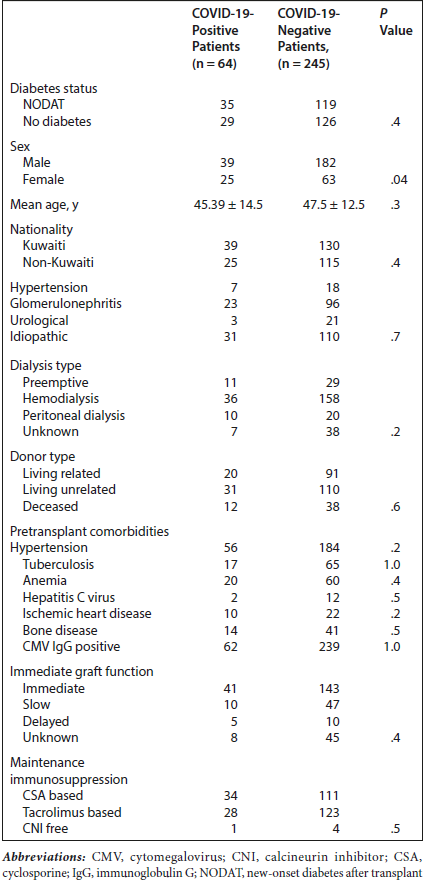
Table 1. Demographics of Patients in the Study Groups
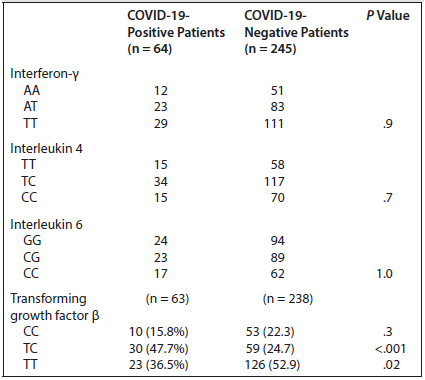
Table 2. Genotypes of Cytokines in Study Groups
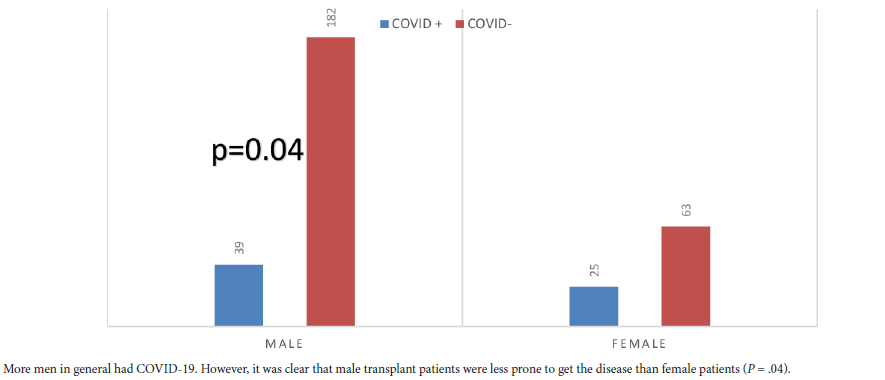
Figure 1. Frequency of COVID-19 Among Male and Female Patients
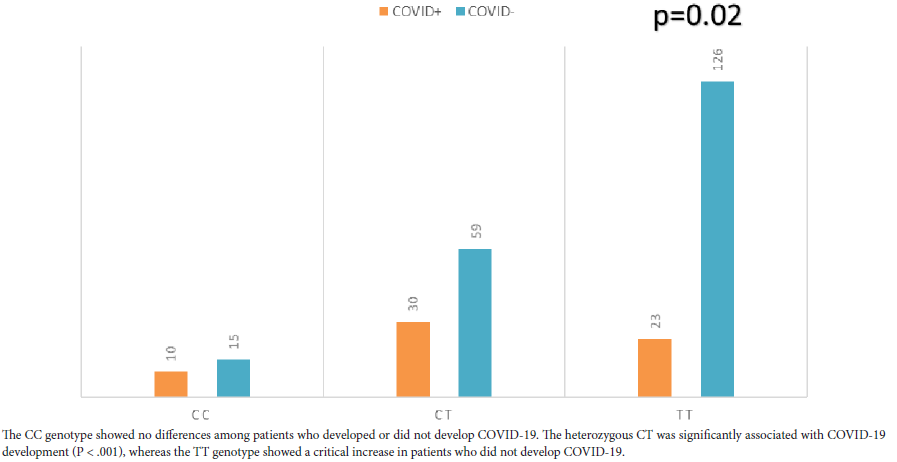
Figure 2. Genotype Differences in Patients With and Without COVID-19
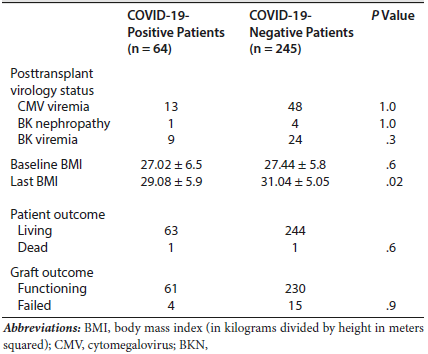
Table 3. Follow-Up Parameters of Study Groups