Volume: 22 Issue: 1 January 2024 - Supplement - 1
FULL TEXT
Objectives: Renal complications of COVID-19 are not yet well studied. We aimed to evaluate acute kidney injury prevalence among hospitalized patients with COVID-19 infection and explore its effect on patient outcomes.
Materials and Methods: We retrospectively evaluated 586 hospitalized patients with COVID-19. Of these patients, 267 (45.5%) developed acute kidney injury, as classified according to the Kidney Disease Improving Global Outcomes guidelines. We compared this group with 319 patients (54.5%) without acute kidney injury.
Results: Most patients in both study groups were men; mean age was 60.8 ± 14 versus 51.7 ± 16 years. Comorbid conditions that were substantially predominant among patients with acute kidney injury were diabetes mellitus (64% vs 42.9%), hypertension (72.6% vs 43.5%), and ischemic heart disease (25% vs 14.7%). Fever, cough, shortness of breath, and dehydration were the main presentations among patients with acute kidney injury, and patients in this group had greater prevalence of radiological findings concordant with COVID-19 (86.8% vs 59.8%). Sepsis, volume depletion, shock, arrhythmias, and acute respiratory distress syndrome were higher in patients with acute kidney injury. Anticoagulation (85% vs 59.2%), vasopressors, plasma infusions, antimicrobials, and steroids were more frequently used in patients with acute kidney injury. More patients with acute kidney injury had acute respiratory failure requiring mechanical ventilation (62.3% vs 32.9%), with higher overall mortality rate (63.2% vs 31.1%).
Conclusions: We found more frequent prevalence of acute kidney injury associated with severe COVID-19 than shown in reports from Chinese, European, and North American cohorts. Patients with COVID-19 who developed acute kidney injury had risk factors such as hypertension and diabetes, greater need for mechanical ventilation, were males, and were older age. Mortality was high in this population, especially among older patients and those who developed Kidney Disease Improving Global Outcomes stage 3 disease.
Key words : COVID-19 infection, Outcome, Severe acute respiratory syndrome coronavirus 2
Introduction
The World Health Organization called the disease caused by severe acute respiratory syndrome coronavirus 2 as COVID-19 and declared it as a pandemic in March 2020. The first confirmed case of COVID-19 in Kuwait was on February 24, 2020. Diffuse alveolar damage and acute respiratory failure are the main characteristics of the disease; among critically ill patients, renal involvement is frequent (20%-40%), which is a factor related to worse outcomes.1
Prevalence
Nephrology services were overwhelmed with new consultations and the need for renal replacement therapy (RRT) during the COVID-19 pandemic.2 Variations in incidence of acute kidney injury (AKI) in different centers could be because of differences in population demographics and risk factors for AKI.3-5 Although SARS-CoV-2 may have a specific effect on kidneys, it is not yet clear to what extent COVID-19 increases the risk of AKI or how COVID-19-associated AKI may differ from AKI due to other causes.6
Pathogenesis
The virus causing COVID-19 uses human angiotensin-converting enzyme 2 (ACE2) and the transmembrane serine protease 2 as the entrance to human cells, and these proteins are located in multiple organs like the brain, oral mucosa, small intestine,7 and kidney (proximal tubule cells and podocytes).8 In patients with COVID-19, clinical presentation of kidney injury can range from mild microhematuria and proteinuria to severe AKI.9
The kidney involvement in COVID-19 is multifactorial, with cardiovascular comorbidity and predisposing factors (eg, sepsis, hypovolemia, nephrotoxins) as essential contributors.10 Cardiorenal syndrome secondary to COVID-19 bronchopneumonia might lead to kidney congestion and subsequent AKI. Autopsy data have shown that the endothelium is affected in the lung and kidney, suggesting viremia-induced endothelial damage in the kidney and a probable contributor to AKI. In addition, SARS-CoV-2 can directly infect the renal tubular epithelium and podocytes through an ACE2-dependent pathway through mitochondrial dysfunction, acute tubular necrosis, the formation of protein reabsorption vacuoles, collapsing glomerulopathy, and protein leakage in the Bowman capsule. Another potential mechanism of AKI is SARS-CoV-2-related immune response dysregulation, as indicated by observed lymphopenia and cytokine release syndrome (cytokine storm). Other contributors to AKI might include rhabdomyolysis, macrophage activation syndrome, and the development of microemboli and microthrombi in the context of hypercoagulability and endotheliitis.11
Acute tubular injury is the most common finding in kidney biopsies from patients with COVID-19-associated AKI, which may reflect the multiple indirect causes of AKI related to critical illness. In addition, detection of SARS-CoV-2 RNA and live virus12 in the kidneys of patients with COVID-19 supports the hypothesis that SARS-CoV-2 may have a direct kidney tropism via ACE2 receptors expressed on proximal tubule cells and podocytes.7
The development of lung fibrosis observed after pulmonary infections from other coronavirus strains12 has raised concern that COVID-19-associated AKI may induce tubulointerstitial fibrosis, which is a potential pathway for the progression of AKI to chronic kidney disease (CKD).12,13 The expression of ACE2 is 100-fold higher in kidney tissues than in the lung.10 However, severe lung injury is greater than kidney injury in patients with COVID-19.14
An association has been shown between AKI and risk of CKD depending on the severity of the AKI episode.15 Patients with COVID-19-associated AKI may have a faster estimated glomerular filtration rate decrease after discharge. However, information on complications is scarce, and the exact physiopathology of kidney injury is yet to be determined.9
Aim
We aimed to study the prevalence, risk factors, and outcome of COVID-19-positive patients with AKI compared with a control group with stable renal function.
Materials and Methods
We retrospectively investigated 649 COVID-19-positive patients identified in a single hospital between March and August 2020. Sixty-three were isolated at home and 586 cases required hospital admission. Among the hospitalized cases, 258 needed intensive care unit (ICU) care, whereas 328 patients were hospitalized in COVID-19 hospital wards. We compared patients with stable renal function (n = 319) versus patients who developed AKI (n = 267).
Confirmation of COVID-19 diagnoses was by a positive result on a real-time polymerase chain reaction assay from nasopharyngeal swab specimens targeting the RNA-dependent RNA polymerase gene. From electronic medical records, we collected patient demographics, specifically the risk factors of COVID-19, clinical features and outcomes, and laboratory results with special stress on serum creatinine, liver function tests, procalcitonin, C-reactive protein, D-dimer, and complete blood count. AKI was considered and categorized according to Kidney Disease Improving Global Outcomes (KDIGO) criteria.
Radiological assessment
The presence of a radiological abnormality was determined based on the descriptive documentation in medical records of patients with COVID-19 infection. The degree of severity of COVID-19 at the time of hospital admission was defined by using the American Thoracic Society guidelines for community-acquired pneumonia.16
Ethics statement
This study was reviewed and approved by the Research Ethics Committee of Ministry of Health of Kuwait. The study has been approved by the appropriate ethics committee and was performed in accordance with the ethical standards in the 1964 Declaration of Helsinki and its later amendments.
Statistical analyses
For statistical analyses, we used the Statistical Package for the Social Sciences version 25.0 (SPSS). Qualitative variables are presented as numbers and percentages, and quantitative variables are presented as means ± SD and median. We used the t test to compare the means and SD results between the groups. We compared categorical variables by using the chi-square test. P < .05 was considered significant.
Results
Of 649 COVID-19-positive cases, 586 patients needed hospital admission. We compared patients who had stable renal function (group 1; n = 319) versus those who developed AKI (group 2; n = 267). Among the hospitalized patients, 272 (46.4%) required invasive ventilation, 21 (3.2%) needed extracorporeal membrane oxygenation (ECMO), and 267 (45.6%) died.
Demographics
Patient demographics are listed in Table 1; mean age was 56.25 ± 15 years. Group 2 were significantly older than group 1 (60.8 ± 16 vs 51.7 ± 16 years; P = .001). In both groups, most patients were men (P > .05). Only 15 patients (2.4%) were current smokers. The most prevalent risk factors encountered were hypertension, diabetes, and ischemic heart disease (56.8%, 52.6%, and 17.7%, respectively), especially among group 2 (P < .05).
The most frequent presenting symptoms of COVID-19 patients were fever (62.3%), cough (57.6%), and shortness of breath (51.13%), followed by myalgia (17.6%), sore throat (8.27%), and gastrointestinal symptoms (8.9%). Fever, cough, shortness of breath, and dehydration were significantly prevalent among group 2 patients (P < .05). All patients had chest radiography performed at the time of COVID-19 diagnosis or hospital admission, and more than 82% had high-resolution computed tomography of the chest. The radiological findings (bilateral multifocal patchy opacities matching with COVID-19 pneumonia) were found in 423 cases (72.2%). COVID-19-matched radiological findings were significantly more prevalent among group 2 patients (P = .021), and most needed mechanical ventilation (62.5% in group 2 vs 32.9% in group 1) and ECMO (4.9 vs 1.5% (P < .001).
We did not report any coexisting viral infections, but patients who showed features suggestive of bacterial coinfection as evidenced by leukocytosis, high procalcitonin, and/or positive cultures (n = 486, 78.8%) received empirical antibacterial therapy during their hospital stay. Most patients (n = 416, 70.9%) started early anticoagulation (Table 1). Among total patients, 267 (45.6%) developed AKI with different KDIGO stages (149 stage 3, 52 stage 2, and 66 stage 1) (Table 1). In addition, 151 patients developed oligoanuria, with most needing RRT by continuous veno-venous hemodiafiltration (Table 1).
Among total patients, 148 (25.2%) did not need any oxygen support; however, noninvasive and invasive ventilation methods were needed in 417 patients (71.16%), with mechanical ventilation required in 272 (46.4%) and ECMO required in 21 (3.2%) cases.
COVID-19-related complications (sepsis, acute respiratory distress syndrome, arrhythmia, shock) were significantly more prevalent among patients in group 2 (63.6% vs 26.6%, 62.5% vs 24.7%, 17.9% vs 3.7%, and 7.1% vs 3.7%, respectively) (P < .05).
At the 30-day follow-up, mortality cases were significantly more prevalent among group 2 patients (n = 197, 73.8%; P < .001). We observed that most group 2 patients had stage 3 AKI (55.3%) and significantly higher number of failed kidneys (30.4 vs 14.1% in group 1). We did not find any significant difference between the 2 groups regarding the mean duration of hospital stay (21.4 ± 20.1 vs 23.2 ± 17.9 days; P = .34). (Table 2).
At the time of hospital admission, leukopenia (<4000 cells/?L) was confirmed in 8.9% of all patients (24 cases in group 1 and 31 cases in group 2), whereas median levels of C-reactive protein, D-dimer, and ferritin were reported as 37.8 versus 37.5 mg/L, 801 versus 1288 ng/mL, and 722.8 versus 1063.6 ng/mL in group 1 versus 2, respectively (Table 2).
Management plan
More patients in group 2 received steroid therapy (55.8% vs 37.3% in group 1), but this did not rank to significance (P = .051). However, the number of patients who received anticoagulation agents (85% vs 59.2%), antifungal agents (18.7% vs 7.3%), vasopressors (28.8% vs 5.6%), and convalescent plasma transfusion (3.2% vs 0.3%) were significantly higher in group 2 (P < .05) (Table 1). Therapeutic low molecular weight heparin was started in 226 patients (49.4% in group 2 vs 29.4% in group 1; P = .035), and prophylactic doses were given in 185 patients (34.8% vs 28.8%, respectively). Vitamin C and antiviral therapy were prescribed more frequently in patients of group 2 (P < .001).
Outcome
The overall renal and patient survival rates were 59.4% and 54.7%, respectively. Patients in group 1 had significantly better renal outcomes than patients in group 2 (82.5% vs 31.9%, respectively) (P < .001) Similarly, patient survival was significantly better in the same group (61.4% vs 46.8%, respectively; P < .001).
Discussion
During the first 6 months of the COVID-19 pandemic in a tertiary hospital in Kuwait, 649 COVID-19-positive patients were identified, with most (586 cases, 90.3%) requiring hospitalization and a substantial number needing ICU admission. Of hospitalized patients, 272 (46.4%) required invasive ventilation and 21 (3.2%) were supported by ECMO. The overall mortality rate was 45.6% among COVID-19 patients who were hospitalized. Moreover, mortality was significantly higher in the AKI group, denoting its negative effect on patient outcome. We observed that the overall renal and patient survival rates were 59.4% and 54.7%, respectively. Patients in group 1 had significantly better renal (82.5% vs 31.9%, respectively; P < .001) and patient (61.4% vs 46.8%; P < .001) outcomes than patients in group 2.
Acute kidney injury is a complex disorder characterized by an acute reduction in renal function, frequently followed by accumulation of nitrogen waste products, electrolyte abnormalities, and volume overload.12 Its incidence ranges between 5% and 7% in hospitalized patients and increases to around 50% in ICU patients. Despite the technological advances that have occurred and the reduction in the mortality rate in the past decade, prognosis of patients with AKI remains poor, and the death rate remains high, especially in patients in need of dialysis (up to 62%).12,13 In the pre-COVID-19 era, AKI incidence in hospitalized patients ranged from 10% to 15% with a 10% mortality.14
In our cohort, AKI developed in 267 patients (45.6%), with an average diagnosis time of 7 days; 152 patients required dialysis support. Our incidence rate was similar to that reported in a Brazilian study (50%) by Zamoner and colleagues,15 although it was higher than other Chinese studies (0.5% to 7%)16,17 and European and North American studies (20% to 40%).18 Procaccini and colleagues reported an overall incidence of AKI of 17.2% among hospitalized SARS-CoV-2-infected patients,19 which is higher than early reports from China4 but lower than published data from the New York City area (22.2%).18
Small studies from China, Europe, and the United States have reported a variable range of AKI associating with COVID-19 (1% to 42%). In a study from China, Guan and colleagues20 reported AKI in 0.5% of 1099 patients from 552 hospitals. In a study from Ireland in patients admitted to the ICU, incidence of AKI requiring dialysis was 22.2%, with mortality exceeding 75%.21 In New York, with a high number of hospitalizations, 37% of patients developed AKI, and 14% required dialysis.22 In Spain, Procaccini and colleagues reported 17.2% AKI among all hospitalized patients with SARS-CoV-2 infection.19 The difference in the incidence could be attributed to differences in the type of patients (ICU or non-ICU). The incidence of AKI in these studies varies widely, probably because of differences in criteria for hospital admission, the definition of AKI, ethnicities, and other variables. The higher incidence of AKI in our cohort and in Western reports could be explained by the higher expression of ACE2 receptors in the podocytes and proximal tubular cells in Western and Arab populations compared with Eastern populations, as confirmed regarding the ACE-DD polymorphism.23
We identified some factors associated with the development of AKI in patients hospitalized with COVID-19, including mechanical ventilation, male sex, and older age. Similar findings were reported by Sanchis-Gomar and colleagues.24 The burden of severe AKI in the setting of COVID-19 has led to widespread shortages in dialysis service.1 This shortage was not reported in other studies, possibly because of lower population numbers covered by those centers. Similar to our study, AKI tends to occur between day 7 and day 14 of illness and was associated with higher hospital mortality.17
In our study, group 2 patients were older (60.8 ± 16 vs 51.7 ± 16 years; P < .05) and had more prevalent risk factors, especially hypertension (69.7%), diabetes mellitus (72.6%), and ischemic heart disease (25%) (P < .05), but the number of male patients was comparable (69.7% vs 72.7%). These observations were similar to Bucuvic and colleagues,25 who showed most AKI patients (62%) were males, had diabetes (61.9%) and hypertension (44.4%), and were aged >60 years, with 21.9% having CKD. Similarly, Garcia and colleagues26 described that 62% of ICU admissions with AKI were men, 51.5% were older than 60 years, 57.7% had arterial hypertension, 27.4% were cardiac patients, and 26.6% had diabetes mellitus. Santos and Matos27 found that patients affected by AKI were older (56.4 ± 18.8 vs 46.8 ± 16.5 years; P = .003).
COVID-19 complications and outcomes
COVID-19-related complications (sepsis, acute respiratory distress syndrome, arrhythmias, shock) were significantly more prevalent among group 2 (63.6% vs 6.6%, 62.5% vs 24.7%, 17.9% vs 3.7%, and 7.1% vs 3.7% respectively; P < .05). This finding matched that reported by Santos and Matos,27 who showed that AKI more often occurred among those who presented with septic shock (19.2% vs 6.5%; P < .05) and sepsis (17.3% vs 3.9%; P = .012).
Non-COVID-19 literature has reported that AKI is associated with worse clinical outcomes. An international multicenter study28 with 1032 ICU patients showed that AKI was independently associated with higher mortality at all stages (with the following odds ratios: 1.7 for KDIGO stage 1 and 6.9 for KDIGO stage 3). Moreover, ICU patients with AKI had longer duration of mechanical ventilation, use of vasoactive drugs, and prolonged hospital stay, with acute RRT being necessary in 50% of cases.29 Similar findings were confirmed in our patients, with longer ICU stay, mechanical ventilation, and use of vasopressors.
Among the 267 patients who developed AKI in our cohort, average diagnosis time was 7 days and 151 patients (56.5%) required dialysis support. These observations matched Zamoner and colleagues,15 which reported acute RRT required in 61.5% of ICU patients with AKI. Patients with AKI in our study received dialysis based on clinical and laboratory indications. Clinical trials and meta-analyses have shown no benefit in the early indication of dialysis based on laboratory criteria, length of stay or ICU admission, or AKI stage, reporting that acute RRT should be performed when criteria specify the urgency for dialysis.30,31 However, early dialysis could be beneficial, especially in patients with severe acidosis, acute respiratory distress syndrome, and fluid overload.30 In our study, we found significantly lower patient and renal outcomes in patients who developed advanced stages of AKI (stage 3) (Table 3 and Table 4).
Ronco and Reis32 reported lower mortality in AKI patients with early RRT, explaining that removal of cytokines could reduce renal lesions, as well as pulmonary complications and hypercoagulability. However, the role of cytokine removal by RRT is still unclear at this time. We did not confirm such an observation among our patients, despite most patients on dialysis undergoing acute continuous veno-venous hemodiafiltration.
Overall mortality in our study was 45.6%, which increased to 63.2% among the AKI group versus 31.9% in those without AKI (P < .001), a finding similar to that reported by Zamoner and colleauges,15 who identified overall mortality in 56%, although higher in ICU patients (91.9% vs 28.1%; P < .0001). The risk factors of mortality were the presence of comorbidities such as cardiovascular disease, AKI, and mechanical ventilation. Moreover, mortality was 65.4% in ICU patients who were older with a higher APACHE II score and KDIGO stage 3 AKI.
Conclusions
In our cohort, acute kidney injury associated with severe COVID-19 was much more frequent than rates shown from Chinese, European, and North American cohorts. The risk factors associated with AKI development included COVID-19 comorbidities like hypertension and diabetes, mechanical ventilation, male sex, and older age. Mortality was high in this population, especially among elderly patients and in those who developed KDIGO stage 3 AKI. The limitations of the study were its retrospective nature and lack of renal biopsies.
References:
- Ronco C, Reis T, Husain-Syed F. Management of acute kidney injury in patients with COVID-19. Lancet Respir Med. 2020;8(7):738-742. doi:10.1016/S2213-2600(20)30229-0
CrossRef - PubMed - Fisher M, Prudhvi K, Brogan M, Golestaneh L. Providing care to patients with AKI and COVID-19 infection: experience of front line nephrologists in New York. Kidney360. 2020;1(6):544-548. doi:10.34067/KID.0002002020
CrossRef - PubMed - Chen N, Zhou M, Dong X, et al. Epidemiological and clinical characteristics of 99 cases of 2019 novel coronavirus pneumonia in Wuhan, China: a descriptive study. Lancet. 2020;395(10223):507-513. doi:10.1016/S0140-6736(20)30211-7
CrossRef - PubMed - Cheng Y, Luo R, Wang K, et al. Kidney disease is associated with in-hospital death of patients with COVID-19. Kidney Int. 2020;97(5):829-838. doi:10.1016/j.kint.2020.03.005
CrossRef - PubMed - Zhou F, Yu T, Du R, et al. Clinical course and risk factors for mortality of adult inpatients with COVID-19 in Wuhan, China: a retrospective cohort study. Lancet. 2020;395(10229):1054-1062. doi:10.1016/S0140-6736(20)30566-3
CrossRef - PubMed - Kissling S, Rotman S, Gerber C, et al. Collapsing glomerulopathy in a COVID-19 patient. Kidney Int. 2020;98(1):228-231. doi:10.1016/j.kint.2020.04.006
CrossRef - PubMed - Hoffmann M, Kleine-Weber H, Schroeder S, et al. SARS-CoV-2 cell entry depends on ACE2 and TMPRSS2 and is blocked by a clinically proven protease inhibitor. Cell. 2020;181(2):271-280.e8. doi:10.1016/j.cell.2020.02.052
CrossRef - PubMed - Pan XW, Xu D, Zhang H, Zhou W, Wang LH, Cui XG. Identification of a potential mechanism of acute kidney injury during the COVID-19 outbreak: a study based on single-cell transcriptome analysis. Intensive Care Med. 2020;46(6):1114-1116. doi:10.1007/s00134-020-06026-1
CrossRef - PubMed - Perico L, Benigni A, Remuzzi G. Should COVID-19 concern nephrologists? Why and to what extent? The emerging impasse of angiotensin blockade. Nephron. 2020;144(5):213-221. doi:10.1159/000507305
CrossRef - PubMed - Larsen CP, Bourne TD, Wilson JD, Saqqa O, Sharshir MA. Collapsing glomerulopathy in a patient with COVID-19. Kidney Int Rep. 2020;5(6):935-939. doi:10.1016/j.ekir.2020.04.002
CrossRef - PubMed - Oxley TJ, Mocco J, Majidi S, et al. Large-vessel stroke as a presenting feature of Covid-19 in the young. N Engl J Med. 2020;382(20):e60. doi:10.1056/NEJMc2009787
CrossRef - PubMed - Coca SG. Outcomes and renal function trajectory after acute kidney injury: the narrow road to perdition. Kidney Int. 2017;92(2):288-291. doi:10.1016/j.kint.2017.03.044
CrossRef - PubMed - Wright JT, Jr, Bakris G, Greene T, et al. Effect of blood pressure lowering and antihypertensive drug class on progression of hypertensive kidney disease: results from the AASK trial. JAMA. 2002;288(19):2421-2431. doi:10.1001/jama.288.19.2421
CrossRef - PubMed - Ronco C, Bellomo R, Kellum JA. Acute kidney injury. Lancet. 2019;394(10212):1949-1964. doi:10.1016/S0140-6736(19)32563-2
CrossRef - PubMed - Zamoner W, Santos C, Magalhaes LE, de Oliveira PGS, Balbi AL, Ponce D. Acute kidney injury in COVID-19: 90 days of the pandemic in a Brazilian public hospital. Front Med (Lausanne). 2021;8:622577. doi:10.3389/fmed.2021.622577
CrossRef - PubMed - Ghinai I, McPherson TD, Hunter JC, et al. First known person-to-person transmission of severe acute respiratory syndrome coronavirus 2 (SARS-CoV-2) in the USA. Lancet. 2020;395(10230):1137-1144. doi:10.1016/S0140-6736(20)30607-3
CrossRef - PubMed - Huang C, Wang Y, Li X, et al. Clinical features of patients infected with 2019 novel coronavirus in Wuhan, China. Lancet. 2020;395(10223):497-506. doi:10.1016/S0140-6736(20)30183-5
CrossRef - PubMed - Hirsch JS, Ng JH, Ross DW, et al. Acute kidney injury in patients hospitalized with COVID-19. Kidney Int. 2020;98(1):209-218. doi:10.1016/j.kint.2020.05.006
CrossRef - PubMed - Procaccini FL, Alcazar Arroyo R, Albalate Ramon M, et al. Acute kidney injury in 3182 patients admitted with COVID-19: a single-center, retrospective, case-control study. Clin Kidney J. 2021;14(6):1557-1569. doi:10.1093/ckj/sfab021
CrossRef - PubMed - Guan WJ, Ni ZY, Hu Y, et al. Clinical characteristics of coronavirus disease 2019 in China. N Engl J Med. 2020;382(18):1708-1720. doi:10.1056/NEJMoa2002032
CrossRef - PubMed - Intensive Care National Audit & Research Centre. ICNARC report on COVID-19 in critical care, 2020. Accessed April 24, 2020. https://www.icnarc.org/DataServices/Attachments/Download/c31dd38d-d77b-ea11-9124-00505601089b
CrossRef - PubMed - Abelson R, Fink S, Kulish N, Thomas K. An overlooked, possibly fatal coronavirus crisis: a dire need for kidney dialysis. New York Times. 2020. Accessed April 24, 2020. https://www.nytimes.com/2020/04/18/health/kidney-dialysis-coronavirus.html
CrossRef - PubMed
23 Sarangarajan R, Winn R, Kiebish MA, Bountra C, Granger E, Narain NR. Ethnic prevalence of angiotensin-converting enzyme deletion (D) Polymorphism and COVID-19 risk: rationale for use of angiotensin-converting enzyme inhibitors/angiotensin receptor blockers. J Racial Ethn Health Disparities. 2021;8(4):973-980. doi:10.1007/s40615-020-00853-0
CrossRef - PubMed - Sanchis-Gomar F, Lavie CJ, Mehra MR, Henry BM, Lippi G. Obesity and outcomes in COVID-19: when an epidemic and pandemic collide. Mayo Clin Proc. 2020;95(7):1445-1453. doi:10.1016/j.mayocp.2020.05.006
CrossRef - PubMed - Bucuvic EM, Ponce D, Balbi AL. Risk factors for mortality in acute kidney injury. Rev Assoc Med Bras (1992). 2011;57(2):158-163. doi:10.1590/s0104-42302011000200012
CrossRef - PubMed - Garcia TP, Romero MP, Poletti NA, Cesarino CB, Ribeiro RC. Principais motivos de internação do paciente com insuficiência renal aguda na unidade de terapia intensiva. Arq Ciênc Saúde. 2005:138-142.
CrossRef - PubMed - Dos Santos ER, de Matos JD. Perfil epidemiologico dos pacientes com injúria renal aguda em uma unidade de terapia intensiva. Arq Catarinenses Med. 2008;37(4):1806.
CrossRef - PubMed - Hoste EA, Bagshaw SM, Bellomo R, et al. Epidemiology of acute kidney injury in critically ill patients: the multinational AKI-EPI study. Intensive Care Med. 2015;41(8):1411-1423. doi:10.1007/s00134-015-3934-7
CrossRef - PubMed - Kellum JA, Murugan R. Effects of non-severe acute kidney injury on clinical outcomes in critically ill patients. Crit Care. 2016;20(1):159. doi:10.1186/s13054-016-1295-4
CrossRef - PubMed - Annigeri RA, Ostermann M, Tolwani A, et al. Renal support for acute kidney injury in the developing world. Kidney Int Rep. 2017;2(4):559-578. doi:10.1016/j.ekir.2017.04.006
CrossRef - PubMed - Pannu N, Klarenbach S, Wiebe N, Manns B, Tonelli M; Alberta Kidney Disease Network. Renal replacement therapy in patients with acute renal failure: a systematic review. JAMA. 2008;299(7):793-805. doi:10.1001/jama.299.7.793
CrossRef - PubMed - Ronco C, Reis T. Kidney involvement in COVID-19 and rationale for extracorporeal therapies. Nat Rev Nephrol. 2020;16(6):308-310. doi:10.1038/s41581-020-0284-7
CrossRef - PubMed - Ronco C, Reis T. Kidney involvement in COVID-19 and rationale for extracorporeal therapies. Nat Rev Nephrol. 2020;16(6):308-310. doi:10.1038/s41581-020-0284-7
CrossRef - PubMed

Volume : 22
Issue : 1
Pages : 290 - 298
DOI : 10.6002/ect.MESOT2023.P98
From the 1Hamed Alessa Organ transplant center, Kuwait, Kuwait; and the 2Urology and Nephrology Center, Mansoura University, Egypt
Acknowledgements: The authors have not received any funding or grants in support of the presented research or for the preparation of this work and have no declarations of potential conflicts of interest. The raw data supporting the conclusions of this article will be made available by the authors without undue reservation.
Author contributions: All authors made substantial contributions to conception and design, acquisition of data, and/or analysis and interpretation of data, took part in drafting the article or revising it critically for important intellectual content, gave ?nal approval of the version to be published, and agree to be accountable for all aspects of the work.
Corresponding author: Osama Ashry Gheith, Urology and Nephrology Center, Mansoura University, Egypt; working in Hamed Alessa Organ Transplant Center, Ministry of Health, Ibn Sina Hospital, PO Box 25427, Safat 13115, Kuwait
E-mail: ogheith@yahoo.com
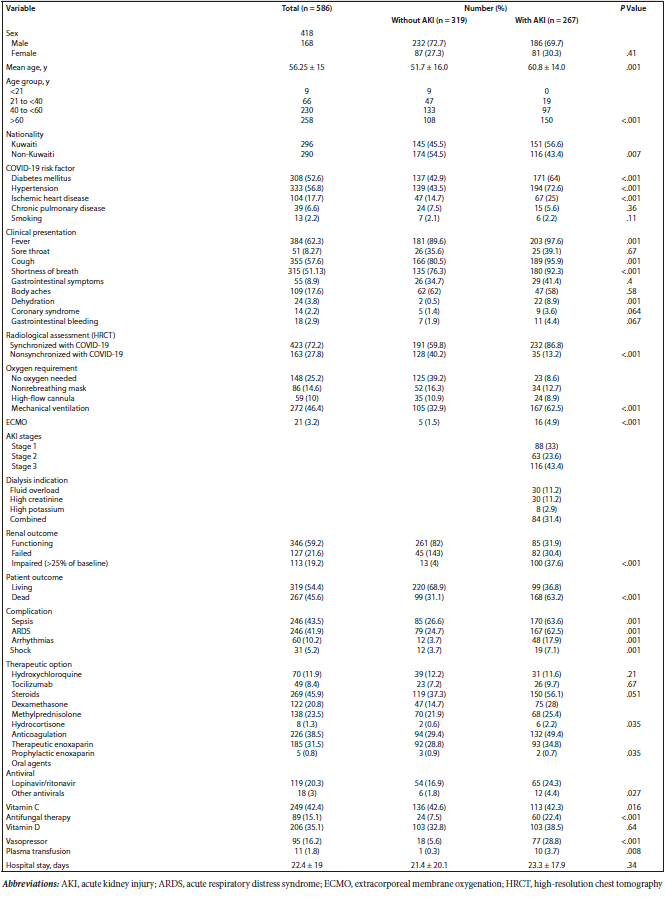
Table 1. Demographic Data of Study Patients
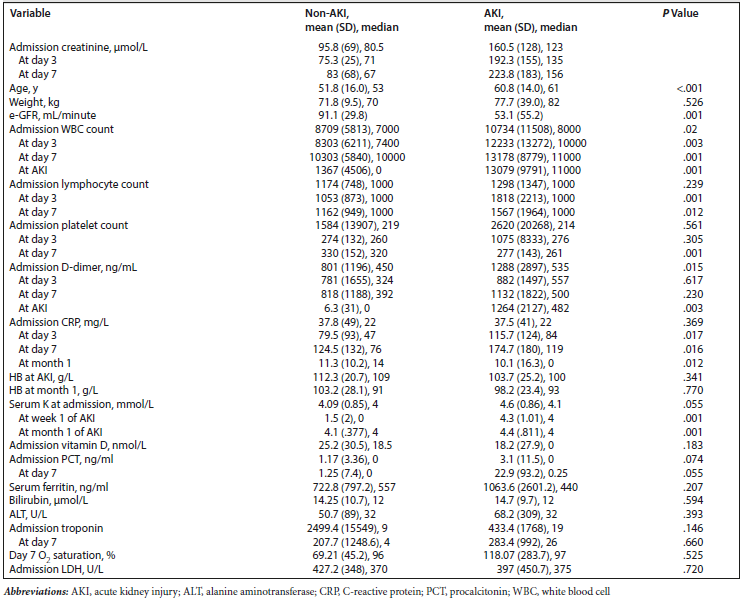
Table 2. Laboratory Parameters of Study Patients
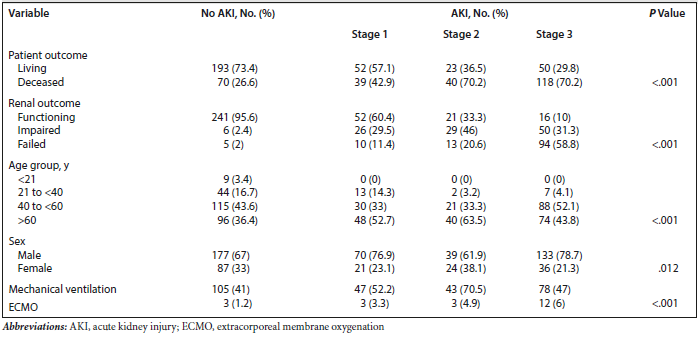
Table 3. Outcome and Risk Factors of COVID-19-Positive Patients With Different Stages of Acute Kidney Injury
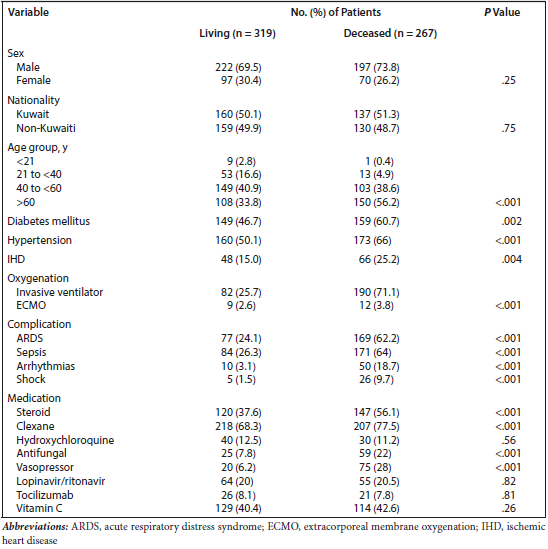
Table 4. Mortality Risk Factors