Volume: 22 Issue: 1 January 2024 - Supplement - 1
FULL TEXT
Sex-disaggregated data reveal significant disparities in living kidney donation, with more female than male living kidney donors in most countries and proportions over 60% in some countries. We summarize the present state of knowledge with respect to the potential drivers of this disparity and argue that it is primarily driven by gender-related factors. First, we present the differences between sex and gender and then proceed to summarize the potential medical reasons that have been proposed to explain why males are less likely to be living kidney donors than females, such as the higher prevalence of kidney failure in males. We then present counterarguments as to why biological sex differences are not enough to explain lower living kidney donation among males, such as a higher prevalence of chronic kidney disease among females, which could affect donation rates. We argue that gender differences likely provide a better explanation as to why there are more women than men living kidney donors and explore the role of economic and social factors, as well as gender roles and expectations, in affecting living kidney donation among both men and women. We conclude with the need for a gender analysis to explain this complex psychosocial phenomenon in living kidney donation.
Key words : Gender disparity, Gender frameworks, Gender lens, Living donors, Renal transplant, Sex disparity
Introduction
Living donor kidney transplant is the best treatment option for patients with kidney failure, and there are several initiatives underway to increase the number of living kidney donations.1-6 In some countries without robust deceased donor allocation programs, a living donor is often the only way to obtain a transplant. Living kidney donors (LKDs) are healthy individuals who volunteer to donate a kidney. They are generally identified and solicited by the patient; however, in many countries nondirected kidney donation is acceptable.
Although there are limitations to existing databases with respect to reporting and categorizing sex and gender, overall, sex-disaggregated data reveal that there are more female than male LKDs in most countries, with proportions over 60% in some countries.7-20 This is reported even when weighted with the population size.12 Notable exceptions include Iran, South Korea, Thailand, Pakistan, Philippines, and Oman, where female LKD rates are equal to or below 50%.12,16,18,20 Although this has been recognized for decades, little progress has been made in addressing this disparity. Data from the US also report a decline in living kidney donation among males between 2005 to 2015.14 Similar trends have been observed in Asian countries.15,16 Data from Canada, a country with a decentralized, universal, and publicly funded health care system, also highlight a disparity in living kidney donation between males and females (Figure 1).
Here, we summarize the present state of knowledge with respect to the potential drivers of this disparity and argue that this observed disparity is primarily driven by gender-related factors.
Defining Sex and Gender
Sex and gender are often used interchangeably in the transplant literature and inappropriately conflated in the biomedical literature.18,21,22 Sex, usually categorized as female or male, refers to a set of biological traits and attributes that are primarily associated with physical and physiological features.7,22-24 There are, however, variations in the biological attributes that comprise sex and how those attributes are expressed.23 For example, there are at least 40 different known sex variations and an umbrella term “intersex” is often used in the literature to collectively describe them.25
Gender, on the other hand, refers to nonbiological attributes and sociocultural factors that shape the identities, attitudes, behaviors, bodily appearances, and habits of women, men, and gender-diverse individuals.7,22-24 Gender is complex and multidimensional and changes as social norms and values change.21,23 Gender influences how an individual perceives themselves and others, how they act and interact with others, and the distribution of power and resources in society.23 Thus, the WHO Commission on Social Determinants of Health recognizes gender as a key driver of health inequalities.26
Are Differences in Living Kidney Donation Rates Due to Sex?
This section summarizes the potential medical reasons that have been proposed to explain the observed disparity in living kidney donation while exploring counterarguments (Figure 2). Most studies report sex as a binary variable, and the terms male/female and men/women are often used interchangeably. However, the terms male and female are used in this section.
a. Sex-related factors proposed to decrease living kidney donation in males
Lifetime risk of kidney disease progression
There are sex differences in the rate of estimated glomerular filtration rate (eGFR) decline. In a Canadian cohort, the lifetime risk of end-stage renal disease (ESRD) was consistently higher for males at all ages above the age of 40 years and eGFR strata (excluding <30 mL/min/1.73 m2) compared with females.27 This cohort included 2?895?521 adults from 1997 to 2008, and the lifetime risk was 2.66% for males and 1.76% for females. The authors concluded that approximately 1 in 40 males and 1 in 60 females of middle age will develop ESRD during their lifetimes if they live into their 90s. In addition, in a pooled analysis of 6 cohorts, compared with males, females with hypertension had a 23% lower relative risk for chronic kidney disease (CKD) or ESRD.28 This suggests that hypertension was a stronger risk factor for kidney disease progression and failure in males. Even in the general population, without major chronic diseases or risk factors for CKD, mean GFR decline in females was -0.96 mL/min/1.73 m2 per year, whereas in males it was noted to be higher at -1.20 mL/min/1.73 m2 per year.29 Both sex- and gender-related arguments have been put forth to explain these differences, such as the protective effects of endogenous estrogens versus deleterious effects of testosterone on kidney function and structure (sex) or the generally healthier lifestyles of females (or women) compared with that of males (or men) (gender); however, the evidence to support these arguments is weak.19
Risk of kidney failure
The higher risk of CKD progression may explain why the incidence of kidney failure that is treated with dialysis or transplant is more common in males than in females.16,30-33 In 10 European countries, the lifetime risk of renal replacement therapy was approximately twice as high in males than in females at index age <65 years; at age 80 years and 85 years, this increased to 2.5 times and to 3 times higher in males, respectively.34 Using published literature, vital registration systems, ESRD registries, and household surveys, a landmark study reported that the global age-standardized incidence of dialysis and transplantation was 1.47 times greater in males than in females, with estimates of 13.7 and 8.6 per 100?000 population for male and female individuals, respectively.35 Thus, it is argued that, because male sex is a risk factor for CKD progression to ESRD needing dialysis or transplant, males are less likely to be LKDs and more likely to be recipients.
Prevalence of risk factors
The prevalence of some medical problems that would preclude candidacy for living kidney donation is higher in males than in females.36 For example, most data from populations of Western European or Asian descent suggest a slightly higher prevalence of type 2 diabetes in males than in females; however, this has not been shown in data from the United States or sub-Saharan Africa.37 In addition, the risk of kidney stones is 2.3 times higher in males than in females.38 There are also sex differences in the prevalence of hypertension, with males being at higher risk across all age strata above 18 years; however, the rate at which females develop hypertension is much steeper compared with that shown in males.39 Conversely, some data suggest that females have a higher prevalence of hypertension by the sixth decade of life compared with that shown in males.40
Risks of kidney donation
Sex-disaggregated data have also reported that the male sex is a risk factor for adverse outcomes after kidney donation.41-44 Among 133?824 LKDs in the United States from 1987 to 2015, male sex was associated with a 88% higher risk of developing ESRD.45 Similarly, 90-day surgical mortality was 3 times higher in male than in female LKDs, and male sex was also associated with higher long-term mortality risk.46 This evidence, which has come into light over the past decade, may specifically explain the declining living kidney donation rates among males.
Eligible male spousal donors
Living kidney donors are largely drawn from the patient’s own families and social networks. Given the risk of sensitization from pregnancy (ie, the prior exposure to nonself HLA), fewer males may be eligible to donate to a female family member. This may particularly affect spousal donations who tend to represent most of the LKDs, and sensitization from prior pregnancies may make a male spouse ineligible to donate to their female partner.10,16,47 Indeed, in a single-center study, female patients were incompatible with at least 1 LKD 3 times more frequently than male patients, which resulted in a loss of 31% of potential donors for female versus 9% for male donors.48 This means fewer male spouses may be candidates for female patients.
b. Sex-related factors that could decrease living kidney donation in females
Although the above medical reasons have been presented to explain why there are fewer male LKDs, similar medical reasons also exist that should decrease the chances of female LKDs being eligible for kidney donation. Despite this, sex disparity exists in living kidney donation. These reasons are described.
Higher prevalence of chronic kidney disease
Chronic kidney disease, any disease affecting the structure or function of the kidneys that can preclude one’s candidacy to being a LKD, is more prevalent in female than in male individuals.49-52 In France, the prevalence of CKD among women is 2-fold higher than in men,19 yet there are more female than male donors.18 Similarly, in the United States, CKD is more common in females (14%) than in males (12%).53 Global data suggest that the age-standardized prevalence of CKD was 1.29 times higher in females than in males.35 Although measurement bias can account for the higher prevalence of CKD in the female sex,54 most centers use the eGFR threshold of 80 mL/min or within 2 standard deviations of normal for age and sex to accept the candidacy of LKDs.55 Overall, this would make females less likely to be LKDs.
Risks of kidney donation
In addition to higher rates of CKD, female LKDs experience significant risks after kidney donation. A pooled analysis of 5 studies comprising 430 female LKDs and 23?540 nondonors reported that living kidney donation was associated with a 2.9 times higher risk of preeclampsia, 2.5 times higher risk of gestational hypertension, and 1.3 times higher risk of preterm birth.56 This may particularly discourage young women of childbearing age. Also, female LKDs, particularly middle-aged LKDs, experience more fatigue and psychosocial issues and lower quality of life after donation.57,58 This could also discourage living kidney donation among females of different ages.
Lower access to renal replacement therapies
Evidence suggests that women have poorer access to both transplant and kidney replacement therapy by dialysis.33,59 It is challenging to determine the extent of the contribution of biological or sociocultural and environmental factors to health care accessibility. Access to renal replacement therapies is often influenced by nonbiological factors, such as access to health care.7,19 Indeed, navigating care for CKD may be different for females and males and driven by gender-related factors.54 Regardless, lower access to care may explain why current registry analyses and data reported above suggest that female individuals (or women) have a lower prevalence and incidence of needing renal replacement therapies.
Disparity exists even after adjusting for explanatory variables
Some scholars have adjusted for the factors identified above and still reported a sex disparity. A population-based analysis from the United States reported that the unadjusted rates of living kidney donation in females were 1.5 times higher than in males, at a rate of 30.1 versus 19.3 per million population, respectively. However, after adjustment for several variables that included the rate of ESRD, females still had a 44% higher incidence of kidney donation than males.14 Also, observational data that analyzed sex distribution in living kidney donation by country showed that an absence of biological risk factors that might prevent kidney donation, such as CKD and diabetes, was not genuinely shifted toward female LKDs.12 Finally, some studies have shown that the excess of female LKDs may be influenced by the predominance of female spousal donors rather than immunological or medical exclusion criteria alone.10,47,60
Are Differences in Living Kidney Donation Rates Due to Gender?
Given the arguments presented above, it is widely believed that sex-related medical reasons do not completely explain the observed disparity in living kidney donation and that gender-related factors play a crucial, likely predominant, role.8,14,15,16,20,61-67 The decision to donate a kidney is complex, and research suggests that it requires not only individual motivation influenced by factors such as compelled altruism, inherent responsibility, accepting risks, family expectation, personal benefit, and spiritual confirmation but also an appropriate social context.61,65,66,68-75 Living kidney donors are known to renegotiate their identity, roles, and responsibilities.61 An individual’s socially constructed gender roles, behaviors, expressions, and identities24 influence their decision to be a LKD. Gender differences can therefore help to explain why there are more women than men LKDs. In this section, we summarize some thoughts on gender-related factors that lead to more women than men who are LKDs, and we acknowledge a critical gap in knowledge with respect to the representation of gender-diverse individuals in transplantation (Figure 3).
a. The role of economic factors
Several scholars argue that economic factors and ideological discourses that consider men being the main providers of material resources are thought to be the main reason for there being more women LKDs in both low-income and high-income countries.8,14,15,16,60,63,64,66,70-72,76 Men are often the only source of income in the family; the loss of income during evaluation, surgery, and recovery, particularly for low-income households, may prevent them from pursuing living kidney donation.15,16,71 In a study from Nepal, for example, donation by men LKDs was perceived as an economic sacrifice unless it was between brothers, which was perceived as an economic investment.71 Findings from Iran, in particular, support this contention, as most LKDs (>80%) are men.12 In Iran, LKDs have been financially compensated since 1988 when a compensated and regulated living-unrelated kidney donor transplant program was adopted.77,78 This resulted in >10?000 kidney transplants being performed such that the waiting list was essentially eliminated.79 This financial compensation for kidney donation may explain disproportionately higher rates of living kidney donation in men.9,12,80
b. Role of social factors
Social and cultural factors and family dynamics may also influence the decision to pursue living kidney donation. In a study from Nepal, where many families cannot afford dialysis, women cited widowhood if the husband dies due to kidney failure and its social repercussions as a strong motivation for donation.71 Multiple other studies from both low- and high-income countries demonstrate that one of the strongest motivations to donate a kidney was the social- and self-benefit or relief from the recipient’s improved health.61,66,70-73 These motivations may be driven by the social role of women in society and within families. Families as a unit may make the decision as to who donates a kidney and socially influenced gender roles and division of labor may be key, as highlighted by a qualitative study from India. In that study, family structure played an important role in the pursuit of living kidney donation among women, which were in turn influenced by socioeconomic conditions, cultural norms, and gender roles.66 Overall, such factors may explain why many women come forth as LKDs more so than men.
c. Other gender-related factors
Other explanations have been put forth to explain why there are more LKDs who are women, such as pressures placed on women and higher empathy, emotional distress, caregiving personality, and impulsivity in women.7,8,67 However, most of this work is anecdotal. In another study that entailed fieldwork in 2 ethnographic sites (Egypt and Mexico), women perceived donation as a form of social reproduction.81 In both Mexico and Egypt, people consciously articulated the importance of female self-sacrifice and drew on concepts of motherhood and the act of living donation was often heavily feminized.
d. Factors affecting donation among men
As already mentioned above, economic pressures on men may make them less inclined to pursue living kidney donation. However, additional gender-related factors may explain why fewer men donate. Men may be less inclined to contact a transplant center to demonstrate their intent to donate as they tend to demonstrate lower health care-seeking behaviours.82 Men (27%) are twice as likely as women (14%) to go a year without visiting a health care provider as per a survey conducted in the United States.36 After that step, fewer men who contact a transplant center might proceed with living kidney donation evaluation despite showing an interest to donate initially.62 Men may have a higher degree of ambivalence or fear about organ donation.71,83,84 Some research has suggested that men are more likely to withdraw from being a LKD during the evaluation process compared with women.85 Among acceptable donors, fewer men proceeded to donate.60
Implications
Gender analyses have been challenging to conduct in organ transplantation and in the general biomedical research, largely because of the absence of gender data and the lack of tools for analyzing the influence of gender on health outcomes.21,22 Some scholars have analyzed the motivations of LKDs and how they vary by gender but were limited by their analytic approach as they lacked a systematic gender lens or framework to examine this complex psychosocial issue, or they only focused on LKDs who are women.66,71,72,76 Not including the perspectives of men (and other gender-diverse individuals) to better understand the root cause of gender disparity is a major limitation of the current literature. It is proposed that gender disparity in living kidney donation should be looked at as an underrepresentation of men rather than an overrepresentation of women.67,86 These scholars argue that women are donating at a rate consistent with their autonomous preferences, while men are being ambivalent due to social pressures or expectations placed on them related to their earner and provider roles.67,86
Many in the transplant community believe that eliminating financial barriers may decrease gender disparities in living kidney donation.87 Other practitioners and scholars believe that, given the patriarchal structure in many societies, fundamental structural changes in the role, status, and economic value of women and other genders are needed to attain equity in medicine.16,71 To better assess this, we propose that a comprehensive and multinational gender analysis that explores gender inequities is needed to explain this complex psychosocial phenomenon. These include exploring the role of economic, social, and other factors and family dynamics in different cultures, including the perspectives of men, women, and other gender-diverse individuals.
Gender frameworks can be used to explore gender power relations and how they create different and/or inequitable experiences and outcomes.88 For example, a gender analysis matrix (GAM), a widely used methodology that uses established gender frameworks, can be used.89,90 The GAM was developed by the World Health Organization in the 1990s, influenced by the reality and ideology of participatory planning and to accommodate the constraints imposed by social and economic factors on gender roles.91,92 It is a tool that can apply a gender lens at the planning or design stage of an intervention or during monitoring and evaluation stages.91,92 For example, a GAM was used to study the gendered impacts of COVID-19 and assess media sources and gray literature and understand the real-world effects of political responses and government policy.89 In another study, GAM was used to demonstrate that a key decision-making domain played a large role in health outcomes of women in Tanzania.93 A GAM can also help apply an intersectional lens, and the WHO has created a toolkit on how it can inform overall study objectives, questions, indicators, and/or hypotheses and/or data collection tools and analysis.90,94,95 Using a gender analysis would help provide a better understanding of factors that drive gender inequities in living kidney donation and help develop clinical and policy recommendations to take pragmatic steps toward attaining gender equity in living kidney donation. This may encourage more men to be living donors and ultimately increase living donor kidney transplantation.
References:
- Lee LY, Pham TA, Melcher ML. Living kidney donation: strategies to increase the donor pool. Surg Clin North Am. 2019;99(1):37-47. doi:10.1016/j.suc.2018.09.003
CrossRef - PubMed - Moore DR, Serur D, Rudow DL, et al. Living donor kidney transplantation: improving efficiencies in live kidney donor evaluation--recommendations from a consensus conference. Clin J Am Soc Nephrol. 2015;10(9):1678-1686. doi:10.2215/CJN.01040115
CrossRef - PubMed - Barnieh L, Collister D, Manns B, et al. A scoping review for strategies to increase living kidney donation. Clin J Am Soc Nephrol. 2017;12(9):1518-1527. doi:10.2215/CJN.01470217
CrossRef - PubMed - Horton A, Nugus P, Fortin MC, Landsberg D, Cantarovich M, Sandal S. Health system barriers and facilitators to living donor kidney transplantation: a qualitative case study in British Columbia. CMAJ Open. 2022;10(2):E348-E356. doi:10.9778/cmajo.20210049
CrossRef - PubMed - Sandal S, Schiller I, Dendukuri N, et al. Identifying modifiable system-level barriers to living donor kidney transplantation. Kidney Int Rep. 2022;7(11):2410-2420. doi:10.1016/j.ekir.2022.08.028
CrossRef - PubMed - Horton A, Loban K, Fortin MC, et al. Living donor kidney transplantation in Quebec: a qualitative case study of health system barriers and facilitators. Can J Kidney Health Dis. 2023;10:20543581221150675. doi:10.1177/20543581221150675
CrossRef - PubMed - Melk A, Babitsch B, Borchert-Morlins B, et al. Equally interchangeable? How sex and gender affect transplantation. Transplantation. 2019;103(6):1094-1110. doi:10.1097/TP.0000000000002655
CrossRef - PubMed - Prasad GVR. Understanding the sex disparity in living kidney donation. J Eval Clin Pract. 2018;24(5):999-1004. doi:10.1111/jep.13015
CrossRef - PubMed - Khalifeh N, Horl WH. Gender and living donor kidney transplantation. Wien Med Wochenschr. 2011;161(5-6):124-127. doi:10.1007/s10354-011-0895-5
CrossRef - PubMed - Kayler LK, Rasmussen CS, Dykstra DM, et al. Gender imbalance and outcomes in living donor renal transplantation in the United States. Am J Transplant. 2003;3(4):452-458. doi:10.1034/j.1600-6143.2003.00086.x
CrossRef - PubMed - Kayler LK, Meier-Kriesche HU, Punch JD, et al. Gender imbalance in living donor renal transplantation. Transplantation. 2002;73(2):248-252. doi:10.1097/00007890-200201270-00017
CrossRef - PubMed - Kurnikowski A, Krenn S, Lewandowski MJ, et al. Country-specific sex disparities in living kidney donation. Nephrol Dial Transplant. 2022;37(3):595-598. doi:10.1093/ndt/gfab305
CrossRef - PubMed - Canadian Organ Replacement Register. 2023. Accessed January 14, 2023. https://www.cihi.ca/en/canadian-organ-replacement-register-corr
CrossRef - PubMed - Gill J, Joffres Y, Rose C, et al. The change in living kidney donation in women and men in the United States (2005-2015): a population-based analysis. J Am Soc Nephrol. 2018;29(4):1301-1308. doi:10.1681/ASN.2017111160
CrossRef - PubMed - Kute VB, Chauhan S, Navadiya VV, et al. India: gender disparities in organ donation and transplantation. Transplantation. 2022;106(7):1293-1297. doi:10.1097/TP.0000000000003960
CrossRef - PubMed - Kim Y, Ahmed E, Ascher N, et al. Meeting report: first state of the art meeting on gender disparity in kidney transplantation in the Asia-Pacific. Transplantation. 2021;105(9):1888-1891. doi:10.1097/TP.0000000000003841
CrossRef - PubMed - Shastri P. Not fair! 78% living organ donors in India are women. Times of India. 2020. Accessed January 12, 2023. https://timesofindia.indiatimes.com/city/ahmedabad/not-fair-78-living-organ-donors-in-india-are-women/articleshow/78197494.cms
CrossRef - PubMed - Cozzi E, Alvarez M, Carmona M, et al. An analysis by the European Committee on Organ Transplantation of the Council of Europe Outlining the International Landscape of donors and recipients sex in solid organ transplantation. Transpl Int. 2022;35:10322. doi:10.3389/ti.2022.10322
CrossRef - PubMed - Carrero JJ, Hecking M, Chesnaye NC, Jager KJ. Sex and gender disparities in the epidemiology and outcomes of chronic kidney disease. Nat Rev Nephrol. 2018;14(3):151-164. doi:10.1038/nrneph.2017.181
CrossRef - PubMed - Han M, Wong G, Kute VB, et al. Gender disparity in Asian-Pacific countries: an analysis of the ASTREG-WIT-KT Registry. Transplantation. 2023;107(1):1-5. doi:10.1097/TP.0000000000004223
CrossRef - PubMed - Nielsen MW, Stefanick ML, Peragine D, et al. Gender-related variables for health research. Biol Sex Differ. 2021;12(1):23. doi:10.1186/s13293-021-00366-3
CrossRef - PubMed - Laprise C, Cole K, Sridhar VS, et al. Sex and gender considerations in transplant research: a scoping review. Transplantation. 2019;103(9):e239-e247. doi:10.1097/TP.0000000000002828
CrossRef - PubMed - Canadian Institutes of Health Research. What is gender? What is sex? Accessed May 8, 2023. https://cihr-irsc.gc.ca/e/48642.html
CrossRef - PubMed - West C, Zimmerman DH. Doing gender. Gender Soc. 1987;1(2):125-151.
CrossRef - PubMed - Carpenter M. Intersex variations, human rights, and the international classification of diseases. Health Hum Rights. 2018;20(2):205-214.
CrossRef - PubMed - Marmot M, Friel S, Bell R, Houweling TA, Taylor S, Commission on Social Determinants of Health. Closing the gap in a generation: health equity through action on the social determinants of health. Lancet. 2008;372(9650):1661-1669. doi:10.1016/S0140-6736(08)61690-6
CrossRef - PubMed - Turin TC, Saad N, Jun M, et al. Lifetime risk of diabetes among First Nations and non–First Nations people. CMAJ. 2016;188(16):1147-1153. doi:10.1503/cmaj.150787
CrossRef - PubMed - Weldegiorgis M, Woodward M. The impact of hypertension on chronic kidney disease and end-stage renal disease is greater in men than women: a systematic review and meta-analysis. BMC Nephrol. 2020;21(1):506. doi:10.1186/s12882-020-02151-7
CrossRef - PubMed - Melsom T, Norvik JV, Enoksen IT, et al. Sex differences in age-related loss of kidney function. J Am Soc Nephrol. 2022;33(10):1891-1902. doi:10.1681/ASN.2022030323
CrossRef - PubMed - Gilg J, Castledine C, Fogarty D. Chapter 1 UK RRT incidence in 2010: national and centre-specific analyses. Nephron Clin Pract. 2012;120 Suppl 1:c1-c27. doi:10.1159/000342843
CrossRef - PubMed - Hecking M, Bieber BA, Ethier J, et al. Sex-specific differences in hemodialysis prevalence and practices and the male-to-female mortality rate: the Dialysis Outcomes and Practice Patterns Study (DOPPS). PLoS Med. 2014;11(10):e1001750. doi:10.1371/journal.pmed.1001750
CrossRef - PubMed - Neugarten J, Golestaneh L. Gender and the prevalence and progression of renal disease. Adv Chronic Kidney Dis. 2013;20(5):390-395. doi:10.1053/j.ackd.2013.05.004
CrossRef - PubMed - Bairey Merz CN, Dember LM, Ingelfinger JR, et al. Sex and the kidneys: current understanding and research opportunities. Nat Rev Nephrol. 2019;15(12):776-783. doi:10.1038/s41581-019-0208-6
CrossRef - PubMed - van den Brand J, Pippias M, Stel VS, et al. Lifetime risk of renal replacement therapy in Europe: a population-based study using data from the ERA-EDTA Registry. Nephrol Dial Transplant. 2017;32(2):348-355. doi:10.1093/ndt/gfw392
CrossRef - PubMed - Global, Regional, and National Burden of Chronic Kidney Disease Collaboration. Global, regional, and national burden of chronic kidney disease, 1990-2017: a systematic analysis for the Global Burden of Disease Study 2017. Lancet. 2020;395(10225):709-733. doi:10.1016/S0140-6736(20)30045-3
CrossRef - PubMed - Blackwell DL, Lucas JW, Clarke TC. Summary health statistics for U.S. adults: national health interview survey, 2012. Vital Health Stat 10. 2014(260):1-161.
CrossRef - PubMed - Huebschmann AG, Huxley RR, Kohrt WM, Zeitler P, Regensteiner JG, Reusch JEB. Sex differences in the burden of type 2 diabetes and cardiovascular risk across the life course. Diabetologia. 2019;62(10):1761-1772. doi:10.1007/s00125-019-4939-5
CrossRef - PubMed - Ferraro PM, Taylor EN, Curhan GC. Factors associated with sex differences in the risk of kidney stones. Nephrol Dial Transplant. 2023;38(1):177-183. doi:10.1093/ndt/gfac037
CrossRef - PubMed - Connelly PJ, Currie G, Delles C. Sex differences in the prevalence, outcomes and management of hypertension. Curr Hypertens Rep. 2022;24(6):185-192. doi:10.1007/s11906-022-01183-8
CrossRef - PubMed - Virani SS, Alonso A, Benjamin EJ, et al. Heart disease and stroke statistics-2020 update: a report from the American Heart Association. Circulation. 2020;141(9):e139-e596. doi:10.1161/CIR.0000000000000757
CrossRef - PubMed - Lentine KL, Lam NN, Segev DL. Risks of living kidney donation: current state of knowledge on outcomes important to donors. Clin J Am Soc Nephrol. 2019;14(4):597-608. doi:10.2215/CJN.11220918
CrossRef - PubMed - Grams ME, Garg AX, Lentine KL. Kidney-failure risk projection for the living kidney-donor candidate. N Engl J Med. 2016;374(21):2094-2095. doi:10.1056/NEJMc1603007
CrossRef - PubMed - Henderson ML, Thomas AG, Shaffer A, et al. The national landscape of living kidney donor follow-up in the United States. Am J Transplant. 2017;17(12):3131-3140. doi:10.1111/ajt.14356
CrossRef - PubMed - Muzaale AD, Massie AB, Wang MC, et al. Risk of end-stage renal disease following live kidney donation. JAMA. 2014;311(6):579-586. doi:10.1001/jama.2013.285141
CrossRef - PubMed - Massie AB, Muzaale AD, Luo X, et al. Quantifying postdonation risk of ESRD in living kidney donors. J Am Soc Nephrol. 2017;28(9):2749-2755. doi:10.1681/ASN.2016101084
CrossRef - PubMed - Segev DL, Muzaale AD, Caffo BS, et al. Perioperative mortality and long-term survival following live kidney donation. JAMA. 2010;303(10):959-966. doi:10.1001/jama.2010.237
CrossRef - PubMed - Øien CM, Reisæter AV, Leivestad T, Pfeffer P, Fauchald P, Os I. Gender imbalance among donors in living kidney transplantation: the Norwegian experience. Nephrology Dialysis Transplantation. 2005;20(4):783-789.
CrossRef - PubMed - Bromberger B, Spragan D, Hashmi S, et al. Pregnancy-induced sensitization promotes sex disparity in living donor kidney transplantation. J Am Soc Nephrol. 2017;28(10):3025-3033. doi:10.1681/ASN.2016101059
CrossRef - PubMed - Hill NR, Fatoba ST, Oke JL, et al. Global prevalence of chronic kidney disease - a systematic review and meta-analysis. PLoS One. 2016;11(7):e0158765. doi:10.1371/journal.pone.0158765
CrossRef - PubMed - Mills KT, Xu Y, Zhang W, et al. A systematic analysis of worldwide population-based data on the global burden of chronic kidney disease in 2010. Kidney Int. 2015;88(5):950-957. doi:10.1038/ki.2015.230
CrossRef - PubMed - Zhang QL, Rothenbacher D. Prevalence of chronic kidney disease in population-based studies: systematic review. BMC Public Health. 2008;8:117. doi:10.1186/1471-2458-8-117
CrossRef - PubMed - Murphy D, McCulloch CE, Lin F, et al. Trends in prevalence of chronic kidney disease in the United States. Ann Intern Med. 2016;165(7):473-481. doi:10.7326/M16-0273
CrossRef - PubMed - Centers for Disease Control and Prevention. Chronic Kidney Disease in the United States. Atlanta, GA: US Department of Health and Human Services, Centers for Disease Control and Prevention; 2021.
CrossRef - PubMed - Wyld MLR, Mata NL, Viecelli A, et al. Sex-based differences in risk factors and complications of chronic kidney disease. Semin Nephrol. 2022;42(2):153-169. doi:10.1016/j.semnephrol.2022.04.006
CrossRef - PubMed - Levey AS, Inker LA. GFR evaluation in living kidney donor candidates. J Am Soc Nephrol. 2017;28(4):1062-1071. doi:10.1681/ASN.2016070790
CrossRef - PubMed - Bellos I, Pergialiotis V. Risk of pregnancy complications in living kidney donors: a systematic review and meta-analysis. Eur J Obstet Gynecol Reprod Biol. 2022;270:35-41. doi:10.1016/j.ejogrb.2021.12.037
CrossRef - PubMed - Sommerer C, Estelmann S, Metzendorf NG, Leuschner M, Zeier M. Gender disparity in health-related quality of life and fatigue after living renal donation. BMC Nephrol. 2018;19(1):377. doi:10.1186/s12882-018-1187-8
CrossRef - PubMed - Meyer K, Wahl AK, Bjork IT, Wisloff T, Hartmann A, Andersen MH. Long-term, self-reported health outcomes in kidney donors. BMC Nephrol. 2016;17:8. doi:10.1186/s12882-016-0221-y
CrossRef - PubMed - Tong A, Evangelidis N, Kurnikowski A, et al. Nephrologists’ perspectives on gender disparities in CKD and dialysis. Kidney Int Rep. 2022;7(3):424-435. doi:10.1016/j.ekir.2021.10.022
CrossRef - PubMed - Zimmerman D, Donnelly S, Miller J, Stewart D, Albert SE. Gender disparity in living renal transplant donation. Am J Kidney Dis. 2000;36(3):534-540. doi:10.1053/ajkd.2000.9794
CrossRef - PubMed - Tong A, Chapman JR, Wong G, Kanellis J, McCarthy G, Craig JC. The motivations and experiences of living kidney donors: a thematic synthesis. Am J Kidney Dis. 2012;60(1):15-26. doi:10.1053/j.ajkd.2011.11.043
CrossRef - PubMed - Ghods AJ, Nasrollahzadeh D. Gender disparity in a live donor renal transplantation program: assessing from cultural perspectives. Transplant Proc. 2003;35(7):2559-2560. doi:10.1016/j.transproceed.2003.09.019
CrossRef - PubMed - Scheper-Hughes N. The tyranny of the gift: sacrificial violence in living donor transplants. Am J Transplant. 2007;7(3):507-511. doi:10.1111/j.1600-6143.2006.01679.x
CrossRef - PubMed - Piccoli GB, Alrukhaimi M, Liu ZH, Zakharova E, Levin A, World Kidney Day Steering Committee. What we do and do not know about women and kidney diseases; questions unanswered and answers unquestioned: reflection on World Kidney Day and International Woman's Day. BMC Nephrol. 2018;19(1):66. doi:10.1186/s12882-018-0864-y
CrossRef - PubMed - Shaw RM. Rethinking elements of informed consent for living kidney donation: findings from a New Zealand study. Health Sociol Rev. 2015;24(1):109-122. doi:10.1080/14461242.2015.1016993
CrossRef - PubMed - Bharambe V, Puranam V, Rao MP. Organ donation and gender differences: a qualitative study of female donor experiences. Organ. 2021;44(05).
CrossRef - PubMed - Biller-Andorno N. Gender imbalance in living organ donation. Med Health Care Philos. 2002;5(2):199-204. doi:10.1023/a:1016053024671
CrossRef - PubMed - Allen MB, Reese PP. Transforming living kidney donation with a comprehensive strategy. PLoS Med. 2016;13(2):e1001948. doi:10.1371/journal.pmed.1001948
CrossRef - PubMed - Vazquez MV. A nurse’s journey through living kidney donation. Nursing. 2015;45(10):53-59. doi:10.1097/01.NURSE.0000469239.58728.41
CrossRef - PubMed - Lennerling A, Forsberg A, Meyer K, Nyberg G. Motives for becoming a living kidney donor. Nephrol Dial Transplant. 2004;19(6):1600-1605. doi:10.1093/ndt/gfh138
CrossRef - PubMed - Rasmussen S, Paneru P, Shrestha K, Shrestha PC. Gender bias and organ transplantation in Nepal. HIMALAYA. 2016;36(2):8.
CrossRef - PubMed - Rota-Musoll L, Brigidi S, Molina-Robles E, Oriol-Vila E, Perez-Oller L, Subirana-Casacuberta M. An intersectional gender analysis in kidney transplantation: women who donate a kidney. BMC Nephrol. 2021;22(1):59. doi:10.1186/s12882-021-02262-9
CrossRef - PubMed - Mazaris EM, Warrens AN, Smith G, Tekkis P, Papalois VE. Live kidney donation: attitudes towards donor approach, motives and factors promoting donation. Nephrol Dial Transplant. 2012;27(6):2517-2525. doi:10.1093/ndt/gfr642
CrossRef - PubMed - Shaw RM. Altruism, solidarity and affect in live kidney donation and breastmilk sharing. Sociol Health Illn. 2019;41(3):553-566. doi:10.1111/1467-9566.12805
CrossRef - PubMed - Singer P. The Most Good You Can Do: How Effective Altruism Is Changing Ideas About Living Ethically. Yale University Press; 2015.
CrossRef - PubMed - von Zur-Muhlen B, Yamamoto S, Wadstrom J. Few gender differences in attitudes and experiences after live kidney donation, with minor changes over time. Ann Transplant. 2017;22:773-779. doi:10.12659/aot.906129
CrossRef - PubMed - Ghods AJ, Savaj S. Iranian model of paid and regulated living-unrelated kidney donation. Clin J Am Soc Nephrol. 2006;1(6):1136-1145. doi:10.2215/CJN.00700206
CrossRef - PubMed - Major RW. Paying kidney donors: time to follow Iran? Mcgill J Med. 2008;11(1):67-69.
CrossRef - PubMed - Ghods AJ. Renal transplantation in Iran. Nephrol Dial Transplant. 2002;17(2):222-228. doi:10.1093/ndt/17.2.222
CrossRef - PubMed - Malakoutian T, Hakemi MS, Nassiri AA, et al. Socioeconomic status of Iranian living unrelated kidney donors: a multicenter study. Transplant Proc. 2007;39(4):824-825. doi:10.1016/j.transproceed.2007.04.018
CrossRef - PubMed - Crowley-Matoka M, Hamdy SF. Gendering the gift of life: family politics and kidney donation in Egypt and Mexico. Med Anthropol. 2016;35(1):31-44. doi:10.1080/01459740.2015.1051181
CrossRef - PubMed - Thompson AE, Anisimowicz Y, Miedema B, Hogg W, Wodchis WP, Aubrey-Bassler K. The influence of gender and other patient characteristics on health care-seeking behaviour: a QUALICOPC study. BMC Fam Pract. 2016;17:38. doi:10.1186/s12875-016-0440-0
CrossRef - PubMed - Simmons RG, Klein SD, Simmons RL. Gift of life: The social and psychological impact of organ transplantation. John Wiley; 1977.
CrossRef - PubMed - Achille M, Soos J, Fortin MC, Paquet M, Hebert MJ. Differences in psychosocial profiles between men and women living kidney donors. Clin Transplant. 2007;21(3):314-320. doi:10.1111/j.1399-0012.2007.00641.x
CrossRef - PubMed - AlBugami MM, AlOtaibe FE, Boqari D, AlAbadi AM, Hamawi K, Bel'eed-Akkari K. Why potential living kidney donors do not proceed for donation: a single-center experience. Transplant Proc. 2019;51(2):504-508. doi:10.1016/j.transproceed.2019.01.008
CrossRef - PubMed - Ross LF, Thistlethwaite JR. Gender and race/ethnicity differences in living kidney donor demographics: preference or disparity? Transplant Rev (Orlando). 2021;35(3):100614. doi:10.1016/j.trre.2021.100614
CrossRef - PubMed - Matas AJ, Hays RE. Gender disparities and financial barriers to living kidney donation. J Am Soc Nephrol. 2018;29(4):1081-1083. doi:10.1681/ASN.2018020158
CrossRef - PubMed - Morgan R, Garrison-Desany H, Hobbs AJ, Wilson E. Strengthening effectiveness evaluations through gender integration to improve programs for women, newborn, child, and adolescent health. Glob Health Action. 2022;15(sup1):2006420. doi:10.1080/16549716.2021.2006420
CrossRef - PubMed - Morgan R, Davies SE, Feng H, et al. Using gender analysis matrixes to integrate a gender lens into infectious diseases outbreaks research. Health Policy Plan. 2022;37(7):935-941. doi:10.1093/heapol/czab149
CrossRef - PubMed - TDR: for research on disease of poverty. Incorporating intersectional gender analysis into research on infectious diseases of poverty: a toolkit for health researchers. Accessed April 1, 2023. https://tdr.who.int/publications/i/item/2020-09-23-incorporating-intersectional-gender-analysis-into-research-on-infectious-diseases-of-poverty-a-toolkit-for-health-researchers
CrossRef - PubMed - Parker AR. Another Point of View: A Manual on Gender Analysis Training for Grassroots Workers. UNIFEM; 1993.
CrossRef - PubMed - March C, Smyth I, Mukhopadhyay M. Guide to Gender-Analysis Frameworks. Oxfam; 1999.
CrossRef - PubMed - Garrison-Desany HM, Wilson E, Munos M, et al. The role of gender power relations on women’s health outcomes: evidence from a maternal health coverage survey in Simiyu region, Tanzania. BMC Public Health. 2021;21(1):909. doi:10.1186/s12889-021-10972-w
CrossRef - PubMed - Morgan R, George A, Ssali S, Hawkins K, Molyneux S, Theobald S. How to do (or not to do)... gender analysis in health systems research. Health Policy Plan. 2016;31(8):1069-1078. doi:10.1093/heapol/czw037
CrossRef - PubMed - Simon Fraser University. COVID-19 gender matrix. Accessed November 4, 2022. https://www.sfu.ca/fhs/gendercovid/matrix.html

Volume : 22
Issue : 1
Pages : 28 - 36
DOI : 10.6002/ect.MESOT2023.L21
From the 1Research Institute of the McGill University Health
Centre and the 2Division of Experimental Medicine, Department
of Medicine, McGill University, Montreal, Quebec, Canada; the
3Department of International Health, Johns Hopkins Bloomberg
School of Public Health, Baltimore, Maryland, USA; the
4Department of Nephrology and Clinical Transplantation,
Institute of Kidney Diseases and Research Centre, Dr HL Trivedi Institute
of Transplantation Sciences, Ahmedabad, Gujarat, India; the
5Department of Nephrology, Sir Ganga Ram Hospital, New Delhi,
India; and the 6Division of Nephrology, Department of Medicine,
McGill University, Montreal, Quebec, Canada
Acknowledgements: Dr. Sandal received an education grant
from Amgen Canada to improve outcomes of patients with graft failure. Dr.
Sandal is supported by the Chercheur boursier clinicien Junior 1 award
from the Fonds de recherche du Québec–Santé. Dr. Loban was
supported by a grant from the Department of Medicine at McGill University
Health Centre.
Corresponding author: Shaifali Sandal, Department of
Medicine, McGill University Health Centre, Royal Victoria Hospital, Glen
Site D05-7160, 1001 Decarie Blvd, Montreal, Quebec H4A 3J1, Canada
Phone: +1 514 934 1934, extension 34359
E-mail:
shaifali.sandal@mcgill.ca
Figure 3. Analyzing Disparity in Living Kidney Donation as a Gender Disparity and Some Thoughts Speculating the Cause of this Disparity
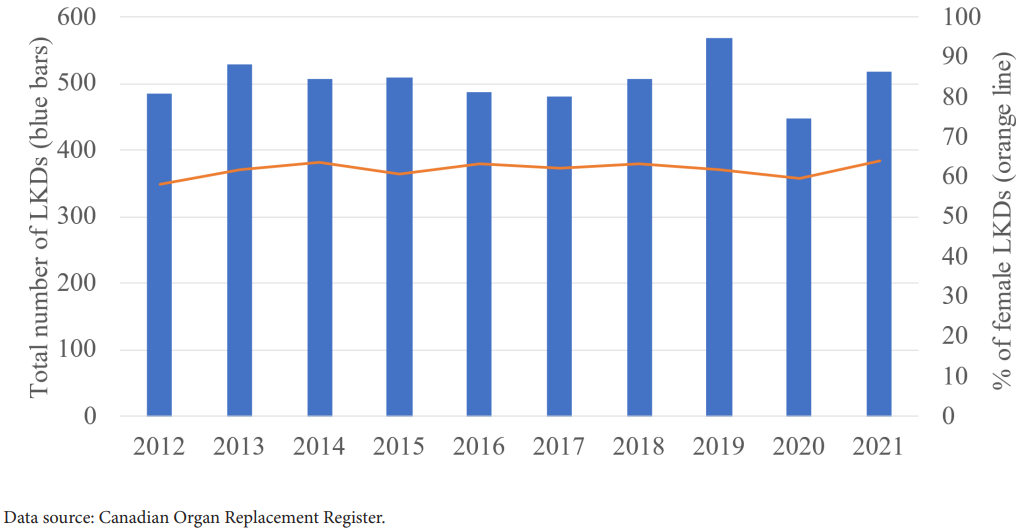
Figure 1. Trends in Living Kidney Donation in Canada Over the Past Decade
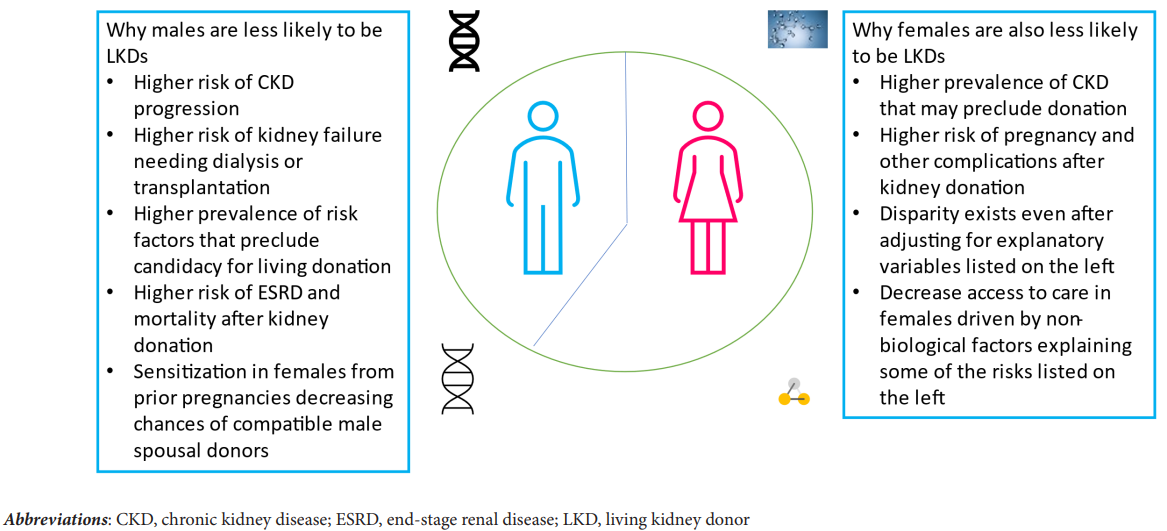
Figure 2. Sex and Medical Factors That Would Make Both Males and Females Less Likely to be Living Kidney Donors