Volume: 22 Issue: 1 January 2024 - Supplement - 1
FULL TEXT
Objectives: Solid-organ transplant recipients are at an increased risk of severe infections due to their immunosuppressed state. Despite the recommendation of routine screening and vaccination before transplant to mitigate this danger, vaccination rates in these patients are still below desirable levels. We aimed to investigate the prevalence of positive antibody rates for measles, mumps, rubella, and varicella among children who are candidates for renal transplant.
Materials and Methods: This retrospective study was conducted at a single center and included 144 pediatric kidney transplant patients for the past 7 years. We reviewed the medical records of all participants to evaluate their serologic status for measles, mumps, rubella, and varicella viruses before kidney transplant.
Results: In this study, 144 pediatric kidney transplant candidates (mean age 11.5 years, 56.9% male) were enrolled, and the most frequent causes of the chronic renal disease were congenital anomalies of the kidney and urinary tract and glomerular diseases (32.6%). Seropositivity rates for measles, mumps, rubella, and varicella were 59.0%, 31.9%, 46.5%, and 43.6%, respectively, and all patients who tested negative for antibodies were vaccinated before transplant. Younger age at transplant (OR = 0.909, 95% CI = 0.840-0.923; P = .017) and congenital anomalies of the kidney and urinary tract (OR = 3.46, 95% CI = 1.1548-7.735; P = .002) were significantly associated with increased measles seropositivity, although no significant associations were observed for the other viruses.
Conclusions: We observed lower seropositivity rates for measles, mumps, rubella, and varicella in pediatric kidney transplant patients versus healthy children and other previous studies. It is essential to address these suboptimal rates to protect the health of these vulnerable patients. Future research should focus on targeted interventions to improve vaccination rates and outcomes in this population.
Key words : Measles, Mumps, Rubella, Seropositivity, Varicella
Introduction
Pediatric kidney transplant recipients are highly susceptible to infectious diseases, which may precipitate kidney failure and graft rejection.1 Nonetheless, transplant recipients have a higher frequency of vaccine-preventable infections versus the healthy population.2,3 The immediate posttransplant administration of live attenuated vaccines is not recommended.4 The American Society of Transplantation Infectious Diseases Community recommends screening for viral serology and immunization of seronegative patients before transplant.5 However, the timing and type of vaccination should be carefully considered by the transplant team to avoid potential complications.
Immunocompromised patients are at a higher risk to contract life-threatening vaccine-preventable infections, especially in areas with insufficient herd immunity. Measles and varicella outbreaks continue to pose global threats, which highlights the need to monitor immunity and improve vaccination rates in vulnerable populations. The 2014 Disneyland measles outbreak, which affected 125 individuals in California, demonstrated how an intentional lack of vaccination due to personal beliefs can contribute to outbreaks.6 Moreover, despite the eradication of measles in the United States in 2000, the Centers for Disease Control and Prevention (CDC) reported 1249 cases of measles in 2019, and most of these cases (89%) occurred in patients who had not been vaccinated or whose vaccination status was unknown.7 Furthermore, during the period from 2016 to 2017, there were 9200 reported cases of mumps in the United States.8 In 2018, the CDC Advisory Committee on Immunization Practices recommended a third dose of the mumps vaccine for individuals at high risk during outbreaks, in response to clusters of outbreaks.9 Since the introduction of the 2-dose varicella vaccination campaign in 2006, there have been fewer varicella outbreaks, and those that do occur tend to be milder and shorter in duration, according to CDC guidelines.10 These cases affected individuals who had previously received the 2-dose vaccination recommended by the CDC. Moreover, there has been a decrease in vaccination rates during the COVID-19 pandemic, which has raised concerns about potential future outbreaks.11 Widespread vaccination is crucial to protect the health of society and prevent outbreaks, especially among vulnerable populations such as pediatric transplant patients. With higher vaccination rates, we can effectively reduce the risk of vaccine-preventable infections and the associated complications, which will ultimately promote the overall well-being of our communities.
Despite the importance of viral infection prevention in pediatric patients with chronic renal disease, there is limited knowledge about their vaccination status and viral seroprevalence.12-14 The prevalence of seropositivity for measles, rubella, and mumps in renal transplant patients prior to transplant has been reported to range from 20% to 85%, variable according to country.1,13-15 A study from Europe showed that vaccination rates for measles, mumps, rubella, and varicella were insufficient among children on dialysis, which highlights the critical importance of immunization for this susceptible population against these infectious diseases to prevent severe complications.16
Therefore, there is a global gap in immunity to viral pathogens, and vaccine-preventable infections pose a significant risk to immunocompromised patients. It is crucial to ensure adequate protection against these diseases, especially in the absence of herd immunity. Thus, determination of the seropositivity rates for measles, mumps, rubella, and varicella among pediatric candidates for renal transplant is essential. Here, we assessed the rates of seropositivity for measles, mumps, rubella, and varicella in pediatric kidney transplant recipients at our tertiary center.
Material and Methods
In this retrospective study, we reviewed the medical records of pediatric patients who were less than 1 year old to 18 years old who underwent kidney transplant at Baskent University Medical Faculty Hospital within the past 7 years. Patients with complete medical records were included, and their sociodemographic characteristics and primary kidney diseases were recorded. Seropositivity rates for measles, mumps, rubella, and varicella were documented prior to kidney transplant. Patients who tested positive for immunoglobin M (IgM) antibodies to measles, mumps, rubella, or varicella were excluded from the study (Figure 1).
Ethics committee approval for the study was obtained from the Baskent University Faculty of Medicine Ethics Committee (decision No. KA23/208).
Primary renal diseases
The present study analyzed the etiology of chronic kidney disease across 5 categories: congenital anomalies of the kidney and urinary tract (CAKUT), glomerular diseases, cystic renal diseases, tubulointerstitial diseases, and other etiological causes.
Viral serologies
For this study, the antibody titers were analyzed based on the information available in the patient’s medical records and the laboratory results. The enzyme-linked immunosorbent assay (ELISA) was utilized to determine the rubella IgG level by the manufacturer’s instructions for the Abbott Architect Immunology Analyzer. We also used ELISA to measure the IgG levels of measles, mumps, and varicella using the manual method (NOVATEC). Pediatric patients were considered seropositive for measles, mumps, and varicella-zoster virus if their IgG levels exceeded 11 nephelometric turbidity units, and for rubella if their IgG levels were above 10.0 IU/mL
Statistical analyses
We used statistical tests to evaluate the hypothesis of normal distribution. We used the Student t test to compare the means of 2 independent groups, provided that the assumptions of parametric tests were met. We used nonparametric tests such as the Mann-Whitney U test for 2 groups or the Kruskal-Wallis test for more than 2 groups when these assumptions were violated. For categorical data, we used either the chi-square significance test or the Fisher exact test. Additionally, we performed multiple logistic regression analyses to examine the factors that influenced viral seropositivity. We considered results as statistically significant if they met a confidence level of 95% or a margin of error of .05.
Results
For this study, 159 pediatric kidney transplant recipients were initially assessed for inclusion. Among them, 10 patients tested positive for IgM at the time of presentation (4 for measles, 3 for mumps, and 3 for rubella) and were excluded. Additionally, 5 patients had unconfirmed vaccination status and were also excluded (Figure 1). The final sample consisted of 144 fully vaccinated pediatric kidney transplant recipients, and 56.9% (n = 81) were male patients. The mean age of the patients was 18.8 ± 5.4 years, and the mean age at the time of kidney transplant was 11.5 ± 4.7 years. The median follow-up time for the study was 8.5 years, ranging from 0.5 to 16.2 years (Table 1).
Among the study participants, the most frequent cause of chronic kidney disease was CAKUT, which accounted for 32.6% of cases (Table 1). There were no significant differences observed in terms of age (P = .297) or sex (P = .580) among the primary renal diseases.
Before kidney transplant, 69 patients (48%) underwent hemodialysis, and 68 patients (47%) underwent peritoneal dialysis. Seven patients (5%) received preemptive kidney transplant. There was no significant difference in the timing of transplant between patients who underwent preemptive transplant and those who underwent transplant after dialysis treatment (P = .56). Most kidney transplants (80%) were from living donors, and 20.0% were from deceased donors (Table 1).
Measles seropositivity was detected in 59.0% of the study participants, with mumps, rubella, and varicella seropositivity rates of 31.9%, 46.5%, and 43.6%, respectively. Positive results for all 3 antibodies were observed in 18 patients (12.5%).
Table 2 presents the associations of age at transplant, sex, the most common primary cause (CAKUT), and preemptive kidney transplant on measles seropositivity. Univariate logistic regression analyses were conducted for age at transplant, sex, CAKUT, and preemptive kidney transplant. Based on the test results, multivariate logistic regression analyses were performed for these variables, where P < .05. The multiple regression analyses revealed that the that age at transplant (OR = 0.909, 95% CI = 0.840-0.923; P = .017) and CAKUT (OR = 3.460, 95% CI = 1.548-7.735; P = .002) were significant factors for measles seropositivity.
The rate of measles seropositivity was 76.6% among patients with end-stage renal disease caused by CAKUT, compared with 50.5% among patients without CAKUT. The average age of patients who tested positive for measles was 11.1 ± 4.9 years, whereas the mean age of those who tested negative was 13.2 ± 4.1 years. These findings suggest that younger patients and patient with CAKUT were more likely to test positive for measles. However, no statistically significant associations were found between these factors and seropositivity for varicella, measles, and mumps viruses. For rubella, mumps, and varicella antibodies, the mean ages of patients at the time of transplant were similar between those who tested positive and negative, with mean ages of 11.1 ± 4.9 years for rubella, 11.2 ± 5.1 years for mumps, and 11.1 ± 5.0 years for varicella
(P > .05).
Discussion
We investigated the seroprevalence of measles, mumps, rubella, and varicella among pediatric kidney transplant recipients and explored the factors associated with viral seropositivity. We observed that measles had the highest seropositivity rate among the 4 diseases, with 59% of the participants having detectable antibodies. Varicella had a seropositivity rate of 43.6%, rubella 46.5%, and mumps 31.9%.
However, the seroprevalence rates reported in this study differ from those observed in previous studies conducted among pediatric kidney transplant recipients in various countries. For example, in 2020 Aksoy and colleagues reported seropositivity rates of 78.7% for measles, 61.2% for mumps, 88.1% for rubella, and 71.9% for varicella, whereas in 2008 Dilli and colleagues found seropositivity rates of 81.6% for measles, 80.0% for mumps, 85.5% rubella, and 71.0% for varicella among children with a mean age of 11.8 years in Turkey.12,17 Additionally, an analysis of medical records from the Cooperative European Paediatric Renal Transplant Initiative revealed pretransplant positive vaccination titre rates of 77.4% for measles, 73.0% for mumps, 89.8% for rubella, and 79.2% for varicella.1 These differences in seropositivity rates between studies could be attributed to various factors, such as differences in vaccination policies, coverage rates, and patient populations in the studies. Other factors, including age, underlying medical conditions, and other confounding variables, may have also influenced seroprevalence rates.
Pediatric kidney transplant recipients have weakened immune systems and are more susceptible to infections due to the effects of immunosuppression therapies and dialysis. Studies have shown that these patients can present with severe or atypical symptoms and may even die when infected with measles, mumps, rubella, and varicella.18,19 This study focused on pretransplant children in Turkey and found lower seroprevalence rates for measles, mumps, rubella, and varicella versus healthy children and adolescents. In contrast, a nationwide study in Iran among healthy children and adolescents 6 to 18 years old found the seropositivity rates of 65.8% for measles, 77.2% for mumps, and 80.1% for rubella.20 Additionally, a recent study in Argentina confirmed that 92.2% of participants tested positive for anti-measles IgG, whereas 88.3% tested positive for anti-rubella IgG.21 These differences in seroprevalence rates could be attributed to various factors, including the weakened immune systems of transplant recipients and the effects of immunosuppression therapies and dialysis. Our present study underscores the importance of monitoring the seroprevalence of vaccine-preventable diseases in pediatric kidney transplant recipients and implementation of effective vaccination strategies to prevent infections.
The results of both univariate and multivariate regression analyses in our present study found that younger age at the time of transplant and the occurrence of CAKUT disease are associated with higher rates of measles seropositivity in pediatric renal transplant recipients. Specifically, after adjustment for the effects of other variables in the model, each 1-year increase in age at transplant was associated with a 0.96 unit decrease in the risk of measles seropositivity. Patients with CAKUT disease had 3.4 times higher risk of measles seropositivity compared with patients without CAKUT. These findings underscore the importance of considering the age at transplant and the presence of CAKUT in assessment of the risk of measles infection among pediatric kidney transplant recipients.
In contrast to our findings, in the study by Aksoy and colleagues from 2020, the age and the etiology of end-stage kidney failure were not significantly different in pediatric patients with positive and negative Ig measles status.12 This discrepancy in findings could be due to differences in study populations, sample sizes, or other factors that were not considered in the analysis. Nevertheless, the results of this study suggest that age and underlying medical conditions may play a significant role in viral seropositivity rates among pediatric kidney transplant recipients. Future, more-comprehensive studies on this topic would help identify at-risk populations, and each case should be carefully evaluated with specific attention to the relevant risk group. This approach could be beneficial to manage the risk of measles infection in pediatric kidney transplant recipients and other vulnerable populations.
Our study has several limitations. We were unable to distinguish between patients who had acquired seropositivity through vaccination and those who had developed immunity from past infections. Additionally, we did not investigate the rates of seropositivity after pediatric renal transplant, which highlights the need for further research in this area. Notwithstanding these limitations, our study contributes to the current body of research by providing insights into the prevalence of positive antibody rates against viral infections in pediatric patients with chronic kidney disease who are being evaluated for renal transplant.
Conclusions
This study provides important insights into the seroprevalence of vaccine-preventable diseases among pediatric kidney transplant recipients in Turkey and highlights the need for effective vaccination strategies to reduce the risk of infections in this vulnerable population. The study also identifies younger age at transplant and the presence of CAKUT as potential risk factors for measles seropositivity in this population. Further research is needed to confirm these findings and to explore other potential risk factors for viral infections in pediatric kidney transplant recipients.
References:
- Höcker B, Aguilar M, Schnitzler P, et al. Vaccination titres pre- and post-transplant in paediatric renal transplant recipients and the impact of immunosuppressive therapy. Pediatr Nephrol. 2018;33(5):897-910. doi:10.1007/s00467-017-3868-0
CrossRef - PubMed - Alimohammadi M, Moosazadeh M, Mardomi A, Mousavi T. Seroprevalence of VZV IgG antibody in kidney transplant recipients: a systematic and meta-analysis review. Transpl Immunol. 2022;75:101730. doi:10.1016/j.trim.2022.101730
CrossRef - PubMed - Walti LN, Mugglin C, Mombelli M, et al. Vaccine-preventable infections among solid organ transplant recipients in Switzerland. JAMA Network Open. 2023;6(4):e2310687-e2310687. doi:10.1001/jamanetworkopen.2023.10687
CrossRef - PubMed - Kemme S, Kohut TJ, Boster JM, Diamond T, Rand EB, Feldman AG. Live vaccines in pediatric liver transplant recipients: “to give or not to give”. Clin Liver Dis (Hoboken). 2021;18(4):204-210. doi:10.1002/cld.1123
CrossRef - PubMed - Danziger-Isakov L, Kumar D; American Society of Transplantation Infectious Diseases Community of Practice. Vaccination of solid organ transplant candidates and recipients: guidelines from the American Society of Transplantation Infectious Diseases Community of Practice. Clin Transplant. 2019;33(9):e13563. doi:10.1111/ctr.13563
CrossRef - PubMed - Zipprich J, Winter K, Hacker J, et al. Measles outbreak: California, December 2014-February 2015. MMWR Morb Mortal Wkly Rep. 2015;64(6):153-154.
CrossRef - PubMed - Patel M, Lee AD, Clemmons NS, et al. National update on measles cases and outbreaks: United States, January 1-October 1, 2019. MMWR Morb Mortal Wkly Rep. 2019;68(40):893-896. doi:10.15585/mmwr.mm6840e2
CrossRef - PubMed - Marlow M, Leung J, Marin M, et al. Mumps. In: Roush SW, Baldy LM, eds. Manual for the Surveillance of Vaccine-Preventable Diseases. Centers for Disease Control and Prevention, 2022; chapter 9. Last reviewed December 15, 2021. Accessed June 12, 2023. https://www.cdc.gov/vaccines/pubs/surv-manual/chpt09-mumps.html
CrossRef - PubMed - Akiyode O, Rungkitwattanakul D, Emezienna N, Noumedem P. The resurgence of mumps. US Pharmacist. May 17, 2019. Accessed June 12, 2023. https://www.uspharmacist.com/article/the-resurgence-of-mumps
CrossRef - PubMed - Lopez AS, Zhang J, Marin M. Epidemiology of varicella during the 2-dose varicella vaccination program: United States, 2005-2014. MMWR Morb Mortal Wkly Rep. 2016;65(34):902-905. doi:10.15585/mmwr.mm6534a4
CrossRef - PubMed - Ackerson BK, Sy LS, Glenn SC, et al. Pediatric vaccination during the COVID-19 pandemic. Pediatrics. 2021;148(1). doi:10.1542/peds.2020-047092
CrossRef - PubMed - Aksoy GK, Saglik I, Velipasaoglu S, et al. Viral seroprevalence in pediatric kidney transplant recipients. Turk Pediatri Ars. 2020;55(4):418-424. doi:10.14744/TurkPediatriArs.2020.43789
CrossRef - PubMed - Burton CE, Doucette KE, Mabilangan CA, Plitt SS, Lee BE, Preiksaitis JK. Hepatitis B and C serologic profiles of Canadian organ donors and recipients: retrospective 10-year review at a single center. Transpl Infect Dis. 2016;18(4):520-528. doi:10.1111/tid.12558
CrossRef - PubMed - Genc G, Ozkaya O, Aygun C, Yakupoglu YK, Nalcacioglu H. Vaccination status of children considered for renal transplants: missed opportunities for vaccine preventable diseases. Exp Clin Transplant. 2012;10(4):314-318. doi:10.6002/ect.2012.0059
CrossRef - PubMed - Prelog M, Pohl M, Ermisch B, et al. Demand for evaluation of vaccination antibody titers in children considered for renal transplantation. Pediatr Transplant. 2007;11(1):73-76. doi:10.1111/j.1399-3046.2006.00602.x
CrossRef - PubMed - Bakkaloglu SA, Ozdemir Atikel Y, Paglialonga F, et al. Vaccination practices in pediatric dialysis patients across Europe. A European Pediatric Dialysis Working Group and European Society for Pediatric Nephrology Dialysis Working Group study. Nephron. 2018;138(4):280-286. doi:10.1159/000485398
CrossRef - PubMed - Dilli D, Dallar Y, Ufuk Ö, Do?an F, Ya?ci S. Ergenlerde kizamik, kizamikçik, kabakulak ve suçiçe?i seroprevalansi. Çocuk Dergisi. 2008;8(3):172-178.
CrossRef - PubMed - Pergam SA, Limaye AP; American Society of Transplantation Infectious Diseases Community of Practice. Varicella zoster virus in solid organ transplantation: Guidelines from the American Society of Transplantation Infectious Diseases Community of Practice. Clin Transplant. 2019;33(9):e13622. doi:10.1111/ctr.13622
CrossRef - PubMed - Statler VA, Fox T, Ardura MI. Spotting a potential threat: measles among pediatric solid organ transplantation recipients. Pediatr Transplant. 2023;27(4):e14502. doi:10.1111/petr.14502
CrossRef - PubMed - Nokhodian Z, Ataei B, Gouya MM, et al. A nationwide study on the seroprevalence of measles, mumps, and rubella in Iranian children and adolescents. Iran J Public Health. 2022;51(2):409-415. doi:10.18502/ijph.v51i2.8694
CrossRef - PubMed - Pedranti M, Isa MB, Riberi MI, et al. Measles and rubella seroprevalence among children and adolescents of Córdoba, Argentina: a cross-section study in the context of the elimination program. Viral Immunol. 2023;36(6):429-434. doi:10.1089/vim.2022.0181
CrossRef - PubMed

Volume : 22
Issue : 1
Pages : 275 - 280
DOI : 10.6002/ect.MESOT2023.P79
From the 1Department of Pediatrics, the 2Department of Pediatric Nephrology, and the 3Division of Transplantation, Department of General Surgery, Baskent University Faculty of Medicine, Ankara, Turkey
Acknowledgements: The authors have not received any funding or grants in support of the presented research or for the preparation of this work and have no declarations of potential conflicts of interest.
Corresponding author: Esra Baskin, Department of Pediatric Nephrology, Baskent University Faculty of Medicine, Yukari Bahcelievler, Maresal Fevzi Cakmak cad. No:45, 06490 Cankaya, Ankara, Turkey
Phone: +90 532 326 66 56
E-mail: esrabaskin@yahoo.com
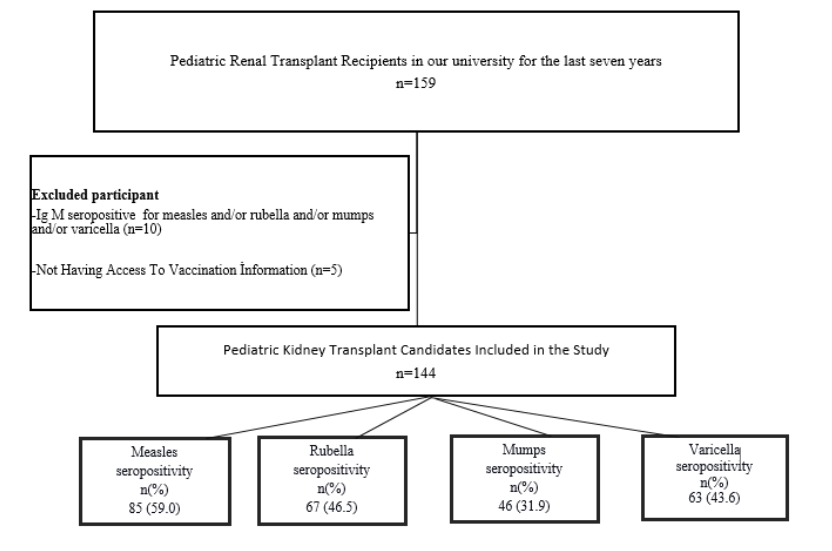
Figure 1. Procedure Processes of Participants
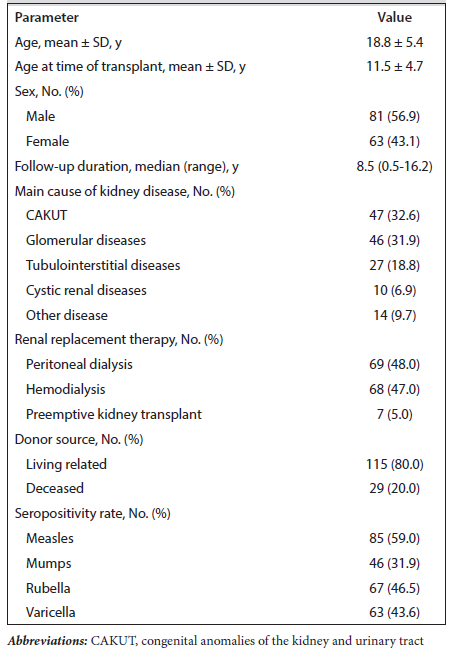
Table 1. Demographic and Transplant-Related Features of Patients Enrolled in the Study
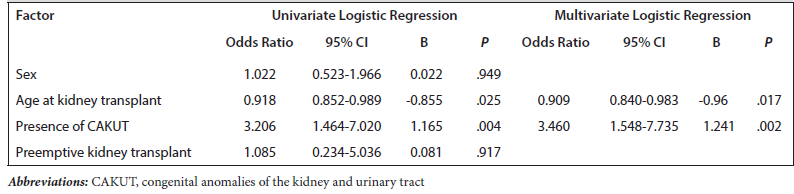
Table 2. Variables Affecting Measles Seropositivity