Volume: 22 Issue: 1 January 2024 - Supplement - 1
FULL TEXT
Objectives: This study aimed to investigate the effects of care burden on the quality of life of parents who have children who have undergone solid-organ transplant.
Materials and Methods: The research was conducted as a descriptive correlational study. Researchers collected data through face-to-face interviews with parents of patients registered in the Solid Organ Transplantation and Pediatric Nephrology outpatient clinic of Akdeniz University Hospital. The data collection tools included a Descriptive Information Form, the SF-36 Quality of Life Scale, and the Zarit Caregiver Burden Scale. Data were analyzed using descriptive statistics, percentages, Pearson correlation analysis, t tests, analysis of variance, and the Kruskal-Wallis test.
Results: Parents in the study had a mean age of 32.12 ± 5.42 years; 100% of the parent participants were mothers. Among children who received transplants, 55.8% were boys. Solid-organ transplant types included 86% with liver transplants and 6.9% with kidney transplants. The mean burden of care score of parents was 38.72 ± 7.12, and the mean quality of life score was 28.14 ± 1.49. A significant negative correlation was found between the care burden of parents and their quality of life.
Conclusions: Families of children with solid-organ transplants face a significant care burden, which negatively affects their quality of life. The burden extends beyond parents to siblings and the overall family dynamics. Health care providers should recognize and address this burden by implementing comprehensive support services tailored to the specific needs of these families. A multidisciplinary approach involving various professionals is necessary to provide effective support. Interventions such as respite care, support groups, counseling services, and educational programs can help alleviate the burden and improve the overall well-being of these families. Future research should aim to develop targeted interventions and explore the experiences of these families in more depth.
Key words : Family support, Kidney transplant, Liver transplant
Introduction
In all societies, children are considered valuable individuals who are carefully raised, educated, and provided with all possible resources to meet their needs, as they are seen as future adults. The expectation of every parent is to have a healthy child, but sometimes these expectations cannot be met due to reasons such as illness, resulting in a loss for the family. Acute or chronic illnesses that develop in family members affect all members of the family.1 With the advances in medical science, the quality of life for children with chronic diseases is improving and life expectancy is increasing; however, the child and their family are exposed to a longer period of the psychological and social effects of chronic illness.2
Organ transplant has become more common in recent years for treatment of certain chronic diseases. Because organ failure is often the result of a number of autosomal-recessive inherited diseases, it is expected that organ transplant will be more prevalent in our country because of the high rate of consanguineous marriages.3 Changes in the child’s pretransplant physical condition, increased financial problems, and psychological effects that the treatment process could create can negatively affect not only the child who undergoes organ transplant but also the parents, siblings, and the close family members of the child.4
One of the most important goals of health care is to ensure the adaptation of the child and the family to the illness after organ transplant.5 The concept of caregiving is a multidimensional situation perceived by the individuals responsible for caregiving but is not limited to a single type of assistance; caregiving also includes emotional, physical, and material support.6 Factors such as being responsible for caring for a family member, the high emotional burden between the caregiver and the patient, possible health problems in the caregiver, not having sufficient social support, and restrictions on time and social activities can lead to psychological problems in caregivers. These problems decrease the quality of life of the caregiver and indirectly affect the care of the patient in a negative way.7,8 Mothers, who have been shown to predominantly provide care for children during long-term sickness, may not have enough time for themselves, thus decreasing their quality of life; social support has an important effect on reducing the burden of care.9,10
In pediatric organ transplant, children and their parents require the collaboration and effective work of multiple disciplines. Nurses play a key role in informing parents about transplantation, providing supportive care, taking the family history, keeping records, ensuring adherence to treatment, and helping parents accept their child’s strengths and weaknesses. This study investigated the effects of the burden of care on the quality of life of parents who have children who have undergone solid-organ transplant.
Materials and Methods
This was a descriptive correlational study. Researchers collected data through face-to-face interviews using the snowball sampling method with the parents of patients registered in the Solid Organ Transplantation and Pediatric Nephrology outpatient clinic of Akdeniz University Hospital between March and May 2023. The research area consisted of parents of transplant recipients who lived in the provinces of Burdur, Isparta, and Antalya, with an aim to reach the entire cohort living in these areas. The sample consisted of parents of patients who had undergone transplant at least 3 months before the start of the study, were under follow-up, volunteered to fill out the data collection tools, and completed the informed consent form. The number of samples could not be predicted because of the possibility that some families could be lost during the data collection period.
Data collection tools
The study used the Descriptive Information Form, the SF-36 Quality of Life Scale, and the Care Burden Scale for data collection.
Descriptive information form
The Descriptive Information Form has 2 sections. The first section includes demographic information about the child and the parent, and the second section consists of 17 questions related to transplantation prepared by obtaining expert opinions (transplantation duration, transplanted organ, etc). The questionnaire on transplantation was developed by consulting pediatric health and diseases, general surgery, pediatric health and diseases nursing, and surgical diseases nursing faculty members and nurses working in the pediatric surgery department. Experts were asked to evaluate the appropriateness of the transplantation-related questions included in the form.
SF-36 quality of life scale
The SF-36 Quality of Life Scale was developed by the Rand Corporation to assess quality of life.11 The existing scale was translated into Turkish and underwent validity and reliability studies.12 This scale is a multidimensional short health survey consisting of 36 questions and encompassing 8 scales. This tool allows for the evaluation of physical functioning, social functioning, role limitations due to physical problems, role limitations due to emotional problems, mental health, energy/vitality, pain, and general health. As the score increases, the quality of life improves.
Zarit care burden scale
The Zarit Caregiver Burden Scale was adapted into Turkish by ?nci and Erdem13 based on the studies of Zarit et al,14 and its validity and reliability were established. The scale consists of 22 questions and uses a 5-point Likert-type scale for scoring. The scale ranges from “never” to “always” on a scale of 0 to 4. The lowest score that can be obtained from the scale is 0, and the highest score is 88. As the score increases, the burden of care also increases. In the adaptation study of the scale, the Cronbach alpha value ranged from 0.87 to 0.99.13 In this study, the Cronbach alpha value of the scale was 0.91.
Statistical analyses
Researchers transferred the data to the SPSS version 23.0 software package for analysis using descriptive statistics, percentages, Pearson correlation analysis, t test, analysis of variance, and Kruskal-Wallis test. The dependent variables of the study included the scores obtained from the care burden and quality of life scales, and the independent variables consisted of the sociodemographic characteristics of the children and parents (age, sex, employment status, educational level, etc) assumed to affect the scale score averages.
Ethical considerations
Ethics committee approval for the research was obtained from the Burdur Mehmet Akif Ersoy University Scientific Research and Publication Ethics Committee (Decision No. GO/71). Permissions were obtained for scale usage, and participants were informed and provided with consent forms in accordance with the necessary explanations.
Results
Among the children included in the study, 44.1% were girls, 8.8% were aged 0 to 3 years, and 35.3% were in the age range of 13 to 18 years. Liver transplant was performed on 86% of the children. Among children in the study, 58.8% received a transplant from a living donor and 47.1% had passed 6 to 10 years posttransplant.
In the examination of caregiver burden of parents of transplant recipients, the mean score of the Zarit Caregiver Burden Scale was 38.72 ± 7.12. When the caregiver burden status of the caregivers was examined, 62.4% of parents had mild to moderate caregiver burden and 6.8% had moderate to severe caregiver burden.
The mean total score for the physical health subscale of the Quality of Life Scale for parents was 28.14 ± 1.49, and the mean total score for the mental health subscale was 27.94 ± 3.01. Parents scored the lowest in the mental role subscale (4.98 ± 0.82) and the highest in the physical functioning subscale (26.01 ± 5.14) (Table 1).
In the analysis to determine differences in mean caregiver burden scale scores according to descriptive characteristics, a significant difference was shown in mean caregiver burden score and income status, number of children, transplant method, and duration posttransplant (P < .05) (Table 1). No differences were shown in terms of the other descriptive characteristics.
When the mean scores of parental quality of life was examined according to descriptive characteristics, results showed a significant difference between mean quality of life scores and number of children, transplant method, and income status (P > .05) (Table 2). No differences were shown between other descriptive characteristics and mean quality of life score (P > .05).
In the examination of the relationship between caregiver burden and quality of life, an increase in caregiver burden had a significant negative impact on quality of life (P < .05) (Table 3).
Discussion
This study aimed to examine the effects of care burden on the quality of life in families of children who have undergone solid-organ transplant procedures. The findings of this research shed light on the significant challenges faced by families of pediatric transplant patients and provide insight into the potential interventions that can improve their overall well-being. Here, key findings, their implications, limitations of the study, and suggestions for future research are discussed.
Results showed that families of pediatric solid-organ transplant recipients experience a substantial care burden, which significantly and negatively affected their quality of life. Care burden encompasses various dimensions, including physical, emotional, and financial aspects. Parents and caregivers often need to devote considerable time and energy to managing their child’s medical needs, medication schedules, follow-up appointments, and potential complications. This can lead to exhaustion and high levels of stress, affecting their own physical and mental health.15 The findings highlight the need for comprehensive support services tailored to the specific needs of these families.
Furthermore, results showed that care burden not only affects the parents but also has an effect on siblings and the overall family dynamics. Siblings of transplant recipients may experience feelings of neglect or jealousy because of the increased attention given to the ill child. Moreover, social and recreational activities of the family may be limited because of demands of caregiving and the child’s health condition. These factors contribute to a reduced quality of life for the entire family unit.16,17
One important implication of this research is the need for health care providers to recognize and address the care burden experienced by families of pediatric solid-organ transplant recipients. A multidisciplinary approach involving nurses, health care professionals, social workers, psychologists, and other relevant experts is crucial to provide comprehensive support and to alleviate the burden on these families. Implementing interventions such as respite care, support groups, counseling services, and educational programs can enhance the overall well-being of families and help them cope with the challenges that they face.
Limitations
This study has several limitations. First, the research was conducted in a specific geographic area, and the findings may not be generalizable to other regions or cultural contexts. Second, the study relied on self-reported measures, which are subject to biases and may not capture the full complexity of the care burden experienced by families. Future studies could employ more objective measures or qualitative methods to gain a deeper understanding of the lived experiences of these families.
Conclusions
This study highlights the significant effects of care burden on the quality of life in families of pediatric solid-organ transplant recipients. The findings underscore the importance of providing comprehensive support services to alleviate the burden and improve the overall well-being of these families. Health care providers, policy makers, and researchers should collaborate to develop targeted interventions that address the specific needs of these families and enhance their quality of life.
References:
- Zeman J, Cassano M, Perry-Parrish C, Stegall S. Emotion regulation in children and adolescents. J Dev Behav Pediatr. 2006;27(2):155-68. doi:10.1097/00004703-200604000-00014
CrossRef - PubMed - Rijken M, van Kerkhof M, Dekker J, Schellevis FG. Comorbidity of chronic diseases: effects of disease pairs on physical and mental functioning. Qual Life Res. 2005;14(1):45-55. doi:10.1007/s11136-004-0616-2
CrossRef - PubMed - Perrin JM, Anderson LE, Van Cleave J. The rise in chronic conditions among infants, children, and youth can be met with continued health system innovations. Health Affairs. 2014;33(12):2099-2105. doi:10.1377/hlthaff.2014.0832
CrossRef - PubMed - Zhang WX, Wei H, Shen ZY, et al. Concerns of and coping strategies by parents of pediatric liver transplant recipients: a qualitative study from China. Int J Clin Exp Med. 2014;7(12):5723-5729.
CrossRef - PubMed - Lerret SM, Weiss ME, Stendahl G, et al. Transition from hospital to home following pediatric solid organ transplant: qualitative findings of parent experience. Pediatr Transplant. 2014;18(5):527-537. doi:10.1111/petr.12269
CrossRef - PubMed - Liu Z, Heffernan C, Tan J. Caregiver burden: a concept analysis. Int J Nurs Sci. 2020;7(4):438-445. doi:10.1016/j.ijnss.2020.07.012
CrossRef - PubMed - Yi M, Jiang D, Jia Y, et al. Impact of caregiving burden on quality of life of caregivers of COPD patients: the chain mediating role of social support and negative coping styles. Int J Chron Obstruct Pulmon Dis. 2021;16:2245-2255. doi:10.2147/COPD.S311772
CrossRef - PubMed - Pérez-Villalva SD, Villaseñor-Cabrera T, Ramírez-Contreras MG, Rizo-Curiel G, Ruiz-Sandoval JL. Quality of life in primary caregivers of patients with cerebrovascular disease. Rev Mex Neurocie. 2021;22(6):229-237. https://doi.org/10.24875/rmn.20000101
CrossRef - PubMed - Rodakowski J, Skidmore ER, Rogers JC, Schulz R. Role of social support in predicting caregiver burden. Arch Phys Med Rehabil. 2012;93(12):2229-2236. doi:10.1016/j.apmr.2012.07.004
CrossRef - PubMed - Stuber ML. Psychiatric issues in pediatric organ transplantation. Child Adolesc Psychiatr Clin N Am. 2010;19(2):285-300. doi:10.1016/j.chc.2010.02.002
CrossRef - PubMed - Ware JE, Jr., Sherbourne CD. The MOS 36-item short-form health survey (SF-36). I. Conceptual framework and item selection. Med Care. 1992;30(6):473-483.
CrossRef - PubMed - Kocyigit H. Reliability and validity of the Turkish version of short form-36 (SF-36): a study in a group of patients will rheumatic diseases. Turk J Drugs Ther. 1999;12:102-106.
CrossRef - PubMed - ?nci FH. Validity and reliability of the burden interview and its adaptation to Turkish. J Atatürk Univ School Nurs. 2008;11(4):85-95.
CrossRef - PubMed - Zarit SH, Reever KE, Bach-Peterson J. Relatives of the impaired elderly: correlates of feelings of burden. Gerontologist. 1980;20(6):649-655. doi:10.1093/geront/20.6.649
CrossRef - PubMed - Brown R, Brown SL, Penner LA. Caregiver burden: Concepts, determinants, and measurement. In: Handbook of Health Psychology and Behavioral Medicine. Guildford Press; 2010:379-391.
CrossRef - PubMed - Caress AL, Luker KA, Owens RG. A descriptive study of meaning of illness in chronic renal disease. J Adv Nurs. 2001;33(6):716-727. doi:10.1046/j.1365-2648.2001.01713.x
CrossRef - PubMed - Lown EA, Goldsby R, Mertens AC, et al. Alcohol consumption patterns and risk factors among childhood cancer survivors compared to siblings and general population peers. Addiction. 2008;103(7):1139-1148.
CrossRef - PubMed - Marquand A WD. Mental state decoding and dyslexia. Arch Gen Psychiatry. 2005;62(3):269-276.
CrossRef - PubMed - Pillai Riddell RR, Racine NM, Gennis HG, et al. Non-pharmacological management of infant and young child procedural pain. Cochrane Database Syst Rev. 2015;2015(12):CD006275. doi:10.1002/14651858.CD006275.pub3
CrossRef - PubMed

Volume : 22
Issue : 1
Pages : 270 - 274
DOI : 10.6002/ect.MESOT2023.P78
From the Department of Nursing, Bucak School of Health, Burdur Mehmet Akif Ersoy University, Burdur, Turkey
Acknowledgements: The author has not received any funding or grants in support of the presented research or for the preparation of this work and has no declarations of potential conflicts of interest.
Corresponding author: Halil Ibrahim Tasdemir, Burdur Mehmet Akif Ersoy University, Burdur, Turkey
Phone: +90 544 3356575
E-mail: dibrahimtasdemir@gmail.com
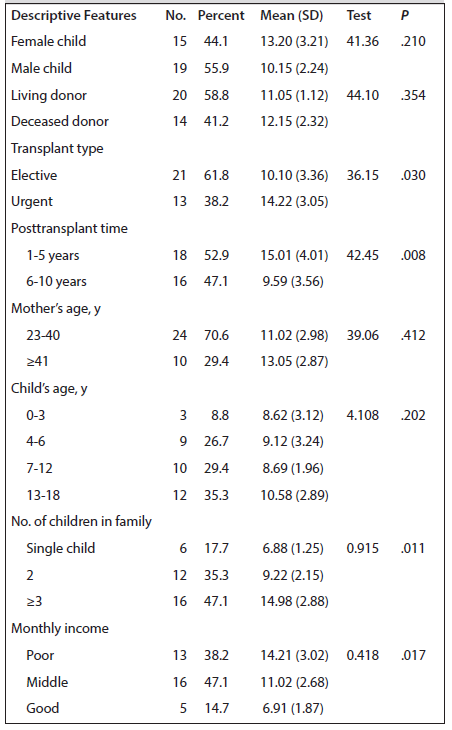
Table 1. Demographic Characteristics of Children and Parents
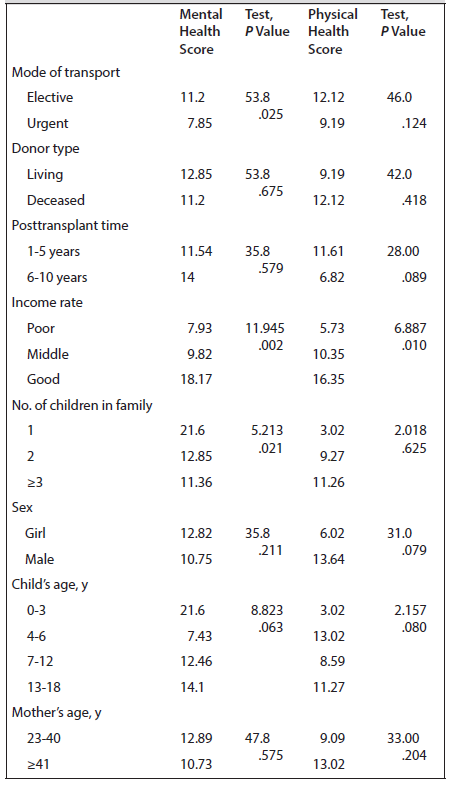
Table 2. Comparison of Average Quality of Life Scores Among Parents
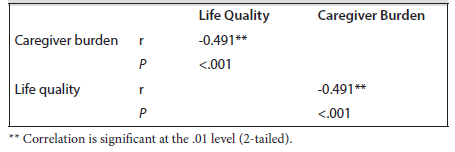
Table 3. Comparison of Mean Caregiver Burden Scale Scores Among Parents