Volume: 22 Issue: 1 January 2024 - Supplement - 1
FULL TEXT
Objectives: We investigated the relationship between serum kallistatin and kidney disease and proteinuria in nondiabetic obesity-related chronic kidney disease and observed the effects on arterial stiffness.
Materials and Methods: We included 40 patients with nondiabetic obesity-related chronic kidney disease followed in our nephrology clinic and a control group of 40 participants without chronic kidney disease matched by age, sex, and mean body mass index (measured as weight in kilograms divided by height in meters squared). Pulse-wave velocity and augmentation index were measured oscillometrically by pulse-wave analysis (Mobil-O-Graph) by the same operator. Serum kallistatin levels were measured by sandwich enzyme-linked immunosorbent assay.
Results: Mean age of patients was 51 ± 7.5 years (range, 29-62 years), and 40% were female. Mean body mass index was 35 ± 3.1. Four patients (10%) had morbid obesity; 21 (52.5%) had hypertension. Glomerular filtration rate (42 ± 18 vs 83 ± 15 mL/ min/1.73 m2, respectively; P < .001) were significantly lower. However proteinuria (671 ± 1031 vs 80 ± 30 mg/d, respectively; P< .001) were significantly higher in patients than in controls. Also, serum kallistatin and arterial stiffness were significantly higher in patients (P < .05).’’The Pulse Wave Velocity was higher in patients with hypertension (P = .01); GFR was lower (P < .01); serum uric acid level was higher (P < .001); and neutrophil-to-lymphocyte ratio (P < .05), C-reactive protein level (P < .05), and serum kallistatin level were higher (P < .05).
Conclusions: Serum kallistatin levels increase in patients with obesity-related kidney disease. Especially hypertension and hyperuricemia are associated with an increase in serum kallistatin.
Key words : Arterial stiffness, End-stage kidney disease, Kallistatin, Obesity-related kidney disease, Pulse-wave velocity
Introduction
Chronic kidney disease (CKD) is characterized by abnormal kidney function and progressive decrease in glomerular filtration rate (GFR) as a result of various pathophysiological causes.1 Any disease affecting the kidney may reduce the number of glomeruli, but, because the load remains the same, the perfusion rate per glomerulus increases (hyperperfusion) and intraglomerular hypertension develops as a result of hyperfiltration. As the glomeruli are depleted, the load on the remaining glomeruli increases. Creatinine levels also steadily rise. End-stage kidney disease develops when GFR falls to 5 to 10 mL/min, at which time patients require renal replacement therapies.1-3 According to the Chronic Kidney Disease Prevalence Study conducted in Turkey, the prevalence of CKD is 15.7%.3 Today, obesity is a significant public health problem and an independent risk factor for CKD.4-6
Arterial stiffness is a term used to describe the viscoelastic properties of blood vessel walls. Arterial stiffness occurs with the increase of atherosclerotic risk factors, such as smoking, high cholesterol, CKD, diabetes mellitus (DM), hypertension, and aging.7,8 Arterial stiffness is a significant cause of mortality and morbidity in end-stage kidney disease.7,8
Kallistatin, also known as human protease inhibitor 4, is a serine protease inhibitor.9 Studies have shown that kallistatin improves cardiac and renal functions in mouse models with induced cardiac ischemia-myocardial infarction and kidney damage; it reduces oxidative stress, apoptosis, and tissue remodeling and increases the release of endothelial nitric oxide synthase. Research shows that kallistatin is a vascular protective agent that reduces apoptosis and oxidative stress and increases nitric oxide levels.9,10
The purpose of this study was to investigate the relationship between serum kallistatin and kidney failure and proteinuria in nondiabetic obesity-associated CKD and observe the effects on arterial stiffness.
Materials and Methods
There were 80 participants in this study, including 40 patients with obesity, chronic kidney disease, or proteinuria (nondiabetic), followed in the nephrology outpatient clinic of Bozyaka Education and Research Hospital, Izmir Faculty of Medicine, University of Health Sciences, and 40 healthy individuals (control group). Detailed medical histories of all participants were recorded, general physical examinations were performed, and measurements of pulse, arterial blood pressure, height, and body weight were recorded. Features such as age, sex, primary renal disease, hypertension, DM, medication use, and smoking habits were recorded with respect to the information in the files of all participants. Data are reported as means ± SD.
A single-cuff arteriography device (Mobil-O-Graph model pulse-wave analysis device; IEM), which has proven reliability and performs measurements using the oscillometric method independent of the user, was used for arterial stiffness measurement. A commercial kit (Shanghai Sunred Biological Technology) operating with the sandwich enzyme-linked immunosorbent assay method was used for the measurement of serum kallistatin levels.
The kallistatin concentrations of the samples were determined with the standard curve drawn using standard absorbances, and results are expressed in nanograms per milliliter.
Statistical analyses
All analyses were performed with SPSS software (version 18.0). The demographic and laboratory data of the patients and the control group were compared using the independent t test. The Pearson correlation analysis was used to examine the relationship between kallistatin and other demographic and laboratory data. In our research, P < .05 was considered statistically significant.
Results
The average age of the patients was 51 ± 7.5 years (range 29-62 years), and 40% were female. The average BMI was 35 ± 3.1, and 4 cases (10%) were morbidly obese. Twenty-one patients (52.5%) had a history of hypertension. The control group participants, on the other hand, had an average BMI of 36 ± 3.4, 6 (15%) were morbidly obese, and 10 (25%) had a history of hypertension. The parameters of kidney function and the level of proteinuria were found to be significantly higher in the patient group compared with the control group (Table 1).
When the inflammation parameters and arterial stiffness parameters of the patients and the control group were compared, these parameters were statistically higher in the patients (P < .05) (Table 2). The comparison of kallistatin levels between the 2 groups is presented in Figure 1.
The pulse-wave velocity (PWV) of the patients was 8.4 ± 1.5 m/s and was significantly higher in the patients versus the control group (P < .05).
Among the 80 cases, 31 participants (38.7%) had hypertension. The PWV was higher in patients with hypertension (8.2 ± 1.5 m/s) versus those without hypertension (7.3 ± 1.5 m/s; P = .01); GFR was lower (53 ± 25 vs 69 ± 25 mL/min/1.73 m2; P < .01); serum uric acid level was higher (7.3 ± 1.5 vs 5.9 ± 1.7 mg/dL; P < .001); and neutrophil-to-lymphocyte ratio (2.3 ± 1.2 vs 1.8 ± 0.5; P < .05), C-reactive protein level (12 ± 15 vs 6.0 ± 7.5 mg/L; P < .05), and serum kallistatin level (20 ± 15 vs 13 ± 7.7 ng/mL) were higher (P < .05) (Figure 2.). The PWV was positively correlated with age and blood pressure parameters, but it was negatively correlated with GFR and serum albumin level (Table 3.)
When the cases were divided into 3 groups according to proteinuria, in the group with more proteinuria (>230 mg/d) the kallistatin level was statistically significantly higher (20 ± 16 ng/mL) versus the group with less proteinuria (<80 mg/d; 13 ± 6.4 ng/mL) (P < .05).
Discussion
Kallistatin is notable for its biological effects that are protective against endothelial dysfunction, angiogenesis, inflammation, apoptosis, oxidative stress, and fibrosis.9,10 Despite these protective effects, the fact that the serum kallistatin level remains high after organ damage in various metabolic diseases suggests that kallistatin may play a role in the pathogenesis of these diseases. In our study, the higher level of serum kallistatin in patients with obesity-related CKD versus the group without nephropathy showed that kallistatin is an important indicator for nephropathy in this patient group.
Serum kallistatin levels were higher in patients with hypertension than in those without hypertension. In a study by Chao and colleagues on whether kallistatin has an effect on vascular and blood pressure homeostasis, an intravenous bolus injection of human kallistatin caused a rapid, strong, and transient decrease in mean arterial blood pressure in anesthetized rats. Those results showed that kallistatin is a powerful vasodilator that can function directly through a vascular smooth muscle mechanism independent of an endothelial bradykinin receptor.10 Although our findings may seem to contradict the findings of Chao and colleagues, the level of kallistatin may increase protectively in hypertensive cases without organ damage. Hypertension in our patient population may have developed as a result of a possible obesity-related macrovascular complication. Therefore, in complicated hypertensive cases, serum kallistatin may be increasing more as an indicator of damage rather than a protective feature, especially in those with kidney damage.
Chronic kidney disease, obesity, hypertension, and DM are also significant risk factors for arterial stiffness.11,12 Increased arterial stiffness may accelerate the impairment in kidney functions through different mechanisms that involve reductions in functions reflecting cardiac pulsations to the aorta and/or chronic increases in arterial blood pressure.11 In our study, the PWV of the patient population was significantly higher versus the control group. Both the presence of obesity and nephropathy in the patient group made a significant contribution to the high PWV. With respect to these data, the significant increases in PWV in patients with obesity-induced nephropathy in our study can be considered an important indicator of the development of arterial stiffness in this population.
Limitations
Our study had certain limitations. First, it involved a small number of cases. Second, we did not include albuminuria, which is a more sensitive indicator in the evaluation of nephropathy, in our tests. Third, we did not have a completely healthy control group. However, our study is significant because it is the first study conducted on this subject and we determined that kallistatin is an important indicator.
Conclusions
Serum kallistatin levels increase in patients with obesity-related kidney disease. Especially hypertension and hyperuricemia are associated with an increase in serum kallistatin. However, there remains a need for large-scale clinical studies on this subject.
References:
- Evans M, Lewis RD, Morgan AR, et al. A narrative review of chronic kidney disease in clinical practice: current challenges and future perspectives. Adv Ther. 2022;39(1):33-43. doi:10.1007/s12325-021-01927-z
CrossRef - PubMed - Tatar E, Sen S, Harman M, et al. The relationship between renal volume and histology in obese and nonobese kidney donors. Eur J Clin Invest. 2015;45(6):565-571. doi:10.1111/eci.12444
CrossRef - PubMed - Süleymanlar G, Uta? C, Arinsoy T, et al. A population-based survey of Chronic REnal Disease In Turkey: the CREDIT study. Nephrol Dial Transplant. 2011;26(6):1862-1871. doi:10.1093/ndt/gfq656
CrossRef - PubMed - Kotsis V, Martinez F, Trakatelli C, Redon J. Impact of obesity in kidney diseases. Nutrients. 2021;13(12):4482. doi:10.3390/nu13124482
CrossRef - PubMed - Yildirim O, Tatar E. The roles of heat shock protein-60 and 70 and inflammation in obesity-related kidney disease. Cureus. 2022;14(9):e28675. doi:10.7759/cureus.28675
CrossRef - PubMed - Ogden CL, Carroll MD, Kit BK, Flegal KM. Prevalence of childhood and adult obesity in the United States, 2011-2012. JAMA. 2014;311(8):806-814. doi:10.1001/jama.2014.732
CrossRef - PubMed - Voicehovska JG, Bormane E, Grigane A, et al. Association of arterial stiffness with chronic kidney disease progression and mortality. Heart Lung Circ. 2021;30(11):1694-1701. doi:10.1016/j.hlc.2021.08.011.
CrossRef - PubMed - Zanoli L, Lentini P, Briet M, et al. Arterial stiffness in the heart disease of CKD. J Am Soc Nephrol. 2019;30(6):918-928. doi:10.1681/ASN.2019020117
CrossRef - PubMed - Chao J, Bledsoe G, Chao L. Protective role of kallistatin in vascular and organ injury. Hypertension. 2016;68(3):533-541. doi:10.1161/HYPERTENSIONAHA.116.07861
CrossRef - PubMed - Chao J, Yin H, Yao YY, Shen B, Smith RS Jr, Chao L. Novel role of kallistatin in protection against myocardial ischemia-reperfusion injury by preventing apoptosis and inflammation. Hum Gene Ther. 2006;17(12):1201-1213. doi:10.1089/hum.2006.17.1201
CrossRef - PubMed - O'Rourke MF, Safar ME. Relationship between aortic stiffening and microvascular disease in brain and kidney: cause and logic of therapy. Hypertension. 2005;46(1):200-204. doi:10.1161/01.HYP.0000168052.00426.65
CrossRef - PubMed - Tatar E, Kircelli F, Asci G, et al. Associations of triiodothyronine levels with carotid atherosclerosis and arterial stiffness in hemodialysis patients. Clin J Am Soc Nephrol. 2011;6(9):2240-2246. doi:10.2215/CJN.02540311
CrossRef - PubMed

Volume : 22
Issue : 1
Pages : 243 - 246
DOI : 10.6002/ect.MESOT2023.P60
From the 1Department of Nephrology and the 2Department of Biochemistry, Bozyaka Education and Research Hospital; and the 3Department of Infectious Diseases, Tepecik Education and Research Hospital, University of Health Sciences, Izmir Faculty of Medicine, Izmir, Turkey
Acknowledgements: The authors have not received any funding or grants in support of the presented research or for the preparation of this work and have no declarations of potential conflicts of interest.
Corresponding author: Erhan Tatar, Division of Nephrology, University of Health Sciences, Izmir Faculty of Medicine, Izmir Bozyaka Education and Research Hospital, Karabaglar, Izmir 35100, Turkey
Phone: +90 232 250 5050
E-mail: etatar@hotmail.com
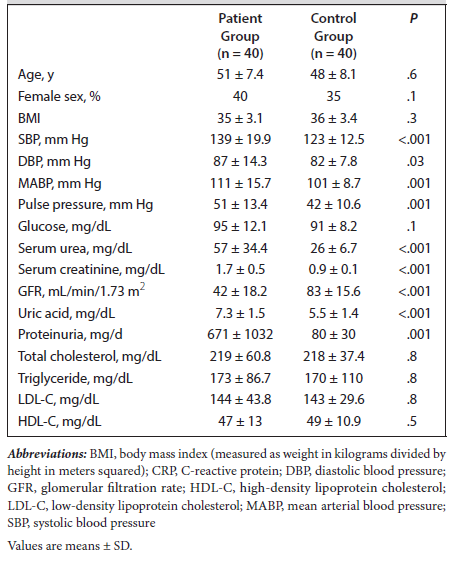
Table 1. Comparison of Demographic and Laboratory Data of the Patient Group and Control Group
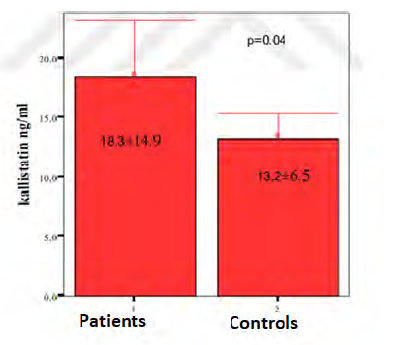
Figure 1. Comparison of Kallistatin Levels of the Patient Group and Control Group
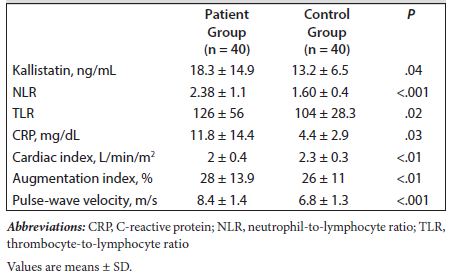
Table 2. Comparison of Kallistatin, Inflammation Parameters, and Arterial Stiffness Parameters of the Patient Group and Control Group
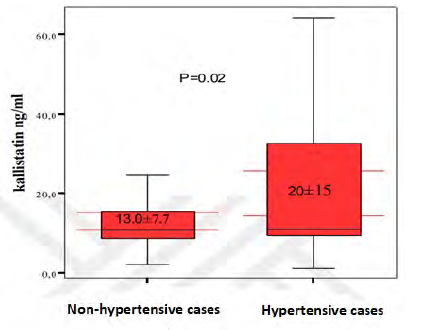
Figure 2. Comparison of Cases With and Without Hypertension
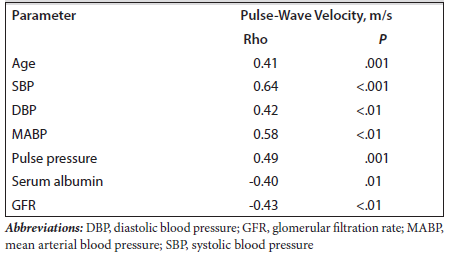
Table 3. Relationship of Pulse-Wave Velocity with Other Parameters