Volume: 22 Issue: 1 January 2024 - Supplement - 1
FULL TEXT
Objectives: Identifying suitable recipient criteria and matching recipients with appropriate donors are required to increase survival for parathyroid transplant. This study was undertaken to evaluate transplant survival rates while comparing preoperative panel reactive antibody positivity.
Materials and Methods: The study included 14 hypoparathyroidism patients who presented to our clinic for parathyroid transplant. Preoperative ABO compatibility and negative cross-match tests were prioritized for recipient-donor matching, and panel reactive antibody screening tests were performed. During the 24-month follow-up, we evaluated medication use and serum calcium, phosphorus, and parathormone levels of patients.
Results: Preoperative panel reactive antibody positivity was assessed in 3 groups. The HLA class I-positive group (mean fluorescence intensity range, 179-1770) showed decreased medication use and stability in serum calcium levels. The HLA class II-positive (mean fluorescence intensity range, 85-3959) showed decreased medication use by 25% to 50% and returned to their former prescription doses after 12 months. An opposite pattern was observed in 2 patients with panel reactive antibody positivity for both HLA classes (mean fluorescence intensity range, 462-2289), with 1 patient requiring medication for continuing symptoms and the other patient occasionally taking additional magnesium supplementation, despite decreased medication doses after 12 months. Serum calcium levels remained normal, and parathormone and phosphorus levels were elevated.
Conclusions: Improving patient symptoms and having no requirement for intravenous calcium replacement are priorities, and monitoring serum levels is the next important step. Varied panel reactive antibody positivities and survival rates indicate a requirement, and each HLA class could require a proper limitation for the mean fluorescence intensity. Preoperative mean fluorescence intensity cut-off value should be <900. Higher mean fluorescence intensity values in panel reactive antibody screenings could increase risk of short-term graft survival after parathyroid transplant. Further studies should include immunological risk assessments by individualizing the outcome with donor-specific antibodies.
Key words : Hypoparathyroidism, Mean fluorescence intensity, Survival rate, Preoperative screening
Introduction
Parathyroid transplant (PT) is the only curative option for treating hypoparathyroidism, even though it is among the rare endocrine diseases worldwide.1 Hypoparathyroidism leads to hypocalcemia and hyperphosphatemia, diagnosed on a biochemical basis. Low calcium with concurrent low serum parathormone levels is the condition’s hallmark.2 The most common cause of hypoparathyroidism is acquired hypoparathyroidism after thyroid surgery, accounting for almost 75% of all cases.3 Other causes of hypoparathyroidism include autoimmune-related or idiopathic disorders.4
Along with the development of technology and research, developments in immunological screening tests have been pursued between donors and recipients, both before and after transplant, including HLA typing, panel reactive antibody (PRA) screening, lymphocyte crossmatch (CXM) tests, complement-dependent cytotoxicity microlymphocytotoxicity crossmatch (CDC-CXM) tests, solid-phase tests using coated single HLA molecules (single antigen bead), and donor-specific antibody (DSA) tests. Acceptable limits for all screening tests depend on the graft type. The possible need for and the required immunosuppression levels have also been reported.5,6 Nonetheless, ABO compatibility is the only common criterion for donor-recipient selection for PT.7,8
Data on the use of immunosuppression for PT to date are limited; however, immunosuppression is not generally preferred because of side effects. Previous studies have reported varied and limited use of immunosuppression, such as 250 mg methylprednisolone intravenously as an induction dose and continued oral prednisolone of 5 mg/day for 1 week.9 Another study used the same induction dose for prednisolone and then decreased the dose for up to 6 months with a starting oral dose of 20 mg/day by halving within 1 month and continuing through a maintenance dose (2.5 mg/day) after PT.10 Instead of immunosuppression for symptomatic treatments of hypoparathyroidism, use of calcium, vitamin D, and phosphate binders is often advised. However, long-term use of supplements can lead to severely decreased quality of life and other complications such as premature cataracts, basal ganglia calcifications, and cardiac arrhythmias.11-15
Among the numerous studies on PT outcomes,5,6,8,16 it is apparent that more prescreening and optimal recipient-donor selection are needed versus other evaluated criteria (such as ABO compatibility and use of short-term immunosuppression). Few studies, to our knowledge, have evaluated preoperative and postoperative immunological screening tests for PT with short-term results.5,8-10,17,18 Thus, a common understanding among clinics for PT and reliable immune monitoring is needed to provide better graft survival. This study was undertaken to assess the role between preoperative PRA positivity and PT survival rate.
Materials and Methods
The Local Human Ethics Committee approved this study (approval number: 2022299-80604), all protocols conformed to the ethical guidelines of the Helsinki Declaration, and written informed consent was obtained from all patients. Parathyroid transplant was carried out with the permission of the Turkish Ministry of Health, National Scientific Board for Transplantation. Our PT unit is the first officially permitted center to conduct PT (since 2013).
We evaluated 14 PT recipients from 13 donors. Each donor had parathyroid hyperplasia secondary to chronic kidney failure and was transferred to the general surgery department from the nephrology clinic. All donors used calcimimetics as part of their hyperparathyroidism treatment process. However, they reported that they could not take prescribed calcimimetics on a regular basis due to their side effects. After written informed consent was received, donors were screened for viral markers, including anti-HIV, anti-hepatitis C virus HCV, anti-HBc, anti-HBs, and anti-HBe antibodies, hepatitis B virus antigen, cytomegalovirus immunoglobulin G (IgG) and IgM antibodies, Epstein-Barr virus IgG and IgM, and venereal disease research laboratory tests. Patients then underwent subtotal parathyroidectomy and were discharged after 3 days without any complications. Epidemiological features for each recipient and donor are summarized in Table 1.
Preoperative immunological assessment
T-flow cytometry crossmatch (T-FCXM), B-flow cytometry crossmatch (B-FCXM), autoflow cytometry crossmatch (auto-FCXM), and CDC-CXM tests were performed between donors and recipients. Panel reactive antibody screening tests were performed for recipients. Our center used previously described methods for immunological tests,5,9 with results acquired from the Istinye University HLA Typing Laboratory as a service purchase.
Transplantation
Our PT unit conducted PT procedures after immunological assessment and histopathological approval of donor tissue. Cell isolation of parathyroid tissue was performed by our developed method (application number: 201815244 [patent pending]), as previously described.8 Approximately 312 × 106 to 431 × 106 parathyroid suspension cells from donors were transplanted for every recipient. Each recipient received 250 mg methylprednisolone 1 day before and 125 mg methylprednisolone 1 hour before PT. Under general anesthesia, patients underwent transplant of parathyroid cells by the laparoscopic approach, as previously described.17 Cells were transferred directly over the omentum surface. The abdomen was closed with 2 stitches after transplant. Recipients were discharged after 2 days without any complications. Recipients were followed for 24 months.
Results
Recipients had undergone total thyroidectomy in other centers for at least 2 years before their PT application to our PT unit, and postsurgical hypoparathyroidism was reported in the early postoperative stages. Preoperative evaluations and donor-recipient matching decisions started with ABO matching and crossmatch tests. All crossmatch tests between donors and recipients were negative. After negative crossmatch was verified and donor-recipient matching was performed, PRA levels were determined for each recipient (Table 2). Medication changes and serum calcium, phosphorus, and PTH levels over 24 months are listed in Table 3 and Table 4, respectively. Figure 1 shows overall preoperative and postoperative changes in the serum calcium, phosphorus, and PTH levels; oral calcium, cholecalciferol, and calcitriol intake; and comparisons of HLA class I and II PRA positivity over the 24-month follow-up.
Four recipients (recipients 1, 2, 3, and 11) were only HLA class I PRA positive; recipients 1 and 11 had MFI levels <900. For recipient 1, PRA positivity was detected only for HLA-B59, and the MFI level was 655. After PT, the intact PTH levels were elevated (range, 19.9-28.4 pg/mL), whereas phosphorus levels decreased to a healthy range. In addition, medications were gradually decreased starting from month 6, and serum calcium values were elevated, ranging from 6.7 to 8 mg/dL, with reduction of symptoms. The need for intravenous calcium replacement was not required through 24-month follow-up. For recipient 11, serum calcium levels had increased by 8.0 to 9.4 mg/dL, phosphorus levels remained stable, and PTH levels were still <4 pg/mL. Only calcitriol intake was reduced to two-thirds of doses at 6 months post-PT. However, symptoms decreased, although recipient 11 occasionally felt tired when performing daily activities.
For recipient 2, PRA levels also ranged from MFI 188 to 1770. In the posttransplant period, cholecalciferol medication dose was decreased by one-half in the first 6 months; after 12 months, the doses of all prescriptions were decreased by one-half of the preoperative level. Serum calcium and phosphorus levels were elevated, but PTH levels decreased after month 12. During the follow-up period, the patient reported taking medications at 2- or 3-day intervals and did not need intravenous calcium replacement post-PT. However, for recipients 3, serum calcium levels increased during the first 6 months of follow-up; however, the patient’s symptoms improved, and medication dose was decreased by 50%. Intact PTH levels showed increases and decreases, although levels remained above the preoperative levels during the 12- to 24-month follow-up. The MFI values for HLA class I varied between 179 and 446.
Eight recipients (recipients 4, 6, 7, 8, 9, 12, 13, and 14) had varied PRA levels for the only HLA class II group; among them, PRA positivity was lower than MFI 900 in 4 recipients. For recipient 4, HLA class II positivity was limited to HLA-DR, and the MFI value was 873. Oral medication doses were reduced by 50% from month 1 after PT and were reduced to one-third of the preoperative values after 6 months. Serum calcium values increased from 8.1 to 9.24 mg/dL, and phosphorus values decreased after 6 months. Intact PTH values were slightly increased to 5.4 pg/mL. For recipient 8, HLA class II positivity was also below MFI 900. This recipient (intravenous calcium requirement <12 ampoules/year), who was hospitalized ~10 times per year due to severe muscle cramps, showed decreased medication doses from the first month post-PT. Serum calcium levels remained within the normal limits (range, 8.2-9.1 mg/dL), although no efficiency was observed regarding intact PTH levels (<1.2 pg/mL). Nonetheless, recipient 8 required no hospitalization during the 24-month follow-up, and symptoms improved with regard to performance of daily activities.
Similarly, in recipient 12, HLA class II positivity ranged between MFI 219 and 307. Symptoms were relieved, and oral medication doses were decreased by 50% through 6 to 12 months after PT. However, symptoms were reported to increase, particularly after 16 months. Phosphate binders were prescribed, with increased serum phosphorus levels (>4.5 mg/dL) toward the 24 months after PT. The patient was 19 weeks pregnant at her 24-month clinical follow-up, and her medication regimen was increased with pregnancy at a rate not previously prescribed.
Recipient 14 had the lowest MFI value (186), whereas only 1 HLA-DQ antibody was positive. Among all recipients, recipient 14 was the one with the most severe hypoparathyroidism symptoms in our PT unit; frequent symptoms include numb face and hands, fatigue, and muscle cramps. Preoperative serum calcium levels were below 7 mg/dL. The palliative treatment was limited; even if she needed more oral calcium, she could not take more medication due to vomiting. The need for intravenous calcium intake was persistent (1 ampoule/week), which meant repeated hospitalization. From the first month post-PT, medications were reduced by 50%, whereas serum calcium levels remained in the healthy range (8.9-10.1 mg/dL). Intact PTH levels were unchanged (<1 pg/mL); however, all symptoms significantly decreased up to 12 months (750 mg calcium and 0.5 µg calcitriol daily), and the patient had the option of doubling-up the oral dose if the symptoms increased. No hospitalization was needed in the 24 months post-PT, and there was no need for intravenous calcium.
With regard to preoperative HLA class II positivity, MFI value ranged from 454 to 3959 in the other 4 recipients. For recipient 6, preoperative PRA positivity was between MFI 1172 and 1323. Oral calcium intake was reduced by 25% post-PT and remained steady, with no need for intravenous calcium. The calcitriol usage decreased to one-third dose during the first 12 months and then returned to the preoperative dose. Despite the partial reduction in symptoms and medication at the end of the 24-month follow-up, serum calcium values were 8.0 to 9.2 mg/dL throughout this process, and PTH levels were stable.
For recipient 7, PRA values ranged from MFI 804 to 1002. Cholecalciferol use was discontinued in month 1 post-PT, and calcium and calcitriol were reduced by 50%. The patient’s symptoms slightly decreased. Along with these changes, serum calcium was in the range of 7.3 to 7.7 mg/dL, and PTH increased in the first month but showed a close pattern to the preoperative levels. Patient 9 had the highest PRA positivity among all recipients (MFI range, 2861-3959) and was positive only for HLA class II. At 1 month post-PT, recipient 9 stopped taking calcitriol; subsequently, calcium and cholecalciferol doses were halved. Thus, serum calcium levels remained in the healthy range, whereas phosphorus levels were always high. However, PTH levels increased and remained above the preoperative level. During follow-up, the patient reported that her symptoms decreased, and her complaints of contractions almost disappeared. Occasionally she took magnesium supplementation.
For recipient 13, HLA class II MFI values ranged from 458 to 1511. Medication doses were decreased by one-third of the preoperative amount at month 1 post-PT. The serum calcium levels were elevated around 7.2 to 10.1 mg/dL, and phosphorus levels decreased to the healthy range 6 months after PT. Intact PTH levels were observed (4-6 pg/mL). Through the 24-month period, the recipient did not take any medication unless he had spasms, and no intravenous calcium was required during the 24-month follow-up.
Recipients 5 and 10 had positive PRA for both HLA class I and II. For both recipients, PRA levels ranged from MFI 1174 to 2065 and 462 to 2289 for HLA class I and from MFI 1046 to 1577 and 404 to 876 and for HLA class II. Recipient 5 took 2000 mg of calcium, 1 µg calcitriol, and 1760 IU cholecalciferol daily and required intravenous calcium at least 5 to 6 times before PT (<6 ampoules/year). After PT, symptoms and medication necessity significantly decreased. In addition, PTH levels increased to 30.1 pg/mL, serum calcium levels remained stable without medication (7.2-7.7 mg/dL), and serum phosphorus levels remained within healthy ranges at month 1 post-PT and throughout the 24-month follow-up. Recipient 5 was only taking 0.5 µg calcitriol daily and had no complaint of any muscle contraction. Recipient 10 took the same dose of medication (except 0.5 µg/daily calcitriol), had intravenous calcium requirement, and also reported similar symptoms for hypoparathyroidism before PT. Recipient 10 showed increased PTH and serum calcium levels after PT, along with fewer symptoms. Medications were reduced to one-third dose, and serum calcium level increased to 10.6 mg/dL at 6 months; however, at 12 months post-PT, recipient 10 reported that her symptoms increased and medication levels returned to the preoperative levels as well, although she had no need for intravenous calcium during the 24-month follow-up.
Discussion
Numerous basic and clinical experiments on PT began with the work from Halsted and Evans19 and continued with Bjerneroth and colleagues,20 Tolloczko and colleagues,21 Nawrot and colleagues,22 and Barczynski and colleagues.16 So far, the only common consensus for PT between donor and recipient has been ABO compatibility and the limited use of immunosuppressants for recipients.16 However, similar to other organ transplant procedures, donor-recipient compatibility for PT is vital to increasing the graft survival rate.8 More than several parameters regarding donor-recipient compatibility should be examined, and pre- and posttransplant immunological follow-up tests should be performed, while having a common understanding of treatment with/without an immunosuppression regimen. All examinations of criteria require long-term studies with larger cohorts.
Compatibility between donor and recipient is determined according to the related organ, including immunological monitoring parameters.23 Further data are needed to define necessary criteria before and after transplant5,8,9; more studies about immunological screening will positively affect survival and play an active role in treating postsurgical hypoparathyroidism. Among studies performed between 1973 and 2016, there are 6 transplants reported using immunosuppression; among those, 4 PTs were performed simultaneously with kidney transplant18,24-26 and the other 2 PTs were performed on individuals with a previous kidney transplant history.27,28 Immunological monitoring parameters in these particular transplants were evaluated in accordance with the renal transplant regimen. Among these studies, the longest survival rate for PT was demonstrated by Alfrey and colleagues in 1992 with simultaneous kidney transplant (>13 years). The investigators showed that PT’s long-acting effectiveness depends on the immunosuppression regimen used for kidney transplant.18
The first ABO-compatible PT was performed in 1996 and involved 18 cases, with maximum survival rate of 14 months.29 In 1991, Kunori and colleagues monitored the number of cells positive for CD2, CD3, CD4, CD8, and CD20 in a single recipient’s peripheral blood mononuclear cells during 3 repeated transplants. The investigators reported a short survival rate, with only a reduction in the recipient’s symptoms.30 In a large PT cohort comprising 316 cases between 1991 and 2017, outcomes of PTs and recurrent PTs showed that 2% of recipients had survival of >2 years, 10% had survival of >1 year, 34% had survival of >6 months, and 6% had survival of >2 months,16 although no information on immunological monitoring parameters was provided. Studies from the same team on PT have reported a particular cultivation process for parathyroid cells.16,22,29 Despite large studies, so far, there are no defined criteria for immunological screenings for PT alone, with studies only describing simultaneous transplant of major organs and PT.
A study from 2017 reported on preoperative screenings and PT for 2 unrelated recipients from 2 donors. The 2 patients had 0 HLA matching PT with negative PRA, T-CXM, B-CXM, and CDC-CXM and were followed for 1 year. Short-term immunosuppression was used, with recipients stopping medications during follow-up.9 Another study from the same group evaluated PT in 4 unrelated recipients from 1 donor. Preoperative screening included HLA-typing, PRA, T-CXM, B-CXM, and CDC-CXM; postoperative follow-up included PRA screening and assessment of de novo DSA. The PT continued to be functional in 2 recipients for >4 years, remained function for 2 years in 1 recipient, and lost function after 1 year in the fourth recipient.5 In a first study on HLA allele matching in PT, an ABO/Rh compatible donor and recipient pair was assessed preoperatively (HLA-typing, PRA, T-CXM, B-CXM, and CDC-CXM), and all CXM and PRA tests were negative. Follow-up at 382 days showed clinical improvement and graft survival with low-dose supplementation.8
Our study is presently, to our knowledge, the largest series to report on preoperative immunological screening parameters and PT outcomes. Among 14 PTs with negative CXM tests and ABO compatibility between donors and recipients, 4 recipients had PRA positivity with only HLA class I, 8 with only HLA class II, and 2 with positivity in both classes. Regarding positivity (MFI values), it is impossible to determine a range for high-risk or low-risk groups. However, after PT, all recipients did not require intravenous calcium throughout 24 months post-PT, and this is the only common outcome of success of graft survival. Reductions in medication doses and positive effects on calcium levels, phosphorus levels (remaining in a healthy range), and higher than preoperative levels of PTH were observed among almost all recipients, aside from time intervals. During follow-up appointments in our clinic, the patients seemed to be relieved symptomatically or their quality of life improved after PT. Usually, symptoms ameliorated in the first couple of months, which allowed us to reduce medication doses.
Concerning the only HLA class I PRA-positive group, particular decreases were observed in medications, although it was impossible to stop them completely, but recipients’ symptoms were mostly relieved. Considering that PRA levels ranged from 188 to 1770 for the 4 recipients, HLA class I PRA positivity was thought to show a graft survival limit of ~12 months. The fact that this result was displayed for only 4 recipients is a study limitation, and DSA screening might also be necessary for this 12-month restriction. Regarding the only HLA class II PRA positivity group, the primary observed outcomes were decreased symptoms in recipients with MFI <900 (range, 84-873) and reduced medications within the first 6 months, including recipients who frequently required intravenous calcium. Accordingly, serum calcium values were stable and within the healthy range. The only recipient whose phosphorus levels were elevated and medication dose was increased was due to pregnancy from 18 months post-PT. The 4 recipients with MFI >900 showed different changes in medications. Likewise, elevated serum calcium, phosphorus, and PTH levels were observed. As a common response, recipients were symptomatically better than pre-PT, but about one-half of the patients returned to preoperative medication doses, and their symptomatic complaints increased. This situation was not found to be parallel versus patients with MFI values >900. One-fourth of recipients continued palliative treatment by taking medication when symptoms occurred.
Among 14 patients, 2 showed both HLA class I and II PRA positivity. In recipient 10, MFI values were below 900 for HLA class II. After PT, the recipient’s healing process was consistent with patients in the HLA class I PRA-positive group; her HLA class I positivity was between 462 and 2289.
Conclusions
Mean fluorescence intensity restrictions may be required separately for HLA class I and II when evaluating the preoperative PRA positivity. In future studies, it is essential to compare the possible effects of PRA positivity and possible DSA positivity before and after PT. In ABO-compatible, CXM-negative PT, we suggest that, as long as PRA MFI is <900, symptoms and medication doses of the recipients will decrease and calcium levels will be maintained in the healthy range. The same situation may be insignificant in the direction of increasing PTH levels. With regard to phosphorus values in our 14 recipients, the improvement was mainly observed for hypocalcemia and not hyperphosphatemia. Therefore, is hyperphosphatemia the targeted treatment with PT in the preoperative period or is it hypocalcemia or both? These questions need to be considered for recipient criteria. In conclusion, similar approaches may provide new insight and understanding of the immunological outcomes for PT recipients.
References:
- Shoback D. Clinical practice. Hypoparathyroidism. N Engl J Med. 2008;359(4):391-403. doi:10.1056/NEJMcp0803050
CrossRef - PubMed - Hakami Y, Khan A. Hypoparathyroidism. Front Horm Res. 2019;51:109-126. doi:10.1159/000491042
CrossRef - PubMed - Mannstadt M, Cianferotti L, Gafni RI, et al. Hypoparathyroidism: genetics and diagnosis. J Bone Miner Res. 2022;37(12):2615-2629. doi:10.1002/jbmr.4667
CrossRef - PubMed - Pasieka JL, Wentworth K, Yeo CT, et al. Etiology and pathophysiology of hypoparathyroidism: a narrative review. J Bone Miner Res. 2022;37(12):2586-2601. doi:10.1002/jbmr.4714
CrossRef - PubMed - Yucesan E, Goncu B, Ozdemir B, Idiz O, Ersoy YE, Aysan E. Importance of HLA typing, PRA and DSA tests for successful parathyroid allotransplantation. Immunobiology. 2019;224(4):485-489. doi:10.1016/j.imbio.2019.05.007
CrossRef - PubMed - Zhang JLH, Appelman-Dijkstra NM, Schepers A. Parathyroid allotransplantation: a systematic review. Med Sci (Basel). 2022;10(1). doi:10.3390/medsci10010019
CrossRef - PubMed - Eastlund T. The histo-blood group ABO system and tissue transplantation. Transfusion. 1998;38(10):975-988. doi:10.1046/j.1537-2995.1998.381098440863.x
CrossRef - PubMed - Goncu B, Salepcioglu Kaya H, Yucesan E, Ersoy YE, Akcakaya A. Graft survival effect of HLA-A allele matching parathyroid allotransplantation. J Investig Med. 2021;69(3):785-788. doi:10.1136/jim-2020-001648
CrossRef - PubMed - Yucesan E, Goncu B, Basoglu H, et al. Fresh tissue parathyroid allotransplantation with short-term immunosuppression: 1-year follow-up. Clin Transplant. 2017;31(11). doi:10.1111/ctr.13086
CrossRef - PubMed - Hermosillo-Sandoval JM, Leonher-Ruezga KL, Jimenez-Gomez JA, Fuentes-Orozco C, Gonzalez-Ojeda A, Ramirez-Gonzalez LR. [Allogeneic parathyroid: 2-year follow-up]. Cir Cir. 2015;83(3):188-192. doi:10.1016/j.circir.2015.05.002
CrossRef - PubMed - Astor MC, Lovas K, Debowska A, et al. Epidemiology and health-related quality of life in hypoparathyroidism in Norway. J Clin Endocrinol Metab. 2016;101(8):3045-3053. doi:10.1210/jc.2016-1477
CrossRef - PubMed - Khan AA, Koch CA, Van Uum S, et al. Standards of care for hypoparathyroidism in adults: a Canadian and International Consensus. Eur J Endocrinol. 2019;180(3):P1-P22. doi:10.1530/EJE-18-0609
CrossRef - PubMed - Mitchell DM, Regan S, Cooley MR, et al. Long-term follow-up of patients with hypoparathyroidism. J Clin Endocrinol Metab. 2012;97(12):4507-4514. doi:10.1210/jc.2012-1808
CrossRef - PubMed - Marcucci G, Cianferotti L, Brandi ML. Clinical presentation and management of hypoparathyroidism. Best Pract Res Clin Endocrinol Metab. 2018;32(6):927-939. doi:10.1016/j.beem.2018.09.007
CrossRef - PubMed - Bove-Fenderson E, Mannstadt M. Hypocalcemic disorders. Best Pract Res Clin Endocrinol Metab. 2018;32(5):639-656. doi:10.1016/j.beem.2018.05.006
CrossRef - PubMed - Barczynski M, Golkowski F, Nawrot I. Parathyroid transplantation in thyroid surgery. Gland Surg. 2017;6(5):530-536. doi:10.21037/gs.2017.06.07
CrossRef - PubMed - Yucesan E, Basoglu H, Goncu B, Akbas F, Ersoy YE, Aysan E. Microencapsulated parathyroid allotransplantation in the omental tissue. Artif Organs. 2019;43(10):1022-1027. doi:10.1111/aor.13475
CrossRef - PubMed - Alfrey EJ, Perloff LJ, Asplund MW, et al. Normocalcemia thirteen years after successful parathyroid allografting in a recipient of a renal transplant. Surgery. 1992;111(2):234-236.
CrossRef - PubMed - Halsted WS, Evans HM. I. The parathyroid glandules. Their blood supply and their preservation in operation upon the thyroid gland. Ann Surg. 1907;46(4):489-506. doi:10.1097/00000658-190710000-00001
CrossRef - PubMed - Bjerneroth G, Juhlin C, Rastad J, Akerstrom G, Klareskog L. MHC class I and II antigen expression on parathyroid cells and prospects for their allogenic transplantation. Transplantation. 1993;56(3):717-721. doi:10.1097/00007890-199309000-00040
CrossRef - PubMed - Tolloczko T, Wozniewicz B, Sawicki A, Gorski A. Allotransplantation of cultured human parathyroid cells: present status and perspectives. Transplant Proc. 1997;29(1-2):998-1000. doi:10.1016/s0041-1345(96)00342-9
CrossRef - PubMed - Nawrot I, Wozniewicz B, Tolloczko T, et al. Allotransplantation of cultured parathyroid progenitor cells without immunosuppression: clinical results. Transplantation. 2007;83(6):734-740. doi:10.1097/01.tp.0000258601.17505.9d
CrossRef - PubMed - Ay?an ME, Göncü BS, Yücesan E. Paratiroit Nakli ?mmünolojisi. Türkiye Klinikleri, Kök Hücre ve Transplantasyon ?mmünolojisi. 2019:31-38.
CrossRef - PubMed - Groth CG, Hammond WS, Iwatsuki S, et al. Survival of a homologous parathyroid implant in an immunosuppressed patient. Lancet. 1973;1(7812):1082-1085. doi:10.1016/s0140-6736(73)90395-4
CrossRef - PubMed - Chapelle T, Meuris K, Roeyen G, et al. Simultaneous kidney-parathyroid allotransplantation from a single donor after 20 years of tetany: a case report. Transplant Proc. 2009;41(2):599-600. doi:10.1016/j.transproceed.2008.12.026
CrossRef - PubMed - Garcia-Roca R, Garcia-Aroz S, Tzvetanov IG, et al. Simultaneous living donor kidney and parathyroid allotransplantation: first case report and review of literature. Transplantation. 2016;100(6):1318-1321. doi:10.1097/TP.0000000000001042
CrossRef - PubMed - Torregrosa NM, Rodriguez JM, Llorente S, et al. Definitive treatment for persistent hypoparathyroidism in a kidney transplant patient: parathyroid allotransplantation. Thyroid. 2005;15(11):1299-1302. doi:10.1089/thy.2005.15.1299
CrossRef - PubMed - Chinn IK, Markert ML. Induction of tolerance to parental parathyroid grafts using allogeneic thymus tissue in patients with DiGeorge anomaly. J Allergy Clin Immunol. 2011;127(6):1351-1355. doi:10.1016/j.jaci.2011.03.033
CrossRef - PubMed - Tolloczko T, Wozniewicz B, Gorski A, et al. Cultured parathyroid cells allotransplantation without immunosuppression for treatment of intractable hypoparathyroidism. Ann Transplant. 1996;1(1):51-53.
CrossRef - PubMed - Kunori T, Tsuchiya T, Itoh J, et al. Improvement of postoperative hypocalcemia by repeated allotransplantation of parathyroid tissue without anti-rejection therapy. Tohoku J Exp Med. 1991;165(1):33-40. doi:10.1620/tjem.165.33
CrossRef - PubMed

Volume : 22
Issue : 1
Pages : 233 - 242
DOI : 10.6002/ect.MESOT2023.P59
From the 1Department of Medical Services and Techniques, Vocational School of Health Services, Bezmialem Vakif University; the 2Parathyroid Transplantation Unit, Organ Transplantation Center, Bezmialem Vakif University Hospital; the 3Department of Medical Biology, Faculty of Medicine, Bezmialem Vakif University; the 4Department of Neurogenetics, Institute of Neurological Sciences, Istanbul University-Cerrahpasa; the 5Department of General Surgery and the 6Department of Internal Medicine, Division of Nephrology, Faculty of Medicine, Bezmialem Vakif University; and the 7Organ Transplantation Center, Bezmialem Vakif University Hospital, Istanbul, Türkiye
Acknowledgements: The authors thank all of the relevant healthcare professionals who are working/worked in the General Surgery, Endocrinology, Nephrology, and Organ Transplantation Center of Bezmialem Vak?f University Hospital and Bezmialem Vak?f University Faculty of Medicine. This study is dedicated to all patients undergoing treatment for parathyroid-related diseases who agreed to participate in this study. The authors have not received any funding or grants in support of the presented research or for the preparation of this work and have no declarations of potential conflicts of interest.
Corresponding author: Beyza Goncu, Bezmialem Vakif University, Ilhan Varank Building, Ugur Mumcu Mah., Muhsin Yazicioglu Cad. 2115 Sok. No:6, 34265 Sultangazi/Istanbul, Türkiye
Phone: +90 212 523 22 88, extension 4884
E-mail: bgoncu@bezmialem.edu.tr, bsgoncu@gmail.com
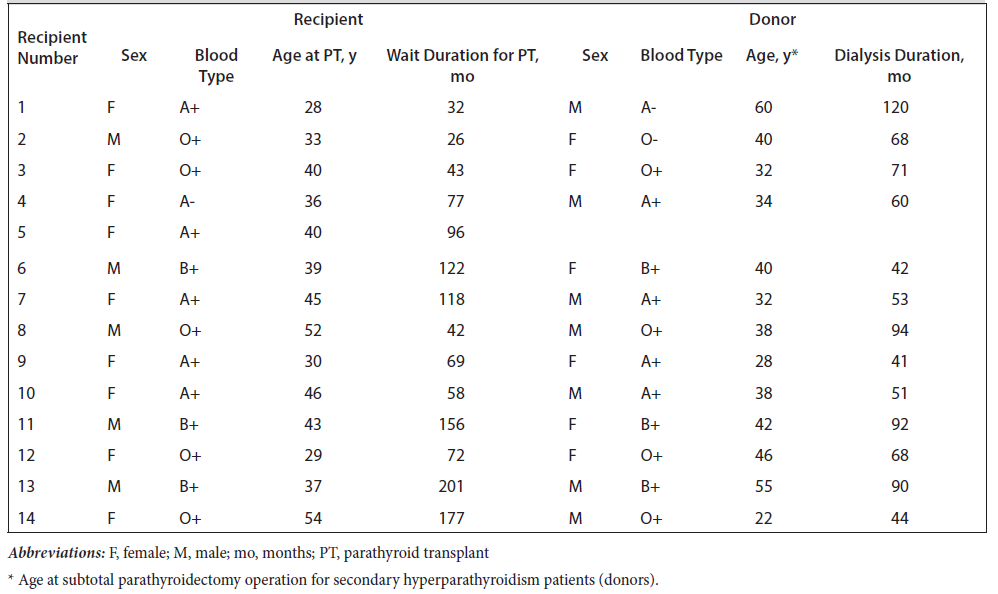
Table 1. Characteristics of Recipients and Donors
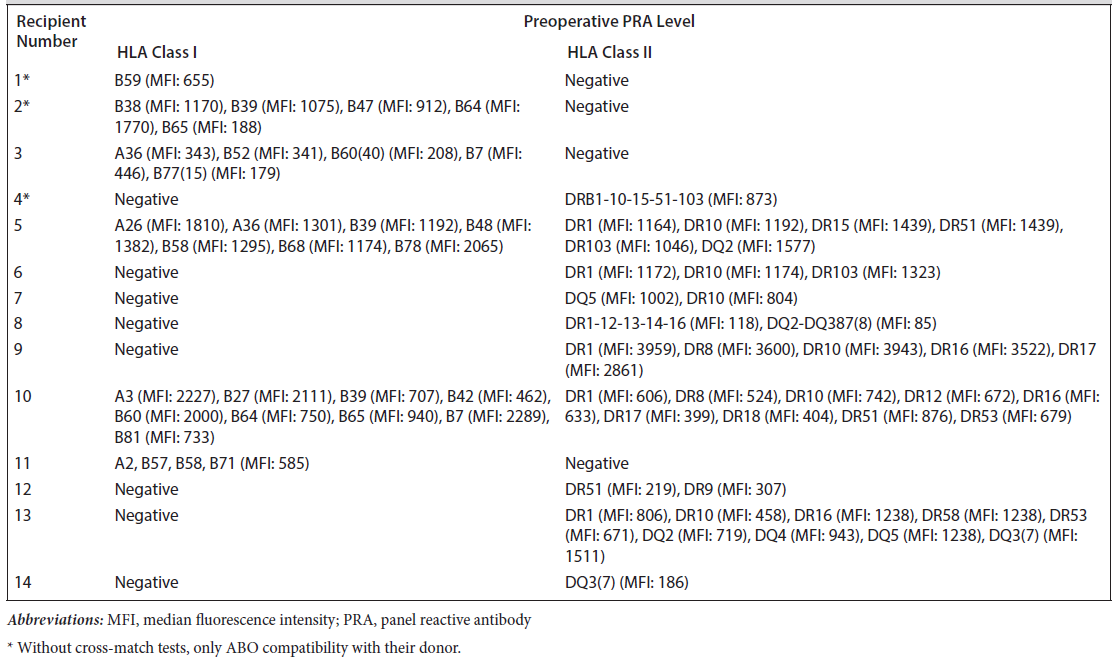
Table 2. Preoperative Panel Reactive Antibody Levels of 14 Parathyroid Transplant Recipients With Their Blood Type
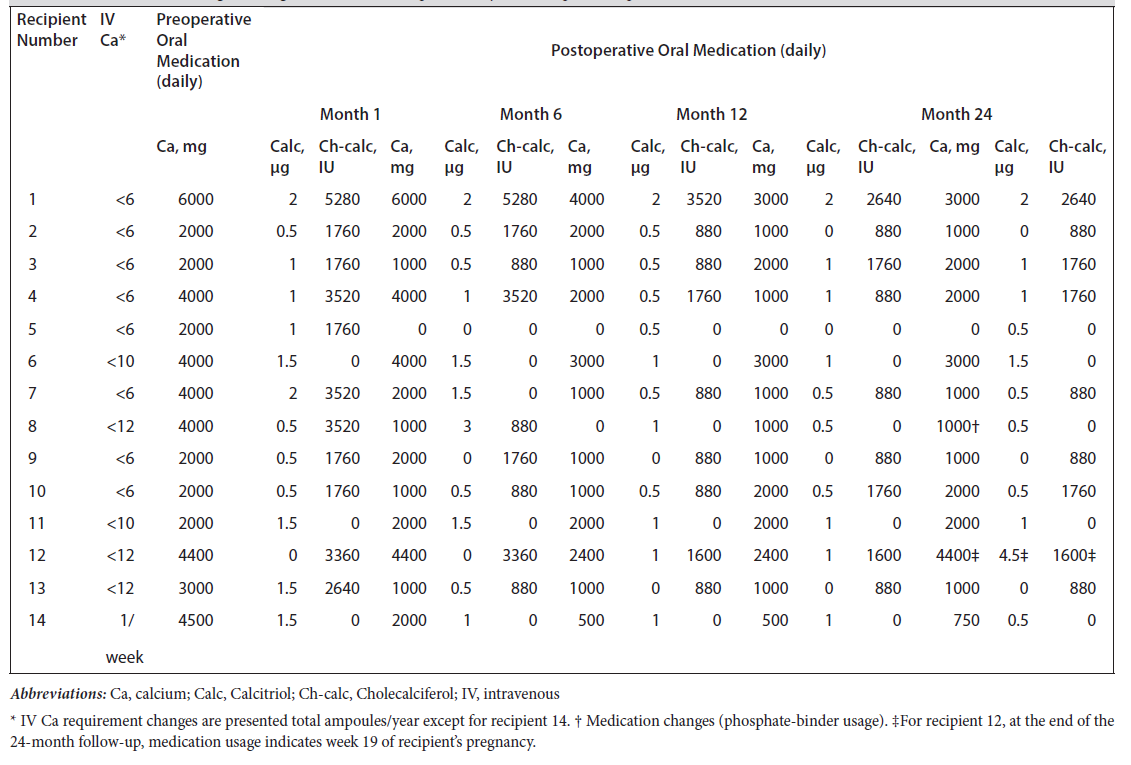
Table 3.Oral Medication Changes During 24-Month Follow-Up of Parathyroid Transplant Recipients
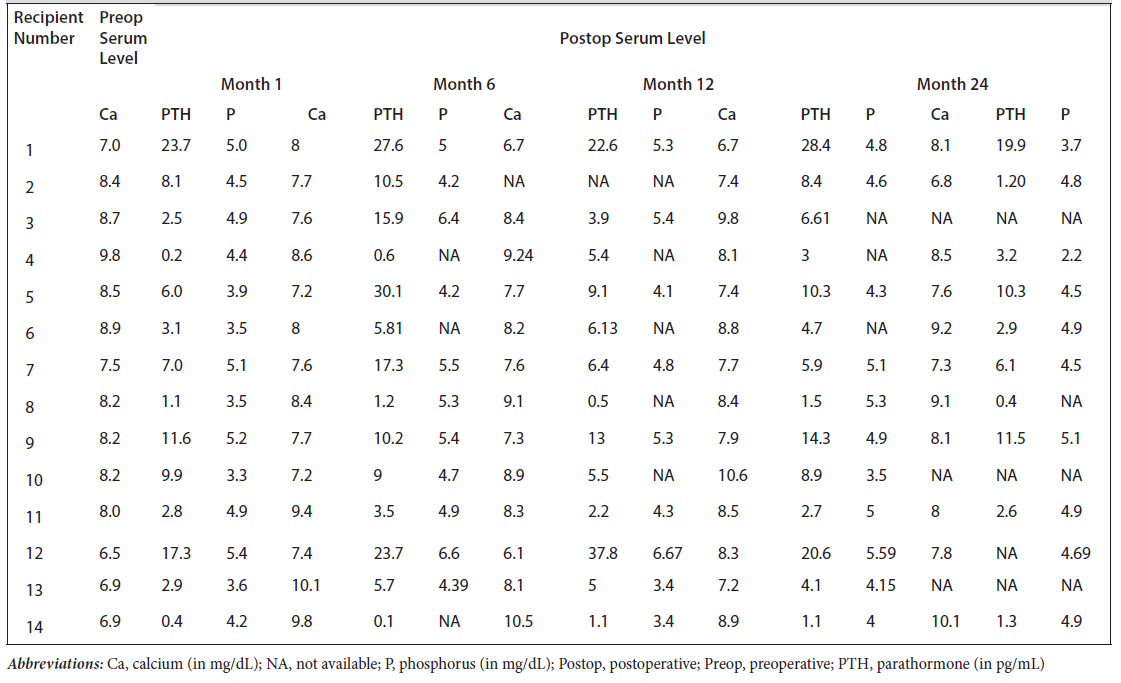
Table 4.Serum Calcium, Parathormone, and Phosphorus Levels of 14 Parathyroid Transplant Recipients During 24-Month Follow-Up
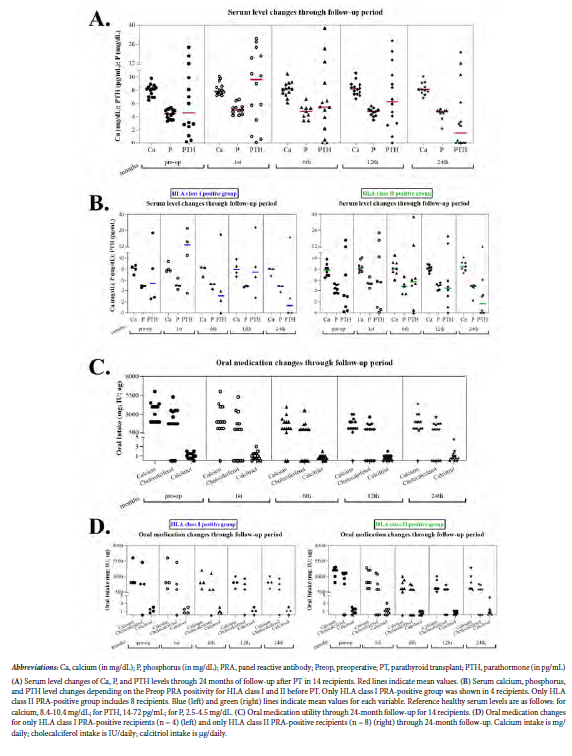
Figure 1.Changes in Calcium, Phosphorus, and Parathormone Levels Over 24 Months in Parathyroid Transplant Recipients