Volume: 22 Issue: 1 January 2024 - Supplement - 1
FULL TEXT
Objectives: It remains unclear whether posttransplant outcomes differ according to the pretransplant dialysis modality (peritoneal dialysis vs hemodialysis). Our aim was to assess posttransplant outcomes in patients with different predialysis modalities.
Materials and Methods: Two thousand two hundred fifty-eight kidney recipients following up in Hamed Alessa Organ transplant center in Kuwait were included and divided into two groups according to pre-transplant dialysis modality: Group 1: those who received hemodialysis (HD) and group 2: those with peritoneal dialysis (PD). Demographics, pretransplant and posttransplant comorbidities, and patient and graft outcomes were studied.
Results: There were 1956 patients on hemodialysis, and 302 patients were on peritoneal dialysis. Most were male patients (1456 vs 802 female patients), with comparable mean age (P = .34). Chronic glomerulonephritis and diabetic nephropathy represented the most common original kidney disease before transplant (27.6% and 21.4%, respectively), with higher prevalence of glomerulonephritis in group 1 and diabetic nephropathy in group 2 (P = .001). The 2 groups were comparable with regard to immunosuppression (induction and maintenance) (P > .05). Posttransplant diabetes and hypertension were significantly higher in the hemodialysis group (P = .004 and P = 003, respectively). There was no significant difference between the 2 groups with regard to the graft outcome (P = .86). However, patient survival was significantly higher in the hemodialysis group (81.2% vs 64.4%).
Conclusions: Compared with peritoneal dialysis, pretransplant hemodialysis is associated with better posttransplant patient survival despite no difference in the graft outcome. Diabetes-related complications could be attributed to such outcomes.
Key words : Hemodialysis, Kidney transplant outcome, Peritoneal dialysis
Introduction
Kidney transplant (KT) represents the treatment of choice for patients with end-stage kidney disease (ESKD).1 A preemptive strategy should be considered to ensure the best results.2,3 However, because of a shortage of donors, most transplant candidates require prolonged periods of renal replacement therapy (RRT) before a suitable organ becomes available.4,5 Hemodialysis (HD) represented the only option available for many years6,7 until peritoneal dialysis (PD) was introduced into clinical practice in the 1980s.
The question of which RRT regimen should have been preferred in potential KT recipients was studied.8 The main concerns with regard to the routine use of PD in this population were the presence of peritoneal scarring, the risk of perioperative infectious complications, and the perceived increase in acute rejection rates.9 Despite the publication of several studies that have demonstrated PD does not exert any negative impact on transplant-related outcomes, some clinicians remain reluctant to propose PD for patients in the transplant wait list. This reluctant attitude is certainly questionable within the informed perspective that HD and PD should not be regarded as competitive modalities but rather as complementary strategies before and after transplant.10 In fact, RRT should be tailored to fit the specific needs and characteristics of the patient, with consideration for the time-dependent variability of these parameters and local facilities. Carefully planned changes between different dialysis modalities may be an important consideration in some circumstances.11
Data have suggested that patients awaiting KT may be better served by PD versus HD with regard to quality of life, residual renal function preservation, incidence of delayed graft function (DGF), posttransplant allograft survival, and cost. In this study, we assessed the long-term postrenal transplant outcome in patients with different pretransplant dialysis modalities.
Materials and Methods
We enrolled 2258 KT recipients who were having follow-up at the Hamed Alessa Organ Transplant Center of Kuwait the in this study. Recipients were divided into 2 groups according to their pretransplant RRT modality: patients in group 1 (n = 1956) had received hemodialysis (HD), and patients in group 2 (n = 302) had received peritoneal dialysis (PD). We studied the demographics of the 2 groups, pretransplant and posttransplant comorbidities, and patient and graft outcomes.
Data for patients enrolled in our study were collected after a review of our institution's electronic medical records. These data included clinical features, laboratory results, and associated comorbid conditions. Moreover, the transplant-related and immunosuppression-related data were obtained from the transplant master database.
Inclusion and exclusion criteria
All KT recipients who received RRT before transplant during the past 3 decades were enrolled in this study. We excluded pediatric patients and patients who received preemptive transplants.
Follow-up
According to the local follow-up protocol, all patients were followed up at the Hamed Alessa Organ Transplant Center at least every 2 months. Our immunosuppression protocol consists of 5 doses of antithymocyte globulin for patients at high risk (such as retransplant, prior pregnancy, blood transfusion, positive for HLA antibody, and more than 4 HLA mismatches) or 2 doses of interleukin 2 receptor blocker for patients at low risk. Maintenance therapy consists of prednisolone, mycophenolate mofetil, and a calcineurin inhibitor (CNI). The dose of CNI gradually decreased to the lowest dose by the end of the first year, guided by a 12-hour trough level. We kept the level of cyclosporin A between 200 and 250 ng/mL during the first month, between 150 and 200 ng/mL for a couple of months, between 125 and 150 ng/mL for 2 months and then between 75 and 125 ng/mL until the end of the first year. Similarly, we kept tacrolimus trough levels between 8 and 10 ng/mL during the first 3 months and between 5 and 8 ng/mL after that. Three months after transplant, maintenance immunosuppression with a sirolimus-based regimen was given to rejection-free patients with low immunologic risk.
Acute cellular rejection was treated with intravenous methylprednisolone sodium succinate (methylprednisolone 1 g/day for 3 days) and/or thymoglobulin (1 mg/kg for 7 days) for steroid-resistant rejection. Antibody-mediated rejection was treated with intravenous methylprednisolone sodium succinate (methylprednisolone 1 g/day for 3 days) with 1 or more plasma exchanges, intravenous immunoglobulin (2 g/kg), and rituximab. Patients who received thymoglobulin as antirejection therapy were treated with secondary prophylaxis for 3 months for cytomegalovirus (CMV) and Pneumocystis jirovecii. Patients were monitored daily during the hospital stay and then at each outpatient visit with serum creatinine, creatinine clearance, liver function tests, complete blood picture, drug levels, and lipid profile.
Statistical analyses
Statistical analyses were performed with the SPSS software package (version 26). Qualitative data are presented as numbers (with percent), and quantitative data are presented as mean values (with SD). We used the t test to compare the mean values (with SD) of the studied groups. We used the chi-square test to compare categorical variables. P < .05 was considered significant.
Results
Of the 2258 KT recipients who were followed in our center, 1956 patients (group 1) were on HD before transplant and 302 patients (group 2) were on PD before transplant. Most participants were Kuwaiti male patients in their fourth decade of life without any significant difference between the 2 groups (Table 1; P > .05). Patients with hypertension were more prevalent in group 1, whereas patients with diabetes were more prevalent in group 2 (P < .05). Diabetic nephropathy (DN) was the main identified original kidney disease in the 2 groups, and DN was significantly more prevalent in group 2 (20.5% in group 1 vs 27.8% in group 2, respectively; P < .001). Hypertension was comparable between the 2 groups as a cause of ESKD (Table 1; P > .05). Other pretransplant parameters such as tuberculosis, virology status (especially CMV and hepatitis C virus), and the type of kidney donor were comparable in the 2 groups (P > .05) (Table 1).
With regard to induction therapy, we observed that most patients in both groups received lymphocyte-depleting agents (43.4% in group 1 vs 43.3% in group 2; P > .05), and most of them were maintained on CNI-based immunosuppression (83.7% in group 1 vs 81.6% in group 2; P > .05).
Posttransplant graft function was evaluated, and we observed that the 2 groups were comparable with regard to percentage of patients with immediate graft function or DGF (Table 1; P > .05). However, we found that slow graft function was significantly higher among patients with HD (Table 1; P = .002).
Despite the higher percentage of patients who developed CMV in group 2 (340 cases [17.3%] vs 41 cases [13.5%] in group 1), this difference was not statistically significant (Table 2; P = .79). Patients who had BK viremia, BK nephropathy, or posttransplant malignancies were comparable in both groups (Table 2; P > .05); however, the number of patients with posttransplant DM was significantly higher in group 1 (363 cases [18.5%] vs 34 [11.2%] in group 2; P = .004). Similarly, the mean number of acute rejection episodes was comparable in both groups (Table 2; P = .41).
With regard to graft outcome, we observed comparable percentages of patients with chronic graft failure in the 2 groups (19.2% in group 1 vs 19.9% in group 2, with a mean follow-up of 10 years) (Table 2; P > .05), with comparable mean graft function as represented by the mean values of serum creatinine at different follow-up intervals (Table 3). However, patient survival was significantly higher in group 1 (Table 2; P < .001).
Discussion
Patients with ESKD experience higher prevalence of cardiovascular disease, greater incidence of major cardiovascular events, and higher all-cause mortality versus the general population.4
The effects of pretransplant dialysis modality on recipient-related and graft-related outcomes have been investigated by several studies, with mixed results. In the early 1990s, a retrospective analysis of 500 first KT recipients from deceased donors showed no differences in short-term patient survival rate (88% vs 87%) and graft survival rate (67% vs 66%).12 Comparable early patient and graft survival rates were also reported by other small-series studies from Ohio State University, Centre Hospitalier Régional Universitaire de Lille, and University of Glasgow,13 as well as by a large retrospective Medicare database analysis of 22?776 transplant recipients.14
In our study, we assessed the long-term outcomes after renal transplant in patients with different pretransplant dialysis modalities. We found significantly worse long-term patient survival among middle-aged KT recipients who received PD before transplant versus those who received HD before transplant (P < .001).
This finding is in contrast to a report of a Danish registry analysis performed on 4568 patients with HD and 2443 patients with PD. The Danish study showed that PD could provide a survival advantage over HD during the first 2 years of RRT.15 Moreover, Fenton and colleagues evaluated a Canadian cohort of dialysis patients and confirmed that PD was associated with superior short-term survival rates in young nondiabetic cases versus HD.16 Moreover, Vonesh and colleagues studied 398 940 individuals who had started RRT between 1995 and 2000 and observed that patient survival rates for HD or PD varied according to specific clinical characteristics such as the underlying cause of renal failure, age, and comorbidity. They also observed that the adjusted mortality rates of the 2 dialysis groups were substantially similar.17
The high prevalence of DN as a cause of ESKD, in our cohort, in addition to the longer term follow-up with diabetic cardiovascular complications, could explain our observation. The data collected from the Dutch End-Stage Renal Disease Registry demonstrated that patient survival rates on PD and HD were primarily influenced by DN, as well as the age at start of RRT. Peritoneal dialysis was associated with better survival in younger (<50 years) patients without diabetes.18 In contrast, our middle-aged group of patients showed lower survival when PD was used before transplant, which could be due to higher prevalence of DN following type 1 DM and longer term follow-up in our cohort.
Goldfarb-Rumyantzev and colleagues surveyed the United States Renal Data System and found that pretransplant PD was associated with a 3% reduction in the risk of allograft failure (P < .05) and a 6% reduction in the risk of death (P < .001) versus HD.19 However, most of the published studies on short-term or mid-term outcomes did not demonstrate the superiority of a dialysis modality.20,21 Lopez-Oliva and colleagues extended the follow-up to 10 years and suggested that, despite similar allograft survival probabilities (hazard ratio [HR] of 0.68; 95% CI, 0.41-1.10; P = .12), transplant recipients previously treated with PD had higher chances of survival than those on HD (HR of 2.62: 95% CI, 1.01-6.8; P = .04).22 Better recipient survival and equivalent transplant failure rates were also reported by Schwenger and colleagues using the large (60 008 subjects) database of the International Collaborative Transplant Study Group. Multivariate Cox regression analysis showed that PD treatment before transplant (n = 11 664) was associated with a 10% reduction in all-cause mortality (P = .014) versus HD treatment (n = 45 651), with similar death-censored allograft survival rates (P = .39). The discrepancy in overall mortality was primarily attributed to the lower incidence of cardiovascular death with preserved renal function observed among PD-treated patients who had received an expanded criteria kidney.23 This finding was not in accordance with our results that denoted superiority of HD possibly due to the higher prevalence of DN following type 1 DM with relatively higher prevalence of deceased donors in PD group.
Molnar and colleagues evaluated the Scientific Registry of Transplant Recipients and observed that patients treated with pretransplant PD had lower (21.9/1000 patient-years; 95% CI, 18.1-26.5) all-cause mortality versus recipients treated with pretransplant HD (32.8/1000 patient-years; 95% CI, 30.8-35.0). Specifically, PD was associated with a significant reduction in adjusted all-cause mortality (-43%), cardiovascular death (-66%), and unadjusted death-censored graft failure (-17%).23 It has been argued that the difference in posttransplant outcomes between PD and HD treatments reflects the fact that candidates who received pretransplant PD are generally healthier than their HD counterparts. To resolve this debate, several statistical models have been proposed, but the results remain in conflict.14,19,24-26 Among other studies, it is worth mentioning the study performed by Kramer and colleagues in 2012, which included 29 088 patients from 16 European national or regional renal registries. Standard analyses adjusted for age, sex, primary renal disease, duration of dialysis, donor type, year of transplant, and country showed that pretransplant PD was associated with better patient survival (HR of 0.83; 95% CI, 0.76-0.91) and graft survival (HR of 0.90; 95% CI, 0.84-0.96) versus HD.27
The most widely accepted definitions of DGF are the need for dialysis during the first week after transplant or a serum creatinine concentration decrease less than 50% from baseline by postoperative day 3.28 Delayed graft function is a well-recognized risk factor for perioperative complications, rejection, and premature transplant loss. Furthermore, the occurrence of DGF can reliably be used as a surrogate marker of late transplant outcomes.29 It has been demonstrated that the duration of DGF represents an independent predictor of long-term allograft function and survival.30 The effects of pretransplant RRT on DGF rate and duration have been extensively studied. In 1996, Perez Fontan and colleagues first evaluated the incidence of DGF in patients who had been treated with PD (n = 92) or HD (587) before deceased donor KT.31 The proportion of recipients who experienced DGF was 22.5% in the PD group versus 39.5% in the HD group. Remarkably, dialysis modality was the main predisposing factor for DGF.31
In a case-control study published in 1999, deceased donor KT recipients previously treated with PD (n = 117) or HD (n = 117) were matched for age, sex, duration of RRT, HLA compatibility, and cold and warm ischemia times. Delayed graft function was recorded in 23.1% of the PD group and 50.4% of the HD group (P = .0001).32
In our study, posttransplant graft function was evaluated, and we observed that the 2 groups were comparable with regard to percentage of patients with immediate graft function or DGF (Table 1; P > .05). However, we found that slow graft function was significantly higher among patients with HD (Table 1; P = .002). This observation matched results reported by Caliskan and colleagues, who found no significant differences in DGF rates among patients with pretransplant dialysis modalities.25
A lower incidence of DGF reported among KT recipients previously treated with PD may be due to a more positive perioperative fluid balance versus HD. The observation that more than 50% of the transplant candidates on PD demonstrated a preoperative pulmonary arterial pressure >25 mm Hg (mean, 21.1 mm Hg) supports the hypothesis that patients treated with PD are frequently overhydrated or perhaps underdialyzed.32 Moreover, a study from the University Hospital of Gent analyzed data from a cohort of first-time KT recipients from deceased donors, and the results indicated that pretransplant PD and optimized (slightly positive) perioperative fluid balance are independent predictors of immediate allograft function, which suggests that the positive effect of PD on DGF does not depend on hyperhydration only.33 Other authors have cited more evidence that PD may contribute to the reduction of DGF, as reported by Bleyer and colleagues, who used the United Network of Organ Sharing database to compare early transplant-related outcomes between PD-treated and HD-treated patients. Similar results in favor of PD have been reported in several other series studies, which overall confirm that pretransplant dialysis modality can affect KT outcomes.13,14,34,35
Conclusions
Post-transplant long-term outcome of middle-aged recipients who were on PD exhibited lower patient survival, which could be due to higher prevalence of DN following type 1 DM. However, graft outcome was similar in the 2 groups despite the lower prevalence of slow graft function.
References:
- Rao PS, Merion RM, Ashby VB, Port FK, Wolfe RA, Kayler LK. Renal transplantation in elderly patients older than 70 years of age: results from the Scientific Registry of Transplant Recipients. Transplantation. 2007;83(8):1069-1074. doi:10.1097/01.tp.0000259621.56861.31
CrossRef - PubMed - Kasiske BL, Snyder JJ, Matas AJ, Ellison MD, Gill JS, Kausz AT. Preemptive kidney transplantation: the advantage and the advantaged. J Am Soc Nephrol. 2002;13(5):1358-1364. doi:10.1097/01.asn.0000013295.11876.c9
CrossRef - PubMed - Meier-Kriesche HU, Kaplan B. Waiting time on dialysis as the strongest modifiable risk factor for renal transplant outcomes: a paired donor kidney analysis. Transplantation. 2002;74(10):1377-1381. doi:10.1097/00007890-200211270-00005
CrossRef - PubMed - Johansen KL, Chertow GM, Foley RN, et al. US Renal Data System 2020 Annual Data Report: Epidemiology of Kidney Disease in the United States. Am J Kidney Dis. 2021;77(4 Suppl 1):A7-A8. doi:10.1053/j.ajkd.2021.01.002
CrossRef - PubMed - Ghoneim MA, Bakr MA, Refaie AF, et al. Factors affecting graft survival among patients receiving kidneys from live donors: a single-center experience. Biomed Res Int. 2013;2013:912413. doi:10.1155/2013/912413
CrossRef - PubMed - Scribner BH, Caner JE, Buri R, Quinton W. The technique of continuous hemodialysis. Trans Am Soc Artif Intern Organs. 1960;6:88-103.
CrossRef - PubMed - Quinton W, Dillard D, Scribner BH. Cannulation of blood vessels for prolonged hemodialysis. Trans Am Soc Artif Intern Organs. 1960;6:104-113.
CrossRef - PubMed - Popovich RP, Moncrief JW, Nolph KD. Continuous ambulatory peritoneal dialysis. Artif Organs. 1978;2(1):84-86. doi:10.1111/j.1525-1594.1978.tb01007.x
CrossRef - PubMed - Passalacqua JA, Wiland AM, Fink JC, Bartlett ST, Evans DA, Keay S. Increased incidence of postoperative infections associated with peritoneal dialysis in renal transplant recipients. Transplantation. 1999;68(4):535-540. doi:10.1097/00007890-199908270-00016
CrossRef - PubMed - Blake PG. Integrated end-stage renal disease care: the role of peritoneal dialysis. Nephrol Dial Transplant. 2001;16 Suppl 5:61-66. doi:10.1093/ndt/16.suppl_5.61
CrossRef - PubMed - Van Biesen W, Vanholder RC, Veys N, Dhondt A, Lameire NH. An evaluation of an integrative care approach for end-stage renal disease patients. J Am Soc Nephrol. 2000;11(1):116-125. doi:10.1681/ASN.V111116
CrossRef - PubMed - O’Donoghue D, Manos J, Pearson R, et al. Continuous ambulatory peritoneal dialysis and renal transplantation: a ten-year experience in a single center. Perit Dial Int. 1992;12(2):242, 245-249.
CrossRef - PubMed - Joseph JT, Jindal RM. Influence of dialysis on post-transplant events. Clin Transplant. 2002;16(1):18-23. doi:10.1034/j.1399-0012.2002.00069.x
CrossRef - PubMed - Snyder JJ, Kasiske BL, Gilbertson DT, Collins AJ. A comparison of transplant outcomes in peritoneal and hemodialysis patients. Kidney Int. 2002;62(4):1423-1430. doi:10.1111/j.1523-1755.2002.kid563.x
CrossRef - PubMed - Heaf JG, Lokkegaard H, Madsen M. Initial survival advantage of peritoneal dialysis relative to haemodialysis. Nephrol Dial Transplant. 2002;17(1):112-117. doi:10.1093/ndt/17.1.112
CrossRef - PubMed - Fenton SS, Schaubel DE, Desmeules M, et al. Hemodialysis versus peritoneal dialysis: a comparison of adjusted mortality rates. Am J Kidney Dis. 1997;30(3):334-342. doi:10.1016/s0272-6386(97)90276-6
CrossRef - PubMed - Vonesh EF, Snyder JJ, Foley RN, Collins AJ. The differential impact of risk factors on mortality in hemodialysis and peritoneal dialysis. Kidney Int. 2004;66(6):2389-2401. doi:10.1111/j.1523-1755.2004.66028.x
CrossRef - PubMed - Liem YS, Wong JB, Hunink MG, de Charro FT, Winkelmayer WC. Comparison of hemodialysis and peritoneal dialysis survival in The Netherlands. Kidney Int. 2007;71(2):153-158. doi:10.1038/sj.ki.5002014
CrossRef - PubMed - Goldfarb-Rumyantzev AS, Hurdle JF, Scandling JD, Baird BC, Cheung AK. The role of pretransplantation renal replacement therapy modality in kidney allograft and recipient survival. Am J Kidney Dis. 2005;46(3):537-549. doi:10.1053/j.ajkd.2005.05.013
CrossRef - PubMed - Freitas C, Fructuoso M, Martins LS, et al. Posttransplant outcomes of peritoneal dialysis versus hemodialysis patients. Transplant Proc. 2011;43(1):113-116. doi:10.1016/j.transproceed.2010.12.008
CrossRef - PubMed - Sharma A, Teigeler TL, Behnke M, et al. The mode of pretransplant dialysis does not affect postrenal transplant outcomes in African Americans. J Transplant. 2012;2012:303596. doi:10.1155/2012/303596
CrossRef - PubMed - Lopez-Oliva MO, Rivas B, Perez-Fernandez E, et al. Pretransplant peritoneal dialysis relative to hemodialysis improves long-term survival of kidney transplant patients: a single-center observational study. Int Urol Nephrol. 2014;46(4):825-832. doi:10.1007/s11255-013-0521-0
CrossRef - PubMed - Schwenger V, Dohler B, Morath C, Zeier M, Opelz G. The role of pretransplant dialysis modality on renal allograft outcome. Nephrol Dial Transplant. 2011;26(11):3761-3766. doi:10.1093/ndt/gfr132
CrossRef - PubMed - Molnar MZ, Mehrotra R, Duong U, et al. Dialysis modality and outcomes in kidney transplant recipients. Clin J Am Soc Nephrol. 2012;7(2):332-341. doi:10.2215/CJN.07110711
CrossRef - PubMed - Caliskan Y, Yazici H, Gorgulu N, et al. Effect of pre-transplant dialysis modality on kidney transplantation outcome. Perit Dial Int. 2009;29 Suppl 2:S117-S122.
CrossRef - PubMed - Helal I, Abderrahim E, Ben Hamida F, et al. Impact of dialysis modality on posttransplantation results in kidney transplantation. Transplant Proc. 2007;39(8):2547-2549. doi:10.1016/j.transproceed.2007.08.017
CrossRef - PubMed - Kramer A, Jager KJ, Fogarty DG, et al. Association between pre-transplant dialysis modality and patient and graft survival after kidney transplantation. Nephrol Dial Transplant. 2012;27(12):4473-4480. doi:10.1093/ndt/gfs450
CrossRef - PubMed - Van Biesen W, Vanholder R, Van Loo A, Van Der Vennet M, Lameire N. Peritoneal dialysis favorably influences early graft function after renal transplantation compared to hemodialysis. Transplantation. 2000;69(4):508-514. doi:10.1097/00007890-200002270-00008
CrossRef - PubMed - Yarlagadda SG, Coca SG, Formica RN Jr, Poggio ED, Parikh CR. Association between delayed graft function and allograft and patient survival: a systematic review and meta-analysis. Nephrol Dial Transplant. 2009;24(3):1039-1047. doi:10.1093/ndt/gfn667
CrossRef - PubMed - Favi E, James A, Puliatti C, et al. Utility and safety of early allograft biopsy in adult deceased donor kidney transplant recipients. Clin Exp Nephrol. 2020;24(4):356-368. doi:10.1007/s10157-019-01821-7
CrossRef - PubMed - Perez Fontan M, Rodriquez-Carmona A, Bouza P, et al. Outcome of grafts with long-lasting delayed function after renal transplantation. Transplantation. 1996;62(1):42-47. doi:10.1097/00007890-199607150-00009
CrossRef - PubMed - Vanholder R, Heering P, Loo AV, et al. Reduced incidence of acute renal graft failure in patients treated with peritoneal dialysis compared with hemodialysis. Am J Kidney Dis. 1999;33(5):934-940. doi:10.1016/s0272-6386(99)70429-4
CrossRef - PubMed - Issad B, Mouquet C, Bitker MO, et al. Is overhydration in CAPD patients a contraindication to renal transplantation? Adv Perit Dial. 1994;10:68-72.
CrossRef - PubMed
34. Bleyer AJ, Burkart JM, Russell GB, Adams PL. Dialysis modality and delayed graft function after cadaveric renal transplantation. J Am Soc Nephrol. 1999;10(1):154-159. doi:10.1681/ASN.V101154
CrossRef - PubMed - Sezer S, Karakan S, Ozdemir Acar FN, Haberal M. Dialysis as a bridge therapy to renal transplantation: comparison of graft outcomes according to mode of dialysis treatment. Transplant Proc. 2011;43(2):485-487. doi:10.1016/j.transproceed.2011.01.027
CrossRef - PubMed

Volume : 22
Issue : 1
Pages : 200 - 206
DOI : 10.6002/ect.MESOT2023.P36
From the 1Hamed Alessa Organ Transplant Center, Ibn Sina Hospital, Ministry of Health, Kuwait; and the 2Department of Dialysis and Transplantation, Urology Nephrology Center, Mansoura University, Mansoura, Egypt
Acknowledgements: The authors have not received any funding or grants in support of the presented research or for the preparation of this work and have no declarations of potential conflicts of interest.
Corresponding author: Osama A. Gheith, PO Box 25427, Department of Dialysis and Transplantation, Urology Nephrology Center, Mansoura University, Mansoura, Egypt; working in Nephrology Department, Hamed Alessa organ transplant center, Kuwait
E-mail: ogheith@yahoo.com
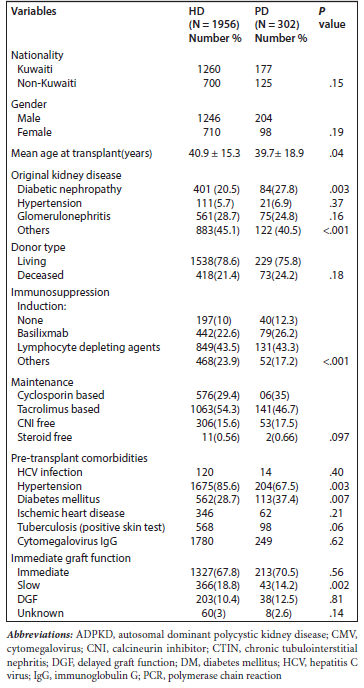
Table 1. Demographic Characteristics of Study Groups
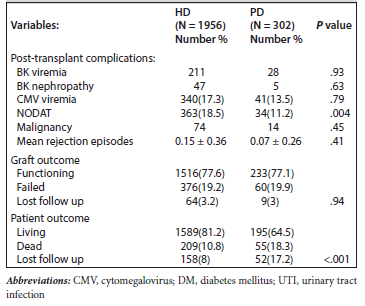
Table 2. Posttransplant Complications in Study Groups
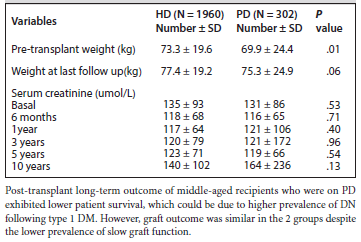
Table 3. Numerical Parameters of Study Groups