Volume: 22 Issue: 1 January 2024 - Supplement - 1
FULL TEXT
Frequency of Complications After Kidney Transplant in the Early Postoperative Period
Objectives: Complications after kidney transplant can be divided into surgical and nonsurgical. Our study investigated the incidence of postoperative complications and types of complications in a single center.
Materials and Methods: We retrospectively analyzed the occurrence of postoperative complications in 220 patients who underwent kidney transplantation at the Republican Scientific Center for Emergency Medical Care (Tashkent, Republic of Uzbekistan) from January 2019 to October 2022.
Results: Among the 220 patients, various types of complications were observed in 42 cases (19.1%). Of these, 31 patients (73.8%) had surgical complications and 11 patients (26.2%) had nonsurgical complications. Surgical complications included hematoma of the postoperative wound in 8 patients (19.2%), thrombosis of the graft artery in 1 patient (2.4%), thrombosis of the venous anastomosis in 1 patient (2.4%), lymphocele of the postoperative wound in 7 patients (16.6%), wound infections 4 patients (9.5%), bleeding from the arterial anastomosis 2 patients (4.7%), bleeding from the venous anastomosis 1 patient (2.4%), kink of the venous anastomosis in 3 patients (7.2%), postoperative hernia in 2 patients (4.7%), and urological complications in the form of ureteral necrosis in 2 patients (4.7%). Nonsurgical complications included hyperacute rejection, which led to the removal of the graft, in 2 patients (4.8%), acute cellular rejection of the graft, which was successfully treated with methylprednisolone pulse therapy, in 4 patients (9.5%), delayed graft function in 1 patients (2.4%) case, and posttransplant diabetes mellitus in 4 patients (9.5%).
Conclusions: Despite the frequency of postoperative complications, timely assistance and further monitoring of patients can lead to normal functioning of the kidney transplant, except for cases of hyperacute rejection.
Key words : Graft rejection, Nonsurgical complications, Renal transplantation, Surgical complications
Introduction
Kidney transplantation is of great importance in the lives of patients with end-stage chronic renal failure. Kidney transplantation has more than half a century of history and continues to develop.1 Despite the continuous progress and development of transplantology, a number of postoperative surgical and urological complications still remain that can jeopardize the success of this surgical method.2 The achieved successes in the field of kidney transplantation make it possible to make this type of renal therapy routine and define it as the “gold standard” in the treatment of patients with chronic renal insufficiency with the best indicators compared with other methods of substitution therapy.3
Complications after kidney transplant can be divided into surgical and nonsurgical. Nonsurgical complications include delayed graft function, various types of infections, and cardiovascular pathologies. Surgical complications include vascular, urological, wound infections, lymphocele, and postoperative hernias. At the dawn of kidney transplantation, surgical complications were the main cause of transplant loss. Between 1960 and 1980, the estimated incidence was about 20%. With improvements in surgical methods, the frequency of these complications has significantly decreased; although previously widely reported in the medical literature, today, complications are rarely discussed.4
In large transplant centers, the frequency of surgical complications is presently less than 5%. In general, the results of kidney transplant have improved primarily due to advances in drug and immunosuppressive therapy, as well as progress in surgical methods. Posttransplant urological complications are unusual, with ranges from 2.5% to 27%, but can cause significant morbidity and mortality.4 Results have improved over the past decade due to the direct application of less invasive endourological methods for the diagnosis and treatment of surgical complications.4 Urological complications, especially urine leakage, remain the most common type of surgical complications in the early posttransplant period. Despite significant advances in kidney transplant, a small number of kidney transplants are still being lost due to urological problems. Many of these complications can be traced back to the moment of extraction and implantation. Consistent ultrasonography examinations of the transplanted graft in the early postoperative period are key to early detection. The prognosis is usually excellent if it is recognized in a timely manner and treated.5-7
In this study, we investigated the frequency of postoperative complications and their types at a single center.
Materials and Methods
We retrospectively analyzed the occurrence of postoperative complications in 220 patients who underwent kidney transplant at the Republican Research Center of Emergency Medicine (Tashkent, Republic of Uzbekistan) from January 2019 to October 2022.
Results
Of 220 patients, various types of complications were observed in 42 patients (19.1%). Among these, 31 patients (73.8%) had surgical complications and 11 patients (26.2%) had nonsurgical complications. Surgical complications included postoperative wound hematoma in 8 patients (19.2%), graft artery thrombosis in 1 patient (2.4%) (Figure 1), venous anastomosis thrombosis in 1 patient (2.4%) (Figure 2), lymphocele of postoperative wound in 7 patients (16.6%), wound infections in 4 patients (9.5%) (Figure 3), bleeding from arterial anastomosis in 2 patients (4.7%), bleeding from venous anastomosis in 1 patient (2.4%), inflection of venous anastomosis in 3 patients (7.2%), and occurrence of postoperative hernia in 2 patients (4.7%).
Risk of surgical complications from the urinary tract during kidney transplant has been shown to be reduced when the kidney is from a living relative compared with a deceased donor.8,9 When we consider the legislative bases of our Republic for conducting only related kidney transplants, urological complications in the form of ureteral necrosis in this group of patients was minimal and amounted to 2 cases (4.7%). Nonsurgical complications in the form of hyperacute rejection, which led to the removal of the graft, were detected in 2 patients (4.8%) (Figure 4). Four patients (9.5%) had acute cellular rejection of the graft, which was successfully treated with pulse therapy with methylprednisolone, 1 patient (2.4%) had delayed graft function, and 4 patients (9.5%) had posttransplant diabetes mellitus.
Discussion
In our retrospective analysis, our results regarding surgical and nonsurgical complications gave us a clear picture for comparison with other kidney transplant centers; understanding complications can lead to improvements of surgical intervention tactics and the search for methods to reduce postoperative complications. The number of patients with chronic kidney disease in Uzbekistan is still high at 12 567 patients. For the 3067 patients on hemodialysis, Uzbekistan has only 48 dialysis centers, which include 326 hemodialysis devices.10
The incidence of surgical complications is reported to range from 1% to 30%, with standards for the treatment of complications differing among different centers.11 If an extensive hematoma is detected and in case of clinical manifestations, such as manifestations of graft dysfunction due to compression of the graft or graft vessels, percutaneous drainage of the hematoma is recommended under the control of computed tomography or ultrasonography (if possible) or surgical intervention. Arterial thrombosis of a graft is a fairly rare complication with a frequency of occurrence of 0.5% to 3.5%. The causes of arterial thrombosis of the graft may be associated with both the donor’s artery and the recipient’s artery (atherosclerosis is not excluded), damage to the intima during the collection of the donor kidney or arteriotomy of the recipient, compression from the outside by hematoma, thrombophilia, persistent decrease in blood pressure after surgery, or toxicity from immunosuppression (cyclosporine A or sirolimus).
Graft thrombosis is reported to occur in 0.9% of transplants within 1 month posttransplant and accounts for 17% of cases of early (within 30 days posttransplant) graft insufficiency.12 Despite the fact that, in most cases, venous thrombosis leads to the loss of the graft, revision is recommended. If venous thrombosis did not lead to the loss of the graft, then a thrombectomy with a preliminary compression of the iliac vein can be performed during the revision. Otherwise, explantation can be performed with subsequent reimplantation and the use of thrombolytic agents is possible; however, the results of their use have been unsatisfactory.13
The frequency of urological complications after kidney transplant has been reported to range from 4.2% to 14.1% in 1970 to 1990; in 2000, it has been reported to range from 3.7% to 6.0%. In almost all sources, the main urological complications are failure of the newly formed anastomosis (1.5%-6%), obstructive uropathy (0.9%-7.5%), necrosis and (or) stricture of the transplanted ureter (3%-12.6%), development of vesicoureteral reflux during kidney transplant (5%-20%), and recurrent urinary tract infection (5%-10%).14 Urological complications depend on the stenting of the ureteral-vesicular anastomosis. Urological complications during the application of ureteral-vesicular anastomosis without stenting are shown to be significantly higher, reaching 21.5 times compared with stenting (P < .001). The frequency of arterial and venous thrombosis can vary from 0.5% to 8% and arterial stenosis from 2% to 12% and can even occur in 23% of cases.15
Wound infections after kidney transplant can occur in 2% to 25% of recipients and are more likely to develop during the first 3 weeks after transplant; they are associated with technical complications or recipient factors such as obesity and diabetes mellitus. Wound infections occurred in 9.3% of previous recipients and in 9.5% of our recipients.16
Conclusions
Despite the frequency of postoperative complications, timely care and further monitoring of patients can lead to normal functioning of the kidney transplant, except in cases of hyperacute rejection. Step-by-step differential diagnosis of complications after kidney transplant, according to the proposed algorithm, can allow physicians to choose a treatment strategy based on the pathogenesis of the complication. Doppler ultrasonography graft imaging may reveal signs of graft vein thrombosis. With early diagnosis and timely intervention, the graft function can be preserved and restored. Early treatment of the identified complications allows the function of the transplanted kidney to be preserved.
References:
- Kabanova SA, Bogopolsky PM. Kidney transplantation: history, results and prospects (to the 50th anniversary of the first successful kidney transplantation in Russia). Russian J Transplantol. 2015;2:49-58.)
CrossRef - PubMed - Mladenov V, Lilianov I, Botev B, Hadzhiyskaya V, Tonev A. Kidney transplantation – early postoperative complications. J IMAB. 2022;28(1):4254-4259. doi:10.5272/jimab.2022281.4254
CrossRef - PubMed - Gabrielyan NI, Gorskaya EM, Savostyanova OA, et al. The etiology of agents of infectious complications after transplantation of liver and kidneys and their resistance to antibiotics. Med J Russian Fed. 2016;22(5):232-237. doi:10.18821/0869-2106-2016-22-5-232-237
CrossRef - PubMed - Ferreira M, de Andrade MF, Tucci S. Surgical complications of kidney transplantation. Understanding the complexities of kidney transplantation. InTech. September 06, 2011. doi:10.5772/16767
CrossRef - PubMed - Buttigieg J, Agius-Anastasi A, Sharma A, Halava A. Early urological complications after kidney transplantation: a review. World J Transplant. 2018;8(5):142-149. doi:10.5500/wjt.v8.i5.142
CrossRef - PubMed - Morey G, Bilgin N, Karakayali H, Haberal M. Comparison of outcomes in renal transplant recipients with respect to arterial anastomosis: internal and external iliac artery. Transplant Proc. 1999;31(7):2839-2840. doi:10.1016/s0041-1345(99)00584-9
CrossRef - PubMed - Bessede T, Hammoudi J, Bedretdinova D, et al. Preoperative risk factors associated with complications of urination after kidney transplantation. Transplant Proc. 2017;49(9):2018-2024. doi:10.1016/j.transproceed.2017.09.036
CrossRef - PubMed - Khadjibaev FA, Sharipova VK, Sultanov PK. Analysis of complications after kidney transplantation related to survival: work experience in one center. Russian J Transplant. 2021;13(1):63-73. doi:10.23873/2074-0506-2021-13-1-63-73
CrossRef - PubMed - Emiroglu R, Karakayall H, Sevmish S, Akkoch H, Bilgin N, Haberal M. Urological complications in 1275 consecutive kidney transplants. Transplant Proc. 2001;33(1-2):2016-2017. doi:10.1016/s0041-1345(00)02772-x
CrossRef - PubMed - Khadjibaev A, Khadjibaev F, Rakhimova R, et al. Three-year experience of kidney transplantation at a single center in Uzbekistan. Exp Clin Transplant. 2022;20(Suppl 1):24-30. doi:10.6002/ect.MESOT2021.O10
CrossRef - PubMed - Timsit MO, Kleinclauss F, Richard V, Thuret R. Complications chirurgicales de la transplantation rénale [Surgical complications of renal transplantation]. Prog Urol. 2016;26(15):1066-1082. doi:10.1016/j.purol.2016.09.052
CrossRef - PubMed - Khadjibaev A, Khadjibaev F, Sultanov P, Ergashev D, Ismatov A. Case report of patient with venous thrombosis of the transplanted kidney in the early postoperative period. Exp Clin Transplant. 2022;20(Suppl 3):126-128. doi:10.6002/ect.PediatricSymp2022.O40
CrossRef - PubMed - All-Russian Public Organization of Transplantologists. Russian Transplant Society. Clinical recommendations: Kidney transplantation, the presence of a transplanted kidney, death, and rejection of a kidney transplant. 2020. https://transpl.ru/upload/medialibrary/41f/41f4626c8f0e5623b1233e6c4ada1c0b.pdf
CrossRef - PubMed - Saydulaev DA, Miloserdov IA, Gautier SV. [Prevention and surgical treatment of urological complications in kidney transplant recipient.] Russian J Transplant Artificial Organs. 2019;21(3):166-173. doi:10.15825/1995-1191-2019-3-166-173
CrossRef - PubMed - Khubutia MS, Pinchuk AV, Shmarina NV, et al. [Vascular complications after kidney transplantation.] Russian J Transplant Artificial Organs. 2013;15(4):31-39. doi:10.15825/1995-1191-2013-4-31-39
CrossRef - PubMed - Siskind E, Huntoon K, Shah K, et al. Partial closure of skin wounds after kidney transplantation decreases the incidence of postoperative wound infections. Int J Angiol. 2012;21(2):85-88. doi:10.1055/s-0032-1315797
CrossRef - PubMed

Volume : 22
Issue : 1
Pages : 195 - 199
DOI : 10.6002/ect.MESOT2023.P25
From the Department of Transplantology, Republican Research Centre of Emergency Medicine, Tashkent, Republic of Uzbekistan
Acknowledgements: The authors thank Professor Mehmet Haberal and his team from Başkent University who provided insight and practical contribution providing of successful first 9 transplant surgeries in the Republican Research Centre of Emergency Medicine in Uzbekistan. The authors also thank the Experimental and Clinical Transplantation journal editors for making final additions to manuscripts. The authors express their sincere gratitude for all personnel of the Republican Research Center of Emergency Medicine (surgeons, anesthetists, intensivists, lab, radiography and computed tomography staff, nursing personnel) for their daily efforts and intension. This work wouldn’t be possible without you. The authors have not received any funding or grants in support of the presented research or for the preparation of this work and have no declarations of potential conflicts of interest.
Corresponding author: Azizbek Ismatov, Republican Research Center of Emergency Medicine, 61-22, Muqumiy street, Chilonzor district, Tashkent, Uzbekistan 100115
E-mail: Azizbiek.ismatov@.mail.ru
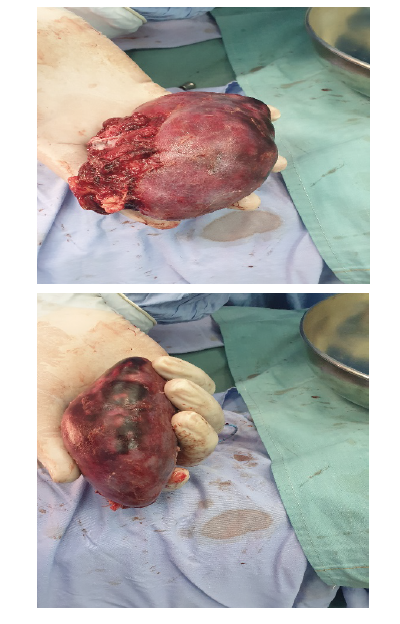
Figure 1.Arterial Anastomosis Thrombosis
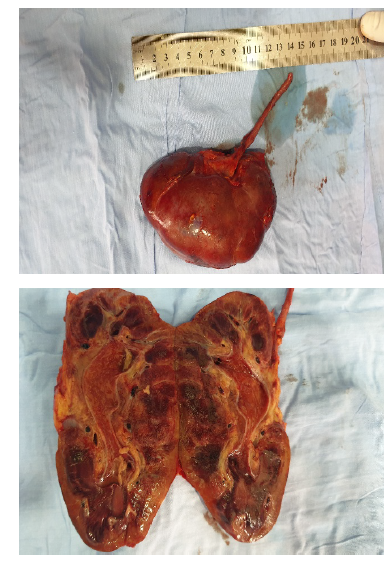
Figure 2.Venous Anastomosis Thrombosis
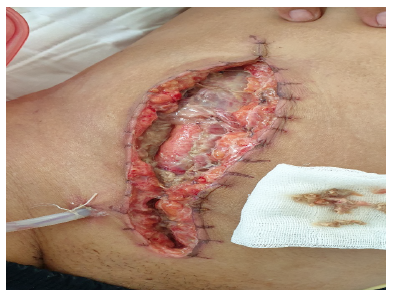
Figure 3.Wound Infection After Kidney Transplantation
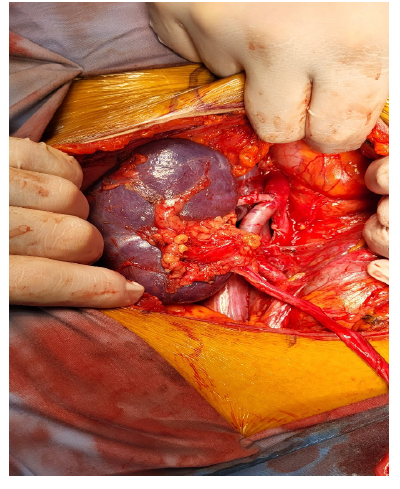
Figure 4.Intraoperative Picture of Hyperacute Rejection