Volume: 22 Issue: 1 January 2024 - Supplement - 1
FULL TEXT
Gender disparity refers to the unequal treatment or a perception of individuals based on their gender and arises from differences in socially constructed gender roles. In the field of transplantation, gender inequality arises at different stages, affecting access to medical care, donation practices, and posttransplant follow-up care. Gender disparity in transplantation is not limited to any geographic region but is thought to be more prevalent in developing nations. An unusually high number of female donations with relatively fewer female recipients is not only attributable to the low economy but a congregation of medical, social, cultural, and psychological factors. Gender disparities can also be shown in transplant-related professional societies. This review highlights the complexities of spousal donation and vulnerability of women, especially in the developing world. There is a growing need to further modify transplant policies to tackle gender disparities, especially in living related donation. Systematic research in the context of gender-related concerns in transplantation will further aid in understanding the complexities and formulating policies for eliminating gender disparities. Gender disparity is a global problem and not merely limited to transplantation.
Key words : Laws, Living-related transplantation, Organ donation
Gender disparity is endured differently across different regions and cultures of the world. The gender inequality index is a composite measuring tool developed by the United Nations Development Program to measure disparities in gender.1 It measures inequalities in 3 important aspects of human development: reproductive health (measured by maternal mortality ratio and adolescent birth rates), empowerment (measured by proportion of parliamentary seats occupied by females and proportion of adult females and males aged ?25 years with at least some secondary education), and economic status (expressed as labor market participation and measured by labor-force participation rate of female and male populations aged ?15 years). A value of 0 means 0% inequality, implying women fare equally compared with men, and 1 means 100% inequality, implying women fare poorly compared with men. Recent data from low-income and middle-income countries of the global south showed gross gender inequality (Figure 1).
Between 1901 and 2020, 930 people were awarded the esteemed Nobel Prize; however, only 57 women (6.1%) were named as Nobel laureates, which is a glaring fact to contemplate.2 There are differences between the health and well-being of males and females that do not descend from biological sex traits but are influenced by gender experiences over the life course, as well as access to resources and societal gender norms.3 There is a growing need to enhance medical research for understanding this complex issue and its potential solutions. Transplant is the definitive treatment option for end stage organ failure, and issues of gender disparity in this treatment option need further investigation.4 In this review, we explored the burden of transplant-related gender disparity in different regions of the world and performed an in-depth analysis of this disparity. The review will also discuss the potential strategies to eradicate this gender gap and its future implications.
Data from the Global Database on Donation and Transplantation (GODT) confirmed that gender disparity was present in more than 60 countries in 2017. This database reported that 36% of female patients received a transplant versus 63% of male patients (Figure 2).
A systemic review by Jindal and colleagues, which included large-scale data from all parts of the world, convincingly showed that males outnumbered females on both kidney transplant wait lists and post-kidney transplant databases.5 The GODT 2017 data further reported that, in most of the world, females are predominant donors in living donation (53% vs 47%), whereas the reverse is true for deceased donation (60% vs 40%)6,7 (Figure 3). Furthermore, living kidney donors are more often female, whereas living liver donors are more often male. This is probably due to a lesser liver mass in females and hence their lower eligibility as a potential liver donor.
Transplant Gender Disparity in High-Income Countries
The US Organ Procurement and Transplantation Network (OPTN) database from 1988 to May 31, 2023,8 showed that 38.17% of total solid-organ transplants were performed in female recipients. These disparities were observed in kidney (39.51%), liver (37.33%), heart (26.9%), and lung (43.13%) transplantation. As of July 5, 2023, similar disparities were also observed in the overall number of females on wait lists (38.16%), as well as in organ-specific wait lists for kidney (37.93%), liver (40.18%), heart (25.19%), and lung (56.32%). The OPTN database from 1988 to May 31, 2023, also reported a low rate of female deceased donors (39.8%) but high rate of female living donors (59.97%) from 1988 to May 31, 2023. This disparity among females as living donors for kidney transplant (60%) is worse compared with liver (52%) and lung transplant (24%). Ahearn and colleagues showed that women with kidney failure had lower access to kidney transplant compared with men, but the magnitude of this disparity was not uniform across all kidney diseases. The disparity between women and men is more pronounced in living donor transplants.9 There was an interaction between sex and attributed cause of kidney disease; women with kidney failure due to type 2 diabetes mellitus had 27% lower access to kidney transplant wait lists and 11% lower access to deceased-donor transplant after wait-listing compared with men. In contrast, sex disparities in access to either wait lists or transplant were not observed in kidney failure secondary to cystic disease.10
The European Renal Association and European Dialysis and Transplantation Association (ERA-EDTA) registry also showed a gender disparity in access to pediatric kidney transplant.11 The study showed that, in Europe, girls have less access to preemptive transplant for reasons that are only partially related to medical factors, with 23% lower probability of receiving a preemptive transplant compared with their male counterparts. The International Society for Heart and Lung Transplantation (ISHLT) registry reported lower female heart transplant recipients compared with men (28% vs 72%) in 2017, although noting more male heart donors (68.2% vs 31.8%) compared with female heart donors.12
Data of lung transplant recipients were less skewed, with 42.6% being female and 57.4% being males. Similarly, less discrepancy was also shown among lung donors (43.5% females vs 56.5% males). The Australian and New Zealand Dialysis and Transplant Registry showed similar disparities. In 2019, there were 4909 female recipients in Australia (38% of all transplants) and 841 in New Zealand (40% of all transplants). The same registry also reported a lower likelihood of obese women on wait lists for deceased donor kidney transplant.13,14 A recent review depicted males outnumbering females on both wait lists and receiving transplants patients worldwide, which was observed in all solid organs. The reasons for this were not only biological, but also psychological and socioeconomic. The authors reported a disparity in transplant outcomes and disparity in inequitable access to transplantation for women and girls.15 Pregnancy is a formidable biological barrier for women and contributes uniquely to sex disparity in living donor kidney transplant.16
Transplant Gender Disparity: Low- and Middle-Income Countries
Gender disparity with regard to wait lists and transplantation is more extreme in low-income and middle-income countries.12 The main driving factor for gender disparity in transplant is low socioeconomic conditions and low educational level, but cultural and social factors also play a significant role. Nevertheless, studies on the socioeconomic status and transplant access and outcomes are limited and further research is needed. From 1997 through 2020, the largest public sector transplant center in India reported 32% of their deceased donor recipients were female and 31% of deceased donors were female.17 Distribution of living donation by relationship to the recipient were as follows: mother 33.7% mother, 20.1% wife, 6.2% sister, and 0.4% daughter.18 The 2019 data from National Organization of Organ Transplantation (NOTTO) reported 27.6% were female recipients and 72.4% were male recipients. Interestingly, 86% of spousal donation were contributed by females.19
In the developing nation of Pakistan, between 2003 and 2014, only one-third of living donor kidney transplant recipients were female,20 whereas a subsequent report revealed that only 18.4% of living donor liver transplant recipients were female.21 In a recently study from Pakistan, more females were living donors and inferior outcomes were shown in female recipients.22 These data are consistent with previous studies from emerging nations demonstrating that only 16%, 22%, and 40% of girls received pediatric transplants in India, Nepal, and China, respectively.23-25 In a single-center South African study, females accounted for 59% of living donors yet only 23% of females received a deceased donor kidney transplant.26 The rapidly expanding transplant programs in China also reported gender disparity, with only 23.1% of female recipients receiving a deceased donor liver transplant.27
Impact of Gender on Organ Allocation
Pregnancy sensitizes potential recipients more than other sensitizing events, like blood transfusion, resulting in difficulty finding a compatible living donor. This negatively affects the time on the wait list for potential female patients with organ failure.28,29 Females often have less muscle mass, resulting in a lower serum creatinine level, which might result in a lower Model for End-Stage Liver Disease score and thus a disadvantage for liver allocation.30 In a recent study, female gender was shown as a disadvantage in allocation for lung transplant owing to short stature and lower body mass index.31
Effect of Gender on Long-Term Outcomes After Transplant
Important gender differences exist in the organs affected by disease processes leading to organ failure. The reported incidence of heart failure from ischemic heart disease, dilated cardiomyopathy, and hypertrophic cardiomyopathy was higher in men.32 Hypertension and diabetes are more prevalent in males, resulting in a higher proportion of male patients with end-stage organ damage.33,34 This drives a higher proportion of male patients on wait lists for solid-organ transplantation worldwide.
The OPTN data from 2008 through 2015 showed the following (higher) survival rates35: 1 year of 83% versus 76%, 3 year of 67% versus 49%, and 5 year of 59% versus 37% after combined heart-lung transplant in females was compared with males. The OPTN recently reported that graft survival after heart transplant was better in females.36 However, women are more prone to death and being delisted when on heart transplant wait lists.37 Lung transplant survival rates were also better in females than in males (69% vs 50%). In contrast, for pancreas transplant, males had better survival than females (62% vs 54%) at 5 years. Of note, the registry showed no significant differences with regard to gender in survival rates for heart, kidney, or liver transplant. In a recent European study, patient survival was similar for kidney transplant when examined by gender,38 whereas in another multinational report,39 excess mortality was reported among females.
Data from the ISHLT registry in 2017 showed almost equivalent but slightly better survival rates for females than males for both heart transplant (81.7% vs 80.8%) and lung transplant (71.2% vs 69.2%).12 Data from the ISHLT registry in 2017 showed that 3-year heart transplant survival was similar among males and females (81.7 % vs 80.8%). The report also showed similar 3-year survival rates for lung transplant. Another study showed that females had better long-term survival after lung transplant than males.40
Puoti and colleagues showed that male patients receiving female organs have significantly decreased long-term graft survival after kidney and heart transplant.41 Solid-organ transplant from female donors to male recipients has been consistently associated with poorer graft outcomes.42-46 Medicine adherence,47 pharmacodynamics, and pharmacokinetics have been investigated as reasons for disparities in graft outcomes after transplant.48 The role of gender in outcomes of hemopoietic stem cell transplants (HSCT) has been extensively studied. Male recipients of HSCT from female donors had higher mortality because of chronic graft-versus-host disease and other incompletely understood mechanisms.49 Medical differences between men and women are unmodifiable, but social differences can and should be discarded as reasons.
Female donors as vulnerable subjects
Independent of the status of the human development index, the gender inequality index indicates a problematic issue experienced throughout the world, including high-income countries. In countries with improved gender inequality indexes (like the USA and Canada), female organ donors are still more prevalent in living donation. Only a few nations, such as Indonesia,50 Kazakhstan, and Japan, have a larger number of male donors for living donor transplants.15 Interpreting the data on the number of male living liver donors requires caution, as this is probably due to a higher medical rejection rate for female donors because of their inherent lower liver mass, rather than a situation where gender disparity had been eliminated. Females are often in a vulnerable position and can then become the victim of abuse of power related to organ donation. Kute and colleagues reported that 90% of spousal donors and 46% of offspring donors are female, underscoring the prevalent unspoken social-cultural practices involved (more gratitude, affection, human bonding, selfless love, marriage responsibility).51 Although any form of deception or fraud is reportedly uncommon, the exact numbers are hard to gather considering the complexities of psychosocial aspects governing living donor transplantation.
In general, women who have chronic illnesses consult doctors earlier and more frequently than their male counterparts.52 Conversely, men are more reluctant to consult and frequently have to be encouraged by their spouses to seek medical advice. Despite having consulted later, men receive more organ transplants. It is important to consider whether the content and nature of the doctor-patient interactions and implicit biases significantly influence gender disparity in the transplant world.53
Female donors in the context of financial neutrality
The World Bank has divided the world regions on the basis of income into 5 groups: high, upper-middle, middle, lower-middle, and low-income groups.54 Lower income groups have worse access to medical treatment and to transplant wait lists. Lower income status also affects the quality of therapy after organ failure, medication adherence, communicative competencies, and patient-physician relationships. In a large US population-based analysis by Gill and colleagues, living donation declined in men but remained static in women, and income had a greater effect on living donation in men.55 In many of the high-income regions of the world, medical care and transplant are heavily insurance-based, whereas low- and middle-income countries often have government-aided transplant programs. This shows that eliminating financial barriers, although helpful, does not eradicate gender discrepancy; thus, other factors are likely involved.
There are plenty of compelling reasons why males might find it difficult to donate, including job insecurity when there is a male breadwinner in a family. In low- and middle-income countries, like India, a large percentage of transplantation is driven by living donors, and spousal donation constitutes a major part of this. In low- and middle-income countries, women are often economically dependent on their husbands and males often take on the position of the breadwinner while their wives look after the children. In India, almost 90% of spousal donor transplants take place from a female donor to a male recipient. Because many families are dependent on male breadwinners, the choice might often be for the woman to donate to her husband rather than to risk his long-term health quality and economy, especially in renal failure cases. Because there is no significant worse deterioration on the quality of life of an organ donor, choosing donation becomes a safer and easier option for women who face financial and social hardships if their husbands become ill or die.
Female donors in the context of care givers
Women tend to retain responsibility for all aspects of family life. They are more predisposed to depression than their male counterparts and are less assertive than men in their consultation with health care providers for their treatment. Another factor is that women tend to consider themselves as a primary caregiver for family members in times of disasters. Women tend to volunteer more compared with men in selfless acts.56 Some data suggest that the experience of pregnancy makes women more open to donating their organs to someone else.57 In a study by Kute and colleagues, love, compassion, and self-willingness were described as reasons for an extremely high proportion of female spousal donors.51 However, there are ethical issues accepting love as the only reason for such a high rate of female spousal donation.58,59 Coercion for organ donation is another form of female exploitation and should be strongly condemned. Women should be free to decide and exercise their free will. They should be free to say no if they are reluctant to donate their organs.
Solutions to Overcome Gender Disparity in Transplantation
It is imperative to focus on the overall empowerment of women, as gender disparity is not just limited to transplant, and has crippled almost all aspects of social, cultural, and medical fields. The World Health Organization recognized the issue of gender disparity and has given a thorough report to guide every stratum of the health care system in tackling this problem60 (Figure 4). It is imperative that we address gender disparity at every level because it spans problems seen in all levels of health care from diagnosis through posttransplant care.
Eliminating disparity in access to medical treatment
In a US-based study, nutritional status, comorbid conditions, education, compliance, social circumstances, health attitudes of patients, and beliefs all contributed at different levels to less prescription of hemodialysis, noncompliance with treatment time, and use of a catheter-based modality of vascular access.61 In an African study, largely because of socioeconomic conditions, men had more access to dialysis than females. Another study from Nigeria showed that women were even excluded from health care facilities as services got more expensive.62 Overcoming financial barriers has remained the benchmark for expanding care for renal patients.63 Another aspect is financial incentive to male donors. One interesting solution in low economic nations would be governmental financial assistance if husbands are spousal donors or in cases of any male to female donation. Nonfinancial incentives to male donors like felicitation on organ donation day, pictorial memorial, or plantation ceremony can further increase the awareness about this issue. Long kidney exchange chains have the potential to mitigate disparities in access to living donor kidney transplant among minorities, specifically sensitized women.64
Possible changes in organ allocation policies
Novel innovations like paired kidney exchange (PKE) as a strategy for eliminating gender disparity may appear complex but is a highly practical option. Men and women who were registered for PKE for HLA incompatibility were transplanted at comparable rates through PKE. Higher rates of living donor kidney transplant among women at transplant centers with aggressive PKE programs will further validate this approach. A step forward to increase transplant rates in female patients was recently done in India, where 2 extra points were given to female patients on organ allocation wait lists. Diversification of the donor pool, relaxation of stringent HLA match criteria, and increased participation in kidney exchange are attractive options for attenuating the gender imbalance in transplant.51 A new allocation policy65 in heart transplant by the OPTN has led to higher rates of heart transplant in recent years. Amendments66 in the allocation policy in HSCT were made with the addition of female sex to the European Group for Blood and Marrow Transplantation risk score. Gender-equity model67,68 for liver allocation is being externally validated for implementation, which would improve liver transplant rates among females.
Research in gender
Unfortunately, the bulk of the research publications have been conducted in male populations; because biological differences in sex are unavoidable, the interpretation of the research results in females are likely not entirely applicable. Changes at every step of the research process are needed to steer toward meaningful systematic incorporation of sex and gender into both basic science and clinical research. Precise guidelines on the inclusion of sex and gender considerations in research are needed. Sadly, gender disparity is also evident in many of the international transplant societies that have historically had few women serving in leadership positions. There is an extreme need to develop strategies to improve the participation of women in transplantation (Figure 4, Table 1). In 2021, The Transplantation Society began an initiative under the women in transplant committees to provide research grants to budding fellows for gender-related projects in transplants.
Future Studies
Future studies aimed at clarifying sex differences in access to transplant, graft outcomes, and patient survival should consider the following 3 key points: (1) magnitude of sex differences may vary by age, (2) outcome measures must be selected wisely, and (3) expected sex differences in mortality rates must be taken into account. Clinical studies on transplant outcomes using large databases will assist in identifying disparities and should be done in different populations
Recommendations
For the health care community, the following solutions are recommended: (1) increase the awareness of gender disparities, (2) limit provider incentives that may promote disparities, (3) and provide incentives that encourage evidence-based practice for gender equity. For the awareness community, the following solutions are recommended: (1) actions must be sustained and comprehensive; (2) knowledge, access to care, and participation in treatment decisions should be expanded; and (3) gender education should be integrated into the training of all current and future health professionals. For registries, the following solutions are recommended: (1) collect and report gender data on health care access and utilization by patients, (2) include measures of gender disparities in performance measurement, and (3) monitor progress toward elimination of health care disparities.
Conclusions
Undisputed disparities with regard to female gender exist throughout the entire spectrum of medical care for transplant patients, even after accounting for biological and psychosocial factors. The complexities of the problem are worse in developing nations. Females as spousal donors appears to be the most vulnerable group. Any organ act alone cannot eliminate gender disparities due to social biases. Although it is unarguably difficult to change social biases, progress will require a carefully staged path that includes implementing strong regulations. Awareness of sex disparities is a critical first step in eliminating this discrepancy. Transplant centers and communities can implement processes to rectify sex disparities and support further research on underlying causes and mechanisms. Solutions to gender imbalance are not just promoting education and eliminating poverty but informing on a deeper reassessment of traditional gender roles and a woman’s place in family and society. Combating gender inequality in transplantation will require a stepwise approach that empowers women in all aspects of society.
References:
- United Nations Development Programme. Human development reports. Accessed February 21, 2021. http://hdr.undp.org/en/content/gender-inequality-index-gii
- The Nobel Prize. February 25, 2021. https://www.nobelprize.org/prizes/lists/all-nobel-prizes
- Pan American Health Organization. Gender Equality Policy. Accessed March 3, 2021. https://www.paho.org/hq/dmdocuments/2009/PAHOGenderEqualityPolicy2005.pdf
- Sawinski D, Lai JC, Pinney S, et al. Addressing sex-based disparities in solid organ transplantation in the United States - a conference report. Am J Transplant. 2023;23(3):316-325. doi:10.1016/j.ajt.2022.11.008
CrossRef - PubMed - Jindal RM, Ryan JJ, Sajjad I, Murthy MH, Baines LS. Kidney transplantation and gender disparity. Am J Nephrol. 2005;25(5):474-483. doi:10.1159/000087920
CrossRef - PubMed - Global Observatory on Donation and Transplantation. International report on Organ Donation and Transplantation Activities. Executive summary. 2017. Accessed February 21, 2021. http://www.transplant-observatory.org/wp-content/uploads/2019/11/glorep2017.pdf
- Kute VB, Ramesh V, Rela M. On the way to self-sufficiency: improving deceased organ donation in India. Transplantation. 2021;105(8):1625-1630. doi:10.1097/TP.0000000000003677
CrossRef - PubMed - Organ Procurement and Transplantation Network. National Data. Accessed Aug 21 7, 2023. https://optn.transplant.hrsa.gov/data/view-data-reports/national-data/#
- Duffey K, Halegoua-DeMarzio D, Shah AP, Tholey D. Sex and racial disparities in live donor liver transplantation in the united states. Liver Transpl. 2023:10.1097.
CrossRef - PubMed - Ahearn P, Johansen KL, Tan JC, McCulloch CE, Grimes BA, Ku E. Sex disparity in deceased-donor kidney transplant access by cause of kidney disease. Clin J Am Soc Nephrol. 2021;16(2):241-250. doi:10.2215/CJN.09140620
CrossRef - PubMed - Hogan J, Couchoud C, Bonthuis M, et al. Gender disparities in access to pediatric renal transplantation in Europe: data from the ESPN/ERA-EDTA registry. Am J Transplant. 2016;16(7):2097-2105. doi:10.1111/ajt.13723
CrossRef - PubMed - The International Society for Heart and Lung Transplantation. ISHLT. Accessed July 2, 2021. https://ishlt.org/research-data/registries/ttx-registry/ttx-registry-slides
- Ladhani M, Craig JC, Wong G. Obesity and gender-biased access to deceased donor kidney transplantation. Nephrol Dial Transplant. 2020;35(1):184-189. doi:10.1093/ndt/gfz100
CrossRef - PubMed - Australian and New Zealand Dialysis and Transplant Registry. 2019 report. Accessed July 2, 2021. https://www.anzdata.org.au/wp-content/uploads/2020/09/c07_transplant_2019_ar_2020_v1.0_20201222.pdf
- Melk A, Babitsch B, Borchert-Morlins B, et al. Equally interchangeable? How sex and gender affect transplantation. Transplantation. 2019;103(6):1094-1110. doi:10.1097/TP.0000000000002655
CrossRef - PubMed - Bromberger B, Spragan D, Hashmi S, et al. Pregnancy-induced sensitization promotes sex disparity in living donor kidney transplantation. J Am Soc Nephrol. 2017;28(10):3025-3033. doi:10.1681/ASN.2016101059
CrossRef - PubMed - Kute VB, Patel HV, Modi PR, et al. Two decades of deceased donor kidney transplantation at Ahmedabad, India. Exp Clin Transplant. 2020;18(5):549-556. doi:10.6002/ect.2020.0318
CrossRef - PubMed - Kute VB, Chauhan S, Navadiya VV, et al. India: gender disparities in organ donation and transplantation. Transplantation. 2022;106(7):1293-1297. doi:10.1097/TP.0000000000003960
CrossRef - PubMed - Kim Y, Ahmed E, Ascher N, et al. Meeting Report: First state of the art meeting on gender disparity in kidney transplantation in the Asia-Pacific. Transplantation. 2021;105(9):1888-1891. doi:10.1097/TP.0000000000003841
CrossRef - PubMed - Ozkul F, Erbis H, Yilmaz VT, Kocak H, Osmanoglu IA, Dinckan A. Effect of age on the outcome of renal transplantation: a single-center experience. Pak J Med Sci. 2016;32(4):827-830. doi:10.12669/pjms.324.10094
CrossRef - PubMed - Laeeq SM, Hanif FM, Luck NH, Mandhwani RK, Iqbal J, Mehdi SH. Living-donor liver transplant follow-up: a single-center experience. Exp Clin Transplant. 2017;15(Suppl 1):254-257. doi:10.6002/ect.mesot2016.P122
CrossRef - PubMed - Shahani MM, Iqbal T, Idrees MK. Impact of age and gender matching on long-term graft function and actual graft survival in live-related renal transplantation: retrospective study from Sindh Institute of Urology and transplantation, Pakistan. Saudi J Kidney Dis Transpl. 2019;30(2):365-375. doi:10.4103/1319-2442.256844
CrossRef - PubMed - Meena J, Sinha A, Hari P, et al. Pediatric kidney transplantation: experience over two decades. Asian J Pediatr Nephrol. 2018;1(1):22. doi:10.4103/AJPN.AJPN_9_18
CrossRef - PubMed - Kafle MP, Poudyal AK, Chalise PR, Shah DS. Pediatric kidney transplantation in Nepal. Pediatr Transplant. 2019;23(8):e13588. doi:10.1111/petr.13588
CrossRef - PubMed - Shen Q, Fang X, Man X, et al. Pediatric kidney transplantation in China: an analysis from the IPNA Global Kidney Replacement Therapy Registry. Pediatr Nephrol. 2021;36(3):685-692. doi:10.1007/s00467-020-04745-7
CrossRef - PubMed - Davidson B, Du Toit T, Jones ESW, et al. Outcomes and challenges of a kidney transplant programme at Groote Schuur Hospital, Cape Town: a South African perspective. PLoS One. 2019;14(1):e0211189. doi:10.1371/journal.pone.0211189
CrossRef - PubMed - Chen L, Bai H, Jin H, et al. Outcomes in kidney transplantation with mycophenolate mofetil-based maintenance immunosuppression in China: a large-sample retrospective analysis of a national database. Transpl Int. 2020;33(7):718-728. doi:10.1111/tri.13566
CrossRef - PubMed - August P, Suthanthiran M. Sex and kidney transplantation: why can't a woman be more like a man? J Am Soc Nephrol. 2017;28(10):2829-2831. doi:10.1681/ASN.2017060657.
CrossRef - PubMed - Redfield RR, Scalea JR, Zens TJ, et al. The mode of sensitization and its influence on allograft outcomes in highly sensitized kidney transplant recipients. Nephrol Dial Transplant. 2016;31(10):1746-1753. doi:10.1093/ndt/gfw099
CrossRef - PubMed - Mathur AK, Schaubel DE, Gong Q, Guidinger MK, Merion RM. Sex-based disparities in liver transplant rates in the United States. Am J Transplant. 2011;11(7):1435-1443. doi:10.1111/j.1600-6143.2011.03498.x
CrossRef - PubMed - Nephew LD, Goldberg DS, Lewis JD, Abt P, Bryan M, Forde KA. Exception points and body size contribute to gender disparity in liver transplantation. Clin Gastroenterol Hepatol. 2017;15(8):1286-1293.e2. doi:10.1016/j.cgh.2017.02.033
CrossRef - PubMed - Group EUCCS, Regitz-Zagrosek V, Oertelt-Prigione S, et al. Gender in cardiovascular diseases: impact on clinical manifestations, management, and outcomes. Eur Heart J. 2016;37(1):24-34. doi:10.1093/eurheartj/ehv598
CrossRef - PubMed - Mills KT, Stefanescu A, He J. The global epidemiology of hypertension. Nat Rev Nephrol. 2020;16(4):223-237. doi:10.1038/s41581-019-0244-2
CrossRef - PubMed - Deng Y, Li N, Wu Y, et al. Global, regional, and national burden of diabetes-related chronic kidney disease from 1990 to 2019. Front Endocrinol (Lausanne). 2021;12:672350. doi:10.3389/fendo.2021.672350
CrossRef - PubMed - Organ Procurement and Transplantation Network. Kaplan-Meier Graft Survival Rates For Transplants Performed: 2008–2015. Accessed July 27, 2021. https://optn.transplant.hrsa.gov/data/view-data-reports/national-data/#
- Kondziella C, Fluschnik N, Weimann J, et al. Sex differences in clinical characteristics and outcomes in patients undergoing heart transplantation. ESC Heart Fail. 2023;10(4):2596-2606. doi:10.1002/ehf2.14413
CrossRef - PubMed - DeFilippis EM, Masotti M, Blumer V, Maharaj V, Cogswell R. Sex-specific outcomes of candidates listed as the highest priority status for heart transplantation. Circ Heart Fail. 2023;16(6):e009946. doi:10.1161/circheartfailure.122.009946
CrossRef - PubMed - Geroldinger A, Strohmaier S, Kammer M, et al. Sex differences in the survival benefit of kidney transplantation: a retrospective cohort study using target trial emulation. Nephrol Dial Transplant. 2023. doi:10.1093/ndt/gfad137
CrossRef - PubMed - Vinson AJ, Zhang X, Dahhou M, et al. A multinational cohort study uncovered sex differences in excess mortality after kidney transplant. Kidney Int. 2023;103(6):1131-1143. doi:10.1016/j.kint.2023.01.022
CrossRef - PubMed - Loor G, Brown R, Kelly RF, et al. Gender differences in long-term survival post-transplant: a single-institution analysis in the lung allocation score era. Clin Transplant. 2017;31(3). doi:10.1111/ctr.12889
CrossRef - PubMed - Puoti F, Ricci A, Nanni-Costa A, Ricciardi W, Malorni W, Ortona E. Organ transplantation and gender differences: a paradigmatic example of intertwining between biological and sociocultural determinants. Biol Sex Differ. 2016;7:35. doi:10.1186/s13293-016-0088-4
CrossRef - PubMed - Naderi G, Azadfar A, Yahyazadeh SR, Khatami F, Aghamir SMK. Correction to: Impact of the donor-recipient gender matching on the graft survival from live donors. BMC Nephrol. 2020;21(1):487. doi:10.1186/s12882-020-02148-2
CrossRef - PubMed - Candinas D, Gunson BK, Nightingale P, Hubscher S, McMaster P, Neuberger JM. Sex mismatch as a risk factor for chronic rejection of liver allografts. Lancet. 1995;346(8983):1117-1121. doi:10.1016/s0140-6736(95)91797-7
CrossRef - PubMed - Prendergast TW, Furukawa S, Beyer AJ, 3rd, Browne BJ, Eisen HJ, Jeevanandam V. The role of gender in heart transplantation. Ann Thorac Surg. 1998;65(1):88-94. doi:10.1016/s0003-4975(97)01105-3
CrossRef - PubMed - Roberts DH, Wain JC, Chang Y, Ginns LC. Donor-recipient gender mismatch in lung transplantation: impact on obliterative bronchiolitis and survival. J Heart Lung Transplant. 2004;23(11):1252-1259. doi:10.1016/j.healun.2003.09.014
CrossRef - PubMed - Dagan A, Choudhury RA, Yaffe H, et al. Offspring versus nonoffspring to parent living donor liver transplantation: does donor relationship matter? Transplantation. 2020;104(5):996-1002. doi:10.1097/TP.0000000000002977
CrossRef - PubMed - Boucquemont J, Pai ALH, Dharnidharka VR, Hebert D, Furth SL, Foster BJ. Gender differences in medication adherence among adolescent and young adult kidney transplant recipients. Transplantation. 2019;103(4):798-806. doi:10.1097/TP.0000000000002359
CrossRef - PubMed - Momper JD, Misel ML, McKay DB. Sex differences in transplantation. Transplant Rev (Orlando). 2017;31(3):145-150. doi:10.1016/j.trre.2017.02.003
CrossRef - PubMed - Loren AW, Bunin GR, Boudreau C, et al. Impact of donor and recipient sex and parity on outcomes of HLA-identical sibling allogeneic hematopoietic stem cell transplantation. Biol Blood Marrow Transplant. 2006;12(7):758-769. doi:10.1016/j.bbmt.2006.03.015
CrossRef - PubMed - Supit T, Nugroho EA, Santosa A, Soedarso MA, Daniswara N, Addin SR. Kidney transplantation in Indonesia: an update. Asian J Urol. 2019;6(4):305-311. doi:10.1016/j.ajur.2019.02.003
CrossRef - PubMed - Kute VB, Shah PR, Vanikar AV, et al. Long-term outcomes of renal transplants from spousal and living-related and other living-unrelated donors: a single center experience. J Assoc Physicians India. 2012;60:24-27.
CrossRef - PubMed - Schlichthorst M, Sanci LA, Pirkis J, Spittal MJ, Hocking JS. Why do men go to the doctor? Socio-demographic and lifestyle factors associated with healthcare utilisation among a cohort of Australian men. BMC Public Health. 2016;16(Suppl 3):1028. doi:10.1186/s12889-016-3706-5
CrossRef - PubMed - Briscoe ME. Why do people go to the doctor? Sex differences in the correlates of GP consultation. Soc Sci Med. 1987;25(5):507-513. doi:10.1016/0277-9536(87)90174-2
CrossRef - PubMed - World Bank. Accessed March 1, 2021. https://data.worldbank.org/country
- Gill J, Joffres Y, Rose C, et al. The change in living kidney donation in women and men in the United States (2005-2015): a population-based analysis. J Am Soc Nephrol. 2018;29(4):1301-1308. doi:10.1681/ASN.2017111160
CrossRef - PubMed - Einolf CJ. Gender differences in the correlates of volunteering and charitable giving. Nonprofit and Voluntary Sector Quarterly. 2011;40(6):1092-1112.
CrossRef - PubMed - Kendrick M. Why do more women donate organs than men? BBC Future. July 30, 2018. Accessed July 17, 2021. https://www.bbc.com/future/article/20180730
- Zeiler K. Just love in live organ donation. Med Health Care Philos. 2009;12(3):323-331. doi:10.1007/s11019-008-9151-1
CrossRef - PubMed - Scheper-Hughes N. The tyranny of the gift: sacrificial violence in living donor transplants. Am J Transplant. 2007;7(3):507-511. doi:10.1111/j.1600-6143.2006.01679.x
CrossRef - PubMed - World Health Organization. Overview of Activities 2004-2005. Gender, women and health in headquarters and regional offices. Accessed February 26, 2021. https://www.who.int/gender-equity-rights/knowledge/overview-activities-2004-5.pdf?ua=1
- Bloembergen WE, Port FK, Mauger EA, Briggs JP, Leichtman AB. Gender discrepancies in living related renal transplant donors and recipients. J Am Soc Nephrol. 1996;7(8):1139-1144. doi:10.1681/ASN.V781139
CrossRef - PubMed - Ulasi I. Gender bias in access to healthcare in Nigeria: a study of end-stage renal disease. Trop Doct. 2008;38(1):50-52. doi:10.1258/td.2007.060160
CrossRef - PubMed - Winkelmayer WC, Weinstein MC, Mittleman MA, Glynn RJ, Pliskin JS. Health economic evaluations: the special case of end-stage renal disease treatment. Med Decis Making. 2002;22(5):417-430. doi:10.1177/027298902236927
CrossRef - PubMed - Mustian MN, Kumar V, Stegner K, et al. Mitigating racial and sex disparities in access to living donor kidney transplantation: impact of the nation’s longest single-center kidney chain. Ann Surg. 2019;270(4):639-646. doi:10.1097/SLA.0000000000003484
CrossRef - PubMed - Defilippis EM, Truby LK, Clerkin KJ, et al. Increased opportunities for transplantation for women in the new heart allocation system. J Card Fail. 2022;28(7):1149-1157. doi:10.1016/j.cardfail.2022.03.354
CrossRef - PubMed - Ciurea SO, Al Malki MM, Kongtim P, et al. The European Society for Blood and Marrow Transplantation (EBMT) consensus recommendations for donor selection in haploidentical hematopoietic cell transplantation. Bone Marrow Transplant. 2020;55(1):12-24. doi:10.1038/s41409-019-0499-z
CrossRef - PubMed - Rodriguez-Peralvarez ML, Gomez-Orellana AM, Majumdar A, et al. Development and validation of the Gender-Equity Model for Liver Allocation (GEMA) to prioritise candidates for liver transplantation: a cohort study. Lancet Gastroenterol Hepatol. 2023;8(3):242-252. doi:10.1016/S2468-1253(22)00354-5
CrossRef - PubMed - Sealock JM, Ziogas IA, Zhao Z, et al. Proposing a sex-adjusted sodium-adjusted MELD score for liver transplant allocation. JAMA Surg. 2022;157(7):618-626. doi:10.1001/jamasurg.2022.1548
CrossRef - PubMed

Volume : 22
Issue : 1
Pages : 17 - 27
DOI : 10.6002/ect.MESOT2023.L10
From the Department of Nephrology, Institute of Kidney Diseases and
Research Center, Dr HL Trivedi Institute of Transplantation Sciences,
Ahmedabad, India
Acknowledgements: The authors have not received any
funding or grants in support of the presented research or for the
preparation of this work and have no declarations of potential conflicts
of interest.
Corresponding author: Vivek Kute, Department of
Nephrology, Institute of Kidney Diseases and Research Center, Dr. H.L.
Trivedi Institute of Transplantation Sciences (IKDRCITS), Civil Hospital
Campus, Ahmedabad, Pin 380016, Gujarat, India
Phone: +91 9099927543
E-mail:
drvivekkute@rediffmail.com
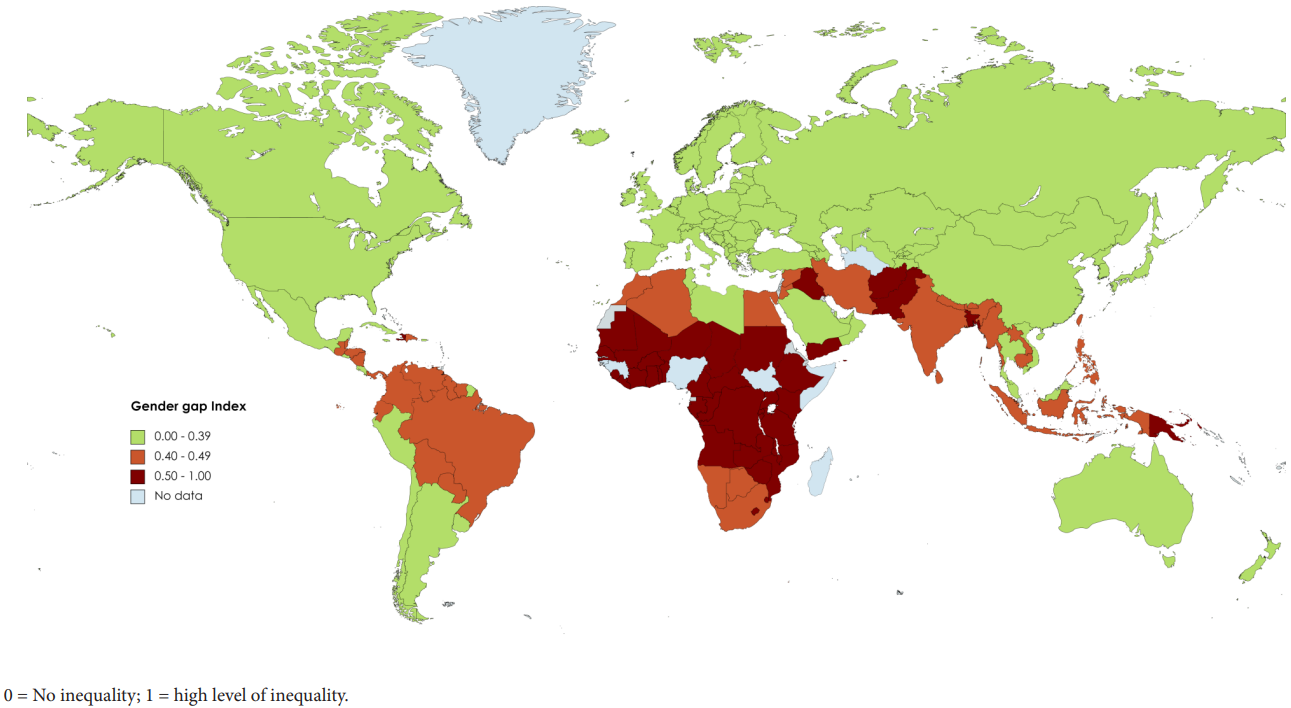
Figure 1. Gender Inequality Index Across the World
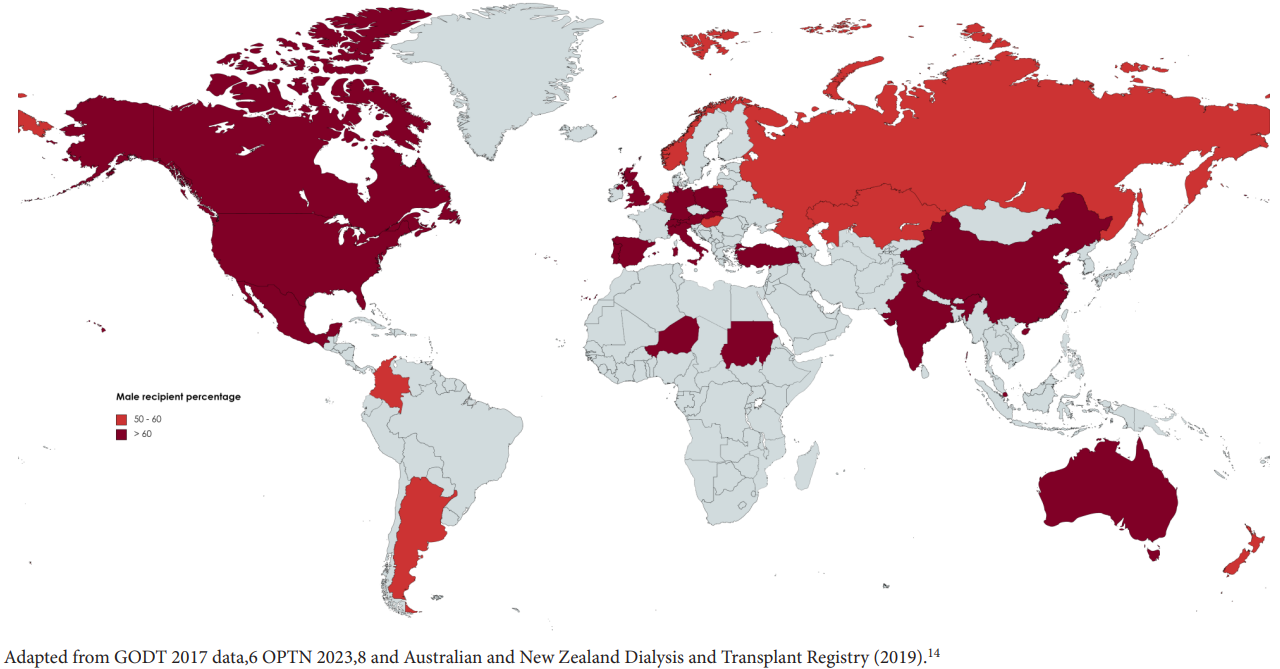
Figure 2. Gender Disparity as Transplant Recipients Across the World
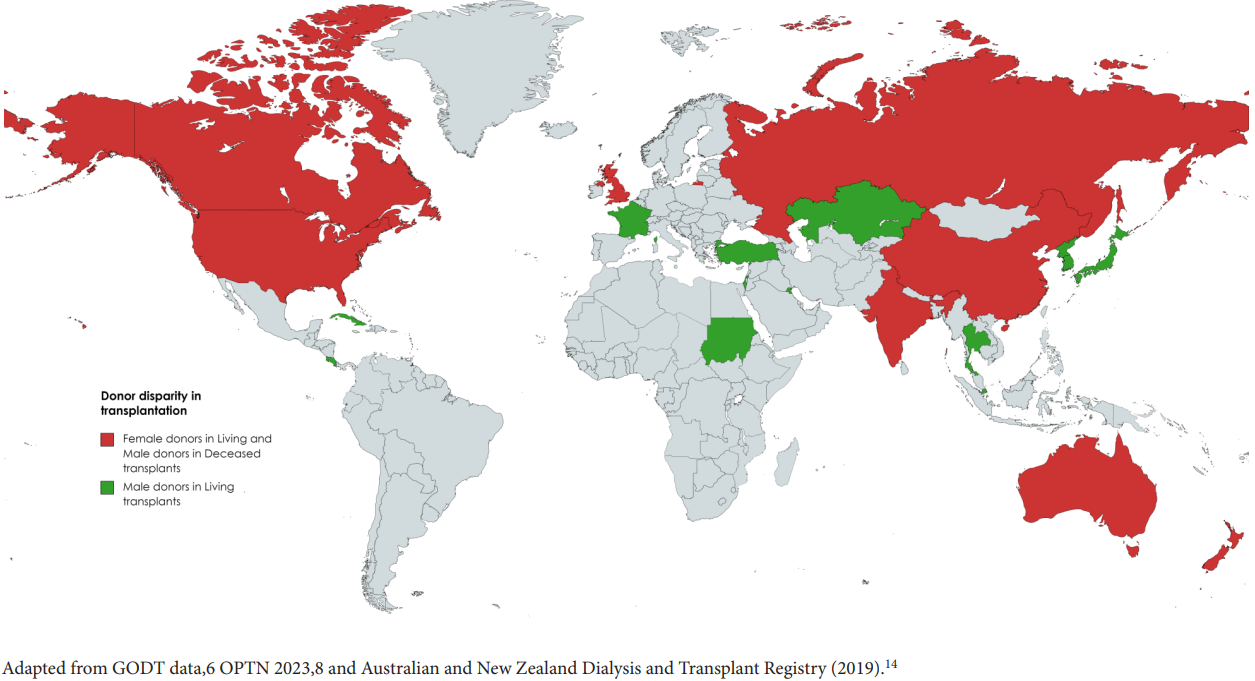
Figure 3. Donor Disparity in Living and Deceased Donor Transplantation Across the World
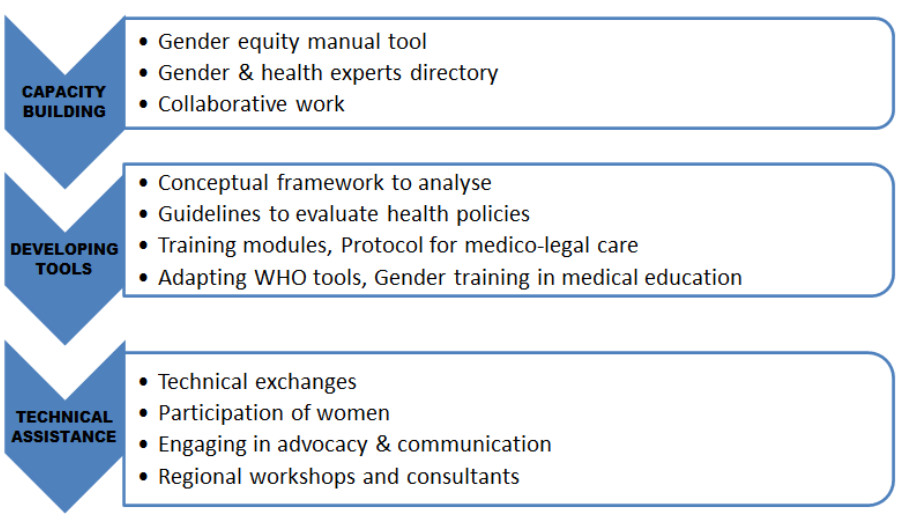
Figure 4. Skeleton Model for Overcoming the Disparity in Transplantation
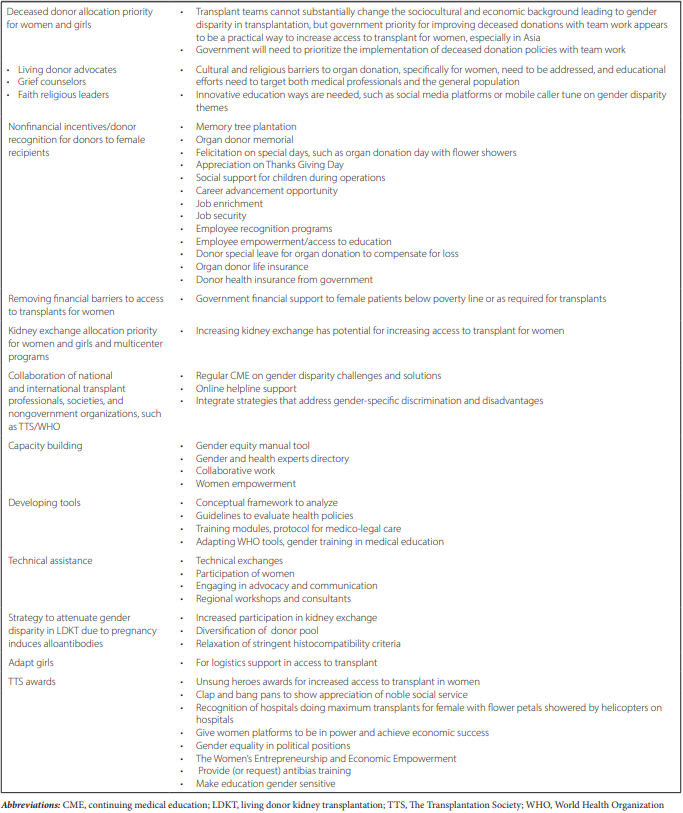
Table 1. How to Overcome Gender Disparity