Volume: 22 Issue: 1 January 2024 - Supplement - 1
FULL TEXT
Evaluation of Candidemia in Solid-Organ Transplant Recipients
Objectives: Solid-organ transplant recipients have high rates of invasive fungal infections. Candida species are the most commonly isolated fungi. Our aim was to identify risk factors, clinical presentations, and outcomes of candidemia in solid-organ transplant recipients.
Materials and Methods: We evaluated adult (≥18 years old) transplant recipients seen from May 2011 to December 2022 at Baskent University Ankara Hospital. From medical records, we retrospectively reviewed age, sex, transplant type, candidemia agent, risk factors, concomitant infections, and mortality of patients with Candida detected in blood culture. We used SPSS statistics software (version 25) to analyze data.
Results: There were 1080 organ transplants performed during the study period (717 kidney, 279 liver, 84 heart). There were 855 who were ≥18 years (655 kidney, 127 liver, 73 heart), of whom candidemia was detected in 26 (16 male; 11 kidney, 11 liver, 4 heart) with a median age of 47.5 years. The most common agents were Candida albicans and Candida glabrata. The most common chronic diseases were hypertension, cirrhosis, and cardiomyopathy. Eighteen patients had a concomitant focus of infection. Ten patients had pneumonia accompanying candidemia. The 30-day mortality rate was as high as 53.8%. The mean duration of candidemia after transplant was 23 months. Catheter-related candidemia was observed in 65% of patients. The 30-day mortality was found to be significantly higher in patients followed in the intensive care unit (P = .014), receiving total parenteral nutrition (P = .001), using broad-spectrum antibiotics (P = .001), and having pneumonia (P = .042) accompanying candidemia.
Conclusions: For adult solid-organ transplant recipients with candidemia, careful monitoring is essential for successful management of total parenteral nutrition, central catheter, use of broad-spectrum antibiotics, and invasive interventions.
Key words : Candidemia, Solid-organ transplant recipient, Solid-organ transplantation
Introduction
Candidiasis is a fungal infection. There are more than 160 species of Candida, and only about 20 of these cause infections in humans. In general, all Candida species are capable of producing all of the clinical syndromes of candidiasis, but Candida albicans is the most common.1 Candidiasis can be classified as either cutaneous/mucocutaneous (infecting skin or mucous membranes) or invasive (infiltrating the bloodstream and infecting various tissues and organs).2
Candidemia refers to the presence of Candida species in the blood. Invasive disease is caused by the 5 most common pathogens: C albicans, C glabrata, C tropicalis, C parapsilosis, and C krusei.1,2 Invasive Candida infections are most often associated with candidemia, which primarily occurs in immunocompromised patients and those requiring intensive care. Neutropenia is common in these settings, and most transplant recipients are also receiving glucocorticoids.2,3 The most commonly used immunosuppressive treatment in solid-organ transplant (SOT) recipients is the triple combination regimen of steroid, tacrolimus, and mycophenolate mofetil, which is the routine protocol in our center. Other risk factors in these patients include chemotherapeutic or immunosuppressive treatment agents, especially those associated with extensive gastrointestinal mucosal damage, broad-spectrum antibiotics, total parenteral nutrition (TPN), and central venous catheters.
The most common fungal infection in SOT is candidiasis.3 Invasive candidiasis presents predominantly as Candida bloodstream infections (candidemia), most typically associated with central venous catheters or gastrointestinal or genitourinary tract pathology. Invasive candidiasis diagnosis is based on a combination of clinical evaluation, risk factors, recovery of Candida from cultures of a normally sterile site or from multiple cultures from nonsterile sites, and/or culture and histology from tissue biopsy specimens.4 Candida in a blood culture should never be viewed as a contaminant. Evaluation should be made for metastatic infection.5
The aim of this study was to identify risk factors, clinical presentations, and outcomes of candidemia in SOT recipients.
Materials and Methods
The first living related kidney transplant (KT) in Turkey was performed by the transplant team of our hospital on November 3, 1975. The first deceased related KT was performed in Turkey on October 10, 1978, and the first successful deceased donor liver transplant (LT) in Turkey, the Middle East, and North Africa was performed on December 8, 1988. Our transplant team performed a living related LT on an adult, which was the first in the world. In addition, on May 16, 1992, our transplant team performed the first combined LT-KT from a living related donor, which was the first operation of its kind anywhere in the world.6 Between November 1975 and December 2022, the transplant team performed 3399 KT procedures, and between December 1988 and December 2022, the transplant team performed 720 LT procedures in our centers. The first heart transplant was performed in our hospital in February 2003. A total of 148 heart transplants were performed in our hospital. Between the dates of our study (May 2011 and December 2022), 1080 patients received transplants.
Study design and patients
This study was approved by Baskent University Institutional Review Board (Project No. KA23/219; June 13, 2023; No. E-94603339-604.01.02-240215) and supported by the Baskent University Research Fund, and the protocols conformed to the ethical guidelines of the 1975 Helsinki Declaration and the Declaration of Istanbul on Organ Trafficking and Transplant Tourism.
The research was designed as a descriptive cross-sectional study. We evaluated adult (≥18 years old) transplant recipients seen from May 2011 to December 2022 at Baskent University Ankara Hospital. Living donors were relatives (up to the 4th degree) or spouses of the recipients. Candidemia was investigated in adult SOT patients. For this purpose, the medical reports of the patients were reviewed retrospectively, and demographic and laboratory data were recorded, including age, sex, transplant type, candidemia agent, clinical presentations, risk factors, concomitant infections, outcomes, and mortality of patients with Candida detected in blood culture. The Strengthening the Reporting of Observational Studies in Epidemiology checklist was used for our study design.
Our protocol begins with 2 sets of blood cultures from the patient with fever, via a central catheter (if available) and peripheral blood. Blood cultures are incubated for up to 5 days in an automated blood culture system (BACTEC, BD). Those with a positive signal in their blood cultures are cultured in Sabouraud dextrose medium for the fungus. Gram staining and then typing are performed for all cultures with growth in the plaque. Matrix-assisted laser desorption/ionization with time-of-flight mass spectrometry is used for Candida isolate identification.
Definitions
Candidemia refers to the presence of Candida species in the blood. Immunocompromised hosts and patients in intensive care units (ICU) are at the highest risk of developing candidemia. Modern automated blood culture systems detect Candida species after ~40 hours of incubation; depending on the system, C glabrata detection may require an extra day.1-3
Invasive candidiasis occurs when visceral sites are infected as a result of hematogenous spread.1
Statistical analyses
We used SPSS software (version 25.0) for statistical analyses. Mean, standard deviation, median, and minimum and maximum values are used to present the descriptive analyses. The frequency and percentage values of the variables are used to present the categorical variables, and the analysis of the categorical variables was performed with the chi-square (exact) test. P < .05 was considered significant.
Results
There were 1080 transplants (kidney 717, liver 279, heart 84 patients). Of these, 855 were recipients ≥18 years (kidney 655, liver 127, heart 73 patients). Candidemia was detected in 26 patients older than 18 years (kidney 11, liver 11, heart 4 patients) ((Figure 1), (Figure 2), and (Figure 3)).
The mean age at transplant was 45.6 years. The median age was 47.5 years (minimum 18 years, maximum 68 years) among patients with candidemia. The rate of living donors was 80.1%. There were 16 male and 10 female patients (Table 1). The duration of posttransplant candidemia was 23 months (range, 1-240 months). The total frequency of Candida species that were C nonalbicans (57.7%) was higher in patients with candidemia. The most common agents were C albicans (42.3%) and C glabrata (15.4%). There were 17 (65.4%) catheter-related bloodstream infections in patients with candidemia. There were 16 patients treated in the ICU (Table 1).
Chronic diseases that warranted organ transplant were hypertension, cirrhosis, cardiomyopathy, diabetes mellitus, and cardiac failure. Eighteen patients had a concomitant focus of infection. Ten patients had pneumonia accompanying candidemia. In addition, urinary tract infection was detected in 4 patients, bloodstream infection in 3 patients, and surgical site infection in 1 patient. Candida species were isolated in 8 patients in different areas other than blood circulation. Gram-negative bacterial infection was found in 6 patients, gram-positive bacterial infection in 4 patients, and Aspergillus species infection in 2 patients with candidemia (Table 2).
Echinocandins were used as treatment agents in 15 patients. Azole treatment was started in 7 patients, and amphotericin B treatment was started in 4 patients. The mean duration of antifungal treatment was 21.2 days (range, 14-42 days). Five patients died within 7 days, and 14 patients (53.8%) died within 30 days (Table 2).
When risk factors and mortality were investigated, no significant difference was found in factors such as age, sex, organ type, donor, and Candida agent (P > .05). Thirty-day mortality was found to be significantly higher in patients followed in the ICU (P = .014), receiving TPN (P = .001), using broad-spectrum antibiotics (P = .001), and having pneumonia (P = .042) accompanying candidemia (Table 3). No significant difference was found between risk factors in the investigation of 7-day mortality.
Discussion
We detected 26 candidemias in 855 adult solid-organ transplant patients between the dates included in our study. The crude incidence of candidemia was found to be 3.04% in SOT recipients. The incidence of candidemia is similar to the literature (1%-11%).4 According to the organ transplant type, the incidence was highest in LT (liver 8.6%, heart 5.4%, kidney 1.6%). Therefore, antifungal prophylaxis in LT recipients is important.7 In addition, because the rate is between 1% and 8%, blood culture should be taken in patients with fever, and care should be taken for early diagnosis and treatment in terms of candidemia.
The mean duration of candidemia was 23 months (1-240 months) after transplant in our study. In the literature, the median time to onset of invasive candidiasis ranges from several weeks to months in lung transplant and LT recipients, to over 2 years in KT recipients.2 Candidemia should definitely be considered, especially in SOT recipients whose focus of infection was investigated during this period.
The total frequency of candidemia agents that were C nonalbicans (57.7%) was found to be higher versus C albicans in our study. However, the most common agents were C albicans (42.3%), C glabrata (15.4%), and C parapsilosis (11.5%). Similarly, it has been reported in the literature that C albicans is frequently detected in candidemias. Other known candidemia agents are C krusei, C lusitanaie, C kefyr, C guilliermondii, and C tropicalis.8-11
Central catheter-related candidemia was present in 65.4% of patients in our study. For 34.6% of patients, Candida growth was present only peripheral blood cultures. In the literature, central catheter-related candidemia is reported between 70% and 90%.12 For this reason, the necessary hygiene conditions should be followed to prevent colonization while the catheter is being inserted, unnecessary use of the catheter should be avoided, and the catheter should be removed when the need disappears. In addition, the central catheter in which candidemia is detected should be removed.13
We found the rate of patients followed in the ICU was 61%. Risk of candidemia has been reported to be high in the ICU because of invasive interventions and the follow-up of critically patients.14,15 Thirty-day mortality was found to be high in patients followed in the ICU (P = .014) in our study. Mortality rates in the general ICU show higher (48%) rates of patients with Candida infections despite 37% not being infected.14 Thirty-day mortality was high in patients receiving TPN (P = .001) in our study; therefore, patients receiving TPN should be followed closely for candidemia.
Chronic diseases that warranted organ transplant were hypertension, cirrhosis, cardiomyopathy, diabetes mellitus, and cardiac failure. It is important to monitor chronic diseases for infection control. Eighteen patients had a concomitant focus of infection. Ten patients had pneumonia that accompanied candidemia. In addition, urinary tract infection was detected in 4 patients, bloodstream infection in 3 patients, and surgical site infection in 1 patient. Thirty-day mortality was found to be high, especially in the presence of concomitant pneumonia (P = .042). Candida species were isolated in 8 patients in different areas other than blood circulation. Gram-negative bacterial infection was found in 6 patients, gram-positive bacterial infection in 4 patients, and Aspergillus species infection in 2 patients with candidemia. In candidemia, it is important to investigate other foci of infection and to treat these early.
Solid-organ transplant recipients are prone to bacterial infections due to the immunosuppressive treatments. For this reason, they receive antibiotic treatments because of various foci of infection. Thirty-day mortality was found to be high in patients given broad-spectrum antibiotics (P = .001). We must be careful in the use of broad-spectrum antibiotics. For this reason, it is important that antimicrobial stewardship programs and teams are established in each hospital.16
An Antimicrobial Stewardship Team was formed at our hospital in January 2022. The team consists of hospital administrators, infectious diseases and clinical microbiology specialists and their assistants, internal medicine-surgery-ICU nurses, intensive care physicians, pharmacists, and clinical pharmacists. The team holds face-to-face meetings every month. Antibiotics administered to adult patients ≥18 years were followed daily in the whole hospital. The suitability of treatment and prophylaxis was evaluated. The antibiotic guideline, which is frequently used by physicians in the hospital, and the application guide of antimicrobials for nurses were created in 2022. The updated surgical prophylaxis guidelines were followed. Empirical treatment algorithms have been developed for common conditions such as urinary tract infections, febrile neutropenia, endocarditis, pneumonia, intra-abdominal infections, and sepsis. It is thought that this newly established Antimicrobial Stewardship Team will reduce the use of unnecessary antibiotics and occurrence of side effects associated with these antibiotics and thereby reduce resistance and secondary resistant bacterial and fungal infections in solid-organ transplant patients, immunosuppressive patients, and the population of the hospital as a whole.
Echinocandins are first-line treatments in candidemia (caspofungin 70 mg loading dose then 50 mg intravenously daily; micafungin 100 mg intravenously daily; or anidulafungin 200 mg loading dose then 100 mg intravenously daily).3 Fluconazole can be used as an alternative treatment (fluconazole 12 mg/kg loading dose and then 6 mg/kg intravenously or by oral route daily, if clinically stable and unlikely to have fluconazole resistance). We also treated 57.7% of the patients with echinocandins and 26.9% with azoles. The duration of therapy for candidemia is 14 days after negative results from blood cultures, and invasive candidiasis duration of therapy may be for at least 2 weeks and potentially longer until resolution of signs and symptoms.3 The mean duration of treatment in our patients was 21.2 days (range, 14-42 days) in our study.
Although the number of patients with candidemia is low in solid-organ transplant patients, unfortunately, mortality rates have been found to be high. The 7-day mortality was 19.2%, and 30-day mortality was 53.8%. Thirty-day mortality rates in candidemia are reported to be between 20% and 70%.1-4,9,10 For this reason, it is vital to use the necessary interventions to prevent candidemias.
This study had limitations. First, it is a retrospective and observational study. There were 26 patients evaluated for candidemia, so the number of patients is limited. Second, the medical records of patients regarding their disease progress is limited; hence, the details of the manifestations may not be sufficiently clear to reach a conclusion, particularly between SOT recipients and immunocompetent patients. Prospective studies with large-scale patient follow-up may be beneficial.
Conclusions
Solid-organ transplant patients are at risk for fungal infections due to immunosuppressive treatments. Mortality is high in patients with candidemia. It is thought that candidemia can be best managed with measures such as controlled use of antibiotics, limited use of broad-spectrum antibiotics, creation of an antimicrobial stewardship program and team, avoidance of unnecessary TPN and unnecessary central venous catheters, and removal of central venous catheters when the no longer indicated.
References:
- Pappas PG, Kauffman CA, Andes DR, et al. Clinical practice guideline for the management of candidiasis: 2016 update by the Infectious Diseases Society of America. Clin Infect Dis. 2016;62(4):e1-50. doi:10.1093/cid/civ933
CrossRef - PubMed - Neofytos D, Fishman JA, Horn D, et al. Epidemiology and outcome of invasive fungal infections in solid organ transplant recipients. Transpl Infect Dis. 2010;12(3):220-229. doi:10.1111/j.1399-3062.2010.00492.x
CrossRef - PubMed - Aslam S, Rotstein C; AST Infectious Disease Community of Practice.. Candida infections in solid organ transplantation: Guidelines from the American Society of Transplantation Infectious Diseases Community of Practice. Clin Transplant. 2019;33(9):e13623. doi:10.1111/ctr.13623
CrossRef - PubMed - Andes DR, Safdar N, Baddley JW, et al. The epidemiology and outcomes of invasive Candida infections among organ transplant recipients in the United States: results of the Transplant-Associated Infection Surveillance Network (TRANSNET). Transpl Infect Dis. 2016;18(6):921-931. doi:10.1111/tid.12613
CrossRef - PubMed - Kauffmann CA, Pappas PG. Candidiasis. In: Goldman L, Schafer AI, eds. Goldman-Cecil Medicine. 26th ed. Elsevier; 2020. Chap 318;2048-2052.e2
CrossRef - PubMed - Haberal M. Development of transplantation in Turkey. Transplant Proc. 2001;33(7-8):3027-3029. doi:10.1016/s0041-1345(01)02298-9
CrossRef - PubMed - Singh N, Haidar G, Limaye AP. Infections in solid-organ transplant recipients. In: Bennett JE, Dolin R, Blaser MJ, eds. Mandell, Douglas, and Bennett’s Principles and Practice of Infectious Disease. 9th ed. Elsevier; 2020:3671-3697.
CrossRef - PubMed - McCarty TP, White CM, Pappas PG. Candidemia and invasive candidiasis. Infect Dis Clin North Am. 2021;35(2):389-413. doi:10.1016/j.idc.2021.03.007
CrossRef - PubMed - Yesilkaya A, Azap O, Aydin M, Akcil Ok M. Epidemiology, species distribution, clinical characteristics and mortality of candidaemia in a tertiary care university hospital in Turkey, 2007-2014. Mycoses. 2017;60(7):433-439. doi:10.1111/myc.12618
CrossRef - PubMed - Erol Ç, Sari N, Yanik-Yalçin T, et al. Ophthalmologic examination and echocardiography should be the essential components of candidemia bundle. Infect Dis Clin Microbiol. 2023;5(1):40-48. doi:10.36519/idcm.2023.203
CrossRef - PubMed - Lionakis MS, Edwards JE. Candida species. In: Bennett JE, Dolin R, Blaser MJ, eds. Mandell, Douglas, and Bennett’s Principles and Practice of Infectious Disease. 9th ed. Elsevier; 2020:3087-3102.
CrossRef - PubMed - Fernandez-Ruiz M, Cardozo C, Salavert M, et al. Candidemia in solid organ transplant recipients in Spain: epidemiological trends and determinants of outcome. Transpl Infect Dis. 2019;21(6):e13195. doi:10.1111/tid.13195
CrossRef - PubMed - Mermel LA, Allon M, Bouza E, et al. Clinical practice guidelines for the diagnosis and management of intravascular catheter-related infection: 2009 update by the Infectious Diseases Society of America. Clin Infect Dis. 2009;49(1):1-45. doi:10.1086/599376
CrossRef - PubMed - Pugliese F, Ruberto F, Cappannoli A, et al. Incidence of fungal infections in a solid organ recipients dedicated intensive care unit. Transplant Proc. 2007;39(6):2005-2007. doi:10.1016/j.transproceed.2007.05.060
CrossRef - PubMed - Calandra T, Roberts JA, Antonelli M, Bassetti M, Vincent JL. Diagnosis and management of invasive candidiasis in the ICU: an updated approach to an old enemy. Crit Care. 2016;20(1):125. doi:10.1186/s13054-016-1313-6
CrossRef - PubMed - Aitken SL, Palmer HR, Topal JE, Gabardi S, Tichy E. Call for antimicrobial stewardship in solid organ transplantation. Am J Transplant. 2013;13(9):2499. doi:10.1111/ajt.12364
CrossRef - PubMed

Volume : 22
Issue : 1
Pages : 160 - 166
DOI : 10.6002/ect.MESOT2023.O39
From the 1Infectious Disease and Clinical Microbiology; the 2Department of General Surgery, Division of Transplantation; and the 3Department of Cardiovascular Surgery, Baskent University Faculty of Medicine, Ankara, Turkey
Acknowledgements: This study was supported by the Baskent University Research Fund. Other than described The authors have not received any funding or grants in support of the presented research or for the preparation of this work and have no declarations of potential conflicts of interest.
Corresponding author: Nuran Sari, Department of Infectious Diseases, and Clinical Microbiology, Baskent University, Ankara, Turkey
E-mail: nuran_sari2003@yahoo.com, nuransari@baskent.edu.tr
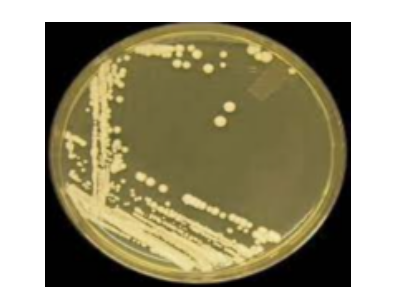
Figure 1.Growth Image of Candida albicans on Sabouraud Dextrose Agar in Sample From a Solid-Organ Transplant Patient
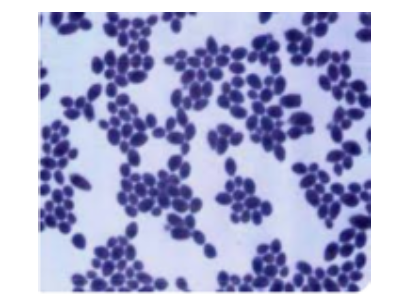
Figure 2.Candida albicans Shown With Gram Stain of Sample From the Same Patient
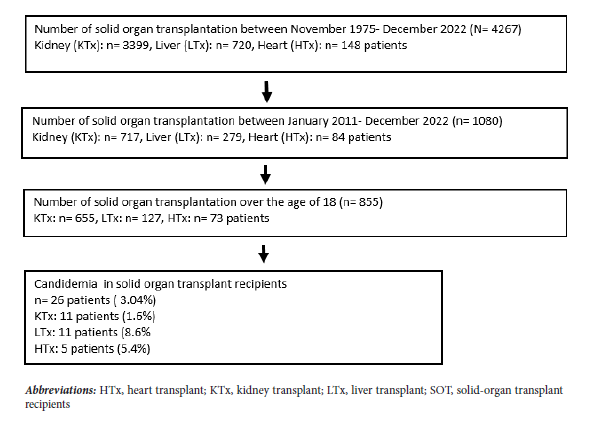
Figure 3.Flow Chart of Evaluation of Candidemia in Solid-Organ Transplant Recipients
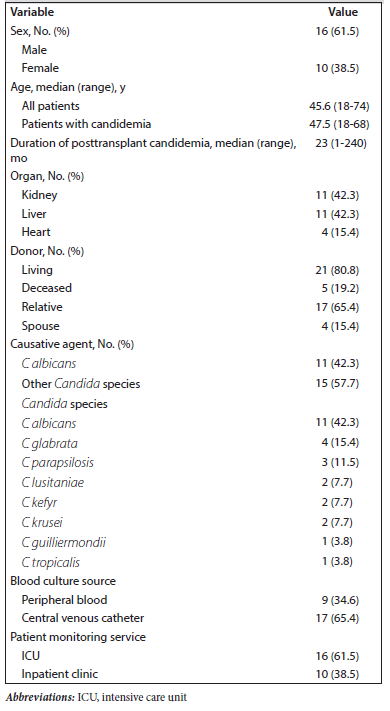
Table 1.Demographic and Clinical Variables and Causative Agents for Candidemia in Solid-Organ Transplant Recipients
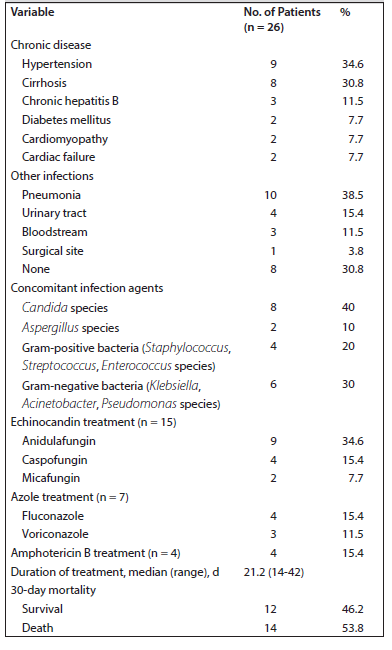
Table 2.Chronic Disease, Other Infections Focus, Concomitant Infections Agents, Treatment, Duration of Therapy, and Survey in Candidemia
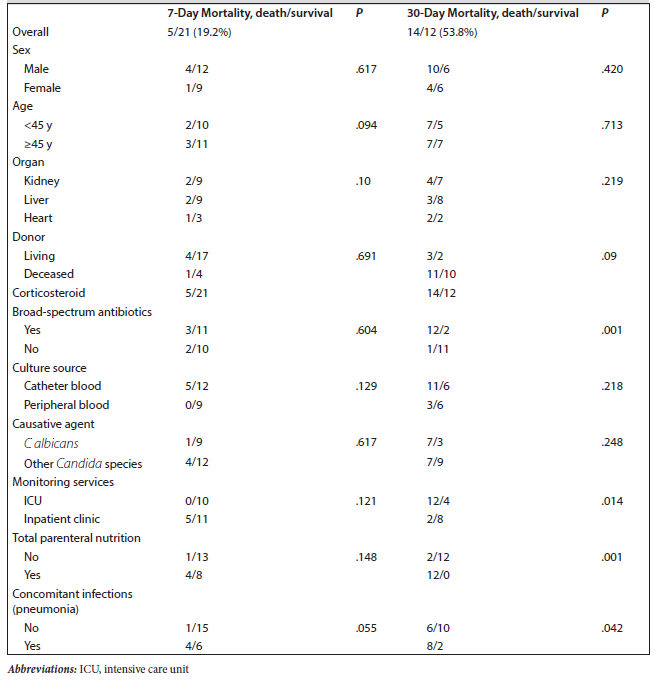
Table 3.Survey in Candidemia