Volume: 22 Issue: 1 January 2024 - Supplement - 1
FULL TEXT
Ocular Symptoms in Kidney, Liver, and Heart Transplant Patients
Objectives: The purpose of this study was to report the ocular manifestations in kidney, liver, and heart transplant recipients.
Materials and Methods: We reviewed the medical records of kidney, liver, and heart transplant recipients who were examined at the ophthalmology clinic of a tertiary hospital between October 2021 and October 2022. We evaluated the ocular complaints of the patients, ophthalmological examination findings, the etiology of the underlying disease, comorbidities, posttransplant duration, and the medications used. Ocular pathologies were classified as corneal, conjunctival, lens, vitreoretinal, and optic disc pathologies for the analysis.
Results: Our study included 233 patients (191 kidney, 40 liver, 2 heart transplant patients). Mean age of patients was 42.94 ± 17.45 years. Among the patient group, 80.3% had at least 1 pathological ocular finding. In subgroup analysis, 12.4% of the patients had corneal pathologies, 19.3% had conjunctival pathologies, 33.0% had lens pathologies, 33.5% had vitreoretinal pathologies, and 18.9% had optic disc-related pathologies. The most common finding was dry eye, followed by cataract and vitreoretinal pathologies. The most common vitreoretinal pathology was diabetic retinopathy, followed by hypertensive retinopathy. The ocular pathology incidence in kidney and liver transplant patients was similar (P = .05). The 2 heart transplant patients did not have any ocular pathologies except refractive errors. In addition, no significant correlation was observed between posttransplant duration and ocular pathologies (P = .28).
Conclusions: Ocular findings were seen in most of the kidney and liver transplant recipients. Therefore, it is required that these patients undergo routine ocular screenings in order to facilitate early diagnosis and prompt treatment when needed.
Key words : Eye findings, Heart transplantation, Liver transplantation, Ocular symptoms, Renal transplantation
Introduction
The development of surgical techniques, posttransplant patient care, and immunosuppressive drugs have led to today’s high success rate of solid-organ transplantations.1,2 As a consequence, complications caused by the primary disease, the surgical procedure, and posttransplant medications are now more commonly faced.3
The most commonly reported ocular manifestations after solid-organ transplants are cataracts and hypertensive retinopathy in kidney transplant recipients, lens and vitreous opacities in liver transplant recipients, and cataract and allergic conjunctivitis in heart transplant recipients.4-6
The evaluation and identification of ocular findings in solid-organ transplant recipients are crucial as they can allow prompt intervention for the treatable conditions, resulting in reduced morbidity and enhancement of patients’ quality of life.3 Our aim in this study was to report the ocular manifestations in recipients of kidney, liver, and heart transplants and to evaluate the correlation of ocular complications with posttransplant duration.
Materials and Methods
The study was designed as a cross-sectional retrospective investigation. The study protocol was approved by the local ethics committee of Başkent University (project No. KA23/184) and conformed to the ethical guidelines of the 1975 Helsinki Declaration.
Solid-organ transplant recipients who were seen at the ophthalmology department between October 2021 and October 2022 were included in our study. We divided patients into 3 groups for study: kidney transplant recipients, liver transplant recipients, and heart transplant recipients. We evaluated medical records of the patients retrospectively. The demographic characteristics, comorbidities, primary diagnosis, medications, posttransplant duration, ocular complaints while visiting the ophthalmology clinic, and the ophthalmological examination findings were noted.
The ophthalmological examination included best-corrected visual acuity with Snellen chart, biomicroscopic anterior and posterior segment evaluation, and intraocular pressure measurement with Goldmann applanation tonometry. The Humphrey visual field test (Humphrey, Carl Zeiss Meditec), optic nerve head analysis by optical coherence tomography (OCT) (Cirrus HD OCT, Carl Zeiss Meditec), macular spectral domain OCT (Heidelberg Engineering), and fundus fluorescein angiography images were also evaluated when available. The ocular findings were grouped as eyelid, corneal, conjunctival, lens related, vitreoretinal, optic disc related, and dry eye disease to make the analysis easier.
Patients who did not complete at least a 1-month posttransplant duration and had graft rejection were excluded from the study.
We used the IBM Statistics Package for the Social Sciences version 25.0 for data analysis. Qualitative data variables are expressed as frequency and percentage. Quantitative data variables are expressed as mean, standard deviation, minimum-maximum, and median values. We used the chi-square test and the Fisher exact test to make comparisons between groups. P < .05 was considered significant.
Results
We reviewed the medical records of 233 solid-organ transplant recipients (83 female, 150 male). Of these patients, 191 had kidney, 40 had liver, and 2 had heart transplant surgeries. Because there were only 2 heart transplant recipients, these patients were not included in the comparisons of groups by statistical analysis. The mean age of the patients was 42.94 ± 17.45 years. Liver transplant recipients were significantly younger than kidney transplant recipients (P = .007). The mean posttransplant follow-up was 95.4 ± 75.5 months in the total patient population. Posttransplant duration time was not significantly different between the groups (P = .07). The demographic characteristics of patients are listed in (Table 1).
The primary diagnosis of kidney transplant recipients included idiopathic disease (n = 72), diabetes mellitus (n = 25), vesicoureteral reflux (n = 20), glomerulonephritis/pyelonephritis (n = 18), hypertension (n = 9), nephronophthisis (n = 8), nephritis (n = 8), polycystic kidney (n = 5), renal dysplasia/hypoplasia (n = 4), immunoglobulin A nephritis (n = 4), Alport syndrome (n = 4), cystinosis (n = 4), hemolytic uremic syndrome (n = 2), familial Mediterranean fever (n = 2), renal cell carcinoma (n = 2), focal segmental glomerulosclerosis (n = 2), and SARS-CoV-2-related organ failure (n = 2).
The primary diagnosis of liver transplant recipients included idiopathic disease (n = 9), biliary atresia (n = 8), Wilson disease (n = 5), hepatitis B/C virus (n = 5), hepatocellular carcinoma (n = 2), Alagille syndrome (n = 2), propionic acidemia (n = 2), primary sclerosing cholangitis (n = 1), PIFC-3 gene mutation (n = 1), citrullinemia (n = 1), alcoholic cirrhosis (n = 1), Budd-Chiari syndrome (n = 1), urea cycle disorder (n = 1), and primary biliary cirrhosis (n = 1). The 2 heart recipients both had dilated cardiomyopathy as the primary diagnosis.
Hypertension was the most common comorbidity in all kidney, liver, and heart transplant recipient groups with an incidence of 63.6% among all patients. Details on comorbidities and medications among patients are listed in (Table 2) and (Table 3).
The most common reason for presentation to the ophthalmology clinic among the patients was the presence of visual symptoms (blurry or reduced vision) and ocular surface problems. Details of the ocular complaints are listed in (Table 4).
The kidney and liver transplant groups were similar in terms of the frequency of the ocular findings. The most common ocular examination findings were dry eye disease in kidney transplant patients, with an incidence of 38.7%, and refractive errors in liver and heart transplant subgroups (40% and 100%, respectively). Lens and retinal pathologies were other common findings and were found in 33% and 30.9% of all solid-organ transplant recipients. Nuclear sclerosis was found in 13.3% of the patients and was the most common lens pathology among the total group. Although nuclear sclerosis was more common in renal transplant recipients, with an incidence of 13.6%, the most common lens pathology in liver transplant recipients was posterior subcapsular cataract, with an incidence of 45%. The most common retinal pathologies were age-related macular degeneration and diabetic retinopathy in the whole patient group, and both were observed in 8.6% of the patients. Both of the heart transplant patients who presented to the clinic with visual symptoms had refractive errors. Ocular findings of the patients are listed (Table 5) and (Table 6).
We also evaluated the correlation between the ocular pathologies and posttransplant disease duration. No significant correlation was observed (Table 7).
Discussion
Organ transplant has greatly evolved in recent years, and now renal, liver, and heart transplants are commonly performed and successful procedures to treat patients with organ failure.3 Therefore, accompanying eye pathologies related to transplant have become more common. Solid-organ transplant recipients usually have several comorbidities. Transplant recipients may have progression of the preexisting eye diseases caused by the primary disease or comorbidities and development of new ocular ailments associated with posttransplant medications.
In this study, we reported that 80.3% of the patients had at least 1 pathological ocular finding. Previous studies in the literature have also reported high rates of ocular findings in transplant patients. The most commonly investigated solid-organ transplant in the literature is renal transplant; ocular findings after renal transplant have been reported to range from 52% to 89% in previous studies.1,4,7-9
Unlike previous literature, the most common ocular finding was dry eye syndrome in our study group, with frequency of 35.6%, followed by lens and retina pathologies. Dry eye is a multifactorial disease that can lead to ocular discomfort, visual disruption, tear film instability, and ocular surface damage.10 We found that 38.7% of renal transplant and 22.5% of liver transplant patients had dry eye syndrome. Similar to our results, Strempel and colleagues observed dry eye symptoms to be as common as 50% in renal transplant patients.11 Chronic renal failure has been shown to cause damage to tear glands, resulting in dry eye and irritational ocular surface symptoms.12 Calcification of the ocular surface leading to goblet cell dysfunction and inflammation cause dry eye and ocular surface irritation symptoms.12,13
In our study, the second most common ocular findings were lens-related pathologies; 33% of the whole study group, 34.0% of kidney transplant recipients, and 30.0% of liver transplant recipients had lens pathologies, with nuclear sclerosis (13.3%) and posterior subcapsular cataract (10.7%) being the most common ones. Cataract is a common complication in transplant recipients and is frequently related to the use of postoperative medications, including steroids, cyclosporine, and tacrolimus.3 Its incidence in renal transplant recipients has been reported to be between 32.26% and 78%.14-16 Compared with the literature, the prevalence of cataract was relatively lower in our study group. This difference might be because our study had a cross-sectional design and 11.6% of the patients were pseudophakic, meaning they had already undergone cataract surgery. In addition, although posterior subcapsular cataract is commonly reported in the literature, high incidence of nuclear sclerosis has been shown to be not as common.1,4,7 Similar to our study, Ginu and colleagues also reported nuclear sclerosis to be prevalent in renal transplant patients.4
Diabetes, which was the most common comorbidity in solid-organ recipients in our study, is a known risk factor for progression of nuclear sclerosis.17 Ginu and colleagues attributed the high prevalence of nuclear sclerosis to the increased incidence of diabetes in the patients caused by the use of posttransplant immunosuppressive agents.4 In our study, the next most common ocular finding was diabetic retinopathy; the same reasons can also explain the higher prevalence of nuclear sclerosis in our study group.
The next prevalent ocular finding in our study was the presence of retinal pathologies. Age-related macular degeneration and diabetic retinopathy were the most common retinal findings. Similarly, diabetic retinopathy has been reported to be a common ocular finding, with an incidence of 15% in kidney transplant patients.1,4 We presume the frequency of age-related macular degeneration to be incidental. Diabetic retinopathy was observed in 10.5% of kidney transplant patients and none of the liver or heart transplant patients. After idiopathic etiology, the most common primary diagnosis leading to end-stage renal disease in kidney transplant recipients was diabetes mellitus. Therefore, the diabetic retinopathy finding was probably related to the pretransplant disease instead of posttransplant causes.
Conjunctivitis was the next prevalent ocular finding in our study. Tacrolimus used postoperatively has been suggested as responsible for development of conjunctivitis. The underlying mechanism was hypothesized as immunoglobulin E sensitization mediated by tacrolimus, which leads to an allergic response manifesting as allergic conjunctivitis.18 In our study, 40.8% of patients were using tacrolimus, which could be the reason for high prevalence of conjunctivitis.
Glaucoma was the most common optic disc pathology that we observed. Previously, bilateral open-angle glaucoma was reported to be detected in nearly 7% of patients in the first year following transplant surgery.9 Slizien and colleagues recently found the incidence of glaucoma to be as high as 20% after kidney transplant surgery.19 Development of glaucoma after transplant surgeries is considered to be secondary to corticosteroid treatment.9,19 In our study, 60.5% of the transplant recipients were on prednisolone treatment; we suggest this as the reason to explain the 5.6% prevalence of glaucoma that we observed.
The most common ocular manifestations after heart transplant were reported to be cataract, hypertensive changes, diabetic retinopathy, dry eye, allergic conjunctivitis, opportunistic infections, and glaucoma.6,20-23 However, in our study, probably because we only had 2 heart transplant recipients, we did not observe any ocular complications in the heart transplant recipients except for refractive errors.
Although rare, other important ocular findings that we reported in the solid-organ transplant recipients that could lead to severe morbidities were hypertensive retinopathy, retinal vascular occlusions, papilledema, optic atrophy, and ischemic optic neuropathy. In contrast, unlike previous studies, we did not observe any opportunistic ocular infections.23,24 Recent studies, including ours, have shown that the incidence of opportunistic ocular infections has significantly decreased in the past decade, probably as a result of newer protocols developed for the use of posttransplant immunosuppressive medications.4,6
We did not observe any correlation with the posttransplant duration and ocular pathologies. Similarly, Lanewala and colleagues reported that duration after surgery was not proportional with ocular involvement and that most of their patients presented with ocular findings within the first 5 years after surgery.25
The limitation of the study includes the cross-sectional design. Further studies, including prospective association evaluations, can be used to establish the relation between the ocular findings and the factors leading to ocular findings.
To conclude, ocular involvement that could lead visual morbidity is common in solid-organ transplant patients. To avoid and treat ocular complications, regular ophthalmological screening of solid-organ transplant recipients should be a mandatory part of posttransplant follow-up care.
References:
- Kian-Ersi F, Taheri S, Akhlaghi MR. Ocular disorders in renal transplant patients. Saudi J Kidney Dis Transpl. 2008;19(5):751-755.
CrossRef - PubMed - Pilch NA, Bowman LJ, Taber DJ. Immunosuppression trends in solid organ transplantation: The future of individualization, monitoring, and management. Pharmacotherapy. 2021;41(1):119-131. doi:10.1002/phar.2481
CrossRef - PubMed - Lanzetta P, Monaco P. Major ocular complications after organ transplantation. Transplant Proc. 2004;36(10):3046-3048. doi:10.1016/j.transproceed.2004.10.063
CrossRef - PubMed - Ginu PM, Sati A, Murari T, Kaushik J, Mishra SK, Sharma VK. Ocular manifestations in renal allograft recipients: An Indian perspective. Indian J Ophthalmol. 2021;69(4):900-905. doi:10.4103/ijo.IJO_1120_20
CrossRef - PubMed - Sandgren O, Kjellgren D, Suhr OB. Ocular manifestations in liver transplant recipients with familial amyloid polyneuropathy. Acta Ophthalmol. 2008;86(5):520-524. doi:10.1111/j.1600-0420.2007.01098.x
CrossRef - PubMed - Su CC, Chen JW, Chou NK, et al. Ocular manifestations of patients receiving heart transplants: a single-center experience of 311 consecutive cases. Transplant Proc. 2014;46(3):937-940. doi:10.1016/j.transproceed.2013.11.149
CrossRef - PubMed - Berindan K, Nemes B, Szabo RP, Modis L, Jr. Ophthalmic Findings in Patients After Renal Transplantation. Transplant Proc. 2017;49(7):1526-1529. doi:10.1016/j.transproceed.2017.06.016
CrossRef - PubMed - Das T, Gupta A, Sakhuja V, Gupta KL, Minz M, Chugh KS. Ocular complications in renal allograft recipients. Nephrol Dial Transplant. 1991;6(9):649-655. doi:10.1093/ndt/6.9.649
CrossRef - PubMed - Jahadi-hosseini HR, Rahmani B, Karbassi A, Mehrian M, Medghalchi AR. Ocular complications in renal allograft recipients. Transplant Proc. 2003;35(1):309-310. doi:10.1016/s0041-1345(02)03986-6
CrossRef - PubMed - Lemp MA, Foulks GN. The definition and classification of dry eye disease: report of the Definition and Classification Subcommittee of the International Dry Eye WorkShop (2007) Ocul Surf. 2007;5(2):75-92.
CrossRef - PubMed - Strempel I, Gruber A, Bittner K. [The dry eye in kidney transplant patients]. Klin Monbl Augenheilkd. 1989;195(3):141-144. doi:10.1055/s-2008-1046425
CrossRef - PubMed - Le Trung N, Quoc Toan P, Thang LV, et al. The relationship between dry eye in adults with indications for kidney transplantation and influence factors. Clin Ophthalmol. 2021;15:4327-4332. doi:10.2147/OPTH.S335989
CrossRef - PubMed - Aktas Z, Ozdek S, Asli Dinc U, et al. Alterations in ocular surface and corneal thickness in relation to metabolic control in patients with chronic renal failure. Nephrology (Carlton). 2007;12(4):380-385. doi:10.1111/j.1440-1797.2007.00805.x
CrossRef - PubMed - Shimmyo A, Miyazaki S, Onoe S, Nojima M, Ihara H, Ikoma F. [Ocular complications after renal transplantation]. Nippon Ganka Gakkai Zasshi. 1997;101(3):220-226.
CrossRef - PubMed - Nishimoto K, Sasaki K, Yamamura T, Ishikawa I, Shinoda A. Cataract in renal transplantation recipients with combination ciclosporin treatment. Lens Eye Toxic Res. 1992;9(3-4):455-467.
CrossRef - PubMed - Thapa M, Shrestha GB, Gautam P, Sigdel MR. Cataract among patients with renal transplantation in a tertiary care centre: a descriptive cross-sectional study. JNMA J Nepal Med Assoc. 2023;61(257):64-67. doi:10.31729/jnma.7946
CrossRef - PubMed - Srinivasan S, Raman R, Swaminathan G, Ganesan S, Kulothungan V, Sharma T. Incidence, progression, and risk factors for cataract in type 2 diabetes. Invest Ophthalmol Vis Sci. 2017;58(13):5921-5929. doi:10.1167/iovs.17-22264
CrossRef - PubMed - Gruber S, Tiringer K, Dehlink E, et al. Allergic sensitization in kidney-transplanted patients prevails under tacrolimus treatment. Clin Exp Allergy. 2011;41(8):1125-1132. doi:10.1111/j.1365-2222.2011.03761.x
CrossRef - PubMed - Slizien M, Bzoma B, Raczynska D, et al. Ophthalmologic diseases in kidney transplant recipients: a single-center prospective study. Transplant Proc. 2020;52(8):2417-2422. doi:10.1016/j.transproceed.2020.02.098
CrossRef - PubMed - Wapner FJ, Leib ML, Drusin R, Rose E, Srinivasan BD. Ocular complications associated with cardiac transplantation. Trans Am Ophthalmol Soc. 1992;90:171-178; discussion 178-181.
CrossRef - PubMed - Sheng H, Lu Y, Chen H. Ocular complications of heart transplantation in a Chinese population. Transplant Proc. 2008;40(10):3590-3593. doi:10.1016/j.transproceed.2008.06.081
CrossRef - PubMed - Akerele T, Lightman S. Ocular complications in heart, lung and heart-lung recipients. Br J Ophthalmol. 2007;91(3):310-312. doi:10.1136/bjo.2006.098087
CrossRef - PubMed - Ng P, McCluskey P, McCaughan G, Glanville A, MacDonald P, Keogh A. Ocular complications of heart, lung, and liver transplantation. Br J Ophthalmol. 1998;82(4):423-428. doi:10.1136/bjo.82.4.423
CrossRef - PubMed - Erakgun T, Afrashi F, Nalbantgil S, Ozbaran M, Mentes J. Asymptomatic cytomegalovirus retinitis after cardiac transplantation. Ophthalmologica. 2003;217(6):446-450. doi:10.1159/000073078
CrossRef - PubMed - Lanewala FA, Khan AJ. Ocular complications in live-related renal transplant recipients: A single-centre study. J Pak Med Assoc. 2023;73(4):892-895. doi:10.47391/JPMA.6420
CrossRef - PubMed

Volume : 22
Issue : 1
Pages : 141 - 147
DOI : 10.6002/ect.MESOT2023.O34
From the 1Department of Ophthalmology and the 2Department of General Surgery, Division of Transplantation, Başkent University, Faculty of Medicine, Ankara, Turkey
Acknowledgements: The authors have not received any funding or grants in support of the presented research or for the preparation of this work and have no declarations of potential conflicts of interest.
Corresponding author: Almila Sarigul Sezenoz, Baskent University Faculty of Medicine, Fevzi Çakmak Caddesi, 06490 Bahçelievler, Ankara, Turkey
E-mail: almilasarigul@gmail.com
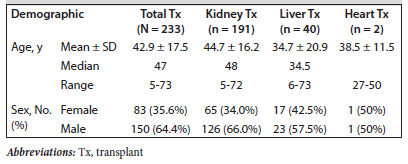
Table 1.Demographic Characteristics of Transplant Patients
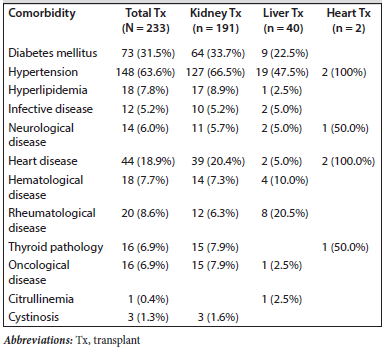
Table 2.Comorbidities of Transplant Recipients
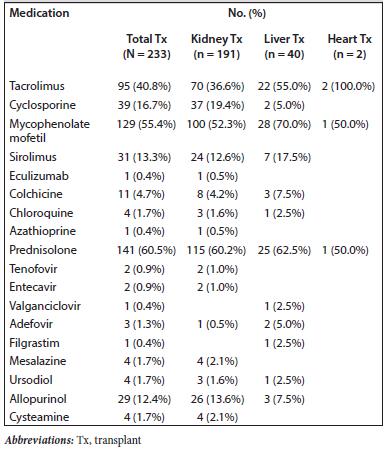
Table 3.Medications of Transplant Recipients
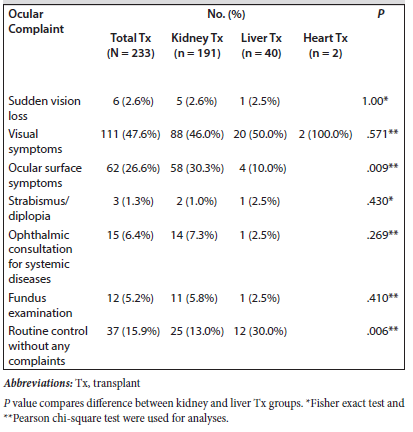
Table 4.Ocular Complaints of Transplant Recipients
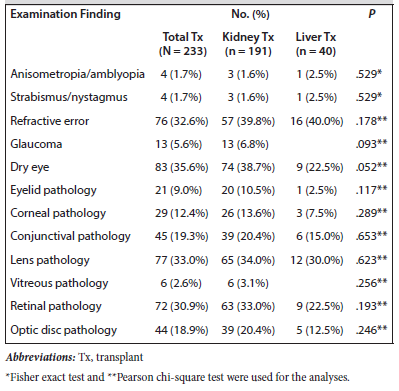
Table 5.Ophthalmologic Examination Findings of Kidney and Liver Transplant Recipients
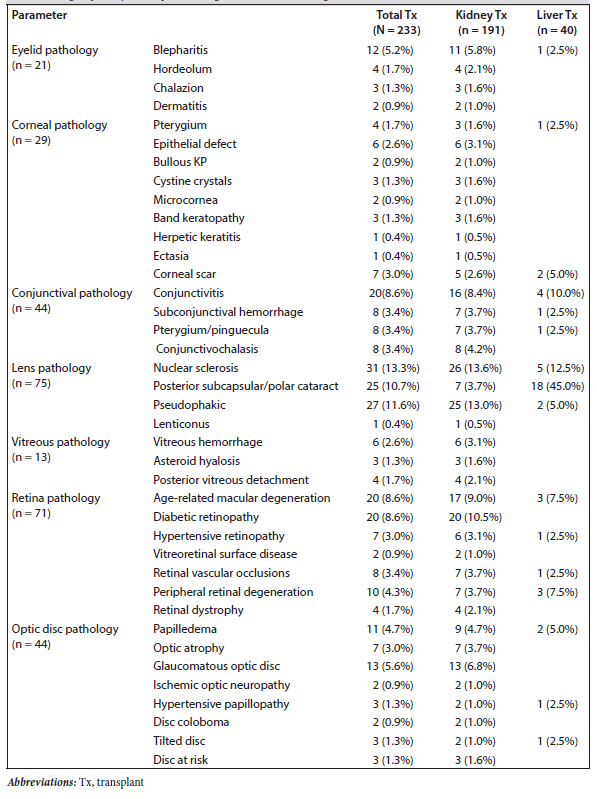
Table 6.Subgroup Analysis of Ophthalmologic Examination Findings
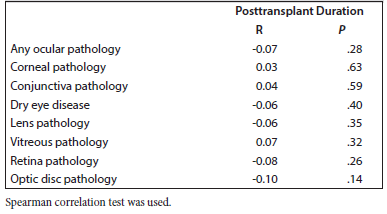
Table 7.Correlation Between Ocular Findings and Posttransplant Duration