Volume: 22 Issue: 1 January 2024 - Supplement - 1
FULL TEXT
Effect of Repeated Structured Diabetes Education on Lifestyle Knowledge and Self-Care Diabetes Management in Kidney Transplant Patients With Posttransplant Diabetes
Objectives: Diabetes knowledge among kidney transplant recipients with posttransplant diabetes has not been clearly assessed. We evaluated whether diabetes education in kidney transplant recipients with posttransplant diabetes affected self-care, metabolic control variables, and reversibility of early diabetic microangiopathies.
Materials and Methods: In this prospective randomized controlled study, we enrolled 210 renal transplant recipients with posttransplant diabetes. Group 1 patients (n = 140) received structured diabetes education, and group 2 patients (n = 70) received conventional education. Patient data were collected through patient identification and metabolic control parameter forms and a diabetes self-care scale questionnaire (scores between 0 and 7).
Results: Diet knowledge improved and waist circumference was reduced with mild to moderate exercise in group 1 (P < .001), despite no differences between the 2 groups in mean body weight or body mass index. Patients in group 1 (structured diabetes education with repeated reinforcement) showed significant improvement in healthy lifestyle parameter scores versus group 2 (P < .05) and versus values before education (P < .05). At end of study, these achievements were translated into proper blood sugar monitoring, management of both hypo- and hyperglycemia, improvements in logbook use and healthy sharp disposal, Ramadan fasting, sick day management, and knowledge on the importance of HbA1c (P < .05), which translated to decrease of HbA1c in group 1 by 1.35%. In group 1, proteinuria decreased significantly compared with before education and compared with group 2 values (P = .016). Diabetic retinopathy and neuropathy remained comparable between groups (P > .05).
Conclusions: Structured diabetes education improved lifestyle knowledge, self-care diabetes management, and metabolic control variables among kidney transplant recipients with posttransplant diabetes. Structured diabetes education also resulted in partial reversibility of the present early diabetic nephropathy. We recommended such education to be delivered to all kidney transplant recipients with diabetes.
Key words : Diabetes control, Diabetes mellitus, Renal transplant
Introduction
Posttransplant diabetes (PTDM) has been a recognized complication for decades. Its incidence is between 2% and 53%. Unfortunately, the condition is often underestimated, and development of PTDM has severe consequences for the patient, threatens the long‑term transplant outcomes, and increases the possibility of cardiovascular risks.1 Kidney transplant patients with PTDM have significant risk of all-cause mortality (67%) and graft failure (35%).2 These risks can be higher in patients who are insulin-dependent.3
Patients who develop PTDM may have individual vulnerability factors that are enhanced by the posttransplant environment. Risk factors for the development of PTDM included traditional type 2 diabetes mellitus (T2DM) risk factors, such as older age, race and ethnicity (African American, Hispanic, and Native American), family history of T2DM, and obesity, in addition to other risk factors unique to the posttransplant environment, such as immunosuppression, cytomegalovirus infection, hepatitis C seropositivity, and weight gain after transplant.
Immunosuppression drugs implicated to be diabetogenic include calcineurin inhibitors (tacrolimus and cyclosporine), corticosteroids, and mammalian target of rapamycin inhibitors (sirolimus and everolimus).4 However, earlier studies have raised the possibility that mammalian target of rapamycin inhibitors may reduce the risk of diabetes.5 The diabetogenic effects of calcineurin inhibitors are partially attributed to pancreatic A cell apoptosis and impaired insulin secretion.6,7 Literature describing calcineurin inhibitor-induced insulin resistance is sparse.8,9 Glucocorticoids commonly taken by transplant recipients10 induce insulin resistance, enhance lipolysis, and increase hepatic glycogenolysis and gluconeogenesis, thus increasing blood sugar. Moreover, such drugs inhibit insulin secretion and stimulate glucagon release.11,12 These effects can induce hyperglycemia in susceptible patients.
Hepatitis C virus infection and HLA-B13 locus have been associated with higher risk of PTDM in liver and kidney transplant recipients.13,14 Hepatis C virus infections may induce diabetes through mechanisms such as proinflammatory cytokines, oxygen free radicals, and change of signal transduction by viral proteins.15 Other viruses like cytomegalovirus infection have been associated with a 4-fold increase in the risk of posttransplant diabetes, possibly due to impairment of insulin secretion.16
Weight gain is expected in the first months after kidney transplant, with average body mass index (BMI, in kilograms divided by height in meters squared) increase of 2 to 3.8.17 Obesity may favor the development of peripheral insulin resistance and eventually diabetes.18 Moreover, in kidney transplant recipients, obesity increases the risk of PTDM and adverse outcomes.
Consuming the Mediterranean diet may help reduce the risk of PTDM after kidney transplant.19 Sharif and colleagues demonstrated that intensive lifestyle modifications (dietician referral, graded exercise program, and weight loss advice) for 6 to 12 months could attenuate and, in some cases, reverse the progression of glycol-metabolic derangements in patients with altered postprandial glucose metabolism (either PTDM [n = 8] or impaired glucose tolerance [n = 28]).20 The effectiveness of intensive nutrition interventions, including exercise advice, on weight gain and metabolic parameters in the first year after transplant are needed.21 Metabolic surgeries are considered a possible antidiabetes intervention for people with T2DM and obesity22 and proposed as an option for achieving weight loss in patients with morbid (BMI ≥ 40) or moderate (BMI ≥ 35) obesity with comorbidities, both pre- and posttransplant.23 Metabolic syndrome (pre- and posttransplant) and its components increase the risk of PTDM.24
Weight loss, correction of dyslipidemia, and blood pressure control should be pursued. Hyperuricemia is often associated with metabolic syndrome, increased cardiovascular risk, hypertension, microalbuminuria, diabetes mellitus, obesity, and chronic kidney disease. However, an association with these outcomes in kidney transplant recipients has yet to be established.25
Posttransplant diabetes mellitus may significantly affect patient and kidney graft outcomes. Although there is evidence for an association between PTDM and macrovascular disease, data on the risk for microvascular complications, such as diabetic retinopathy, are lacking.
Modified lifestyles that promote fat and energy expenditure (moderate weight loss) through moderate-intensity physical activity and diet regimens are strategies that reduce the risk of T2DM.26,27 Taheri and colleagues revealed that intensive lifestyle interventions were associated with significant weight loss at 12 months, diabetes remission in >60% of participants, and normoglycemia in >30%.28 Nonetheless, evidence of the effects of lifestyle interventions on the risk of PTDM is lacking. In a randomized controlled trial on glycemic control strategies involving 103 kidney transplant recipients, an active lifestyle intervention led by renal dietitians did not improve surrogate markers of glucose metabolism.29 Small-scale studies have recently reported favorable outcomes from moderate-to-vigorous physical activity, a Mediterranean-style diet, and a plant-based diet on the risk of PTDM.19,30,31 In a randomized controlled trial that compared active versus passive lifestyle interventions after kidney transplant, active versus passive lifestyle interventions had no influence on surrogate glucose metabolism measurements. However, secondary clinical endpoints improved, including weight loss, reduced fat mass, and perhaps reduction of PTDM incidence (7.6% versus 15.6%, respectively; P = .123).29 More research is needed to determine the benefits of lifestyle modifications after kidney transplant. Management of PTDM is challenging because of fluctuations in kidney function in different stages after organ transplant. Clinicians must consider the potential adverse effects of pharmacological antidiabetic treatment before introducing this therapy to patients.
Our study evaluated the effect of diabetes education given to kidney transplant recipients with PTDM on their self-care activities, metabolic control variables, and reversibility of the present early diabetic microangiopathies.
Materials and Methods
Of more than 600 diabetic kidney transplant recipients, 210 with PTDM and followed up in the Hamed Al-Essa Organ Transplant Center were enrolled in this prospective randomized controlled study. Patients who fulfilled the following criteria were included in the study: (1) transplanted for >6 months, (2) being an outpatient, (3) no history of psychiatric illness, (4) written consent to participate in the research, and (5) older than 21 years. We excluded pediatric and mentally abnormal patients.
Randomization
The enrolled patients were classified into males and females; all patients in each subgroup were then arranged alphabetically using an Excel program, and a number was given to each patient. Patients in group 1 (n = 140) were selected according to the serial number given and received structured diabetes education (SDE) (1-to-1 education). Patients in group 2 (n = 70), which served as the control group, were selected from the serial numbers and received the conventional education program in the Hamed Alessa Organ Transplant Center. Patient files were marked with stickers according to the corresponding group to facilitate data collection.
Ethical principles of the research
The study project was approved by the Ethical Committees of both the Kuwait Ministry of Health (MOH2013/49) and Dasman Diabetes Institute (DDI) (2009-034-f) and was registered in ClinicalTrials.gov (NCT04030013).
Patient identification form
This form included demographic data of the enrolled patients in addition to diabetes-related information, such as the duration of the disease and the management of diabetes.
Clinical and metabolic control parameter form
This form included the patient’s biochemical parameters such as HbA1c, lipid profile, and renal and liver function tests. Blood pressure, height, weight, BMI, and waist circumference of patients that were measured and recorded by the researcher, each time using the same measurement device and method. Waist circumferences of patients were measured midway between the costal margin and iliac crests by a measuring tape in a standing position, over underwear, and after slight expiration.
Diabetes self-care assessment scale
The Arabic-translated 24-item scale- developed in English by Lee and Fisher,32 which measures the self-care of patients with diabetes, was applied to all patients enrolled in the study before and after the end of the study.
The questionnaire had been created and tried in a pilot study under the supervision of the medical and nursing staff of DDI and the Organ Transplant Center in Kuwait who have experience in nursing research and medical and surgical nursing.
The questionnaire comprised 44 questions that covered different diabetes topics such as general data, anthropometric data, medical history, nutrition (5 questions), physical exercise (2 questions), self-blood sugar monitoring (4 questions), foot care (5 questions), smoking (4 questions), delivered educational items for self-care activities, transplant care lifestyle, logbook use, sharp disposal, hypo- and hyperglycemic episodes, sick day management, fasting Ramadan, pregnancy and diabetes, information about HbA1c, diabetes-related complications (15 questions), adherence to medications (especially immunosuppressive agents, cardiovascular agents, antidiabetic medications), food supplements and multivitamins, and malignancy prevention (regular breast examination and avoiding sun exposure) (9 questions). The questionnaire scoring was calculated as sums of item scores and then transformed to a scale ranging from 0 to 10 (raw score/theoretical maximum score × 100).
Patient education
Group 1 received SDE at DDI (1-to-1 education sessions with a team of nurse educators, public health workers, and pharmacists) individually in closed education clinics of DDI. The first education session was given once the patient was referred from the Organ Transplant Center, and the sessions were given on an appointment basis, with appointments for education on a date that suited the patient’s condition. Six interviews were conducted with each patient. The first interview was followed by a 3-month education program (determined period of 2 weeks between each session).
The first session lasted for 60 minutes, and subsequent sessions lasted for 30 minutes. The education content was repeated entirely or partly by the researcher according to each patient’s needs. Mixed education techniques, such as description, question, and answer, were used as an education method, and feedback was stimulated to enable patients to understand their self-care management independently. Refreshment education sessions were delivered every 3 months until the end of the study.
Group 2 received the conventional (nonstructured) education program at the Organ Transplant Center.
The patient education brochure (developed by DDI) covered 2 main sections. First was general information on diabetes (definition, pathophysiology, and symptoms of diabetes). Second was diabetes management, including general care principles in diabetes (such as HbA1c, ketones/protein in the urine, healthy diet, regular exercise, regular use of oral antidiabetic drugs, regular insulin application, early developing problems in diabetes, diabetes-induced possible health problems in the long term, foot care, individual self-monitoring of blood glucose and self-care in diabetes, skin care, oral and dental health, diabetes and travel, diabetes and smoking, diabetes and alcohol, diabetes and sex). Brochures were given to group 1 to strengthen patient-specific individual education, skills, and verbal information.
Data collection method
In the pretest phase of the research, patients were given a patient identification form, a metabolic control parameter form, and the diabetes self-care assessment. The patients completed the forms within 15 to 25 minutes in the researcher’s presence. Telephone numbers and addresses of patients were taken for proper communication, if needed.
In the posttest stage, after completion of education sessions, patients again were given the diabetes self-care assessment. Metabolic control parameters (HbA1c, lipids, blood pressure, BMI, and waist circumference) were measured and recorded. All parameters were assessed and collected every 6 months until the end of the study.
Diabetic microangiopathies (neuropathy, retinopathy, and nephropathy) were assessed before and at the end of the study (24 months) by electromyography/nerve conduction velocity; fundus imaging (in DDI), regular urine analysis, and graft biopsy (whenever indicated) in the Hamed Al-Essa Organ Transplant Center.
Statistical analyses
We used Statistical Package for Social Science for Windows version 25.0 software (SPSS Inc) for statistical analyses. For analyses of the identifying and disease-related characteristics of patients, we used matched t-tests to compare means and SD of numerical variables of the 2 groups and to test whether differences were shown before and after education according to score averages. Categorical data were compared using the chi-square test. P < .05 was considered significant.
Results
The 2 groups were matched according to demographics (Table 1).10 Most patients in the 2 groups were Kuwaiti (60.7% in group 1 vs 58.6% in group 2) and men with a mean age of ~44 years (P > .05). Most patients reported secondary school education level and above (65.7% vs 71.5%; P = .23). Hypertension and chronic glomerulonephritis represented the most reported original kidney disease. The 2 groups were comparable regarding pretransplant comorbidities, especially hypertension, ischemic heart disease, treated tuberculosis, anemia, and dialysis mode (P > .05) (Table 1).
Group 1 had significantly more living donor kidney recipients than group 2 (P = .015). In group 1 and group 2, most patients experienced immediate graft function (77.1% vs 74.2%; P = .14), and most were maintained on calcineurin-based immunosuppression (either tacrolimus or cyclosporine) (P = .55).
After SDE or conventional education, healthy food knowledge improved significantly in group 1 versus group 2 (P < .05) and compared with baseline (before education) values (Table 2). Group 1 had significantly higher low scores of healthy food knowledge than group 2 (93.3% vs 76.5%; P = .004). However, at the end of the study, group 1 had significantly higher high scores of healthy food knowledge (80.5% vs 10.1%; P < .001). Most patients in the 2 groups showed low scores in exercise knowledge (92.8% vs 97% in group 1 vs group 2) without significant difference between the 2 groups (P = .16). However, at the end of the study, high exercise knowledge was significantly higher in group 1 (32.2% vs 0%; P = .001). Similar achievements were observed with regard to improved scores of knowledge of healthy foot care and blood sugar monitoring after education (P < .001) (Table 2).
These achievements were translated into a significant improvement in diabetic management behaviors, which included use of a logbook (99.2% vs 1.7% in group 1 vs group 2; P < .001), sharp disposal, blood sugar monitoring, management of both hypo- and hyperglycemia, Ramadan fasting, sick day management, and importance of HbA1c (P = .001) (Table 3).
The 2 groups showed no significant difference regarding knowledge of risk factors of PTDM, either at the start or at the end of the study, which included knowledge of viral infections (hepatitis C or cytomegalovirus) (P > .05) (Table 3). Knowledge concerning posttransplant medications (such as immunosuppression, cardiovascular medications, and antidiabetic drugs) was comparable between the 2 groups before education (P > .05) but improved significantly in group 1 at the end of the study (P < .001) (Table 3).
More than 90% of group 1 reported receiving detailed healthy advice after SDE compared with 20% to 30% of group 2. A similar observation was reported regarding targeted physical activity (P < .05) (Table 4).
Follow-up of graft function (as represented by mean serum creatinine and estimated glomerular filtration rate) showed comparable results in both groups (P > .05) (Table 5). Mean fasting plasma glucose was also comparable between group (P > .05). However, the mean HbA1c was significantly reduced in group 1 (by 1.36%) at 24 months of the study (P = .018) (Table 6). Similarly, we found a significant reduction in plasma cholesterol in group 1 at the end of the study (P < .05) (Table 6). Nephropathy, represented by proteinuria, was comparable at the start of the study between groups (P = .98) (Table 6). However, at the end of the study, group 1 patients with proteinuria had significantly lower levels than at baseline and compared with group 2 (P = .016). Diabetic retinopathy (as checked by fundus imaging) and neuropathy (as checked by electromyography/nerve conduction study) were comparable in the 2 groups at the start and end of study (P > .05).
We observed that weight circumference decreased significantly in patients of group 1 (P < .001) (Table 6), despite significant differences between the 2 groups regarding mean body weight or BMI.
Discussion
Lorig and colleagues33 reported a significant positive impact of SDE on glucose control, especially hypoglycemia. Because SDE affects lifestyle practices, self-care knowledge (diet, physical exercise, self-monitoring of blood glucose), psychological state, weight loss, blood pressure, and lipid control,34 recommendations have been made to incorporate SDE into routine care because of its positive effect on glucose control and hypoglycemia in T2DM. Guo and colleagues35 concluded that SDE could promote a patient’s ability to self-manage and comply with medications, thus attaining better outcomes, and Muhlhauser and Berger36 recommended that patients with diabetes should receive diabetes evidence-based information to support them in making the right decisions during the management of diabetes and its sequelae.
Here, we evaluated the effects of SDE delivered to kidney transplant recipients with PTDM on their self-care activities, metabolic control variables, and reversibility of early diabetic microangiopathies. Obese male patients predominated in both groups, and most patients were maintained on steroids, mycophenolate mofetil, and calcineurin inhibitors as maintenance immunosuppression. Reported risk factors for PTDM in our cohort have been noted in other studies.4-6
More data are needed to determine the optimal interventions for these positive lifestyle changes. Physical activity is essential in patients with type 1 diabetes mellitus to prevent obesity, build healthy habits, and be an integral part of a diabetes care plan when combined with hypoglycemia avoidance.37
Waist circumference decreased significantly (P < .001) in group 1 patients in our study with mild to moderate exercise and improved diet knowledge, despite no significant difference between our 2 groups regarding mean body weight or BMI. Other studies have demonstrated that reductions in waist circumference can be achieved by routine, moderate-intensity exercise, and diet changes. In addition, exercise-induced or diet-induced reductions in waist circumference have been observed with or without weight loss.38
Snijder and colleagues reported that thigh adipose tissue mass is negatively associated with glucose intolerance and dyslipidemia after accounting for abdominal adipose tissue mass.39 Eastwood and colleagues confirmed this finding and reported that the protective effects of total subcutaneous adipose tissue for T2DM and HbA1c levels emerge only after accounting for visceral adipose tissue accumulation.40
In multiple large-scale studies, diabetes self-management and education effectively improves blood glucose control.26,27 Effective health education should respect the patient’s level of education and variations in their understanding of the illness,28 as patients with diabetes who have limited literacy and lower knowledge about diabetes and self-management show poor health outcomes.29 The 1-to-1 education policy adopted in our study helped in considering each patient’s level of education. Our cohort also had a reasonably high level of education (secondary school and higher), which could explain their better response to the delivered SDE program. This issue was previously considered in patients with low diabetes knowledge, which negatively affected health outcomes.5
The effectiveness of diabetes education in a group versus an individual setting is a concern for healthcare providers. Group education programs can have decreased overall costs and allow more individuals to be simultaneously reached. Most studies have used group-based interventions, which are likely cost-effective and offer more significant opportunities for people to share experiences and behavior change. Individualized diabetes education is more effective than group education in facilitating the control of T2DM. Individualized education programs incorporating the patient’s needs offer better management outcomes than group education alone.41 What remains to be seen is whether these favorable effects from SDE are maintained in the long term.42
In a pilot group of our patients, we used group education; however, we observed high levels of noncompliance to such educational sessions, possibly because of the culture of our patients who prefer the privacy of a 1-to-1 setting. Therefore, we adopted this type of SDE in our study. Trento and colleagues43 assessed the effects of group care on the management of diabetes and the prevention of diabetes complications and concluded that diabetes education programs delivered in group settings are effective in managing diabetes. Rickheim and colleagues44 compared the effectiveness of diabetes education programs when delivered in a group versus individual setting among 170 participants (87 in group education and 83 in individual education). Education material included carbohydrate counting, portion control, meal spacing, self-monitoring of blood glucose, physical activity, heart-healthy eating, foot care, sick day management, monitoring for diabetes complications, self-management problem solving, and information on progression of type 2 diabetes. The investigators found a significant increase in knowledge scores and a significant decrease in HbA1c in both treatment groups (P < .01) but with more HbA1c reduction in the individuals who received group SDE (2.5% vs 1.7%; P < .01).
Erlich and colleagues45,46 reported that patients with diabetes who participate in a group education program have lower HbA1c levels, improved lipid profiles, higher quality of life scores, and improved knowledge about diabetes and problem-solving ability. Similar findings were observed in our study, with significant reduction of mean HbA1c (P = .018) and plasma cholesterol in group 1 at 24 months of the study (P < .05). This raised the efficacy of a 1-to-1 education method with repeated reinforcement at different follow-up intervals.
In a meta-analysis of 84 studies concerning the effects of self-management training in individuals with T2DM, Norris and colleagues47 found that knowledge, frequency, and accuracy of self-monitoring blood glucose, dietary habits, and glycemic control were positively affected after short-term follow-up. They added that educational interventions that included patient collaboration might be more effective than didactic interventions. Thus, an interactive environment in which participants share in developing their diabetes management program might have additional benefits to those already seen with didactic interventions. All these observations were matched with our results that patients who received SDE (group 1) showed significant improvement in their healthy food knowledge score, exercise knowledge score, healthy foot care knowledge score, and blood sugar monitoring versus group 2 (P < .05) and versus their baseline values (p<0.05). At the end of our study, these achievements were translated into proper blood sugar monitoring, management of both hypo- and hyperglycemia, and significant improvements logbook use, healthy sharp disposal, Ramadan fasting, and sick day management, in addition to their knowledge regarding the importance of HbA1c (P < .05).
Lorig and associates33 found that, at 6 months, intervention participants did not demonstrate significant improvements in HbA1c compared with controls (P > .05). However, at 6 months, symptoms of hypoglycemia and depression, communication with physicians, healthy eating, and reading food labels significantly improved (P < .01). Similarly, Guo and colleagues34 observed that, after delivery of structured education to insulin-treated patients with T2DM in China, no differences were shown in the overall incidence of hypoglycemic events in intervention groups compared with controls at 6 weeks of follow-up (P > .05). Our positive results were achieved after a more prolonged period of repeated reinforcement of educational sessions over 24 months. This might indicate the importance of a long-term education program, especially for chronic diseases such as diabetes.
Diabetes is a life-long disease; like many chronic illnesses, patients must be empowered to take control of their condition long-term. The diminishing effects of some of these interventions in diabetes with longer follow-up intervals have been previously demonstrated. In a meta-analyses, Norris and colleagues47 showed that contact time was the only significant predictor of improved glycemic control. The different outcomes in various studies after education programs might be attributed to differences in the program content, nature of patients, mode of information delivery, and duration of communication contact.
Miller and colleagues48 showed that, after repeated educational reinforcement by 10 sessions of the SDE program, older individuals with T2DM showed significant improvements in diabetes knowledge (P < .0001), disease management skills (P < .01), and decision-making abilities (P < .0001). This highlights the importance of repeated SDE sessions delivered to group 1 patients in our study. The baseline learning environment should be handled based on the communication status of the audience. Preliminary steps to control for visual impairment could negatively affect the effectiveness of diabetes management programs within such a population. The relatively good educational outcomes among our cohort may have been because of relatively higher level of education (>65% had secondary school education level or higher) and lower percentage of patients (~10%) with retinopathy (visual impairment), which improved the communication status between diabetes educators and group 1 patients. Bernbaum and colleagues49 examined the importance of adapting diabetes education programs for individuals with visual impairments. They concluded that an education program adapted for visual impairment provided a good learning environment for participants.
Reasonable glycemic control, if achieved early in diabetes, delays the onset and progression of microvascular complications.50,51 Diabetic retinopathy is associated with a longer duration of diabetes, insulin therapy, higher HbA1c level, male gender, and lower level of education. Diabetic retinopathy is also associated with lower compliance to diet control and exercise, suggesting that a lower level of diabetic self-management increases the risk of diabetic retinopathy.52
When a person’s knowledge of diabetes management increases, the HbA1c values decrease. Harwell and colleagues53 conducted a telephone survey in a rural population group and found that the participants knew their last HbA1c value but needed help interpreting the value correctly. This might explain the role of education in such interpretations. Increased knowledge of diabetes management has been associated with better control of blood glucose concentrations.53 Our results confirmed such evidence among kidney transplant recipients with PTDM; when level of diabetes knowledge increased (as reported in group 1), level of metabolic parameters (both the mean HbA1c and plasma cholesterol) improved significantly (P < .05 vs group 2).
In a UK study, Davies and colleagues evaluated the effectiveness of diabetes education and self-management for ongoing and newly diagnosed T2DM and found that, at the end of the intervention, HbA1c levels at 12 months decreased by 1.49% in the intervention group compared with 1.21% in the control group.54
A multidisciplinary team consisting of at least 1 healthcare practitioner or educator, such as a registered nurse or nutritionist, is important in education programs.51 The findings of the Diabetes Control and Complications Trial and nurse case management study by Aubert and colleagues55 showed that the maximal effects of diabetes education can be achieved when education is interwoven into routine diabetes care. The latter study was a randomized controlled trial that used a 12-hour education program. The combined medical and education case management approach led to significant improvements in glycemic control (HbA1c of 1.1%) compared with controls who received usual care.55 Significant reductions in HbA1c, fasting blood glucose, and body weight have been shown.50 Patients with improved diabetes knowledge may have a reduced need for medications.56
Similar to our findings, Skeie and colleagues57 showed that high knowledge among patients with long-standing diabetes resulted in a better understanding of HbA1c than shown in a low-knowledge group. Raji and colleagues58 also showed that both active and passive diabetes education improved glycemic control based on HbA1c scores. In a meta-analysis, Norris and colleagues47 concluded that HbA1c levels were improved by diabetes self-management education, with participant contact time being identified as the only predictor of effect (23.6 hours of contact time needed for every 1% reduction in HbA1c level). We also observed that knowledge scores of patients of group 1 (with SDE program and repeated reinforcement) improved significantly in all diabetes-related information compared with group 2 and compared with baseline scores, even with lower participant contact time but with repeated reinforcement. The improved knowledge score was translated into a significant drop of HbA1c in group 1 by 1.35% with short contact communication time (an average of 6 hours during the study).
In their meta-analysis, Steinsbekk and colleagues59 concluded, based on current evidence, that interventions delivered by a single educator, delivered in <10 months, delivered for >12 hours, and having between 6 and 10 sessions give the best results. However, more research is needed to confirm this. Again, this finding matched our policy of 1-to-1 education in group 1 patients with fewer contact hours but a regular interval intervention (every third month), which showed favorable outcomes among our kidney transplant recipients with PTDM. Moreover, it can be concluded that group-based diabetes self-management and education in people with T2DM improves clinical, lifestyle, and psychosocial outcomes. In contrast, our initial pilot study on group education was not successful, possibly because of the nature of our patients’ social factors, who prefer more privacy in dealing with their disease.
At the start of the study, we observed nephropathy (represented by proteinuria) was comparable between the 2 groups (P = .98). However, at the end of the study, proteinuria in group 1 decreased significantly compared with the baseline value (before SDE) and with that shown in group 2 (with conventional education) (P = .016). Such an observation can be explained by other studies that modified diet (in the sugar and salt intake) and included aerobic activity, which could alleviate symptoms of glomerular hyperfiltration, hyperperfusion, and hypertension59,60,61 and subsequently improve patient physique, immunological function, renal function, and microalbumin excretion level.62,63 Bao and colleagues,64 in a similar way to SDE, enhanced nutritional indicators and blood sugar and renal function and dramatically raised patient knowledge of diabetes with better adherence to treatment.65
Conclusions
Our SDE program succeeded in improving lifestyle knowledge, self-care diabetes management, and metabolic control variables among kidney transplant recipients with PTDM. Moreover, our SDE program showed partial reversibility of the present early diabetic nephropathy. Therefore, we highly recommended our SDE program to be delivered to all kidney transplant recipients with PTDM.
References:
- Choudhury PS, Mukhopadhyay P, Roychowdhary A, Chowdhury S, Ghosh S. Prevalence and predictors of “new-onset diabetes after transplantation” (NODAT) in renal transplant recipients: an observational study. Indian J Endocrinol Metab. 2019;23(3):273-277. doi:10.4103/ijem.IJEM_178_19
CrossRef - PubMed - Lin H, Yan J, Yuan L, et al. Impact of diabetes mellitus developing after kidney transplantation on patient mortality and graft survival: a meta-analysis of adjusted data. Diabetol Metab Syndr. 2021;13(1):126. doi:10.1186/s13098-021-00742-4
CrossRef - PubMed - Kang E, Lee J, Kang DH, et al. Clinical outcomes of posttransplantation diabetes mellitus in kidney transplantation recipients: a nationwide population-based cohort study in Korea. Sci Rep. 2022;12(1):21632. doi:10.1038/s41598-022-25070-z
CrossRef - PubMed - Yang SB, Lee HY, Young DM, et al. Rapamycin induces glucose intolerance in mice by reducing islet mass, insulin content, and insulin sensitivity. J Mol Med (Berl). 2012;90(5):575-585. doi:10.1007/s00109-011-0834-3
CrossRef - PubMed - Tsang CK, Qi H, Liu LF, Zheng XF. Targeting mammalian target of rapamycin (mTOR) for health and diseases. Drug Discov Today. 2007;12(3-4):112-124. doi:10.1016/j.drudis.2006.12.008
CrossRef - PubMed - Ozbay LA, Smidt K, Mortensen DM, Carstens J, Jorgensen KA, Rungby J. Cyclosporin and tacrolimus impair insulin secretion and transcriptional regulation in INS-1E beta-cells. Br J Pharmacol. 2011;162(1):136-146. doi:10.1111/j.1476-5381.2010.01018.x
CrossRef - PubMed - Soleimanpour SA, Crutchlow MF, Ferrari AM, et al. Calcineurin signaling regulates human islet beta-cell survival. J Biol Chem. 2010;285(51):40050-40059. doi:10.1074/jbc.M110.154955
CrossRef - PubMed - Kutkuhn B, Hollenbeck M, Heering P, et al. Development of insulin resistance and elevated blood pressure during therapy with cyclosporine A. Blood Press. 1997;6(1):13-17. doi:10.3109/08037059709086440
CrossRef - PubMed - Wahlstrom HE, Akimoto R, Endres D, Kolterman O, Moossa AR. Recovery and hypersecretion of insulin and reversal of insulin resistance after withdrawal of short-term cyclosporine treatment. Transplantation. 1992;53(6):1190-1195. doi:10.1097/00007890-199206000-00004
CrossRef - PubMed - Othman N, Gheith O, Al-Otaibi T, et al. Effect of structured diabetes education on diabetic angiopathies among kidney transplant recipients with posttransplant diabetes: Kuwait Experience. Exp Clin Transplant. 2022;20(Suppl 1):46-54. doi:10.6002/ect.MESOT2021.O19
CrossRef - PubMed - Markell M. New-onset diabetes mellitus in transplant patients: pathogenesis, complications, and management. Am J Kidney Dis. 2004;43(6):953-965. doi:10.1053/j.ajkd.2004.03.020
CrossRef - PubMed - Crutchlow MF, Bloom RD. Transplant-associated hyperglycemia: a new look at an old problem. Clin J Am Soc Nephrol. 2007;2(2):343-355. doi:10.2215/CJN.03671106
CrossRef - PubMed - Hogan PG, Chen L, Nardone J, Rao A. Transcriptional regulation by calcium, calcineurin, and NFAT. Genes Dev. 2003;17(18):2205-2232. doi:10.1101/gad.1102703
CrossRef - PubMed - Saliba F, Lakehal M, Pageaux GP, et al. Risk factors for new-onset diabetes mellitus following liver transplantation and impact of hepatitis C infection: an observational multicenter study. Liver Transpl. 2007;13(1):136-144. doi:10.1002/lt.21010
CrossRef - PubMed - Eslam M, Khattab MA, Harrison SA. Insulin resistance and hepatitis C: an evolving story. Gut. 2011;60(8):1139-1151. doi:10.1136/gut.2010.228262
CrossRef - PubMed - Hjelmesaeth J, Sagedal S, Hartmann A, et al. Asymptomatic cytomegalovirus infection is associated with increased risk of new-onset diabetes mellitus and impaired insulin release after renal transplantation. Diabetologia. 2004;47(9):1550-1556. doi:10.1007/s00125-004-1499-z
CrossRef - PubMed - Aksoy N. Weight Gain After Kidney Transplant. Exp Clin Transplant. 2016;14(Suppl 3):138-140.
CrossRef - PubMed - Fabbrini E, Magkos F, Conte C, et al. Validation of a novel index to assess insulin resistance of adipose tissue lipolytic activity in obese subjects. J Lipid Res. 2012;53(2):321-324. doi:10.1194/jlr.D020321
CrossRef - PubMed - Oste MC, Corpeleijn E, Navis GJ, et al. Mediterranean style diet is associated with low risk of new-onset diabetes after renal transplantation. BMJ Open Diabetes Res Care. 2017;5(1):e000283. doi:10.1136/bmjdrc-2016-000283
CrossRef - PubMed - Sharif A, Moore R, Baboolal K. Influence of lifestyle modification in renal transplant recipients with postprandial hyperglycemia. Transplantation. 2008;85(3):353-358. doi:10.1097/TP.0b013e3181605ebf
CrossRef - PubMed - Ryan KJ, Casas JM, Mash LE, et al. The effect of intensive nutrition interventions on weight gain after kidney transplantation: protocol of a randomised controlled trial. BMC Nephrol. 2014;15:148. doi:10.1186/1471-2369-15-148
CrossRef - PubMed - Bhandari V, Kosta S, Bhandari M, Bhandari M, Mathur W, Fobi M. Bariatric metabolic surgery: An effective treatment of type 2 diabetes. J Minim Access Surg. 2022;18(3):396-400. doi:10.4103/jmas.JMAS_325_20
CrossRef - PubMed - Camilleri B, Bridson JM, Sharma A, Halawa A. From chronic kidney disease to kidney transplantation: The impact of obesity and its treatment modalities. Transplant Rev (Orlando). 2016;30(4):203-211. doi:10.1016/j.trre.2016.07.006
CrossRef - PubMed - Chen JH, Lee CH, Chang CM, Yin WY. Successful management of new-onset diabetes mellitus and obesity with the use of laparoscopic sleeve gastrectomy after kidney transplantation-a case report. Transplant Proc. 2016;48(3):938-939. doi:10.1016/j.transproceed.2015.12.074
CrossRef - PubMed - Kim SJ. Serum uric acid levels and kidney transplant outcomes: cause, consequence, or confounded? Am J Kidney Dis. 2017;70(6):752-753. doi:10.1053/j.ajkd.2017.08.006
CrossRef - PubMed - Chakkera HA, Pham PT, Pomeroy J, Weil EJ, Knowler WC. Response to comment on: Chakkera et al. Can new-onset diabetes after kidney transplant be prevented? Diabetes Care 2013;36:1406-1412. Diabetes Care. 2013;36(10):e183. doi:10.2337/dc13-1656
CrossRef - PubMed - Knowler WC, Barrett-Connor E, Fowler SE, et al. Reduction in the incidence of type 2 diabetes with lifestyle intervention or metformin. N Engl J Med. 2002;346(6):393-403. doi:10.1056/NEJMoa012512
CrossRef - PubMed - Taheri S, Zaghloul H, Chagoury O, et al. Effect of intensive lifestyle intervention on bodyweight and glycaemia in early type 2 diabetes (DIADEM-I): an open-label, parallel-group, randomised controlled trial. Lancet Diabetes Endocrinol. 2020;8(6):477-489. doi:10.1016/S2213-8587(20)30117-0
CrossRef - PubMed - Kuningas K, Driscoll J, Mair R, et al. Comparing glycaemic benefits of active versus passive lifestyle intervention in kidney allograft recipients: a randomized controlled trial. Transplantation. 2020;104(7):1491-1499. doi:10.1097/TP.0000000000002969
CrossRef - PubMed - Byambasukh O, Oste MCJ, Gomes-Neto AW, et al. Physical activity and the development of post-transplant diabetes mellitus, and cardiovascular- and all-cause mortality in renal transplant recipients. J Clin Med. 2020;9(2). doi:10.3390/jcm9020415
CrossRef - PubMed - Gomes-Neto AW, Oste MCJ, Sotomayor CG, et al. Fruit and vegetable intake and risk of posttransplantation diabetes in renal transplant recipients. Diabetes Care. 2019;42(9):1645-1652. doi:10.2337/dc19-0224
CrossRef - PubMed - Lee N, Fisher W. Evaluation of the diabetes self-care scale. J Appl Measure. 2005;6:366-381.
CrossRef - PubMed33. Lorig K, Ritter PL, Villa FJ, Armas J. Community-based peer-led diabetes self-management: a randomized trial. Diabetes Educ. 2009;35(4):641-651. doi:10.1177/0145721709335006
CrossRef - PubMed - Yorke E, Atiase Y. Impact of structured education on glucose control and hypoglycaemia in Type-2 diabetes: a systematic review of randomized controlled trials. Ghana Med J. 2018;52(1):41-60. doi:10.4314/gmj.v52i1.8
CrossRef - PubMed - Guo XH, Ji LN, Lu JM, et al. Efficacy of structured education in patients with type 2 diabetes mellitus receiving insulin treatment. J Diabetes. 2014;6(4):290-297. doi:10.1111/1753-0407.12100
CrossRef - PubMed - Muhlhauser I, Berger M. Evidence-based patient information in diabetes. Diabet Med. 2000;17(12):823-829. doi:10.1046/j.1464-5491.2000.00383.x
CrossRef - PubMed - American Diabetes Association Professional Practice C. 14. Children and adolescents: standards of medical care in diabetes-2022. Diabetes Care. 2022;45(Suppl 1):S208-S231. doi:10.2337/dc22-S014
CrossRef - PubMed - Ross R, Neeland IJ, Yamashita S, et al. Waist circumference as a vital sign in clinical practice: a Consensus Statement from the IAS and ICCR Working Group on Visceral Obesity. Nat Rev Endocrinol. 2020;16(3):177-189. doi:10.1038/s41574-019-0310-7
CrossRef - PubMed - Snijder MB, Visser M, Dekker JM, et al. Low subcutaneous thigh fat is a risk factor for unfavourable glucose and lipid levels, independently of high abdominal fat. The Health ABC Study. Diabetologia. 2005;48(2):301-308. doi:10.1007/s00125-004-1637-7
CrossRef - PubMed - Eastwood SV, Tillin T, Wright A, et al. Thigh fat and muscle each contribute to excess cardiometabolic risk in South Asians, independent of visceral adipose tissue. Obesity (Silver Spring). 2014;22(9):2071-2079. doi:10.1002/oby.20796
CrossRef - PubMed - Fan MH, Huang BT, Tang YC, Han XH, Dong WW, Wang LX. Effect of individualized diabetes education for type 2 diabetes mellitus: a single-center randomized clinical trial. Afr Health Sci. 2016;16(4):1157-1162. doi:10.4314/ahs.v16i4.34
CrossRef - PubMed - Funnell MM, Anderson RM. Patient empowerment: a look back, a look ahead. Diabetes Educ. 2003;29(3):454-458, 460. doi:10.1177/014572170302900310
CrossRef - PubMed - Trento M, Passera P, Bajardi M, et al. Lifestyle intervention by group care prevents deterioration of Type II diabetes: a 4-year randomized controlled clinical trial. Diabetologia. 2002;45(9):1231-1239. doi:10.1007/s00125-002-0904-8
CrossRef - PubMed - Rickheim PL, Weaver TW, Flader JL, Kendall DM. Assessment of group versus individual diabetes education: a randomized study. Diabetes Care. 2002;25(2):269-274. doi:10.2337/diacare.25.2.269
CrossRef - PubMed - Erlich DR, Slawson DC, Shaughnessy A. Diabetes update: population management. FP Essent. 2013;408:25-33.
CrossRef - PubMed - Gagliardino JJ, Aschner P, Baik SH, et al. Patients' education, and its impact on care outcomes, resource consumption and working conditions: data from the International Diabetes Management Practices Study (IDMPS). Diabetes Metab 2012;38(2):128-134. doi:10.1016/j.diabet.2011.09.002
CrossRef - PubMed - Norris SL, Lau J, Smith SJ, Schmid CH, Engelgau MM. Self-management education for adults with type 2 diabetes: a meta-analysis of the effect on glycemic control. Diabetes Care. 2002;25(7):1159-1171. doi:10.2337/diacare.25.7.1159
CrossRef - PubMed - Miller CK, Edwards L, Kissling G, Sanville L. Evaluation of a theory-based nutrition intervention for older adults with diabetes mellitus. J Am Diet Assoc. 2002;102(8):1069-1081. doi:10.1016/s0002-8223(02)90242-7
CrossRef - PubMed - Bernbaum M, Wittry S, Stich T, Brusca S, Albert SG. Effectiveness of a diabetes education program adapted for people with vision impairment. Diabetes Care. 2000;23(9):1430-1432. doi:10.2337/diacare.23.9.1430
CrossRef - PubMed - Effect of intensive blood-glucose control with metformin on complications in overweight patients with type 2 diabetes (UKPDS 34). UK Prospective Diabetes Study (UKPDS) Group. Lancet. 1998;352(9131):854-865.
CrossRef - PubMed - Diabetes C, Complications Trial Research G, Nathan DM, et al. The effect of intensive treatment of diabetes on the development and progression of long-term complications in insulin-dependent diabetes mellitus. N Engl J Med. 1993;329(14):977-986. doi:10.1056/NEJM199309303291401
CrossRef - PubMed - Li N, Yang XF, Deng Y, et al. Diabetes self-management and its association with diabetic retinopathy in patients with type 2 diabetes. Zhonghua Yan Ke Za Zhi. 2013;49(6):500-506.
CrossRef - PubMed - Harwell TS, Dettori N, McDowall JM, et al. Do persons with diabetes know their (A1C) number? Diabetes Educ. 2002;28(1):99-105. doi:10.1177/014572170202800111
CrossRef - PubMed - Davies MJ, Heller S, Skinner TC, et al. Effectiveness of the diabetes education and self management for ongoing and newly diagnosed (DESMOND) programme for people with newly diagnosed type 2 diabetes: cluster randomised controlled trial. BMJ. 2008;336(7642):491-495. doi:10.1136/bmj.39474.922025.BE
CrossRef - PubMed - Aubert RE, Herman WH, Waters J, et al. Nurse case management to improve glycemic control in diabetic patients in a health maintenance organization. A randomized, controlled trial. Ann Intern Med. 1998;129(8):605-612. doi:10.7326/0003-4819-129-8-199810150-00004
CrossRef - PubMed - Deakin T, McShane CE, Cade JE, Williams RD. Group based training for self-management strategies in people with type 2 diabetes mellitus. Cochrane Database Syst Rev. 2005;10.1002/14651858.CD003417.pub2(2):CD003417. doi:10.1002/14651858.CD003417.pub2
CrossRef - PubMed - Skeie S, Thue G, Sandberg S. Interpretation of hemoglobin A(1c) (HbA(1c)) values among diabetic patients: implications for quality specifications for HbA(1c). Clin Chem. 2001;47(7):1212-1217.
CrossRef - PubMed - Raji A, Gomes H, Beard JO, MacDonald P, Conlin PR. A randomized trial comparing intensive and passive education in patients with diabetes mellitus. Arch Intern Med. 2002;162(11):1301-1304. doi:10.1001/archinte.162.11.1301
CrossRef - PubMed - Steinsbekk A, Rygg LO, Lisulo M, Rise MB, Fretheim A. Group based diabetes self-management education compared to routine treatment for people with type 2 diabetes mellitus. A systematic review with meta-analysis. BMC Health Serv Res. 2012;12:213. doi:10.1186/1472-6963-12-213
CrossRef - PubMed - Tan SM, Ziemann M, Thallas-Bonke V, et al. Complement C5a induces renal injury in diabetic kidney disease by disrupting mitochondrial metabolic agility. Diabetes. 2020;69(1):83-98. doi:10.2337/db19-0043
CrossRef - PubMed - Koziolova NA, Polyanskaya EA, Surovtseva MV, Karavaev PG. Nonvalvular atrial fibrillation and diabetic nephropathy: epidemiology, prognosis, and choice of anticoagulant therapy. Kardiologiia. 2018;58(4):81-95. doi:10.18087/cardio.2018.4.10114
CrossRef - PubMed - Regine I, Husain R, Aswathi RP, Reddy DR, Ahmed S, Ramakrishnan V. Association between PPARgammars1801282 polymorphism with diabetic nephropathy and type-2 diabetes mellitus susceptibility in south India and a meta-analysis. Nefrologia (Engl Ed). 2020;40(3):287-298. doi:10.1016/j.nefro.2020.01.005
CrossRef - PubMed - Kazawa K, Osaki K, Rahman MM, Moriyama M. Evaluating the effectiveness and feasibility of nurse-led distant and face-to-face interviews programs for promoting behavioral change and disease management in patients with diabetic nephropathy: a triangulation approach. BMC Nurs. 2020;19:16. doi:10.1186/s12912-020-0409-0
CrossRef - PubMed - Cheema S, Maisonneuve P, Zirie M, et al. Risk factors for microvascular complications of diabetes in a high-risk Middle East population. J Diabetes Res. 2018;2018:8964027. doi:10.1155/2018/8964027
CrossRef - PubMed - Bao L. Retracted: Intervention Value of Path-Type Health Education on Cognition and Renal Function of Patients with Diabetic Nephropathy . Comput Math Methods Med. 2021;2021:3665460. doi:10.1155/2021/3665460
CrossRef - PubMed

Volume : 22
Issue : 1
Pages : 128 - 140
DOI : 10.6002/ect.MESOT2023.O31
From the 1Dasman Diabetes Institute, Kuwait; and the 2Hamed Al-Essa Organ Transplant Center, Kuwait; and 3The Department of Dialysis and Transplantation,Urology Nephrology Center, Mansoura University, Mansoura, Egypt
Acknowledgements: The authors have not received any funding or grants in support of the presented research or for the preparation of this work and have no declarations of potential conflicts of interest.
Corresponding author: Osama Ashry Gheith, The Department of Dialysis and Transplantation,Urology Nephrology Center, Mansoura University, Mansoura, Egypt,; working in Hamed Al-essa Organ Tra nsplant Center, Kuwait, Hamed Al-Essa Organ Transplant Center, Ministry of Health, Ibn Sina Hospital, PO box 25427, Safat, 13115, Kuwait
E-mail: ogheith@yahoo.com
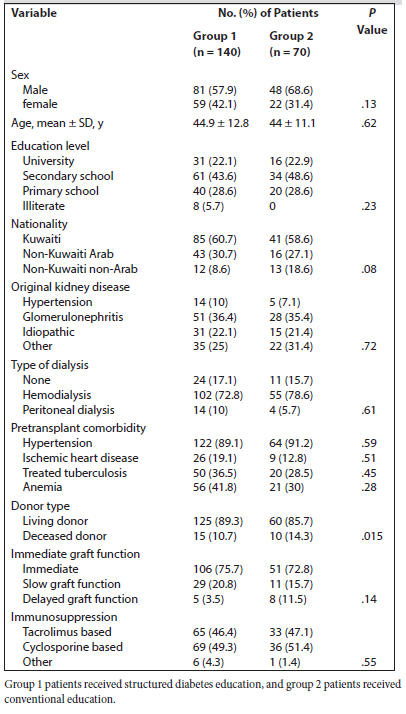
Table 1.Demographic Characteristics of Study Patients
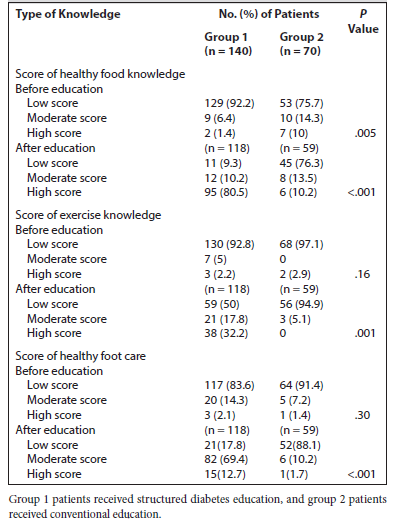
Table 2.Effect of Diabetes Education on Different Lifestyle Knowledge Among Study Patients
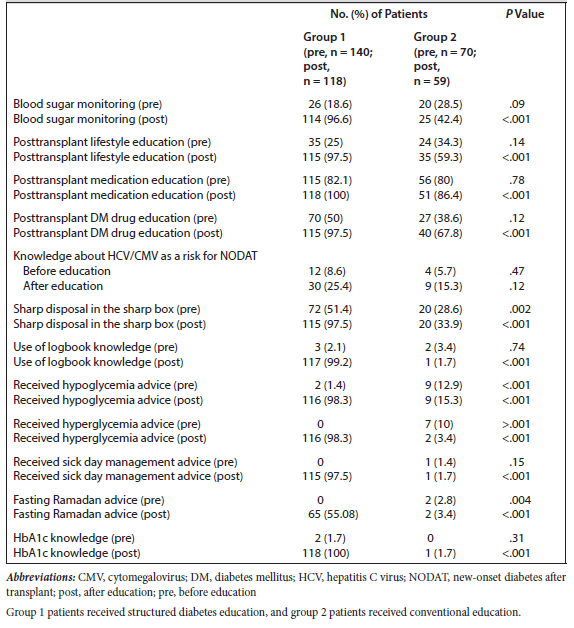
Table 3.Changes in Lifestyle Activities After Diabetes Education in Study Groups
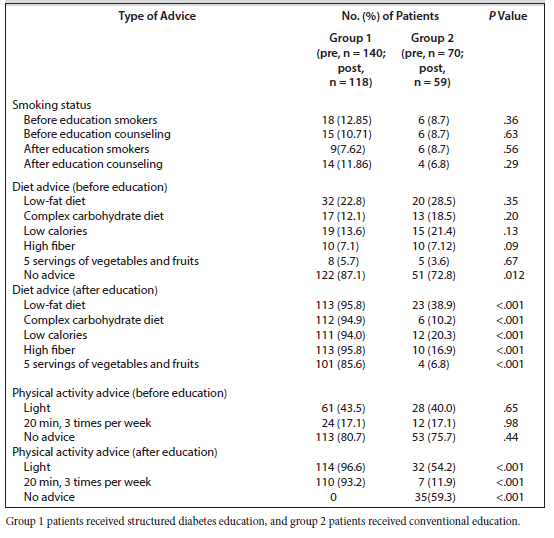
Table 4.Effect of Diabetes Education Regarding Different Lifestyle Parameters Among Study Patients
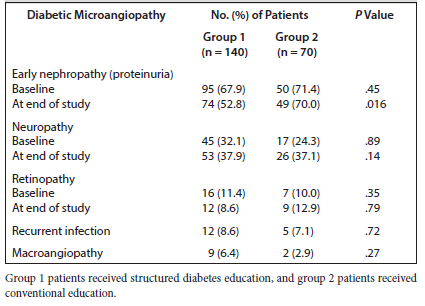
Table 5.Study Patients Who Developed Diabetic Microangiopathies
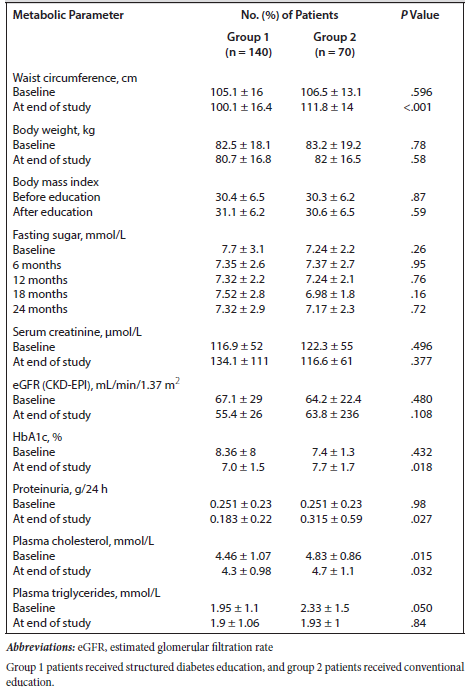
Table 6.Effect of Diabetes Education on Metabolic Control Parameters in Study Groups