Volume: 22 Issue: 1 January 2024 - Supplement - 1
FULL TEXT
Delayed Graft Function in Pediatric Kidney Transplant: Risk Factors and Outcomes
Objectives: We aimed to identify risk factors and outcomes of delayed graft function in pediatric kidney transplant.
Materials and Methods: This retrospective study included all kidney transplant recipients ≤19 years old followed up in our department for a period of 34 years, from January 1989 to December 2022.
Results: We included 113 kidney transplant recipients. Delayed graft function occurred in 17 cases (15%). Posttransplant red blood cell transfusion was strongly associated with delayed graft function (adjusted odds ratio = 23.91; 95% CI, 2.889-197.915). Use of allografts with multiple arteries and cold ischemia time >20 hours were risk factors for delayed graft function (adjusted odds ratio = 52.51 and 49.4; 95% CI, 2.576-1070.407 and 1.833-1334.204, respectively). Sex-matched transplants and living donors were protective factors for delayed graft function (adjusted odds ratio = 0.043 and 0.027; 95% CI, 0.005-0.344 and 0.003-0.247, respectively). Total HLA mismatches <3 played a protective role for delayed graft function (adjusted odds ratio = 0.114; 95% CI, 0.020-0.662), whereas transplant within compatible but different blood types increased the risk of delayed graft function (adjusted odds ratio = 20.54; 95% CI, 1.960-215.263). No significant correlation was shown between delayed graft function and allograft survival (P = .190). Our study suggested delayed graft function as a key factor in allograft rejection-free survival (adjusted odds ratio = 3.832; 95% CI, 1.186-12.377). Delayed graft function was a negative factor for early graft function; patients with delayed graft function had a lower estimated glomerular filtration rate at discharge (P = .024) and at 3 (P = .034), 6 (P = .019), and 12 months (P = .011) posttransplant.
Conclusions: Delayed graft function is a major determinant of early graft function and allograft rejection-free survival. Further research is required to establish proper preventive measures.
Key words : Allograft rejection, Allograft survival, Children, Kidney transplantation
Introduction
Kidney transplant (KT) is the optimal treatment for end-stage renal disease 1 because it improves the quality of life and is associated with a lower mortality compared with maintenance dialysis.2 However, KT is not without risks; recipients may encounter various posttransplant complications such as infections, rejection, or delayed graft function (DGF).3 These complications can adversely impact graft and patient survival. Delayed graft function is usually defined as the need for dialysis within 7 days after transplant.4 Risk factors and potential outcomes of DGF on allograft survival and rejection rates have long been studied in the adult population, and multiple prediction models for DGF occurrence have been proposed.5 However, available data concerning pediatric transplant remain limited to a few reports.
Materials and Methods
Ethics statement
This study was approved by the Ethics Committee of Charles Nicolle University Hospital and was conducted according to the principles of the Declaration of Helsinki.
Study population
We reviewed medical records of all KT recipients ≤19 years old for a period of 34 years, from January 1989 to December 2022. Exclusion criteria were early vascular thrombosis with a subsequent postoperative immediate loss of the graft (4 patients) and recipients with considerable missing data in their medical records (3 patients). After we applied exclusion criteria, 113 pediatric recipients were included in our study. All included patients were followed-up in our department, before and after transplant.
Pretransplant follow-up
The collected recipient data prior to KT included age, sex, primary kidney disease, duration and modality of renal replacement therapy, and residual urinary output, as well as medical history. Available donor data included donor type (deceased or living), age, and sex. For both donors and recipients, ABO groups and human leukocyte antigen (HLA) types were compared, and the number of HLA mismatches was calculated for each recipient.
Immunosuppression regimen and antibiotic prophylaxis
For induction therapy, polyclonal antithymocyte globulin was prescribed at a dose of 1.5 mg/kg daily in 109 cases for a duration of 5 to 10 days after KT. Corticosteroids were given to all recipients and were combined with an antimetabolite (azathioprine or mycophenolate mofetil). All patients received antibiotic prophylaxis, which consisted of intravenous cefazolin during the surgery.
Posttransplant follow-up
Immediate posttransplant follow-up included body temperature, blood pressure (BP), and hemodynamic close monitoring, as well as daily urine output quantification. The need for a posttransplant red blood cell transfusion was assessed according to the recipient’s hemoglobin level and hemodynamic status.
During posttransplant follow-up, allograft function was assessed daily during the first week and twice weekly during the first month after the KT, followed by once weekly for the next 3 months, once monthly for the subsequent 4 years, and then every 3 months. Allograft function was assessed by calculation of the estimated glomerular filtration rate (eGFR) according to the 2009 Schwartz equation.6 Data collected in each recipient’s post-KT follow-up included infectious complications, metabolic disturbances such as new onset diabetes after transplant, recipient’s hemoglobin level, and cardiovascular complications such as hypertension and rejection episodes. Infections were classified according to the causable pathogen (eg, cytomegalovirus, varicella-zoster virus) and the infection site (eg, gastrointestinal, pulmonary). All rejection episodes in our study were biopsy-proven acute rejections (BPAR).
Statistical analyses
We used SPSS software (version 22.0) for statistical analysis. P < .05 was considered statistically significant.
The baseline characteristics of the study cohort were expressed as the number of patients (and proportion), mean values (±SD), or median values (with IQR), according to the normality test for the given variable.
The assessment of DGF probable risk factors was made initially by univariate analysis followed by a binary logistic regression. Covariables included in multivariate analysis were variables with P < .2 in univariate analysis. The impact of DGF on overall graft survival was assessed with a Kaplan-Meier survival test, whereas DGF impact on rejection-free survival was evaluated by a Cox regression survival model. The evaluation of early graft function depending on the occurrence of DGF was made using a linear logistic regression. Results of multivariate analysis were expressed with adjusted odds ratio and 95% CI.
Results
A total of 113 KT recipients were included in our study. Recipients were predominately male sex, with a male-to-female sex ratio of 1.4 (66 vs 47). Sixty-six (58.4%) recipients were <16 years old. Among living donors (LD), only 1 donor was not related to the recipient. All deceased donors (DD) in this study were donors after brain death. Of 113 KT, DGF occurred in 17 cases (15%). Total study population characteristics are summarized in (Table 1), (Table 2), and (Table 3).
On univariate analysis, the evaluation of the relationship between DGF and the respective recipient’s characteristics including age, sex, and medical history did not show a significant correlation (Table 1). The associated risk factors for DGF included male sex of donor, KT within the same sex, and DD allografts (Table 2). The analysis of different immunosuppression induction therapy protocols on univariate analysis did not show a strong correlation with DGF. Among surgical features, the use of allografts with multiple arteries, cold ischemia time (CIT), and warm ischemia time (WIT) were strongly correlated with DGF (Table 3).
On multivariate analysis, male sex of donor was no longer statistically significant. Among donor characteristics, KT within different sex, the use of LD kidneys, and a total number of HLA mismatches less than 3 were protective factors for DGF. Factors associated with DGF on multivariate analysis are summarized in (Table 4).
The impact of DGF on allograft survival was assessed with the Kaplan-Meier survival model (Figure 1). We found no significant correlation between DGF occurrence and allograft survival (P = .190). On Cox regression, cytomegalovirus infection and DGF were the only 2 factors strongly associated with rejection-free survival.
Allograft function, expressed as eGFR, was significantly inferior in the DGF group in the short-term to medium-term posttransplant period (Figure 3). Mean eGFR at discharge was 57.39 ± 14.65 mL/min/1.73 m2 in the DGF group versus 75.23 ± 28.15 mL/min/1.73 m2 in the non-DGF group (P = .024). The evaluation of allograft eGFR at 3 months, 6 months, and 12 months posttransplant revealed respective mean values of 70.50 ± 24.19, 66.04 ± 19.28, and 65.76 ± 20.50 mL/min/1.73 m2 in the non-DGF group versus 58.04 ± 19.33, 53.66 ± 18.76, and 51.42 ± 14.41 mL/min/1.73 m2 in the DGF group, with P = .034 at 3 months, P = .019 at 6 months, and P = .011 at 12 months.
Discussion
Delayed graft function is a manifestation of acute kidney injury in renal transplant patients.7 The exact definition of DGF varies among different transplant centers. The most commonly used definition for DGF is an acute kidney injury that requires dialysis within 7 days of KT.8
Delayed graft function is a frequent complication in KT, with an incidence rate that varies widely among different countries and transplant centers in both the adult and pediatric populations.9 The incidence of DGF in the pediatric population is particularly variable over time. An analysis based on data from the US Scientific Registry of Transplant Recipients showed that the incidence of DGF in pediatric renal transplants performed from 1987 to 2012 decreased from 19.7% to 7.5 %.10
Despite the reduction in incidence rate, DGF remains a problematic complication in pediatric renal transplant because of different potential outcomes on the renal graft. A variety of center-driven and national registry-driven reports have been published on the multiple potential outcomes of DGF on the risk of rejection, early graft function, and overall graft survival.
The relationship between DGF and overall graft survival remains controversial. Damodaran and colleagues11 published a retrospective analysis of all KT performed from January 1, 2010, to August 2, 2018, which included 42 736 LD recipients. Delayed graft function occurred in 2.6% of cases. A Cox regression analysis showed that DGF was the greatest predictor of graft failure at 3 years, with an increased risk of 77%.11 In our study, DGF had a significant negative impact on posttransplant allograft function at 3 months, 6 months, and 12 months but did not alter the overall allograft survival.
Regarding DGF and rejection occurrence, a cohort study of 645 KT recipients conducted in Toronto, Canada, evaluated the association of DGF and BPAR in transplant recipients. The 1-year, 3-year, and 5-year cumulative probabilities of BPAR were significantly higher in the DGF group, with an adjusted hazard ratio for BPAR in DGF of 1.55 (95% CI,1.03-2.32) on multivariate analysis.12 In our study, DGF was a compromising factor on overall rejection-free survival (adjusted odds ratio = 3.832; 95% CI, 1.186-12.377).
Delayed graft function is essentially an acute kidney injury caused by ischemia-reperfusion trauma. Tissue deprivation of oxygen and nutrients leads to cellular swelling, intracellular lactic acidosis, cytoskeletal abnormalities, and cell stress.4 After reperfusion, the ischemic kidney receives reactive oxygen species and inflammatory cells that, paradoxically, can lead to further cell and tissue damage.13 Epithelial tubular cells and endothelial cells are particularly sensitive to ischemia, and the damage to these cells is proportional to the duration of the ischemia.14 The importance of CIT as a risk factor for DGF has been mentioned in many reports. Although Pieringer and Biesenbach did not detect a significant relationship between CIT and DGF, they reported a positive correlation between longer CIT and DGF.15 In a retrospective cohort of 154 adult DD KT recipients at Tepecik Training and Research Hospital in Turkey from 2000 to 2014, CIT >24 hours was noted as a significant independent predictor of DGF.16 In our study, a CIT cutoff value of >20 hours was significantly correlated with DGF occurrence. The correlation between WIT and DGF is less defined in the literature, as it is considered short and with little impact on allograft function. A WIT >45 minutes represents a risk factor for DGF.4 In our study, a WIT >40 minutes was a probable associated factor in univariate analysis, but there was no correlation found in multivariate regression.
In the case of DD with brain damage, renal ischemia due to systemic vasoconstriction of the donor may be present even before kidney removal.7 Brain death induces vascular tone perturbations governed by the sympathetic nervous system.7 Thus, KT recipients from DD with brain death are considered at higher risk for DGF. Results in our study were similar to the results that we found in our review of the literature, ie, kidneys from DD were strongly correlated to DGF in multivariate analysis.
Variation of the renal vascular anatomy has gained importance especially in pediatric KT.17 Multiple reports have assessed the effects of using allografts with multiple arteries on transplant outcomes, and the results are controversial. Unfortunately, few data are available to assess the effect of grafts with multiple renal arteries during pediatric KT. Kidneys with multiple arteries are common and exist in 20% to 30% of individuals (2 arteries in 22%, 2 in 1%-2%, and 4 in 0.1%).18 A retrospective cohort study was conducted at Rotterdam University Medical Center that included all LD adult KT patients from 2006 to 2013. Of 951 patients, 237 (25%) had vascular allograft multiplicity. Surgical time and WIT were significantly longer with arterial multiplicity allografts (5.1 vs 4.0 min and 202 vs 178 min, respectively). Outcomes of renal transplant recipients showed a higher rate of DGF (13.9% vs 6.9%) in patients who received a kidney with multiple arteries.18 In our study, we found that allografts with multiple arteries were strongly associated with DGF.
Posttransplant transfusion was a significant predictor of DGF occurrence in our study. This could be explained by recipients who require postoperative red blood cell transfusion having severe blood loss during transplant, thus exposing them to hypotension and anemia. Hypotension and anemia contribute to worsening ischemic and reperfusion injury in the allograft.
Recipient BP varies widely immediately after renal transplant, with patients experiencing both high and low BP levels.19 Because the blood flow autoregulation is poor in the kidney allograft,19 high pressures are directly translated to the graft endothelium, whereas hypoperfusion promotes ischemic injury. The relationship between DGF and BP control has been studied in multiple reports. Unfortunately, these studies have been restricted to adult populations. In a study that evaluated the effects of transoperative hemodynamic status and DGF in 42 consecutive adult renal transplants from May 2021 to May 2022 at a university hospital in Brazil, mean arterial pressure <80 mm Hg and systolic BP (SBP) <130 mmHg were both suggested to be independent risk factors for DGF.20 In a retrospective study from Thomas and colleagues19 of 276 patients who underwent primary deceased donor renal transplant, recipient BP was serially recorded before, during, and after reperfusion until 50 hours after surgery. That study suggested that patients with SBP >170 mm Hg were more likely to experience DGF.19 In our study, BP perioperative monitoring of recipients was not included due to lack of data. However, patients who presented with high BP in the early posttransplant period were more likely to experience DGF, but this difference was not statistically significant in multivariate analysis.
Among immunological factors evaluated in our study, donor-versus-receiver blood type disparity, sex-match disparity, and HLA mismatches were correlated with DGF occurrence. Although blood type disparity in KT was a risk factor for DGF, the sex-match disparity and a total number of HLA mismatches of less than 3 were protective factors in KT for DGF. It should be noted that, with new immunosuppression induction protocols and the impact of immunologically compatible but nonmatching features, DGF outcomes and allograft overall survival have been less described in recent reports.21
Other risk factors related to DGF in pediatric studies include donor/recipient body mass index disproportion and donor vascular instability.21 These factors were not included in our study due to a lack of data.
In adult populations, many scoring systems for DGF occurrence have been proposed since 2006, including the scoring system of Jeldres and colleagues22 and the DGF risk calculator of Irish and colleagues.23 Unfortunately, these scoring systems cannot be used in the pediatric population. At this point in time, present data concerning pediatric KT remain limited to small-size case series, which renders a prediction model for DGF in pediatric recipients impossible due to insufficient data.
Conclusions
Delayed graft function is a serious complication in pediatric KT. Further research is required on larger pediatric populations, which will help identify modifiable risk factors for DGF and also help create a prediction algorithm for DGF occurrence, all with the main objective to improve pediatric KT outcomes
References:
- Tonelli M, Wiebe N, Knoll G, et al. Systematic review: kidney transplantation compared with dialysis in clinically relevant outcomes. Am J Transplant. 2011;11(10):2093-2109. doi:10.1111/j.1600-6143.2011.03686.x
CrossRef - PubMed - Schnuelle P, Lorenz D, Trede M, Van Der Woude FJ. Impact of renal cadaveric transplantation on survival in end-stage renal failure: evidence for reduced mortality risk compared with hemodialysis during long-term follow-up. J Am Soc Nephrol. 1998;9(11):2135-2141. doi:10.1681/ASN.V9112135
CrossRef - PubMed - McDonald RA. Kidney transplantation in children: complications. In: Niaudet P, ed. UpToDate. Wolters Kluwer; January 3, 2022. https://www.uptodate.com/contents/kidney-transplantation-in-children-complications
- Ponticelli C, Reggiani F, Moroni G. Delayed graft function in kidney transplant: risk factors, consequences and prevention strategies. J Pers Med. 2022;12(10):1557. doi:10.3390/jpm12101557
CrossRef - PubMed - Michalak M, Wouters K, Fransen E, et al. Prediction of delayed graft function using different scoring algorithms: a single-center experience. World J Transplant. 2017;7(5):260-268. doi:10.5500/wjt.v7.i5.260
CrossRef - PubMed - Miliku K, Bakker H, Dorresteijn EM, et al. Childhood estimates of glomerular filtration rate based on creatinine and cystatin C: importance of body composition. Am J Nephrol. 2017;45(4):320-326. doi:10.1159/000463395
CrossRef - PubMed - Siedlecki A, Irish W, Brennan DC. Delayed graft function in the kidney transplant. Am J Transplant. 2011;11(11):2279-2296. doi:10.1111/j.1600-6143.2011.03754.x
CrossRef - PubMed - US Food and Drug Administration. Delayed graft function in kidneytransplantation. March 2017. https://www.fda.gov/media/103928/download
- Almisfer AK, Qasim SS, Alqahtani MA, et al. Incidence rate and predictors of delayed graft function among adult kidney transplant recipients at a tertiary care hospital in Riyadh, Saudi Arabia. Cureus. 2021;13(5):e14985. doi:10.7759/cureus.14985
CrossRef - PubMed - Van Arendonk KJ, Boyarsky BJ, Orandi BJ, et al. National trends over 25 years in pediatric kidney transplant outcomes. Pediatrics. 2014;133(4):594-601. doi:10.1542/peds.2013-2775
CrossRef - PubMed - Damodaran S, Bullock B, Ekwenna O, et al. Risk factors for delayed graft function and their impact on graft outcomes in live donor kidney transplantation. Int Urol Nephrol. 2021;53(3):439-446. doi:10.1007/s11255-020-02687-5
CrossRef - PubMed - Wu WK, Famure O, Li Y, Kim SJ. Delayed graft function and the risk of acute rejection in the modern era of kidney transplantation. Kidney Int. 2015;88(4):851-858. doi:10.1038/ki.2015.190
CrossRef - PubMed - Zhao H, Alam A, Soo AP, George AJT, Ma D. Ischemia-reperfusion injury reduces long term renal graft survival: mechanism and beyond. EBioMedicine. 2018;28:31-42. doi:10.1016/j.ebiom.2018.01.025
CrossRef - PubMed - Sharfuddin A, Molitoris B. Endothelial cell injury. In: Vincent JL, Hall JB, eds. Encyclopedia of Intensive Care Medicine. Springer; 2012:859-862. doi:10.1007/978-3-642-00418-6_282.
CrossRef - PubMed - Pieringer H, Biesenbach G. Risk factors for delayed kidney function and impact of delayed function on patient and graft survival in adult graft recipients. Clin Transplant. 2005;19(3):391-398. doi:10.1111/j.1399-0012.2005.00360.x
CrossRef - PubMed - Sert I, Colak H, Tugmen C, Dogan SM, Karaca C. The effect of cold ischemia time on delayed graft function and acute rejection in kidney transplantation. Saudi J Kidney Dis Transpl. 2014;25(5):960-966. doi:10.4103/1319-2442.139865
CrossRef - PubMed - Wondmagegn H, Gebremickael A, George M, et al. Does a renal vascular variation in the renal allograft determine the outcome of renal transplantation? Experience from the National Kidney Transplantation Center, Ethiopia. Clin Audit. 2022;14:9-17. doi:10.2147/CA.S347743.
CrossRef - PubMed - Pradhay G, Gopidas GS, Karumathil Pullara S, et al. Prevalence and relevance of multiple renal arteries: a radioanatomical perspective. Cureus. 2021;13(10):e18957. doi:10.7759/cureus.18957
CrossRef - PubMed - Thomas MC, Mathew TH, Russ GR, Rao MM, Moran J. Perioperative blood pressure control, delayed graft function, and acute rejection after renal transplantation. Transplantation. 2003;75(12):1989-1995. doi:10.1097/01.TP.0000058747.47027.44
CrossRef - PubMed - Pimpao BF, Hokazono SR, Ruani TO, Santos VB, Meyer F, Fraga R. Transoperative hemodynamic status and delayed graft function: analysis of 42 consecutive renal transplantation. Braz J Transplant. 2023;26:e1523. doi:10.53855/bjt.v26i1.494_ENG
CrossRef - PubMed - Grenda R. Delayed graft function and its management in children. Pediatr Nephrol. 2017;32(7):1157-1167. doi:10.1007/s00467-016-3528-9
CrossRef - PubMed - Jeldres C, Cardinal H, Duclos A, et al. Prediction of delayed graft function after renal transplantation. Can Urol Assoc J. 2009;3(5):377-382. doi:10.5489/cuaj.1147
CrossRef - PubMed - Irish WD, Ilsley JN, Schnitzler MA, Feng S, Brennan DC. A risk prediction model for delayed graft function in the current era of deceased donor renal transplantation. Am J Transplant. 2010;10(10):2279-2286. doi:10.1111/j.1600-6143.2010.03179.x
CrossRef - PubMed

Volume : 22
Issue : 1
Pages : 110 - 117
DOI : 10.6002/ect.MESOT2023.O20
From the 1Pediatric Nephrology Department, Charles Nicolle Hospital; the 2National Center for the Promotion of Organ Transplantation; and the 3University of Tunis El Manar, Faculty of Medicine of Tunis, Tunis, Tunisia
Acknowledgements: The authors have not received any funding or grants in support of the presented research or for the preparation of this work and have no declarations of potential conflicts of interest.
Corresponding author: Abir Boussetta, Pediatric Nephrology Department, Charles Nicolle hospital, Tunis, Tunisia
E-mail: abir.bousetta@gmail.com

Table 1.Recipient Characteristics

Table 2.Donor Characteristics
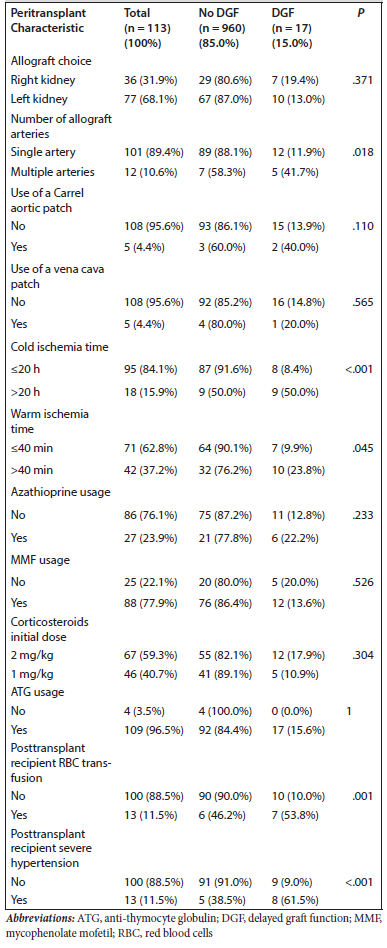
Table 3.Peritransplant Characteristics
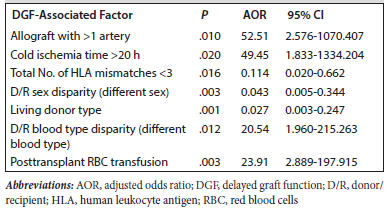
Table 4.Factors Associated With Delayed Graft Function in Pediatric Kidney Recipients

Figure 1.Kaplan-Meier Allograft Survival Curve Depending on Delayed Graft Function Occurrence

Figure 2.Cox Regression Rejection-Fee Survival Curve Depending on Delayed Graft Function Occurrence
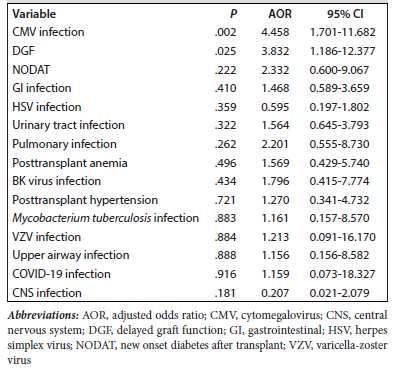
Table 5.Cox Regression Analyses for Rejection-Free Survival

Figure 3.Early Posttransplant Allograft Estimated Glomerular Filtration Rate Depending on Delayed Graft Function Occurrence