Volume: 17 Issue: 1 February 2019
FULL TEXT
Objectives: An optimal initial graft function after living-donor liver transplant depends on optimal graft hemodynamics. Nonmechanical impediments to free hepatic venous outflow, due to elevated central venous pressure, may obstruct the "functional" hepatic venous outflow. Here, we evaluated whether central venous pressure affected early graft function and outcomes in adult living-donor liver transplant recipients.
Materials and Methods: This prospective observational study included 61 living-donor liver transplant recipients without technical complications who received transplants from August 2013 to November 2014. Hemodynamic variables were measured preoperatively, at anhepatic phase, 30 minutes postreperfusion, at end of surgery, and during postoperative days 1-5.
Results: Patients with high central venous pressure showed functional hepatic venous outflow obstruction, which caused delayed recovery of graft function. Although postoperative central venous pressure was the only identified independent risk factor for mortality, all 5 deaths in our study group occurred in those who had high central venous pressure at the anhepatic, postreperfusion, end of surgery, and postoperative phases. A postoperative central venous pressure value of ~11 mm Hg was determined to be the cutoff for high-risk mortality, with area under the curve of 0.859 (sensitivity of 80%, specificity of 68%). Increased central venous pressure was associated with increased portal venous pressure (increase of 45%, range, 28%-89%; P = .001). Central venous pressure at end of surgery (r = 0.45, P ≤ .001) and at posttransplant time points (r = 0.29, P = .02) correlated well with portal venous pressure at end of surgery. Other risk factors for early allograft dysfunction were Model for End-Stage Liver Disease and cardiac output post-transplant.
Conclusions: High central venous pressure, modulating portal venous pressure, can result in functional hepatic venous outflow obstruction, causing delayed graft function recovery and increased risk of mortality. Maintaining a central venous pressure below 11 mm Hg is beneficial.
Key words : Central venous pressure, Endotoxemia, Graft dysfunction, Mortality, Portal venous pressure
Introduction
Optimal initial graft function after living-donor liver transplant (LDLT) depends on graft hemodynamics, which is influenced by inflow, outflow, and graft-related factors such as graft recipient weight ratio and compliance.1,2 Consensus regarding the ideal hemodynamic goals during liver transplant or post-operatively is mixed. How mechanical components of inflow and outflow affect graft outcomes has been well studied, and a number of technical refinements such as venoplasty and inflow modulation have been suggested to optimize these.1,3,4 Studies have revealed that preservation of functional liver mass and prevention of an outflow obstruction are essential to prevent small-for-size syndrome in size-reduced livers.5 Outflow obstruction in the form of middle hepatic venous occlusion has also been identified as an independent predictor of mortality.6 However, one other important factor that might impede blood outflow from the transplanted liver is high central venous pressure (CVP), which may potentially jeopardize graft function even in the absence of any mechanical outflow obstruction.1 This nonmechanical impediment to free hepatic venous outflow from a high caval pressure may be conceptualized as "functional" hepatic venous outflow obstruction.
Maintaining a low CVP during the dissection phase has advantages in terms of blood loss7,8 but may result in worse renal outcomes and mortality during the first 30 days posttransplant.9 There are limited data on the effects of functional hepatic venous outflow obstruction due to elevated CVP and graft dysfunction after partial liver transplant. Most studies are retrospective and restricted to the dissection phase or posttransplant phase during orthotopic liver transplant.7-10 Here, we evaluated the effects of CVP during surgery and in the early postoperative period on early graft function and outcomes in the setting of adult LDLT.
Materials and Methods
This prospective observational study was done at the Department of Hepato Pancreato Biliary Surgery and Liver Transplantation, Institute of Liver and Biliary Sciences (New Delhi, India). The study was approved by the ethics committee of the institute before start of study, and the protocols conformed to the ethical guidelines of the 1975 Helsinki Declaration. Informed written consent was obtained from all participants. From August 2013 to November 2014, 72 adult patients underwent LDLT. Our study exclusion criteria included any patients with technical complications in the form of anatomic venous inflow or outflow obstruction, biliary leak, vascular complications like hepatic arterial stenosis or thrombosis, and acute rejection in the first week after surgery. Sixty-one adult LDLT patients had no technical complications during this period (56 patients with modified right lobe graft with reconstruction of segment 5 and 8 veins and 5 patients with left lobe graft with middle hepatic vein) and were included in the study. Six patients had been excluded because of biliary leak, 2 because of hepatic artery thrombosis, 1 because of portal venous thrombosis, 1 because of portal venous stenosis, and 1 because of hepatic venous outflow obstruction. All patients underwent thorough preoperative cardiology work-up as a part of the transplant evaluation. Any patients with severe systolic or diastolic dysfunction and severe coronary artery disease were contraindicated for surgery.
A central venous catheter (4 lumen catheter; Vygon, Swindon, UK) and a radial arterial line (left forearm) were inserted in all patients at time of induction of anesthesia, and a FloTrac sensor system (Edwards Lifesciences, Irvine, CA, USA) was connected to the arterial line. The central line tip was kept at the junction between the right atrium and superior vena cava.
The following hemodynamic parameters were obtained with a 5-second interval from the FloTrac sensor monitor: cardiac output (CO), stroke volume, systemic vascular resistance (SVR), CVP, mean systemic arterial pressure, and stroke volume variance (SVV). The FloTrac sensor was positioned at the mid-axillary line and was zeroed to atmospheric pressure. All hemodynamic parameters were recorded until the FloTrac sensor system and the central venous line were removed. A pulmonary catheter was used occasionally for high-risk cases. The FloTrac system was removed once the patient was extubated.
Portal hemodynamics were measured with the Toshiba Xario (Otawara-shi, Tochigi-ken, Japan) as per our protocol: 3- to 5-MHz curvilinear probe at baseline (1 day before surgery), during the intra-operative period after arterial anastomosis, and during the postoperative period (twice a day during week 1, once daily during week 2, and then as required and before discharge). Hepatic arterial flow with waveforms, hepatic artery resistive index, portal venous peak and mean systolic velocity with waveforms, portal blood flow, and hepatic vein waveform were recorded during the corresponding time periods. Portal venous pressure (PVP) was recorded by direct puncture of the main portal vein using a 25-gauge needle at the beginning of hilar dissection during the early part of surgery and after arterial anastomosis.
Central venous pressure and all systemic hemo-dynamic parameter measurements were taken at various time intervals: at induction of anesthesia, at the anhepatic phase, after 30 minutes of reperfusion, at end of surgery, and during the first 5 postoperative days. Central venous pressure and all hemodynamic parameters were recorded after 15 minutes of static period in the supine position (15 minutes after any change in ventilatory parameters, vasopressor infusion, position, and manipulation of liver or inferior vena cava). The average hourly CVP and other systemic hemodynamic measurements (over 24 h) were taken as representative CVP and systemic hemodynamic parameters of each postoperative day. To calculate the postoperative hemodynamic variables during the postoperative period, we used the mean systemic hemodynamic parameter and central venous pressure values during the first 5 postoperative days. These calculated means were used as the postoperative hemodynamic variables for statistical analysis.
Fluid management was based on target SVV < 10% during the intraoperative period and the postoperative period until the patient was extubated. Transfusion of blood products was at the discretion of the surgeon based on thromboelastography, hemoglobin level, platelet count, international normalized ratio (INR), and status of the surgical field. Once the patient was extubated, maintenance fluid was started at 2 mL/kg/h using crystalloids, and half of the drained output was replaced with colloids. Infusion of 20% albumin at 10 mL/h was continued until serum albumin levels were greater than 3 g/dL. Intravenous fluids were tapered once oral intake was established. A triple drug immunosuppressant regimen with tacrolimus, mycophenolate mofetil, and steroids was our standard protocol.
The primary outcome measurement was graft function in the first week after liver transplant, as assessed by the serial change in blood levels of lactate, bilirubin, aspartate aminotransferase, alanine aminotransferase, serum alkaline phosphatase, gamma glutamyltransferase, prothrombin time/INR, creatinine level, and platelet count. Complications were reported as per the Clavien-Dindo classification system.11 Early allograft dysfunction (EAD) was defined as per the Olthoff criteria (peak values of aminotransferases > 2000 IU/mL during week 1 or prothrombin time > 16 seconds [INR > 1.6] or bilirubin ≥ 10 mg/dL at day 7).12
Statistical analyses
Statistical analyses were performed with SPSS software (SPSS: An IBM Company,
version 20, IBM Corporation, Armonk, NY, USA). We used t test and the
Mann-Whitney U test as appropriate for contin-uous variables, whereas we
analyzed categorical variables with chi-square or the Fisher test. The change
happening over time was seen using repeated measure analysis of variance.
Correlations were done using Pearson/Spearman correlation tests. Multivariate
analysis was done using forward stepwise logistic regression technique for
identifying risk factors for mortality and EAD. We conducted linear regression
analysis to find the effects of CVP on PVP. Receiver operating characteristic
curve analysis was used for identifying the appropriate cutoff of CVP for
predicting mortality; the Model for End-Stage Liver Disease (MELD) and cardiac
output (CO) were used to predict EAD postoperatively.
A 2-tailed P value of less than 0.05 was considered significant.
Results
Of the 61 patients, 50 had chronic liver disease (26 were alcohol related, 9 were cryptogenic, 1 due to autoimmune disease, 5 had hepatitis B virus, 3 had hepatitis C virus, 1 had primary sclerosing cholangitis, 3 had primary biliary cirrhosis, 1 had hepatic venous outflow tract obstruction, and 1 had Wilson disease). Of the remaining 61 patients, 3 had acute liver failure (1 due to hepatitis B virus, 1 due to hepatitis E virus, and 1 due to cryptogenic disease) and 8 had acute or chronic liver failure. Cause of acute liver failure was alcohol related in 4 patients, cryptogenic disease in 1 patient, hepatitis B virus in 2 patients, and hepatitis A virus in 1 patient. Cause of chronic liver failure was alcohol related in 6 patients, autoimmune disease in 1 patient, and cryptogenic disease in 1 patient. Patients were stratified into 2 groups based on the CVP, with 10 mm Hg as the cutoff. Patient demographics are shown in Tables 1, 2, and 3.
In the anhepatic phase (Tables 1, 2, and 3), there were 31 patients in > 10 mm Hg CVP group (high CVP group) and 30 patients in ≤ 10 mm Hg CVP group (normal CVP group). Among the intraoperative variables, CVP at the reperfusion phase continued to be higher in the high CVP group. All 5 mortalities were in the high CVP group in the anhepatic phase (P = .05). We found no significant differences in morbidities or recovery patterns of liver function tests.
At the reperfusion phase, there were 42 patients in the > 10 mm Hg CVP group and 19 patients in the ≤ 10 mm Hg CVP group (Tables 1, 2, and 3). We observed a delayed recovery of transaminases in the high CVP group (Table 3). All 5 mortalities were in the high CVP group in the reperfusion phase.
At end of surgery, there were 33 patients in the > 10 mm Hg CVP and 28 patients in the ≤ 10 mm Hg groups. The PVP was elevated at end of surgery in the > 10 mm Hg CVP group (20 vs 17 mm Hg; P = .003). We found no significant differences in the recovery patterns of liver function tests between the groups (Tables 1, 2, and 3).
During the postoperative period, there were 26 patients in the > 10 mm Hg CVP group and 35 in the ≤ 10 mm Hg CVP group (Tables 1, 2, and 3). The high postoperative CVP group had a significantly higher incidence of preoperative spontaneous bacterial peritonitis (SBP) and a higher baseline PVP. This group also had a significantly higher serum lactate level measured at the anhepatic phase, the reperfusion phase, end of surgery, and 4 hours after surgery. All 5 mortalities occurred in the high CVP group in the postoperative period (P = .01; Table 3 and Figure 1). Among the infective complications, the high CVP group had more positive drain cultures (P = .003, odds ratio of 15.1).
Elevated CVP measurements at various time intervals (reperfusion phase and end of surgery) in the > 10 mm Hg postoperative CVP group were statis-tically significant. There were statistically significant delayed recovery patterns of serum aspartate amino-transferase, alanine aminotransferase, serum alkaline phosphatase, gamma glutamyltransferase, and lactate in the high postoperative CVP group (Figure 2).
We found no significant correlations between CVP and PVP at the beginning of surgery (Table 4, Figure 3). However, CVP at end of surgery (r = 0.45, P≤ .001) and in the postoperative period (r = 0.29, P = .02) correlated well with end PVP level (Figure 3). In addition, we found no statistically significant correlation between baseline PVP and PVP at the end of surgery (r = 0.116, P = .373). On linear regression analysis, we found that, for each 1-unit increase in CVP, there was an increase of PVP by 0.45 units (range, 0.28-0.89; P = .001). Correlations between various hemodynamic parameters are summarized in Table 4.
As per the definition, 36% of patients developed biochemical evidence of EAD. On multivariate analysis, preoperative MELD status and CO at end of surgery were found to be significant predictors of EAD. Receiver operating curve analysis revealed cutoff of 21.5 (~22) for MELD in predicting EAD with sensitivity of 71.4% and specificity of 59% (area under the curve of 0.710; Figure 4) and 7.9 L/min for cardiac output at the end of surgery (sensitivity of 67%, specificity of 64%, area under the curve of 0.663; Figure 4). The 30-day mortality was 8.2% (5 patients). On univariate analysis, CVP at postoperative phase, body mass index, peak lactate in the postoperative period, and drain culture positivity were significant predictors of mortality (Table 5). However, on multivariate analysis, only elevated CVP at the postoperative period was found to be significant (Table 6). Patients who died had a higher CVP at all stages of transplant surgery and during the first 5 postoperative days. A CVP value of 10.8 mm Hg (~11 mm Hg) was the best cutoff for high risk of mortality (area under the curve of 0.859, sensitivity of 80%, and specificity of 68%; Figure 4).
Discussion
The present study is the first prospective study to assess the effects of nonmechanical impediments to free hepatic venous outflow, in the form of elevated CVP, on early graft function recovery and mortality in LDLT. The strength of this study is the objective standardized measurement of all systemic and hepatic hemodynamic data recorded at fixed time periods. A key finding of this study is that a high postoperative CVP, irrespective of MELD and graft recipient weight ratio, correlated with mortality and delayed graft function recovery in LDLT. Although only an elevated postoperative CVP was identified as an independent risk factor for mortality, it is noteworthy that all 5 mortalities occurred in the high CVP groups at all 4 time intervals (anhepatic phase, reperfusion phase, end of surgery, and postoperative period).
The vena cava, the hepatic veins, the sinusoids, and the portal venous branches are valveless and effectively conduct a stream of blood driven by pressure gradients. Evidence from experimental and clinical studies has shown that the pressure in the central veins is transmitted upstream.13-15 In canine models, Laine and associates showed that, during acute central venous hypertension, 90% of inferior vena cava pressure is transmitted to hepatic sinusoids and lymph flow is increased by 49% with every mm Hg increment in caval pressure.13 In a deceased-donor liver transplant setting, Sainz Barriga and associates showed that, when CVP was maintained at a median of 8 (interquartile range, 6-10), a 58% increase in CVP was found to be transmitted to the PVP and modulated it.16 Our data are in agreement with these reports. For a 1-unit rise in CVP, we found PVP to increase by 0.45 units. After LDLT, there is a significant positive correlation of CVP with PVP on postoperative day 1.17
High CVP can lead to functional hepatic venous outflow obstruction, thereby leading to elevated PVP, which was seen after the reperfusion phase. All patients had triphasic outflow, thus ruling out mechanical outflow obstruction as a cause of high PVP. There is ample evidence in the literature that bacterial translocation is an important pathogenic mechanism for the development of spontaneous infections and bacteremia in patients with elevated portal pressure.17-19 Ito and associates showed that postoperative day 1 CVP correlated with PVP (P = .0165) and that patients with elevated PVP early in the first week (days 0-4) had worse survival outcomes (84.5% vs 38.5%; P < .01).17 Moreover, elevated PVP early in the first postoperative week displayed strong association with increased incidence of bacteremia (~64%), with a trend of increased mortality in the high PVP group (62.5% vs 28.5%; P = not significant).17 In their series, Ben-Haim and associates had 5 early mortalities due to sepsis among 40 posttransplant patients, of which 3 patients had infected ascites as cause for sepsis (2 patients developed EAD due to sepsis from infected ascites, with 1 having normal graft function with infected ascites).20 However, the hemodynamic data were not discussed in the study. In the present study, 3 patients who died (all with elevated postoperative CVP) showed gram-negative bacteria on abdominal drain culture during the first week. One recent study reported that endotoxemia occurs immediately after the Pringle maneuver in cirrhotic rats and gut bacteria translocation occurs 24 hours later.19 The incidence of gut bacterial translocation increases with the duration of Pringle maneuver due to elevated portal pressure. Another recent meta-analysis reported that giving patients a combination of probiotics and prebiotics before, or on the day of, liver transplant reduces the rate of infection after surgery, probably by reducing bacterial translocation and endotoxemia.21 The positive correlation of a high CVP after reperfusion with PVP again strengthens our hypothesis that elevated CVP is transmitted to the portal vein, thereby causing increased bacterial translocation and endotoxemia with increased septic complications, even in the absence of any associated active focus of infection. Four of 5 patients who died in our study had mortality because of sepsis with no noticeable focus of sepsis such as intra-abdominal collection, bile leak or hematoma formation, and chest sepsis.
Of the patient population in this study, 36% developed biochemical evidence of EAD. On multivariate analysis, high preoperative MELD and elevated cardiac output at the end of surgery were found to be significant predictors of EAD. A hyperdynamic circulation with raised CO and low SVR is known to persist for a variable period after liver transplant.22,23 A high end-operative CO is a risk factor for EAD, as corroborated by our data. The raised CO or the persistence of hyperdynamic circulation may be a marker of the severity of the preoperative hemodynamic dysfunction or an effect of increased endotoxemia, which can occur in the anhepatic phase.24-27 The fall in CO and rise in SVR in the postoperative period are consistent with other reports.22 In an analyses of the Scientific Registry of Transplant Recipients, reduced renal function and greater serum bilirubin resulted in higher odds ratio for development of graft dysfunction. This shows the importance of MELD as a useful predictor of graft dysfunction.28 Olthoff and associates12 have reported that high MELD is a major risk factor for EAD, with a cutoff of 22 (71% sensitivity and 59% specificity) for predicting EAD, similar to our results.
A low CVP (< 5 mm Hg) may also have its own downside. Although a low CVP may reduce blood loss, transfusion requirements, and pulmonary complications, there is a trade-off in terms of renal dysfunction and mortality.7-9,29 On the other hand, our data suggest that a postoperative CVP of > 11 mm Hg may be detrimental. The profiles of patients who had a high postoperative CVP differed in 3 key areas: severity of the baseline portal hypertension, the incidence of preoperative SBP, and the volume of crystalloids received intraoperatively. The high postoperative period CVP group included patients who had significant portal hypertension (median baseline PVP of 31 vs 29 mm Hg; P = .03) and a significantly higher incidence of SBP (47.8% vs 20%; P = .04) before surgery. Although the degree of portal hypertension and the incidence of SBP do not often lend themselves to intervention by the time the patient has the transplant, the volume of fluid administered may be amenable to modification. In a recent randomized controlled trial, Sahmeddini and associates found a statistically significant elevated CVP at all stages of liver transplant (hepatectomy, anhepatic, and neohepatic phases) with nonrestricted fluid administration (normal saline rate of 10 mL/kg/h) compared with a restricted fluid group (normal saline rate of 5 mL/kg/h).30 In the present study, we also observed that the use of intraoperative crystalloids was significantly higher (11.5 vs 10 L; P = .023) in the high postoperative CVP group. Restricted intraoperative crystalloid usage may be helpful in decreasing the detrimental effects of high CVP in the postoperative period. Yassen and associates showed that CVP-guided fluid infusion after liver transplant was found to be a safe and effective alternative to more logistically demanding techniques like stroke volume and right ventricular end diastolic volume-based intraoperative fluid management.31 Our finding of an inverse correlation between CVP and SVV corroborates this (anhepatic phase showed r = -0.256, P = .046; postoperative period showed r = -0.278, P = .03).
Based on the current study, we suggest main-taining a CVP < 11 mm Hg in the postoperative period. Our unit has adopted the policy of restricting fluid in the immediate perioperative period with an early initiation of enteral feeding (nasogastric/ nasojejunal) within hours after surgery once vasopressors are tapered. A complete switch to total enteral feeding is achieved within 72 hours after surgery.
In summary, CVP appears to be an acceptable marker of volume status in the perioperative period in LDLT, as it correlates well with PVP and SVV. A high CVP by causing a rise in PVP results in a functional hepatic outflow obstruction, which is detrimental to liver graft function recovery and is associated with an increased risk of sepsis and mortality. Maintaining a CVP below 11 mm Hg is beneficial.
References:
- Marcos A, Orloff M, Mieles L, Olzinski AT, Renz JF, Sitzmann JV. Functional venous anatomy for right-lobe grafting and techniques to optimize outflow. Liver Transpl. 2001;7(10):845-852.
CrossRef - PubMed - Yagi S, Iida T, Hori T, et al. Optimal portal venous circulation for liver graft function after living-donor liver transplantation. Transplantation. 2006;81(3):373-378.
CrossRef - PubMed - Yagi S, Uemoto S. Small-for-size syndrome in living donor liver transplantation. Hepatobiliary Pancreat Dis Int. 2012;11(6):570-576.
CrossRef - PubMed - Campos BD, Botha JF. Strategies to optimize donor safety with smaller grafts for adult-to-adult living donor liver transplantation. Curr Opin Organ Transplant. 2012;17(3):230-234.
CrossRef - PubMed - Dahmen U, Madrahimov N, Madrahimova F, Ji Y, Schenk A, Dirsch O. Small-for-size syndrome in the rat: does size or technique matter? J Surg Res. 2008;149(1):15-26.
CrossRef - PubMed - Fan ST, Lo CM, Liu CL, Yong BH, Wong J. Determinants of hospital mortality of adult recipients of right lobe live donor liver transplantation. Ann Surg. 2003;238(6):864-869; discussion 869-870.
CrossRef - PubMed - Massicotte L, Lenis S, Thibeault L, Sassine MP, Seal RF, Roy A. Effect of low central venous pressure and phlebotomy on blood product transfusion requirements during liver transplantations. Liver Transpl. 2006;12(1):117-123.
CrossRef - PubMed - Feng ZY, Xu X, Zhu SM, Bein B, Zheng SS. Effects of low central venous pressure during preanhepatic phase on blood loss and liver and renal function in liver transplantation. World J Surg. 2010;34(8):1864-1873.
CrossRef - PubMed - Schroeder RA, Collins BH, Tuttle-Newhall E, et al. Intraoperative fluid management during orthotopic liver transplantation. J Cardiothorac Vasc Anesth. 2004;18(4):438-441.
CrossRef - PubMed - Cywinski JB, Mascha E, You J, et al. Central venous pressure during the post-anhepatic phase is not associated with early postoperative outcomes following orthotopic liver transplantation. Minerva Anestesiol. 2010;76(10):795-804.
PubMed - Dindo D, Demartines N, Clavien PA. Classification of surgical complications: a new proposal with evaluation in a cohort of 6336 patients and results of a survey. Ann Surg. 2004;240(2):205-213.
CrossRef - PubMed - Olthoff KM, Kulik L, Samstein B, et al. Validation of a current definition of early allograft dysfunction in liver transplant recipients and analysis of risk factors. Liver Transpl. 2010;16(8):943-949.
CrossRef - PubMed - Laine GA, Hall JT, Laine SH, Granger J. Transsinusoidal fluid dynamics in canine liver during venous hypertension. Circ Res. 1979;45(3):317-323.
CrossRef - PubMed - Greenway CV, Lautt WW. Distensibility of hepatic venous resistance sites and consequences on portal pressure. Am J Physiol. 1988;254(3 Pt 2):H452-458.
PubMed - Lautt WW, Greenway CV. Conceptual review of the hepatic vascular bed. Hepatology. 1987;7(5):952-963.
CrossRef - PubMed - Sainz-Barriga M, Scudeller L, Costa MG, de Hemptinne B, Troisi RI. Lack of a correlation between portal vein flow and pressure: toward a shared interpretation of hemodynamic stress governing inflow modulation in liver transplantation. Liver Transpl. 2011;17(7):836-848.
CrossRef - PubMed - Ito T, Kiuchi T, Yamamoto H, et al. Changes in portal venous pressure in the early phase after living donor liver transplantation: pathogenesis and clinical implications. Transplantation. 2003;75(8):1313-1317.
CrossRef - PubMed - Bellot P, Frances R, Such J. Pathological bacterial translocation in cirrhosis: pathophysiology, diagnosis and clinical implications. Liver Int. 2013;33(1):31-39.
CrossRef - PubMed - Su Y, Pan H, Guo Z, Zhou W, Zhang B. Bacterial translocation and endotoxemia after Pringle maneuver in cirrhotic rats. Dig Dis Sci. 2015;60(2):414-419.
CrossRef - PubMed - Ben-Haim M, Emre S, Fishbein TM, et al. Critical graft size in adult-to-adult living donor liver transplantation: impact of the recipient's disease. Liver Transpl. 2001;7(11):948-953.
CrossRef - PubMed - Sawas T, Al Halabi S, Hernaez R, Carey WD, Cho WK. Patients receiving prebiotics and probiotics before liver transplantation develop fewer infections than controls: a systematic review and meta-analysis. Clin Gastroenterol Hepatol. 2015;13(9):1567-1574.e3; quiz e1143-1564.
CrossRef - PubMed - Henderson JM, Mackay GJ, Hooks M, et al. High cardiac output of advanced liver disease persists after orthotopic liver transplantation. Hepatology. 1992;15(2):258-262.
CrossRef - PubMed - Glauser FL. Systemic hemodynamic and cardiac function changes in patients undergoing orthotopic liver transplantation. Chest. 1990;98(5):1210-1215.
CrossRef - PubMed - Fukui H. Gut-liver axis in liver cirrhosis: How to manage leaky gut and endotoxemia. World J Hepatol. 2015;7(3):425-442.
CrossRef - PubMed - Lin RS, Lee FY, Lee SD, et al. Endotoxemia in patients with chronic liver diseases: relationship to severity of liver diseases, presence of esophageal varices, and hyperdynamic circulation. J Hepatol. 1995;22(2):165-172.
CrossRef - PubMed - Miyata T, Yokoyama I, Todo S, Tzakis A, Selby R, Starzl TE. Endotoxaemia, pulmonary complications, and thrombocytopenia in liver transplantation. Lancet. 1989;2(8656):189-191.
CrossRef - PubMed - Yokoyama I, Todo S, Miyata T, Selby R, Tzakis AG, Starzl TE. Endotoxemia and human liver transplantation. Transplant Proc. 1989;21(5):3833-3841.
PubMed - Johnson SR, Alexopoulos S, Curry M, Hanto DW. Primary nonfunction (PNF) in the MELD era: an SRTR database analysis. Am J Transplant. 2007;7(4):1003-1009.
CrossRef - PubMed - Wang B, He HK, Cheng B, Wei K, Min S. Effect of low central venous pressure on postoperative pulmonary complications in patients undergoing liver transplantation. Surg Today. 2013;43(7):777-781.
CrossRef - PubMed - Sahmeddini MA, Janatmakan F, Khosravi MB, et al. Restricted crystalloid fluid therapy during orthotopic liver transplant surgery and its effect on respiratory and renal insufficiency in the early post-operative period: a randomized clinical trial. Int J Organ Transplant Med. 2014;5(3):113-119.
PubMed - Yassen AM. Pressure versus volume indices to guide fluid infusion early after living donor liver transplantation: A prospective randomized controlled trial. Egyptian J Anaest. 2012; 28:223-230.
CrossRef

Volume : 17
Issue : 1
Pages : 64 - 73
DOI : 10.6002/ect.2017.0138
From the 1Department of Liver Transplantation and Hepato Pancreatico Biliary
Surgery and the 2Department of Anaesthesiology, Institute of Liver and Biliary
Sciences, New Delhi, India
Acknowledgements: The authors have no sources of funding for this study and have
no conflicts of interest to declare. V. Pamecha contributed to study concept and
design; M. Appukuttan and V. K. Pandey contributed to acquisition of data; M.
Appukuttan and V. Pamecha contributed to analysis and interpretation of data; M.
Appukuttan, V. Pamecha, and S. Kumar contributed to manuscript drafting; all
authors contributed to critical revision of the manuscript for important
intellectual content and approval of the final manuscript. We thank Guresh Kumar
and Ajeet Singh Bhadoria for providing statistical analyses.
Corresponding author: Viniyendra Pamecha, Liver Transplantation &
Hepato-Pancreatico-Biliary Surgery, Institute of Liver & Biliary Sciences, D1,
Vasant Kunj, New Delhi 110070, India
Phone: +91 9540946803
E-mail: viniyendra@yahoo.co.uk
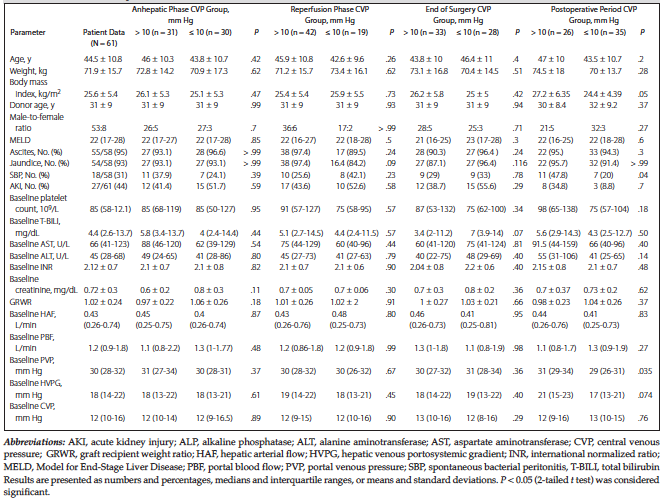
Table 1. Comparison of Patient Characteristics and Preoperative Variables for Patients With > 10 mm Hg and ≤ 10 mm Hg Central Venous Pressure at Various Time Intervals of Liver Transplant
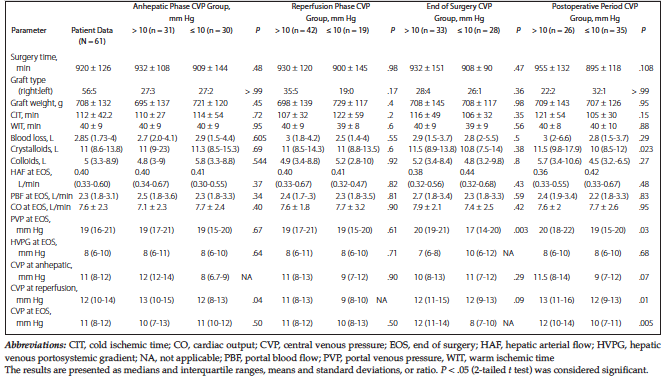
Table 2. Comparison of Patient Characteristics and Intraoperative Variables for Patients with > 10 mm Hg and ≤ 10 mm Hg Central Venous Pressure at Various Time Intervals of Liver Transplant
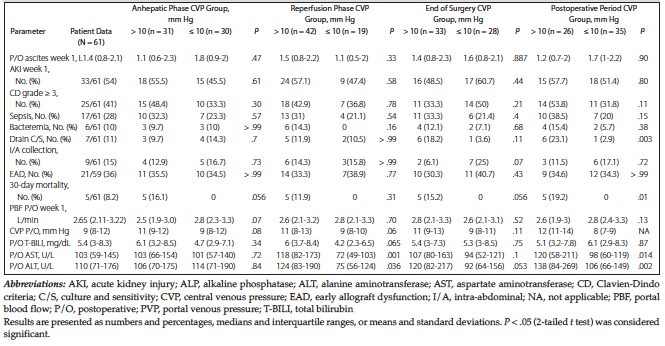
Table 3. Comparison of Patient Characteristics and Postoperative Variables for Patients with > 10 mm Hg and ≤ 10 mm Hg Central Venous Pressure at Various Time Intervals of Liver Transplant
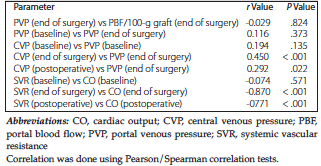
Table 4. Correlations Between Hemodynamic Parameters
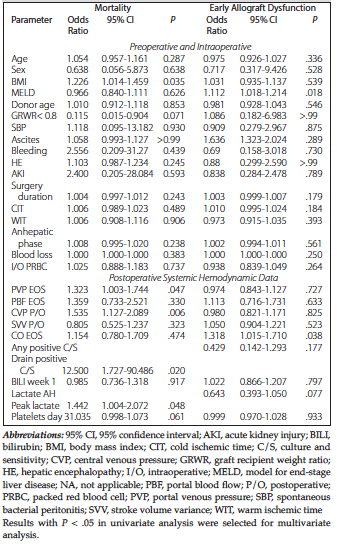
Table 5. Univariate Analysis of Mortality and Early Allograft Dysfunction
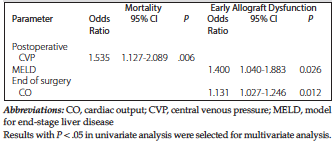
Table 6. Multivariate Analysis of Mortality and Early Allograft Dysfunction
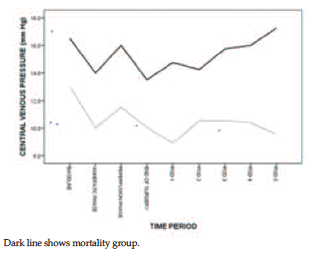
Figure 1. Central Venous Pressure at Various Time Intervals in Patients With and Without Mortality
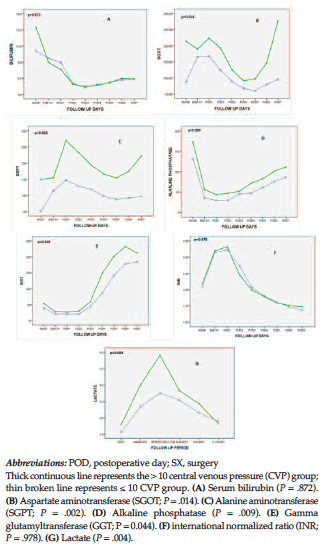
Figure 2. Recovery Patterns of Liver Function Tests in the Postoperative Central Venous Pressure Groups
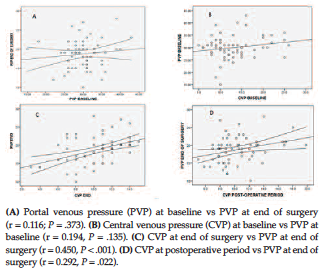
Figure 3. Correlations Between Portal Venous Pressure and Central Venous Pressure
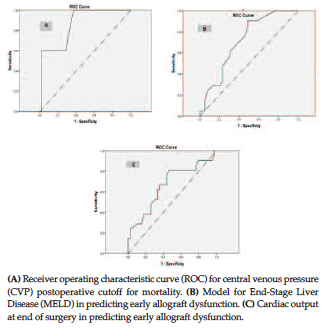
Figure 4. Receiver Operating Characteristic Curves for Calculating Cutoff Values