Volume: 16 Issue: 1 March 2018 - Supplement - 1
FULL TEXT
Progress in patient care and immunosuppressive medications has resulted in improved allograft survival in the early posttransplant period; however, substantial graft loss continues in the long term. Therefore, the number of dialysis patients with failed allografts is increasing progressively. These patients have a worse prognosis than naive dialysis patients. Cardiovascular causes are the leading cause of death, followed by infections and malignancies. Delay in return to dialysis, a chronic inflammatory state, infections, and cancer are contributing factors to mortality, whereas type of dialysis modality does not have a significant effect on outcomes. Graft nephrectomy is a risky operation; therefore, it should not be a routine procedure and rather should be performed only when indicated. Overall, most grafts are left in place, whereas graft nephrectomy is performed in patients with graft intolerance syndrome. Management of immunosuppressive drugs after graft failure is controversial. In the case of maintaining immunosuppression, there is increased risk of infections, cardiovascular diseases, and malignancies and also steroid-related adverse effects. On the other hand, discontinuation of immunosuppressants may result in loss of residual allograft function and also acute graft inflammation. Together, immunosuppressive drugs are almost always discontinued in these patients because of their inherent adverse effects. Considering the sequence of cessation, first antiproliferative drugs are stopped, followed by calcineurin inhibitors, and finally steroids. Because many studies show a clear survival benefit, every attempt should be made for a retransplant in patients with failed renal allografts.
Key words : Failed transplant, Rejected allografts, Weaning immunosuppression
Introduction
Progress in patient care and immunosuppression has resulted in an improvement in graft survival in the early posttransplant period; however, there is a substantial graft loss afterward.1 Not surprisingly, nearly 40% of all patients lose their grafts within 10 years,2 and the number of patients returning to dialysis with a failed allograft has increased every year. In the United States, in 2010, more than 5500 patients returned to dialysis after transplant failure.3
Outcomes of Patients With Failed Renal Allografts
No randomized controlled trial has yet been conducted to study the prognosis of patients with failed allografts. Most of the few controversial reports on this topic are retrospective, single-center reviews; therefore, registry reports are of major importance. Gill and associates4 analyzed the United States Renal Data System (USRDS) data in patients who were started on dialysis from 1995 to 2003 and were subsequently placed on kidney transplant wait lists. The authors studied death rates in diabetic
and nondiabetic patients during waiting time on transplant wait lists (89 000 patients), during the time after transplant (stable phase; 47 433 patients), and during the second dialysis period after graft failure (5461 patients) over a 3-year period. Death rates were determined in 3-month intervals during the stable phase and over 2-week intervals during transitions for a period of 3 months. When the 3 study periods were compared, the lowest death rate was found during transplant function, whereas the highest mortality was noted during the second dialysis period after allograft failure. Mortality rates were higher during periods of transition from wait list to transplant (8.2/100 patient-years) and during the reinitiation of dialysis after transplant failure (17.9/100 patient-years). In each period of transplant care, patients with diabetes had higher mortality rates than patients without diabetes.4 In this analysis, causes of death were classified as septic, cardiovascular, and other/unknown. During the wait list period, cardiovascular causes of death were more frequent, especially in patients with diabetes. Other causes, including malignancies, were more common in other periods. The proportion of death due to sepsis was greatest (16.8%) after allograft failure versus during the wait list period (14.0%) and during allograft function (12.7%). Death rates (per 100 patient-years) due to cancer were 0.18 (95% confidence interval [CI], 0.16-0.20) during the wait list period, 0.11 (95% CI, 0.09-0.13) during allograft function, and 0.25 (95% CI, 0.16-0.39) after allograft failure.4
Several factors can be responsible for this unfavorable outcome. First, there can be a delay in return to dialysis; thus, uremic complications such as hyperkalemia, volume overloading, and metabolic acidosis may contribute to mortality. Second, a rejected allograft can result in a chronic inflammatory state, which can trigger malnutrition and hypoalbuminemia.5 Furthermore, elevated serum ghrelin levels and inflammation might decrease appetite and contribute to malnutrition.6 Third, increased cardiovascular risks due to inflammation and secondary to other uremia-related factors, such as bone mineral disorders, increased sympathetic activity, anemia, oxidative stress, and endothelial dysfunction, may contribute to increased risk.7,8 Fourth, immunosuppression sustains even when immunosuppressive drugs are discontinued, and these patients are susceptible to malignancies and to many conventional and unconventional infections.9,10 Changes in psychologic/emotional states may also influence patient health.
In a USRDS analysis, which included 5077 incident patients restarting hemodialysis after allograft failure, associations between various factors and mortality were studied.11 In a Cox regression analysis, risk of mortality increased with lack of arteriovenous fistula at initiation of dialysis, albumin < 3.5 g/dL, and being underweight. Interestingly, a glomerular filtration rate (GFR) of < 10 mL/minutes at time of dialysis initiation was associated with reduced mortality. The authors hypothesized that patients with worse clinical conditions were restarted on dialysis earlier at a higher GFR; hence, a selection bias in this surprising finding was possible.11
Timing of Return to Dialysis
When dialysis is restarted, the effects of GFR level on patient outcomes are controversial. Arias and associates12 presented several possibilities on this subject. In their retrospective analysis of outcomes of 192 patients from 1995 to 2000, 70 patients returned to dialysis after a failed graft, whereas 122 patients began de novo dialysis. When laboratory results were compared, patients with failed grafts had significantly higher levels of urea, lower levels of creatinine clearance, and were more anemic at the time of initiation of dialysis. Patient morbidity, which was defined as the need for hospitalization within the first year of dialysis, was significantly higher in patients with failed grafts. One-year mortality rate of patients with failed grafts was high (27%).12 Interestingly, patients who died were characterized by a lower GFR at the reinitiation of dialysis. The reasons for the late return are obscure; there may have been problems in accepting irreversible graft failure and difficulty in assessing kidney function in transplanted patients. Serum creatinine levels, which are quite low in these patients due to reduced muscle mass, may have overestimated the correct kidney function.13 Equations used for calculating GFR in the general chronic kidney disease population have not been validated in transplant recipients and may overestimate GFR due to low creatinine values.14
To summarize, optimal levels of GFR for return to dialysis in patients with a failing transplant are not clear. The decision should be individualized and should consider several factors, including, but not limited to, cause and timing of graft failure, immunosuppressive therapy before graft failure, complications during graft function, and presence of comorbidities or heavy proteinuria.
Selecting Dialysis Modality
Patients needing dialysis may have both hemodialysis and peritoneal dialysis (PD). However, there is concern that return to PD after transplant failure may be risky because sustaining immunosuppression may predispose patients to peritonitis.
A retrospective analysis of 34 PD patients with a failed renal transplant compared outcomes with 82 PD patients who had never received a kidney transplant.15 The groups were similar regarding demography, residual renal function, and dialysis adequacy (Kt/V). Patients with failed transplants had a higher number of peritonitis episodes per patient than those who did not receive a transplant (2.42 ± 0.41 vs 1.61 ± 0.15 episodes/patient; P = .013). In the failed transplant group, time to the first episode of peritonitis was also shorter than in nontransplanted patients. However, 1-, 3-, and 5-year patient and technique survival rates did not differ significantly between the 2 groups. The authors concluded that PD appears to be a good option for patients with transplant failure and a previous renal transplant does not adversely affect patient survival with regard to technique, although the somewhat higher infection risk is of some concern.15
The largest study to address this issue was conducted in the United States by Mujais and Story.16 The authors compared outcomes of patients who started PD after a failed renal allograft with outcomes of new PD patients and patients who had been transferred from hemodialysis and then started PD between 2000 and 2003. The patients were followed until 2005. There were nearly 500 patients in each group. Patients were matched by age, sex, presence of diabetes mellitus, and PD submodality (continuous ambulatory PD vs automated PD). Infection rates and other complications (eg, dialysis adequacy, ultrafiltration failure, catheter problems) were not significantly different across the groups. Overall, patient and technique survival rates were similar, and the authors concluded that the high success of PD in patients with failed allografts suggested that this modality should be used more frequently than the current practice.16
To the best of our knowledge, only one study has made a head-to-head comparison between hemodialysis and PD after a failed transplant. In a retrospective analysis of 60 patients with failed transplants, 21 patients were started on PD and 39 were started on hemodialysis.17 For each group of patients, data were collected until death, retransplant, or transfer to hemodialysis or PD. The study found no significant differences in regard to demographics, time on renal replacement therapy, and serum albumin and C-reactive protein levels at baseline. Furthermore, the baseline comorbidity was similar in both groups. During follow-up, patients in the hemodialysis group tended to accumulate more new comorbidities. Furthermore, the PD group tended to have higher patient survival and retransplant rates; however, these differences did not reach to statistical significance.17
All of these studies suggest that dialysis modality does not have a significant effect on the outcome of patients with failed transplants.
Immunosuppressive Therapy Considerations
In patients without transplant nephrectomy, immunosuppression can be maintained or discontinued. Both options have advantages and drawbacks3,18-29 (Table 1), and some clinical and laboratory data may be helpful in deciding which option is better3 (Figure 1).
Briefly, if there is a probability of a living donor, immunosuppressants may be continued at a low dose. If there is no such chance, then urine output should be considered. If there is no urine, then immunosupressants should be stopped. If there is significant amount of urine, complication risks should be considered. If there is a high risk of complications, immunosupressants should be stopped immediately. However, if the patient has no apparent risks, then immunosupressants may be continued at a low dose.
Regarding weaning of immunosuppressants, there is no consensus yet on how to taper and stop these drugs. They can be stopped either instantly or after a gradual taper. For this decision, duration of allograft function is usually considered. For patients with early allograft failure (defined as less than 1 year of function), immunosuppressants are usually discontinued immediately, which is mostly followed by preemptive nephrectomy.3,30-32 However, for patients with late allograft failure, discontinuation can be done slowly over weeks or even months. In this case, most authors have suggested first stopping the antiproliferative drugs (azathioprine, mycophenolate mofetil/sodium or mammalian target of rapamycin inhibitor), which is followed by stopping the calcineurin inhibitor after a rapid taper; steroids should be withheld last and by a protocol of slow taper.3,28,30 If possible, all immunosuppressants should be discontinued by postoperative month 6.
Graft Nephrectomy
Chronic inflammation caused by rejected grafts can be a risk factor for an unfavorable outcome. Lopez-Gomez and associates33 studied this issue prospectively. The authors followed 43 patients for 6 months who started dialysis after graft failure; 29 of these patients were symptomatic and had general and/or local symptoms of graft inflammation. Their inflammatory parameters (such as erythropoietin resistance index, obtained simply by dividing the total weekly erythropoietin dose first by the patient’s weight [in kg] and then by the patient’s hemoglobin level [in g/dL], expressed as U/week per kg per g/dL) were compared with 121 patients who never received a transplant. At the beginning, erythropoietin resistance and C-reactive protein levels were greater and serum albumin was lower than for nontransplanted patients. After patients received nephrectomy and 6 months after nephrectomy, inflammatory parameters of the study group became similar to those of the nontransplanted patients. The authors concluded that maintaining a failed graft represents a chronic inflammatory state, and transplant nephrectomy should be considered for patients with failed grafts, especially if there are signs and symptoms of inflammation.33 Advantages
and drawbacks of transplant nephrectomy are summarized in Table 2.3,20,22,32-37
Regarding current practice, most grafts are left in place. Johnston and associates38 analyzed the USRDS database between 1995 and 2003 and found that more than 19 000 patients had failed grafts. Among these, graft survival was shorter than 1 year in 3701 patients (which can be referred to as early graft failure). Nephrectomy rate was 56% in this group, and almost 90% of nephrectomies were performed within the first year. On the other hand, in the 15 406 patients with longer graft survival, nephrectomy rate was 27%.38
Another more recent USRDS database study analyzed effects of transplant nephrectomy on patient survival.34 This study included more than 10 000 patients who returned to dialysis after transplant failure. Of these, 3451 (31.5%) received an allograft nephrectomy. Overall, 3785 of total study patients died during follow-up. It was noted that transplantectomy was associated with a 32% lower relative risk of mortality (after adjustment for sociodemographic factors, comorbidities, donor features, and other variables). Patients with nephrectomy also had significantly increased chance of retransplant.34
Retransplant
An important issue in the care of patients after transplant failure is retransplant. Many studies have shown a clear survival benefit of retransplant compared with patients who remain on dialysis. In an analysis of the Canadian Organ Replacement Registry, more than 3000 patients who began dialysis between 1981 and 1998 were studied.39 These patients had received a renal transplant and had graft failure, with 1163 patients later retransplanted. Retransplanted patients had a higher risk of death only during the first month posttransplant and experienced significantly reduced mortality thereafter compared with patients on dialysis. Overall, retransplant was associated with a 50% reduction in mortality compared with mortality in patients who remained on dialysis.39 However, only 15% of patients had received another transplant.
Conclusions
Outcomes of patients with failed grafts are unfavorable. There are many uncertainties, which include, but are not limited to, timing of reinitiation of dialysis, dialysis modalities to be applied, handling of immunosuppressive agents, indications for graft nephrectomy, and many others. Well-designed studies are needed to clarify these issues. Nephrologists and surgeons should collaborate to offer the best care to transplant patients with failing renal allografts.
References:
- Wekerle T, Segev D, Lechler R, Oberbauer R. Strategies for long-term preservation of kidney graft function. Lancet. 2017;389(10084):2152-2162.
CrossRef - PubMed - Saran R, Li Y, Robinson B, et al. US Renal Data System 2015 Annual Data Report: Epidemiology of Kidney Disease in the United States. Am J Kidney Dis. 2016;67(3 Suppl 1):Svii, S1-305.
CrossRef - PubMed - Pham PT, Everly M, Faravardeh A, Pham PC. Management of patients with a failed kidney transplant: Dialysis reinitiation, immunosuppression weaning, and transplantectomy. World J Nephrol. 2015;4(2):148-159.
CrossRef - PubMed - Gill JS, Rose C, Pereira BJ, Tonelli M. The importance of transitions between dialysis and transplantation in the care of end-stage renal disease patients. Kidney Int. 2007;71(5):442-447.
CrossRef - PubMed - Akagun T, Caliskan Y, Yazici H, et al. Elevated resistin levels are associated with inflammation in hemodialysis patients with failed renal allografts. Int J Artif Organs. 2014;37(5):358-363.
CrossRef - PubMed - Caliskan Y, Yelken B, Gorgulu N, et al. Comparison of markers of appetite and inflammation between hemodialysis patients with and without failed renal transplants. J Ren Nutr. 2012;22(2):258-267.
CrossRef - PubMed - Gorgulu N, Yelken B, Caliskan Y, et al. Endothelial dysfunction in hemodialysis patients with failed renal transplants. Clin Transplant. 2010;24(5):678-684.
CrossRef - PubMed - Yelken B, Gorgulu N, Caliskan Y, et al. Association between chronic hepatitis C infection and coronary flow reserve in dialysis patients with failed renal allografts. Transplant Proc. 2009;41(5):1519-1523.
CrossRef - PubMed - Fishman JA. Infection in solid-organ transplant recipients. N Engl J Med. 2007;357(25):2601-2614.
CrossRef - PubMed - Turkmen A, Sever MS, Ecder T, et al. Posttransplant malaria. Transplantation. 1996;62(10):1521-1523.
CrossRef - PubMed - Brar A, Markell M, Stefanov DG, et al. Mortality after renal allograft failure and return to dialysis. Am J Nephrol. 2017;45(2):180-186.
CrossRef - PubMed - Arias M, Escallada R, de Francisco AL, et al. Return to dialysis after renal transplantation. Which would be the best way? Kidney Int Suppl. 2002(80):85-88.
CrossRef - PubMed - White CA, Knoll GA, Poggio ED. Measuring vs estimating glomerular filtration rate in kidney transplantation. Transplant Rev (Orlando). 2010;24(1):18-27.
CrossRef - PubMed - Santos J, Martins LS. Estimating glomerular filtration rate in kidney transplantation: Still searching for the best marker. World J Nephrol. 2015;4(3):345-353.
CrossRef - PubMed - Duman S, Asci G, Toz H, et al. Patients with failed renal transplant may be suitable for peritoneal dialysis. Int Urol Nephrol. 2004;36(2):249-252.
CrossRef - PubMed - Mujais S, Story K. Patient and technique survival on peritoneal dialysis in patients with failed renal allograft: a case-control study. Kidney Int Suppl. 2006(103):S133-137.
CrossRef - PubMed - de Jonge H, Bammens B, Lemahieu W, Maes BD, Vanrenterghem Y. Comparison of peritoneal dialysis and haemodialysis after renal transplant failure. Nephrol Dial Transplant. 2006;21(6):1669-1674.
CrossRef - PubMed - Jassal SV, Lok CE, Walele A, Bargman JM. Continued transplant immunosuppression may prolong survival after return to peritoneal dialysis: results of a decision analysis. Am J Kidney Dis. 2002;40(1):178-183.
CrossRef - PubMed - Elmahi N, Csongradi E, Kokko K, Lewin JR, Davison J, Fulop T. Residual renal function in peritoneal dialysis with failed allograft and minimum immunosuppression. World J Transplant. 2013;3(2):26-29.
CrossRef - PubMed - Scornik JC, Kriesche HU. Human leukocyte antigen sensitization after transplant loss: timing of antibody detection and implications for prevention. Hum Immunol. 2011;72(5):398-401.
CrossRef - PubMed - Augustine JJ, Woodside KJ, Padiyar A, Sanchez EQ, Hricik DE, Schulak JA. Independent of nephrectomy, weaning immunosuppression leads to late sensitization after kidney transplant failure. Transplantation. 2012;94(7):738-743.
CrossRef - PubMed - Del Bello A, Congy N, Sallusto F, et al. Anti-human leukocyte antigen immunization after early allograft nephrectomy. Transplantation. 2012;93(9):936-941.
CrossRef - PubMed - Woodside KJ, Schirm ZW, Noon KA, et al. Fever, infection, and rejection after kidney transplant failure. Transplantation. 2014;97(6):648-653.
PubMed - Madore F, Hebert MJ, Leblanc M, et al. Determinants of late allograft nephrectomy. Clin Nephrol. 1995;44(5):284-289.
PubMed - Yazici H, Sever MS. Fever of unknown origin in a hemodialysis patient with a failed allograft. Hemodial Int. 2007;11(3):296-299.
CrossRef - PubMed - Smak Gregoor PJ, Zietse R, van Saase JL, et al. Immunosuppression should be stopped in patients with renal allograft failure. Clin Transplant. 2001;15(6):397-401.
CrossRef - PubMed - Kiberd BA, Belitsky P. The fate of the failed renal transplant. Transplantation. 1995;59(4):645-647.
CrossRef - PubMed - Pham PT, Pham PC. Immunosuppressive management of dialysis patients with recently failed transplants. Semin Dial. 2011;24(3):307-313.
CrossRef - PubMed - van Leeuwen MT, Webster AC, McCredie MR, et al. Effect of reduced immunosuppression after kidney transplant failure on risk of cancer: population based retrospective cohort study. BMJ. 2010;340:c570.
CrossRef - PubMed - Andrews PA, Standards Committee of the British Transplantation Society. Summary of the British Transplantation Society Guidelines for Management of the Failing Kidney Transplant. Transplantation. 2014;98(11):1130-1133.
CrossRef - PubMed - Kendrick EA, Davis CL. Managing the failing allograft. Semin Dial. 2005;18(6):529-539.
CrossRef - PubMed - Ong SC, Gaston RS. Medical management of chronic kidney disease in the renal transplant recipient. Curr Opin Nephrol Hypertens. 2015;24(6):587-593.
CrossRef - PubMed - Lopez-Gomez JM, Perez-Flores I, Jofre R, et al. Presence of a failed kidney transplant in patients who are on hemodialysis is associated with chronic inflammatory state and erythropoietin resistance. J Am Soc Nephrol. 2004;15(9):2494-2501.
CrossRef - PubMed - Ayus JC, Achinger SG, Lee S, Sayegh MH, Go AS. Transplant nephrectomy improves survival following a failed renal allograft. J Am Soc Nephrol. 2010;21(2):374-380.
CrossRef - PubMed - Vanrenterghem Y, Khamis S. The management of the failed renal allograft. Nephrol Dial Transplant. 1996;11(6):955-957.
CrossRef - PubMed - Ayus JC, Achinger SG. At the peril of dialysis patients: ignoring the failed transplant. Semin Dial. 2005;18(3):180-184.
CrossRef - PubMed - Akoh JA. Transplant nephrectomy. World J Transplant. 2011;1(1):4-12.
CrossRef - PubMed - Johnston O, Rose C, Landsberg D, Gourlay WA, Gill JS. Nephrectomy after transplant failure: current practice and outcomes. Am J Transplant. 2007;7(8):1961-1967.
CrossRef - PubMed - Rao PS, Schaubel DE, Wei G, Fenton SS. Evaluating the survival benefit of kidney retransplantation. Transplantation. 2006;82(5):669-674.
CrossRef - PubMed
Volume : 16
Issue : 1
Pages : 4 - 8
DOI : 10.6002/ect.TOND-TDTD2017.L26
From the Department of Internal Medicine, Division of Nephrology, Istanbul School of Medicine, Millet Caddesi, Capa-Istanbul, Turkey
Acknowledgements: The authors have no sources of funding for this study and have no conflicts of interest to declare.
Corresponding author: Mehmet Sukru Sever, Istanbul School of Medicine, Millet Caddesi, 34390 Capa-Istanbul, Turkey
Phone: +90 212 4142512
E-mail: mehmetsukrusever@gmail.com
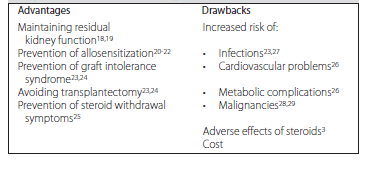
Table 1. Advantages and Drawbacks of Maintaining Immunosuppressive Drugs in Patients With Renal Transplant Failure3,18-29
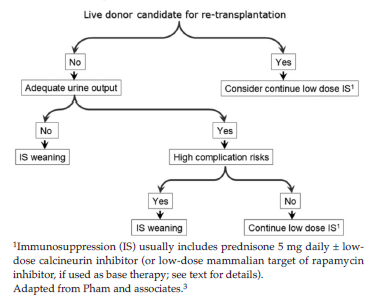
Figure 1. Algorithm Describing How to Handle Immunosuppressants in Patients With Transplant Failure

Table 2. Advantages and Drawbacks of Transplant Nephrectomy in Dialysis Patients With Transplant Failure3,20,22,32-37