Volume: 15 Issue: 2 March 2017 - Supplement - 2
FULL TEXT
Evaluation Using Computed Tomography and Magnetic Resonance Imaging
Hepatocellular carcinoma is the fifth most common tumor in patients worldwide and the third most common cause of cancer-related death, after lung and stomach cancer. Cirrhosis of the liver is the strongest predisposing factor for hepatocellular carcinoma, with approximately 80% of cases of hepatocellular carcinoma developing in a cirrhotic liver. The annual incidence of hepatocellular carcinoma is 2.0% to 6.6% in patients with cirrhosis compared with 0.4% in patients without cirrhosis. The 5-year survival rates of patients undergoing curative therapies for hepatocellular carcinoma, including liver transplant, hepatic resection, and percutaneous ablative techniques, range between 40% and 75%. Orthotropic liver transplant offers the prima facie cure for both hepatocellular carcinoma and liver cirrhosis. In hepatocellular carcinoma confined to the liver without macrovascular invasion, patients with a single tumor ≤ 5 cm or up to 3 tumors ≤ 3 cm each had a 5-year survival rate of 75% and a disease-free survival rate of 83%. In the adult population, liver transplant for hepatocellular carcinoma yields good results for patients whose tumor masses do not exceed the Milan criteria. The diagnosis of hepatocellular carcinoma using imaging tests has had a substantial impact on transplant decisions. Radiologists should be aware of this responsibility and exercise the utmost scrutiny before making a diagnosis of hepatocellular carcinoma. Erroneous diagnosis of hepatocellular carcinoma based on imaging tests could deny deserving patients the opportunity of a life-saving liver transplant and result in unnecessary liver transplants for others. Contrast-enhanced magnetic resonance imaging and helical computed tomography are the best imaging techniques currently available for the noninvasive diagnosis of hepatocellular carcinoma. With technological advances in hardware and software, diffusion-weighted imaging can be readily applied to the liver with resulting improved image quality.
Key words : Cancer staging, Diffusion-weighted MRI, Gadolinium, Hepatic cirrhosis, Image enhancement, Liver cancer, Radionuclide imaging
Introduction
Hepatocellular carcinoma (HCC) is the most frequent primary malignant tumor of liver cells. It is currently the fifth most common cancer and the third most common reason for cancer-related mortality worldwide, after lung cancer and stomach cancer. Cirrhosis of the liver is the most common predisposing factor for HCC. Approximately 80% of cases of HCC develop in patients with a cirrhotic liver. In turn, viral hepatitis and nonalcoholic steatohepatitis are the most common causes of cirrhosis. Development of liver fibrosis is the key step in the pathogenesis of HCC; 88% of patients undergoing resection for HCC had fibrosis.1
Chronic liver disease results in the development of regenerative nodules: proliferating hepatic cells cordoned off by variously thickened strands of fibrous tissue. In the typical pathway, a regenerative nodule progresses first to a dysplastic nodule (low grade, then possibly high grade), then to a well-differentiated HCC, and finally to a moderately or poorly differentiated HCC.2 Hepatocellular carcinoma appears to be a progressive disease of the liver in which multiple neoplastic processes can be present at one time, and there is a high risk of disease recurrence. Liver resection, liver transplant, and percutaneous tumor ablation are considered to be curative treatment options for HCC at different stages of the disease.1
The detection of HCC early in its development, therefore, is critical to improving the survival of affected patients. While the surveillance strategies incorporated by the various guidelines differ, all current guidelines recommend ultrasonography as the primary imaging test for surveillance along with the ancillary use of serum biomarkers. Once a surveillance test is positive, a more definitive imaging examination is recommended for noninvasive diagnosis and staging of HCC. Currently, all guidelines endorse multiphasic computed tomography (CT) and magnetic resonance imaging (MRI) with extracellular agents as first-line modalities for this purpose.2
Lesions in Cirrhotic Liver
Regenerative nodules
Cirrhotic nodules, also known as cirrhosis-associated regenerative nodules, are innumerable, well-defined, rounded regions of the cirrhotic parenchyma surrounded by scar tissue and typically measuring 1 to 15 mm in diameter. Cirrhotic nodules > 1 cm are called “large cirrhotic nodules” or “large regenerative nodules” and are usually considered “benign.” The blood supply of a regenerative nodule continues to come largely from the portal vein, with minimal contribution from the hepatic artery. Regenerative nodules also may be classified according to size as either micronodules (< 3 mm) or macronodules (≥ 3 mm). Giant regenerative nodules with a diameter of 5 cm have been described, but they are rare.3
Dysplastic nodules
Dysplastic nodules are characterized histologically by progressive architectural derangement, nuclear crowding, atypia, and a variable number of unpaired arterioles or capillaries. Furthermore, only 15% to 28% of cirrhotic liver explants were found to contain dysplastic nodules. Low-grade dysplastic nodules closely resemble regenerative nodules histologically. They have a preserved hepatic architecture and minimal cytologic atypia, as well as normal vascular profile, hepatocellular function, and Kupffer cell density. They are considered to have low malignancy potential with slow, infrequent progression to HCC. High-grade dysplastic nodules show some architectural distortion and more advanced cytologic atypia, featuring sinusoidal “capillarization” and an increased density of unpaired arteries.3
Early hepatocellular carcinoma
Early HCCs are an incipient stage of HCC development, analogous to “carcinoma in situ” or “microinvasive carcinoma” of other organs. Early HCCs grow by gradually replacing the parenchyma; as the cells spread, they surround neighboring portal tracts and central veins but do not displace or completely destroy these structures. Early HCCs typically measure 1 to 1.5 cm in diameter and rarely exceed 2 cm (Figure 1). Macroscopically, most early HCCs are vaguely nodular with indistinct margins and without a tumor capsule. The lesions are indistinguishable from high-grade dysplastic nodules on gross pathologic examination. The key distinguishing feature, present in early HCCs but not in high-grade dysplastic nodules, is stromal invasion.2
Histologic features of HCC include advanced architectural distortion, nuclear atypia, necrosis, and microscopic invasion of stroma and portal tracts. Small HCCs tend to be well differentiated. Large HCCs are most often moderately or poorly differentiated. Small HCCs tend to be homogeneous, round or oval, and well defined.3
Progressed hepatocellular carcinoma
Progressed HCCs are overtly malignant lesions with the ability to invade vessels and metastasize. Progressed HCCs smaller than 2 cm are distinctly nodular and have well-defined margins. Characteristically, they are surrounded by a tumor capsule and contain internal fibrous septa (Figure 2). Histologically, approximately 80% of small and progressed HCCs are moderately differentiated; the remaining 20% consist of both well-differentiated and moderately differentiated components. HCCs > 2 cm in diameter are known as “large HCCs.” Compared with small and progressed HCCs, large HCCs tend to have a higher histologic grade, more aggressive biologic behavior, and a higher frequency of vascular invasion and metastasis.2
Hepatocellular carcinomas can manifest as different morphologic types, including focal (nodular), massive, and diffuse/infiltrative. Nodular type is the most commonly encountered and usually presents as an encapsulated focal nodule with well-defined margins. Nodular type can be further classified as solitary or multifocal. The multifocal nodular subtype is advanced and displays features similar to the solitary nodular subtype seen on conventional and dynamic MRI. Additional features that are not commonly seen with solitary focal lesions, but are noted with multifocal HCC and other aggressive subtypes, include portal venous thrombosis and intrahepatic metastases.4
Diffuse HCCs (Figure 3) are usually large and have ill-defined boundaries. They usually present with high alpha-fetoprotein levels and are almost always associated with portal venous thrombus, which can be bland or, most of the time, tumoral in nature. Diffuse HCCs can be extremely subtle and therefore difficult to demonstrate using imaging alone. Because they can blend with the background cirrhotic parenchyma, they can prevent early diagnosis and lead to advanced disease at presentation with often distant metastases.4
Large HCCs may exhibit a broad spectrum of morphologic features, including a mosaic pattern, a tumor capsule, an intratumoral nodule (“nodule-in-nodule” appearance), and extracapsular extension with the formation of satellite nodules.3
Confluent fibrosis
When the fibrosis is concentrated focally (a finding often referred to as “focal confluent fibrosis”), it can create mass lesions that simulate tumors on imaging. These lesions often radiate from the porta hepatis and are wedge-shaped and widest at the capsular surface. The most common sites for confluent fibrosis are the anterior and medial segments of the liver, but it can be present anywhere in the liver. A reliable finding for helping to differentiate confluent fibrosis from HCC is associated parenchymal atrophy with capsular retraction.5
Arterioportal shunts
Arterioportal shunt lesions appear as an area of wedge-shaped high attenuation with or without internal branching structures on the hepatic arterial-phase image, and as slightly high attenuation or isoattenuation on the liver on portal and delayed-phase images. These lesions are usually subcapsular, without mass effect, and do not bulge the liver capsule. The signal intensity on T1- and T2-weighted images of arterioportal shunts appears isointense compared with the hyperintensity of HCC on T2-weighted images.5
Fatty infiltration
Geographic or multifocal nodular patterns of steatosis may mimic infiltrative HCC. Affected areas may appear hypointense on fat-saturated MRIs acquired during the hepatobiliary phase after injection of gadolinium chelate with hepatospecific properties. Uniform signal loss between dual-echo in-phase and opposed-phase gradient-echo T1-weighted MRIs suggests fat deposition.6
Diagnosis of hepatocellular carcinoma
Imaging plays a crucial role in the diagnosis, staging, and treatment of HCC, as detailed by multiple practice guidelines. The most widely used and recommended imaging modalities are ultrasonography (US) and multiphasic contrast-material-enhanced CT and MRI. A consensus of various international societies considers US, which is widely used, to be the preferred imaging modality for screening. It essentially offers ease of access, lack of ionizing radiation, and lower cost compared with CT and MRI. In clinical practice, the role of gray-scale US for diagnosing cirrhosis in patients is for screening and surveillance rather than accurate diagnosis of HCC. However, reported sensitivity and specificity are variable, and studies have shown that US detects HCC at a significantly lower rate than CT and MRI.4 In 225 patients with HCC confirmed by pathologic analysis at liver explantation, the lesion-based sensitivity of US was only 46%.6
Currently, all major clinical practice guidelines endorse multiphasic CT and MRI with extracellular contrast agents as first-line modalities for diagnosing and staging HCC. Both modalities provide excellent sensitivity for detecting nodular HCCs larger than2 cm, modest sensitivity for 1- to 2-cm HCCs, and poor sensitivity for HCCs smaller than 1 cm, and it is not yet clear which modality is superior. The per-lesion sensitivity of MRI for detecting nodular HCC of all sizes is 77% to 100%, whereas that of CT is 68% to 91%.2
For HCC ≥2 cm, MRI and CT showed a detection rate of 100% for each modality; for HCC between 1 and 2 cm, MRI and CT showed detection rates of 89% and 65% (P = .03); and for HCC ≤1 cm, detection rates of 34% and 10% were seen. In addition to its higher detection rates, MRI is considered to be more specific, with fewer false-positive lesions than CT detects in differentiating between HCC and regenerative nodules.2
Multiphasic contrast-enhanced CT should be performed using a multidetector CT scanner with intravenous injection of weight-based iodinated contrast medium (1.5 mL/kg body weight; iodine concentration, ≥ 300 mg/mL) at a rate of 4 to 6 mL/s. Contrast-enhanced images are acquired during the late arterial phase (~15-20 s after initiating aortic threshold-based scanning), portal venous phase (~30-60 s after initiating scan), and delayed phase (> 120 s after injecting contrast material).6
The recommended minimal technical parameters for dynamic contrast-enhanced MRI of the liver include the use of a 1.5-T imaging unit equipped with a phased-array coil. The protocol should include unenhanced gradient-echo T1-weighted dual-echo images and T2-weighted spin-echo images (with and without fat saturation). The core of the protocol is the dynamic study, which is usually conducted with gradient-spoiled sequences performed before and after intravenous injection of gadolinium-based contrast agent. The recommended contrast medium is a weight-based extracellular gadolinium chelate injected intravenously at a rate of 2 to 3 mL per second. Contrast-enhanced images should be obtained during the late arterial phase (bolus tracking), the portal venous phase (35-55 s after initiating arterial phase), and the delayed phase (120-180 s after injecting contrast material).6
The advantages of CT are that it is widely available, rapid, robust, and less expensive compared with MRI and requires less expertise to perform and interpret images. Disadvantages include radiation exposure and relatively low soft-tissue contrast. By comparison, MRI provides higher soft-tissue contrast and permits the assessment of a greater number of tissue properties, which in principle may help in detecting and characterizing lesions. On the other hand, an MRI is more time-consuming, less robust, and more prone to artifacts. It requires greater expertise to perform and interpret images, and it is less widely available.2
Computed tomography and magnetic resonance imaging findings in hepatocellular carcinoma
Multiphasic CT and MRI using extracellular agents permit the diagnosis and staging of HCC based mainly on assessing vascularity. The principles are essentially the same for CT and MRI. Using extracellular agents, the hallmark diagnostic features of HCC on multiphasic CT or MRI are arterial-phase hyperenhancement followed by portal venous or delayed-phase washout appearance (Figures 4 and 5). Washout appearance is defined as a visually assessed temporal reduction in enhancement relative to surrounding liver from an earlier to a later phase, resulting in portal venous or delayed-phase hypoenhancement. The pathophysiologic basis for arterial-phase hyperenhancement in HCC is well understood. Intranodular arterial supply increases during hepatocarcinogenesis. Hence, most cirrhotic nodules, dysplastic nodules, and early HCCs are hypoenhancing or isoenhancing during the arterial phase.2
Although the individual features are nonspecific, the combination of arterial-phase hyperenhancement and portal venous and/or delayed-phase washout appearance is highly specific for HCC in patients with cirrhosis. In such patients, this temporal enhancement pattern has approximately 100% specificity for HCCs ≥ 20 mm and ~90% specificity for HCCs of 10 to 19 mm.2
The main limitation of CT and MRI with extracellular contrast agents for diagnosis and staging of HCC is low per-lesion sensitivity. Only HCCs that have developed sufficient neoangiogenesis to show arterial-phase hyperenhancement and that exhibit washout or capsule appearance can be unequivocally diagnosed. Up to approximately 40% of HCCs lack arterial-phase hyperenhancement and cannot be diagnosed as definite HCC using extracellular agents. These include most early-stage HCCs: poorly differentiated, infiltrative HCCs that may have weak, patchy arterial-phase hyperenhancement. Additionally, approximately 40% to 60% of small HCCs, even if they show hyperenhancement in the arterial phase, do not exhibit a washout or capsule appearance in the venous phases, and so cannot be diagnosed as definite HCC using extracellular agents.2
Although arterial-phase hyperenhancement is characteristic of HCC that has progressed, it is nonspecific and can be observed in a variety of other situations. These include benign perfusion alterations, small hemangiomas, small focal nodular hyperplasia-like lesions, some atypical cases of focal or confluent fibrosis, some atypical cirrhotic nodules and dysplastic nodules, and non-HCC malignancies, including small intracellular cholangiocellular carcinomas or small hypervascular metastases such as neuroendocrine tumors. In patients with cirrhosis or chronic hepatitis, small vascular pseudolesions attributable to arterioportal shunts are particularly common; most focal areas of enhancement are seen only in the arterial phase, measure < 2 cm, and are wedge shaped and subcapsular.2
Small HCCs can exhibit variable signal intensity on T1-weighted images, but almost all are hyperintense on T2-weighted images. Some HCCs have hyperintensity on the T1-weighted images, probably because of the presence of fat, glycoproteins, or copper.5
Another imaging feature characteristic of progressed HCC is capsule appearance (Figure 6), which refers to a smooth peripheral rim of hyperenhancement in the portal venous or delayed phase. Nevertheless, because precursor nodules (cirrhotic and dysplastic) and non-HCC tumors usually do not demonstrate progressive rim enhancement, capsule appearance has been shown to be an important predictor of HCC. According to 2 diagnostic systems, a mass of 2 cm or larger with arterial-phase hyperenhancement and capsule appearance can be diagnosed definitively as HCC even in the absence of washout appearance; for 10- to 19-mm masses with arterial-phase hyperenhancement, both capsule appearance and washout appearance are required.2
Extracapsular extension with the formation of satellite nodules is frequently seen in large, progressed HCC. These satellite nodules represent intrahepatic metastases within the venous drainage area around the main tumor. They often manifest as multiple subcentimeter nodules outside the tumor margins (usually within 2 cm). These satellite nodules are by definition progressed lesions that have developed the ability to invade vessels and metastasize.2
Vascular invasion occurs frequently in HCC and can affect both the portal and hepatic veins (Figure 7). In a recent study of 322 patients undergoing curative resection of HCC, histopathologic analyses showed that 50 (15.5%) had macroscopic venous invasion and 190 (59.0%) had microscopic venous invasion. On MRI, vascular invasion can be seen as lack of a signal void on multisection T1-weighted gradient-echo and flow-compensated T2-weighted fast spin-echo images. On gadolinium-enhanced images, the tumor thrombus typically shows enhancement on images acquired during the arterial phase and a filling defect on images acquired during later phases.7
Corona enhancement is a feature of hypervascular, progressed HCC and refers to enhancement of the venous drainage area in the peritumoral parenchyma. Corona enhancement initially was described on CT during hepatic arteriography, but it can also be seen on multiphasic CT or MRI. It manifests as a transient zone or rim (“corona”) of enhancement around a progressed, hypervascular HCC in the late arterial phase or early portal venous phase, then fading to isoenhancement at subsequent phases.8
Nodule-in-nodule architecture (Figure 8) refers to the presence of a nodule within a larger nodule or mass. This imaging appearance corresponds to the nodule-in-nodule growth pattern observed at histologic evaluation and suggests the emergence of a progressed HCC within a dysplastic nodule or early HCC. The subnodule, corresponding to the progressed HCC, typically shows arterial-phase hyperenhancement and hyperintensity on T2-weighted images and, if a hepatobiliary agent is given, hypointensity in the hepatobiliary phase. The surrounding parent nodule, corresponding to more well-differentiated tissue, typically is T1 hyperintense, T2 hypointense, and arterial-phase hypoenhancing or isoenhancing.8
Mosaic architecture (Figure 9) refers to the presence within a mass of randomly distributed internal nodules or compartments differing in enhancement, attenuation, intensity, shape, and size and often separated by fibrous septations. The appearance is characteristic of and frequently observed in large HCCs and reflects the mosaic configuration observed at pathologic examination.8
Intralesional fat (Figure 10) refers to the presence of lipid within a mass in higher concentration than in the background liver. This feature can be detected at MRI examination by observing signal loss on out-of-phase compared with in-phase T1-weighted gradient-echo sequence images. Although precontrast CT attenuation values correlate with fat content in HCC nodules, the detection of intralesional fat can be problematic when using CT, because many factors other than fat affect the attenuation. Intralesional fat is frequently observed histologically in early HCC, and its detection at imaging favors the diagnosis of HCC.8
Future directions in magnetic resonance imaging for hepatocellular carcinoma
With technological advances in hardware and software, diffusion-weighted imaging (DWI) can be readily applied to the liver with resulting improved image quality. Diffusion-weighted imaging is a technique based on differences in the Brownian motion (diffusibility) of water molecules within tissues. In highly cellular tissues, such as tumors, the diffusion of water protons is restricted. Diffusion-weighted imaging is useful for detecting small focal liver lesions in general. A limited number of small studies have shown encouraging results, suggesting that DWI has good diagnostic performance for detecting HCC in patients with chronic liver disease and is equivalent to conventional contrast-enhanced imaging for lesions larger than 2 cm. Currently, the limitation of DWI is primary lesion characterization rather than lesion detection. Thus, the greatest benefit can be obtained from the combined use of DWI with conventional dynamic MRI; this combination provides higher sensitivities than dynamic MRI alone for detecting small HCC lesions in patients with chronic liver disease.4
At present, DWI is typically used in conjunction with contrast enhancement. Here, it has been shown to improve detection rates, especially of small lesions (< 2 cm). One study showed that when DWI was used with contrast-enhanced MRI using an extracellular contrast agent, the detection rate increased from 60% to 85% for small HCCs, while another study found that HCC detection sensitivity increased from 85% to 98%.9
The second category of MRI advances is the “hepatobiliary” gadolinium contrast agents. These agents have both an interstitial distribution and, important for hepatic imaging, hepatocyte uptake with subsequent biliary excretion. The use of liver-specific contrast agents aims to increase the sensitivity and specificity of MRI in the cirrhotic liver.9
Hepatobiliary agents permit the assessment not only of tumor vascularity but also of hepatocellular function based mainly on signal intensity in the hepatobiliary phase. Most HCCs, including many early ones, and some high-grade dysplastic nodules are hypointense in the hepatobiliary phase. By comparison, most cirrhotic nodules, most low-grade dysplastic nodules, some high-grade dysplastic nodules, and a minority of HCCs are isointense or hyperintense owing to preserved expression. In patients with cirrhosis or chronic hepatitis, adding hepatobiliary-phase images improves per-lesion sensitivity for the diagnosis of HCC by 6% to 15% for gadoxetate disodium and by 9% for gadobenate dimeglumine. A related benefit of hepatobiliary agents is better differentiation of hypervascular HCCs from hypervascular pseudolesions, such as focal perfusion alterations due to arterioportal shunts—a frequent source of diagnostic confusion when using extracellular agents. Perhaps the most important benefit of imaging the hepatobiliary phase is that it helps to identify early HCCs. These HCCs have incomplete neoarterialization and are frequently isoenhancing in the vascular phases, so they cannot be reliably detected with extracellular agents. The main disadvantage of imaging the hepatobiliary phase alone for HCC diagnosis and staging is its nonspecificity. Any lesion not composed of functioning hepatocytes may appear hypointense, including benign entities (eg, hemangiomas, nodular or confluent areas of fibrosis, some atypical perfusion alterations) and non-HCC malignancies. For these reasons, the hepatobiliary phase must be evaluated in conjunction with other phases and sequences (eg, T1-weighted dual-echo, T2-weighted, or diffusion-weighted imaging) to differentiate HCC from other entities that may appear hypointense in the hepatobiliary phase.8
Superparamagnetic iron oxide-enhanced MRI helps to differentiate between regenerative nodules, dysplastic nodules, and overt HCC based on the degree of iron uptake. Therefore, the combination of superparamagnetic iron oxide and gadolinium contrast agents in one MRI examination (the so-called double-contrast technique) is considered highly useful.2
Mild-to-moderate T2 hyperintensity refers to signal intensity on T2-weighted images that is unequivocally greater than that of background liver but less than that of bile ducts or other simple fluid-filled structures. This feature is typical of HCC and has been described in 77% of HCCs larger than 3 cm. By comparison, cirrhotic nodules and dysplastic nodules characteristically are isointense or hypointense on T2-weighted images and rarely show mild-to-moderate T2 hyperintensity. Thus, mild-to-moderate hyperintensity in a cirrhotic-liver nodule on T2-weighted images is highly suggestive of malignancy. As opposed to mild-to-moderate T2 hyperintensity, diffuse, marked T2 hyperintensity favors a benign cause because this signal pattern is characteristic of cysts and hemangiomas but not HCC.8
Conclusions
Multidetector CT has reached a high standard for the detection of HCC with the possibility of multiphasic examinations and high-resolution isotropic datasets. Nonetheless, in patients with liver cirrhosis, MRI has to be regarded as the best noninvasive imaging modality for detecting HCC and characterizing nodules. The multiple advantages (signal intensity, morphologic features, early dynamic contrast-enhanced MRI, and especially liver-specific contrast agents) available with MRI result in a unique imaging modality that enables a high diagnostic standard for evaluating the cirrhotic liver. However, for all imaging modalities, it has to be recognized that there is a problem in detecting and diagnosing HCC lesions ≤ 1 cm as well as differentiating them from other nonneoplastic nodules. With regard to diagnostic guidelines, the vascularity of lesions in the cirrhotic liver is still the main criterion. However, good evidence already shows that liver-specific contrast agents help to increase the detection rate and might overcome the diagnostic gap for hypovascular HCC.2
References:
- Kornberg A. Liver transplantation for hepatocellular carcinoma beyond Milan criteria: multidisciplinary approach to improve outcome. ISRN Hepatol. 2014;2014:706945.
CrossRef - Choi JY, Lee JM, Sirlin CB. CT and MR imaging diagnosis and staging of hepatocellular carcinoma: part I. Development, growth, and spread: key pathologic and imaging aspects. Radiology. 2014;272(3):635-654.
CrossRef - PubMed - Hanna RF, Aguirre DA, Kased N, Emery SC, Peterson MR, Sirlin CB. Cirrhosis-associated hepatocellular nodules: correlation of histopathologic and MR imaging features. Radiographics. 2008;28(3):747-769.
CrossRef - PubMed - Watanabe A, Ramalho M, Al Obaidy M, Kim HJ, Velloni FG, Semelka RC. Magnetic resonance imaging of the cirrhotic liver: an update. World J Hepatol. 2015;7(3):468-487.
CrossRef - PubMed - Jeong YY, Yim NY, Kang HK. Hepatocellular carcinoma in the cirrhotic liver with helical CT and MRI: imaging spectrum and pitfalls of cirrhosis-related nodules. AJR Am J Roentgenol. 2005;185(4):1024-1032.
CrossRef - PubMed - Reynolds AR, Furlan A, Fetzer DT, et al. Infiltrative hepatocellular carcinoma: what radiologists need to know. Radiographics. 2015;35(2):371-386.
CrossRef - PubMed - Hussain SM, Zondervan PE, Ijzermans JN, Schalm SW, de Man RA, Krestin GP. Benign versus malignant hepatic nodules: MR imaging findings with pathologic correlation. Radiographics. 2002;22(5):1023-1036.
CrossRef - PubMed - Choi JY, Lee JM, Sirlin CB. CT and MR imaging diagnosis and staging of hepatocellular carcinoma: part II. Extracellular agents, hepatobiliary agents, and ancillary imaging features. Radiology. 2014;273(1):30-50.
CrossRef - PubMed - Niendorf E, Spilseth B, Wang X, Taylor A. Contrast enhanced MRI in the diagnosis of HCC. Diagnostics (Basel).2015;5(3):383-398.
CrossRef - PubMed

Volume : 15
Issue : 2
Pages : 36 - 44
DOI : 10.6002/ect.TOND16.L10
From the Department of Radiology, Başkent University, Ankara, Turkey
Acknowledgements: The author has no sources of funding for this study, and no conflicts of interest to declare.
Corresponding author: Mehmet Coskun, Fevzi Çakmak Caddesi no. 10/45, Bahçelievler Ankara, Turkey
Phone: +90 532 481 4223
E-mail: drmcoskun@yahoo.com
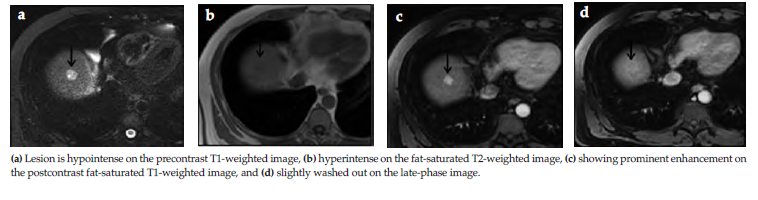
Figure 1. Classic Small, Early-Stage Hepatocellular Carcinoma Lesions Seen on Magnetic Resonance Imaging
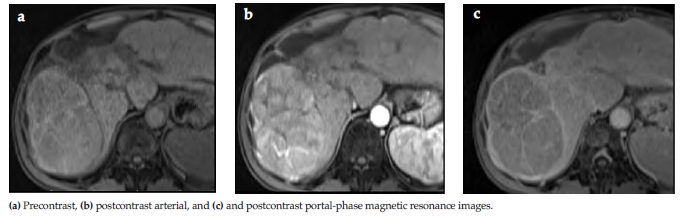
Figure 2. Large Hepatocellular Carcinoma With Pseudocapsule Formation and Internal Fibrous Septation
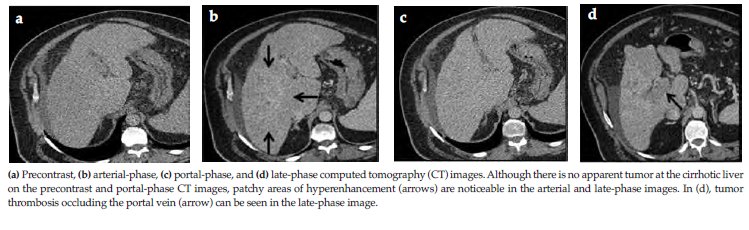
Figure 3. Infiltrative, Diffuse Hepatocellular Carcinoma
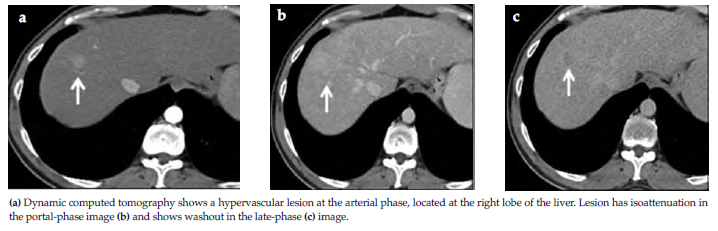
Figure 4. Typical Small Hepatocellular Carcinoma in the Cirrhotic Liver
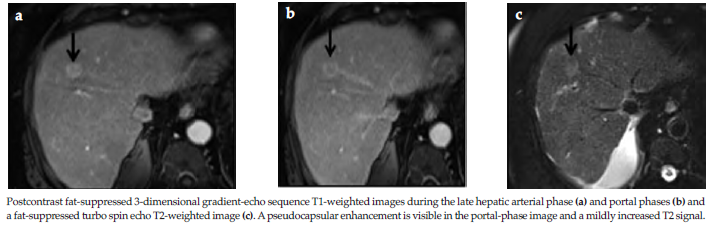
Figure 5. Hepatocellular Carcinoma with Pseudocapsule Formation
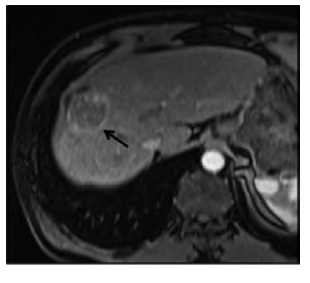
Figure 6. Pseudocapsule Appearance at the Periphery of a Large Hepatocellular Carcinoma on a Postcontrast 3-Dimensional T1-Weighted Gradient-Echo Sequence Image
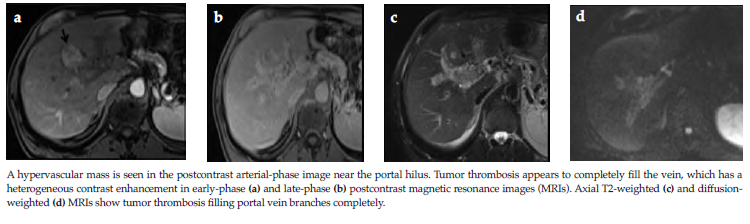
Figure 7. Portal Vein Invasion by Hepatocellular Carcinoma Seen on Magnetic Resonance Image
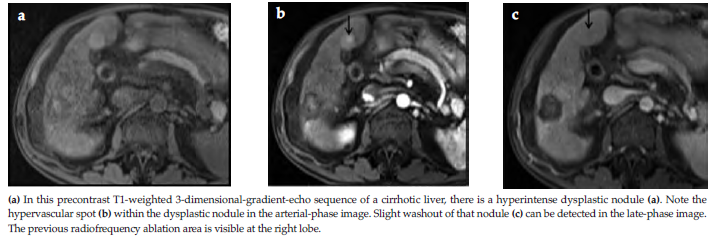
Figure 8. Nodule-in-Nodule Appearance in a Dysplastic Liver Nodule
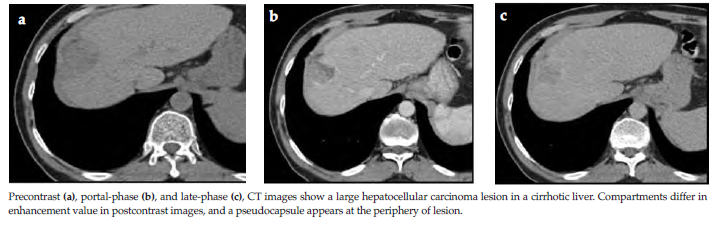
Figure 9. Mosaic Pattern on Computed Tomography Image of Hepatocellular Carcinoma
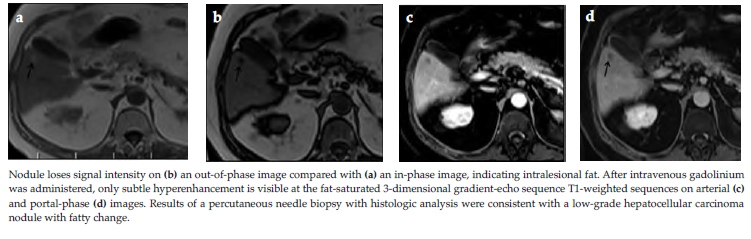
Figure 10. Intralesional Fat Containing Small Hepatocellular Carcinoma