Volume: 12 Issue: 1 March 2014 - Supplement - 1
FULL TEXT
Induction therapy after kidney transplantation is intensive immunosuppression in the initial days after transplant when the immune system of the recipient has the first contact with donor antigens. Initial intensive immunosuppression may be required to prevent acute rejection and graft loss, and subsequent immuno-suppression may be decreased to minimize adverse events associated with immunosuppressive drugs. Induction agents include lymphocyte-depleting antibodies such as rabbit antithymocyte globulin, alemtuzumab, muromonab-CD3, rituximab, and bortezomib; lymphocyte-nondepleting antibodies such as interleukin 2 receptor antibodies; and other discontinued or investigational agents such as efalizumab and alefacept. Induction therapy may be adjusted for special situations such as living-donor kidney transplant, pediatric transplant, hepatitis C virus-seropositive recipients, recipients who require desensitization, patients who are at risk for developing delayed graft function, and old donors. The optimal immunosuppressive regimen may vary, and clinical practice guidelines are available.
Key words : End-stage renal disease, Antithymocyte globulin, Rituximab, Interleukin 2 receptor, Acute rejection, Delayed graft function
Introduction
Induction therapy is intensive immunosuppression in the initial days after transplant when the immune system of the recipient has the first contact with donor antigens. Induction therapy frequently is used to avoid early acute rejection that may predict graft loss.
Many randomized, controlled trials and meta-analyses show that induction therapy is better with antibodies and immunosuppressive drugs than drugs alone in reducing kidney allograft rejection and failure.1 However, the optimal prophylactic induction immunosuppressive therapy is contro-versial.2 There are many antibodies available for induction therapy that deplete lymphocytes or do not deplete lymphocytes.3
The purpose of this article is to review the different indications for induction therapy, types of induction agents, and special considerations about induction therapy including transplant with living donors, children, recipients who have hepatitis C virus, desensitization, delayed graft function, and clinical practice guidelines.
Indications
Strategies for induction therapy include using either high doses of typical immunosuppressive agents or monoclonal or polyclonal antibodies. The purpose of induction therapy is to reduce the risk of acute rejection, decrease maintenance immunosuppressive doses, and improve outcomes in high-risk patients such as children, African Americans, recipients who have human leukocyte antigen (HLA) mismatches, and recipients who are sensitized to HLAs.4 Induc-tion therapy may augment immuno-suppression, facilitate delayed introduction of calcineurin inhibitors, induce tolerance, and minimize the need for immunosuppressive drugs.4
Induction Agents: Depleting Antibodies
Depleting antibodies are polyclonal or monoclonal antibodies that deplete
lymphocytes in transplant recipients by binding to antigens on lymphocytes such
as the major histocompatibility complex antigens.5
Rabbit antithymocyte globulin
Antithymocyte globulin (ATG) includes polyclonal antibodies that are generated
in rabbits (rATG) (Thymoglobulin, Genzyme, Cambridge, MA, USA) or horses (equine
ATG) (Atgam, Pfizer, New York, NY, USA) and used as immunosuppressive agents.
These products are different than other rATGs (Fresenius, Bad Homburg, Germany)
because the immunogens for rATG (Thymoglobulin) are human thymocytes and the
immunogen for rATG (Fresenius) is a Jurkat T-cell leukemia cell line, and these
rATG preparations differ in potency and efficacy. Equine ATG is a purified gamma
globulin solution that is obtained by immunizing horses with human thymocytes.
The ATGs are antibodies commonly used as induction agents, but they are approved by the United States Food and Drug Administration (FDA) for corticosteroid-resistant rejection and acute cellular rejection (dose, 1.5 mg/kg for 7-14 d) based on the results of a multicenter, double-blind randomized trial.6 Induction regimens vary (range, 1-6 mg/kg/dose for 1-10 d; typical regimen, 1.5 mg/kg for 3-5 d).7 Common adverse events include cytokine release syndrome, leukopenia, and thrombocytopenia. The use of ATGs has been reviewed extensively.8
A comparison was performed in 2 multicenter induction trials between rATG and basiliximab with either drug used in combination with cyclosporine, mycophenolate mofetil, and corticosteroids. In 1 trial of kidney transplant in low-risk patients, basiliximab with early initiation of cyclosporine was compared with rATG with delayed cyclosporine initiation, and both regimens had a similar incidence of acute rejection and similar patient and graft survival at 12 months after transplant.9 In the larger second trial with moderate- to high-risk deceased-donor recipients, the combined endpoint for the incidence of rejection, graft loss, and patient death was better for rATG (19.1%) than basiliximab (31.6%; P = .01).10 Most of the benefit of rATG in the combined endpoint was attributed to the decreased incidence of acute rejection with rATG (14.2%) than basiliximab (25%; P = .013).11
Alemtuzumab
Alemtuzumab (Campath-1H, Genzyme, Cambridge, MA) is a humanized anti-CD52
panlymphocytic (both B and T cells) monoclonal antibody. A recombinant
DNA-derived humanized monoclonal antibody that is directed against CD52 is
currently approved by the FDA for treatment of B-cell chronic lymphocytic
leukemia. However, it also has had off-label use for induction therapy and
treatment of acute rejection.12 Infusion reactions may occur during
intravenous administration (30 mg, 1 dose). The subcutaneous route also has been
studied but is not approved by the FDA.13 The early use of
alemtuzumab in kidney transplant recipients was associated with intense and
prolonged lymphocyte depletion, increased antibody-mediated graft rejection, and
increased frequency of serious infection.14
Few small, randomized trials have been published about alemtuzumab after kidney transplant. 15 The largest multicenter, randomized trial of alemtuzumab induction was stratified by low-risk (alemtuzumab compared with basiliximab; n=335) or high-risk patients (alemtuzumab compared with rATG; n=139). All patients received tacrolimus and mycophenolate mofetil, and steroids were withdrawn early. Expanded-criteria donors and non–heart-beating donors were excluded. Follow-up at 3 years showed that the frequency of biopsy-confirmed acute rejection was significantly lower in the alemtuzumab group (13%) than basiliximab or rATG groups combined (20%; P = .03). However, this benefit did not translate to improved graft survival or improved renal function. Acute rejection at 3 years was significantly less frequent in low-risk patients who had alemtuzumab (10%) than basiliximab or rATG (22%; P = .003). In high-risk patients, alemtuzumab and rATG had similar efficacy. In clinical practice, the lower frequency of acute rejection is considered against the risk of infection and cancer. The frequency of serious adverse events related to cancer was higher in the basiliximab or rATG therapy group, but the low-risk alemtuzumab group had persistent leukopenia and a higher frequency of serious infection.16
Muromonab-CD3
Muromonab-CD3 (OKT3, Janssen Pharmaceutica NV, New Brunswick, NJ, USA) is a
mouse antibody that depletes T cells by binding to the
T-cell-receptor–associated CD3 glycoprotein. Muromonab-CD3 has been used without
having received approval in the United States by the FDA as an induction agent.
Muromonab-CD3 has many adverse events including first-dose effect, pulmonary
edema, nephropathy, infection, and malignancy.17 Preparations of ATG
are better than muromonab-CD3 in tolerability and decreasing the incidence of
acute rejection. Therefore, use of muromonab-CD3 was decreased and production
was stopped in 2009.18
Rituximab
Rituximab is a chimeric monoclonal antibody against CD20, an antigen that is
expressed on most B cells. Rituximab was approved in 1997 for treatment of
refractory B-cell lymphoma, and it has been used to treat autoimmune diseases.
In kidney transplant, rituximab has been used for treatment of antibody-mediated
rejection and desensitization in transplants incompatible in ABO antigens and/or
HLA profile.19
Rituximab induction was evaluated in desensitization of 78 ABO and/or HLA incompatible transplant recipients who also received double-filtration plasmapheresis (3 to 4 sessions) before transplant.20 There was a significantly lower incidence of acute cellular rejection in patients who received rituximab (8.2%) than patients who did not receive rituximab (23.3%; P ≤ .05), but antibody-mediated rejection was similar in the 2 groups (rituximab, 6.8%; no rituximab, 8.3%; NS [not significant]). There was depletion of anti-HLA antibodies to class 1 (70%) and class 2 (83%) for > 2 years after rituximab induction. The 2 groups had similar incidence of cytomegalovirus infection (rituximab, 26%; no rituximab, 29%; NS) and leukopenia (rituximab, 23%; no rituximab, 14%; NS) and similar excellent 2-year frequency of survival of patients (rituximab, 100%; no rituximab, 98%; NS) and grafts (rituximab, 99%; no rituximab, 100%; NS).20 Therefore, rituximab is a safe and effective induction antibody for the desensitization protocol in ABO- or HLA-incompatible transplants.
In a study of transplants that did not require desensitization, acute cellular rejection within 3 months after transplant was more frequent with induction with rituximab (5 of 6 patients [83%]) than daclizumab (1 of 7 patients [14%]; P = .01).21 However, in a randomized, double blind multicenter study in patients who received induction with rituximab (n=68) or placebo (n=68) and maintenance with tacrolimus, mycophenolic acid, and steroids, treatment failure (defined as acute rejection, graft loss, or death) within 6 months after transplant was similar in patients who received rituximab (10 patients) or placebo (14 patients, not significant); the frequency of acute rejection, infection, and leukopenia was similar in the rituximab and placebo groups.22 Long-term study is needed to confirm the benefits of rituximab induction for nonsensitized patients.22
Bortezomib
Allospecific antibody-secreting cells are long-lived plasma cells in bone marrow
(CD138+CD20-). Therefore, the inhibitory effect of rituximab may be weak.
Splenic and bone marrow plasma cells typically are resistant to common
desensitization regimens, and alternative programs are needed.23
Bortezomib, a selective inhibitor of the 26S proteasome, is approved for
treatment of multiple myeloma and is efficient in depleting nonmalignant plasma
cells in experimental models.24,25 However, a study with a single
cycle of bortezomib alone showed no or little effect of this antibody on
decreasing the levels of donor-specific antibodies; therefore, bortezomib may be
limited when used alone as desensitization therapy for acute antibody-mediated
rejection. Further study of bortezomib is justified in prospective, randomized
controlled studies because steroids and proteasome inhibitors such as bortezomib
may act synergistically to target plasma cells, and a combination of these 2
drugs may be beneficial.26
Induction Agents: Nondepleting Antibodies
Nondepleting antibodies do not deplete lymphocytes in transplant recipients but
may provide immunosuppressive activity by other mechanisms. Full T-cell
activation causes calcineurin-mediated stimulation of the transcription,
translation, and secretion of interleukin 2 (IL-2), an important growth factor
that induces T-cell proliferation. Therefore, administration of anti-IL-2
receptor (IL-2R) antibodies may interfere with IL-2 activity and prevent
T-cell–mediated rejection.
There are 2 IL-2R antibodies available: the chimeric monoclonal antibody basiliximab (Simulect, Novartis, Basel, Switzerland) and the humanized antibody daclizumab (Zenapax, Roche, Basel, Switzerland). Basiliximab and daclizumab bind to the α chain of the IL-2R complex (CD25) that is expressed on activated T cells. As a result, T-cell activation and proliferation are prevented without cell lysis or depletion.
The IL-2R antibodies were introduced in 1997 and approved by the FDA for induction therapy. These antibodies have the best safety profile compared with other available induction antibodies and have no increased risk of infection or malignancy.27 The IL-2R antibodies have been evaluated in numerous placebo-controlled, randomized trials and are associated with less frequent acute rejection (28%) than placebo (42%).28 A meta-analysis showed that the risk of acute rejection is significantly less in patients who receive IL-2R antibody induction than placebo within 6 months (12 trials; relative risk, 0.66; 95% CI: 0.59-0.74) and 1 year after transplant (10 trials; relative risk, 0.67; 95% CI: 0.60-0.75).1 There was a similar incidence of cytomegalovirus infection and malignancy at 1 year between IL-2R antibodies and placebo.1
Basiliximab and daclizumab have similar efficacy and safety, but basiliximab has a more convenient schedule of administration (basiliximab, 2 doses within 4 days of transplant; daclizumab, 5 doses over 8 weeks).27 Therefore, basiliximab was more frequently used, and daclizumab was voluntarily withdrawn from clinical use by the manufacturer in October 2008, leaving basiliximab as the only IL-2R antibody currently available.
Basiliximab induction is safe and adequate for kidney transplant, including high-risk transplants. These high-risk transplants include deceased-donor kidney transplant in highly sensitized patients, simultaneous kidney and pancreas transplant, and split single pediatric donor kidney transplant.29-31 Typical triple therapy (tacrolimus, mycophenolic acid, and steroids) is used as maintenance immuno-suppression. Evaluation of data from the United States Renal Data System from 2000 to 2005 showed that the frequency of patient survival and frequency of graft survival were similar in white and black patients who had induction with ATG or IL-2R antibodies.32
Induction Agents: Discontinued and Investigational Agents
Efalizumab
Efalizumab (Raptiva, Genentech, San Francisco, CA, USA) functions as an
immunosuppressant by binding to the CD11a subunit of lymphocyte
function-associated antigen 1 and inhibiting white blood cell migration.
Efalizumab was indicated for the treatment of chronic moderate-to-severe plaque
psoriasis.33 Clinical trials in kidney transplant recipients failed.
The frequency of patient survival, graft survival, and acute rejection was
similar between combination therapy with efalizumab (0.5 or 2 mg/kg,
subcutaneous, once weekly for 12 wk), cyclosporine, mycophenolate mofetil, and
steroids compared with half-dose cyclosporine, sirolimus, and prednisone.
However, 3 of 38 patients (8%) who were treated with higher doses of efalizumab
after transplant developed lympho-proliferative disease, and efalizumab was
withdrawn from clinical use in April 2009. A study to replace calcineurin
inhibitors with efalizumab soon after transplant in patients who had mildly
impaired renal function was planned but terminated.34
Alefacept
Alefacept (Amevive, Astellas Pharmas, Deerfield, IL, USA) is an inhibitor of the
costimulation of T cells by CD2 and lymphocyte function-associated antigen 3.35
It was approved by the FDA for treatment of moderate-to-severe chronic plaque
psoriasis in adults (15 mg/wk, intramuscular, for 12 wk). The most common
adverse event is lymphopenia, and dosage adjustments are made by monitoring CD4+
lymphocyte counts. No cumulative adverse events were observed in a study of
multiple courses of alefacept; however, infections and malignancy may occur in
patients treated with alefacept, and liver function should be monitored.36
Alefacept currently is being developed for use in conjunction with tacrolimus, mycophenolate mofetil, and steroids after kidney transplant. A multicenter, randomized, double-blinded, placebo-controlled, parallel-arm study in adult kidney transplant patients compared alefacept (n=105) to placebo (n=107).37 Study patients received alefacept (7.5 mg, intravenous, on days 0 and 3; 15 mg, subcutaneous, on day 7 and weekly; total, 12 wk). Follow-up at 6 months showed that the incidence of delayed graft function, renal function, biopsy-proven acute cellular rejection, patient survival, and graft survival were similar between patients who received alefacept or placebo.37 The overall incidence of infection was similar between patient groups, but alefacept was associated with a higher frequency of cytomegalovirus (alefacept, 14.3%; placebo, 7.5%) and a lower incidence of BK virus infection (alefacept, 2.9%; placebo, 9.4%). Alefacept also was associated with a higher incidence of malignancy (alefacept, 6.7%; placebo, 0.9%) and lower levels of CD4+ and CD8+ memory T cells at 12 weeks after transplant. A study in 4 groups is ongoing with calcineurin reduction, mycophenolic mofetil replacement, alternative alefacept dose, and control. Further results of trials with alefacept are pending.37
Special Situations
Living donors
There is controversy about the effect of induction therapy in living-donor
kidney transplant recipients. There is no economic benefit of basiliximab
induction in adult living-related kidney transplant recipients and no
differences in the incidence of acute rejection, renal function, or frequency of
infectious complications between recipients of living-donor kidney transplant
with or without induction.38
However, induction is important in living-unrelated kidney transplant. There is a higher frequency of acute rejection after 6 and 12 months, and a 3-fold greater risk of rejection, with living-unrelated kidney transplant without induction than deceased-donor kidney transplant with induction.39 Other studies of induction therapy in living-donor kidney transplant recipients showed that basiliximab significantly reduces the incidence of acute rejection episodes.40 Anti-IL-2R antibody therapy after living-donor kidney transplant is associated with lower graft failure at 1 year, lower hazard ratio for rejection by 13%, and lower risk of rejection by 13%.41 Living-donor kidney transplant recipients who receive induction therapy have better patient survival (98% to 100%) and graft survival (93% to 100%).42 Acceptable graft survival in ABO-incompatible living-donor kidney transplant may be achieved with plasmapheresis, splenectomy, and induction with ATG.43 In addition, after laparoscopic donor nephrectomy with longer warm ischemia times, basiliximab induction and a sirolimus and prednisolone regimen enabled the delayed use of cyclosporine and was associated with excellent 1-year graft survival.44
Pediatrics
Induction therapy is important in children to minimize the risks of steroids and
calcineurin inhibitors and to achieve better growth and fewer adverse events.
Basiliximab (10 mg for children who weigh < 35 kg) given at transplant and
postoperative day 4 may cause saturation of IL-2R for 3 weeks.45
Basiliximab is safe within 1 to 2 months after kidney transplant in children who
have low risk for human herpesvirus 6 or Epstein-Barr virus infection.46
Induction therapy with basiliximab for pediatric transplant recipients who are
maintained on steroids, cyclosporine, and azathioprine may reduce acute
rejection at 6 months and cytomegalovirus disease in
cytomegalovirus-seropositive recipients, with better graft survival and function
in long-term follow-up in 76% patients.47 Induction therapy in
children is well tolerated and associated with higher glomerular filtration rate
at 1 year without significant adverse events, but longer follow-up is advised.48
Hepatitis C virus-seropositive recipients
In hepatitis C virus-seropositive recipients who do not have advanced liver
disease, kidney transplant is associated with better survival than staying on
the transplant waiting list.49 However, the potentially increased
immunosuppression with depleting than nondepleting induction agents may favor
the progression of hepatitis C infection and cause adverse outcomes.50,51
Therefore, graft and patient survival after deceased-donor kidney transplant in
hepatitis C virus-seropositive patients were compared in patients who received
induction with depleting or nondepleting agents.52 Depleting and
nondepleting agents were associated with similar frequency of graft and patient
survival, both unadjusted and corrected for confounding variables. Graft and
patient survival were similar with hepatitis C virus-seropositive and
seronegative donors. Significant predictors of adverse graft outcomes included
delayed graft function, donor death from stroke, African American recipients,
dialysis duration per year, donor age per year, and recipient age per year
(Table 1).52 Adverse patient outcomes were predicted significantly by
delayed graft function, donor death from stroke, dialysis duration per year, and
recipient age per year (Table 1).52 Therefore, deceased-donor kidney
transplant from hepatitis C virus-seropositive donors to hepatitis C
virus-seropositive recipients who do not have advanced liver disease may be
justified and may alleviate the waiting list burden for deceased-donor kidney
transplant. Furthermore, recipient hepatitis C virus-seropositivity may not
affect the selection of induction agents used during kidney transplant.52
Desensitization
New antibody-detection techniques (Luminex, Austin, TX, USA) show that 40% of
patients on the kidney transplant waiting list are presensitized by having HLA
antibodies. In addition, HLA antibodies are present in all patients who lost a
previous graft and await revision transplant.53 Antibodies against
non-HLA antigens such as the angiotensin type 1 receptor may be present on graft
endothelium, and this may impair graft outcome.54 Highly sensitized
patients (percent patients on waiting list: United States, 14%; Eurotransplant,
2%) have ≥ 85% serum panel reactive antibodies. Presensitized patients remain on
the kidney transplant waiting list 2 to 3 times longer than nonsensitized
patients.55 Some highly sensitized patients have a broad range of HLA
antibodies that may preclude any acceptable organ from a potential donor, and
these patients are at an increased risk of antibody-mediated rejection and
kidney allograft loss, even when the crossmatch results are negative at
transplant.56
Desensitization protocols aim to lower donor-specific antibodies at transplant to safe levels. A minimum prerequisite for transplant is a negative complement-dependent cytotoxicity crossmatch at transplant.57 Even when the crossmatch is negative without desensitization, highly sensitized patients have decreased allograft survival, probably because of undetected donor-specific antibodies or increased alloreactivity. The Heidelberg algorithm combines various measures to overcome these problems with pretransplant plasmapheresis (1 session; deceased-donor transplant) or repeated immunoadsorption (living-donor transplant) and rituximab (375 mg/m2) when all crossmatches are negative. Treatment after transplant may include repeated plasmapheresis (deceased-donor transplant) or immunoadsorption (living-donor transplant). After transplant, donor-specific antibody levels are monitored (days 0, 7, 30, and 180, and every 6 months) and protocol biopsies are performed (days 7 and 90).58
Recipients who have a positive crossmatch with the prospective kidney donor are desensitized by removal of alloantibodies from the recipient’s circulation by plasmapheresis, immunoadsorption, or modulation of antibody responses by intravenous immunoglobulin alone or in combination with plasmapheresis.59 These approaches may be combined with the anti-CD20 antibody rituximab or the proteasome inhibitor bortezomib to deplete B lymphocytes or plasma cells and decrease the production of donor-specific antibodies.59,60 In addition, blocking the complement pathway with the complement C5 inhibitor eculizumab may prevent allograft damage when HLA antibodies bind to the kidney allograft endothelium.61
There are few reports of conversion of a positive crossmatch in deceased-donor kidney recipients immediately before transplant. The desensitization protocols typically use plasmapheresis or immuno-adsorption to ensure rapid antibody depletion before transplant, and potent immunosuppression for sustained reduction of donor-specific antibodies after transplant. Immunoadsorption is effective in the removal of HLA alloantibodies from highly sensitized kidney transplant candidates.62 In addition, immuno-adsorption in combination with potent immuno-suppression including antilymphocyte antibody therapy may be effective in highly sensitized recipients.63
More HLA-mismatched transplants may be feasible because of the availability of effective options to treat highly sensitized kidney transplant recipients and patients who have a positive crossmatch with their donors. These options include sensitive antibody detection techniques, effective antibody elimination devices, and new therapeutic agents.64 Available options may be used in an integrated way to successfully transplant these high-risk recipients.65
Delayed graft function
Delayed graft function is defined by the need for dialysis within 7 days after
kidney transplant. Delayed graft function is associated with adverse outcomes in
kidney transplant including acute rejection, bacterial infections, decreased
kidney function at 1 year as measured by creatinine clearance, and decreased
allograft survival.66 There are nonimmunologic factors and
immunologic factors that are associated with an increased risk of developing
delayed graft function.67 Risk factors for delayed graft function may
include older donors; cold ischemic time ≥ 24 hours; decreased creatinine
clearance in the donor; and expanded-criteria donors.68
A risk-adjusted immunosuppressive program was developed to decrease the incidence of delayed graft function and acute rejection in high-risk patients and improve graft survival. The risk of developing delayed graft function may be decreased with use of rATG given before reperfusion.7 Outcomes were evaluated for 2 regimens in 2 patient groups that had similar recipient age, sex, race, body mass index, and duration of wait before transplant (Table 2). The immunosuppressive induction agents rATG or IL-2R antibody were associated with similar risks of delayed graft function. At 6 months after transplant, the mean creatinine level was higher and the creatinine clearance was lower in the rATG than IL-2R antibody group, but the frequency of biopsy-proven acute rejection was similar in the 2 groups (Table 2).69
The use of rATG in higher-risk recipients for DGF and AR did not significantly reduce the DGF rate. At 6 months the allograft function measured as creatinine clearance or serum creatinine was lower in the rATG group than the patients who received anti-CD25 Ab induction. The choice of induction therapy may be improve outcomes in high-risk patients in the short-term study.68
Old donors
Patients aged > 65 years who have end-stage renal disease represent > 15%
potential kidney transplant recipients.70 The use of organs from
so-called “marginal donors” has been proposed for older recipients. Kidneys from
extended-criteria donors or donors aged > 60 years commonly are allocated to
older recipients.71 The combination of “marginal donors” and older
recipients (“old-for-old”) requires a careful immunosuppressive strategy to
avoid toxic and infectious complications and must consider comorbidities of
older patients and the poorer quality of kidneys allocated to these recipients.
Therefore, immunosuppression in older recipients is important for successful
kidney transplant.72
A strong initial induction regimen has been proposed that includes the potent combination of rATG and basiliximab followed by minimal immunosuppressive maintenance.73 In a study of 46 patients who had deceased-donor kidney transplant from older donors (aged > 60 y) or younger donors (aged < 60 y), induction therapy with a combination of rATG (200 mg/d, intravenous, day 0-3) and basiliximab (20 mg, intravenous, day 0-4) was followed with maintenance immunosuppression starting on day 4 that included a low dose of a calcineurin inhibitor and steroids.73 At 6 months after transplant, the 2 groups had similar frequency of patient survival (younger, 100%; older, 95%), graft survival (younger, 96%; older, 95%), and acute rejection (younger, 8%; older, 0%). The older patients had significantly greater mean serum creatinine concentrations (younger, 132.6 ± 26.52 μmol/L [1.5 ± 0.3 mg/dL]; older, 167.96 ± 26.52 μmol/L [1.9 ± 0.3 mg/dL]; P < .0002), but the 2 groups had similar mean proteinuria (younger, 0.1 ± 0.1 g/24 h; older, 0.2 ± 0.1 g/24 h; g/24 h NS) and similar infectious, hematologic, and lymphoproliferative disorder complications.73 Therefore, a combination of rATG and basiliximab may provide effective and safe immunosuppression in old-for-old kidney transplant, with good kidney function and no increased risk of infectious or hematologic complications after transplant.73
Conclusions
In 2011, the different agents used for induction immunosuppression for kidney transplant in the United States included T-cell-depleting antibodies (58%), IL-2R antibodies (22%), combination therapy with T-cell-depleting antibodies and IL-2R antibodies (4%), and none (17%).74 Current practice includes adjusting induction therapy based on risk-benefit considerations for each patient. The Kidney Disease: Improving Global Outcomes (KDIGO) clinical practice guidelines recommend induction therapy with a biologic agent as part of the initial immuno-suppressive regimen in kidney transplant recipients (grade 1A recommendation).75 In addition, these guidelines recommend that an IL-2R antagonist be used as first-line induction therapy (grade 1B recommendation) and suggest the use a lymphocyte-depleting agent and not an IL-2R antagonist for recipients that have high immunologic risk (grade 2B recommendation).75
Many centers hesitate to use potent induction therapy because of the risks of infection or malignancy and unavailability of long-term data about graft survival. The choice of induction agent is controversial. Basiliximab may be preferred for low-risk patients and rATG may be preferred for high-risk patients (Table 2). Alemtuzumab also may be considered for low-risk patients, but a trial comparing basiliximab and alemtuzumab is required to assess efficacy and risks of cancer and infection. Rituximab and bortezomib may be useful in desensitization protocols combined with plasmapheresis, immunoadsorption, or intravenous immunoglobulin, but the long-term safety and efficacy of these regimens are unknown.
References:
- Webster AC, Playford EG, Higgins G, Chapman JR, Craig JC. Interleukin 2
receptor antagonists for renal transplant recipients: a meta-analysis of
randomized trials. Transplantation. 2004;77(2):166-176.
CrossRef - PubMed - Kahan BD. Individuality: the barrier to optimal immunosuppression. Nat Rev
Immunol. 2003;3(10):831-838.
CrossRef - PubMed - Kalluri HV, Hardinger KL. Current state of renal transplant
immunosuppression: Present and future. World J Transplant. 2012;2(4):51-68.
CrossRef - PubMed - Vella J, Neylan J. Why do we need induction therapy? In: Sayegh MH, Remuzzi G, eds. Current and Future Immunosuppressive Therapies Following Transplantation. Amsterdam, The Netherlands: Kluwer Academic Publishers; 2001:187-204.
- Gabardi S, Martin ST, Roberts KL, Grafals M. Induction immunosuppressive
therapies in renal transplantation. Am J Health Syst Pharm. 2011;68(3):211-218.
doi: 10.2146/ajhp090636.
CrossRef - PubMed - Thymoglobulin Prescribing Information. Cambridge, MA: Genzyme Corporation; 2005.
- Goggins WC, Pascual MA, Powelson JA, et al. A prospective, randomized,
clinical trial of intraoperative versus postoperative Thymoglobulin in adult
cadaveric renal transplant recipients. Transplantation. 2003;76(5):798-802.
CrossRef - PubMed - Hardinger KL. Rabbit antithymocyte globulin induction therapy in adult renal
transplantation. Pharmacotherapy. 2006;26(12):1771-1783.
CrossRef - PubMed - Lebranchu Y, Bridoux F, Büchler M, et al. Immunoprophylaxis with basiliximab
compared with antithymocyte globulin in renal transplant patients receiving
MMF-containing triple therapy. Am J Transplant. 2002;2(1):48-56.
CrossRef - PubMed - Brennan DC, Daller JA, Lake KD, Cibrik D, Del Castillo D, Thymoglobulin
Induction Study Group. Rabbit antithymocyte globulin versus basiliximab in renal
transplantation. N Engl J Med. 2006;355(19):1967-1977.
CrossRef - PubMed - Brennan DC, Schnitzler MA. Long-term results of rabbit antithymocyte
globulin and basiliximab induction. N Engl J Med. 2008;359(16):1736-1738. doi:
10.1056/NEJMc0805714.
CrossRef - PubMed - Calne R, Moffatt SD, Friend PJ, et al. Campath IH allows low-dose
cyclosporine monotherapy in 31 cadaveric renal allograft recipients.
Transplantation. 1999;68(10):1613-1616.
CrossRef - PubMed - Vo AA, Wechsler EA, Wang J, et al. Analysis of subcutaneous (SQ) alemtuzumab
induction therapy in highly sensitized patients desensitized with IVIG and
rituximab. Am J Transplant. 2008;8(1):144-149.
CrossRef - PubMed - Martin SI, Marty FM, Fiumara K, Treon SP, Gribben JG, Baden LR. Infectious
complications associated with alemtuzumab use for lymphoproliferative disorders.
Clin Infect Dis. 2006;43(1):16-24.
CrossRef - PubMed - Thomas PG, Woodside KJ, Lappin JA, Vaidya S, Rajaraman S, Gugliuzza KK.
Alemtuzumab (Campath 1H) induction with tacrolimus monotherapy is safe for high
immunological risk renal transplantation. Transplantation.
2007;83(11):1509-1512.
CrossRef - PubMed - Hanaway MJ, Woodle ES, Mulgaonkar S, et al. Alemtuzumab induction in renal
transplantation. N Engl J Med. 2011;364(20):1909-1919. doi:
10.1056/NEJMoa1009546.
CrossRef - PubMed - Kirk AD. Induction immunosuppression. Transplantation. 2006;82(5):593-602.
CrossRef - PubMed - Kumar MS, Heifets M, Moritz MJ, et al. Safety and efficacy of steroid
withdrawal two days after kidney transplantation: analysis of results at three
years. Transplantation. 2006;81(6):832-839.
CrossRef - PubMed - Vo AA, Lukovsky M, Toyoda M, et al. Rituximab and intravenous immune
globulin for desensitization during renal transplantation. N Engl J Med.
2008;359(3):242-251. doi: 10.1056/NEJMoa0707894.
CrossRef - PubMed - Takagi T, Ishida H, Shirakawa H, Shimizu T, Tanabe K. Evaluation of low-dose
rituximab induction therapy in living related kidney transplantation.
Transplantation. 2010;89(12):1466-1470. doi: 10.1097/TP.0b013e3181dc0999.
CrossRef - PubMed - Clatworthy MR, Watson CJ, Plotnek G, et al. B-cell-depleting induction
therapy and acute cellular rejection. N Engl J Med. 2009;360(25):2683-2685. doi:
10.1056/NEJMc0808481.
CrossRef - PubMed - Tydén G, Genberg H, Tollemar J, et al. A randomized, doubleblind,
placebo-controlled, study of single-dose rituximab as induction in renal
transplantation. Transplantation. 2009;87(9):1325-1329. doi:
10.1097/TP.0b013e3181a235fd.
CrossRef - PubMed - Ramos EJ, Pollinger HS, Stegall MD, Gloor JM, Dogan A, Grande JP. The effect
of desensitization protocols on human splenic B-cell populations in vivo. Am J
Transplant. 2007;7(2):402-407.
CrossRef - PubMed - Richardson PG, Sonneveld P, Schuster MW, et al. Bortezomib or high-dose
dexamethasone for relapsed multiple myeloma. N Engl J Med.
2005;352(24):2487-2498.
CrossRef - PubMed - Neubert K, Meister S, Moser K, et al. The proteasome inhibitor bortezomib
depletes plasma cells and protects mice with lupus-like disease from nephritis.
Nat Med. 2008;14(7):748-755. doi: 10.1038/nm1763.
CrossRef - PubMed - Sberro-Soussan R, Zuber J, Suberbielle-Boissel C, et al. Bortezomib as the
sole post-renal transplantation desensitization agent does not decrease
donor-specific anti-HLA antibodies. Am J Transplant. 2010;10(3):681-686. doi:
10.1111/j.1600-6143.2009.02968.x.
CrossRef - PubMed - Ramirez CB, Marino IR. The role of basiliximab induction therapy in organ
transplantation. Expert Opin Biol Ther. 2007;7(1):137-148.
CrossRef - PubMed - Lawen JG, Davies EA, Mourad G, et al. Randomized double-blind study of
immunoprophylaxis with basiliximab, a chimeric anti-interleukin-2 receptor
monoclonal antibody, in combination with mycophenolate mofetil-containing triple
therapy in renal transplantation. Transplantation. 2003;75(1):37-43.
CrossRef - PubMed - Ren Q, Paramesh A, Yau CL, et al. Long-term outcome of highly sensitized
African American patients transplanted with deceased donor kidneys. Transpl Int.
2011;24(3):259-265. doi: 10.1111/j.1432-2277.2010.01188.x.
CrossRef - PubMed http://www.ncbi.nlm.nih.gov/pubmed/21091553 - Zhang R, Florman S, Devidoss S, et al. A comparison of long-term survivals
of simultaneous pancreas-kidney transplant between African American and
Caucasian recipients with basiliximab induction therapy. Am J Transplant.
2007;7(7):1815-1821.
CrossRef - PubMed - Zhang R, Paramesh A, Florman S, et al. Long-term outcome of adults who
undergo transplantation with single pediatric kidneys: how young is too young?
Clin J Am Soc Nephrol. 2009;4(9):1500-1506. doi: 10.2215/CJN.04610908.
CrossRef - PubMed - Jindal RM, Das NP, Neff RT, et al. Outcomes in African-Americans vs.
Caucasians using thymoglobulin or interleukin-2 receptor inhibitor induction:
analysis of USRDS database. Am J Nephrol. 2009;29(6):501-508. doi:
10.1159/000182816.
CrossRef - PubMed - Business Wire. Genentech announces voluntary withdrawal of Raptiva from the U.S. market. http://www.drugs.com/news/genentech-announcesvoluntary-raptiva-u-s-market-17125.html. Published April 8, 2009. Accessed April 9, 2010.
- Vincenti F, Mendez R, Pescovitz M, et al. A phase I/II randomized open-label
multicenter trial of efalizumab, a humanized anti-CD11a, anti-LFA-1 in renal
transplantation. Am J Transplant. 2007;7(7):1770-1777.
CrossRef - PubMed - Weaver TA, Charafeddine AH, Agarwal A, et al. Alefacept promotes
co-stimulation blockade based allograft survival in nonhuman primates. Nat Med.
2009;15(7):746-749. doi: 10.1038/nm.1993.
CrossRef -PubMed - Roberts JL, Ortonne JP, Tan JK, Jaracz E, Frankel E, Alefacept Clinical
Study Group. The safety profile and sustained remission associated with response
to multiple courses of intramuscular alefacept for treatment of chronic plaque
psoriasis. J Am Acad Dermatol. 2010;62(6):968-978. doi:
10.1016/j.jaad.2009.07.032.
CrossRef - PubMed - Rostaing L, Mourad M, Charpentier B, et al. Efficacy and safety of alefacept
in combination with tacrolimus, mycophenolate mofetil and steroids in de novo
kidney transplantation [American Transplant Congress abstract 224]. Am J
Transplant. 2011;11(suppl s2):98. doi: 10.1111/j.1600-6143.2011.03533.x.
CrossRef - Crompton JA, Somerville T, Smith L, et al. Lack of economic benefit with
basiliximab induction in living related donor adult renal transplant recipients.
Pharmacotherapy. 2003;23(4):443-450.
CrossRef - PubMed - Wiland AM, Fink JC, Weir MR, et al. Should living-unrelated renal transplant
recipients receive antibody induction? Results of a clinical experience trial.
Transplantation. 2004;77(3):422-425.
CrossRef - PubMed - Siwach V, Dhanda R, Aggarwal B, Singh B, Jain PK, Sarin PK. Early experience
with simulect (basiliximab) induction in living donor renal allografting in
India. Transplant Proc. 2003;35(1):196-197.
CrossRef - http://dx.doi.org/10.1016/S0041-1345(02)03885-X
PubMed - Bunnapradist S, Takemoto SK. Multivariate analyses of antibody induction
therapies. Clin Transpl. 2003;405-417.
PubMed - Kizilisik AT, Ray JM, Nylander WA, Langone AJ, Helderman JH, Shaffer D.
Living donor kidney transplantation in a Veterans Administration medical center.
Am J Surg. 2004;188(5):611-613.
CrossRef - PubMed - Gloor JM, Lager DJ, Moore SB, et al. ABO-incompatible kidney transplantation
using both A2 and non-A2 living donors. Transplantation. 2003;75(7):971-977.
CrossRef - PubMed - Langer RM, Hong DM, Katz SM, Van Buren CT. Basiliximab-sirolimus-prednisone
induction regimen followed by delayed low-dose cyclosporine in renal transplant
recipients of living donors. Transplant Proc. 2002;34(8):3162-3164.
CrossRef - PubMed - Swiatecka-Urban A. Anti-interleukin-2 receptor antibodies for the prevention
of rejection in pediatric renal transplant patients: current status. Paediatr
Drugs. 2003;5(10):699-716.
CrossRef - PubMed - Acott PD, Crocker JF, Lee S. Simulect and HHV-6 in pediatric renal
transplantation. Transplant Proc. 2004;36(suppl 2):483S-486S.
CrossRef - PubMed - Clark G, Walsh G, Deshpande P, Koffman G. Improved efficacy of basiliximab
over antilymphocyte globulin induction therapy in paediatric renal
transplantation. Nephrol Dial Transplant. 2002;17(7):1304-1309.
CrossRef - PubMed - Vidhun JR, Sarwal MM. Corticosteroid avoidance in pediatric renal
transplantation: can it be achieved? Paediatr Drugs. 2004;6(5):273-287.
CrossRef - PubMed - Roth D, Gaynor JJ, Reddy KR, et al. Effect of kidney transplantation on
outcomes among patients with hepatitis C. J Am Soc Nephrol.
2011;22(6):1152-1160. doi: 10.1681/ASN.2010060668.
CrossRef - PubMed - Pereira BJ, Natov SN, Bouthot BA, et al. Effects of hepatitis C infection
and renal transplantation on survival in end-stage renal disease. The New
England Organ Bank Hepatitis C Study Group. Kidney Int.1998;53(5):1374-1381.
CrossRef - PubMed - Maluf DG, Fisher RA, King AL, et al. Hepatitis C virus infection and kidney
transplantation: predictors of patient and graft survival. Transplantation.
2007;83(7):853-857.
CrossRef - PubMed - Sureshkumar KK, Thai NL, Marcus RJ. Kidney transplantation in hepatitis
C-positive recipients: does type of induction influence outcomes? Transplant
Proc. 2012;44(5):1262-1264. doi: 10.1016/j.transproceed.2011.12.076.
CrossRef - PubMed - El-Awar N, Terasaki P, Lazda V, Nikaein A, Manning C, Arnold AN. Almost all
patients who are waiting for a regraft of a kidney transplant have anti-HLA
antibodies. Transplant Proc. 2002;34(7):2531-2532.
CrossRef - PubMed - Opelz G; Collaborative Transplant Study. Non-HLA transplantation immunity
revealed by lymphocytotoxic antibodies. Lancet. 2005;365(9470):1570-1576.
CrossRef - PubMed - Fuggle SV, Martin S. Tools for human leukocyte antigen antibody detection
and their application to transplanting sensitized patients. Transplantation.
2008;86(3):384-390. doi: 10.1097/TP.0b013e31817c90f5.
CrossRef - PubMed - Süsal C, Döhler B, Opelz G. Presensitized kidney graft recipients with HLA
class I and II antibodies are at increased risk for graft failure: a
Collaborative Transplant Study report. Hum Immunol. 2009;70(8):569-573. doi:
10.1016/j.humimm.2009.04.013.
CrossRef - PubMed - Claas FH, Rahmel A, Doxiadis II. Enhanced kidney allocation to highly
sensitized patients by the acceptable mismatch program. Transplantation.
2009;88(4):447-452. doi: 10.1097/TP.0b013e3181b04a5f.
CrossRef - PubMed - Morath C, Beimler J, Opelz G, et al. An integrative approach for the
transplantation of high-risk sensitized patients. Transplantation.
2010;90(6):645-653. doi: 10.1097/TP.0b013e3181ea3985.
CrossRef - PubMed - Stegall MD, Gloor J, Winters JL, Moore SB, Degoey S. A comparison of
plasmapheresis versus high-dose IVIG desensitization in renal allograft
recipients with high levels of donor specific alloantibody. Am J Transplant.
2006;6(2):346-351.
CrossRef - PubMed - Perry DK, Burns JM, Pollinger HS, et al. Proteasome inhibition causes
apoptosis of normal human plasma cells preventing alloantibody production. Am J
Transplant. 2009;9(1):201-209. doi: 10.1111/j.1600-6143.2008.02461.x.
CrossRef - PubMed - Stegall MD, Tayyab D, Lynn CD, Justin B, Patrick DG, James GM. Terminal
complement inhibition decreases early acute humoral rejection in sensitized
renal transplant recipients [American Transplant Congress abstract 1]. Am J
Transplant. 2010;10(suppl s4):39. doi: 10.1111/j.1600-6143.2010.03107.x.
CrossRef - Higgins RM, Bevan DJ, Carey BS, et al. Prevention of hyperacute rejection by
removal of antibodies to HLA immediately before renal transplantation. Lancet.
1996;348(9036):1208-1211.
CrossRef - PubMed - Bartel G, Wahrmann M, Regele H, et al. Peritransplant immunoadsorption for
positive crossmatch deceased donor kidney transplantation. Am J Transplant.
2010;10(9):2033-2042. doi: 10.1111/j.1600-6143.2010.03226.x.
CrossRef - PubMed - Meier-Kriesche HU, Scornik JC, Susskind B, Rehman S, Schold JD. A lifetime
versus a graft life approach redefines the importance of HLA matching in kidney
transplant patients. Transplantation. 2009;88(1):23-29. doi:
10.1097/TP.0b013e3181a9ec89.
CrossRef - PubMed - Morath C, Schmidt J, Opelz G, Zeier M, Süsal C. Kidney transplantation in
highly sensitized patients: are there options to overcome a positive crossmatch?
Langenbecks Arch Surg. 2011;396(4):467-474. doi: 10.1007/s00423-011-0759-x.
CrossRef - PubMed - Yarlagadda SG, Klein CL, Jani A. Long-term renal outcomes after delayed
graft function. Adv Chronic Kidney Dis. 2008;15(3):248-256. doi:
10.1053/j.ackd.2008.04.005.
CrossRef - PubMed - Kamoun M, Holmes JH, Israni AK, et al. HLA-A amino acid polymorphism and
delayed kidney allograft function. Proc Natl Acad Sci U S A.
2008;105(48):18883-18888. doi: 10.1073/pnas.0810308105.
CrossRef - PubMed - Domínguez J, Lira F, Troncoso P, Aravena C, Ortiz M, Gonzalez R. Factors
that predict duration of delayed graft function in cadaveric kidney
transplantation. Transplant Proc. 2009;41(6):2668-2669. doi:
10.1016/j.transproceed.2009.06.076.
CrossRef - PubMed - Foster CE 3rd, Weng RR, Piper M, et al. Induction therapy by anti-thymocyte
globulin (rabbit) versus basiliximab in deceased donor renal transplants and the
effect on delayed graft function and outcomes. Transplant Proc.
2012;44(1):164-166. doi: 10.1016/j.transproceed.2011.12.055.
CrossRef - PubMed - Roodnat JI, Zietse R, Mulder PG, et al. The vanishing importance of age in
renal transplantation. Transplantation. 1999;67(4):576-580.
CrossRef - PubMed - Fritsche L, Hörstrup J, Budde K, et al. Old-for-old kidney allocation allows
successful expansion of the donor and recipients pool. Am J Transplant.
2003;3(11):1434-1439.
CrossRef - PubMed - Singh N, Nori U, Pesavento T. Kidney transplantation in the elderly. Curr
Opin Organ Transplant. 2009;14(4):380-385.
CrossRef - PubMed - Favi E, Gargiulo A, Spagnoletti G, et al. Induction with basiliximab plus
thymoglobulin is effective and safe in old-for-old renal transplantation:
six-month results of a prospective clinical study. Transplant Proc.
2010;42(4):1114-1117. doi: 10.1016/j.transproceed.2010.03.073.
CrossRef - PubMed - Scientific Registry of Transplant Recipients Web site. http://www.srtr.org/default.aspx. Accessed December 20, 2013.
- Kidney Disease: Improving Global Outcomes (KDIGO) Transplant Work Group.
KDIGO clinical practice guideline for the care of kidney transplant recipients.
Am J Transplant. 2009;9(suppl 3):S1-S155. doi: 10.1111/j.1600-6143.2009.02834.x.
CrossRef

Volume : 12
Issue : 1
Pages : 60 - 69
DOI : 10.6002/ect.25Liver.L58
From the Urology Nephrology Center, Mansoura University, Mansoura, Egypt
Acknowledgements: The authors have no conflicts of interest to declare,
and there was no funding for the study.
Corresponding author: Mohamed Adel Bakr, MD, Urology Nephrology Center,
Mansoura, Egypt
Phone: +20 50 226 2222
Fax: +20 50 223 5242
E-mail: mabakr9092@yahoo.com
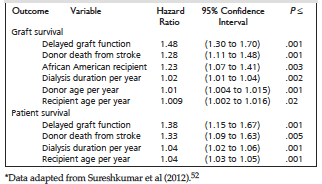
Table 1. Significant Predictors of Adverse Outcomes After Deceased-donor Kidney Transplant in Hepatitis C Virus-seropositive Patients Who Received Induction Therapy With Depleting or Nondepleting Agents*
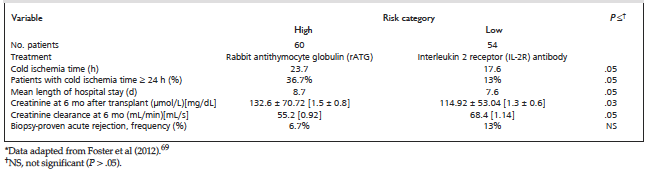
Table 2. Results of a Risk-adjusted Immunosuppressive Program After Kidney Transplant*