Volume: 12 Issue: 1 March 2014 - Supplement - 1
FULL TEXT
In comparison with other solid-organ transplants, liver allografts are immunologically privileged. Allografts are rejected by immune reactions of the host, and clinical therapy for liver allografts includes immunosuppression to prevent rejection. Orthotopic liver transplant causes systemic donor-specific T-cell tolerance. In addition, antigens introduced into hepatocytes or the portal vein cause tolerance. The basic mechanism in liver tolerance may include continuous exposure of diverse liver cell types to endotoxin derived from intestinal bacteria. This exposure promotes the expression of cytokines, antigen-presenting molecules, and costimulatory signals that inactivate T cells, partly by effects on liver antigen-presenting cells. A simple, reliable, noninvasive assay to evaluate antidonor alloreactivity may be important in implementing these approaches in the laboratory and clinic.
Key words : Antigen-presenting cells, Endotoxin, Hepatocyte, Rejection, T cell
Introduction
During the past 4 decades, liver transplant has evolved from a procedure with high mortality and morbidity to a successful therapy for end-stage liver disease. Current survival for elective liver transplant may be > 85% to 88% at 1 year and 70% to 75% at 5 years, and patients may have an excellent quality of life.1
In comparison with other solid-organ transplants, liver allografts are immunologically privileged. Liver transplants have no hyperacute rejection despite a positive T-cell crossmatch, a low incidence of graft loss caused by chronic rejection, and the potential for hepatocyte regeneration after tissue injury. Nevertheless, destructive immunologic processes may occur, and acute liver allograft rejection may occur in 50% to 75% liver transplant recipients. Immuno-suppressive drugs may cause major toxic effects that increase morbidity and mortality. In addition, current immunosuppressive regimens do not prevent chronic rejection, which is a major cause of graft loss.2 Furthermore, various idiopathic autoimmune diseases target the liver, such as primary biliary cirrhosis, primary sclerosing cholangitis, and autoimmune hepatitis.3-5 Therefore, liver transplant is complex, and the transplanted liver may have a paradoxical interaction with the host immune system. The immunologic reactions after liver transplant are important, may explain the clinical features of rejection, and may facilitate early diagnosis and appropriate treatment.
Allograft Rejection and Immunology
Liver transplant grafts originate from people who have varied immunologic characteristics. The genetically encoded, immunologically mediated barrier to transplant was recognized and defined during the previous century. Immunologic research has been important in the development of clinical transplant. Graft rejection is very complicated and may be caused by transplant antigens including major and minor histocompatibility antigens.
Allografts and cell-mediated rejection
Antibody-mediated, hyperacute vasculitic rejection after liver transplant can
occur in people who have preformed antibodies against the donor major
histocompatibility complex class I antigens. Acute allograft rejection usually
is initiated by the many recipient T cells that recognize donor alloantigens.6 In the T-cell–dependent pathway to rejection, the graft alloantigens are
processed by specialized antigen-presenting cells. The molecules of the major
histocompatibility complex of the graft are internalized by donor and recipient
antigen-presenting cells. After intracellular processing, the major
histocompatibility complex peptide fragments are presented to the recipient T
cells.7
Acute cellular rejection is the best characterized graft-specific type of immune rejection, and is defined by sudden deterioration in allograft function. Biopsy of the transplanted tissue shows infiltration by host T cells and other mononuclear leukocytes, and there are signs of damage to the graft by these infiltrating cells. Both CD4 and CD8 T cells participate in acute rejection, but the rejection response is mediated primarily by CD4 T cells that are activated by direct and indirect pathways.8 The cells of the innate immune system, such as natural killer (NK) cells, also are present in allografts during rejection. The NK cells can recognize alloantigens because they constitutively express inhibitory receptors that are specific for self-antigens of the major histocompatibility complex class I. In addition, cytokines secreted by activated CD4 or CD8 T cells can activate NK cells that may initiate and promote rejection.9
The killer immunoglobulinlike receptor 2D subtype (KIR2D) NK cells may be underrepresented in recipients before liver transplant and may recover after liver transplant.10 In patients who have human leukocyte antigen (HLA) C allotypes C2/C2 and who have early acute rejection, the late recovery of KIR2D+ NK cells may be associated with acute rejection.10 However, the early increase in KIR2D+CD8+ cells may be associated with successful graft outcome.10 Therefore, the monitoring of KIR2D+ cells and determination of HLA-C genotype may be useful in liver transplant follow-up and may help determine which patients may have a lower risk of acute rejection.
Allografts and humoral rejection
The production of antidonor major histocompatibility complex antibodies is
associated with acute and chronic graft damage from graft vasculopathy. Donor-specific
antibodies may damage the graft by activating complement and mononuclear cells
with Fc receptors that recognize the heavy chain of antibodies. Antidonor
antibodies also may inhibit signaling cascades directly within endothelial
cells.11 Humoral rejection of allografts may be observed after kidney, heart,
and lung transplant, but liver allografts usually recover. Most transplanted
organs have insidious and progressive dysfunction. This process previously had
been termed chronic rejection, but donor-specific immune rejection may not be
the only or primary cause.12
In 1000 liver transplant patients in 1 center during 20 years, most (95%) of the 39 patients who had rejection had antibodies before rejection, but 41% concurrently transplanted control liver transplant patients had antibodies and survived.13 Therefore, liver transplants were not exceptional.14 The liver allograft may be partially resistant to antibody-mediated damage, but high levels of antibodies against donor-specific antigens may be associated with worse outcomes and may be a risk factor for graft dysfunction.15
Allografts and memory T-cell–mediated rejection
Memory T cells may be divided into central memory and effector memory subsets,
based on their circulation pattern and functional responsiveness. After repeat
exposure to donor antigens, donor-reactive memory T cells may be more sensitive
to antigens, function more rapidly, produce effector cytokines, survive longer
than unexposed T cells, and directly or indirectly produce cytolytic effects on
the transplanted tissue.16,17 After continuous exposure to foreign antigens,
memory T cells accumulate and comprise 50% total T cells in adults.
Before transplant, potential recipients may have donor-reactive T cells from previous immunization caused by direct exposure to alloantigens during pregnancy or blood transfusion.18 In addition, donor-reactive memory T cells may be generated in the absence of alloantigen exposure by heterologous immunity; memory T cells may be primed by antigenic peptides from pathogens that may cross-react with allogeneic peptides of the donor major histocompatibility complex. Therefore, alloreactive T cells that have no previous graft exposure may acquire a memory phenotype and may include donor-reactive memory T cells after transplant, even when the recipient is receiving immunosuppressive therapy. Memory T cells may be efficient at mediating allograft rejection because they may generate effector immune responses rapidly upon repeat challenge.19,20
Costimulatory pathways
Optimal activation of T cells occurs after the cells receive 2 distinct and
coordinated signals. The first signal is provided by the T-cell receptor, which
may recognize peptides of the major histocompatibility complex I or II on
antigen-presenting cells. The second signal is provided by the interaction of
costimulatory molecules on the T cells and ligands on antigen-presenting cells.
The importance of costimulation was demonstrated in experimental models.
Inhibition may occur when 1 signal, in the absence of the second signal, causes
T-cell anergy; the T cells may recognize cognate antigens with the
T-cell receptor but may fail to mount a functional response upon repeat
encounter with the antigen.
The 2 costimulatory pathways that are important in the generation of a complete T-cell response include CD28/B7 and CD40/CD154. The CD28 pathway has been intensively investigated. The CD28 antigen is a prototypical costimulatory molecule. In humans, CD28 is expressed on 90% CD4 T cells and 50% CD8 T cells. In addition, ligands for CD28, including B7-1 (CD80) and B7-2 (CD86), are present on various antigen-presenting cells including dendritic cells, B cells, and macrophages.21 The CD80 antigen is expressed only sporadically on normal liver cells but may be present on 25% Kupffer cells in 45% transplanted livers. The CD86 antigen is observed on most Kupffer cells in all transplanted liver and normal liver tissue. The effects of ligation of CD28 by CD80 or CD86 may include increased cytokine synthesis, cell proliferation, and intracellular signaling. Immunohistochemical analysis of the expression of CD86 in biopsies of liver transplant recipients has shown increased expression of CD86 in the graft during severe acute cellular rejection.22
The CD40/CD154 costimulatory pathway also is important in the immune response of allotransplant. The CD40 antigen is expressed primarily on antigen-presenting cells, but it also may be expressed on nonimmune cells including endothelial cells, mast cells, platelets, and epithelial cells. However, CD154 is expressed primarily on CD4 T cells after activation, NK cells, B cells, and CD8 T cells. The CD154 antigen combines with CD40, which is important for the activation of dendritic cells, B cells, and macrophages. The CD40 antigen up-regulates the production of interleukin 12 in dendritic cells and causes the production of various proinflammatory cytokines in macrophages. The CD154 antigen also is detected on Kupffer cells and sinusoidal macrophages in the liver during chronic rejection but not in stable liver allografts or the normal liver.23
The CD28/B7 interactions frequently are measured with cytotoxic T-lymphocyte antigen (CTLA) immunoglobulin (Ig). In an orthotopic rat liver transplant model, repeated administration of CTLA-Ig and donor splenocytes causes extended graft survival > 100 days, but the delayed administration of CTLA4-Ig (alone or with donor splenocytes) does not cause graft survival.24 Cross-linking B7 on antigen-presenting cells with CTLA4-Ig may induce indoleamine 2,3-dioxygenase, which may inhibit local T-cell activation.25,26
The CD154/CD40 interaction may promote dendritic cell maturation in the absence of CD4+CD25+ regulatory lymphocytes because dendritic cells promote the maintenance of immaturity.27,28 This interaction may explain the importance of the activation of dendritic cells by innate immune mechanisms and activated T cells. Therefore, CTLA4-Ig and anti-CD154 may be beneficial in preclinical models of transplant, but clinical application in liver transplant is not established.
Mechanisms of Allograft Rejection
Liver allograft rejection is the rejection of the liver transplant by the recipient (host-versus-graft reaction).29 Graft rejection may be hyperacute, acute, or chronic (Table 1).
Hyperacute rejection
Hyperacute rejection is rare after liver transplant and occurs within minutes to
hours after the anastomosis is made between host and graft blood vessels.
Hyperacute rejection is mediated by pre-existing antibodies that are specific to
the graft antigens, including ABO blood type, HLA, and vascular endothelial cell
antigens. These different antigens may activate complement in the host and cause
damage to endothelial cells. The pathologic changes of hyperacute rejection
include thrombotic occlusion of the graft vessels, ischemia, denaturation, and
necrosis.
Acute rejection
Acute rejection after liver transplant is rare and occurs from several days to 3
months after transplant. The pathologic features of acute rejection include
acute vasculitis, parenchymal cell necrosis, and infiltration of lymphocytes and
macrophages.29 It has been difficult to determine the participation of, and
relation between, specific effector pathways during acute liver transplant
rejection. However, acute rejection is mediated by humoral and/or cellular
mechanisms. Antibodies may injure the graft by activating complement and
mononuclear cells, and Fc receptors may recognize alloantigens on the
endothelial cell and cause vasculitis.
The CD8+ cells alone are sufficient to cause acute allograft rejection. In addition, CD4+ cells may secrete cytokines such as interleukin 2 and express cytotoxic molecules.30 The Fas ligand pathway may be important in various hepatic problems, and this pathway is active during liver allograft rejection.31,32
Delayed hypersensitivity also is important in acute rejection and is initiated by alloantigen-primed CD4+ cells that are specific to the donor class II antigens.33 Repeat exposure to specific alloantigens may cause CD4+ cells to release the proinflammatory cytokine interferon γ, that may activate macrophages and the release of various inflammatory mediators. These inflammatory mediators may augment the cellular antigraft response or cause direct tissue damage.
Chronic rejection
Chronic rejection is an indolent but progressive allograft injury that usually
is irreversible and causes failure of most vascularized solid-organ allografts.
It is the most important obstacle to morbidity-free long-term survival. Within 5
years after transplant, chronic rejection occurs in 30% to 50% heart, lung,
pancreas, and kidney allograft recipients but only 4% to 8% liver transplant
recipients.34
Liver allografts differ from other solid-organ transplants because chronic rejection after liver transplant potentially is reversible. This feature of liver transplant has been attributed to the unique immunologic privilege and regenerative capacity of the liver. Liver transplants that have chronic rejection have a decreased number of bile ducts (vanishing bile duct syndrome).35 Chronic rejection also is characterized by vasculopathy, fibrosis, and progressive loss of organ function.
Prevention of Allograft Rejection
Allograft rejection is prevented by graft selection before transplant, including matching for ABO blood group and HLA type. Most liver transplant centers use blood group compatibility as the primary immunologic selection criterion. It is feasible to obtain a donor liver that has compatible ABO and Rh blood groups, even in urgent situations.36 Many transplant centers also perform liver transplant with ABO-incompatible grafts, and the outcomes of ABO-incompatible liver transplants are similar to outcomes with blood-type-matched transplants in some centers. However, infection is a major cause of morbidity and mortality after ABO-incompatible liver transplant.37 At present, liver transplant from ABO-compatible but not ABO-identical donors is common, especially for recipients that have less common blood groups. The results of ABO-identical grafts are slightly better than the ABO-compatible but ABO-nonidentical grafts.38 Allograft rejection is an occasional complication after ABO-compatible, ABO-nonidentical liver transplant because of the immunocompetent passenger lymphocytes within the transplanted liver that may produce antibodies against the recipient erythrocytes.
Kidney transplant in patients that have a positive crossmatch for donor-specific cytotoxic antibodies have rapid graft loss. However, this may not occur after liver transplant. In addition, the major histocompatibility complex antigens are important in kidney transplant, but the liver may be a privileged organ with minimal rejection. Some liver grafts may survive without immunosuppression. Therefore, some surgeons have not used HLA matching in patient selection for liver transplant, especially when there is a shortage of donors. Retrospective data have not shown any clear survival advantage associated with close HLA matching, and there may be a disadvantage with some aspects of HLA matching.39,40 In > 500 liver transplants, overall graft survival was reduced in grafts matched for HLA.40 Development of rejection and allograft survival are not improved by close matching for HLA antigens, and poorer HLA matching may favor graft survival and may be associated with a decreased incidence of rejection, especially with HLA-A locus matching.41
The immunologic features of liver transplant are complex. Allograft tolerance has been established in experimental models, but further developments are needed to improve clinical tolerance in liver transplant.
References:
- VI meeting of the Mexican Association of Hepatology. Ann Hepatol. 2010;9(2):225-246.
- Lechler RI, Sykes M, Thomson AW, Turka LA. Organ transplantation - how much
of the promise has been realized? Nat Med. 2005;11(6):605-613.
CrossRef - PubMed - Duclos-Vallee JC, Sebagh M. Recurrence of autoimmune disease, primary
sclerosing cholangitis, primary biliary cirrhosis, and autoimmune hepatitis
after liver transplantation. Liver Transpl. 2009;15(Suppl 2):S25-S34.
CrossRef - PubMed - Schramm C, Bubenheim M, Adam R, et al. Primary liver transplantation for
autoimmune hepatitis: a comparative analysis of the European Liver Transplant
Registry. Liver Transpl. 2010;16(4):461-469.
PubMed - Emiroglu R, Sevmis S, Moray G, Savas N, Haberal M. Living-donor liver
transplantation: results of a single center. Transplant Proc.
2007;39(4):1149-1152.
CrossRef - PubMed - Stefanova I, Dorfman JR, Tsukamoto M, Germain RN. On the role of
self-recognition in T cell responses to foreign antigen. Immunol Rev.
2003;191:97-106.
CrossRef - PubMed - Afzali B, Lombardi G, Lechler RI. Pathways of major histocompatibility
complex allorecognition. Curr Opin Organ Transplant. 2008;13(4):438-444.
CrossRef - PubMed - Watschinger B. How T cells recognize alloantigen: evidence for two pathways
of allorecognition. Nephrol Dial Transplant. 1995;10(9):1556-1558.
PubMed - Dollinger MM, Howie SE, Plevris JN, Graham AM, Hayes PC, Harrison DJ.
Intrahepatic proliferation of 'naive' and 'memory' T cells during liver
allograft rejection: primary immune response within the allograft. FASEB J.
1998;12(11):939-947.
PubMed - López-Álvarez MR, Campillo JA, Legaz I, et al. Divergences in KIR2D+ natural
killer and KIR2D+CD8+ T-cell reconstition following liver transplantation. Hum
Immunol. 2011;72(3):229-237.
CrossRef - PubMed - Li F, Atz ME, Reed EF. Human leukocyte antigen antibodies in chronic
transplant vasculopathy - mechanisms and pathways. Curr Opin Immunol.
2009;21(5):557-562.
CrossRef - PubMed - Seetharam A, Tiriveedhi V, Mohanakumar T. Alloimmunity and autoimmunity in
chronic rejection. Curr Opin Organ Transplant. 2010;15(4):531-536.
CrossRef - PubMed - O’Leary JG, Kaneku H, Susskind BM, et al. High mean fluorescence intensity
donor-specific anti-HLA antibodies associated with chronic rejection postliver
transplant. Am J Transplant. 2011;11(9):1868-1876.
CrossRef - PubMed - Terasaki PI. A personal perspective: 100-year history of the humoral theory
of transplantation. Transplantation. 2012;93(8):751-756.
CrossRef - PubMed - Tait BD, Süsal C, Gebel HM, et al. Consensus guidelines on the testing and
clinical management issues associated with HLA and non-HLA antibodies in
transplantation. Transplantation. 2013;95(1):19-47.
CrossRef - PubMed - Ku CC, Murakami M, Sakamoto A, Kappler J, Marrack P. Control of homeostasis
of CD8+ memory T cells by opposing cytokines. Science. 2000;288(5466):675-678.
CrossRef - PubMed - Sallusto F, Geginat J, Lanzavecchia A. Central memory and effector memory T
cell subsets: function, generation, and maintenance. Annu Rev Immunol.
2004;22:745-763.
CrossRef - PubMed - Bingaman AW, Farber DL. Memory T cells in transplantation: generation,
function, and potential role in rejection. Am J Transplant. 2004;4(6):846-852.
CrossRef - PubMed - Zheng XX, Markees TG, Hancock WW, et al. CTLA4 signals are required to
optimally induce allograft tolerance with combined donor-specific transfusion
and anti-CD154 monoclonal antibody treatment. J Immunol. 1999;162(8):4983-4990.
PubMed - Schenk AD, Nozaki T, Rabant M, Valujskikh A, Fairchild RL. Donor-reactive
CD8 memory T cells infiltrate cardiac allografts within 24-h posttransplant in
naive recipients. Am J Transplant. 2008;8(8):1652-1661.
CrossRef - PubMed - Kwekkeboom J, Kuijpers MA, Bruyneel B, et al. Expression of CD80 on Kupffer
cells is enhanced in cadaveric liver transplants. Clin Exp Immunol.
2003;132(2):345-351.
PubMed - Bartlett AS, McCall JL, Ameratunga R, Yeong ML, Gane E, Munn SR. Analysis of
intragraft gene and protein expression of the costimulatory molecules, CD80,
CD86 and CD154, in orthotopic liver transplant recipients. Am J Transplant.
2003;3(11):1363-1368.
CrossRef - PubMed - Gaweco AS, Wiesner RH, Yong S, et al. CD40L (CD154) expression in human
liver allografts during chronic ductopenic rejection. Liver Transpl Surg.
1999;5(1):1-7.
CrossRef - PubMed - Neumann UP, Fischer U, Schmitz V, Lang M, Langrehr JM, Neuhaus P. Long-term
graft acceptance after rat liver allograft transplantation induced by
application of CTLA4-Ig and donor specific spleen cell administration.
Transplant Proc. 2002;34(5):1400-1401.
CrossRef - PubMed - Mellor AL, Baban B, Chandler P, et al. Cutting edge: induced indoleamine 2,3
dioxygenase expression in dendritic cell subsets suppresses T cell clonal
expansion. J Immunol. 2003;171(4):1652-1655.
PubMed - Li W, Li B, Fan W, et al. CTLA4Ig gene transfer alleviates abortion in mice
by expanding CD4+CD25+ regulatory T cells and inducing indoleamine
2,3-dioxygenase. J Reprod Immunol. 2009;80(1-2):1-11.
CrossRef - PubMed - Serra P, Amrani A, Yamanouchi J, et al. CD40 ligation releases immature
dendritic cells from the control of regulatory CD4+CD25+ T cells. Immunity.
2003;19(6):877-889.
CrossRef - PubMed - Misra N, Bayry J, Lacroix-Desmazes S, Kazatchkine MD, Kaveri SV. Cutting
edge: human CD4+CD25+ T cells restrain the maturation and antigen-presenting
function of dendritic cells. J Immunol. 2004;172(8):4676-4680.
PubMed - Lu L, Rao J, Li G, Qian X, Sun B, Wang X. Immunology of liver
transplantation. In: Abdeldayem H, Allam N, ed. Liver Transplantation - Basic
Issues. Rijeka, Croatia: InTech; 2012:75-94.
CrossRef - Kreisel D, Krupnick AS, Gelman AE, et al. Non-hematopoietic allograft cells
directly activate CD8+ T cells and trigger acute rejection: an alternative
mechanism of allorecognition. Nat Med. 2002;8(3):233-239.
CrossRef - PubMed - Tannapfel A, Kohlhaw K, Ebelt J, et al. Apoptosis and the expression of Fas
and Fas ligand (FasL) antigen in rejection and reinfection in liver allograft
specimens. Transplantation. 1999;67(7):1079-1083.
CrossRef - PubMed - Ogura Y, Martinez OM, Villanueva JC, et al. Apoptosis and allograft
rejection in the absence of CD8+ T cells. Transplantation.
2001;71(12):1827-1834.
CrossRef - PubMed - Carrodeguas L, Orosz CG, Waldman WJ, Sedmak DD, Adams PW, VanBuskirk AM.
Trans vivo analysis of human delayed-type hypersensitivity reactivity. Hum
Immunol. 1999;60(8):640-651.
CrossRef - PubMed - Demetris AJ, Murase N, Lee RG, et al. Chronic rejection. A general overview
of histopathology and pathophysiology with emphasis on liver, heart and
intestinal allografts. Ann Transplant. 1997;2(2):27-44.
PubMed - Demetris A, Adams D, Bellamy C, et al. Update of the International Banff
Schema for Liver Allograft Rejection: working recommendations for the
histopathologic staging and reporting of chronic rejection. An international
panel. Hepatology. 2000;31(3):792-799.
CrossRef - PubMed - Gordon RD, Iwatsuki S, Esquivel CO, Tzakis A, Todo S, Starzl TE. Liver
transplantation across ABO blood groups. Surgery. 1986;100(2):342-348.
PubMed - Tanabe M, Kawachi S, Obara H, et al. Current progress in ABO-incompatible
liver transplantation. Eur J Clin Invest. 2010;40(10):943-949.
CrossRef - PubMed - Gugenheim J, Samuel D, Reynes M, Bismuth H. Liver transplantation across ABO
blood group barriers. Lancet. 1990;336(8714):519-523.
CrossRef - PubMed - Navarro V, Herrine S, Katopes C, Colombe B, Spain CV. The effect of HLA
class I (A and B) and class II (DR) compatibility on liver transplantation
outcomes: an analysis of the OPTN database. Liver Transpl. 2006;12(4):652-658.
CrossRef - PubMed - Markus BH, Duquesnoy RJ, Gordon RD, et al. Histocompatibility and liver
transplant outcome. Does HLA exert a dualistic effect? Transplantation.
1988;46(3):372-377.
PubMed - Muro M, López-Álvarez MR, Campillo JA, et al. Influence of human leukocyte
antigen mismatching on rejection development and allograft survival in liver
transplantation: is the relevance of HLA-A locus matching being underestimated?
Transpl Immunol. 2012;26(2-3):88-93.
CrossRef - PubMed

Volume : 12
Issue : 1
Pages : 5 - 10
DOI : 10.6002/ect.25Liver.L9
From the Department of Immunology, Baskent University, Faculty of Medicine, Istanbul, Turkey
Corresponding author: Ali İnal, Kısıklı Cad. Oymacı Sok. No. 7 Altunizade,
Istanbul, Turkey
Phone: +90 216 554 15 00 Ext. 1410
Fax: +90 216 474 31 49
E-mail: dr.ali.inal@gmail.com
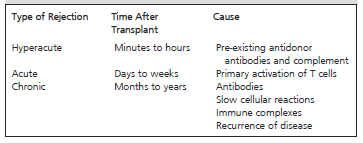
Table 1. Types of Transplant Graft Rejection